Koefoed


Michelin Bib Gourmand · Star Wine List
Our verdict
A former coal cellar beneath Landgreven 3 houses one of Copenhagen's most focused Bornholm-dedicated kitchens. Koefoed holds a Michelin Bib Gourmand and the Star Wine List #1 ranking (2021), pairing modern smørrebrød at lunch with an extensive Bordeaux-led wine program. The price point sits well below the city's tasting-menu circuit, making it a considered alternative for those who want serious cooking without the €€€€ commitment.

Pearl is the En Primeur Club membership app, where members save venues, book tables and use the concierge.
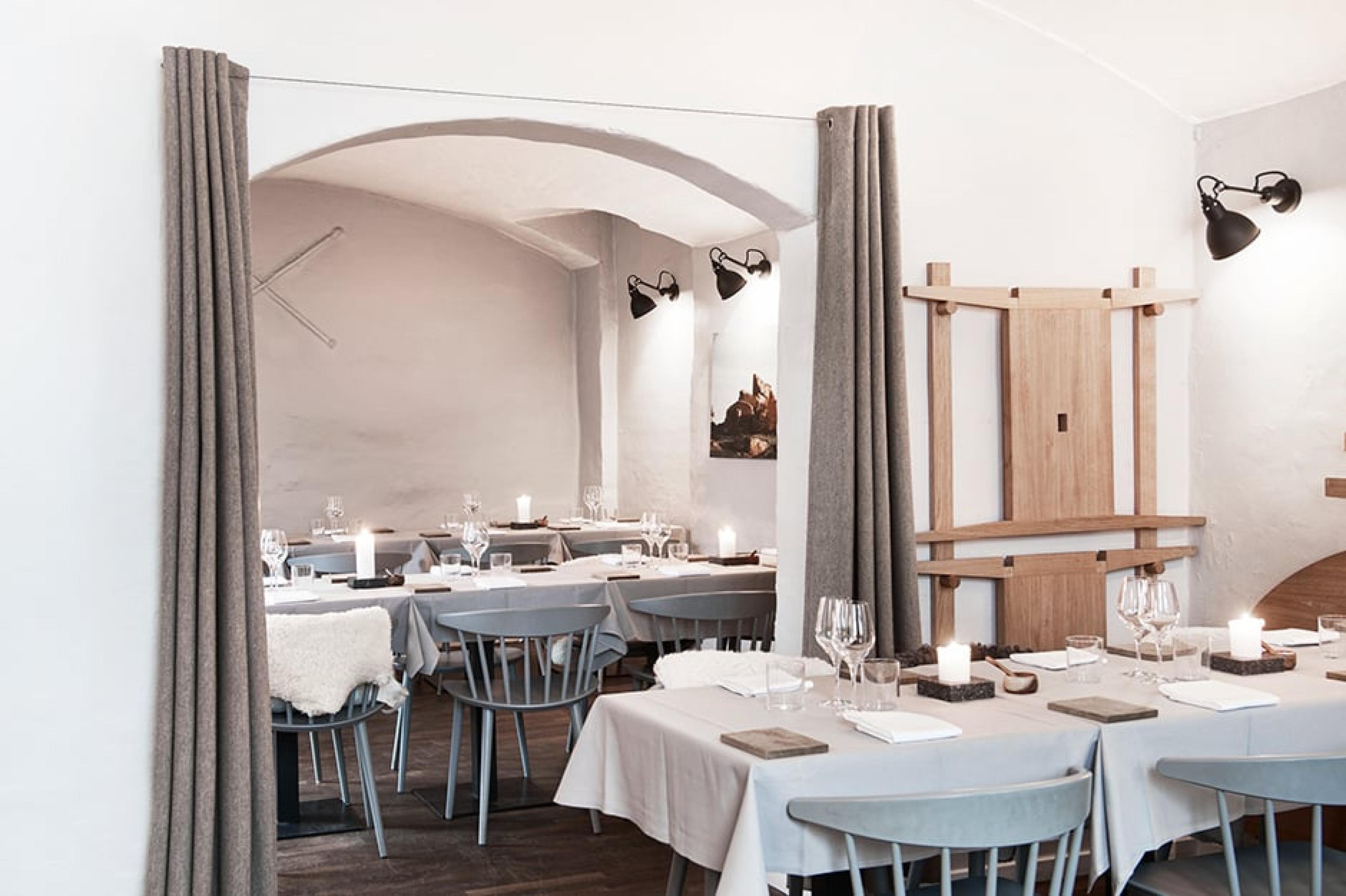
Stone, Cellar, Island: The Atmosphere at Landgreven 3
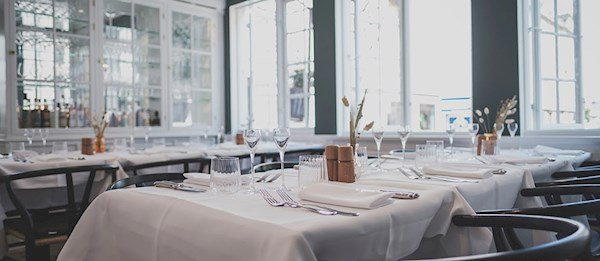
Descend into Koefoed's rooms and the first thing you register is the weight of the walls. The vaulted coal cellar beneath Landgreven 3 in central Copenhagen predates the restaurant by well over a century, and that compressed brick-and-stone architecture does something a ground-floor fit-out rarely achieves: it filters out the street entirely. Scandinavian design thinking has been applied with restraint, pale wood, clean lines, glassware chosen as part of the room's identity rather than as an afterthought, but the dominant material is still the cellar itself. The atmosphere is quieter and more grounded than much of Copenhagen's mid-market dining scene, where open-plan warehouse formats have become the default.
The cellar structure also shapes the acoustics. Sound stays contained within each room, which keeps conversation at a register where you can actually hold one, a detail that matters more than it sounds in a city where proximity and volume often travel together. Light levels sit low without veering into theatrical darkness, and the overall effect is that you become aware of the room as a context rather than as a backdrop. That quality, the sense that the physical space is making an argument, runs through how Koefoed presents its food and its wine program as well.
What Koefoed Is Actually About: Bornholm as a Single Lens
Copenhagen dining has spent the last two decades working through questions of terroir, provenance, and regional identity. Koefoed's answer to those questions is unusually specific: the island of Bornholm, Denmark's easternmost territory, sitting closer to Sweden and Poland than to Copenhagen, functions here as the restaurant's single organising principle. The produce comes from Bornholm, the glassware references Bornholm, the narrative of the room is Bornholm. That level of focus is less common than the language of New Nordic might suggest. Many restaurants in this city claim regional identity in broad strokes; this one has committed to a particular patch of Baltic coast and structured everything around it.
The cooking is described as modern, not as New Nordic in the strict post-Noma sense, and that distinction matters in Copenhagen's current restaurant taxonomy. The heavy Michelin circuit in this city, Jordnær in Gentofte, Frederikshøj in Aarhus, and at the apex of Copenhagen itself, venues like Geranium and Alchemist operating at €€€€ with multi-hour tasting formats, occupies a register that Koefoed explicitly does not compete in. The Michelin Bib Gourmand, awarded in 2025, positions it differently: the Bib category signals cooking that delivers at a price point the Guide considers particularly good value, which at Copenhagen prices means accessible rather than cheap, but meaningfully below the tasting-menu tier.
Lunch and the Smørrebrød Question
Smørrebrød, Denmark's open-faced rye bread tradition, splits into two very different categories in this city. One is the cafeteria version, the institutional lunch plates that appear in office buildings and tourist-facing lunch spots throughout central Copenhagen. The other is the reinvented format: smørrebrød treated as a vehicle for serious kitchen thinking, with ingredient selection and preparation at a level that justifies sitting down and paying attention. Koefoed's lunch service operates in the second category, applying the island's produce to a format that has been part of Danish food culture for generations but is still capable of surprising when the sourcing and technique are at the right level.
That reinvention matters because smørrebrød is one of the few Danish formats that connects everyday eating to fine-dining ambition without requiring the ceremonial framing of an evening tasting menu. It is also one of the better formats for exploring Bornholm's ingredient range, since the structure of the dish keeps individual elements distinct and legible rather than folded into composed plates where provenance becomes theoretical. For visitors to Copenhagen who want to understand what the island's producers are actually growing and catching, a Koefoed lunch is a more direct path than a longer dinner elsewhere.
The Wine Program: Bordeaux as a Counterpoint
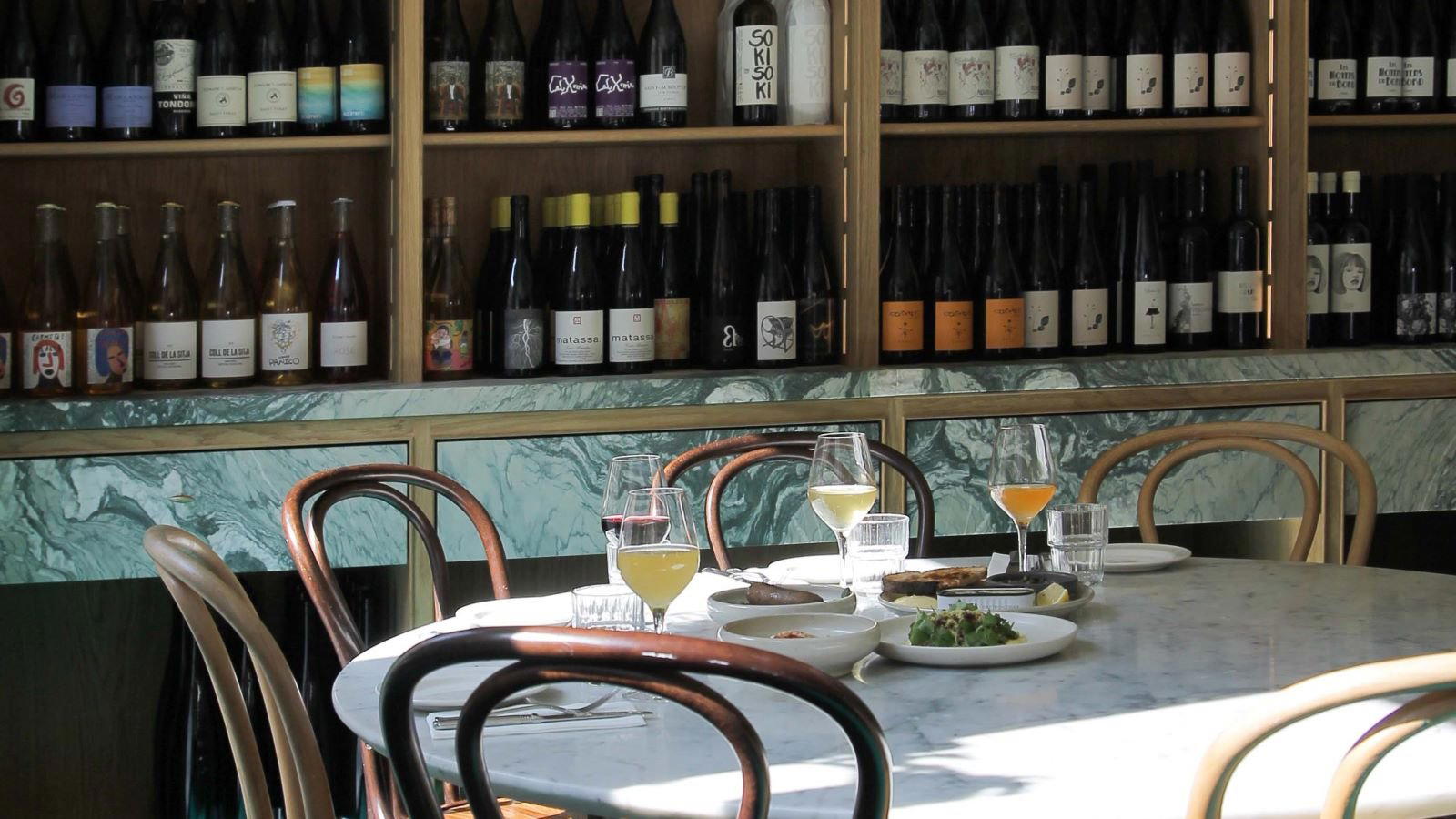
Copenhagen's restaurant wine culture has moved heavily toward natural wine, low-intervention producers, and lists built around biodynamic credentials. That direction makes sense against the backdrop of New Nordic philosophy, but it has also produced a certain sameness across the city's more ambitious lists. Koefoed's decision to anchor its program in Bordeaux reads as a deliberate counterposition. Star Wine List ranked it first in 2021, which signals depth and curation at a level that goes well beyond the token classic section most contemporary restaurants maintain for guests who find the natural-wine-forward lists difficult.
A Bordeaux-led program in this setting is also a practical match for how the food is structured. The island's produce, cured and smoked fish, root vegetables, aged cheeses, can handle the structural weight that serious Bordeaux brings in a way that the lighter, lower-alcohol natural wines that dominate peer lists sometimes cannot. The wine program here is not an add-on to the food concept; it is part of what makes the room feel coherent. That coherence is relatively rare at this price tier across Copenhagen's dining scene, where wine programs at the Bib Gourmand level often feel like afterthoughts.
Where Koefoed Sits in Copenhagen's Current Dining Map
Copenhagen's restaurant scene at the moment sorts into recognisable clusters. At the leading end, the multi-course, multi-hour, €€€€ operations attract international reservation lists and command serious planning time. Below them, a dense mid-market tier runs from solid neighbourhood bistros to serious creative kitchens at the €€ to €€€ level. Venues like Alouette, formel B, and texture operate in and around that middle register; Abigail & Co and Anarki extend the range further into wine-bar and casual formats. Koefoed's single-price-symbol rating places it at the accessible end of the serious-cooking spectrum, which in Copenhagen is a position not heavily populated by restaurants with Michelin recognition.
The Bib Gourmand distinguishes it from the wine-bar casual tier while the price point separates it clearly from the tasting-menu circuit. That positioning makes it genuinely useful for a certain kind of Copenhagen visit, one built around eating well at multiple meals rather than committing the majority of a food budget to a single high-ceremony evening. Readers planning wider Danish itineraries may find useful reference points at Alimentum in Aalborg, ARO in Odense, and Domæne in Herning, while Scandinavian-context comparisons extend to Frantzén in Stockholm. For the full Copenhagen picture, see our full Copenhagen restaurants guide, as well as guides to hotels, bars, wineries, and experiences in the city.
Henne Kirkeby Kro and the Broader Danish Island Tradition
Koefoed is not the only Danish restaurant that has made a specific geography its editorial premise. Henne Kirkeby Kro in Henne has built a similar argument around the Jutland coast. What distinguishes Koefoed is that it operates this argument from within a capital-city setting, bringing the island to an urban room rather than asking diners to make the journey themselves. That translation, from source to city, is its own editorial act, and one that the coal cellar setting reinforces rather than contradicts. The roughness of the original space and the specificity of the island source material are in dialogue.
Know Before You Go
- Address: Landgreven 3, 1301 København, Denmark
- Price: € (single symbol, accessible tier by Copenhagen standards)
- Awards: Michelin Bib Gourmand (2025); Star Wine List #1 (2021)
- Setting: Former coal cellar, vaulted rooms, Scandinavian fit-out
- Lunch: Reinvented smørrebrød available at midday service
- Wine: Bordeaux-led program; ranked #1 by Star Wine List
- Hours: Confirm current service hours with the restaurant before visiting
Frequently asked questions
What should I order at Koefoed?
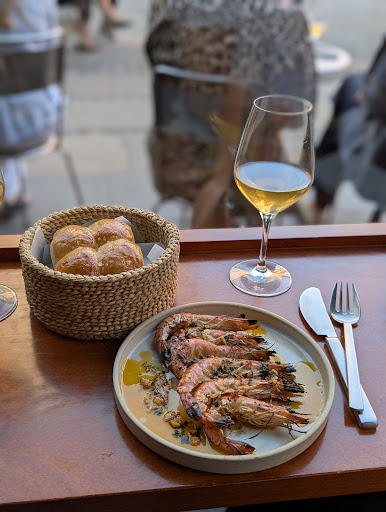
The smørrebrød at lunch is the clearest entry point into what this kitchen does. The format, reinvented open-faced rye bread built around Bornholm produce, gives you the most direct read on the island's ingredients without the length or cost of an evening sitting. The wine program anchors in Bordeaux rather than following Copenhagen's natural-wine consensus, so if you are eating in the evening, approaching the list with that in mind will serve you better than expecting a low-intervention-heavy selection. Chef Rasmus Kofoed's name and the Michelin Bib Gourmand (2025) give the kitchen's credentials; the Bornholm-focused produce sourcing is what makes the specific dishes worth ordering rather than treating as generic modern cooking.
Similar Picks
| Venue | Cuisine | Price | Awards | Notes |
|---|---|---|---|---|
| KoefoedThis venue (the venue you are viewing) | Modern Scandinavian with Bornholm Focus | Not listed | Michelin Bib Gourmand · Star Wine List | Not listed |
| Geranium | Modern New Nordic Pescatarian | $500+ | 3 Michelin Stars · World's 50 Best #1 | New Nordic, Creative |
| Noma | New Nordic Fine Dining | $300–500 | 3 Michelin Stars · World's 50 Best #1 | Creative |
| Alchemist | Avant-Garde Molecular Gastronomy with Social Commentary | $500+ | 2 Michelin Stars · World's 50 Best #5 | Progressive, Creative |
| Koan | Modern Korean-Nordic Fine Dining | $300–500 | 2 Michelin Stars · World's 50 Best #91 | New Nordic, Kaiseki, Creative |
| a|o|c | Modern Scandinavian Fine Dining | $300–500 | 2 Michelin Stars · La Liste Top Restaurants | New Nordic, Mediterranean Small Plates, Creative |
Recognition history
Dated appearances from independent guides and award organizations, with the underlying list record or original source where available.
Michelin Bib Gourmand
Michelin
Star Wine List
Star Wine List
Full recognition history (5 entries)
Michelin Bib Gourmand
Michelin
Michelin Plate
Michelin
Star Wine List
Star Wine List
Continue exploring
More in Copenhagen
Restaurants in Copenhagen
All restaurants in Copenhagen →
Bars in Copenhagen
All bars in Copenhagen →

Details
- Cozy
- Intimate
- Modern
- Rustic
- Date Night
- Special Occasion
- Private Dining
- Extensive Wine List
- Local Sourcing
- Tasting Menu
- A La Carte
- Set Menu
- Vegetarian Friendly
- Vegan Options
- Gluten Free Options
Current opening hours
- Monday
- Closed
- Tuesday
- 11:30 AM–3 PM, 5:30 PM–12 AM
- Wednesday
- 11:30 AM–3 PM, 5:30 PM–12 AM
- Thursday
- 11:30 AM–3 PM, 5:30 PM–12 AM
- Friday
- 11:30 AM–3 PM, 5:30 PM–12 AM
- Saturday
- 11:30 AM–3 PM, 5:30 PM–12 AM
- Sunday
- Closed
Hours can change for holidays and private events. Hours as of .
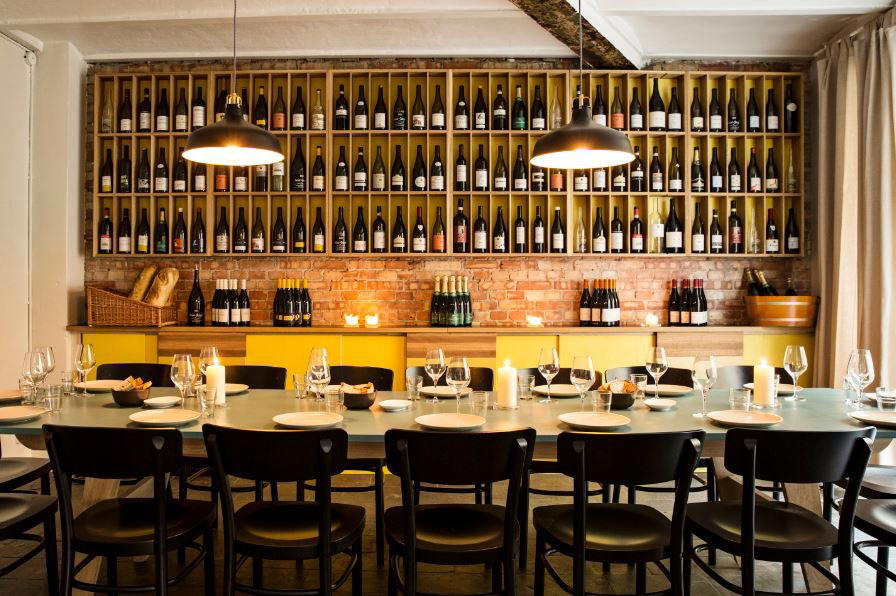
Bright and cozy former coal cellar with several smaller intimate rooms, raw whitewashed arches, soft beige tones, woolen throws on chairs, and a warm inviting atmosphere.