

Michelin Plate · Star Wine List
Our verdict
Few Belgrade restaurants carry as much cultural weight as Klub Književnika by Branko Kisic, a Michelin Plate-recognised address on Francuska Street that has drawn writers, journalists, and politicians since 1946. The menu is a focused Serbian lineup, gibanica, krempita, and seasonal Balkan staples, delivered in a setting that moves between a glassed winter garden and a formal dining room, often with live music.

Pearl is the En Primeur Club membership app, where members save venues, book tables and use the concierge.
The menu
What to order
- Gibanica
- Krempita
- Hrsakava – Topla Jagnjeća Pita
A Room That Remembers
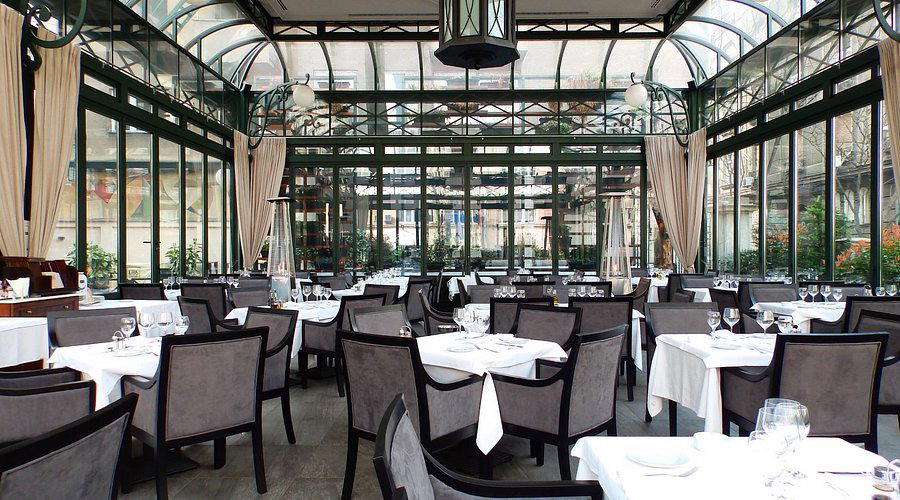
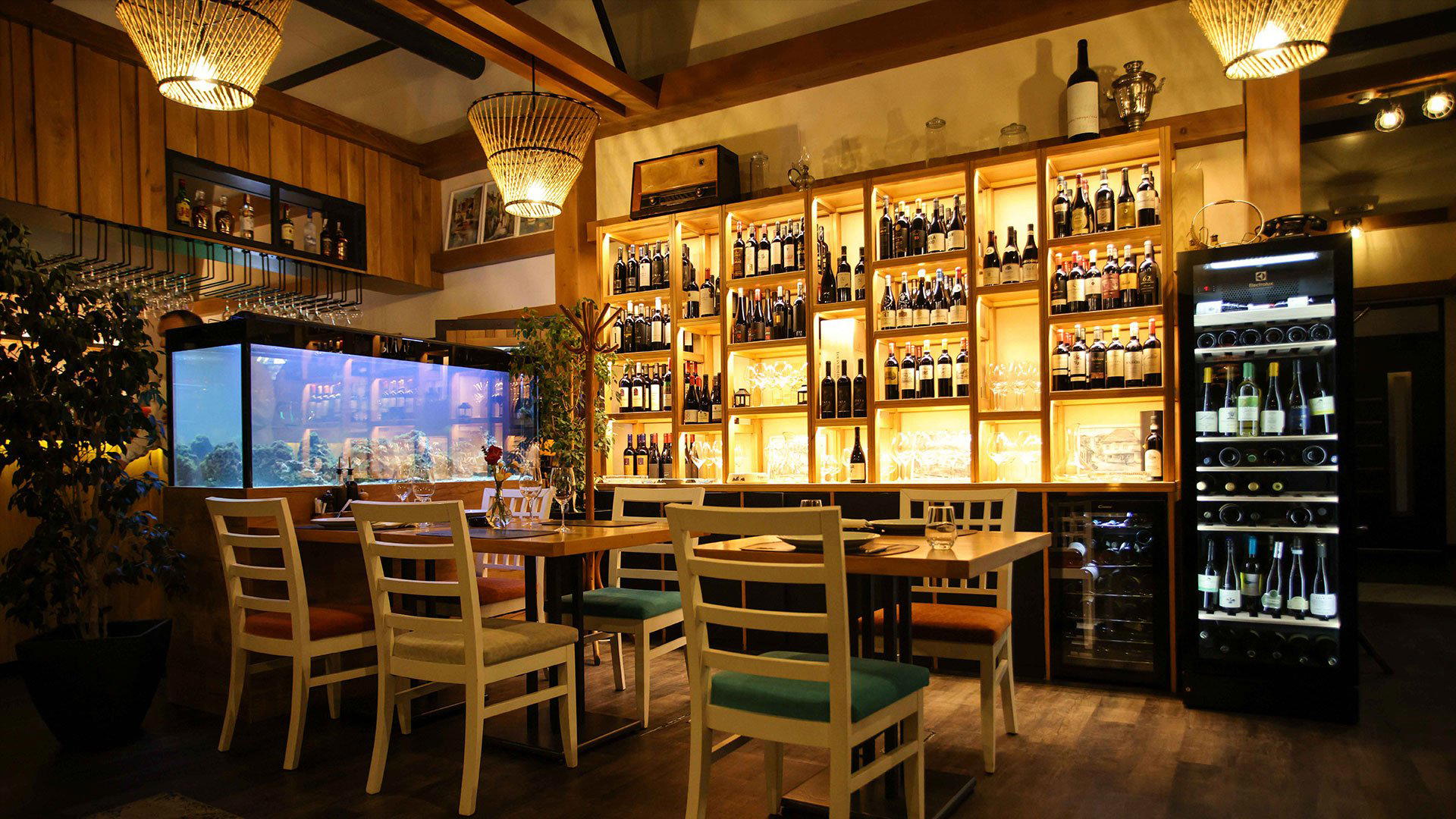
Approach Francuska 7 on a winter evening and the windows of the glassed garden emit a warm, amber light that signals something older than Belgrade's current restaurant boom. Inside, the room carries the particular weight of a place that has been receiving the same city's intellectuals, dissidents, and power brokers for nearly eight decades. The writers' tables, the dark wood, the measured pace of service: these are not designed atmospherics. They are residue. Klub Književnika, the 'Writers' Club', opened at the end of the Second World War and has occupied a specific civic function ever since, one that is rare in any European capital and nearly absent in post-Yugoslav cities.
Belgrade's dining scene has diversified sharply over the past decade. Langouste sits at the top of the market with a Michelin star and a €€€€ price point. The Square brings contemporary French technique to the same €€ bracket. Na Ćošku and Bela Reka address traditional Balkan cooking at accessible price points. Klub Književnika sits within this spread as something different: a place where the dining room itself is part of the cultural record, and where Michelin's recognition, two consecutive Plate awards, in 2024 and 2025, reflects a kitchen that takes its Serbian brief seriously rather than treating tradition as backdrop.
Serbian Cooking, Taken Seriously
The menu at Klub Književnika is not a broad survey of Balkan cooking. It is a patriotic Serbian lineup executed with attention to sourcing and plating at a price point, €€, that sits well below what the address and history might lead you to expect. That combination is less common than it sounds. Restaurants that carry institutional prestige often let the room do the work; kitchens with serious ambitions tend to charge accordingly. Here, neither is fully true.
Two dishes anchor the menu in a way that makes them reference points for understanding what the kitchen values. The gibanica, a layered cheese and egg pastry, requires a 25-minute wait from order to table, the kind of production time that signals the dish is made properly rather than held. The krempita, a custard cream slice that has appeared on the menu since 1946, is the most visible through-line between the restaurant's founding era and its present form. That a dessert survives unchanged across regime changes, ownership transitions, and shifting culinary fashions says something about its execution. Dishes this embedded in a menu either calcify or remain because they still work; the kitchen's Michelin recognition suggests the latter.
For context on how Serbian and Balkan cooking is being interpreted beyond Belgrade, 21 Grams in Dubai and Çka Ka Qëllu in New York City represent the diaspora and export versions of the cuisine, while Esthiō in Athens and Taj Mahal in Dubrovnik offer regional Balkan perspectives from neighbouring cities. The source version, served in this room, carries a different register entirely.
The Team Behind a Long-Running Programme
The editorial angle of EA-GN-11, team dynamic, finds a specific application here. Since 2019, a younger chef has led the kitchen, which positions Klub Književnika in a now-familiar pattern across European heritage restaurants: an institution with deep institutional identity brings in a younger team to maintain continuity while introducing precision. The kitchen's Michelin Plate recognition across two successive years suggests that the transition has held. The 25-minute production time on gibanica and the emphasis on plating both point to a kitchen operating with more discipline than the restaurant's heritage label might imply.
What matters more than any single kitchen appointment is how the front-of-house and the room function as a unit. Klub Književnika hosts cultural events, exhibitions, and concerts alongside its restaurant programme. During colder months, live music accompanies dinner in the dining room. This layering of functions, cultural venue, event space, neighbourhood institution, and Michelin-recognised kitchen, requires a service team that reads different audiences simultaneously.
Sustainability is embedded in the kitchen's operating philosophy, with food waste reduction framed as a core concern rather than a marketing position. At the €€ price point, that kind of operational discipline has practical meaning: it shapes sourcing decisions and portion logic in ways that affect what arrives at the table.
Two Rooms, One Address
The physical format of the restaurant gives diners a meaningful choice. The winter garden, glassed and street-adjacent, offers a lighter atmosphere with natural light during the day and a more social energy at night. The interior dining room is more formal, better suited to the live music evenings that punctuate the winter programme. Neither room is the obvious default for all occasions, which means knowing which experience you want, and booking accordingly, makes a difference. This is the kind of operational detail that matters at a restaurant with strong local regulars; the room choice signals to staff and fellow diners what kind of visit you are there for.
Belgrade's broader restaurant scene rewards that kind of intentionality. Comunale Caffè e Cucina handles the Italian-leaning end of the market in the same price bracket. For Serbian cooking at a more stripped-back register, Bela Reka operates at a lower price point. For fine dining with a European framework applied to local ingredients, Fleur de Sel in Novi Slankamen extends the conversation beyond the city itself. Klub Književnika occupies a position none of these addresses can replicate: the institutional weight, the Michelin recognition, and the cultural programming are a specific combination.
Planning Your Visit
The restaurant sits at Francuska 7, a central Belgrade address that places it within walking distance of the main civic and hotel districts. The €€ price bracket makes it accessible relative to its Michelin-recognised peers in the city. Reservations are advisable given the restaurant's local standing and continued recognition in the Michelin guide; walk-in availability will vary significantly depending on day and season. Budget the 25-minute wait for gibanica into your evening, ordering it early in the meal, or at the point of seating if staff allow, avoids the pacing gap mid-course. The winter garden and dining room serve the same menu, so the room choice is driven by preference rather than offering. Live music during colder months is part of the dining room programme rather than the garden, which is a meaningful distinction if atmosphere is the primary draw.
For a full picture of where Klub Književnika sits within Belgrade's broader hospitality offering, see our full Belgrade restaurants guide, along with hotels, bars, wineries, and experiences guides for the city. For reference points on what Michelin recognition looks like at higher price tiers, Le Bernardin in New York City, Atomix, and Emeril's in New Orleans demonstrate the range of what that framework accommodates across different culinary traditions.
Frequently asked questions
What's the address for Klub Književnika by Branko Kisic?
Klub Književnika by Branko Kisic is located at Francuska 7, Beograd 11000, Serbia, Belgrade.
Is Klub Književnika by Branko Kisic Michelin-listed?
Klub Književnika by Branko Kisic has received recognition including: Klub Književnika has long been an iconic culinary landmark, known for its rich history and refined atmosphere. Since the mid-20th century, the restaurant has become a cultural hub for Yugoslavia’s lit...; The youthful chef of this culinary ….
What's the must-try dish at Klub Književnika by Branko Kisic?
Two dishes anchor the menu most clearly. The krempita, a custard cream pastry, has appeared here since the restaurant opened in 1946 and remains the dessert most closely associated with the address. The gibanica, a savoury pastry dish, carries a 25-minute preparation wait, a signal of how seriously the kitchen treats it.
A Tight Comparison
| Venue | Cuisine | Price | Awards | Notes |
|---|---|---|---|---|
| Klub Književnika by Branko KisicThis venue (the venue you are viewing) | Modern Serbian with French Techniques | $30–50 | Michelin Plate · Star Wine List | Not listed |
| Langouste | Modern Serbian Fine Dining with Seafood Focus | $50–100 | 1 Michelin Star · La Liste Top Restaurants | Modern Cuisine |
| The Square | Modern European Fine Dining | $50–100 | Michelin Plate · World's 50 Best #34 | Contemporary French, Modern Cuisine |
| Istok | Vietnamese Fusion with Thai & Korean | $10–20 | Michelin Bib Gourmand | Vietnamese |
| Salon 1905 | Modern Serbian Fine Dining | Not listed | Michelin Plate · La Liste Top Restaurants | Modern Cuisine |
| Bela Reka | Traditional Serbian | $20–30 | Michelin Bib Gourmand | Traditional Cuisine |
Recognition history
Dated appearances from independent guides and award organizations, with the underlying list record or original source where available.
Michelin Plate
Michelin
Star Wine List
Star Wine List
Full recognition history (4 entries)
Michelin Plate
Michelin
Michelin Plate
Michelin
Continue exploring
More in Belgrade
Restaurants in Belgrade
All restaurants in Belgrade →
Bars in Belgrade
All bars in Belgrade →

Details
- Classic
- Cozy
- Elegant
- Well Known
- Intimate
- Date Night
- Special Occasion
- Garden
- Live Music
- Historic Building
- Extensive Wine List
- Local Sourcing
- Garden
- A La Carte
- Serbian Wines
- Vegetarian Friendly
- Vegan Options
- Gluten Free Options
Current opening hours
- Monday
- Closed
- Tuesday
- 1–11 PM
- Wednesday
- 1–11 PM
- Thursday
- 1–11 PM
- Friday
- 1–11 PM
- Saturday
- 1–11 PM
- Sunday
- 12:30–6 PM
Hours can change for holidays and private events. Hours as of .
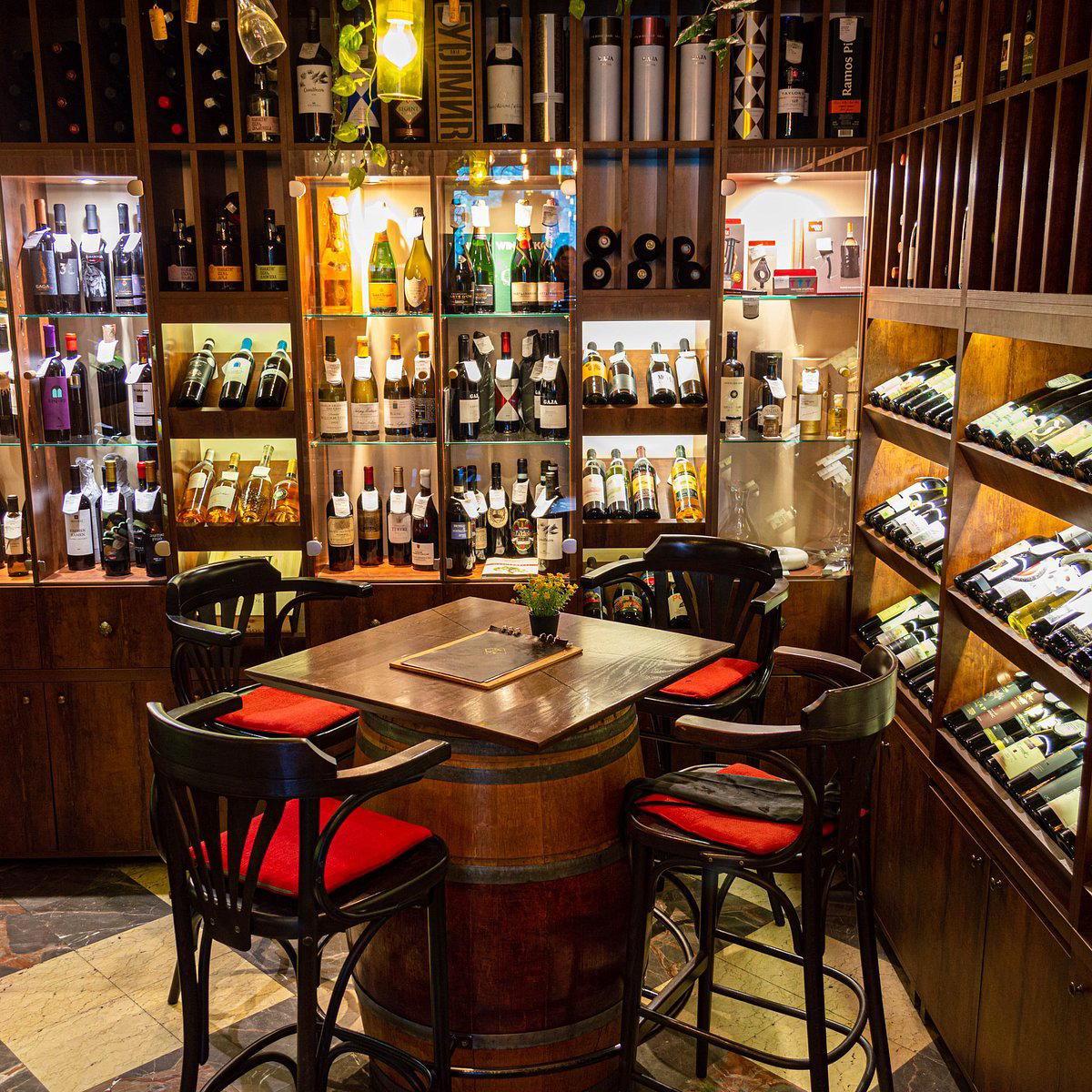
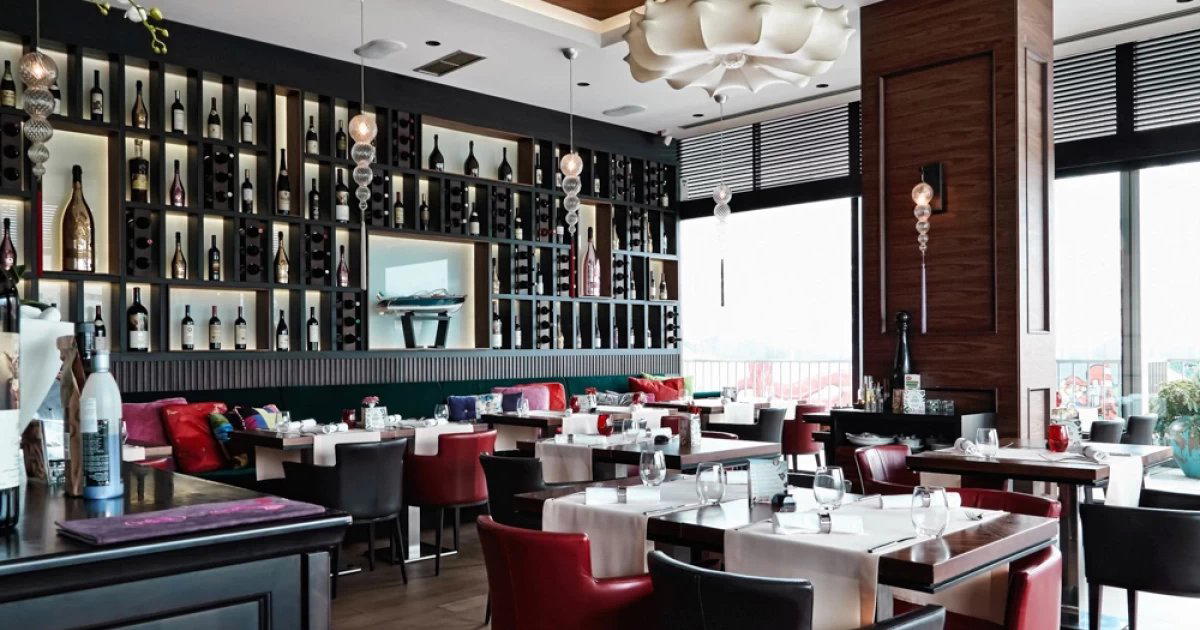
Classic early 20th-century modernist dining room and magical winter garden with glass dome, creating a calm, cozy, and romantic atmosphere.