KITA
KITA occupies a distinctive position among Park City's higher-altitude dining options, where the built environment and mountain setting shape the experience as much as what arrives at the table. Positioned on High Mountain Road, it draws comparison to destination-format restaurants that treat space and setting as primary design decisions rather than backdrop.
Pearl is the En Primeur Club membership app — saves, bookings, and concierge access live there. Same editors, same standards.
- Address
- 2417 W High Mountain Rd, Park City, UT 84060
- Phone
- +14355137213
- Website
- pendry.com
- Directions
- Get directions
 Saves & bookings on Pearl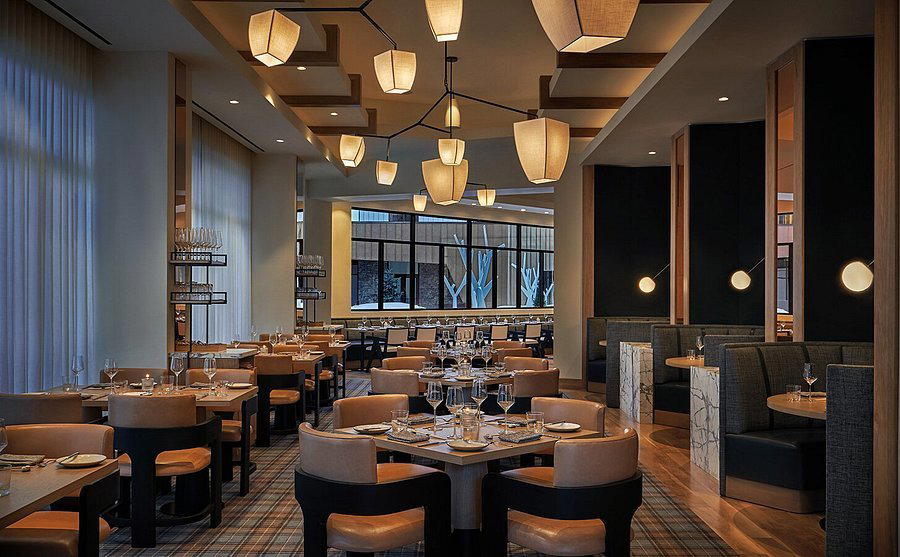
Where the Mountain Becomes the Room
At high elevation in the Wasatch Range, the relationship between a dining room and its surrounding terrain tends to define the experience before the menu is ever opened. Park City has developed a dining scene that divides sharply between the Main Street corridor, dense with gastropubs, brasseries, and accessible American kitchens, and a smaller tier of destination restaurants that use their physical remove as an editorial statement. KITA is a Japanese Steakhouse & Mountain Grill at 2417 W High Mountain Road in Park City, Utah, with a recommended reservation policy and a price point of about $80 per person. The distance from the town center is not incidental; it functions as a filter, sorting guests who treat the meal as a destination from those who are simply looking for somewhere convenient.
That dynamic is familiar across American mountain resort markets. In Colorado, Wyoming, and Utah alike, the restaurants that have developed the strongest reputations tend to occupy positions that require deliberate travel, often attached to ski terrain, resort infrastructure, or refined ridgeline sites where the arrival itself becomes part of the format. The physical container communicates before a single dish is served.
Design at Altitude: The Architecture of the Setting
Mountain dining in the American West has undergone a significant design evolution over the past two decades. The log-and-antler aesthetic that once defined resort restaurants has given way, at the upper end of the market, to a more considered approach: materials drawn from the regional palette, stone, burnished timber, local steel, deployed with restraint rather than nostalgia. The leading contemporary versions of this format use the landscape view as a structural element, treating window orientation and sightline geometry as seriously as kitchen placement.
KITA's High Mountain Road address places it within the orbit of that design conversation. At this elevation and in this part of the Wasatch corridor, the surrounding terrain is the dominant visual fact of any interior. Restaurants that work well in this context tend to be those where the architecture recedes enough to let the setting breathe, where the room does not compete with the mountain but organizes itself around it. That discipline, when applied successfully, produces spaces that feel calibrated rather than decorated, and where the experience of sitting still carries its own weight.
Within Park City's comparable set, this positions KITA in a different register from the Main Street addresses. 350 Main Brasserie and 501 On Main serve the street-level, walk-in traffic that defines the historic district's energy. Alberto's Mexican Restaurant and Apex occupy their own distinct niches in the local ecosystem. KITA's location signals something closer to the destination format, where the decision to go is made well before the day itself.
Park City in the Wider Destination-Dining Conversation
American resort towns have historically punched below their weight in the fine dining conversation, with a few notable exceptions. The argument against serious restaurant investment in seasonal markets, that the guest rotation prevents the kind of repeat-visit relationship that sustains ambitious kitchens, has been challenged repeatedly in the past decade. Markets like Healdsburg (home to Single Thread Farm) and the Napa Valley (where The French Laundry remains the reference point for American tasting-menu ambition) have demonstrated that destination travelers will organize significant portions of their itinerary around a single restaurant.
Park City benefits from a visitor base with sufficient discretionary spending to support that model. The Sundance Film Festival, the ski season calendar, and the growing shoulder-season appeal of Utah's outdoor infrastructure collectively produce a guest profile that maps onto the demographics visiting restaurants like Blue Hill at Stone Barns in Tarrytown or Addison in San Diego. The question for any high-ambition Park City restaurant is whether it can convert that visitor traffic into genuine culinary reputation, the kind of recognition that prompts guests to plan a trip specifically around the table.
The reference class for restaurants that have achieved that status includes Lazy Bear in San Francisco, Alinea in Chicago, and The Inn at Little Washington, all destinations where the surrounding city or landscape forms part of the identity, but where the kitchen carries the argument independently. Internationally, 8½ Otto e Mezzo Bombana in Hong Kong and Atomix in New York represent the tier where design, program, and culinary seriousness converge under a single coherent vision. These are the terms of comparison that matter for any restaurant attempting to operate at the summit of a resort market.
Closer to home in Park City's own scene, Yuta represents the steakhouse tradition that resort markets reliably support, while the Glitretind at Stein Eriksen Lodge holds the mountain-American format with long-term consistency. KITA's positioning on High Mountain Road suggests an intent to operate outside those established categories.
What the Address Tells You
In resort dining markets, address is rarely neutral. A restaurant on a mountain road rather than a main commercial strip is making a claim about its intended experience, that the journey matters, that the setting is load-bearing, and that the guest should arrive with some intention rather than stumbling in from adjacent foot traffic. This is the logic behind destination restaurants from Le Bernardin in Midtown to Emeril's in New Orleans to Providence in Los Angeles: the location communicates a register, and guests self-select accordingly.
For KITA, the High Mountain Road address carries that same implication. It is a reasonable inference that the experience is designed for guests who have already committed to the evening, who have arranged transport, made a reservation, and arrived with time to give the setting its due. That profile of guest tends to support a more deliberate format: longer service, more considered courses, a pace that would feel in a street-level dining room but reads as appropriate when the view outside the window is carrying its share of the weight.
Planning Your Visit
The Minimal Set
Comparable venues nearby, for context on price, style, and recognition.
| Venue | Cuisine | Price | Notes |
|---|---|---|---|
| KITAThis venue — the venue you are viewing | Not listed | $$$$ | Not listed |
| Wahso | Main Street, Asian Fusion Grill | $$$$ | Not listed |
| Yuki Yama Sushi | Old Town, Modern Japanese Sushi | $$$ | Not listed |
| 350 Main Brasserie | Main Street, Modern American Brasserie | $$$ | Not listed |
| 501 On Main | Historic District, American Regional | $$$ | Not listed |
| Fireside Dining | Not listed | $$$$ | Empire Canyon, Alpine European Fine Dining |
Continue exploring
More in Park City
Restaurants in Park City
Browse all →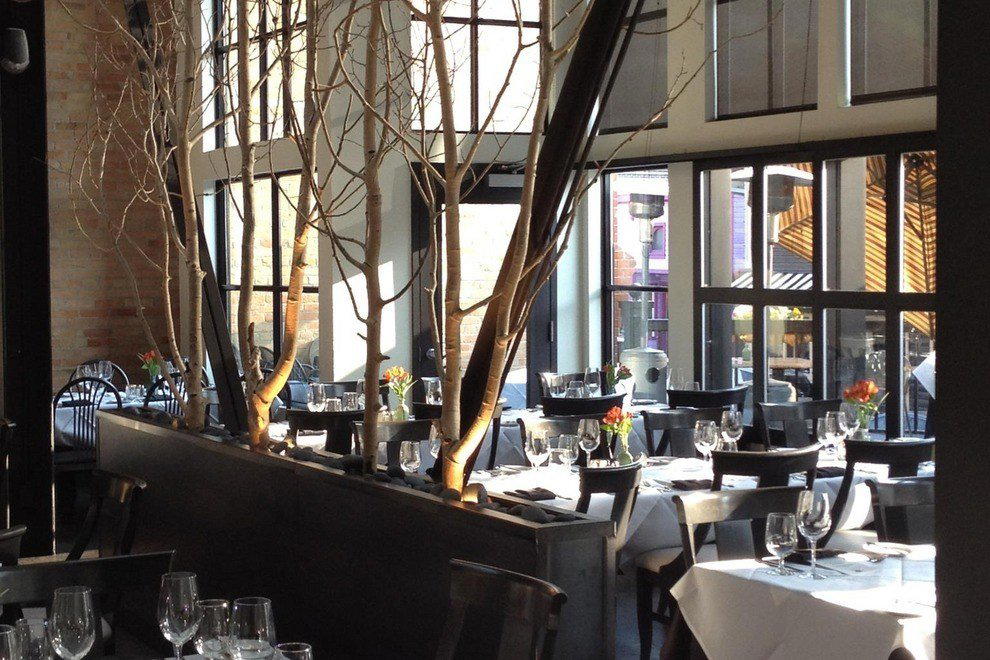
Bars in Park City
Browse all →
Hotels in Park City
Browse all →
Wineries in Park City
Browse all →
At a Glance
- Modern
- Elegant
- Sophisticated
- Date Night
- Special Occasion
- Open Kitchen
- Hotel Restaurant
- Sake Program
- Craft Cocktails
- Mountain
Current opening hours
- Monday
- 7–11 AM, 5–10 PM
- Tuesday
- 7–11 AM, 5–10 PM
- Wednesday
- 7–11 AM, 5–10 PM
- Thursday
- 7–11 AM, 5–10 PM
- Friday
- 7–11 AM, 5–10 PM
- Saturday
- 7–11 AM, 5–10 PM
- Sunday
- 7–11 AM, 5–10 PM
Hours can change for holidays and private events. Last verified .
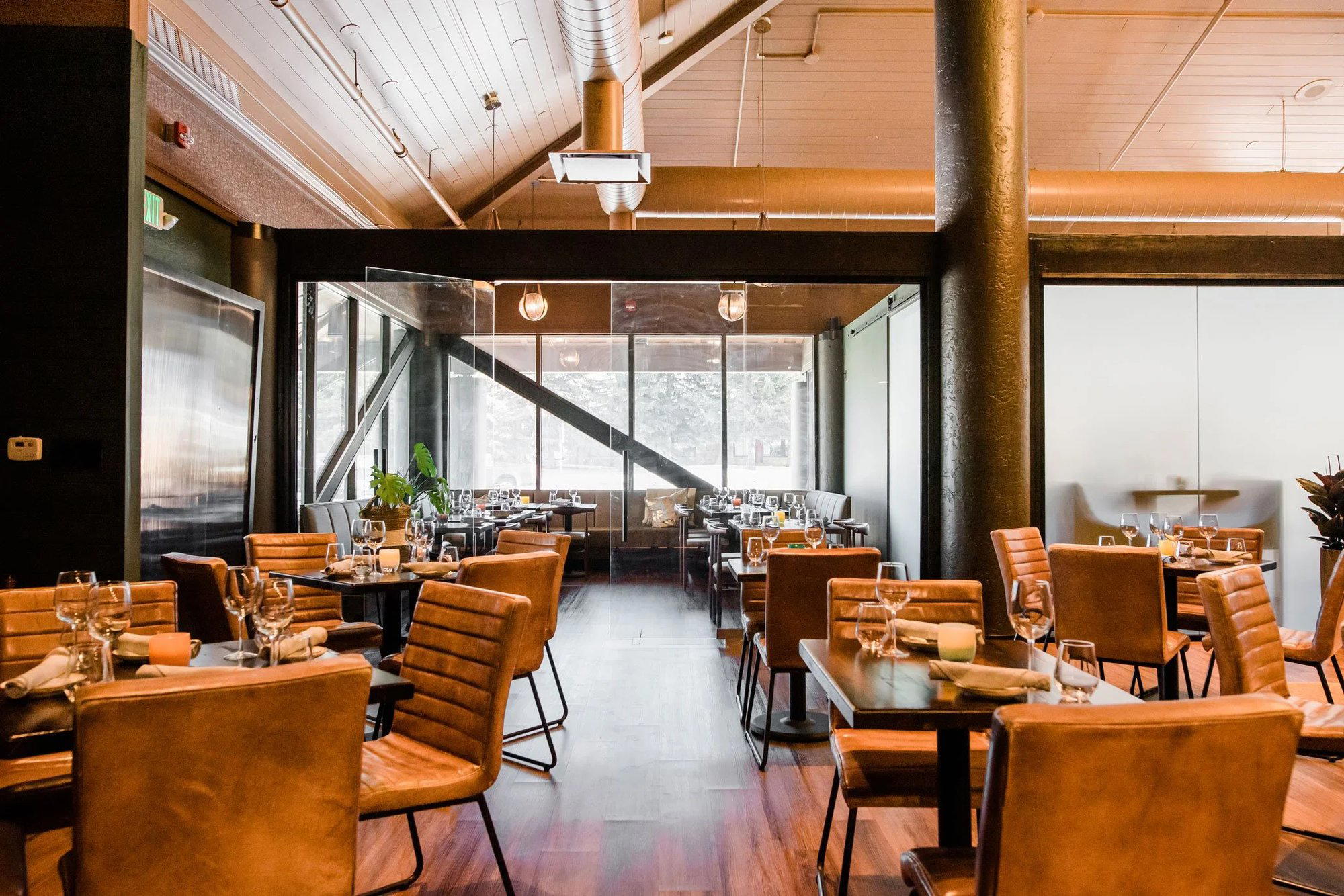
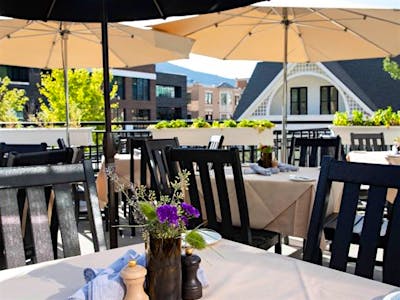
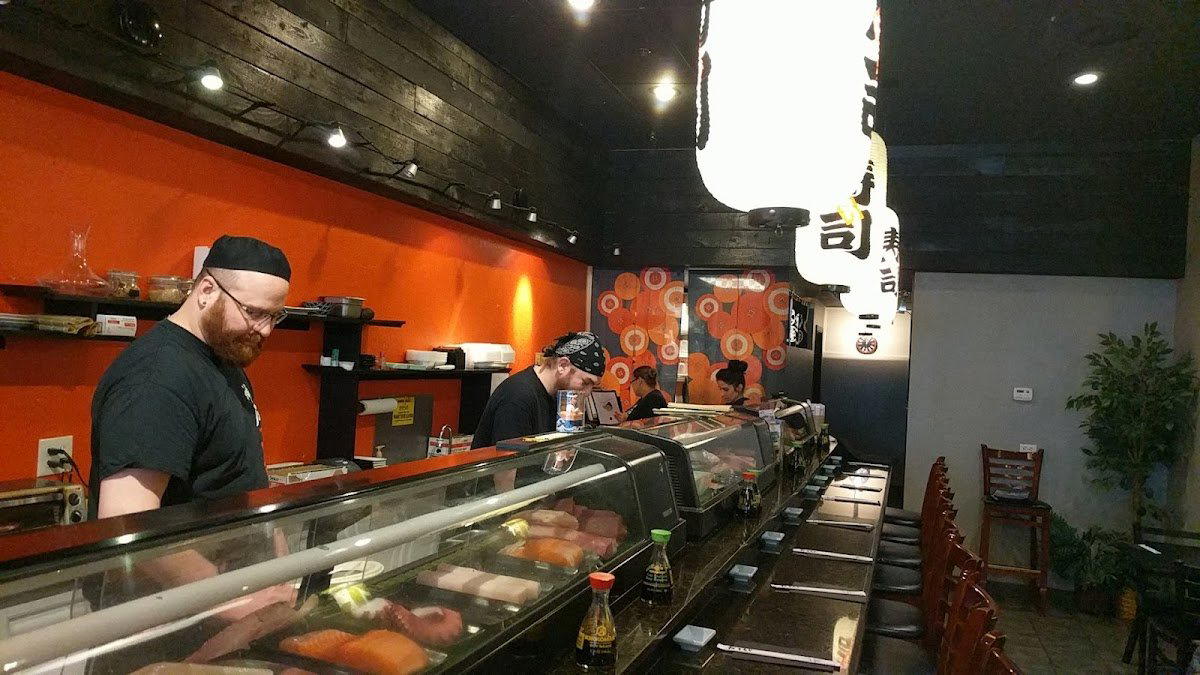
Sleek, upscale modern decor with lots of windows, contemporary design, and a welcoming atmosphere featuring indoor, al fresco, and sushi bar seating.