
Tabelog 100 #70
Our verdict
Chitose sushi is usually treated as a transit footnote, but Kita no Hana Hayashi argues for a longer stop. The eight-seat counter works in the Hokkaido seafood register rather than Tokyo theatre, with Tabelog Sushi EAST 100 recognition in 2025 and a reservation-only omakase format that puts sourcing, timing, and counter discipline at the centre of the meal.

Pearl is the En Primeur Club membership app, where members save venues, book tables and use the concierge.
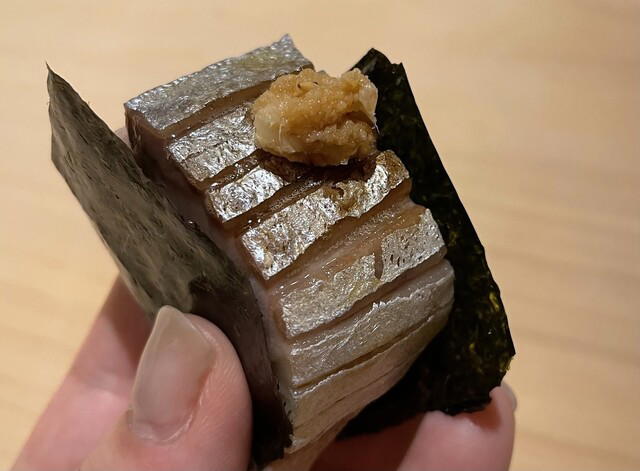
Chitose can feel practical before it feels gastronomic: travel logistics, rental-car counters, a quick meal before departure, the first cold Hokkaido breath outside. The city’s dining culture is shaped by movement, but its more focused dining rooms resist the rush, asking diners to slow down for seafood in a city closely associated with travel through Hokkaido.
Kita no Hana Hayashi sits in that smaller Chitose category. It is not merely part of the quick-meal circuit, nor is it chasing the Tokyo model of luxury dining as performance. Its case rests on geography: Hokkaido’s cold seas, seafood identity, and Chitose’s role as a travel hub create a setting that can support a focused sushi and seafood meal. Tabelog selected the restaurant for its Sushi EAST 100 list in 2025, a useful signal where national attention often favours Sapporo over Chitose.
Hokkaido fish, counter timing, and a city built around arrivals
Sushi in Hokkaido carries different expectations from sushi in Ginza. The conversation shifts from trophy-counter polish to product, season, and direct local seafood culture. Chitose sits between travel convenience and Hokkaido’s wider produce map, so a serious restaurant here must justify itself through sourcing and pacing rather than grand-room ceremony.
The format supports that argument without needing the theatre of a large destination room. Sushi at this level depends on sequence: rice temperature, fish preparation, and the handoff between kitchen and guest lose force when the meal becomes too diffuse. A focused setting preserves the old rhythm of sushi as a timed exchange, not a parade of plates.
The 2025 Tabelog Sushi EAST 100 selection places the restaurant within eastern Japan’s broader sushi conversation, but its identity remains local. Hokkaido’s seafood reputation can be flattened into tourism shorthand; the more interesting distinction is how the region’s fish culture changes the diner’s frame. In Tokyo, the question often becomes lineage, auction access, and comparison with other elite counters. In Chitose, it is whether a focused room can convert regional proximity into precision.
That is why this address makes sense for travellers who usually eat through Chitose too quickly. Quick meals and casual sweets serve a different purpose, and sometimes they are exactly right. For a faster Hokkaido fix, Ajisai Shin chitose kuukou ten and other Chitose dining rooms all sit in the practical orbit of quick eating. Kita no Hana Hayashi asks for a planned dinner in Chitose, not a meal squeezed between travel calls.
The value of restraint in a ramen-heavy Chitose map
Chitose’s public food image leans toward ramen, quick-service counters, and casual Hokkaido specialities. Against that field, sushi and seafood at this level occupy a narrow lane. The point is not to replace everyday eating, but to read the city’s range more accurately. A meal at IOrI sits in a different price and time category; a focused sushi meal asks diners to treat Chitose as a dining destination, not only a transfer point.
That distinction helps when planning Hokkaido. Many travellers land, collect a car, and move on toward larger cities, resort areas, lakeside stays, or longer regional routes. Sushi-focused travellers should recognize Chitose as a first-night or last-night anchor. The city does not need Sapporo’s density to make that case. It needs a few rooms with conviction, and this restaurant gives the local map a higher-register option.
The drink side is best understood through the needs of a seafood-led meal rather than as a separate attraction. Hokkaido sushi can move from lean, clean flavours to richer preparations across one dinner, so pairings and pacing matter most when they support the food rather than compete with it. The appeal is practical, not decorative.
There are small-format implications too. A serious sushi meal changes the mood from casual dining to a more controlled dinner in Chitose. That makes the restaurant relevant for travellers who can plan around the experience and who want a calmer, more deliberate counterpoint to the city’s quick-service options.
How to place it in a Hokkaido itinerary
The editorial case is strongest for travellers who care about seafood sourcing and do not want every serious Hokkaido meal to happen in Sapporo. Chitose is often treated as infrastructure; this restaurant turns it into a strategic dining stop. It also suits travellers who prefer compact, food-led rooms over larger dining rooms, and who understand that disciplined sushi service rewards careful timing.
For wider planning, Our full Chitose restaurants guide gives the city’s broader food context, while Our full Chitose hotels guide is useful if dinner timing makes an overnight stay sensible. Chitose is not a bar-first city, but Our full Chitose bars guide frames what is available after dinner. For broader trip design, see Our full Chitose wineries guide and Our full Chitose experiences guide.
Readers building a Japan food itinerary can also use the contrast with other formats. Beef-led dining, urban seafood-and-grill rooms, casual city stops, and regional specialists all solve different travel needs. Outside Japan, Japanese formats translate into still other kinds of dining. In Chitose, the stronger argument is simpler: cold-water seafood, sushi, and the discipline to make a travel city feel slower.
Frequently asked questions
Can I bring kids to Kita no Hana Hayashi?
Check directly with Kita no Hana Hayashi for current policies before visiting. The restaurant is in Chitose, and its listed categories are sushi and seafood.
How would you describe the vibe at Kita no Hana Hayashi?
Kita no Hana Hayashi is a sushi and seafood restaurant in Chitose. Its Tabelog Sushi EAST 100 selection in 2025 points to a serious, food-focused room rather than a casual airport stop.
How much does it cost to eat at Kita no Hana Hayashi?
Pricing at Kita no Hana Hayashi is listed as JPY 15,000 - JPY 19,999 for dinner.
How do I find Kita no Hana Hayashi?
Chitose.
How far ahead should I plan for Kita no Hana Hayashi?
Plan ahead for dinner in Chitose. The Tabelog Sushi EAST 100 selection in 2025 makes Kita no Hana Hayashi a notable sushi and seafood option for travellers building a Chitose dining itinerary.
Snapshot
Comparable venues by cuisine and price in the same metro.
| Venue | Cuisine | Price | Awards | Notes |
|---|---|---|---|---|
| Kita no Hana HayashiThis venue (the venue you are viewing) | Seasonal Hokkaido Sushi Omakase | $150–200 | Tabelog 100 #70 | Not listed |
| Ramen Sora Shin chitose kuukou ten | Hokkaido Ramen & Dumplings | $10–20 | Tabelog 100 #76 | New Chitose Airport |
| Mizushiro | Traditional Japanese Kaiseki | Not listed | Not listed | Shikotsu Onsen Bangaichi |
| 花ぶさ | Hokkaido Sushi | $30–50 | Not listed | 千歳市 |
| Hokkaido Meibutsu Ramen Ebisoba Ichigen Shin chitose kuukou ten | Hokkaido shrimp-based ramen | $1–10 | Tabelog 100 #39 | New Chitose Airport |
| IOrI | Ramen | $1–10 | Tabelog 100 #74 | Sumiyoshi |
Recognition history
Dated appearances from independent guides and award organizations, with the underlying list record or original source where available.
Tabelog 100 #70 · No. 70
Tabelog · Tabelog 100 - Sushi - EAST - 2025
Continue exploring
More in Chitose
Restaurants in Chitose
All restaurants in Chitose →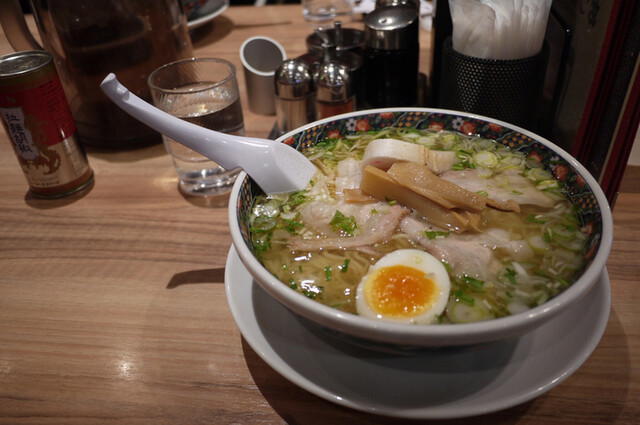
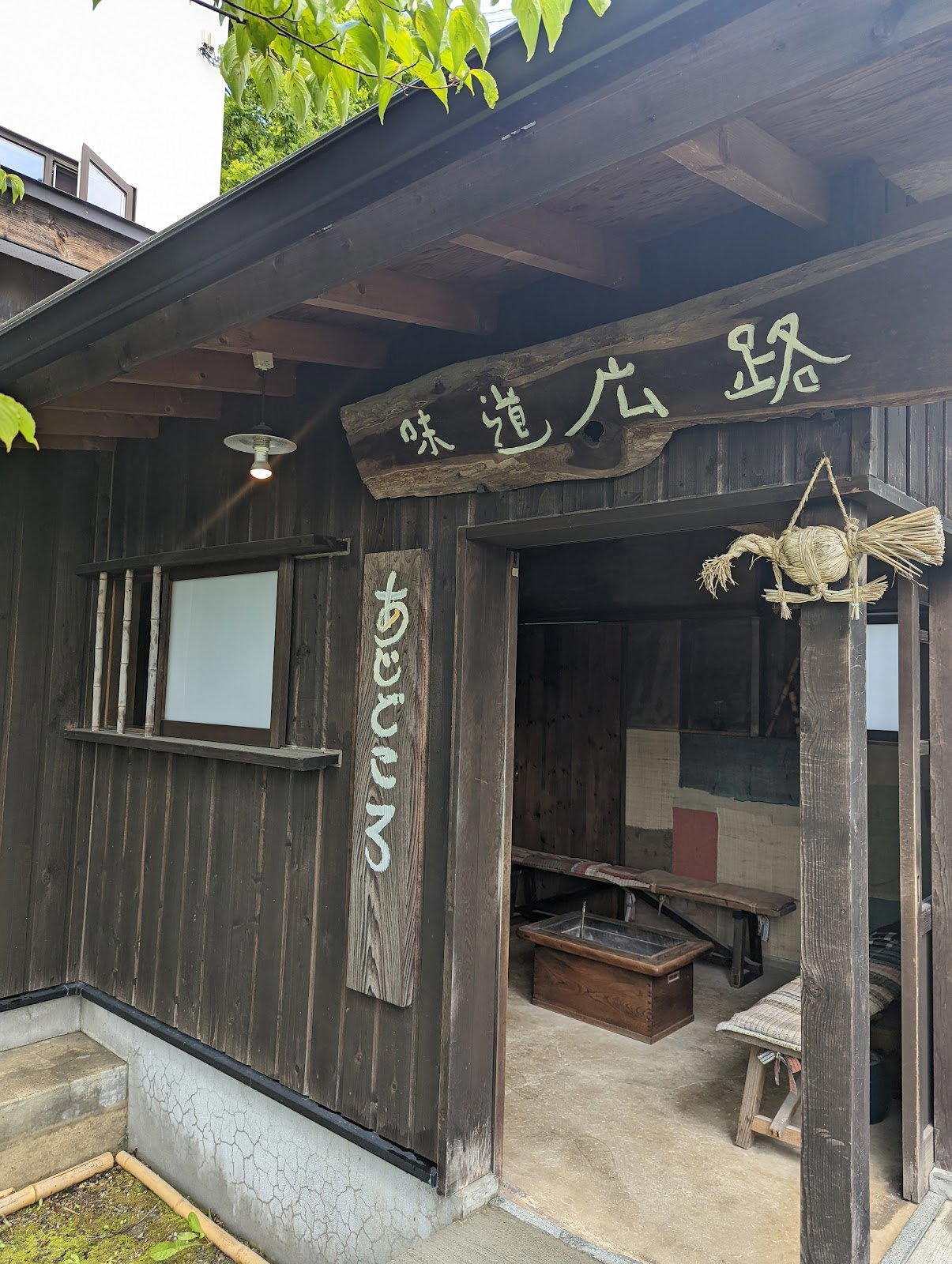
Bars in Chitose
Browse all →


Details
- Intimate
- Elegant
- Cozy
- Classic
- Sophisticated
- Date Night
- Special Occasion
- Celebration
- Business Dinner
- Solo
- Chefs Counter
- Private Dining
- Standalone
- Design Destination
- Sake Program
- Extensive Wine List
- Local Sourcing
- Sustainable Seafood
- Omakase
- Counter Dining
- Tasting Menu
- Sake
- Wine
- Pescatarian Friendly
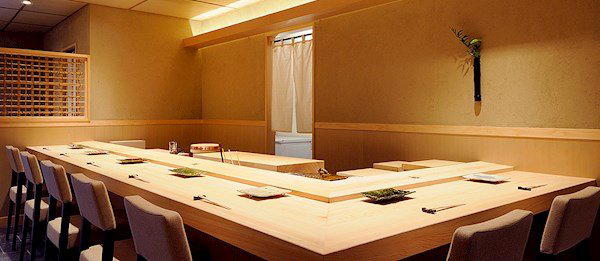
Refined and tranquil counter-only space with traditional Japanese design, soft lighting, and an immersive focus on the chef’s craft, creating a hushed, special-occasion atmosphere rather than a bustling neighborhood sushi bar.