Our verdict
Kirchenwirt sits on the Kirchenplatz in St Stefan, a small Carinthian village at the edge of the Faaker See, where the dining tradition runs toward the regional and the unfussy. The setting places it squarely in Austria's village Gasthof tradition, where sourcing from the surrounding landscape has always been the practical logic behind the menu rather than a marketing position.

Pearl is the En Primeur Club membership app — saves, bookings, and concierge access live there. Same editors, same standards.
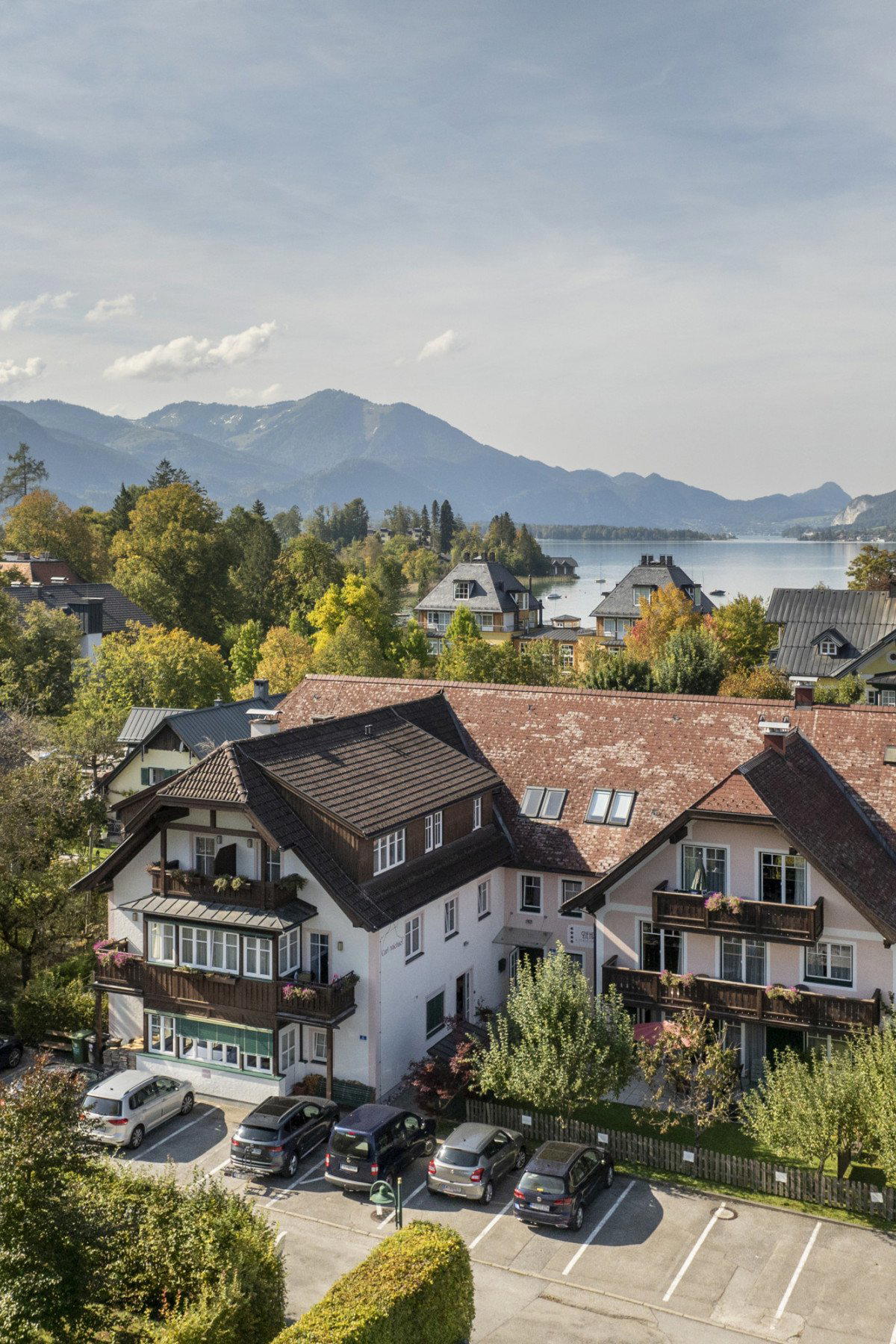
A Village Square Table in Carinthia
The Carinthian lakeland south of the Wörthersee operates at a different register from Austria's better-publicised dining circuits. There are no celebrity-kitchen marquees on the Kirchenplatz in St Stefan, and the approach to eating here has not been repackaged for the food-tourism trade. Kirchenwirt occupies the kind of position that village-square restaurants have held in this part of the country for generations: the place where the community eats, where the produce comes from farms and forests close enough to walk to, and where the menu shifts in response to what the season actually delivers rather than what a brand calendar requires. That logic, common across Carinthia but increasingly rare in the more fashionable Austrian dining circuits, is worth paying attention to.
The address itself is instructive. Kirchenpl. 2 in Finkenstein am Faaker See puts the kitchen within reach of some of the most productive agricultural terrain in the Austrian south. Carinthia's lake district generates dairy, freshwater fish from the Faaker See and its neighbours, and a growing season that extends later than the Alpine valleys further north. Village restaurants in this corridor have historically built menus around those inputs by default — not as a philosophical stance but as the practical logic of geography and supply. What distinguishes the better ones now is whether that connection has been maintained or whether convenience logistics have quietly replaced it.
What the Ingredient Story Tells You
Austria's most discussed restaurants in 2024 and 2025 have largely made their names on the sourcing argument. Döllerer in Golling an der Salzach built a reputation on Alpine sourcing specificity. Steirereck im Stadtpark in Vienna has long positioned its produce relationships as central to the kitchen's identity. Kräuterreich by Vitus Winkler in Sankt Veit im Pongau takes that further into herb cultivation on the property itself. These are the high-visibility end of a much broader Austrian tendency: that the kitchen should be able to name the source of what it serves.
At the Gasthof level, this connection predates the contemporary farm-to-table idiom by several centuries. The Kirchenwirt model, historically speaking, was always a regional-produce operation because that was the only available supply chain. The question for any such establishment today is whether that inheritance is active or vestigial. In a village the size of St Stefan, with agricultural land pressing in from all sides and a lake within close range, the infrastructure for genuine short-chain sourcing is present in a way it simply is not in larger urban settings. Restaurants at this scale, in this geography, can reach fish, dairy, and garden produce within a supply window that the city kitchens commissioning from the same region cannot match.
For comparison, consider what the alpine Gasthof tradition looks like at its most formalised end: Gourmetrestaurant Tannenhof in Sankt Anton am Arlberg and Griggeler Stuba in Lech both sit in the mountain-resort bracket, where the Gasthof grammar has been translated into a luxury register. Kirchenwirt in St Stefan sits further down that spectrum, closer to the original form: a community table in a specific landscape, not a resort dining experience.
Carinthia as a Dining Region
Carinthia does not carry the culinary visibility of Salzburg or Vorarlberg in international food media, which means its village restaurants have largely developed without external pressure to perform. The Wörthersee draws summer visitors, and the Faaker See attracts its own lakeside season, but the dining infrastructure in the surrounding villages has remained oriented toward local use rather than tourist consumption. That dynamic tends to produce more honest cooking at the lower and middle price points, where the kitchen is feeding the same people week after week rather than cycling through single-visit visitors with no point of comparison.
This contrasts with the pattern in the more prominent Austrian dining regions. Ikarus in Salzburg operates an international guest-chef rotation designed precisely for an audience that follows the circuit. Obauer in Werfen and Landhaus Bacher in Mautern an der Donau have built national reputations that draw destination diners. The Carinthian south, by contrast, has no such gravity at the moment, which keeps places like Kirchenwirt functioning as neighbourhood anchors rather than pilgrimage sites. Whether that changes depends partly on whether broader media attention reaches the region.
Restaurants outside the major award circuits often serve as the more reliable indicators of what a region actually eats. Taubenkobel in Schützen am Gebirge offers a model for how a rural Austrian restaurant can hold regional identity while accumulating external recognition, but that path requires consistent investment in both kitchen and front-of-house communication. Ois in Neufelden demonstrates a similar dynamic in Upper Austria. St Stefan has not yet produced that kind of representative flag-bearer, which leaves the village's restaurants, Kirchenwirt among them, operating primarily in a local rather than regional frame.
Planning a Visit
Kirchenwirt is at Kirchenplatz 2 in Finkenstein am Faaker See, the administrative commune that includes St Stefan. The Faaker See is accessible from Villach, the nearest significant rail and road hub, which sits roughly 15 kilometres to the north. The lakeside area runs a pronounced summer season, with the months between June and September bringing the heaviest visitor traffic; outside that window, the village quiets considerably, and not all establishments maintain consistent hours year-round. Visitors arriving outside peak season should verify opening before making the journey.
Travellers using the Faaker See as a base for exploration of Austrian provincial dining have options in multiple directions. Artis in Graz and Atelier Fischer in Sankt Gilgen represent the kind of formally recognised Austrian regional cooking that can anchor a broader itinerary. For a wider picture of what the country's restaurant scene spans, from village-square Gasthöfe to internationally positioned tasting-menu kitchens, our full St Stefan restaurants guide provides the wider frame. The comparison with ambitious urban programs, such as Schwarzer Adler in Hall in Tirol or Stüva in Ischgl, and even internationally with Le Bernardin in New York City or Atomix in New York City, underlines how wide a spectrum the Kirchenwirt format occupies from the global restaurant conversation. The village table in a Carinthian square is a different proposition entirely, and that difference is precisely its point. Restaurant 141 by Joachim Jaud in Mieming offers another reference point for how Austrian alpine contexts approach regional cuisine with more formal ambition.
Frequently Asked Questions- Is Kirchenwirt child-friendly?
- Village Gasthöfe in Carinthia at this price point and in this type of community setting are generally accommodating to families — the format is historically designed around communal, multi-generational dining rather than formal tasting-menu experiences.
- How would you describe the vibe at Kirchenwirt?
- The address on Kirchenplatz in St Stefan places it in the Gasthof tradition that runs through every Austrian provincial town: low ceremony, community-oriented, with the room built around regular local use rather than visitor occasions. The comparable register in Graz or Vienna would be a neighbourhood Beisl rather than a destination dining room.
- What dish is Kirchenwirt famous for?
- What the geography does reliably support, in Carinthian restaurants at this scale, is freshwater fish from the Faaker See region and dairy-led dishes drawing on the surrounding farmland.
- What's the ideal way to book Kirchenwirt?
- The most reliable route for visitors is to make contact through the Villach tourist office, which covers the Faaker See district, or to inquire on arrival in the village. Given that this is a small community restaurant rather than a high-demand destination kitchen, walk-in availability is likely more realistic here than it would be at a formally recognised address such as Döllerer or Steirereck.
- Does Kirchenwirt source ingredients from the Faaker See region specifically?
- However, the restaurant's position in Finkenstein am Faaker See places it within direct reach of the lake's freshwater fishery and the agricultural land of Carinthia's southern corridor, resources that village-scale Gasthöfe in this area have historically drawn on as a matter of practical proximity rather than explicit programme.
Frequently asked questions
Is Kirchenwirt child-friendly?
Kirchenwirt sits on Kirchenplatz in St Stefan, a village square setting that typically suits family visits in Austrian lake-district communities. The Faaker See area draws a broad visitor mix, including families, which tends to shape how local restaurants in Finkenstein am Faaker See configure their service. check the venue's official channels to confirm seating arrangements and any children's menu options before visiting.
How would you describe the vibe at Kirchenwirt?
The address tells you something useful: Kirchenplatz 2 puts Kirchenwirt directly on the village church square in St Stefan, Finkenstein am Faaker See. That positioning in Carinthia's Faaker See lakeland, away from the more publicised dining circuits around Salzburg or Vorarlberg, suggests a room oriented toward local community and regional visitors rather than destination-restaurant theatre. Expect the register of a working village Gasthof rather than a tasting-menu destination.
Is Kirchenwirt in St Stefan a good base for exploring the Faaker See dining scene?
Kirchenwirt's address at Kirchenplatz 2 in Finkenstein am Faaker See places it within the commune that administers St Stefan, sitting directly in the Faaker See lakeland of Carinthia. The Faaker See is accessible from Villach, making this corner of Carinthia a practical anchor for visitors interested in regional Austrian cooking away from the better-publicised restaurant clusters further north. Carinthia as a dining region has received less international coverage than Salzburg or Vorarlberg, which means village-level restaurants here operate largely for regional visitors rather than international food media.
What dish is Kirchenwirt famous for?
What the Carinthian region is known for more broadly includes Kasnudeln, the region's distinctive filled pasta, and freshwater fish from the surrounding lakes. To find out what the kitchen is currently leading with, reaching out to the venue ahead of a visit is the most reliable approach.
How do I find Kirchenwirt?
Kirchenwirt is located at Kirchenpl. 2, 9584 Finkenstein am Faaker See, Austria, St Stefan.
What's the best way to book Kirchenwirt?
No booking phone number or website is currently listed for Kirchenwirt at Kirchenplatz 2, Finkenstein am Faaker See. For village-square Gasthöfe in Carinthia, arriving in person or asking your accommodation to make contact on your behalf are both practical options, particularly outside peak summer season around the Faaker See.
At-a-Glance Comparison
Comparable venues nearby, for context on price, style, and recognition.
| Venue | Cuisine | Price | Awards | Notes |
|---|---|---|---|---|
| KirchenwirtThis venue — the venue you are viewing | Creative Austrian Alpine Cuisine | $50–100 | Not listed | Not listed |
| Benediktus | Austrian with Mediterranean and Italian Influences | Not listed | Not listed | Mondsee am Mondsee |
| ARX Restaurant | Modern Austrian with Experimental Twists | $50–100 | Not listed | Rohrmoos-Untertal |
| Mundschenk | Modern Austrian Lakeside | Not listed | Star Wine List | St. Georgen am Längsee |
| Linde | Austrian Classics with International Specialties | Not listed | Not listed | Maria Wörth |
| EssDur | Modern Austrian Fine Dining | Not listed | Not listed | Staatsoper |
Continue exploring
More in St Stefan
Restaurants in St Stefan
All restaurants in St Stefan →
Bars in St Stefan
Browse all →


Details
- Rustic
- Cozy
- Classic
- Special Occasion
- Family
- Historic Building
- Local Sourcing
- Mountain
- A La Carte
- Prix Fixe
- Vegetarian Friendly
Current opening hours
- Monday
- 4–11 PM
- Tuesday
- 4–11 PM
- Wednesday
- Closed
- Thursday
- Closed
- Friday
- 4–11 PM
- Saturday
- 4–11 PM
- Sunday
- 11 AM–3 PM
Hours can change for holidays and private events. Last verified .
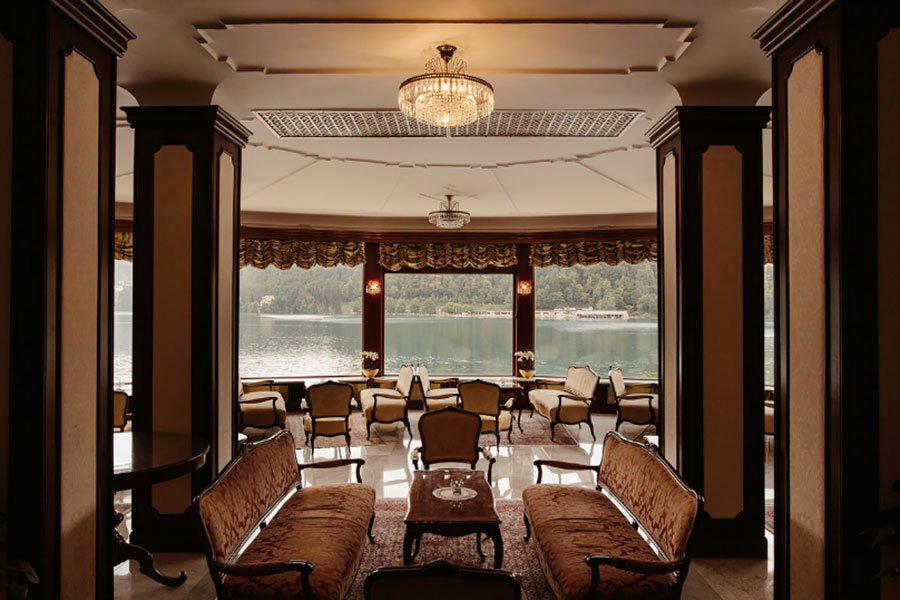
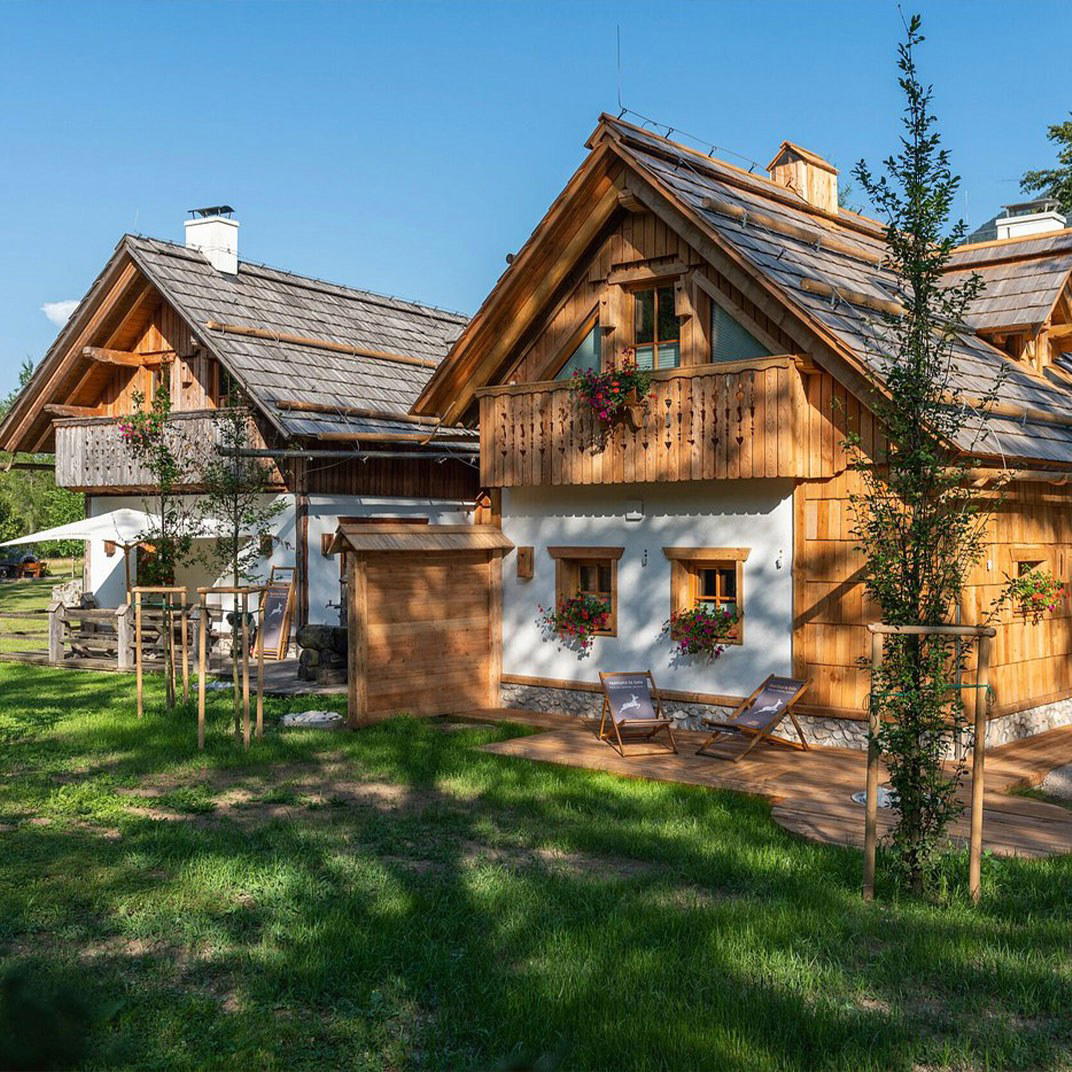
Traditional cozy setting with relaxed historic atmosphere.