Mundschenk

At Mundschenk in St. Georgen am Längsee, chef Andreas Katona works beside one of Carinthia's quieter lakes, where the wine program leans heavily on Georgium, a producer whose presence on the list signals a deliberate regional commitment. The setting is intimate and unhurried, positioned far from the tourist circuits that define better-known Austrian lake destinations. For readers building a Carinthian itinerary, it sits in a distinct register: serious food beside genuinely calm water.
Pearl is the En Primeur Club membership app — saves, bookings, and concierge access live there. Same editors, same standards.
- Address
- Werftenstrasse 57
- Phone
- +436649226590
- Website
- restaurant-dermundschenk.com
- Directions
- Get directions
 Saves & bookings on Pearl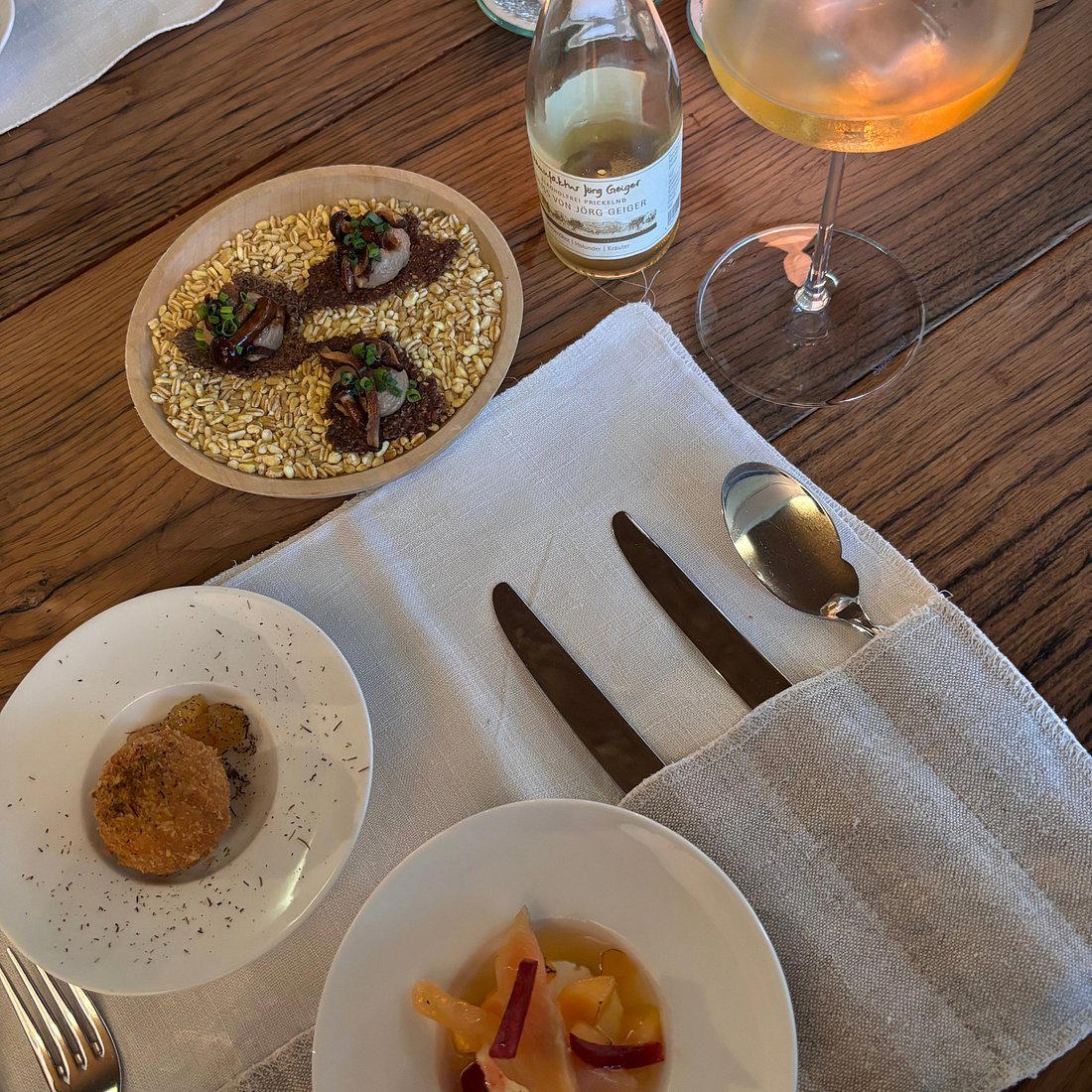
A Carinthian Lake Table, Without the Crowds
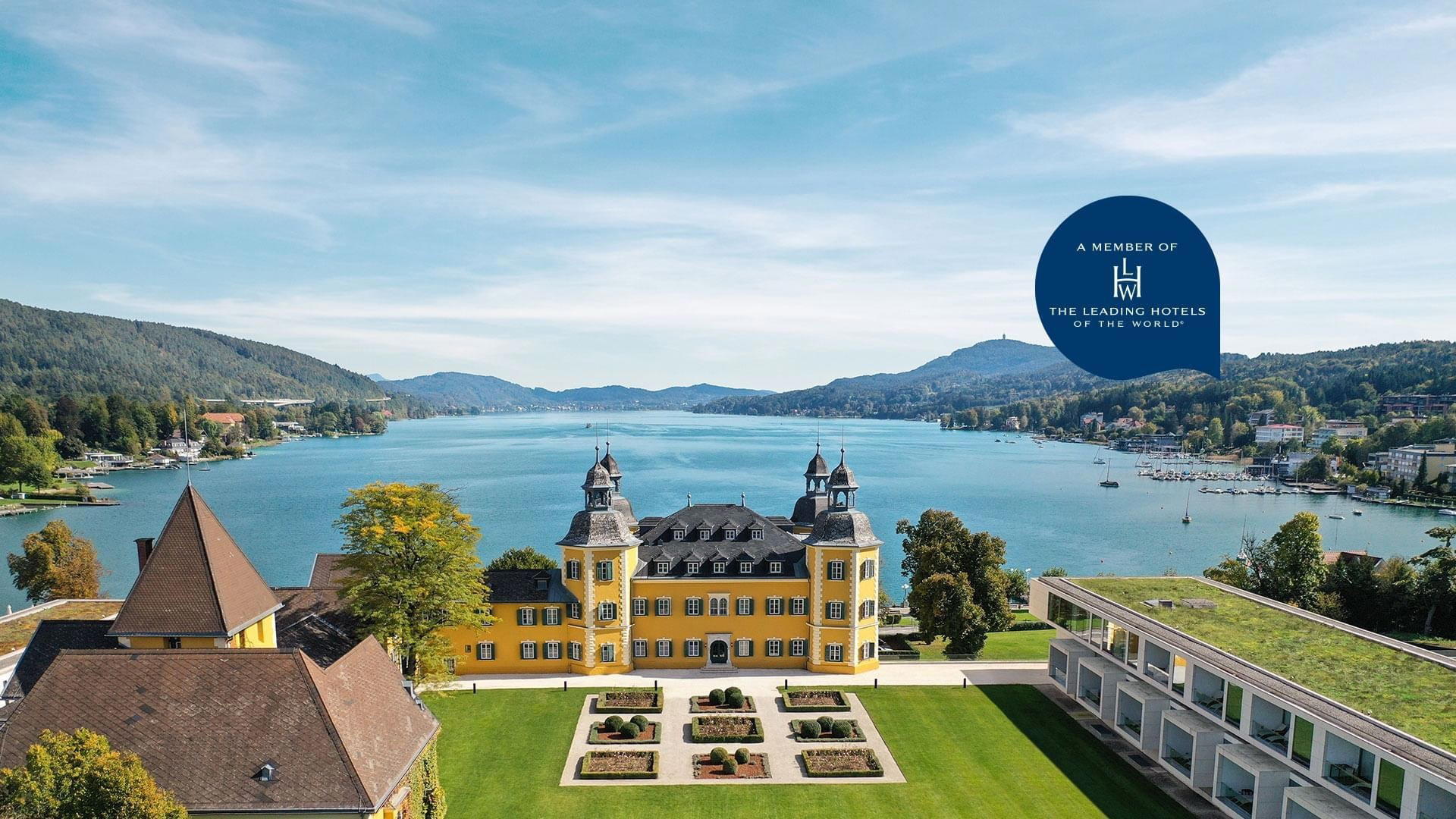
Carinthia's lake district draws visitors in summer, but the attention concentrates unevenly. The Wörthersee and Millstätter See absorb most of the traffic, leaving smaller bodies of water like the Längsee in comparative quiet. That quiet is precisely the condition Mundschenk operates in. Werftenstrasse 57 sits beside one of the region's more composed stretches of water: a lake noted locally for its warm microclimate and its consistent distance from the resort economy that can make lakeside dining elsewhere in the province feel transactional. Approaching from the road, the setting reads less as a destination restaurant staging itself for effect and more as a place that arrived at its identity through proximity to this specific landscape.
That distinction matters in Austrian lake dining, where the gap between the performatively scenic and the genuinely rooted has widened over the past decade. Restaurants at the major Carinthian lakes increasingly price against a tourist premium. Mundschenk, under chef Andreas Katona, operates in a different register: a cosy, lower-volume setting where the sourcing and the wine program carry the editorial weight rather than the view alone.
Georgium and the Logic of a Regional Wine List
The wine list at Mundschenk is largely dominated by Georgium, and that detail is worth reading carefully. Georgium is a Carinthian producer, and its prominence here is not decorative. Austrian restaurants in the €€€–€€€€ tier routinely default to Wachau or Styrian whites for their premium by-the-glass pours, and to Burgenland reds for anything serious. A list anchored in Carinthian production signals something different: a deliberate investment in the regional supply chain over the more legible prestige of established appellations.
For the diner, this translates into a wine experience that operates in parallel with the kitchen's sourcing logic rather than independently of it. Carinthian wines remain less discussed in international coverage than their counterparts from the Kamptal or Kremstal, which means the list at Mundschenk functions as a working argument for regional quality rather than a safe lineup of familiar names. Austrian wine drinkers with experience at places like Landhaus Bacher in Mautern an der Donau or Obauer in Werfen will find Mundschenk's regional commitment sits in a related tradition, even if the scale and setting differ considerably.
Ingredient Logic in a Lake Setting
The editorial angle on Austrian regional restaurants, particularly those outside Vienna and the Tyrolean ski corridor, increasingly turns on the question of sourcing specificity. The broader Austrian fine-dining conversation, anchored at the leading end by places like Steirereck im Stadtpark in Vienna and Ikarus in Salzburg, has long foregrounded regional provenance as a structural commitment rather than a marketing footnote. Carinthia, with its distinct agricultural character, offers a specific larder: freshwater fish from the lake network, dairy from alpine pastures, game from surrounding forests. A kitchen positioned beside the Längsee, as Mundschenk is, has direct access to that supply in a way that restaurants operating in urban or resort contexts do not.
Chef Katona's presence at Mundschenk represents a deliberate pairing of culinary oversight with a landscape that can support serious sourcing. The cosy format of the restaurant, referenced in award notes, points toward a kitchen-to-table relationship where the supply chain is short and the ingredient-to-plate logic is transparent rather than curated from a distance. This is a different model from the high-production alpine restaurants like Griggeler Stuba in Lech or Stüva in Ischgl, where resort infrastructure shapes the operation as much as local provenance does.
Readers with an interest in herb-forward or produce-driven Austrian cooking will find comparison value in looking at Kräuterreich by Vitus Winkler in Sankt Veit im Pongau, which occupies a similar regional-sourcing register within a different Salzburg-state setting. For a sense of how Carinthian and Styrian kitchen logic compares with mountain-state peers, Ois in Neufelden and Schwarzer Adler in Hall in Tirol offer useful reference points across the range of what Austrian regional cooking looks like outside the metropolitan tier.
Where Mundschenk Sits in the Austrian Dining Map
Austria's serious restaurant tier has concentrated historically in Vienna, Salzburg, and the western ski corridor. The appearance of a recognized kitchen beside a minor Carinthian lake is a useful indicator of how that concentration has begun to shift. Prize-level cooking, defined by sourcing discipline and wine program depth rather than by postcode, now surfaces in quieter provincial settings with increasing regularity. Mundschenk belongs to that distributed tier, where the absence of urban infrastructure is compensated by direct access to primary ingredients and to a dining pace that the resort and city formats cannot replicate.
For context, the Vienna fine-dining tier, represented by operations like Steirereck im Stadtpark, prices and operates in a different competitive set entirely. Mundschenk is not positioned against those establishments. It belongs instead to the category of Austrian restaurants where the quality argument is made through specificity of place rather than through the density of competition that urban settings provide. The comparison set includes Gourmetrestaurant Tannenhof in Sankt Anton am Arlberg and Restaurant 141 by Joachim Jaud in Mieming as fellow provincial addresses making a serious case through ingredients and format discipline rather than through metropolitan visibility.
Planning a Visit
St. Georgen am Längsee sits in central Carinthia, southeast of St. Veit an der Glan, and is most practically reached by car. The Längsee itself is a small lake, and the town has limited accommodation infrastructure, which means most visitors arrive as part of a broader Carinthian itinerary. Readers planning an extended stay in the region should consult our full St. Georgen am Längsee hotels guide alongside our full St. Georgen am Längsee restaurants guide for a complete picture of what the area can support. Those interested in the wider drinking and wine culture of the locality will find relevant context in our full St. Georgen am Längsee bars guide, our full St. Georgen am Längsee wineries guide, and our full St. Georgen am Längsee experiences guide. Given the cosy format and the recognition attached to both the kitchen and the Georgium-anchored wine list, advance reservation is the sensible approach rather than an arrival without a booking. Phone and online booking details are not confirmed in current records, so contacting the restaurant directly via its address at Werftenstrasse 57 or through local tourism channels is the practical route for securing a table.
For readers building a comparative frame for this style of serious provincial Austrian dining, the range of Austrian addresses covered across the EP Club network, from Obauer in Werfen to Ikarus in Salzburg, provides a working map of where Mundschenk's particular register sits within the national dining picture. And for readers approaching European serious dining from further afield, the standards of ingredient-driven commitment visible at Mundschenk share structural logic with operations as geographically distant as Le Bernardin in New York City or Emeril's in New Orleans, even if the scale, cuisine, and price tier differ substantially.
How Mundschenk St. Georgen am Längsee compares with similar nearby venues.
| Venue | Cuisine | Price | Awards |
|---|---|---|---|
| Mundschenk | Not listed | Not listed | Star Wine List (2026) |
| Hubert Wallner | Modern Cuisine | €€€€ | Not listed |
| Bistro Südsee by Hubert Wallner | Regional European | €€ | Not listed |
Recognition history
Dated appearances from independent guides and award organizations, with the underlying list record or original source where available.
Star Wine List
Star Wine List
Continue exploring
More in St. Georgen am Längsee
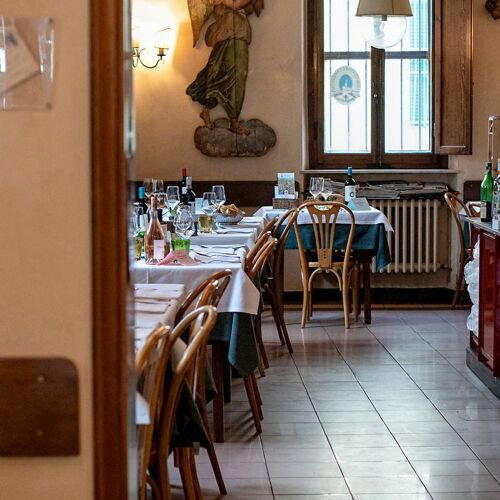
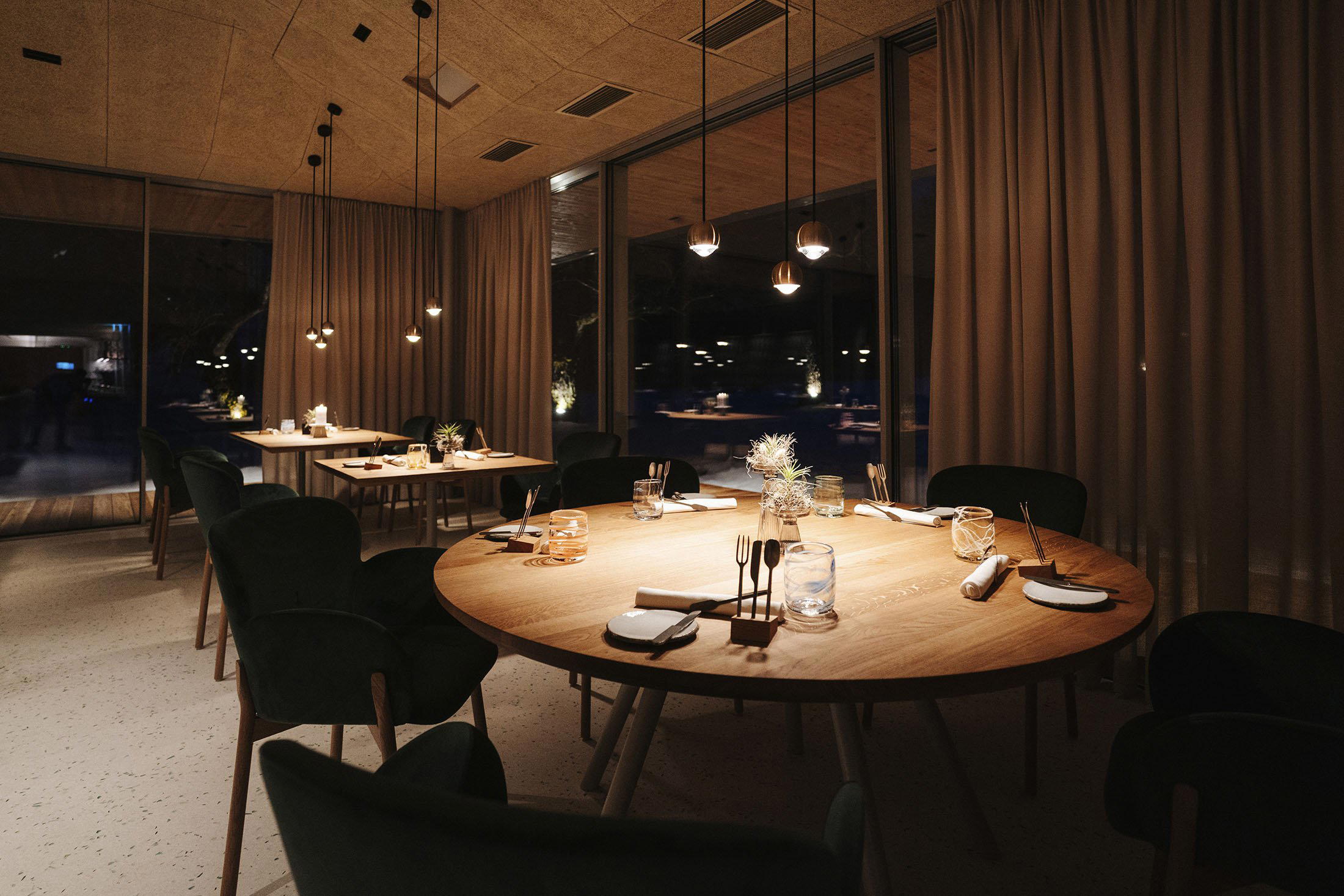
Restaurants in St. Georgen am Längsee
Browse all →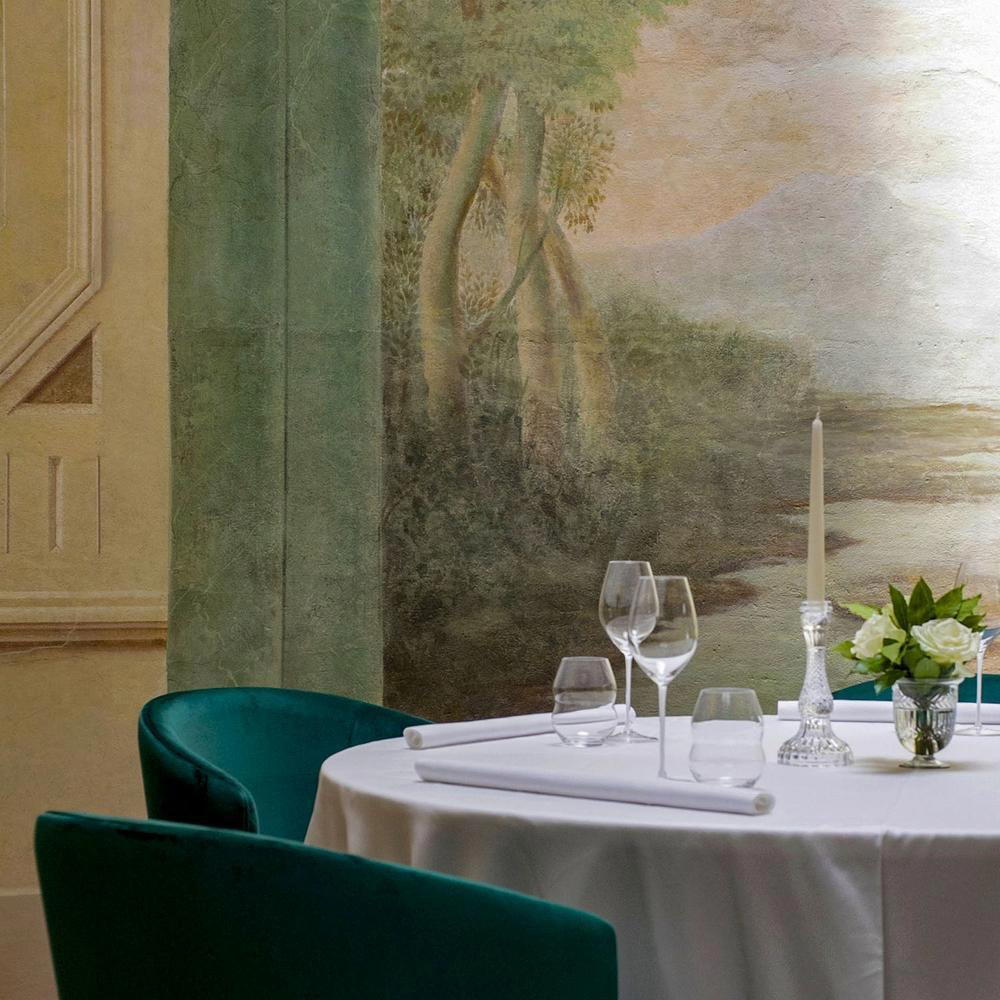
Bars in St. Georgen am Längsee
Browse all →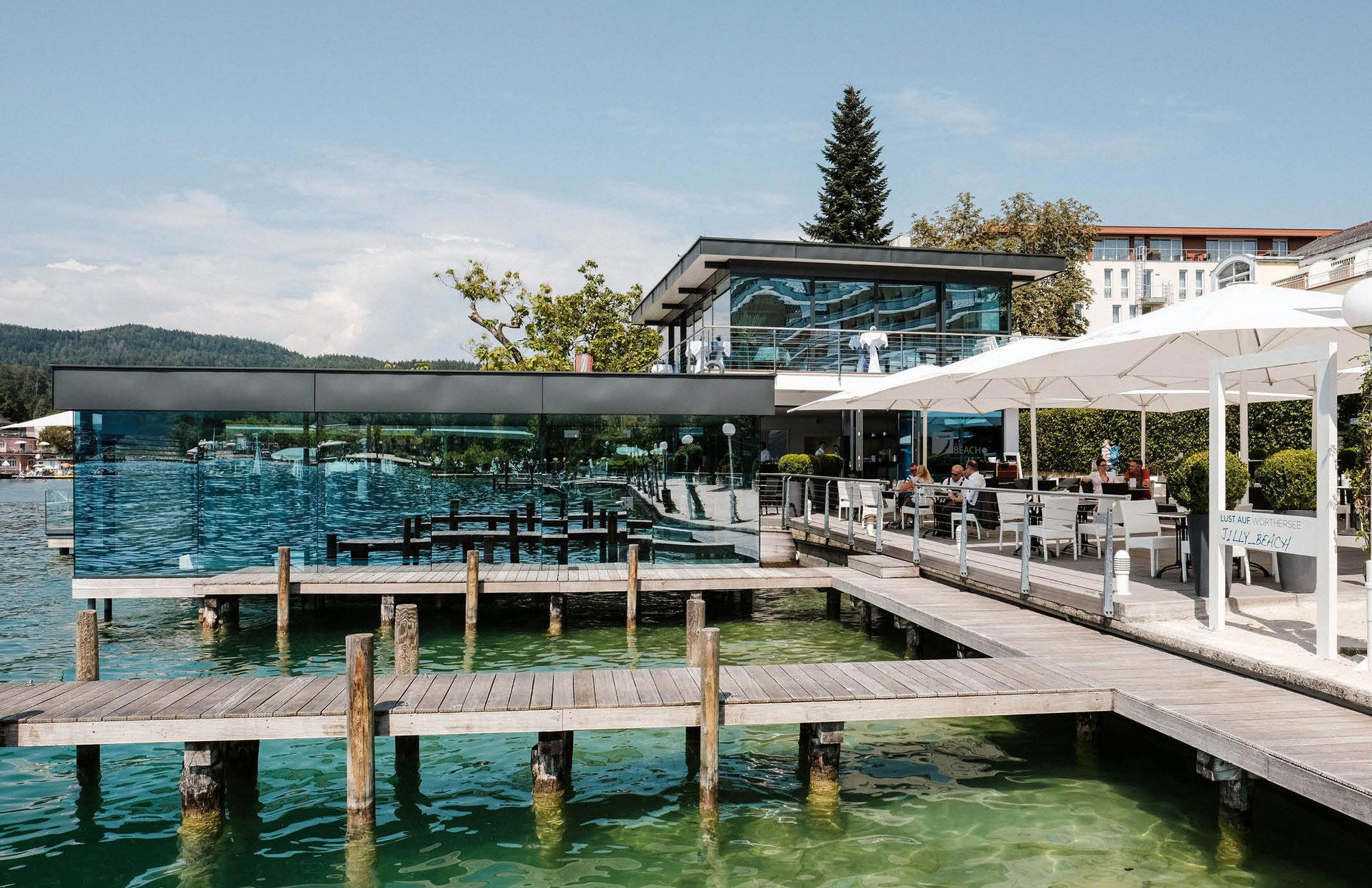

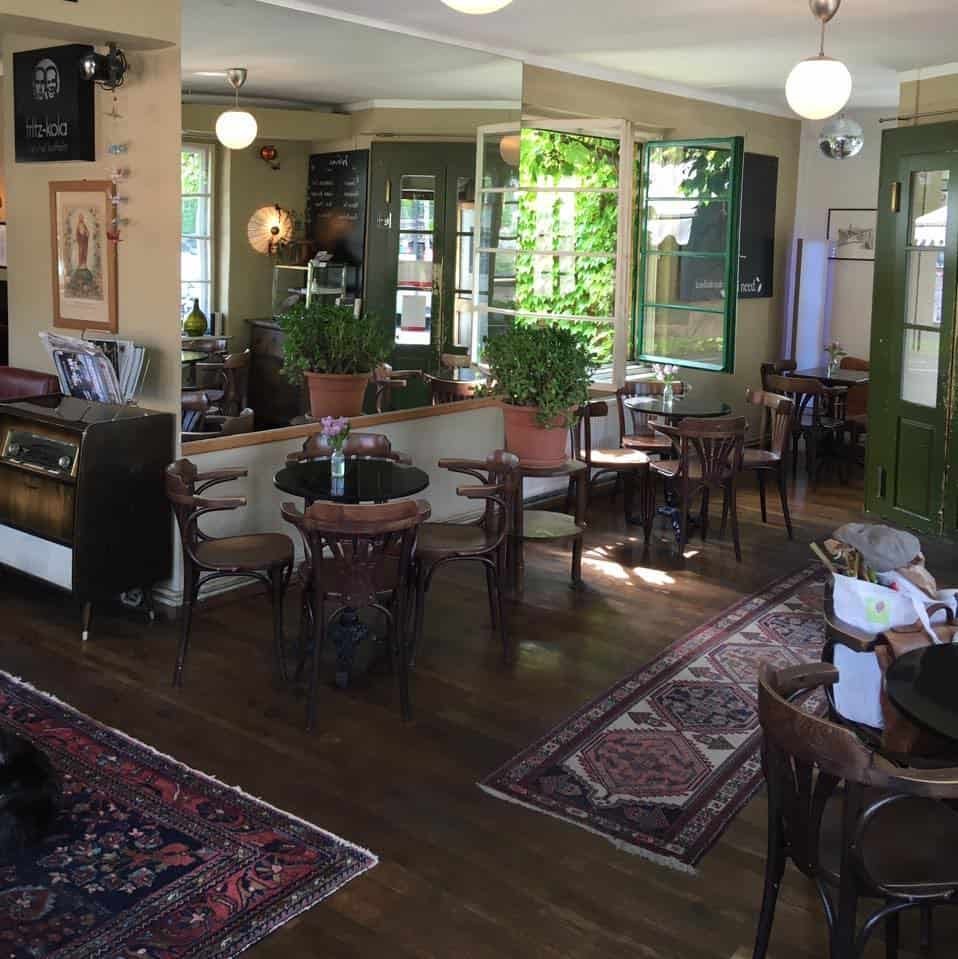
Hotels in St. Georgen am Längsee
Browse all →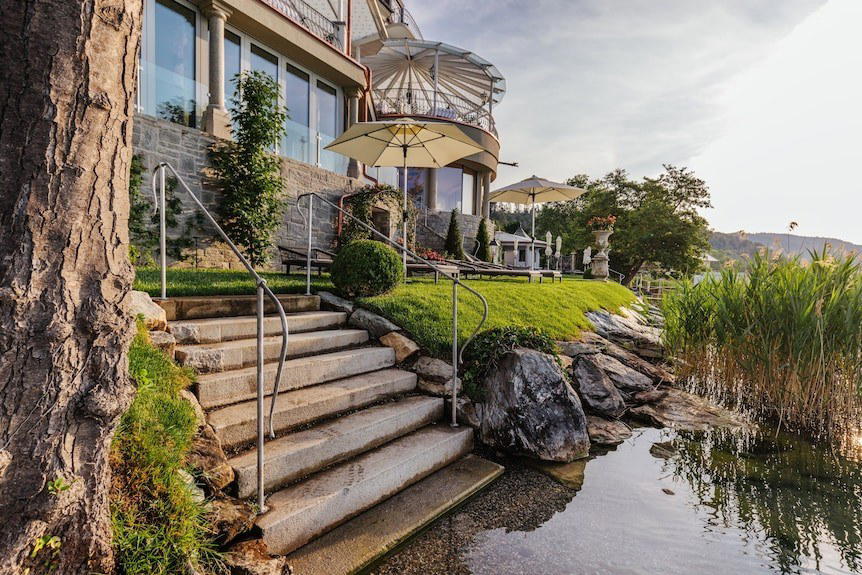

At a Glance
- Scenic
- Cozy
- Elegant
- Relaxed
- Date Night
- Special Occasion
- Celebration
- Waterfront
- Terrace
- Extensive Wine List
- Farm To Table
- Local Sourcing
- Waterfront
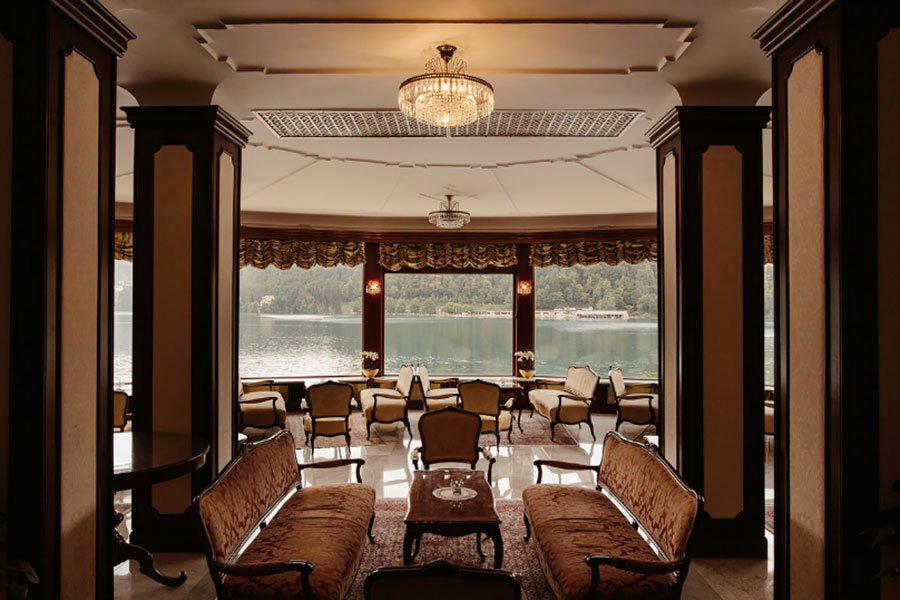
Relaxed lakeside atmosphere with fresh, seasonal cuisine and views of the turquoise lake, creating a welcoming and pleasurable dining experience.
Know Before You Go
- Getting there
- Werftenstrasse 57