Kima
Kima occupies a quiet address on Paddington Street in Marylebone, a neighbourhood where the density of serious independent restaurants has quietly grown over the past decade. The name — Greek for 'wave' — suggests something in motion, which aligns with Marylebone's current position in London dining: neither the established grandeur of Mayfair nor the experimental edge of Shoreditch, but a considered middle ground where quality tends to outlast hype.
Pearl is the En Primeur Club membership app — saves, bookings, and concierge access live there. Same editors, same standards.
- Address
- 57 Paddington St, London W1U 4HZ, United Kingdom
- Phone
- +447745205136
- Website
- kimarestaurant.com
- Directions
- Get directions
 Saves & bookings on Pearl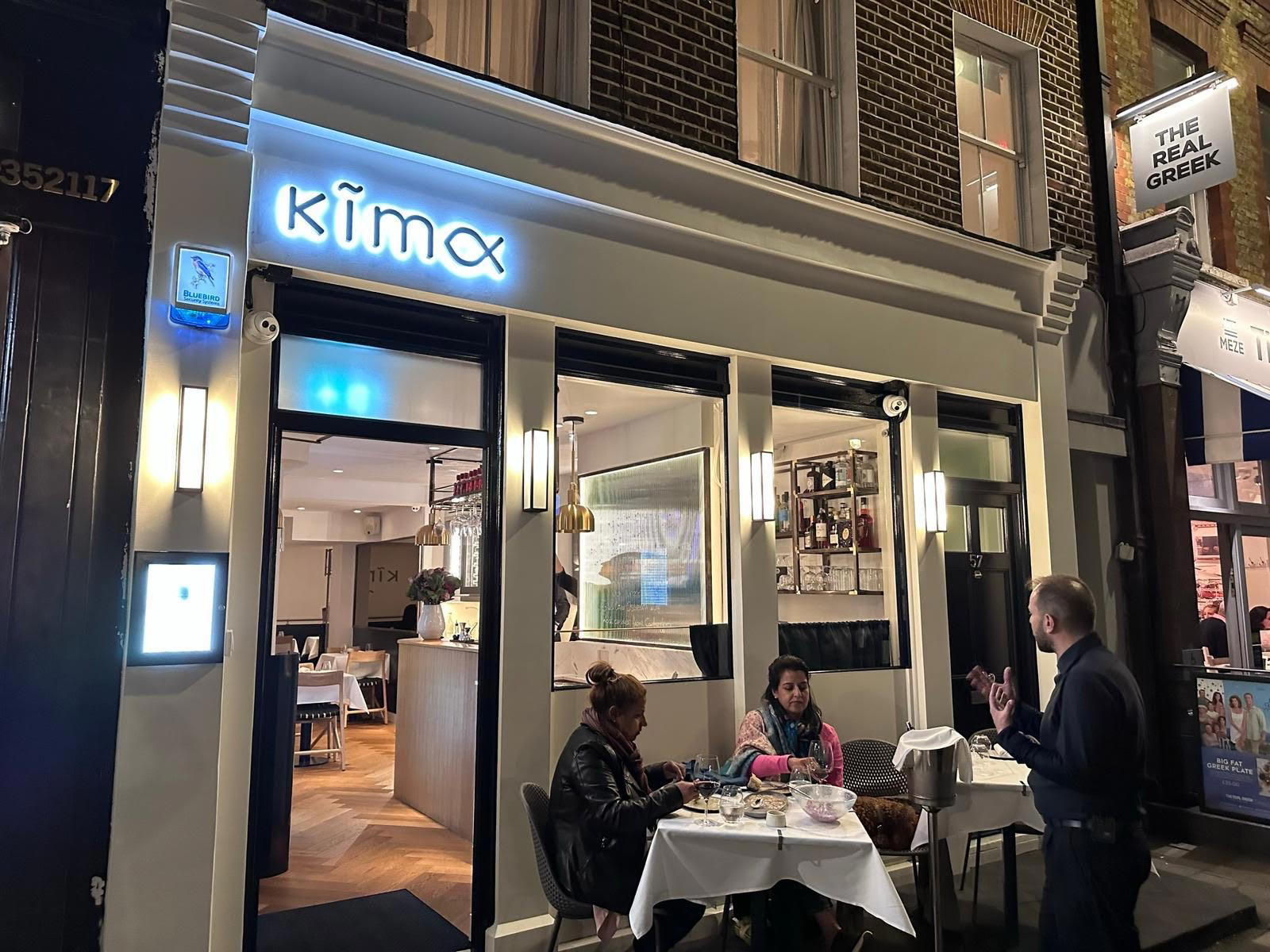
Marylebone's Quieter Register
London's most-discussed dining corridors run through Mayfair, the City, and Soho. Marylebone operates at a different frequency: calmer streets, longer-term residents, and a restaurant culture that rewards staying power over opening-night spectacle. Paddington Street, where Kima sits at number 57, is part of that quieter register — a stretch where independent operators tend to build loyal local followings rather than compete for viral attention. In a city where the highest-profile tables, from CORE by Clare Smyth to Sketch, The Lecture Room and Library, demand months of advance planning and command four-figure bills for two, there is genuine demand for something more intimate and less theatrical. Marylebone addresses that demand more consistently than most London postcodes.
The Atmosphere on Arrival
Approaching 57 Paddington Street, the immediate context is residential scale: terraced Georgian brickwork, a neighbourhood pharmacy nearby, the unhurried rhythm of W1U rather than the foot traffic of W1S. What this means atmospherically is that you arrive without the usual West End preparatory noise — no queue outside a velvet rope, no doorman performing theatre, no bass line bleeding through a wall. The transition from street to interior at venues of this kind tends to be the defining sensory moment, the point where a room either earns its register or reveals that it borrowed it from somewhere else.
Marylebone interiors in this tier, independent, owner-operated, without the resources of a hotel group or restaurant group behind them, generally work in one of two directions: warm materiality (pale wood, linen, natural light) or studied minimalism (plaster walls, tight lighting, deliberate quiet). Both approaches, when executed with discipline, produce spaces where the food does the talking rather than the room. The Greek derivation of the name Kima, meaning 'wave', points toward something with motion and fluency at its centre rather than static formality.
What the Neighbourhood Tells You About the Offer
Marylebone's dining scene has a distinct competitive character. It runs from the neighbourhood gastropub at one end to mid-tier European restaurants in the middle, with occasional outliers that punch into serious fine-dining territory. It is not the address where London's most decorated kitchens congregate: for that, the city's Michelin-starred upper tier clusters more heavily in Notting Hill (see The Ledbury), Knightsbridge (Dinner by Heston Blumenthal), and Chelsea (Restaurant Gordon Ramsay). Marylebone's strength is in the confident independent mid-ground, places that do not require a special occasion to justify the bill but deliver a quality ceiling well above the casual.
That context matters when reading Kima. A restaurant choosing this street at this address is positioning itself within a specific gravitational field: close enough to the Marylebone High Street corridor to capture the neighbourhood's affluent residential base, far enough from the tourist-density zones to remain genuinely local in character. It is a deliberate positioning, not an accidental one.
Cuisine, Tradition, and What the Name Implies
Greek cuisine in London has undergone a meaningful shift over the past several years. The traditional taverna model, reliable but formulaic, has been joined by a more considered tier of operators drawing on regional Greek traditions, seasonal Aegean produce, and cooking techniques that have more in common with the serious end of Mediterranean dining than with the mezze-and-moussaka shorthand that long defined the category in the UK. At the serious end of that spectrum, the emphasis tends to fall on fire and char, on aged cheeses and cured fish, on olive oil as a structural ingredient rather than a finishing note, and on vegetables treated with the same attention as protein.
A name that translates as 'wave' carries a specific register in this context: it suggests fluidity and movement, a resistance to fixed menus and static tradition, the kind of approach that responds to supply and season. Whether the execution at Kima follows that implication is for the table to determine, but the framing is coherent with where the more ambitious end of Greek-influenced cooking in London currently sits.
For broader comparison across the UK's serious restaurant tier, the landscape includes destination properties operating in different registers: Waterside Inn in Bray, Le Manoir aux Quat'Saisons in Oxford, L'Enclume in Cartmel, and Moor Hall in Aughton all represent the country-house or destination-dining model. London independents like Kima occupy the opposite pole: urban, accessible by public transport, without the room rate to consider. For those building a wider UK itinerary, Gidleigh Park in Chagford, Hand and Flowers in Marlow, hide and fox in Saltwood, Midsummer House in Cambridge, Opheem in Birmingham, and Restaurant Andrew Fairlie in Auchterarder each represent distinct regional expressions of serious British dining. International comparison points might include Le Bernardin in New York City and Atomix in New York City, both operating at a precision-focused, ingredient-led register that shares DNA with where the better London independents now operate.
Sensory Framing: What to Expect
The sensory character of Marylebone dining at this level tends toward the restrained rather than the demonstrative. Good acoustics, or rather, the conscious management of sound levels, distinguish the serious independent from the casual operator in this postcode. Rooms that allow conversation without effort, lighting calibrated to flatter without dimming the food to invisibility, table spacing that acknowledges the need for privacy: these are not luxury extras at this address, they are the minimum threshold. Whether Kima meets them is a matter of visiting rather than reading about it, but the address and positioning suggest an operator aware of that baseline.
Greek cooking at its more considered end also carries a particular olfactory signature: the dry heat of a wood or charcoal grill, the clean acidity of lemon and capers, the deeper register of aged feta or graviera, the faintly saline quality of good Aegean seafood. A room built around that kind of cooking tends to smell like its food, which is not a small thing. It is one of the ways a kitchen signals its priorities before a dish arrives at the table.
Planning Your Visit
Know Before You Go
- Address: 57 Paddington Street, London W1U 4HZ
- Nearest Tube: Baker Street (Jubilee, Metropolitan, Hammersmith & City, Circle, Bakerloo lines), approximately a five-minute walk west along Paddington Street
- Awards: Not listed in current data
- Further London options: See our full London restaurants guide
How Kima London compares with similar nearby venues.
| Venue | Cuisine | Price |
|---|---|---|
| Fischer’s | Viennese | £££ |
| Lita | Mediterranean Cuisine, Spanish (Iberian) | ££££ |
Continue exploring
More in London
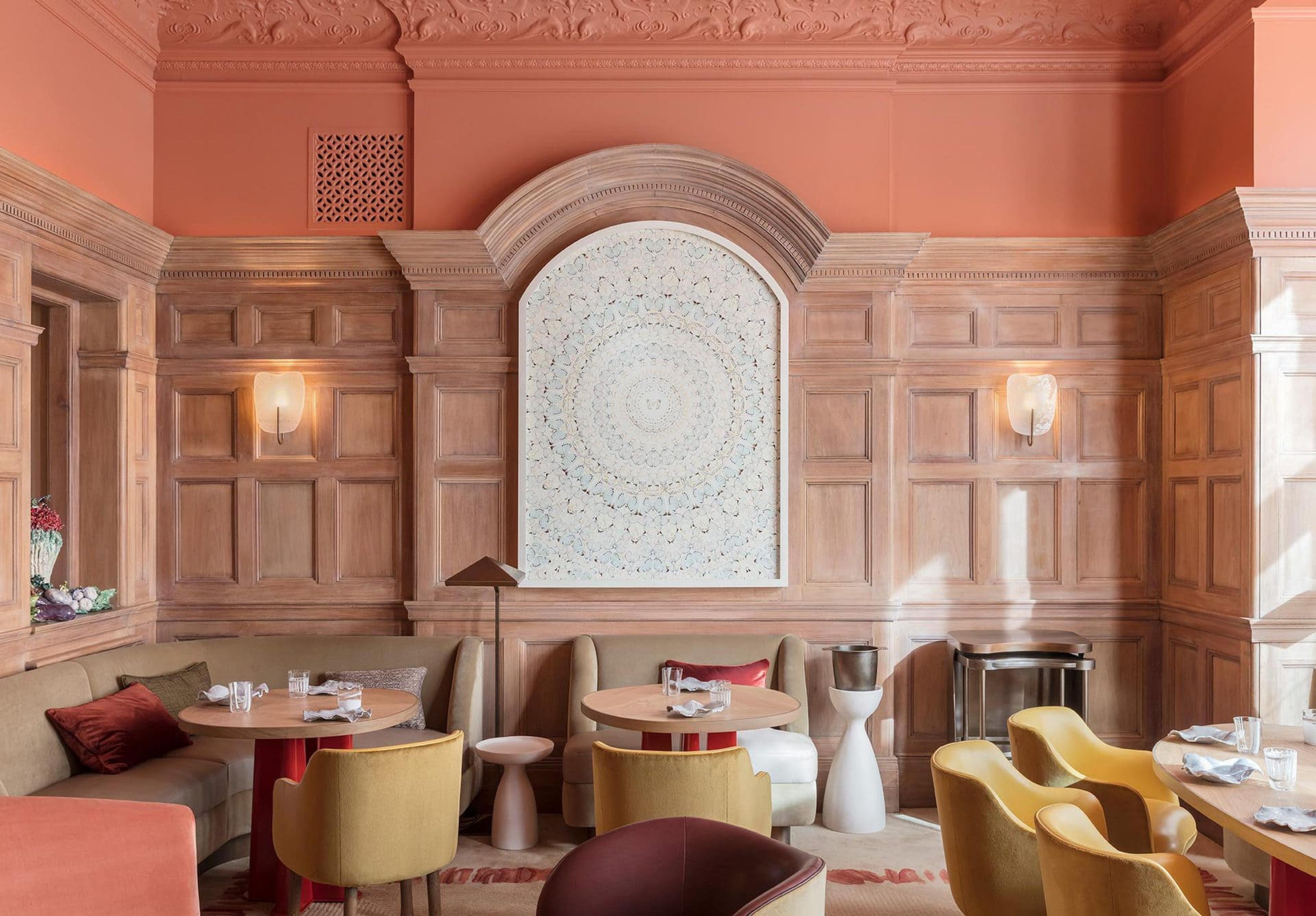
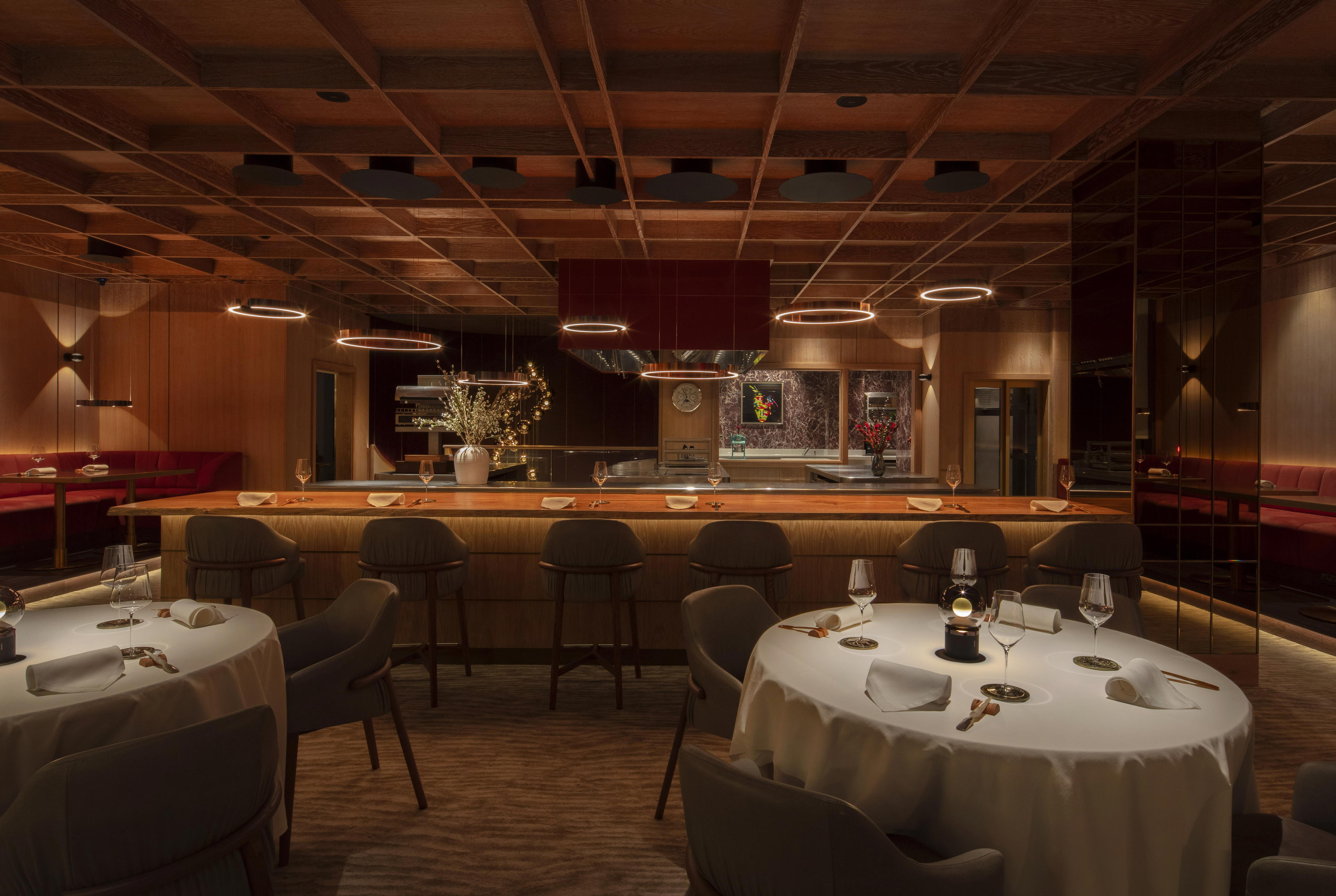
Restaurants in London
Browse all →
Bars in London
Browse all →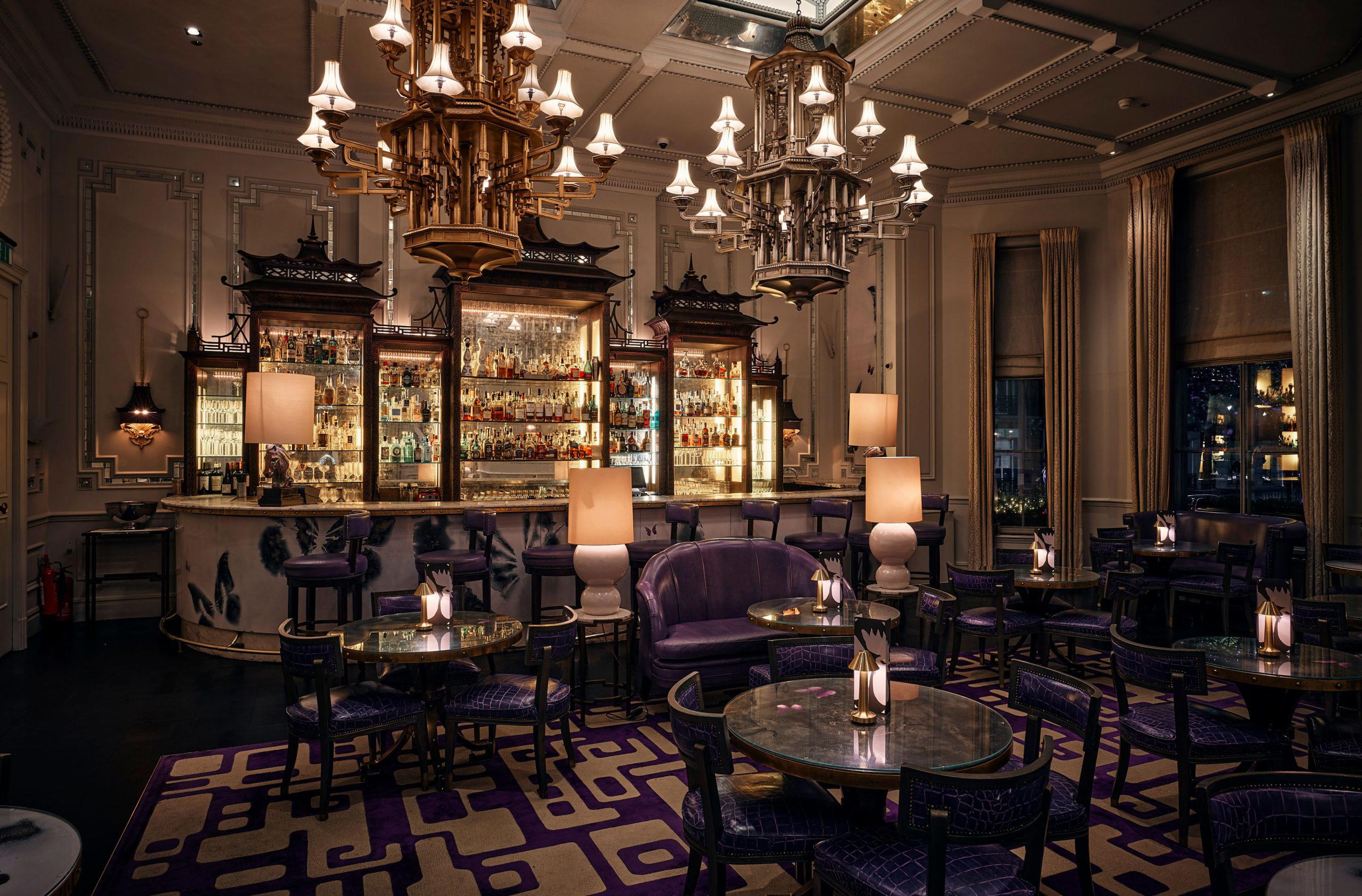
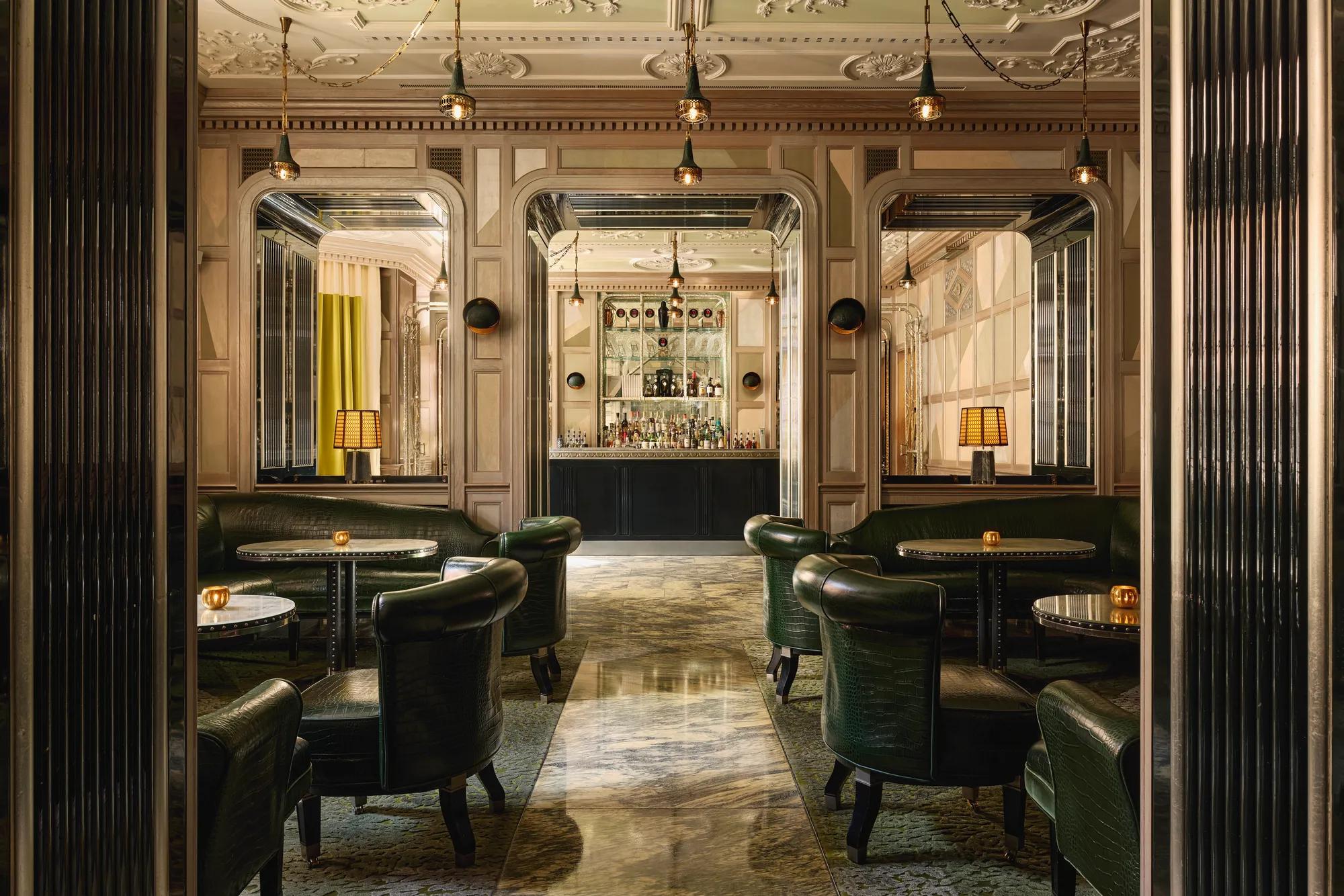
Hotels in London
Browse all →

At a Glance
- Modern
- Trendy
- Elegant
- Date Night
- Special Occasion
- Group Dining
- Open Kitchen
- Craft Cocktails
- Sustainable Seafood
- Zero Waste
Current opening hours
- Monday
- Closed
- Tuesday
- 5–11:30 PM
- Wednesday
- 5–11:30 PM
- Thursday
- 12–3:30 PM, 5–11:30 PM
- Friday
- 12–3:30 PM, 5–11:30 PM
- Saturday
- 12–3:30 PM, 5–11:30 PM
- Sunday
- 12–3:30 PM, 5–10 PM
Hours can change for holidays and private events. Last verified .
Inviting atmosphere with modern presentation, polished service, and a counter for selecting fresh seafood on ice.