
50 Top Pizza Italia #86
Our verdict
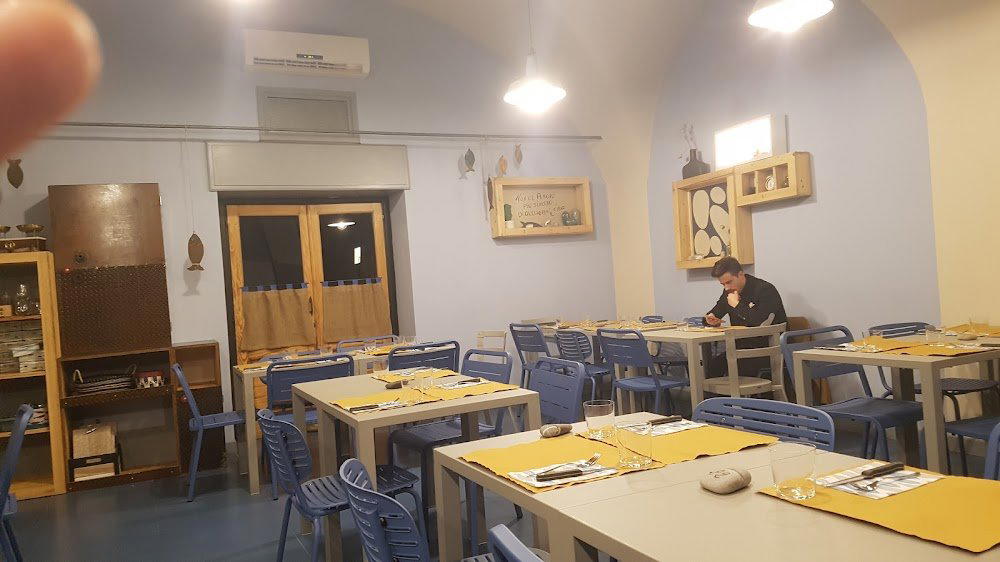
In the ancient fishing quarter of Prino, Kilo has built a reputation around a super crispy pizza produced from a blend of flours and a slow, careful leavening process. Chef Chieppa's experimental approach to dough and first-choice ingredients sets this Imperia address apart from the region's more straightforward pizzerias. The pastel-walled room reflects Prino's coastal character, making it a considered stop within the wider Imperia dining scene.

Pearl is the En Primeur Club membership app, where members save venues, book tables and use the concierge.
Prino's Waterfront and the Case for Serious Pizza
The Ligurian Riviera has never positioned itself as pizza territory. This is the coast of pesto, focaccia, and trofie, where seafood caught the same morning lands on tables at places like Sarri and Osteria Didù, and where the tradition of a simple, ingredient-led plate has shaped the regional identity for generations. Against that backdrop, a pizzeria in the ancient fishing village of Prino that draws attention for dough experimentation and sourcing discipline occupies an unusual position. Kilo, on the Lungomare Cristoforo Colombo, is that kind of address: a place where the pizza itself is the editorial argument.
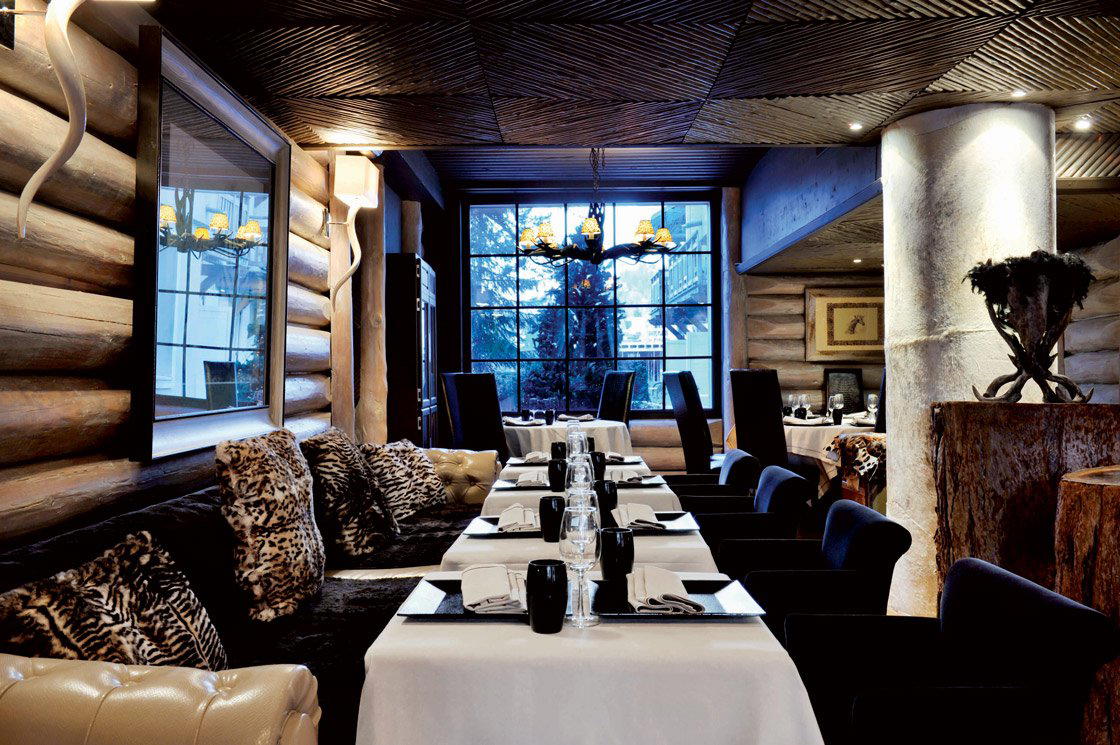
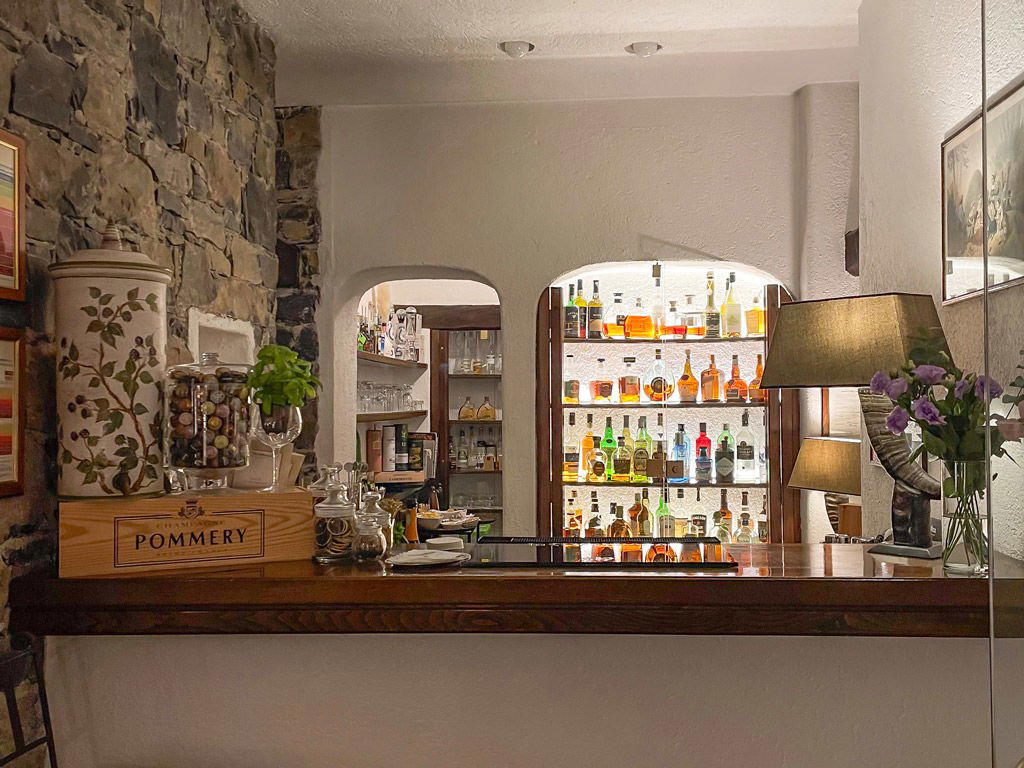
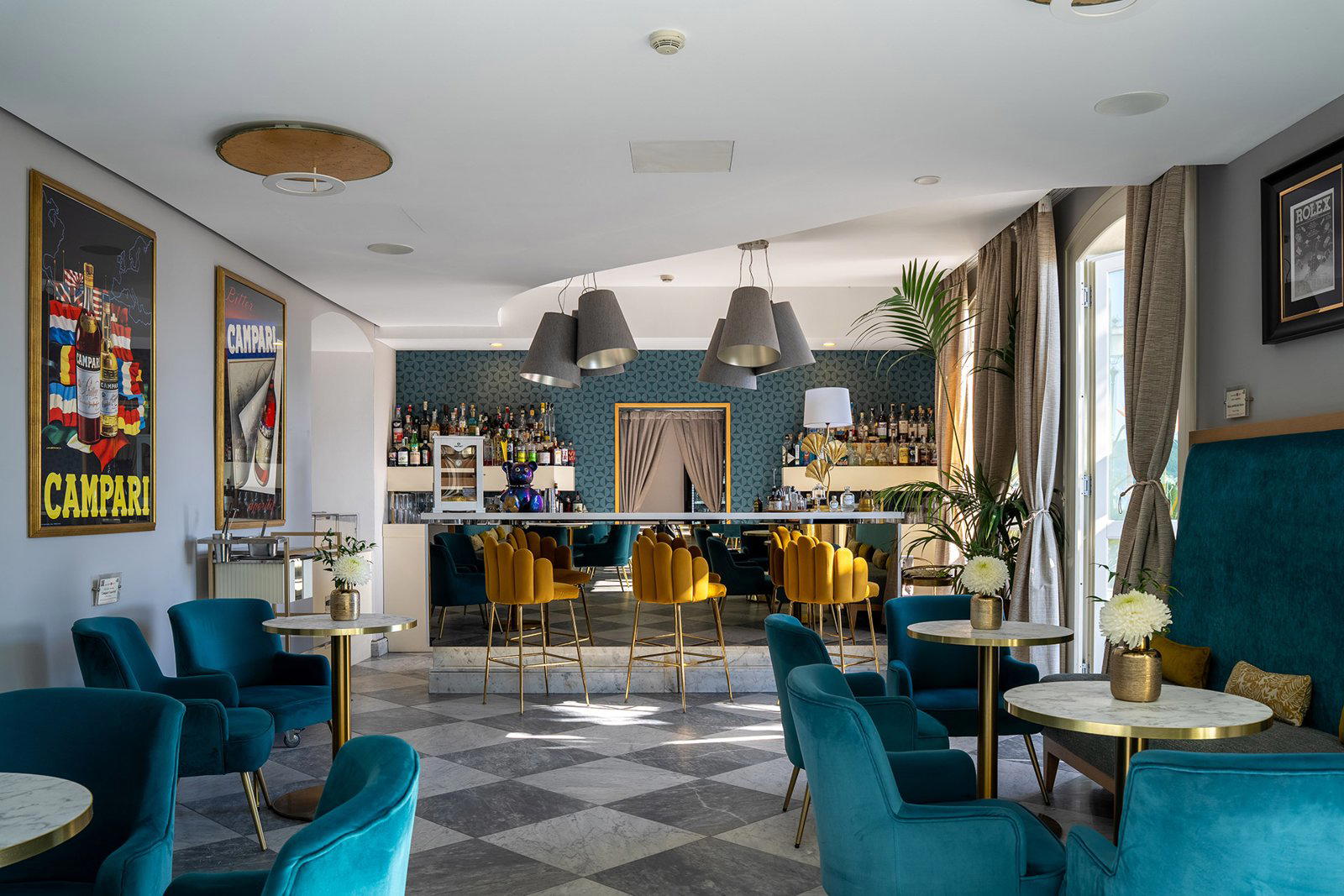
Prino sits at the western edge of Imperia, quieter than the Porto Maurizio waterfront and less touristic than the main corso. Arriving along the lungomare, the building reads as a local institution rather than a destination restaurant: pastel walls, a graceful interior restyling that nods to the fishing-village palette without tipping into costumed nostalgia. The room is the product of a considered renovation that kept the character of the neighbourhood intact. That restraint in design choices mirrors what happens in the kitchen.
The Sourcing Logic Behind the Crust
Italian pizza culture has split, over the past decade, into two distinct camps. On one side sit the Neapolitan orthodoxies, defined by the Associazione Verace Pizza Napoletana's strict flour and technique specifications. On the other sits a broader experimental movement, concentrated in Rome but now spread across the peninsula, where pizzaioli treat flour blending, hydration rates, and extended fermentation as legitimate craft variables rather than deviations from tradition. Kilo belongs to the second camp.
Chef Chieppa's approach centres on a mix of flours and a careful, extended leavening process. The result is a crust described as super crispy, which in technical terms points toward lower hydration, longer cold fermentation, and a bake that draws moisture out evenly rather than leaving a soft, pliable interior. This is a specific textural commitment, and it sets a different expectation from the first bite. What matters editorially is not just the technique, but why it produces a different product: the blended flours introduce different protein structures and flavour compounds, and the leavening timeline determines how much of the flour's natural sugars have converted before heat is applied. Those choices directly affect what lands on the table.
The sourcing claim of first-choice products carries weight in a region where ingredient provenance is a genuine differentiator. Liguria's proximity to both the Ligurian Sea and the agricultural hinterland of the Maritime Alps means that local supply chains for olive oil, vegetables, and cured products run short and traceable. A pizzeria that commits to that supply chain is making a different product than one importing commodity toppings, and in a city the size of Imperia, that sourcing stance is visible and accountable in ways it would not be in Milan or Rome.
Italy's reference-point restaurants, from Osteria Francescana in Modena to Piazza Duomo in Alba, have spent two decades arguing that Italian regional ingredients, treated with technical precision, are the basis of the country's most compelling cooking. The same argument, applied at the pizzeria tier, is what Kilo is making in Prino.
Where Kilo Sits in the Imperia Dining Context
Imperia is not a city that generates significant international restaurant coverage. The dining scene is weighted toward seafood trattorias and traditional Ligurian formats, and the hotels and broader hospitality infrastructure (see our full Imperia hotels guide) reflect a city that primarily serves domestic tourism and local residents rather than the international circuit. That context matters when assessing Kilo. This is not a restaurant competing with Le Calandre in Rubano or Enrico Bartolini in Milan. It is a neighbourhood pizzeria operating at the quality ceiling of its category in a mid-sized Ligurian city, and that is the correct frame for evaluating it.
Within Imperia, the relevant question is whether a serious pizza program adds something to a dining scene already strong in seafood and traditional Ligurian cooking. The answer is yes, and specifically because the format is different enough from the region's defaults to read as additive rather than competitive. For visitors navigating Imperia's restaurant options, Kilo occupies the casual-serious tier: technically considered food at approachable scale, in a setting that reflects the local character of Prino rather than performing for an outside audience.
The broader Imperia scene extends across bars, wineries, and experiences beyond the restaurant circuit. Those looking to construct a fuller picture of the city can consult our Imperia bars guide, our Imperia wineries guide, and our Imperia experiences guide for a more complete overview.
Planning a Visit
Kilo is on Lungomare Cristoforo Colombo 188 in the Prino district of Imperia, a waterfront address that is reachable by car from the A10 motorway or by local bus from Imperia Porto Maurizio station. The lungomare setting means the approach on foot from the seafront is the natural way to arrive. Phone and website details are not currently listed in public directories, so confirming hours before visiting is worth a direct check on arrival in the area or through local accommodation recommendations. For a pizzeria with an experimental dough program and a commitment to first-choice ingredients, the kitchen's output can vary slightly by season as sourcing adjusts to what the region is producing, so visits in spring and autumn, when Liguria's agricultural supply is at its most varied, tend to align well with the format.
Italy's three-Michelin-star tier, represented by restaurants like Dal Pescatore in Runate, Atelier Moessmer Norbert Niederkofler in Brunico, Enoteca Pinchiorri in Florence, Reale in Castel di Sangro, and Quattro Passi in Marina del Cantone, operates at a different altitude than a Prino pizzeria. But the underlying argument, that Italian ingredients sourced carefully and treated with technical respect produce something worth travelling for, is the same one Kilo is making on the lungomare, at a price point and scale that makes the argument accessible in a way that a tasting menu cannot.
Frequently asked questions
What awards or recognition does Kilo have?
Kilo has received recognition including: Pizzeria in the ancient fishing village of Prino, Imperia, known for the experiments of chef Chieppa. It offers a super crispy pizza made with a mix of flours and a careful leavening process, using first-choice products. The location featur….
Where do I go for Kilo?
Kilo is located at Lungomare C. Colombo, 188, 18100 Imperia IM, Italy, Imperia.
What's the signature dish at Kilo?
The defining item is the super crispy pizza, built on a blend of flours rather than a single base and shaped by a careful, extended leavening process. The crust is the point of difference: lighter and more structured than standard Neapolitan or Roman styles. Toppings draw on first-choice sourced products, though the specific menu rotates with chef Chieppa's ongoing experiments.
How far ahead should I plan for Kilo?
Kilo operates in Prino, a district of Imperia that draws a local and regional crowd rather than a high-volume tourist flow, which typically means reservations are more accessible than at comparable destination pizzerias further up the coast. That said, the venue has a specific following for Chieppa's approach, so booking at least a few days ahead during summer months and weekends is sensible. No booking line is publicly listed, so checking directly via walk-in or the venue's local profile is advisable.
What has Kilo built its reputation on?
Kilo's standing in Imperia comes from chef Chieppa's deliberate departure from standard pizzeria conventions: a mixed-flour dough, controlled leavening, and sourcing discipline applied to a format that most of the Ligurian Riviera doesn't take seriously as a culinary category. The pizzeria is set in the ancient fishing village of Prino, and the room has been reworked with pastel tones that reflect the coastal setting without defaulting to tourist-facing design. That combination of technical seriousness and neighbourhood identity has given it a distinct position in a city whose dining scene otherwise skews toward seafood trattorias.
Is Kilo allergy-friendly?
The multi-flour base at Kilo is a core part of the concept, meaning standard gluten-free alternatives are unlikely to be a simple swap without affecting the dish's defining quality. Guests with specific allergen requirements should check the venue's official channels before visiting. No formal allergy policy is on public record.
What makes Kilo's pizza dough different from a standard Italian pizzeria?
Chef Chieppa works with a blend of flours rather than the single-type doughs used in most Neapolitan or Roman-style pizzerias, and pairs that with a leavening process calibrated for the resulting crust structure. The outcome is a pizza described as super crispy, which places it outside both the charred-leopard Neapolitan camp and the thin-cracker Roman style. For a city like Imperia, where pizza has historically been a secondary category behind focaccia and pasta, that level of dough attention is unusual.
Comparable Spots, Quickly
| Venue | Cuisine | Price | Awards | Notes |
|---|---|---|---|---|
| KiloThis venue (the venue you are viewing) | Italian Pizzeria & Pinseria | $20–30 | 50 Top Pizza Italia #86 | Not listed |
| Atelier Moessmer Norbert Niederkofler | Modern Alpine Fine Dining | $300–500 | 3 Michelin Stars · World's 50 Best #20 | Italian, Creative |
| Dal Pescatore | Classic Italian Fine Dining | $200–300 | 3 Michelin Stars · World's 50 Best #38 | Italian, Italian Contemporary |
| Enoteca Pinchiorri | Contemporary Italian Fine Dining | $200–300 | 3 Michelin Stars · World's 50 Best #32 | Italian - French, Italian Contemporary |
| Enrico Bartolini | Modern Italian Fine Dining | $300–500 | 3 Michelin Stars · World's 50 Best #85 | Creative |
| Osteria Francescana | Avant-Garde Italian Contemporary | $300–500 | 3 Michelin Stars · World's 50 Best #1 | Progressive Italian, Creative |
Recognition history
Dated appearances from independent guides and award organizations, with the underlying list record or original source where available.
50 Top Pizza Italia #86
50 Top Pizza
Full recognition history (2 entries)
50 Top Pizza Italy #89
50 Top Pizza
Continue exploring
More in Imperia
Restaurants in Imperia
All restaurants in Imperia →


Details
- Modern
- Cozy
- Casual
- Casual Hangout
- Group Dining
- Terrace
- Waterfront
- Waterfront
- A La Carte
- Gluten Free Options
- Vegetarian Friendly
- Vegan Options
Current opening hours
- Monday
- 7–11 PM
- Tuesday
- 7–11 PM
- Wednesday
- 7–11 PM
- Thursday
- 7–11 PM
- Friday
- 7–11 PM
- Saturday
- 7–11 PM
- Sunday
- 7–11 PM
Hours can change for holidays and private events. Last verified .
Lush, welcoming atmosphere with lively decor, pleasant terrace, and a large chic space creating a bright, inviting dining environment.