Kiin Thai
A modest central spot with a modern setting
- Address
- 36 E 8th St, New York, NY 10003
- Phone
- +12125292363
- Website
- kiinthaieatery.com
- Directions
- Get directions
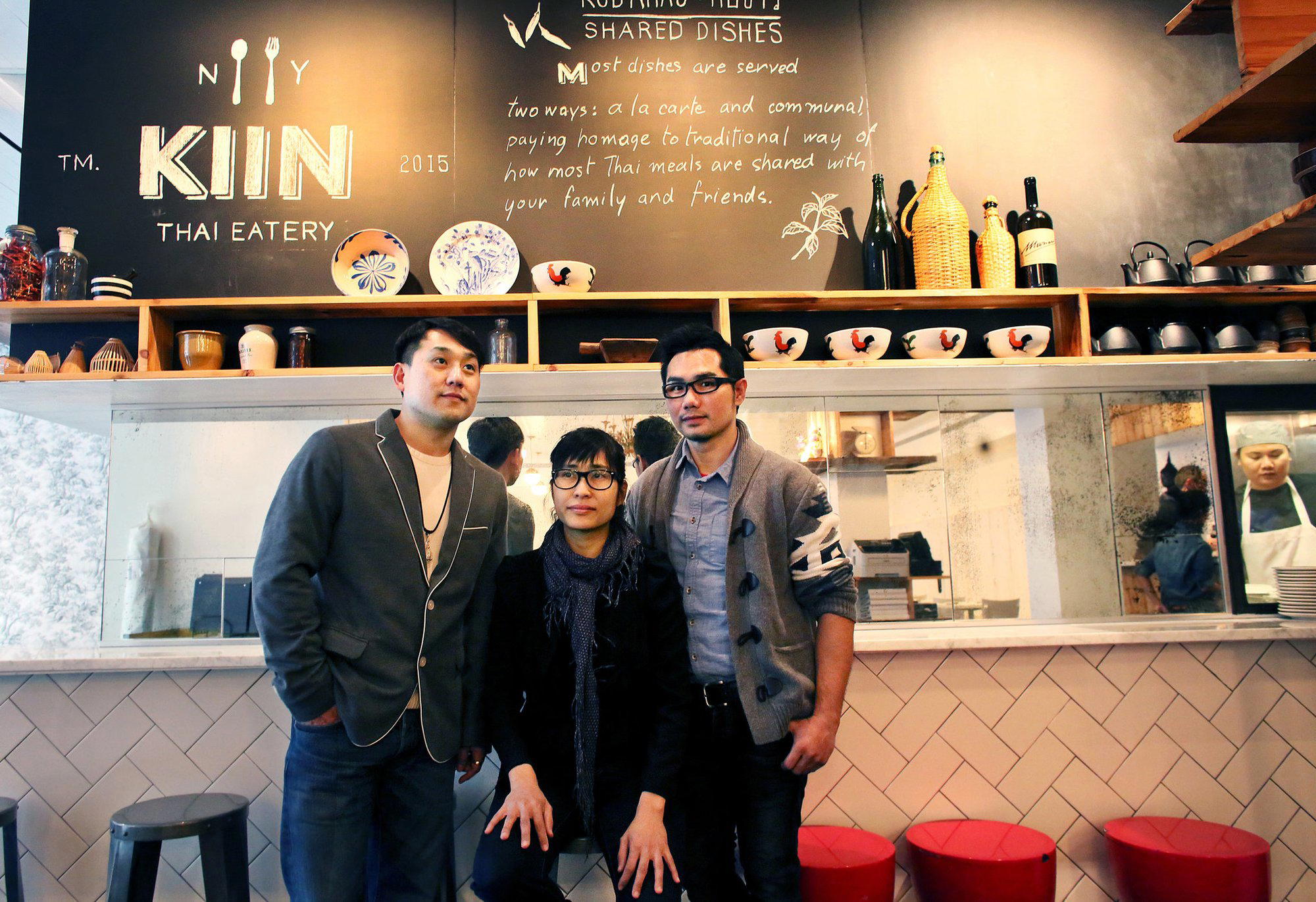
East Village Thai in a City That Rarely Does Thai Simply
East 8th Street in the Village sits at a particular intersection of New York dining cultures: close enough to NYU's academic density to attract a younger crowd, far enough from the tourist corridors of Midtown to feel genuinely local. In a city where Thai restaurants tend to cluster at two poles, cheap-and-fast in Curry Hill or aggressively luxurious in newer hotel dining rooms, a mid-register Thai address in this neighbourhood occupies an interesting position. Kiin Thai, an Authentic Central & Northern Thai restaurant at 36 E 8th St in New York City, lands in that middle ground, operating in a part of lower Manhattan where the dining room composition shifts by the hour and expectations from the neighbourhood run toward quality without ceremony.
Thai cuisine in New York has followed a pattern visible in other immigrant food traditions. The first wave creates volume and accessibility; the second wave, driven by returning diaspora and ingredient-access improvements, pushes toward regional specificity and technique. By the 2010s, several New York Thai kitchens had moved away from the panified, sweetened versions of pad thai and green curry that defined the first generation, toward preparations that held closer to northern Thai herb use, southern Thai heat registers, and the fermented-paste foundations that Bangkok's own mid-market restaurants had never abandoned. Kiin Thai operates inside that second-wave context.
What the Room Signals Before the Food Arrives
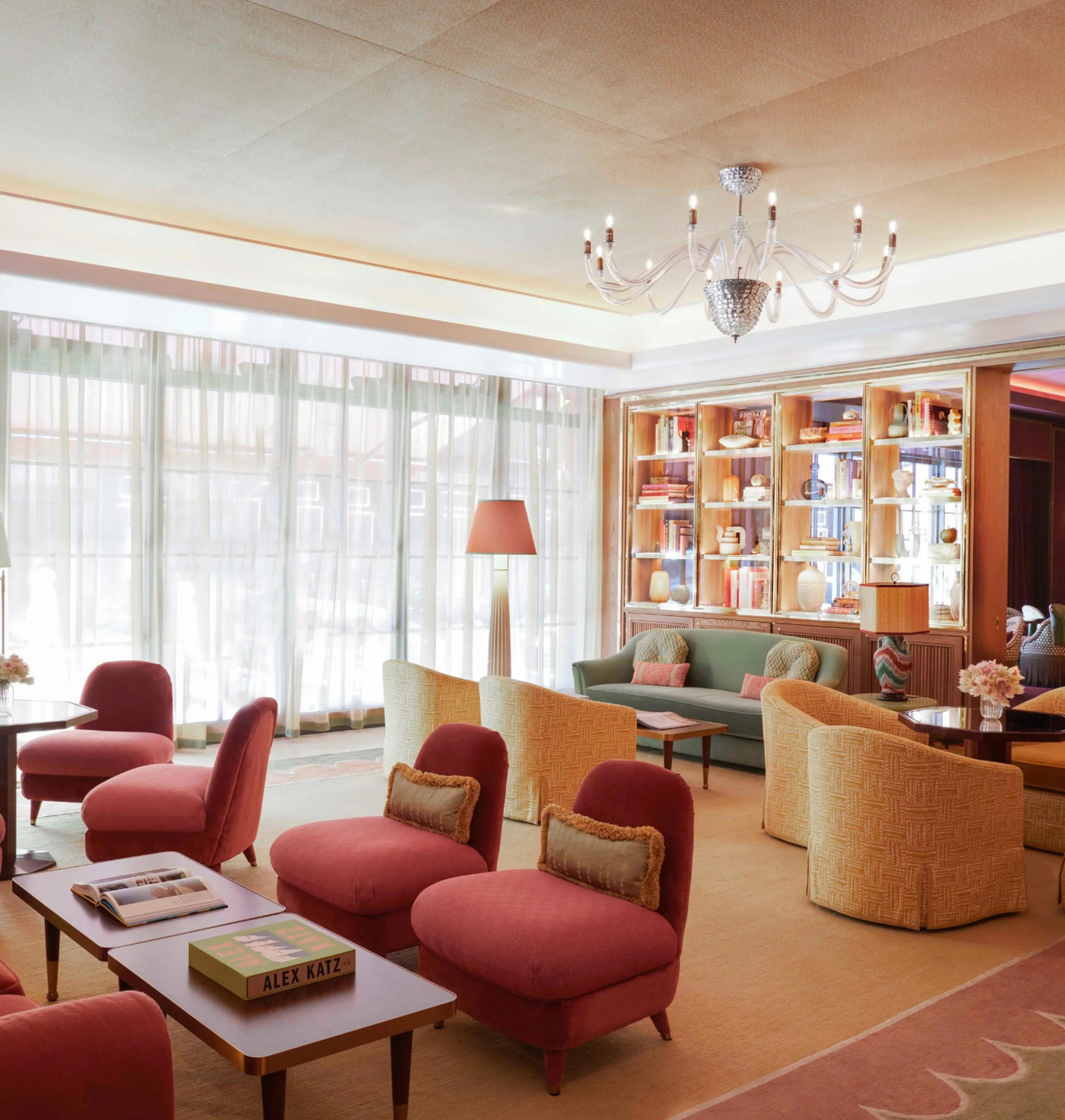
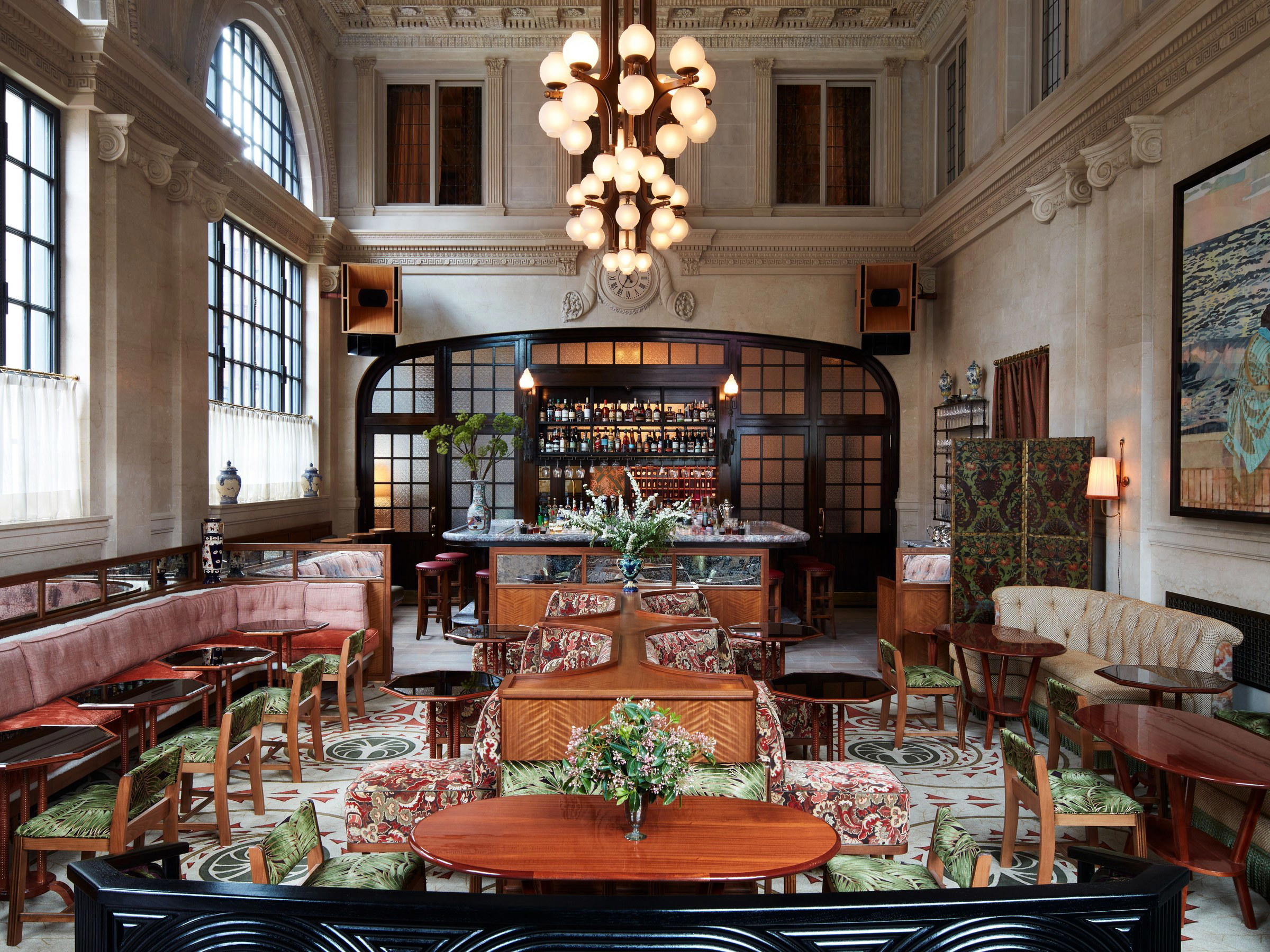
The address puts Kiin Thai in a building environment typical of the Village's mixed commercial blocks: ground-floor retail, residential above, the kind of frontage that rewards a reader who slows down rather than a diner scanning from a rideshare. Inside, the room design tends toward the restrained end of Thai restaurant aesthetics, a deliberate contrast with the ornate teak-and-silk visual vocabulary that many Thai restaurants adopted as shorthand for authenticity in the 1980s and 1990s. The quieter interior language communicates that the kitchen, not the decor, carries the argument.
That kind of visual restraint has become a marker across Asian fine-casual restaurants in New York. You see it at Atomix, where the Modern Korean tasting menu format strips ceremony from the room to concentrate attention on the counter. You see it expressed differently at Jungsik New York, where Progressive Korean cuisine takes a quietly European room as its frame. Kiin Thai follows a comparable instinct: let the food be the primary sensory argument.
The Team Dynamic Behind a Thai Kitchen in New York
The here matters because Thai restaurant quality in New York is rarely a solo performance. The cuisine's complexity demands coordination between kitchen and floor at a level that direct noodle shops can sidestep but that any restaurant aiming at a serious dinner-service price point cannot. In Thai cooking, the balance of fish sauce acidity, palm sugar sweetness, fresh herb lift, and dried-chili heat within a single dish requires a kitchen team with both technical discipline and palate calibration. A front-of-house that can explain those balances, guide a table through heat-level decisions, and manage the pacing of shared dishes that arrive at irregular intervals rather than in preset courses adds material value to the experience.
This coordination dynamic distinguishes serious Thai kitchens from volume operations. The somm equivalent in a Thai context is often a manager or lead server with genuine knowledge of the menu's regional references: whether a particular curry leans toward the coconut-fat richness of central Thai style or the sharper, drier profile of Isan, and how that interacts with whatever wine or cocktail program the restaurant runs alongside it. In a neighbourhood where a table might anchor its evening at one restaurant rather than bar-hop before, that guidance capability matters.
New York's broader premium dining conversation runs through addresses like Le Bernardin, Per Se, and Masa, each of which operates with highly integrated kitchen-and-floor teams as a non-negotiable baseline. The gap between that tier and a neighbourhood Thai restaurant is not simply price; it is the degree to which every service role has a defined contribution to what lands on the table. The restaurant operates at a price and format point where that integration is achievable without the full apparatus of a tasting-menu operation.
Thai Cuisine's Place in the New York Dining Order
To understand where the restaurant sits, it helps to map the broader category. Thai food in New York commands less critical real estate than Japanese, Korean, or Chinese cuisines, despite Thailand's culinary complexity being at least as deep. This imbalance reflects a combination of historical immigration patterns, the difficulty of sourcing certain fresh Thai aromatics reliably at scale, and the fact that Thai cuisine's prestige tier, in the form of royal Thai cooking traditions, never established a strong New York foothold in the way that Cantonese banquet culture or Japanese omakase did.
That context means a Thai restaurant in the Village is not competing on the same credentialing terms as, say, a sushi counter or a Korean fine-dining address. The comparison set is different. What a Thai restaurant in this position can offer is regional specificity, ingredient honesty, and heat calibration, qualities that the neighbourhood's experienced dining population has developed an appetite for. Against that standard, the restaurant's location in the East Village puts it in an area with enough food-literate regulars to sustain a kitchen that does not simplify for the tourist median.
Planning Your Visit
| Venue | Cuisine | Price Tier | Format | Booking Lead Time |
|---|---|---|---|---|
| The restaurant | Thai | Mid-range | A la carte / shared plates | Walk-in or short notice typical for neighbourhood Thai |
| Atomix | Modern Korean | $$$$ | Tasting menu | Weeks to months in advance |
| Jungsik New York | Progressive Korean | $$$$ | A la carte / tasting | Days to weeks in advance |
| Le Bernardin | French Seafood | $$$$ | Fixed price | Weeks in advance |
| Per Se | French Contemporary | $$$$ | Tasting menu | Months in advance |
For reference on how serious collaborative kitchen culture operates at the American fine-dining tier, the integrated team model at places like Alinea in Chicago, The French Laundry in Napa, Blue Hill at Stone Barns in Tarrytown, and Single Thread Farm in Healdsburg sets a useful reference point.
Other addresses worth benchmarking include Lazy Bear in San Francisco, Providence in Los Angeles, Addison in San Diego, The Inn at Little Washington, Bacchanalia in Atlanta, Emeril's in New Orleans, 8 1/2 Otto e Mezzo Bombana in Hong Kong, and Alain Ducasse Louis XV in Monte Carlo for international calibration.
Peers in This Market
Comparable venues nearby, for context on price, style, and recognition.
| Venue | Cuisine | Price | Notes |
|---|---|---|---|
| Kiin ThaiThis venue — the venue you are viewing | Authentic Central & Northern Thai | $$ | Not listed |
| Thai Cafe | Thai | $$ | Greenpoint |
| Joya | Authentic Thai | $$ | Carroll Gardens-Cobble Hill-Gowanus-Red Hook |
| RUA Thai | Modern Thai - Floating Market Inspired | $$ | Downtown Brooklyn-DUMBO-Boerum Hill |
| Little Basil | Authentic Thai | $$ | Gramercy |
| Pok Pok NY | Northern Thai Street Food | $$$ | Carroll Gardens-Cobble Hill-Gowanus-Red Hook |
Continue exploring
More in New York City
Restaurants in New York City
Browse all →
Bars in New York City
Browse all →
Hotels in New York City
Browse all →





At a Glance
- Modern
- Cozy
- Casual Hangout
- Group Dining
- Local Sourcing
White-washed interior provides unobtrusive backdrop for tantalizing, exciting cuisine.