Karavan
Our verdict
Karavan sits on West Oakton Street in Des Plaines, operating within a suburban Chicago corridor that punches well above its dining weight. The address places it among a cluster of independent operators drawing on the area's deep immigrant food culture, where sourcing specificity and kitchen tradition tend to matter more than atmosphere theatrics.

Pearl is the En Primeur Club membership app, where members save venues, book tables and use the concierge.

The menu
What to order
- Lamb plov
- Kebabs
- Hand pulled noodles
The Suburban Chicago Corridor Where Sourcing Drives the Menu
Des Plaines sits eight miles northwest of O'Hare, close enough to the city's immigrant supply chains that independent kitchens here draw on the same wholesale networks, ethnic grocery distributors, and specialty importers that feed Chicago's more celebrated dining neighborhoods. The stretch of West Oakton Street where Karavan operates at 851 is a working strip of this kind, not a destination block by design, but one that has accumulated serious independent operators over time, each drawing on the cultural foodways of a particular community. In that context, the address matters less than what arrives through the back door.
This is the pattern across the inner northwest suburbs. Restaurants in this corridor tend to operate without the marketing infrastructure of a Wicker Park or River North address, which means the kitchen either earns its regulars through consistency and sourcing fidelity, or it doesn't survive. The bars are lower in some respects, no Michelin inspector is making the drive for a cold Tuesday, but the accountability to a neighborhood audience is higher. A diner at a place like this is usually someone who lives within two miles and has eaten the same cuisine elsewhere. They know what the dish is supposed to taste like.
What the Karavan Address Signals About the Local Scene
The Des Plaines dining scene operates in a register that differs from Chicago's reviewed restaurant world. Venues like Mian, Paradise Pup, and RC Supply Co each occupy distinct niches in the local independent ecosystem, from noodle-focused operations to longstanding American quick-service counters. Karavan sits within this same framework: an independent operator on a commercial strip, accountable to a neighborhood rather than a critic's notebook. You can read the full picture in our Des Plaines restaurants guide.
What defines this tier of dining nationally isn't the absence of ambition, it's the presence of a different kind of discipline. The ingredient sourcing question at restaurants like this is often more interesting than at high-profile addresses, because the kitchen has fewer theatrical distractions. When there is no tasting menu format to hide behind, no wine pairing to anchor a price point, the food itself carries the argument. Kitchens in this position either source well and cook with fidelity to a tradition, or they don't last in a neighborhood where residents have reference points.
Ingredient Sourcing as the Defining Variable
Across the broader American dining scene, the sourcing conversation has been dominated by farm-to-table flagships: restaurants like Blue Hill at Stone Barns in Tarrytown, Single Thread Farm in Healdsburg, or Bacchanalia in Atlanta, where the provenance of ingredients is as much the editorial subject as the cooking itself. These are places where sourcing is the brand, legible on the menu and priced accordingly.
But the more consequential sourcing story in American cities often happens at the other end of the price and prestige scale. Ethnic and immigrant-rooted restaurants in suburban corridors like Des Plaines frequently source from specialty importers and community wholesalers that have no visibility in mainstream food media. The spice blend that has traveled a specific regional supply chain, the cut of meat that reflects a butchery tradition rather than a commodity specification, the fermented or preserved ingredient that requires a relationship with a specific producer, these are the sourcing decisions that determine whether a dish reads as authentic or approximate. This is where neighborhood accountability and ingredient fidelity intersect.
Consider the contrast with the tasting-menu tier. At Alinea in Chicago, ingredient sourcing is visible through technique and presentation; at The French Laundry in Napa or Le Bernardin in New York City, it is anchored by named purveyors and verified provenance. At an independent neighborhood restaurant on West Oakton Street, the sourcing signal is different, it is legible in texture, in spice freshness, in whether a base sauce or stock carries depth from proper ingredients or approximates it with shortcuts. Experienced diners in the community read these signals without needing a menu footnote.
The same principle applies in other cities where immigrant food traditions define the neighborhood dining character: the kitchen at Atomix in New York City sources within a Korean culinary framework, while places like Providence in Los Angeles and Addison in San Diego anchor sourcing to specific regional product networks. The principle scales across price tiers: what arrives in the kitchen determines what the cook can do.
The Des Plaines Independent: A Practical Context
For a reader planning a visit to Karavan, the practical orientation is this: West Oakton Street is accessible by car from O'Hare in under fifteen minutes and from downtown Chicago via the CTA Blue Line with an onward drive or rideshare. The strip itself is utilitarian, no valet, no reservations interface visible to the public, which is consistent with independent operators in this corridor. Pricing at restaurants of this type in Des Plaines typically sits well below Chicago's reviewed restaurant tier, reflecting both lower overhead and a neighborhood price expectation.
For comparison, restaurants in similar suburban Chicago positions, such as those profiled by the Chicago Tribune's suburban dining coverage, typically operate on a walk-in basis with limited peak-hour seating.
The broader Chicago dining scene offers formal reference points at the leading: Lazy Bear in San Francisco, Emeril's in New Orleans, The Inn at Little Washington in Washington, Brutø in Denver, and 8 1/2 Otto e Mezzo Bombana in Hong Kong each represent the kind of sourcing-and-technique alignment that defines a high price tier. Karavan operates in a different register, where the value proposition is neighborhood consistency and cultural specificity rather than tasting-menu architecture.
Frequently asked questions
How do I find Karavan?
Karavan is located at 851 W Oakton St, Des Plaines, IL 60018, Des Plaines.
Is Karavan in Des Plaines a good option for dining near O'Hare airport?
Karavan sits at 851 W Oakton St in Des Plaines, roughly eight miles northwest of O'Hare, accessible by car in under fifteen minutes depending on traffic. As an independent operator in a corridor known for immigrant-driven supply chains and community dining, it represents a different proposition than the hotel dining options that dominate the immediate airport perimeter.
What's the must-try dish at Karavan?
Karavan's menu specifics aren't documented in public sources at this time. For current offerings, visiting the restaurant at 851 W Oakton St in Des Plaines directly is the most reliable approach, as independent kitchens in this corridor often shift menus based on sourcing and availability.
Do they take walk-ins at Karavan?
No booking policy is formally documented for Karavan. Given its position as an independent on West Oakton Street in Des Plaines, a neighborhood that operates outside Chicago's reviewed restaurant circuit, walk-in culture tends to be the norm at venues of this type, though calling ahead remains the safer option.
What's the signature at Karavan?
No single dish or format has been named publicly as Karavan's signature. Independent kitchens at this address in Des Plaines typically build their identity around a core cuisine type and consistent sourcing rather than a single marquee item, visiting in person or contacting the venue directly will give the clearest picture.
How It Stacks Up
Comparable venues nearby, for context on price, style, and recognition.
| Venue | Cuisine | Price | Awards | Notes |
|---|---|---|---|---|
| KaravanThis venue (the venue you are viewing) | Central Asian | $20–30 | Not listed | Not listed |
| Paradise Pup | Classic American Charburgers | $10–20 | Diners, Drive-Ins and Dives Featured Restaurant | Des Plaines |
| Mian | Chinese Dim Sum & Noodles | $20–30 | Not listed | Rivers Casino |
| RC Supply Co | Modern American Gastropub | $20–30 | Not listed | Rivers Casino |
| Cebu | Modern Filipino | $30–50 | Not listed | Lakeview |
| Lutnia Continental Cafe | Polish and Eastern European | $30–50 | Not listed | Portage Park |
Continue exploring
More in Des Plaines
Restaurants in Des Plaines
All restaurants in Des Plaines →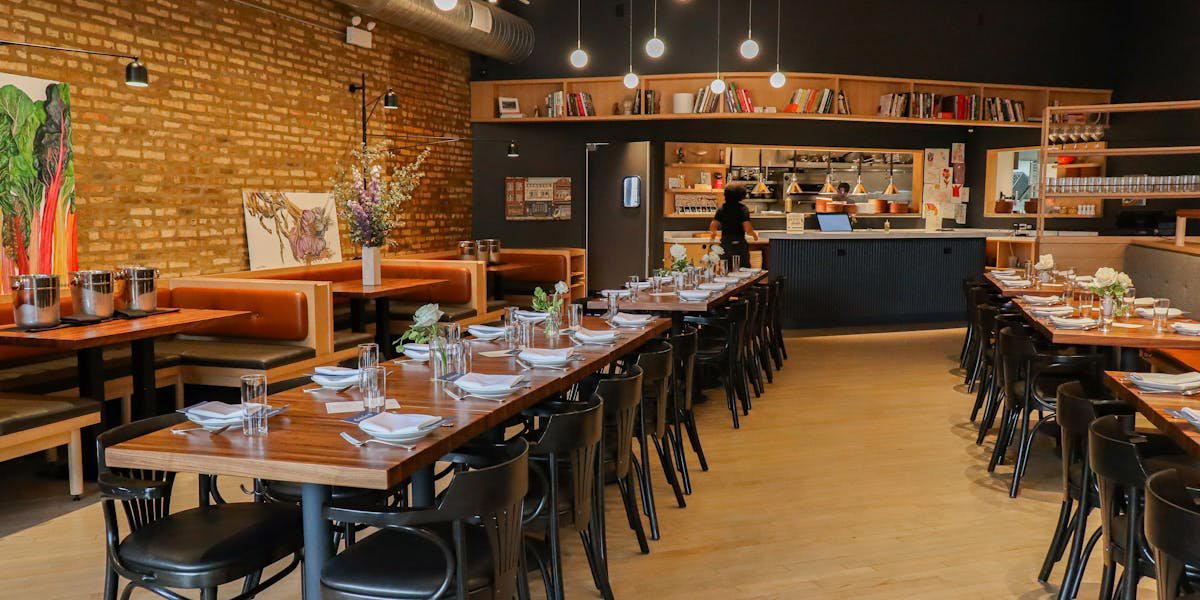
Details
- Cozy
- Family
- Casual Hangout
- A La Carte
Current opening hours
- Monday
- 7 AM–10 PM
- Tuesday
- 7 AM–10 PM
- Wednesday
- 7 AM–10 PM
- Thursday
- 7 AM–10 PM
- Friday
- 7 AM–10 PM
- Saturday
- 9 AM–10 PM
- Sunday
- 9 AM–10 PM
Hours can change for holidays and private events. Hours as of .
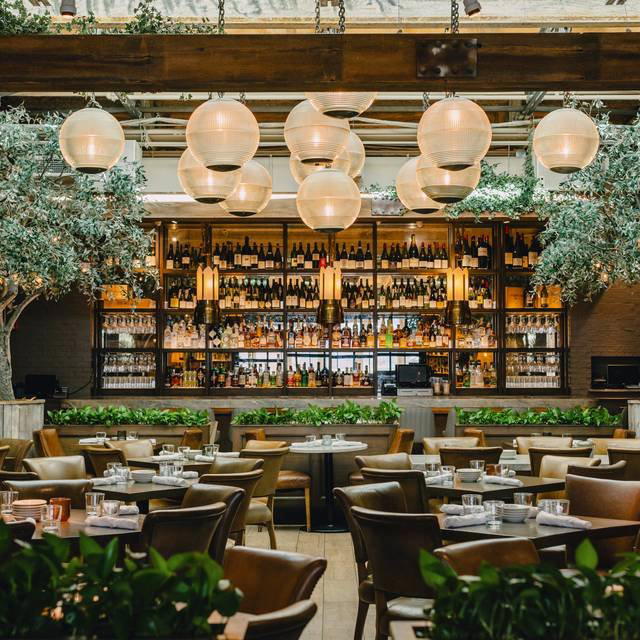
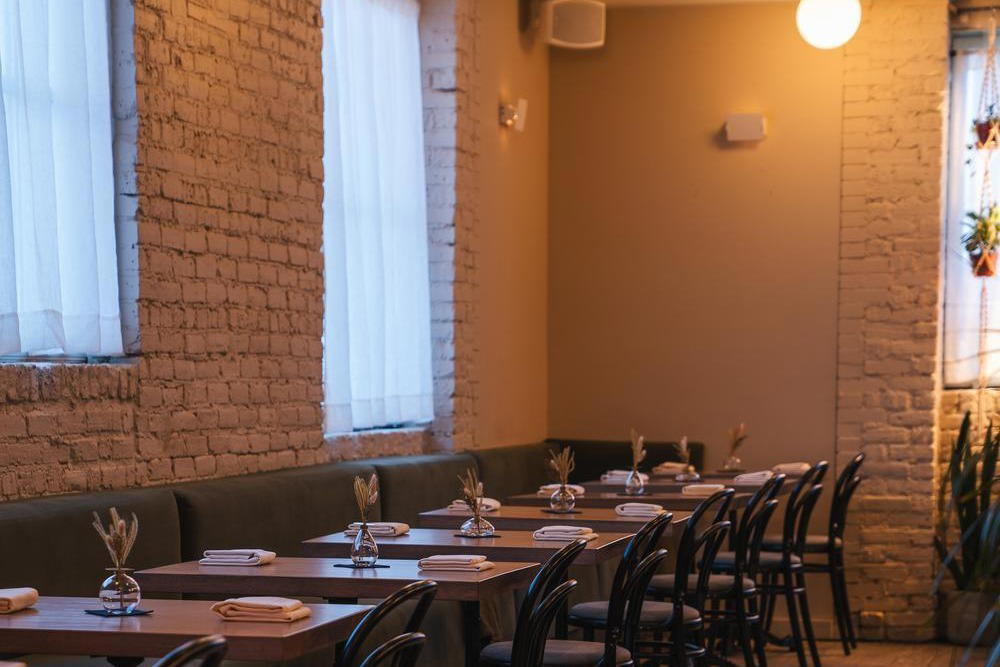
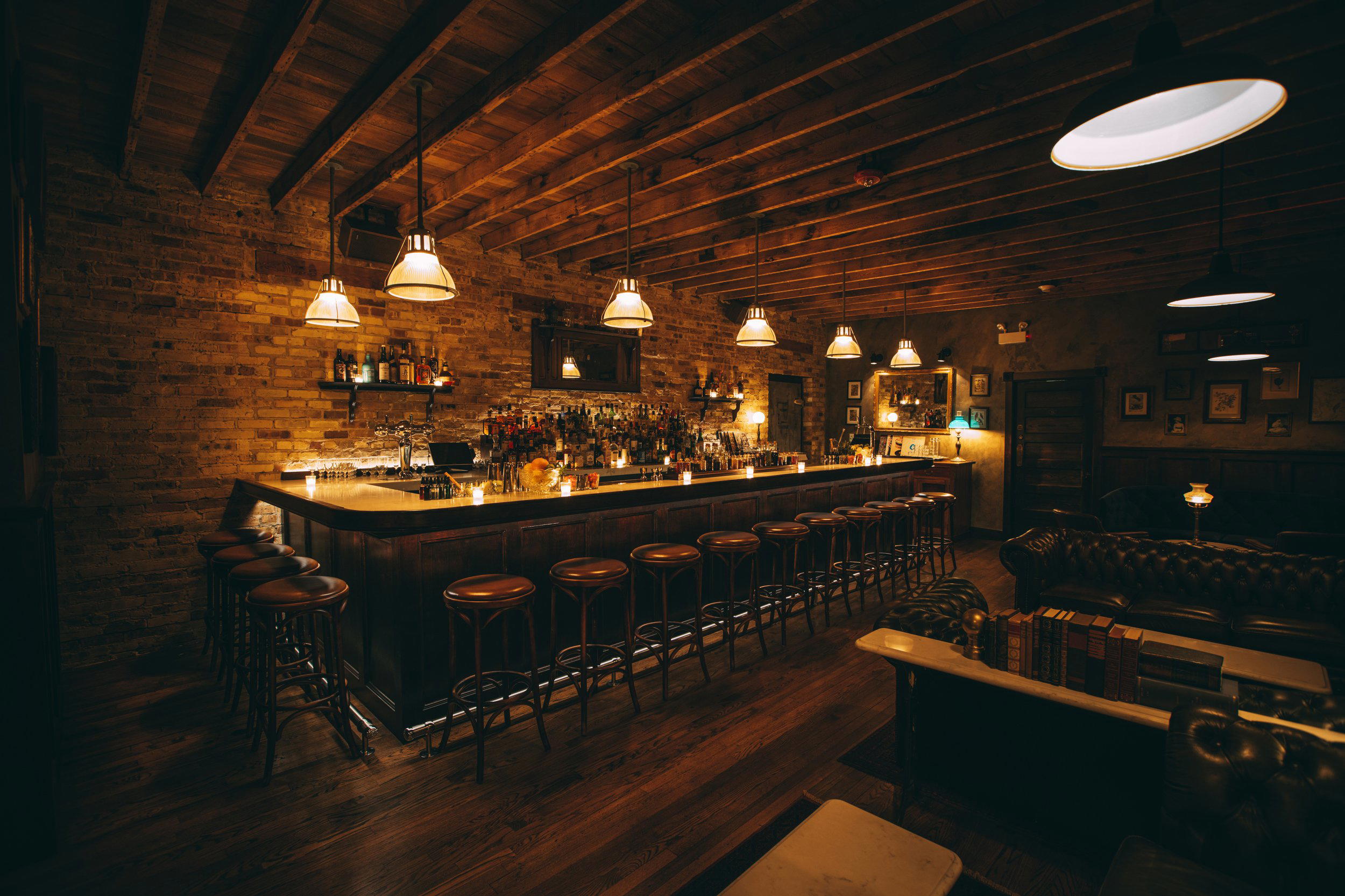
Moderate noise with welcoming atmosphere focused on authentic Central Asian flavors.