Mian
Our verdict
A noodle-focused address on South River Road in Des Plaines, Mian brings the structural discipline of Chinese noodle craft to Chicago's northwest suburbs. The format centers on hand-pulled and cut noodles served in broths that demand time rather than shortcuts. It sits in a Des Plaines dining scene that rewards locals willing to look past the area's better-publicized corridors.

Pearl is the En Primeur Club membership app, where members save venues, book tables and use the concierge.
The menu
What to order
- Beef Noodle Soup
- Dumplings
- Shiu Mai
- Pot Stickers
Noodles as Architecture: Why the Suburbs Host Some of the Midwest's Most Serious Bowl Cooking
The stretch of South River Road running through Des Plaines is not where most food writers go looking for material. The retail strip reads as utilitarian, parking lots, mid-scale chains, the functional infrastructure of an O'Hare-adjacent suburb. Which is precisely why addresses like Mian, at 3000 S River Rd, accumulate the kind of local reputation that rarely travels far beyond the people who already know. Chinese noodle cooking in the American suburbs has historically operated this way: serious technique embedded in modest settings, patronized by communities who understand what they are eating and expect the kitchen to deliver accordingly.
The noodle, in this culinary tradition, is not a supporting element. In northern Chinese cooking especially, the noodle carries the dish in the way a stock carries a French sauce. Hand-pulling demands an understanding of gluten development that takes years to calibrate, too little tension and the strand tears, too much and it becomes dense rather than springy. The broth question is equally demanding: a proper bone broth for a northern-style beef noodle requires hours of extraction and careful fat management. These are not techniques that scale easily or cheaply, and in Chinese restaurant culture they often appear in places where rent is low enough to let the kitchen spend money on time rather than decor.
Where Mian Sits in the Des Plaines Dining Picture
Des Plaines has a dining character that divides fairly cleanly between American comfort formats and a secondary tier of international kitchens serving the suburb's diverse residential base. Paradise Pup anchors the local comfort food end with a decades-long following for its Chicago-style hot dogs and char-grilled burgers. RC Supply Co occupies a different register entirely. Karavan adds Central Asian cooking to a scene that is more varied than its reputation suggests. Mian operates in the international tier, in a city where that tier often outperforms its surroundings on the plate.
The broader context matters here. Chicago's northwest suburbs have, over the past two decades, developed a secondary cluster of Chinese cooking that operates largely outside the critical attention directed at the city's Chinatown or the Bridgeport corridor. Arcadia, the stretch of Chinese businesses along Algonquin Road in the northwest suburbs, drew the most sustained coverage, but addresses in Des Plaines and neighboring communities have continued serving technically serious food to local populations who do not particularly need or want press validation. Mian fits that pattern.
For readers who want to understand the full range of the Des Plaines dining scene, our full Des Plaines restaurants guide maps the area's options across categories and price points.
The Cultural Weight of a Bowl of Noodles
It is useful to place Chinese noodle cooking in a longer frame before evaluating any individual address. The category spans a geographic and stylistic range that European pasta traditions only partially parallel. Lanzhou beef noodle soup, with its hand-pulled lamian stretched to order and floated in clear bone broth with chili oil and white radish, originated in Gansu province and became one of China's most replicated and most debated noodle formats. Dan dan noodles from Sichuan carry a completely different architecture: minimal broth or no broth, dried chili heat, preserved vegetable, sesame paste, and ground pork working in counterpoint. Zhajiangmian, the Beijing noodle with fermented soybean paste sauce, operates closer to a dry preparation and sits in its own flavor register entirely.
Each of these traditions carries cultural specificity that serious kitchens are reluctant to flatten. The question for any Chinese noodle address outside major metropolitan centers is whether the kitchen maintains that specificity or converges toward a generalized pan-Chinese menu that serves familiarity over precision. The format a restaurant chooses signals its ambitions: a focused menu built around a specific regional tradition is a different statement than a broad list that includes noodles alongside fried rice, orange chicken, and General Tso's.
For comparison with what regional-focused and technically disciplined restaurants look like at the upper end of American dining, the reference points are instructive: Atomix in New York City and Alinea in Chicago both demonstrate what deep cultural specificity looks like when a kitchen commits to a single tradition at high resolution. Neither is a noodle restaurant, but both illustrate the principle. At the other end of the scale, addresses like Le Bernardin in New York City, The French Laundry in Napa, and Providence in Los Angeles show what long-term commitment to craft looks like in a Western fine dining frame. The principle transfers: a kitchen that knows what it is doing in a specific tradition is a different proposition from one that treats the menu as a catalogue.
What to Order and How to Approach the Menu
In a noodle-focused Chinese kitchen, the most useful question a first-time visitor can ask is whether the noodles are made on premise and what regional tradition the menu draws from. The answer to the first question tells you about technique investment; the answer to the second tells you whether to expect broth-forward or sauce-forward preparations, dried chili or fresh, wheat or rice.
If the menu includes a hand-pulled beef noodle preparation of any kind, that is typically the highest-skill item on the board and the appropriate reference point for judging the kitchen. Secondary dishes in the northern Chinese tradition, such as scallion pancakes or dumplings with chili vinegar, function as indicators of whether the kitchen is operating across its stated tradition or concentrating resources narrowly.
Planning a Visit to Mian
Mian's address at 3000 S River Rd places it in a section of Des Plaines that is car-dependent for most visitors. The location is accessible from the O'Hare corridor, which makes it a realistic stop for travelers with flexibility on arrival or departure, though it functions primarily as a neighborhood address. Phone and website data are not currently available in our system, so confirming current hours before visiting is advisable, suburban Chinese restaurants in this tier often keep hours that differ from what aggregator platforms list, particularly for lunch service during weekdays.
That positioning puts Mian in the same practical tier as the suburb's other independent operators, distinct from the cost structure of destination restaurants like Blue Hill at Stone Barns, Single Thread Farm in Healdsburg, Brutø in Denver, Addison in San Diego, The Inn at Little Washington, Bacchanalia in Atlanta, Emeril's in New Orleans, Lazy Bear in San Francisco, or 8 1/2 Otto e Mezzo Bombana in Hong Kong.
Frequently asked questions
Can I bring kids to Mian?
Mian's format at 3000 S River Rd is a casual, counter-style noodle kitchen, which tends to suit families with children reasonably well. The bowl-focused menu avoids the complexity of multi-course dining, so the meal moves at a pace that works for younger diners.
What's the vibe at Mian?
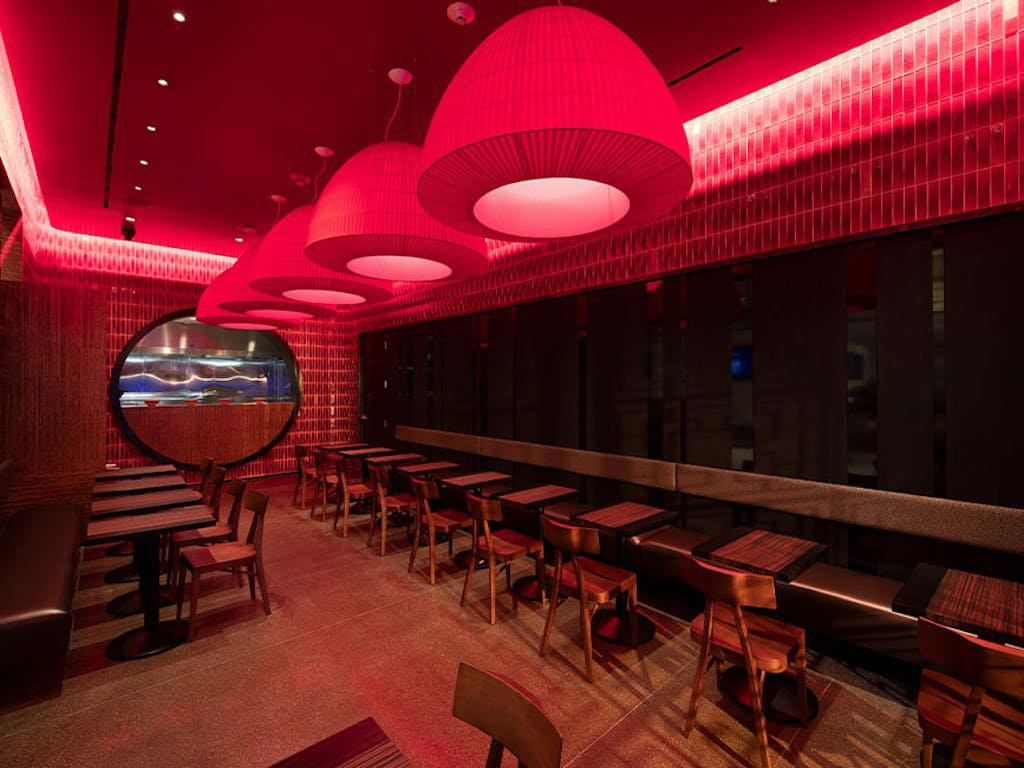
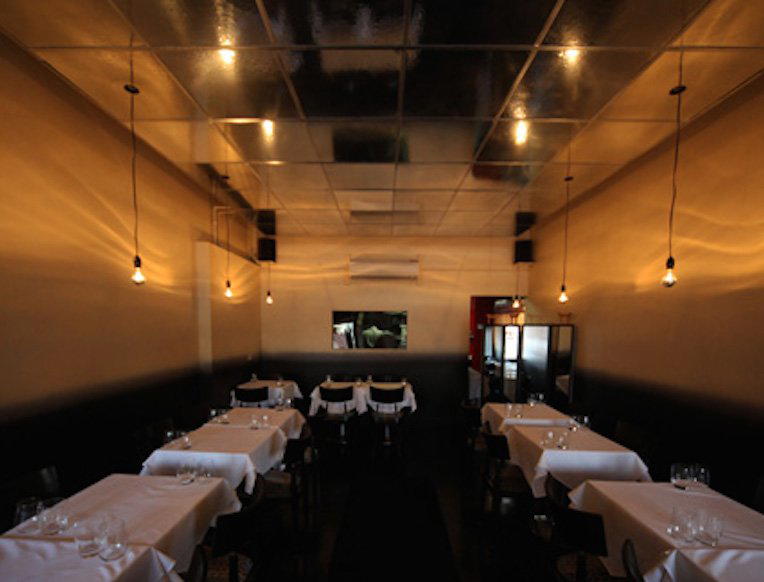
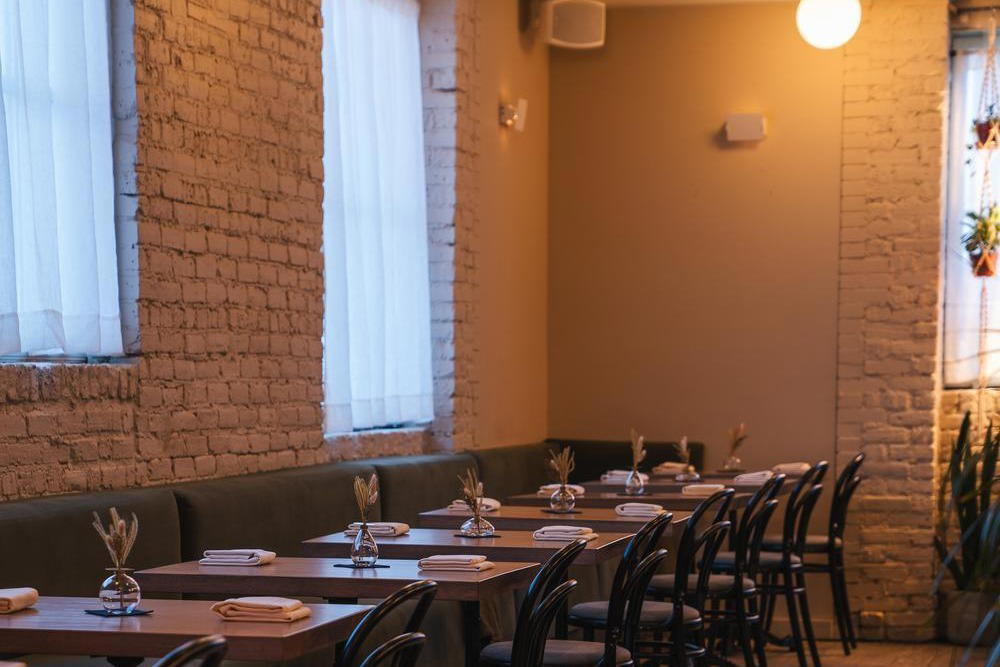
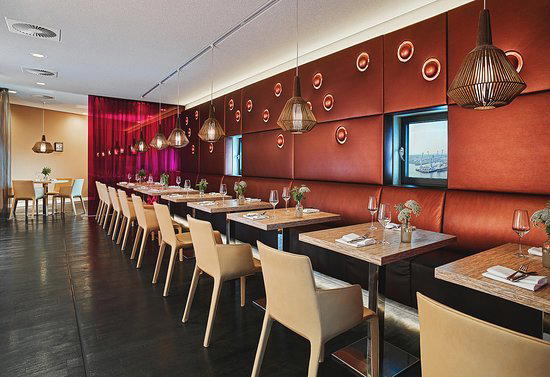
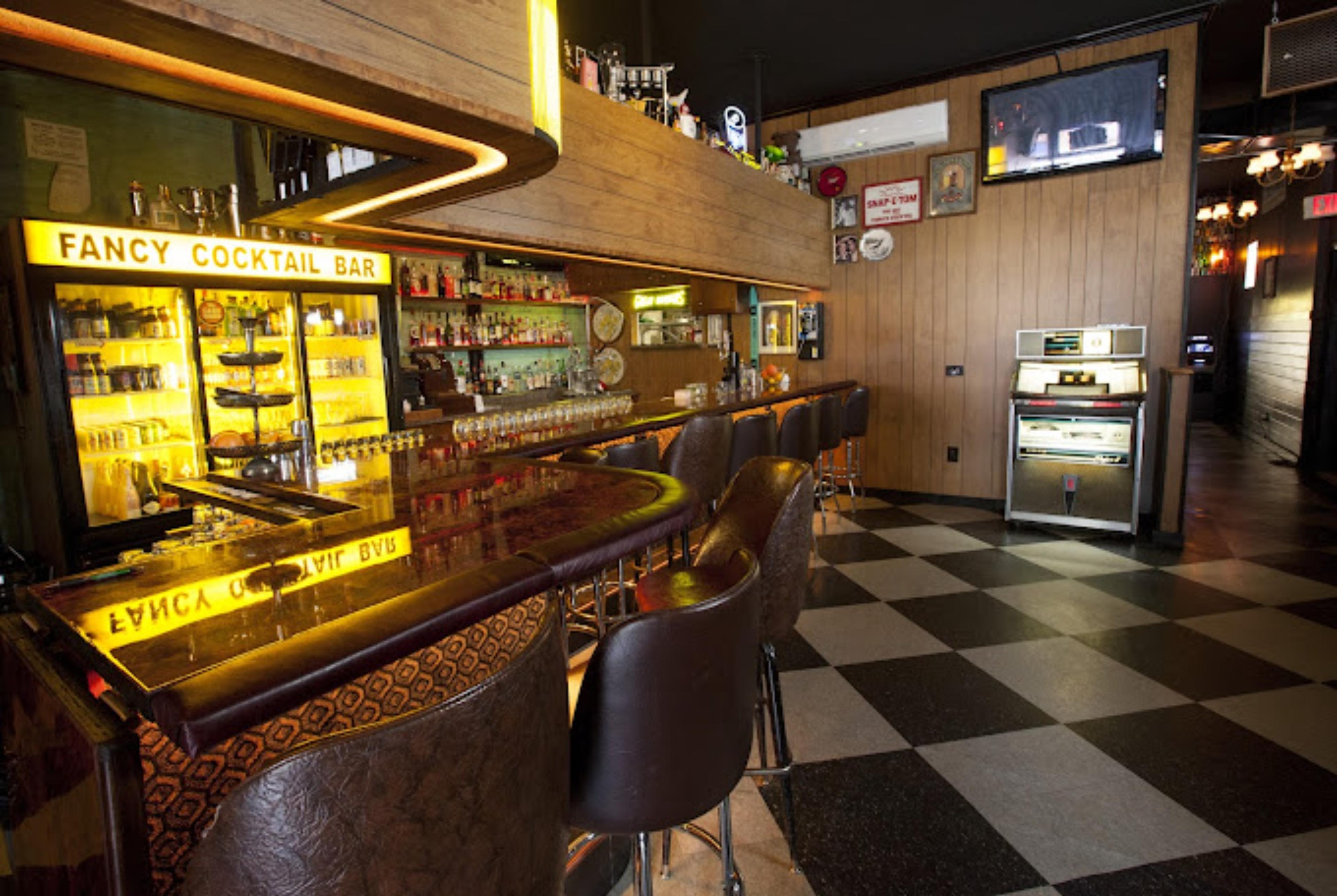
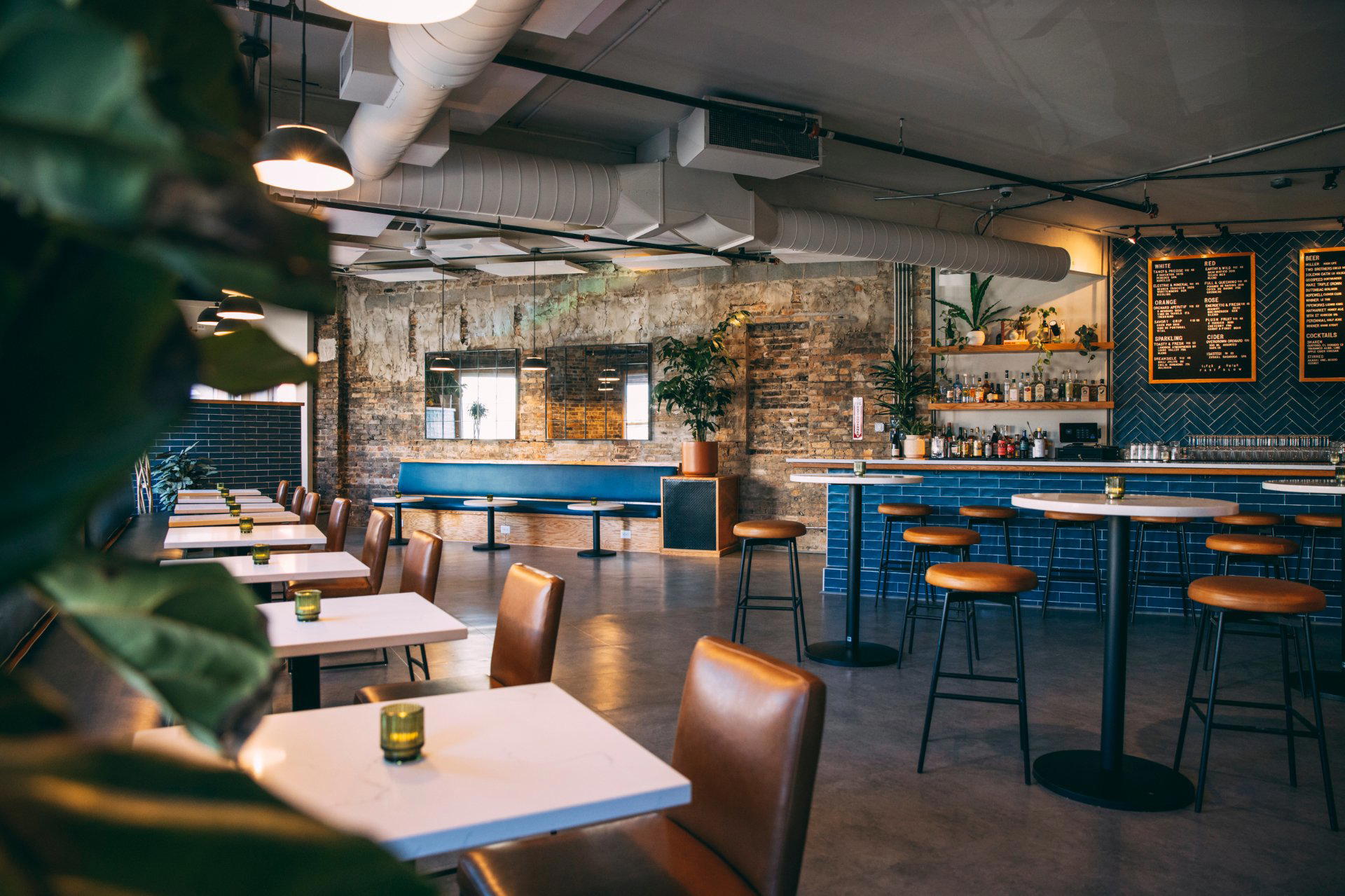
Mian sits on a utilitarian retail strip along South River Road in Des Plaines, and the setting reflects that: this is a neighborhood noodle kitchen, not a dining room built around atmosphere. Expect a no-frills environment where the focus lands squarely on the bowl in front of you. The surrounding strip context signals that the kitchen is cooking for a regular local crowd rather than a destination audience.
Is Mian worth visiting if you're coming from Chicago or near O'Hare?
Mian's location at 3000 S River Rd in Des Plaines places it within a short drive of O'Hare International Airport, making it a practical stop for travelers moving through the northwest suburbs. The case for the detour rests on the relative scarcity of focused Chinese noodle kitchens in this corridor compared with the city proper. For visitors already in Des Plaines or transiting the area, a bowl-specific operation in a suburb with limited dedicated Chinese noodle competition is a reasonable priority.
What should I eat at Mian?
The editorial position here is to visit with an open hand rather than a locked-in order. Mian's identity sits within Chinese noodle cooking, a category that spans broths, hand-pulled forms, and dry-tossed preparations across multiple regional traditions. Ask what the kitchen is running that day and follow the staff's lead, in a focused noodle operation, the house specialties are usually obvious from what neighboring tables are eating.
Where do I go for Mian?
Mian is located at 3000 S River Rd, Des Plaines, IL 60018, Des Plaines.
Can I walk in to Mian?
The Des Plaines address at 3000 S River Rd is car-dependent for most visitors, as the South River Road corridor has limited pedestrian access from residential areas. Arriving off-peak reduces the risk of a wait at a kitchen this size.
What do critics highlight about Mian?
The Des Plaines Chinese noodle scene operates largely beneath the radar of Chicago's main food press, and spots like Mian on South River Road tend to build reputation through repeat local custom rather than review cycles. That absence of coverage is not a credential gap so much as a reflection of where serious suburban bowl cooking sits in the Midwest media picture.
A Pricing-First Comparison
Comparable venues nearby, for context on price, style, and recognition.
| Venue | Cuisine | Price | Awards | Notes |
|---|---|---|---|---|
| MianThis venue (the venue you are viewing) | Chinese Dim Sum & Noodles | $20–30 | Not listed | Not listed |
| Paradise Pup | Classic American Charburgers | $10–20 | Diners, Drive-Ins and Dives Featured Restaurant | Des Plaines, Classic American Charburgers |
| Karavan | Central Asian | $20–30 | Not listed | Not listed |
| RC Supply Co | Modern American Gastropub | $20–30 | Not listed | Rivers Casino, Modern American Gastropub |
| Lao Peng You | Northern Chinese Dumplings and Noodles | $20–30 | Not listed | Ukrainian Village, Northern Chinese Dumplings and Noodles |
| Qiao Lin Hotpot | Authentic Chongqing Hotpot | $30–50 | Not listed | Chinatown, Authentic Chongqing Hotpot |

Continue exploring
More in Des Plaines
Restaurants in Des Plaines
All restaurants in Des Plaines →


Details
- Casual
- Cozy
- Late Night
- Casual Hangout
- A La Carte
- Small Plates
- Vegetarian Friendly
- Vegan Options
Current opening hours
- Monday
- 4 PM–4 AM
- Tuesday
- 4 PM–4 AM
- Wednesday
- 4 PM–4 AM
- Thursday
- 4 PM–4 AM
- Friday
- 4 PM–4 AM
- Saturday
- 4 PM–4 AM
- Sunday
- 4 PM–4 AM
Hours can change for holidays and private events. Hours as of .
Casual and stylish setting ideal for quick, flavorful meals in a casino environment.