
Star Wine List
Our verdict
At Paraga Beach, Kalua has operated as one of Mykonos's defining waterfront venues since 2001, carrying a brand lineage that stretches back to Kos in 1978. The setting frames a meal around the rhythm of the Aegean rather than the frenzy of the island's busier strips. For beach dining with roots deeper than the typical seasonal operation, it sits in a different tier from the pop-up competition.

Pearl is the En Primeur Club membership app, where members save venues, book tables and use the concierge.
The menu
What to order
- Lobster spaghetti
- Grilled king crab legs
- Sashimi pizza
- Fresh sea urchin salad
- Shrimp risotto
The Paraga Approach: How Beach Dining Works at This End of Mykonos
Beach dining on a Greek island operates on a spectrum that runs from a sun-lounger and a lukewarm beer to a properly set table with glassware catching the afternoon light off the water. Mykonos has more than its share of venues attempting the latter without the infrastructure to support it. Paraga Beach, on the island's southern coast, sits at a calmer remove from the Super Paradise circuit, and the Kalua venue there has had more than two decades to work out what kind of meal the location actually demands.
The dining ritual at a waterfront Greek venue of this age and provenance tends to follow a specific internal logic: arrival timed to the light, a first drink that doubles as orientation, and a pace that resists the compressed covers-per-night urgency of the island's more aggressively commercial spots. At Paraga, that unhurried rhythm has become part of what the venue offers, and regulars tend to plan their afternoon accordingly rather than arriving as they might at an inland taverna.
Forty-Five Years of Brand History Behind a Single Venue
Kalua as a name and operating philosophy predates Mykonos entirely. The brand launched in Kos in 1978 under the grandfather of the current owner, Sebastian Diamantoulis, making it one of the older family hospitality lineages in the Greek islands. The Mykonos venue opened in 2001, and its subsequent move to a larger or more prominent location, driven by demand rather than ambition for its own sake, tracks a pattern recognisable across the island's better-regarded beach operations: the ones that survive long enough to relocate are usually the ones that earned the reputation first.
That generational continuity matters in a market where seasonal venues open and close on two or three years of social media momentum. When a Greek island restaurant reaches its third decade under related family ownership, it has typically absorbed enough operational knowledge to handle the specific pressures of high-season Mykonos, where logistics, supply chain, and guest expectations compress into a narrow summer window. Venues without that institutional depth tend to show the strain by August. Kalua has had twenty-plus Mykonian summers to develop its systems.
For a broader view of where this kind of established waterfront operation sits in relation to the island's newer Greek-cuisine entrants, BAOS Restaurant (Greek Cuisine) and Efisia (Greek Cuisine) represent the more recent wave, while Almiriki (Greek Seafood) offers a useful comparison point for seafood-forward beach dining. The Myconian Ambassador Thalasso Spa in Platis Gialos anchors the hotel-dining end of the southern coast spectrum.
The Pacing of a Meal at Paraga
Greek beach dining at its more considered end is structured around sharing, gradual accumulation, and the assumption that the table will hold for two to three hours rather than ninety minutes. The meal tends to open with cold starters, cold white wine or something local and low-intervention, and a kind of collective assessment of the group's appetite before anyone commits to the main ordering sequence. At Kalua, which has absorbed this rhythm over enough seasons to have it embedded in the service culture, the expectation is not the stripped-down beach-bar format but a fuller sit-down experience with corresponding service attention.
This contrasts meaningfully with the international dining formats that have arrived on the island over the last decade. Beefbar Mykonos and COYA bring structured international programs where the kitchen's logic drives the menu sequence. At a Greek beach venue with Kalua's lineage, the kitchen's role is more responsive, the sequence more negotiable, and the meal's duration more elastic. Neither approach is inferior; they are serving different versions of what a Mykonos evening can be.
For comparison, the seafood-led Greek dining tradition visible at venues like Aktaion in Firostefani and Lycabettus in Oia elsewhere in the Cyclades demonstrates how the same sharing logic adapts to different coastal settings. The throughline is the assumption that the table, the company, and the view are as central to the occasion as anything coming out of the kitchen.
Planning Your Visit
Paraga Beach is on the southern coast, accessible by road or water taxi from the main port during the operating season. Mykonos's high season runs from late June through August, and venues with established reputations at this latitude tend to fill quickly during that window. The southern beaches draw a crowd that skews toward longer afternoon stays rather than rapid lunch turnovers, so arriving with time rather than against it makes the format work as intended. Given the absence of a published booking channel in current circulation, confirming arrangements directly through the venue or through a concierge at one of the island's hotels is the practical approach.
For a fuller picture of the island's restaurant options, EP Club's Mykonos restaurants guide maps the breadth of what's available across cuisines and settings. The Mykonos bars guide, Mykonos hotels guide, Mykonos wineries guide, and Mykonos experiences guide cover the broader stay. For contrast with Greek dining in other parts of the country, Delta in Athens and Etrusco in Kato Korakiana show how the tradition scales and shifts on the mainland and Corfu. The Avaton Luxury Beach Resort in Halkidiki](https://www.enprimeurclub.com/restaurants/avaton-luxury-beach-resort-halkidiki-restaurant) illustrates how a resort-dining format handles the same coastal imperative further north. For those arriving from or departing to broader international itineraries, Le Bernardin in New York City and Emeril's in New Orleans represent contrasting reference points for what serious seafood and long-form dining look like outside the Mediterranean frame.
Frequently asked questions
Does Kalua have a Michelin star or similar recognition?
Kalua has received recognition including: Kalua, as a brand, was born in Kos back in 1978 by the grandfather of the current owner Sebastian Diamantoulis. The Mykonos venue premiered in 2001 and because of its huge success, it moved to a more....
What's Kalua's location?
Kalua is located at Paraga Beach Mykonos, Mikonos 846 00, Greece, Mykonos.
What do regulars order at Kalua?
What the venue's history does signal is a Greek coastal format built around sharing plates and seafood, consistent with Paraga Beach's position on Mykonos's southern shore. Checking the venue directly before visiting will give you the most accurate picture of what's on the menu.
How far ahead should I plan for Kalua?
Mykonos's high season runs from late June through August, when southern coast beach venues fill quickly and same-day tables at popular spots are rarely available. Kalua has operated at Paraga since 2001 and relocated to a larger site due to demand, which suggests it draws a consistent crowd during peak weeks. Planning two to four weeks ahead for a summer visit is a reasonable baseline; contacting the venue directly will clarify current booking windows.
What's the defining dish or idea at Kalua?
The organising idea at Kalua is the extended Greek beach meal: shared plates, unhurried pacing, and a table that holds across several hours rather than one fixed sitting. The brand behind it has been operating since 1978, starting in Kos before the Mykonos venue opened in 2001, which gives it a longer institutional memory than most beach clubs in the Cyclades. The setting at Paraga Beach shapes what that means in practice: southern coast light, direct sea access, and a table structure designed around groups.
Can Kalua handle vegetarian requests?
Greek coastal menus at this format typically include a strong base of vegetable-forward mezedes, pulses, and grilled vegetables alongside fish and meat, so vegetarian diners generally have workable options without special arrangements. Contacting the venue ahead of your visit is the only way to verify current provisions.
Is Kalua in Mykonos part of a wider group, and does that affect the experience?
Kalua is a family brand with origins in Kos, where the grandfather of current owner Sebastian Diamantoulis launched the original venue in 1978. The Mykonos location at Paraga Beach opened in 2001 and later moved to a larger site after its initial success, making it one of the longer-established names on the southern coast. That lineage means the operation has more than four decades of brand identity behind it, which tends to produce a more consistent service model than venues assembled quickly for a single Mykonos season.
Cuisine Lens
Comparable venues nearby, for context on price, style, and recognition.
| Venue | Cuisine | Price | Awards | Notes |
|---|---|---|---|---|
| KaluaThis venue (the venue you are viewing) | Mediterranean Seafood Beach Club | $100–150 | Star Wine List | Not listed |
| Pavilion Restaurant | Refined Greek Fine Dining | Not listed | Relais Chateaux Award | Elia |
| BAOS Restaurant | Modern Greek Fine Dining | $150–200 | Relais Chateaux Award | Mikonos |
| Myconian Sunrise | Greek Mediterranean Beachfront | Not listed | Relais Chateaux Award | Mikonos |
| zuma mykonos | Contemporary Japanese Izakaya with Sushi & Robata | $150–200 | Not listed | near Mykonos Old Port |
| Myconian Korali | Modern Greek Fine Dining | Not listed | Relais Chateaux Award | Mikonos |
Recognition history
Dated appearances from independent guides and award organizations, with the underlying list record or original source where available.
Star Wine List
Star Wine List
Continue exploring
More in Mykonos
Restaurants in Mykonos
All restaurants in Mykonos →
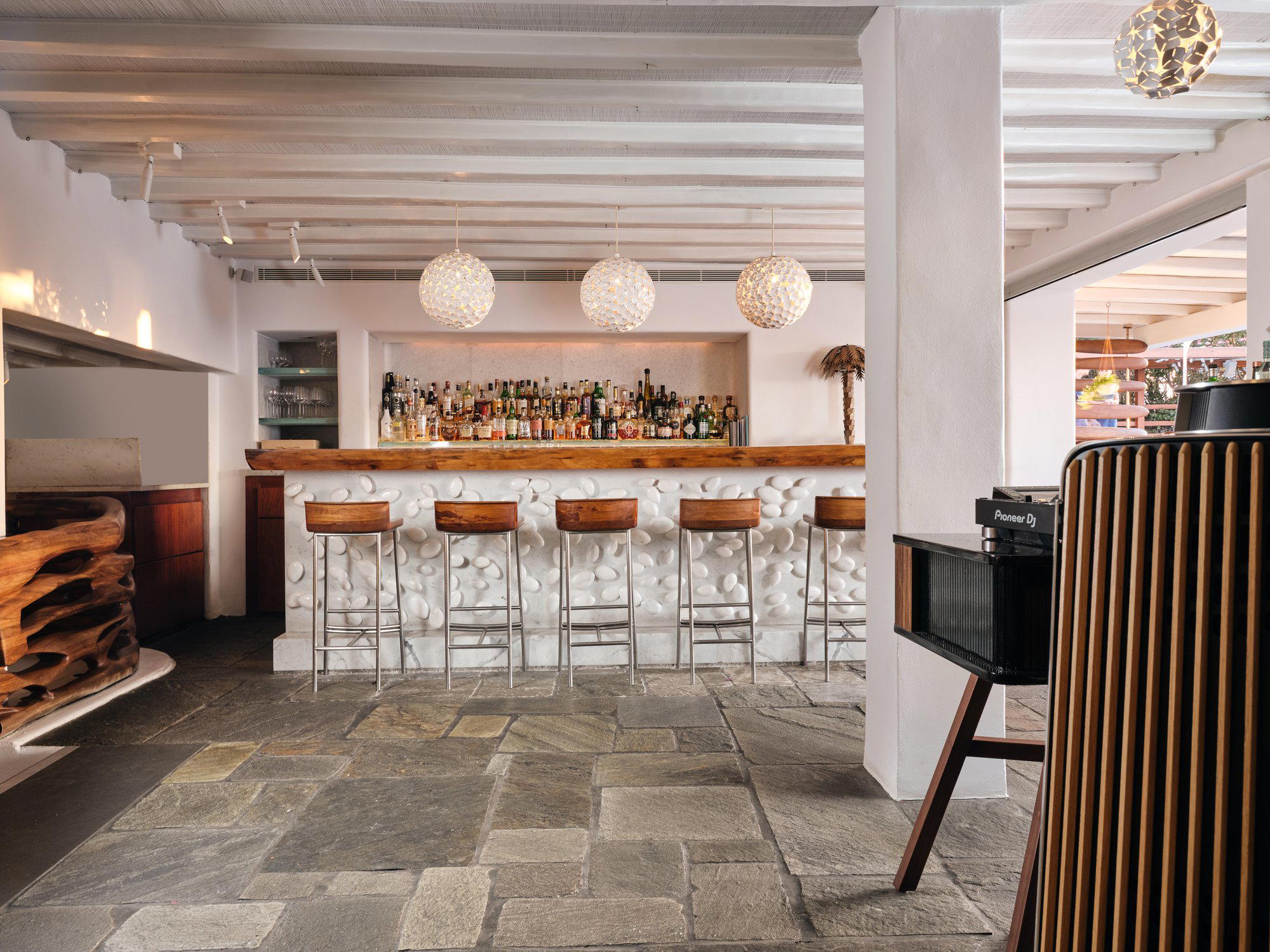
Bars in Mykonos
All bars in Mykonos →
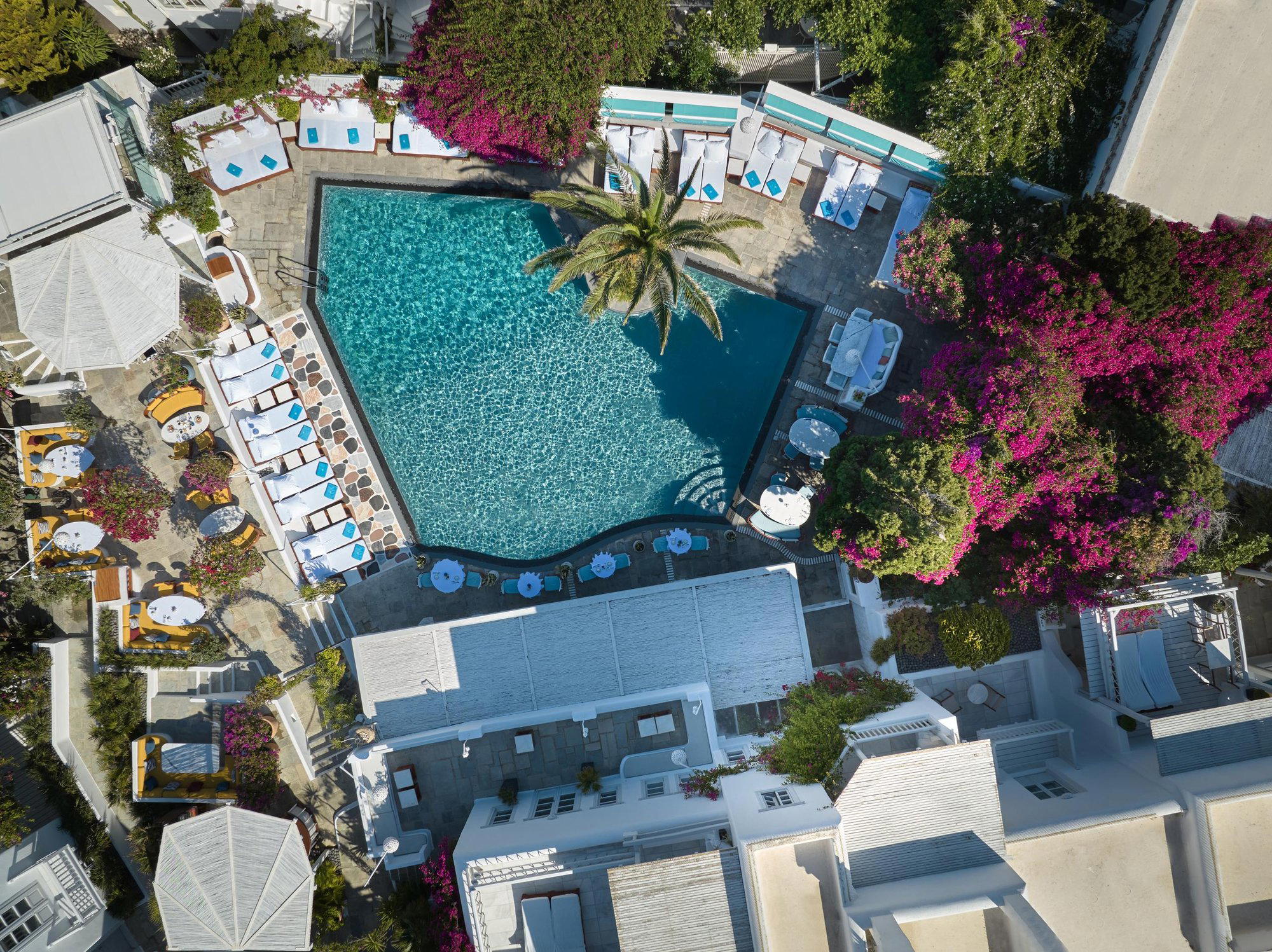
Hotels in Mykonos
All hotels in Mykonos →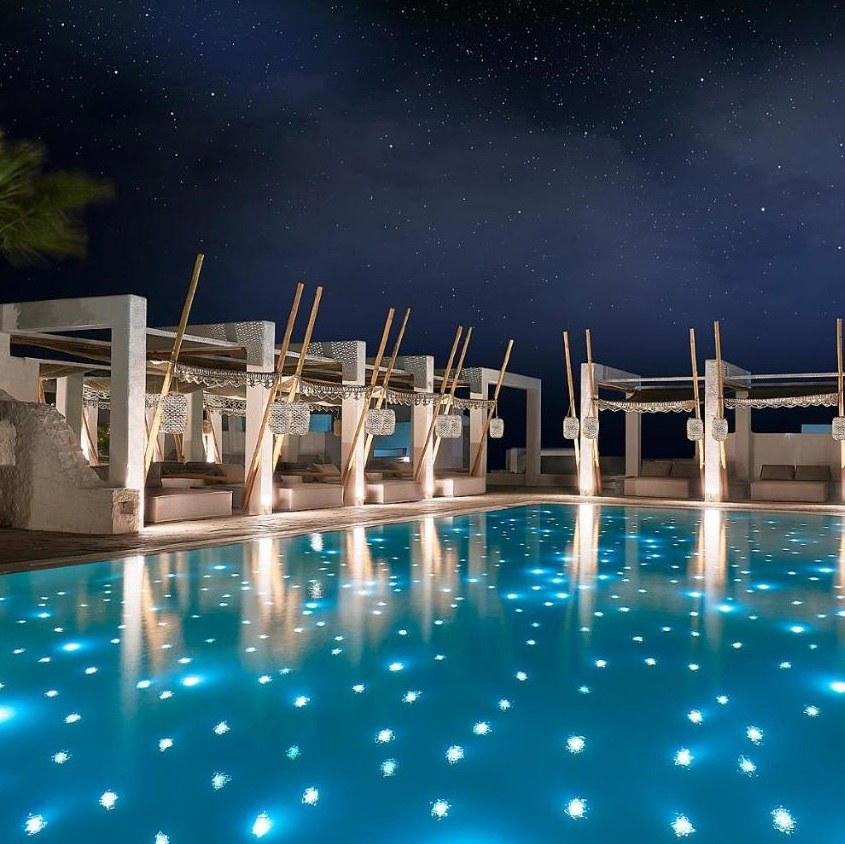
Wineries in Mykonos
Browse all →
Details
- Lively
- Scenic
- Energetic
- Trendy
- Group Dining
- Celebration
- Casual Hangout
- After Work
- Live Music
- Waterfront
- Terrace
- Panoramic View
- Extensive Wine List
- Craft Cocktails
- Local Sourcing
- Sustainable Seafood
- Waterfront
- A La Carte
- Small Plates
- Wine
- Cocktails
- Vegetarian Friendly
- Vegan Options
- Gluten Free Options
Current opening hours
- Monday
- 10 AM–10 PM
- Tuesday
- 10 AM–10 PM
- Wednesday
- 10 AM–10 PM
- Thursday
- 10 AM–10 PM
- Friday
- 10 AM–10 PM
- Saturday
- 10 AM–10 PM
- Sunday
- 10 AM–10 PM
Hours can change for holidays and private events. Hours as of .
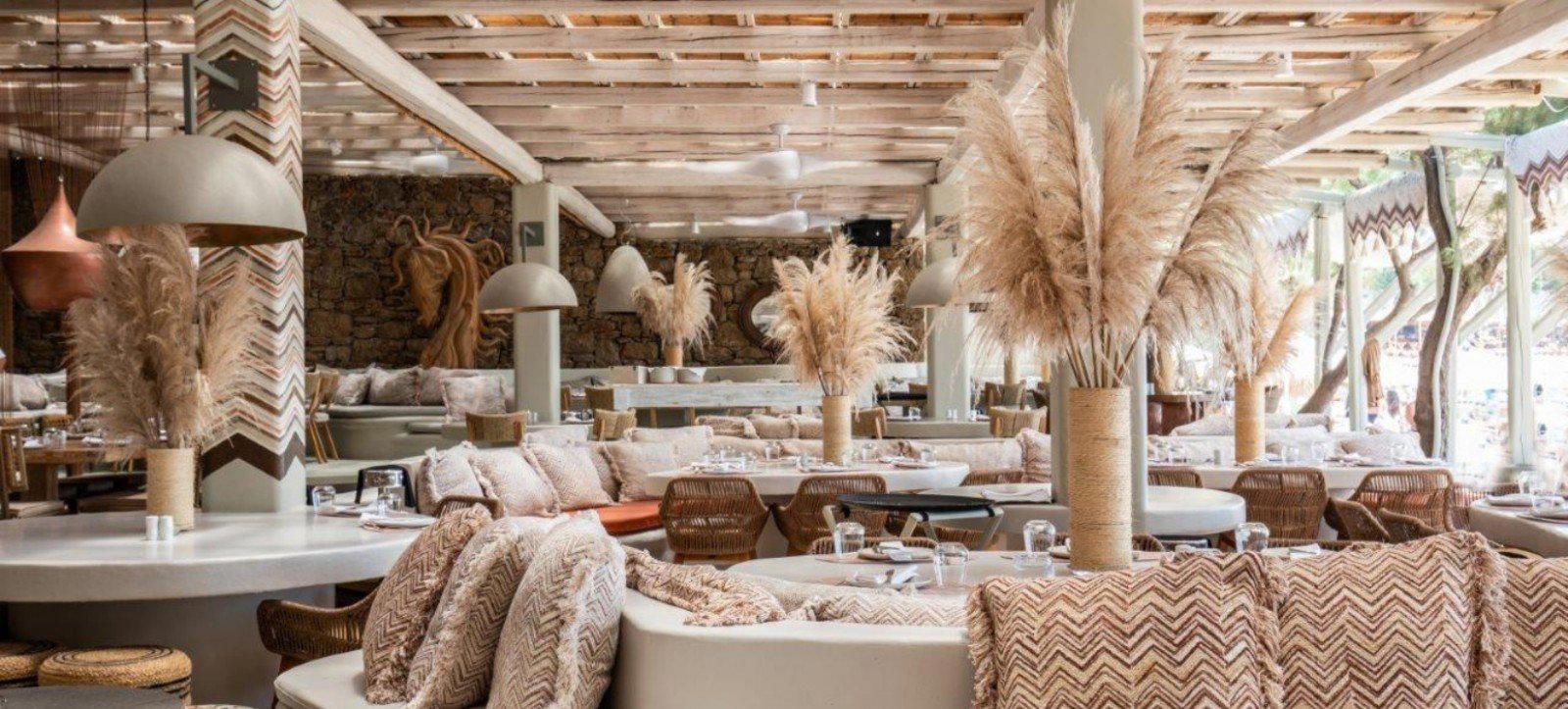
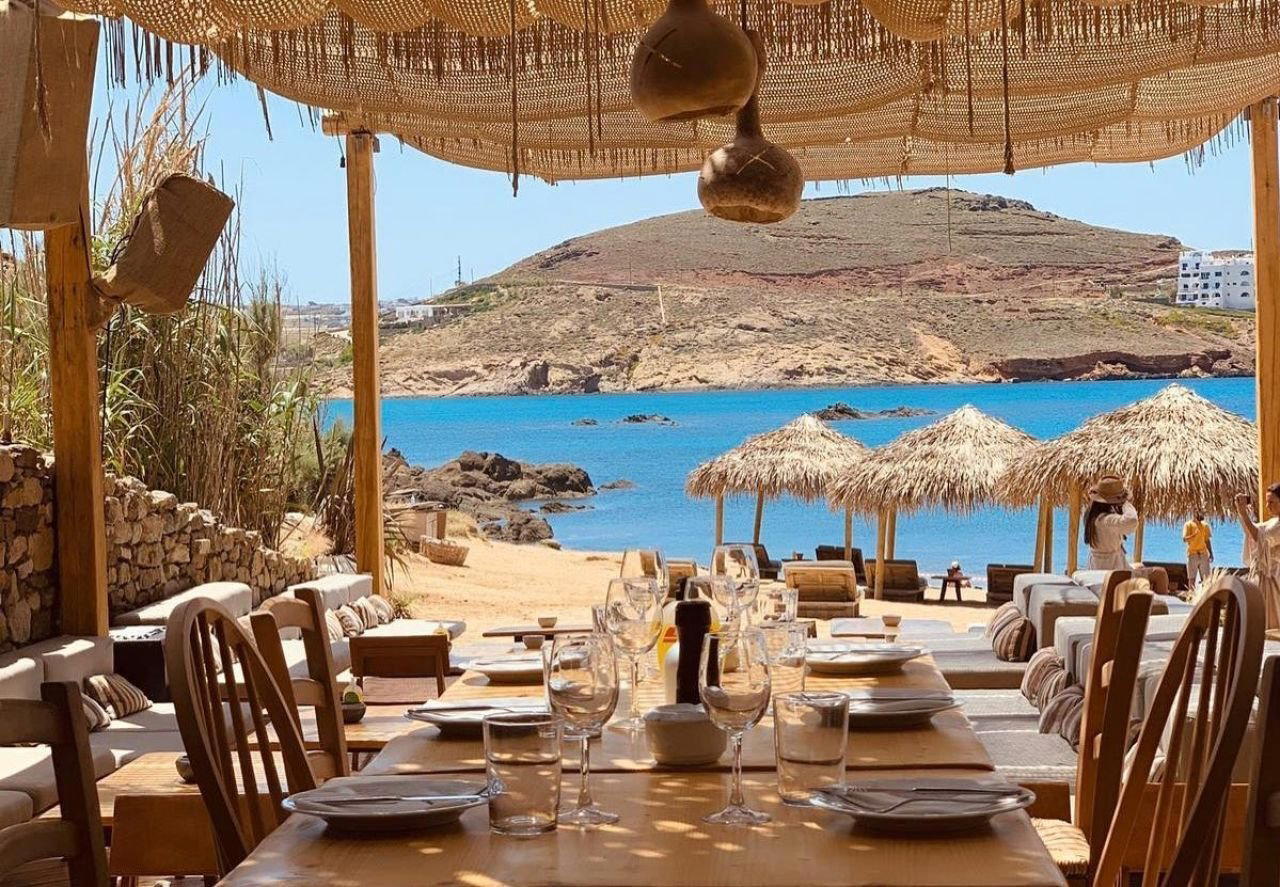
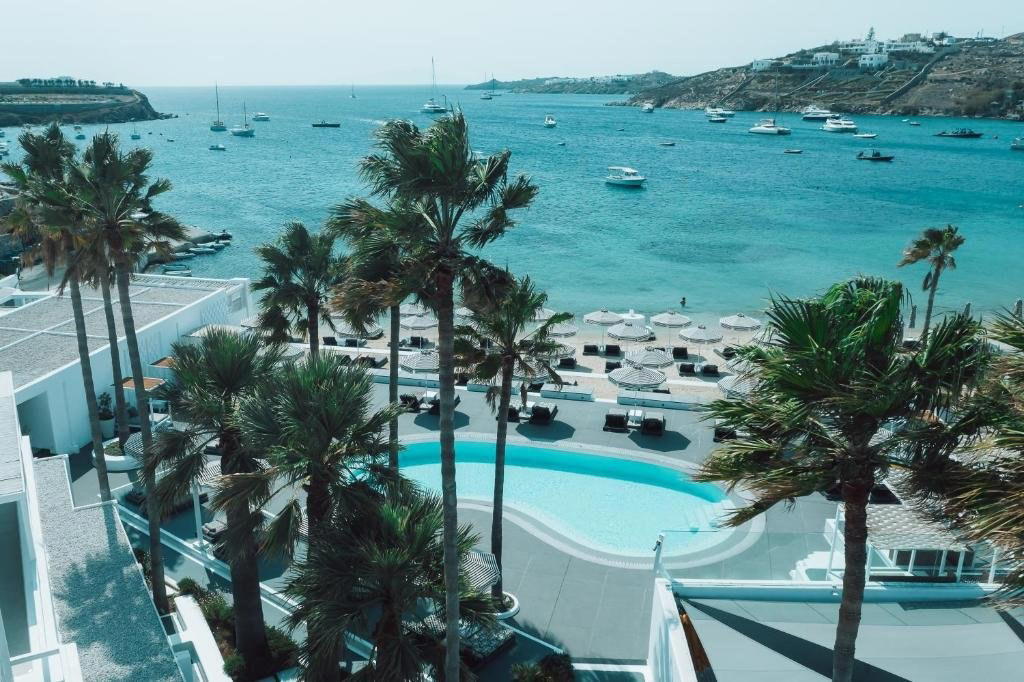
Bright white modern décor with an energetic, lively party vibe; daytime beach club atmosphere transitions to evening entertainment with live DJ and singer performances; tables face the sea with straw sofas and chairs.