
Osaka’s tachinomi culture rewards speed, proximity, and sharp ordering rather than ceremony. Kakomo Kitahama ten brings that standing-bar grammar to Kitahama, with counter seating, fish-led cooking, sake and shochu, and selection for Tabelog’s 2025 Tachinomi 100 placing it in a serious local drinking category rather than a casual fallback.
Pearl is the En Primeur Club membership app — saves, bookings, and concierge access live there. Same editors, same standards.
- Address
- 大阪府大阪市中央区高麗橋2-2-2 日宝北浜ビル 1F
- Phone
- +81649632214
- Website
- tabelog.com
 Saves & bookings on Pearl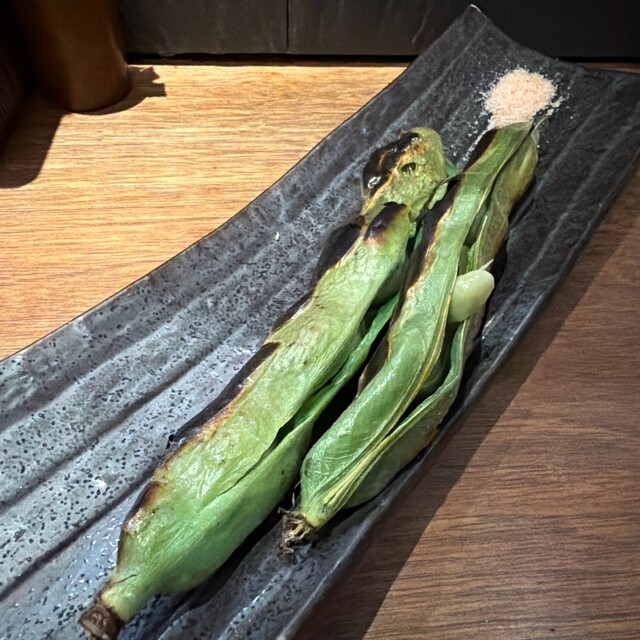
After office hours, Kitahama changes character: finance-district edges soften, shutters come down, and after-work drinking tightens around counters where a short stay can carry dinner. In Osaka, tachinomi is not a fallback for diners who failed to plan; it is a format with its own rules: fast decisions, direct service, drink-built food, and a bill that leaves room for a second stop.
Kakomo Kitahama ten fits that Osaka grammar. Its selection for Tabelog’s 2025 Tachinomi 100 matters because the category is narrow: not general izakaya recognition, but a list devoted to standing-drink culture. The room centres on counter seating rather than drawn-out table service, with an offer pointed toward fish, sake, and shochu. The expectation is clear before a glass is poured: not a white-tablecloth anniversary, but a milestone in Osaka’s own register, direct, communal, and lightly improvised.
Kitahama's after-work counter culture suits small celebrations
Occasion dining in Osaka often differs from Tokyo’s reservation-led theatre. A promotion, reunion, or first night back in the city can land at a standing counter rather than a formal dining room, especially in business districts where evenings begin near the office. Kitahama suits that mode. Between corporate Osaka and older merchant-city rhythms, its drinking favours places that absorb pairs, solo regulars, and small groups without turning the night into a production.
That context makes Kakomo Kitahama ten useful for a celebration that wants energy over ceremony. The format is compact, the food is fish-led, and the drinks tilt toward nihonshu and shochu, placing it closer to Osaka’s serious tachinomi circuit than a generic beer-and-snack stop. Compared with higher-spend Osaka rooms such as Fushimimachi Kakoiyama, the value proposition is less private-room pacing, more immediacy. Compared with a specialist counter such as Sumibi Yakitori Torimasa, the centre of gravity shifts from grilled skewers to seafood and instinctive drink pairing rather than formal courses.
It is a sharp choice for occasions that do not need speeches: a small birthday before a later bar, a compact post-theatre drink, or a reunion between two people who prefer movement to ceremony. Osaka has long understood that celebration can be loud, brief, and food-driven without being careless. Tachinomi works when details are disciplined: counter flow, drink range, and food that carries alcohol without demanding a long table.
Fish, sake, and shochu define the lane
The strongest signal here is not a named chef or tasting-menu promise, but the declared focus on fish with sake and shochu. In a standing-bar setting, that matters. Fish changes drinking’s tempo, encouraging lighter ordering, repeated small plates, and a progression from sake to shochu rather than the heavy fry-and-beer arc of rougher izakaya nights. Osaka’s better tachinomi counters often occupy this middle space, neither restaurant nor bar, where food has enough specificity to anchor the evening.
The Tabelog score of 3.47 adds useful scale. In Japan’s restaurant-rating culture, especially on Tabelog, numbers cluster lower than many international diners expect; a mid-three score attached to a category-list selection signals local traction without grand claims. The recognition persuades because it matches the format. A standing bar does not need luxury cues to justify attention. It needs consistency, regular use, and a clear reason to be chosen over the many counters within a short train ride.
Osaka’s range frames that decision. A visitor using Our full Osaka restaurants guide will see the city move quickly from curry counters and bakeries to French rooms, yakitori, and late-night drinking. Madam Curry occupies a lower-cost curry lane; macua points toward French dining; Hinotori sits in a Chinese register. Kakomo Kitahama ten sits in the drink-led evening economy, where a counter can carry dinner if ordering is smart. For broader Osaka planning, the same neighbourhood logic extends through Our full Osaka hotels guide, Our full Osaka bars guide, Our full Osaka wineries guide, and Our full Osaka experiences guide.
How to place it within an Osaka night
The strongest use of this counter is as the anchor for an evening that stays flexible. A formal meal locks the night into one room; tachinomi keeps momentum. That suits Osaka, where pleasure is often cumulative: one strong counter, a walk, a second drink, then a late snack if the city is still awake. The restaurant works in that sequence because the format is socially elastic. Solo dining and friend groups both feel natural, giving the room different occasion value from places designed around couples or banquets.
For travellers building a wider Japan eating itinerary, the contrast is instructive. The Osaka rhythm around this counter differs from the temple-city restraint around [ki:] in Kyoto, the sake-bar focus of Jōdo Saké Bar in Los Angeles, and the compact comfort of Onigiri Time in Pasadena. It also sits apart from quick-service Osaka references such as 551 Horai (551蓬莱), bakery stops like 52CHO-ME BAKERY, café-led pacing at.cafe, Italian dining at a canto (Italian), and pizza specialists such as 99 Pizza Napoletana Gourmet.
The point is not that every occasion needs a grand room. Osaka is particularly good at celebrations kept close to the counter, with drink, seafood, and a city pace that does not slow for ceremony. For diners comparing formats across Japan, the same lesson carries through different rooms: -Grilled beef Sukiyaki- KAMAKURA TANUKIAN 鎌倉 たぬき庵 in Kamakura signals a meat-led set piece; 鮪と炭火焼き うお炭 秋葉原店 in Tokyo points toward tuna and charcoal;.know in Kumamoto, (Shoku) Vietnam in Kawasaki, and [Curry Senmon Ten] Maruyama Kyoju. in Sapporo each show how local context shapes a meal. In Kitahama, the sharper choice is to let the counter set the tone: quick enough for movement, serious enough for a night that means something.
Just the Basics
Side-by-side context: comparable cuisine and price.
| Venue | Cuisine | Price | Notes |
|---|---|---|---|
| Kakomo Kitahama tenThis venue — the venue you are viewing | Chūō, Japanese Standing Bar | $$ | Not listed |
| DINING | Osaka, Japanese Kaiseki and Teppanyaki | Not listed | Not listed |
| Oban | Kita, Traditional Yakiniku Counter | $$ | Not listed |
| Yakiniku Horumon Mansen | Chūō, Yakiniku & Horumon Japanese BBQ | $$ | Not listed |
| KOBEキッチン MUGUNI | Not listed | $$ | Amerikamura, Modern Omurice with Kobe Beef |
| Yoshoku Bistro Awano | Not listed | $$ | Chūō, Yoshoku (Japanese-style Western bistro) |
Recognition history
Dated appearances from independent guides and award organizations, with the underlying list record or original source where available.
Tabelog 100 #99 · No. 99
Tabelog · Tabelog 100 - Tachinomi - 2025
Continue exploring
More in Osaka
Restaurants in Osaka
Browse all →




Bars in Osaka
Browse all →




Hotels in Osaka
Browse all →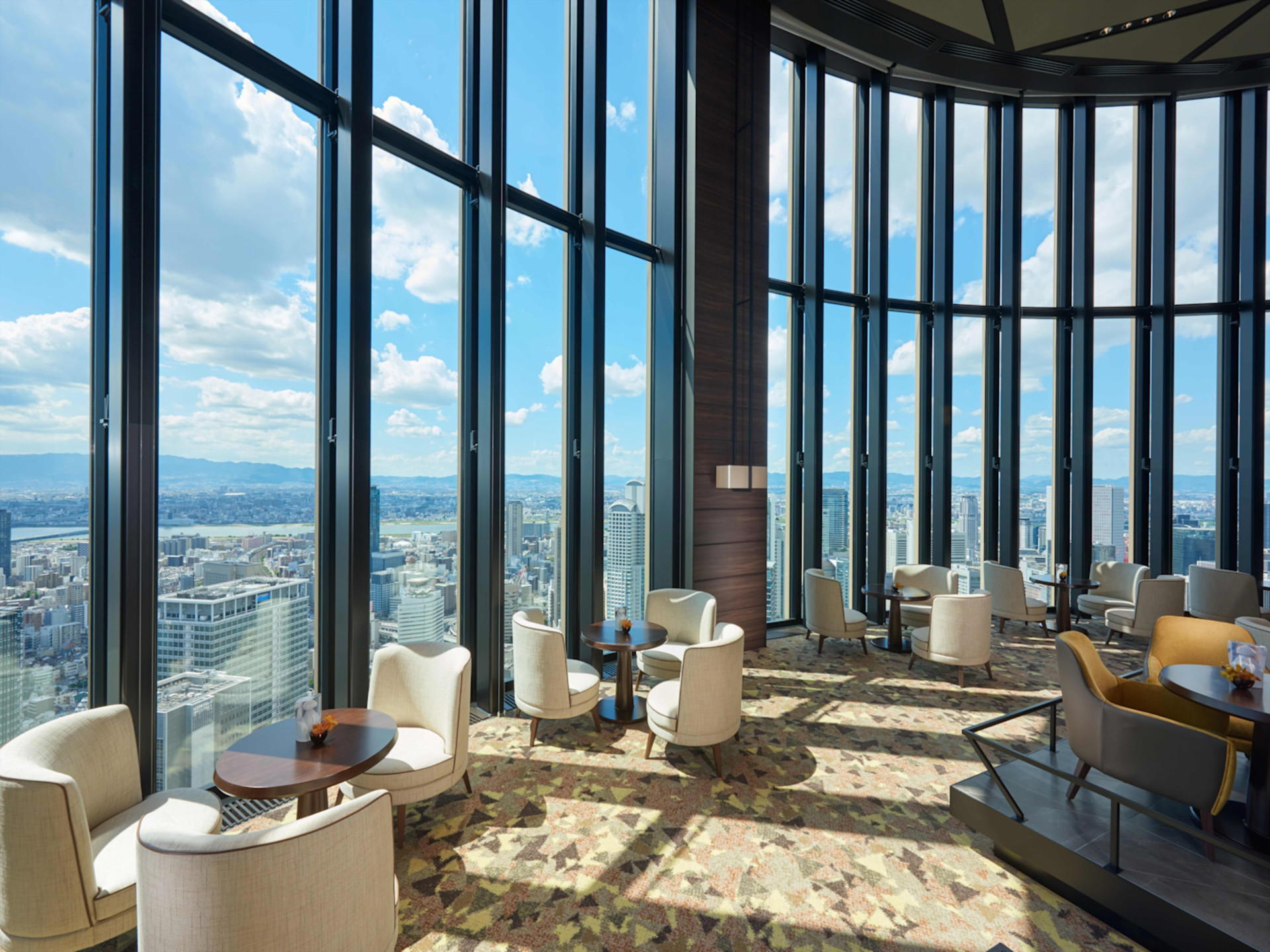




Wineries in Osaka
Browse all →
At a Glance
- Cozy
- Classic
- Elegant
- Solo
- Group Dining
- Casual Hangout
- After Work
- Standalone
- Sake Program
Upscale-looking yet relaxed standing-bar atmosphere with a hideout feel, suited to casual drinks and small groups.