Kaizen All You Can Eat BBQ Grill & Shabu-Shabu occupies a distinct position in Malang's communal dining scene, pairing Korean-style tabletop grilling with Japanese shabu-shabu in an all-you-can-eat format that draws families and groups to Jl. Wilis in the Gading Kasri district. The dual-format approach reflects a broader Indonesian appetite for interactive, ingredient-forward meals where the table becomes the kitchen.
Pearl is the En Primeur Club membership app — saves, bookings, and concierge access live there. Same editors, same standards.
- Address
- Jl. Wilis No.25, Gading Kasri, Kec. Klojen, Kota Malang, Jawa Timur 65115, Indonesia
- Phone
- +628123306000
- Website
- wa.link
- Directions
- Get directions
 Saves & bookings on Pearl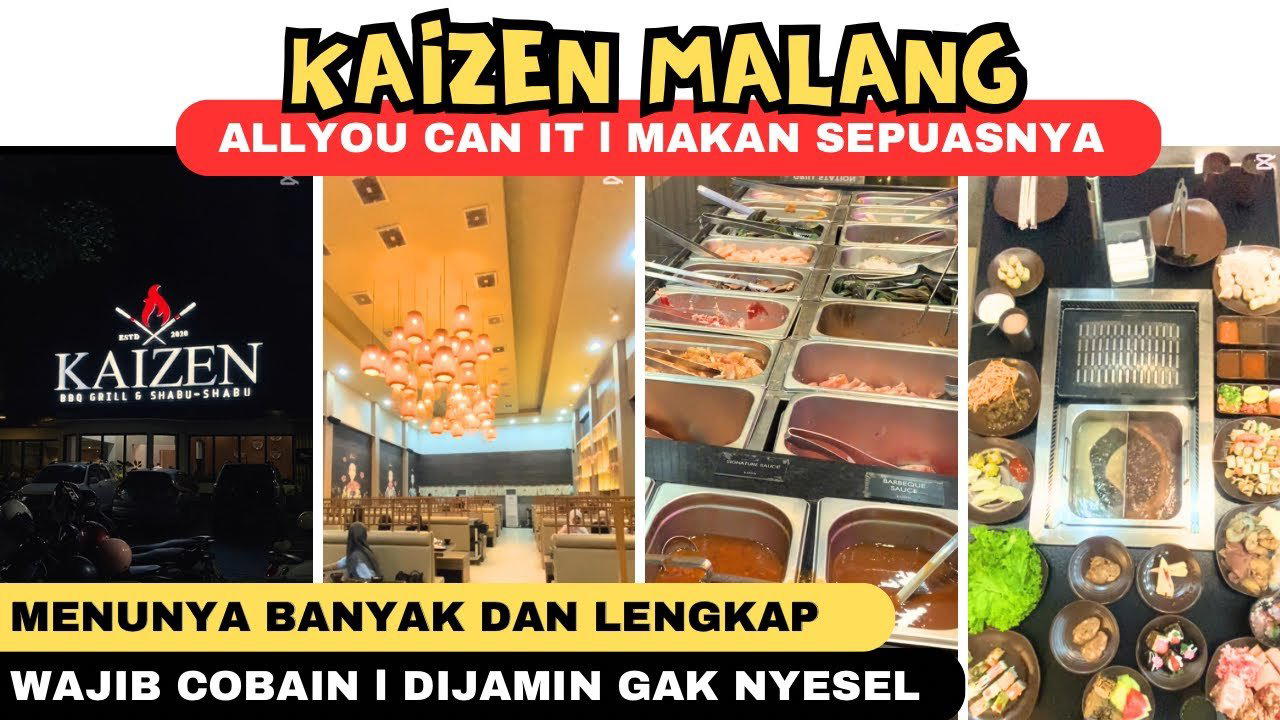
Where Malang Eats Together: The Communal Table Format
In Indonesian cities outside Jakarta, the all-you-can-eat format occupies a different social register than it does in the capital. Rather than a budget fallback, it functions as a deliberate gathering ritual, the kind of meal that anchors a birthday, a reunion, or a Friday evening that stretches well past sundown. Malang, a university city with a dense concentration of young residents and multi-generational families, has leaned into this dynamic harder than most East Java cities its size. Along streets like Jl. Wilis in Gading Kasri, the evening shift at spots like Kaizen All You Can Eat BBQ Grill & Shabu-Shabu reflects that appetite: tables full, smoke rising from embedded grills, broth simmering at adjacent stations.
The dual-format model, Korean-influenced tabletop BBQ alongside Japanese shabu-shabu, has become one of the more durable dining formats across Indonesian cities in the past decade. It works because both disciplines are ingredient-led. The quality of the meal is inseparable from the quality of what arrives raw at the table: the fat distribution in the beef slices, the freshness of the vegetables that go into the hot pot, the mushrooms and tofu that absorb broth over a long cook. This is eating where the sourcing is visible, because every component is handled by the diner before it's consumed.
The Ingredient Logic of Tabletop Cooking
Shabu-shabu and Korean BBQ share a structural premise that distinguishes them from most restaurant formats: there is no kitchen concealment. The diner sees exactly what they are cooking because they are the one cooking it. This transparency creates a different standard of expectation around raw ingredient quality. Thinly sliced beef that might pass unnoticed inside a finished dish becomes the entire focal point when it is the thing being swirled through dashi or laid across a hot grate.
In cities across Java and Bali, the all-you-can-eat variation of these formats has pushed operators toward a careful balance: broad variety to justify the format's appeal, and sufficient baseline quality to keep the ingredient-forward nature of the cooking from becoming a liability. At the better-regarded spots in mid-tier Indonesian cities, this means local produce, East Java's agricultural hinterland supplies abundant vegetables, tofu, and freshwater ingredients, supplemented by imported or regionally sourced protein cuts suited to high-heat grilling and broth cooking. For context on how Indonesian operators at different price points approach sourcing and format discipline, the approach at Locavore NXT in Ubud offers a useful counterpoint: that kitchen treats local sourcing as the editorial center of its identity, while all-you-can-eat formats like Kaizen use it as operational infrastructure.
The shabu-shabu side of the menu represents a particularly direct expression of this logic. Broth quality, whether a clean kombu-based dashi or a richer bone broth, sets the ceiling for every ingredient that passes through it. Vegetables, proteins, and noodles all take on character from the liquid. It is one of the few cooking formats where the foundational preparation, made before service, shapes every individual dish the diner produces at the table.
Malang's Position in Java's Dining Circuit
Malang sits roughly two hours south of Surabaya and draws a visitor base that includes domestic tourists from across East Java, students at its several universities, and a growing cohort of travelers using it as a cooler-climate alternative to the coast. Its dining scene reflects that mix: international fast food alongside local warung staples, and a mid-market restaurant tier that has expanded considerably in the past five years to meet demand from younger residents with disposable income and an appetite for format diversity.
The Klojen district, where Gading Kasri falls, is one of Malang's more established residential and commercial corridors. Jl. Wilis sits within walking distance of several of the city's key landmarks, making the area a logical evening destination for both residents and visitors. For those building a broader Malang itinerary, our full Malang restaurants guide maps the city's dining options across format and price tier.
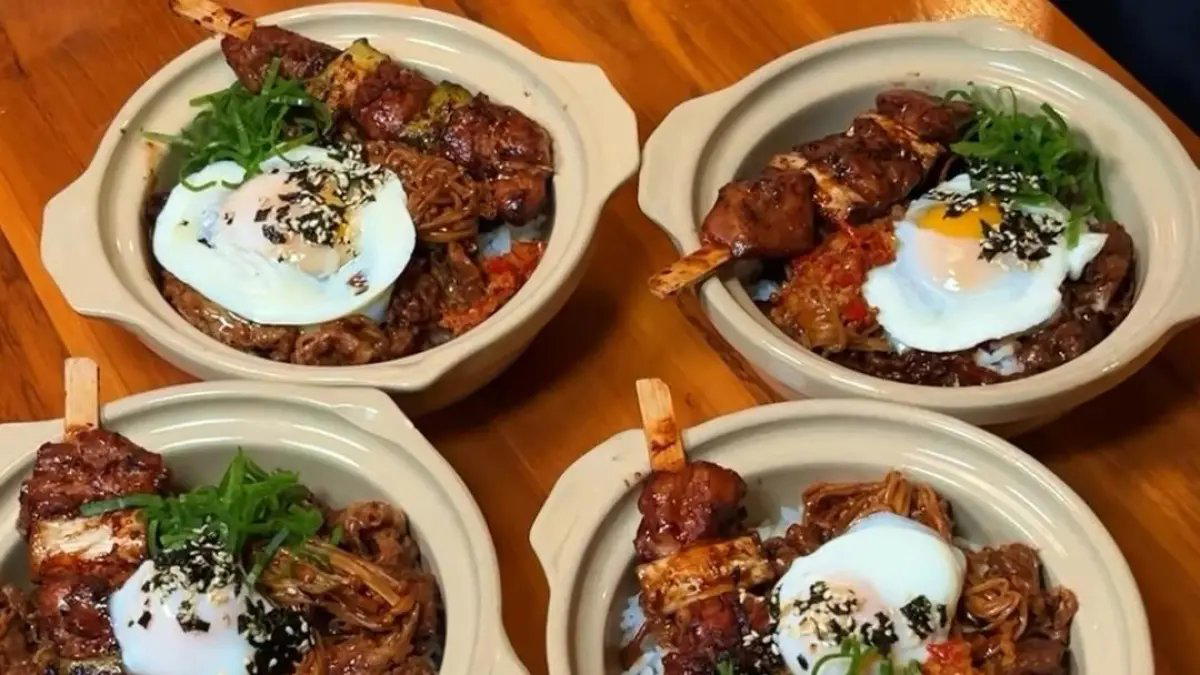
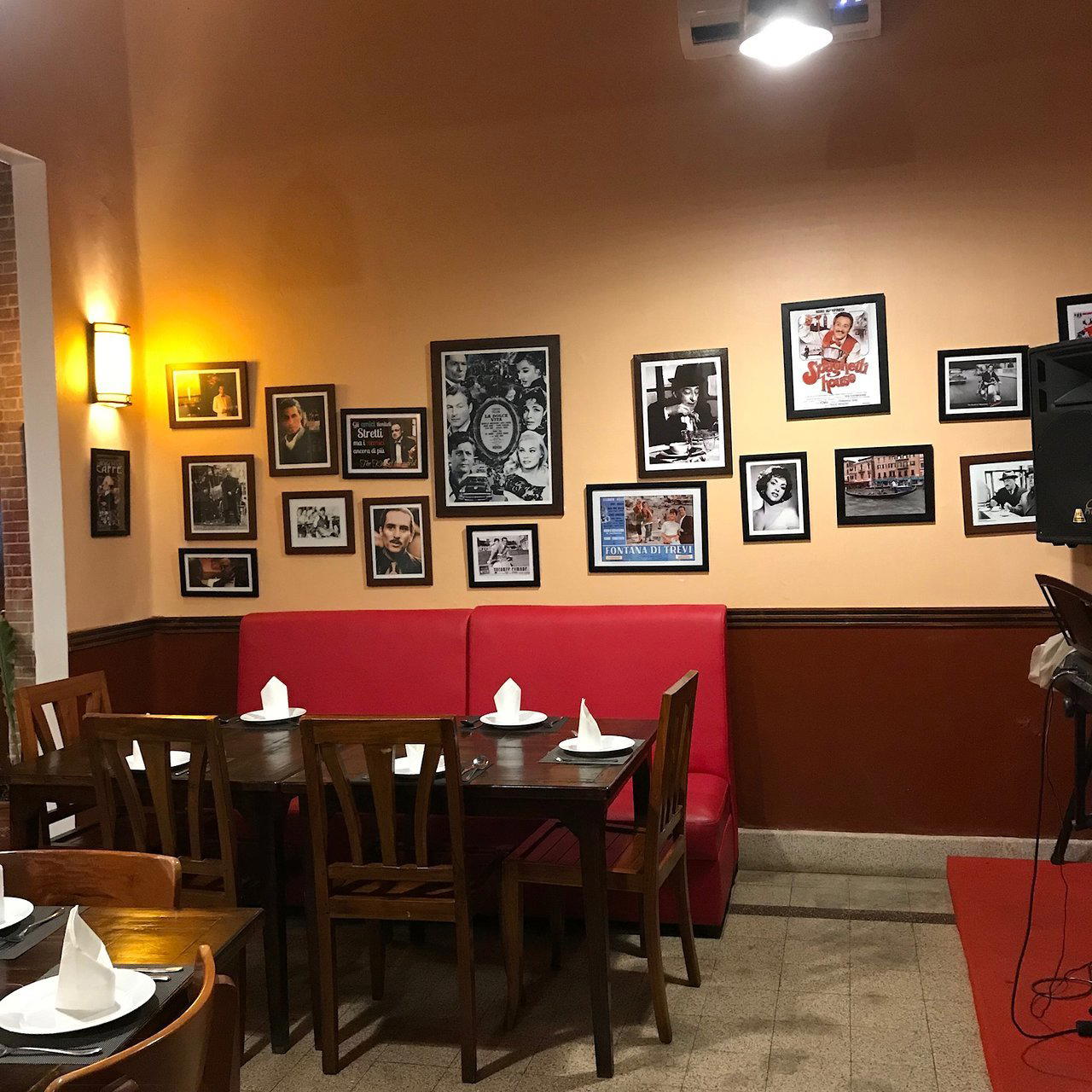
Within Malang's mid-market dining tier, the all-you-can-eat BBQ and hot pot category competes for the same group-dining occasions as Indonesian-Chinese restaurants, fried chicken chains, and local warung formats. The communal, time-extended nature of tabletop cooking gives these venues a structural advantage for group bookings: a table of six can occupy a grill for two hours without the social awkwardness of à la carte pacing. Other Malang options in the casual category include Kkado Chicken for Korean-influenced poultry and Signora Pasta Malang for Italian-leaning casual dining, both serving a similar demographic but through different format logics.
Across the wider Indonesian dining circuit, the BBQ and hot pot format has found its most technically developed expressions in Jakarta, where venues like Hai Di Lao in Central Jakarta and Chongqing Liuyishou Hotpot in South Jakarta operate at scale with codified service systems. Regional cities like Malang offer a less choreographed version of the same format, more local in character, lower in overhead cost, and typically more flexible in atmosphere. For travelers who have tracked the format across Indonesia, the comparison is instructive about how dining culture adapts to local economic and demographic conditions.
Planning Your Visit
Kaizen All You Can Eat BBQ Grill & Shabu-Shabu is located at Jl. Wilis No.25, Gading Kasri, Kecamatan Klojen, Malang, East Java. The address places it in a walkable section of central Malang, accessible by rideshare from most parts of the city. As with most all-you-can-eat venues in Indonesian mid-market dining, peak hours tend to cluster around weekend evenings and public holidays, when group bookings dominate floor capacity. Arriving before the dinner rush or on a weekday reduces wait times. The all-you-can-eat format means pricing is fixed per head rather than per dish, which makes budgeting predictable for groups.
For travelers contextualizing Malang within a broader Indonesian trip, the city pairs well with stopovers in Surabaya or Yogyakarta. The dining culture in Yogyakarta leans toward deeply local Javanese traditions, Gudeg Yu Djum represents that city's most documented expression of its signature dish, while Malang's mid-market tier skews more toward format diversity and international-influenced concepts. Further afield, Kunyit Restaurant in Bandung and Agreya Coffee in Bogor illustrate how West Java's mid-sized cities have developed their own distinct casual dining registers.
Fast Comparison
Comparable venues nearby, for context on price, style, and recognition.
| Venue | Cuisine | Price | Notes |
|---|---|---|---|
| Kaizen All You Can Eat BBQ Grill & Shabu-ShabuThis venue — the venue you are viewing | Japanese BBQ Grill & Shabu-Shabu All You Can Eat | $$ | Not listed |
| signora pasta malang | Authentic Italian Pasta & Pizza | $$ | Oro-oro Dowo |
| Kkado Chicken - Malang | Korean Chicken | $ | Klojen |
| Gindaco | Japanese Takoyaki & Okonomiyaki | $ | Menteng |
| Shaburi & Kintan Buffet Ambarrukmo Plaza Yogyakarta | Japanese Shabu-Shabu & Yakiniku Buffet | $$ | Depok |
| Gudeg Yu Djum | Traditional Javanese Gudeg | $ | Kraton |
Continue exploring
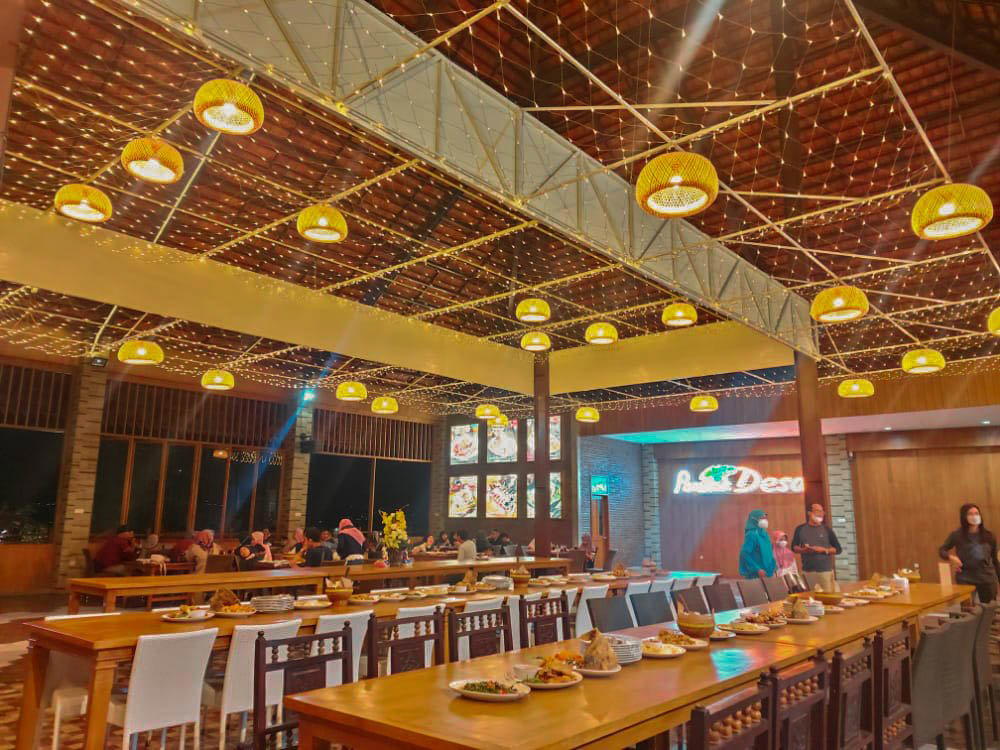
More in Malang
At a Glance
- Modern
- Lively
- Group Dining
- Family
- Casual Hangout
- Open Kitchen
Current opening hours
- Monday
- 11 AM–10 PM
- Tuesday
- 11 AM–10 PM
- Wednesday
- 11 AM–10 PM
- Thursday
- 11 AM–10 PM
- Friday
- 11 AM–10 PM
- Saturday
- 10 AM–10 PM
- Sunday
- 10 AM–10 PM
Hours can change for holidays and private events. Last verified .
Modern and spacious interior with an inviting, relaxing atmosphere well-suited for group dining.