Kafi Dihei
A neighbourhood address on Zurlindenstrasse in Zürich's Kreis 3, Kafi Dihei sits within a district that has quietly shifted from working-class utility to considered local culture. The space draws from the Swiss Kafi tradition, part café, part social anchor, and positions itself against the polished dining rooms of the city centre as somewhere defined less by formality than by the physical and social texture of the room itself.
Pearl is the En Primeur Club membership app — saves, bookings, and concierge access live there. Same editors, same standards.
- Address
- Zurlindenstrasse 231, 8003 Zürich, Switzerland
- Phone
- +41 44 557 43 48
- Website
- kafidihei.ch
- Directions
- Get directions
 Saves & bookings on Pearl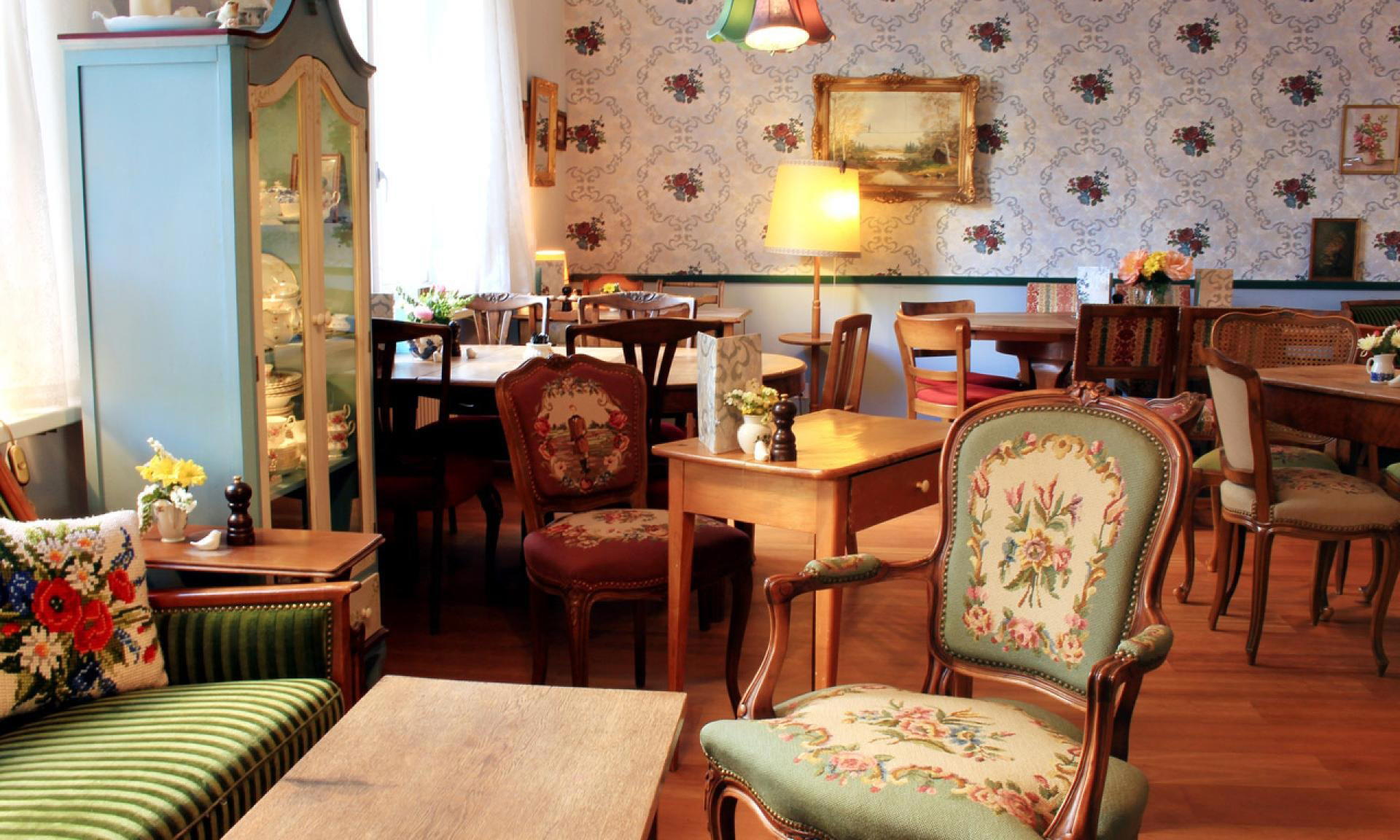
Kreis 3 and the Architecture of the Everyday
Zürich's dining attention tends to concentrate in the centre: the grand rooms of Kronenhalle, the tasting menus at IGNIV Zürich by Andreas Caminada, the technical precision of The Counter. Kreis 3 operates on a different register. The district along Zurlindenstrasse has undergone a slow recomposition over the past decade, moving from post-industrial quiet toward a denser weave of independent operators whose appeal rests on spatial character rather than culinary ambition in the formal sense. Kafi Dihei, at number 231, is part of that shift. Its address places it in the lower reaches of Kreis 3, where the street widens slightly and the building stock retains a mid-century solidity that the more fashionable Langstrasse corridor has largely lost to renovation.
The Swiss Kafi format is specific and worth understanding before arriving. It is not a café in the Italian or French sense, nor a bar in the northern European one. The Kafi occupies a social role that is hard to translate: a room where coffee, beer, and simple food coexist without any of them taking precedence, and where the physical space is designed, consciously or not, to hold people for longer than a single transaction. The leading of these rooms have a quality of settled permanence, furniture that looks like it arrived before the current operator and will outlast them, surfaces that carry the record of use without appearing neglected. What is clear is that the format it occupies in Zürich's hospitality ecosystem is one that the city's more decorated restaurants, from The Restaurant to Widder, have no interest in replicating.
What the Room Does
In Zürich, interior character at the neighbourhood level tends to work in one of two directions: the scrubbed-and-designed aesthetic that signals recent investment, or the accumulated atmosphere that comes from decades of occupancy. Zurlindenstrasse 231 sits in a part of the city where the second type is more common, and the Kafi model relies on precisely that kind of spatial continuity. The room is the argument. Where Eden Kitchen and Bar and comparable addresses in the city's central districts invest in considered design languages, the neighbourhood Kafi makes its case through proportion and use: the relationship between the counter, the seating, and the street-facing glass that determines how a room feels at different hours of the day.
This is not a minor point. In European cities where dining has bifurcated sharply between high-investment formal venues and low-cost chains, the mid-register neighbourhood room with genuine spatial character is increasingly rare. Zürich is not immune to that pressure, and Kreis 3 has seen enough closures and concept shifts to make surviving operators like this one worth noting on spatial grounds alone. The physicality of the Swiss Kafi, its tendency toward wooden furniture, bar stools, and the kind of lighting that acknowledges the grey Zürich winters, creates a specific interior experience that the city's more ambitious dining addresses deliberately move away from. Both choices are coherent. They serve different needs.
Positioning Within Zürich's Neighbourhood Dining
Zürich's neighbourhood dining scene deserves more attention. The city's international reputation rests on addresses like Schloss Schauenstein in Fürstenau, Memories in Bad Ragaz, and Hotel de Ville Crissier in Crissier, destinations that operate at a different scale of investment and formality entirely. Within the city itself, the conversation defaults to the central districts. What Kreis 3 offers, and what Kafi Dihei represents within it, is a layer of local hospitality that functions without reference to that framework. The comparison set is other neighbourhood Kafis and other district anchors, not the tasting-menu circuit.
That positioning is a feature rather than a limitation. For visitors who have already addressed the obvious Zürich dining references, or for those whose interest is in how the city actually feeds itself on a Tuesday evening, the Zurlindenstrasse end of Kreis 3 is more instructive than a third dinner in the first district. Switzerland's broader dining geography rewards this kind of lateral movement: the country's culinary identity is as much about the village Beiz and the neighbourhood Kafi as it is about the three-star rooms that attract international attention alongside addresses like Cheval Blanc by Peter Knogl in Basel or Einstein Gourmet in Sankt Gallen.
Getting There and Planning a Visit
Zurlindenstrasse 231 is reachable by tram from the city centre, with Kreis 3 well served by Zürich's public transport network. The address is walkable from the Helvetiaplatz area, which anchors this part of the left bank and connects to both Langstrasse and the quieter residential streets heading south. As a neighbourhood Kafi rather than a destination restaurant, booking mechanics and opening hours follow local patterns rather than the reservation-months-ahead logic of venues like focus ATELIER in Vitznau or Mammertsberg in Freidorf. The venue is open Mon 8:30 AM-6 PM, Tue closed, Wed to Fri 8:30 AM-6 PM, and Sat to Sun 9 AM-6 PM.
Kafi Dihei is priced at about US$20 per person. The format generally implies coffee, simple food, and beer at accessible price points rather than the multi-course logic of comparable Swiss addresses internationally, such as Le Bernardin in New York City or Lazy Bear in San Francisco. Switzerland's mountain and lake destinations also reward parallel attention: Da Vittorio in St. Moritz, Maison Wenger in Le Noirmont, and La Table du Valrose in Rougemont each represent the country's formal dining character in a different register.
The Quick Read
Comparable venues nearby, for context on price, style, and recognition.
| Venue | Cuisine | Price | Notes |
|---|---|---|---|
| Kafi DiheiThis venue — the venue you are viewing | Aussersihl, Swiss Café | $$ | Not listed |
| Hive | Industriequartier, Swiss-Italian Cafe | $$ | Not listed |
| Osso | Aussersihl, Modern Fire-Cooked European | $$$ | Not listed |
| Bebek | Not listed | $$ | Aussersihl, Lebanese & Middle Eastern Meze |
| Dini Mueter | Aussersihl, Swiss Neighborhood Cafe | $$ | Not listed |
| Brisket | Industriequartier, Southern BBQ | $$ | Not listed |
Continue exploring
More in Zürich
Restaurants in Zürich
Browse all →
Bars in Zürich
Browse all →

Hotels in Zürich
Browse all →

At a Glance
- Cozy
- Classic
- Brunch
- Casual Hangout
Current opening hours
- Monday
- 8:30 AM–6 PM
- Tuesday
- Closed
- Wednesday
- 8:30 AM–6 PM
- Thursday
- 8:30 AM–6 PM
- Friday
- 8:30 AM–6 PM
- Saturday
- 9 AM–6 PM
- Sunday
- 9 AM–6 PM
Hours can change for holidays and private events. Last verified .
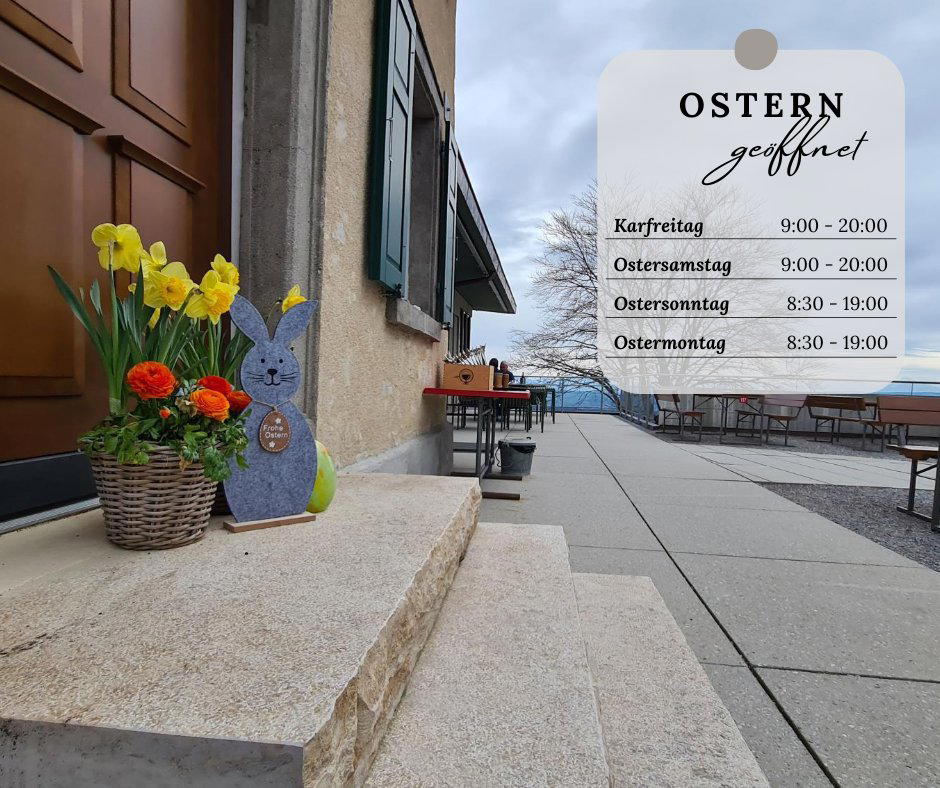
Cozy and nostalgic atmosphere with pretty floral decor, fresh flowers, and a warm, homey feel.