Our verdict
JWB Prime Steak and Seafood at One Particular Harbour puts Nassau's dual identity on a single plate: serious cuts and Caribbean-sourced seafood in a harbour-facing setting that anchors the property's dining offer. Among Nassau's upper tier of destination restaurants, it occupies the steak-and-seafood format that few others in the city address with comparable intent. Guests planning an evening here should expect a setting tied directly to the water.

Pearl is the En Primeur Club membership app, where members save venues, book tables and use the concierge.
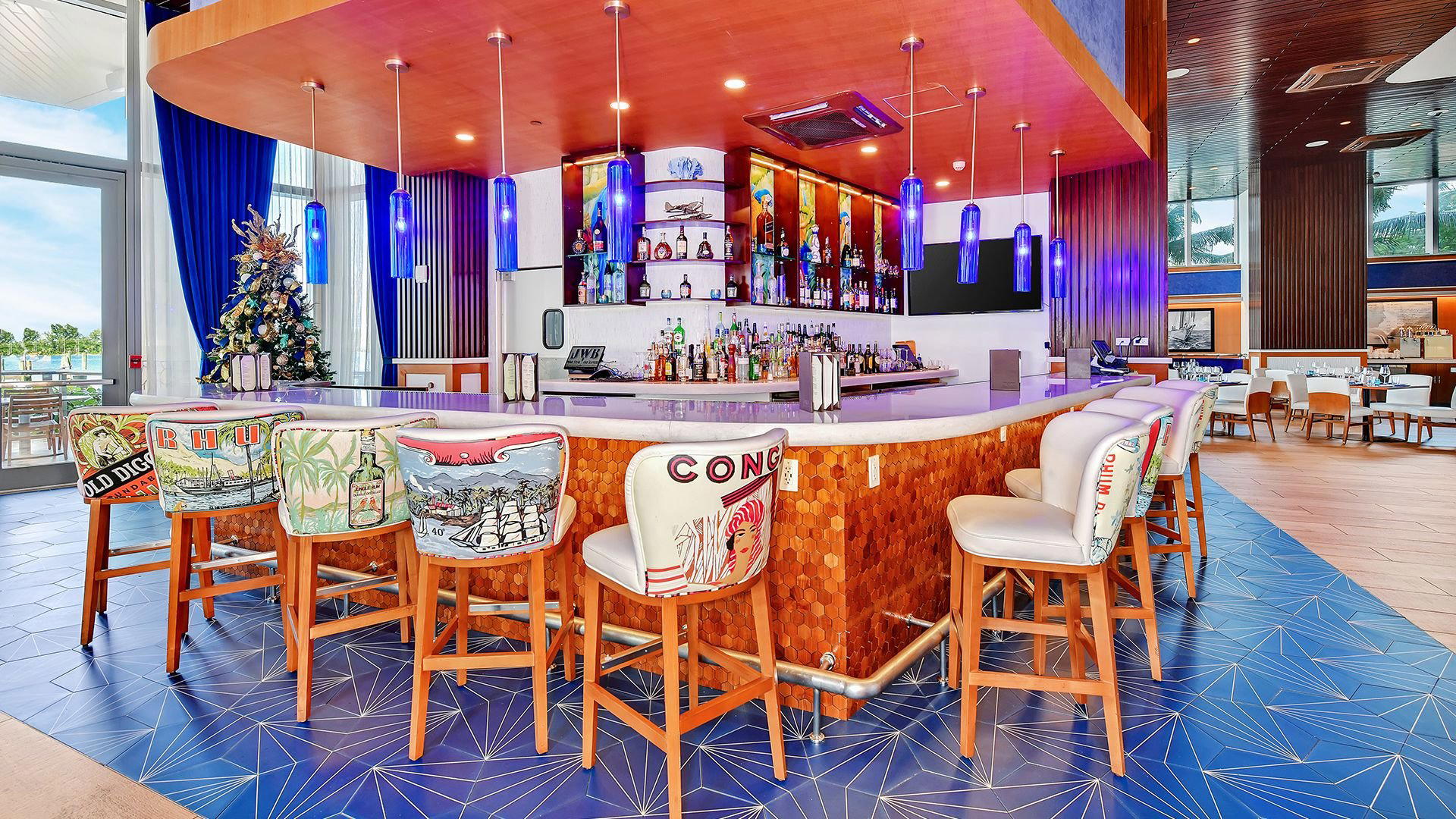
Where Harbour Water and Prime Cuts Converge
Nassau's dining scene has long operated on two parallel tracks. One runs through the old colonial quarter, where institutions like Café Matisse and Café Martinique draw on European fine-dining frameworks adapted for island rhythms. The other runs along the water, where the proximity of the sea gives restaurants a locational argument that no interior room can replicate. JWB Prime Steak and Seafood sits squarely in that second category, positioned at One Particular Harbour in Nassau so that the physical environment does the first act of work before a plate arrives.
Harbour-facing dining in the Caribbean carries a particular set of expectations. Guests arrive by foot along marina promenades or by tender from moored vessels, the transition from sea to table compressed into a few steps. The format that works here is not the long tasting menu demanding hours of focused attention; it is the kind of direct, produce-led cooking where quality of ingredient is the visible argument. The prime steak and seafood format suits that logic well: both categories reward sourcing over technique complexity, and both allow the setting to function as a co-author of the experience rather than a backdrop.
The Steak-and-Seafood Format in a Caribbean Port City
In established food cities, the prime steakhouse and the premium seafood restaurant have largely separated into distinct categories. What the steakhouse format does in a city like Nassau is different. Here, the combination under one roof reflects a practical reality: the island's visitor base wants the reassurance of a known format (prime beef, often American or Australian in provenance) alongside the local argument of fresh seafood. The restaurants that handle this combination with seriousness, rather than defaulting to a surf-and-turf menu that under-commits to both, occupy a specific tier in Nassau's dining hierarchy.
That tier sits above the casual beachside grill and below the strictly formal European dining rooms. Cafe Boulud Bahamas operates further up the formality register, with a French framework inherited from a named international chef. Cafe Bombay addresses a different cuisine category entirely. JWB's steak-and-seafood positioning is less about competing with those rooms on their own terms and more about serving a visitor who wants quality ingredient work in a setting that reads as Nassau-specific rather than transplanted from another city.
This distinction matters for the reader's planning decision. A night at JWB is not the same choice as a night at Café Martinique, which carries historical weight and a theatrical dining room setting from its James Bond-adjacent past. Nor is it the same as the more casual social energy at Café Coco. The harbour address positions JWB as the option for visitors whose evening begins or ends on the water.
One Particular Harbour: What the Address Means
The address at One Particular Harbour is the single most legible piece of data about JWB Prime Steak and Seafood. Harbour-fronting restaurant addresses in the Bahamas carry weight that an island street address does not. The marina context implies a guest profile drawn from the yachting community, from resort guests moving between waterfront properties, and from visitors who have structured their Nassau evening around a water-adjacent experience rather than a trip into the centre of town.
That guest profile shapes what the restaurant needs to deliver. Marina clientele across the Caribbean tend to be experienced travellers with reference points that span destinations well beyond Nassau. The comparison set they carry in their heads includes venues from other port cities and from the kind of international restaurant programs associated with hotel groups operating at this level. Venues like Le Bernardin in New York City or 8½ Otto e Mezzo Bombana in Hong Kong represent what a sophisticated harbour-adjacent diner might use as a benchmark for serious seafood and prime protein programs, even if the scale and formality of those rooms is categorically different from a Caribbean harbour restaurant.
The gap between those international reference points and what a Nassau harbour restaurant can deliver is part of what defines the category. Serious prime beef programs require cold-chain infrastructure and consistent supplier relationships that work differently in island economies than on a major continental food scene. The same is true of premium seafood, where local catch availability varies by season and weather. Restaurants that hold this format together in the Bahamas are doing more supply-chain management than their menus suggest.
Bahamas in Context: Beyond Nassau
For visitors planning time across the Bahamian archipelago rather than concentrating solely in Nassau, the contrast in dining formats between the capital and the Out Islands is pronounced. At Staniel Cay Yacht Club in Staniel Cay, the proposition is stripped-back communal dining in a remote cay setting. Pete's Pub and Gallery in Little Harbour operates on a different register entirely, where the art gallery context and informal atmosphere make it a social institution rather than a fine-dining destination. Haynes Ave in Governor's Harbour and Freedom Restaurant and Sushi Bar in Gregory Town each reflect how Out Island communities serve their own dining needs, with less orientation toward the resort visitor economy that shapes Nassau's top-tier restaurants.
That broader context reinforces why Nassau's harbour-fronting options like JWB occupy a distinct position. They are, in practical terms, where the archipelago's premium dining density concentrates. Visitors who want the combination of serious ingredient sourcing, a controlled dining environment, and a water-connected setting are making a Nassau decision by definition.
Planning a Visit
Specific operational details for JWB Prime Steak and Seafood, including hours, reservation method, and current pricing, are best confirmed directly with the property at One Particular Harbour Nassau, as island restaurant schedules shift seasonally and operational arrangements can change with marina programming. As a general pattern across Nassau's harbour-adjacent dining tier, evening seatings attract the heaviest demand during the peak winter and spring seasons when yachting traffic is highest; advance contact before arrival is prudent for any visit during those months.
For travellers building a wider Nassau dining itinerary, our full Nassau restaurants guide maps the city's dining categories and neighbourhoods in greater depth, covering options from formal European rooms to the more casual end of the waterfront spectrum. Those planning evenings at multiple Nassau venues might also consider the European and international dining programs at Café Matisse for contrast against JWB's steak-and-seafood format.
Frequently asked questions
What's JWB Prime Steak and Seafood's location?
JWB Prime Steak and Seafood is located at One Particular Harbour Nassau N.P, Nassau, Bahamas, Nassau.
How does dining at JWB Prime Steak and Seafood compare to other Nassau waterfront restaurants?
JWB Prime Steak and Seafood occupies a specific position in Nassau's dining market: a dedicated prime steakhouse and seafood format at One Particular Harbour, which gives it a waterfront identity that the colonial-quarter institutions in the old city do not share. Most Nassau harbour-adjacent dining leans toward casual fish and conch formats; a kitchen operating in the prime-cut tier at the water's edge represents a less common configuration for this city.
What dish is JWB Prime Steak and Seafood famous for?
JWB Prime Steak and Seafood sits at the intersection of two culinary formats that Nassau has historically kept separate: prime beef and fresh seafood. The harbour-front address at One Particular Harbour points toward a kitchen that sources from both land and water. Specific signature dishes are best confirmed directly with the restaurant, as menus shift with seasonal availability in the Bahamas.
Can I walk in to JWB Prime Steak and Seafood?
Walk-in availability at JWB Prime Steak and Seafood depends on the season and the evening. Nassau's dining scene sees sharp demand swings between peak winter tourist months and quieter summer periods. Contacting the restaurant in advance is advisable, particularly for harbour-view seating at One Particular Harbour.
What's the defining dish or idea at JWB Prime Steak and Seafood?
The defining concept at JWB Prime Steak and Seafood is the convergence of prime steakhouse and premium seafood formats under one roof, a combination that remains rare in Nassau, where the two have traditionally operated as separate categories. The harbour setting at One Particular Harbour reinforces that dual identity, placing the kitchen within reach of both land-sourced cuts and the surrounding Bahamian waters.
Can JWB Prime Steak and Seafood handle vegetarian requests?
A kitchen structured around prime beef and seafood will have vegetarian options that function as supplements rather than centrepieces. Guests with specific dietary requirements should raise them directly when making a reservation, Nassau restaurants at this harbour-front tier generally accommodate requests with advance notice.
Is JWB Prime Steak and Seafood overpriced or worth every penny?
Pricing at JWB Prime Steak and Seafood reflects the Nassau market for waterfront prime dining, which carries a premium relative to the broader Bahamian archipelago. Current menu pricing is best confirmed directly with the venue, as rates at One Particular Harbour can shift by season. What the address delivers that no price point can fully offset is a harbour-facing position that few Nassau restaurants match.
The Short List
Comparable venues nearby, for context on price, style, and recognition.
| Venue | Cuisine | Price | Awards | Notes |
|---|---|---|---|---|
| JWB Prime Steak and SeafoodThis venue (the venue you are viewing) | Prime Steak and Seafood | Not listed | Not listed | Not listed |
| Café Martinique | French fine dining with Bahamian and Caribbean influences | $150–200 | Wine Spectator Best of Award of Excellence | Paradise Island, French-Bahamian Fine Dining |
| SUSHI ROKKAN | Traditional Japanese Sushi | $50–100 | Not listed | Old Fort Bay, Traditional Japanese Sushi |
| Dune | French-Asian Fusion with Bahamian Influences | $50–100 | Not listed | Paradise Island, French-Asian Fusion with Bahamian Influences |
| Seafire Steakhouse | American Steakhouse Chophouse | Not listed | Not listed | Paradise Island, American Steakhouse Chophouse |
| Yellow Bell | Asian Fusion Craft Cocktails & Brunch | $30–50 | Not listed | Mahogany Hill, Asian Fusion Craft Cocktails & Brunch |
Continue exploring
More in Nassau
Restaurants in Nassau
All restaurants in Nassau →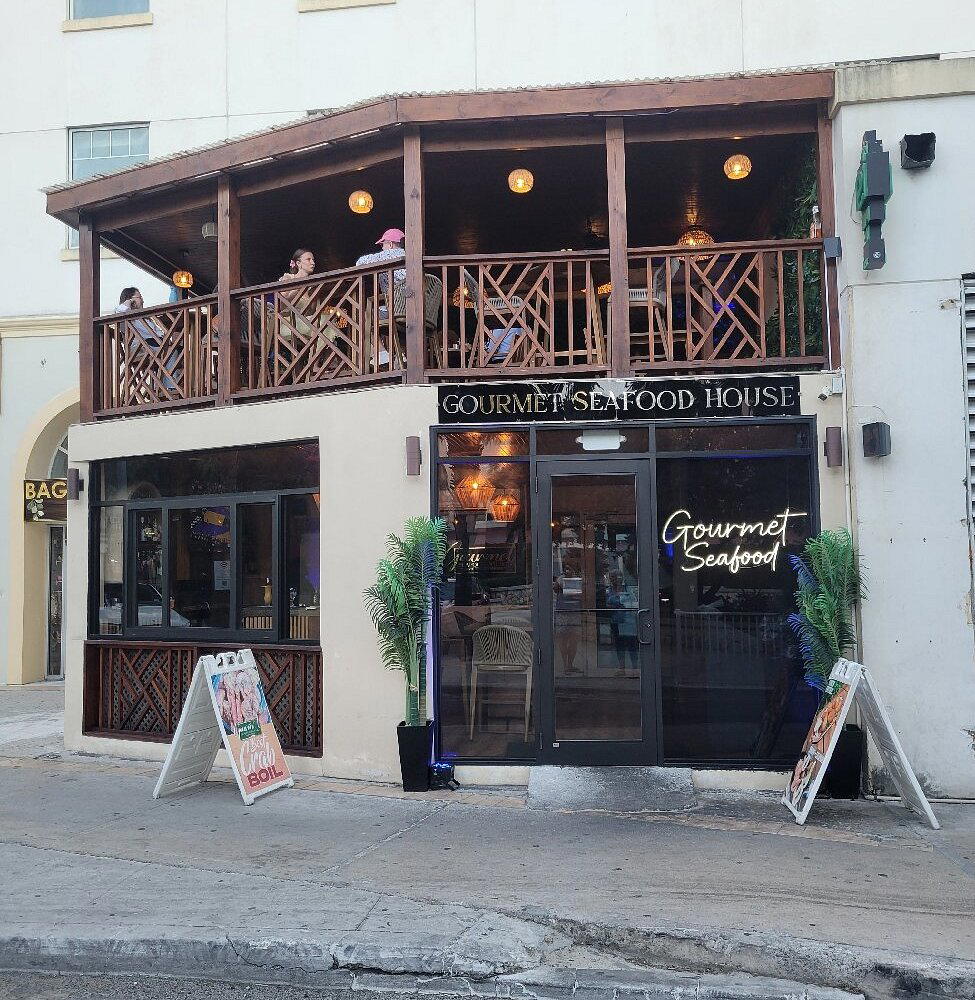
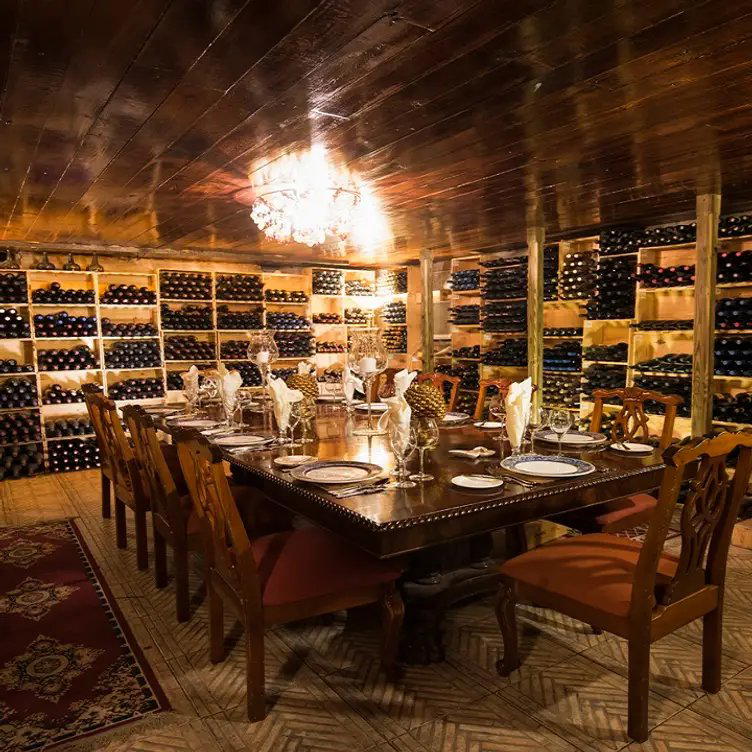
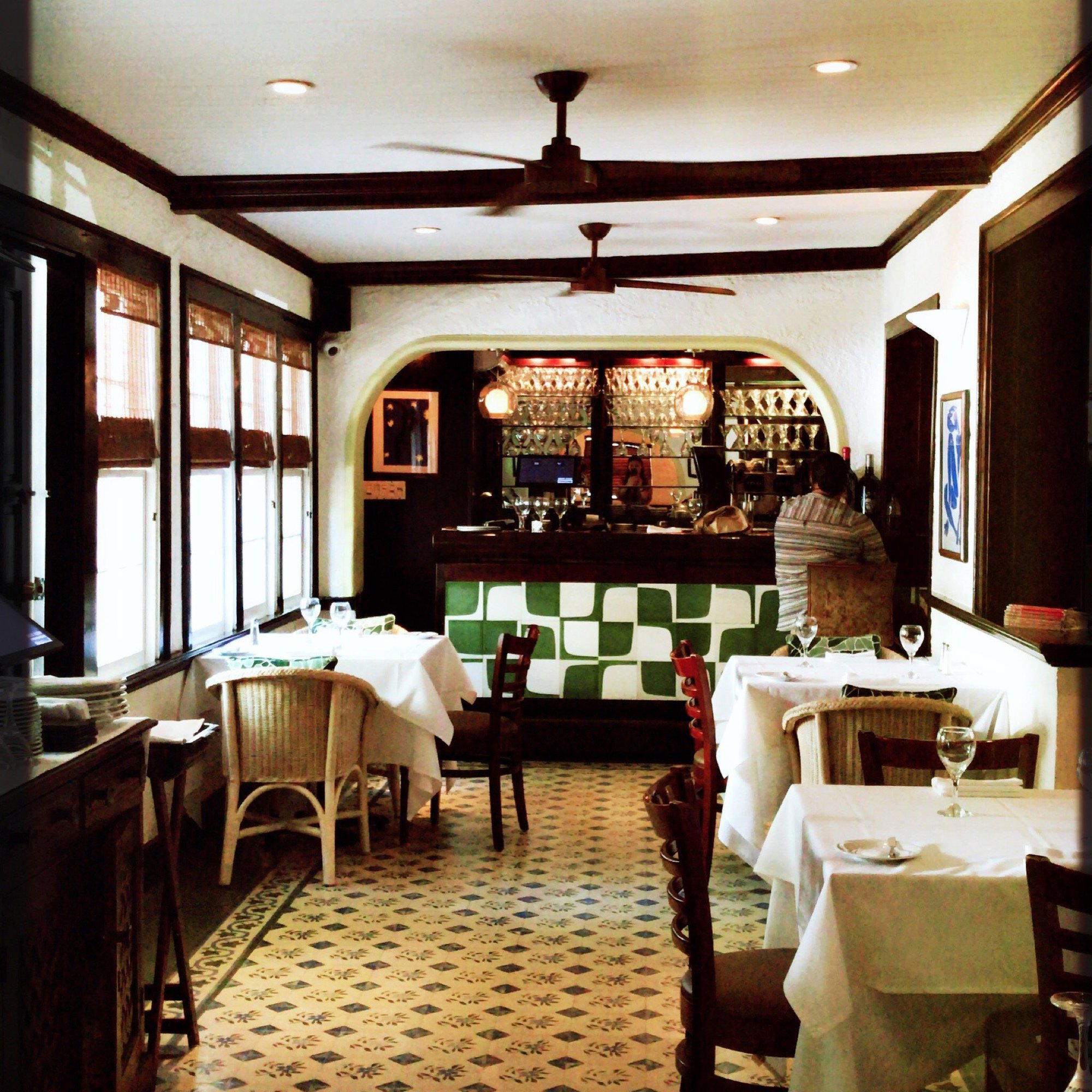
Bars in Nassau
All bars in Nassau →
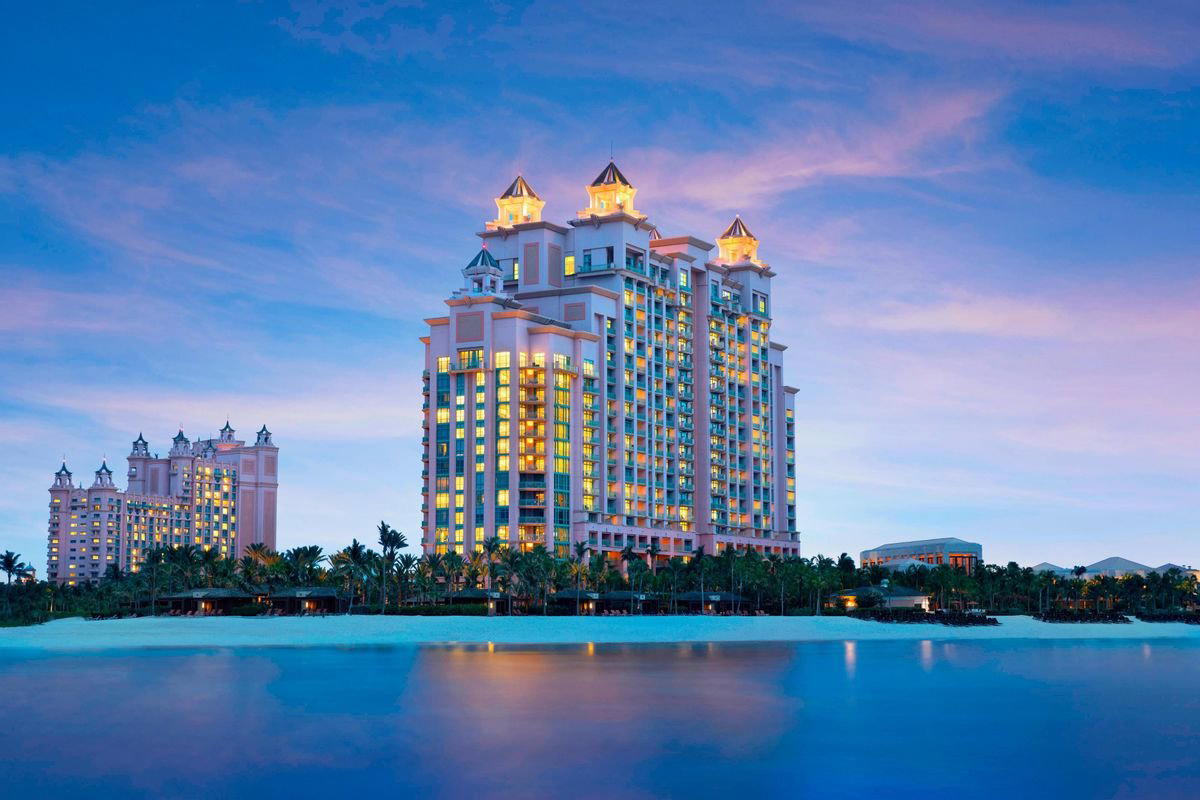
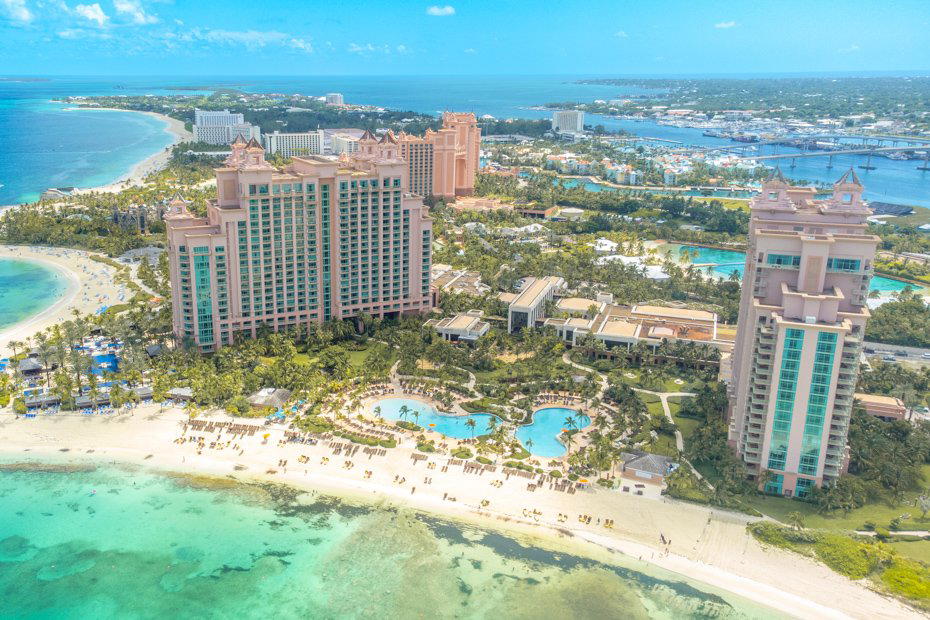
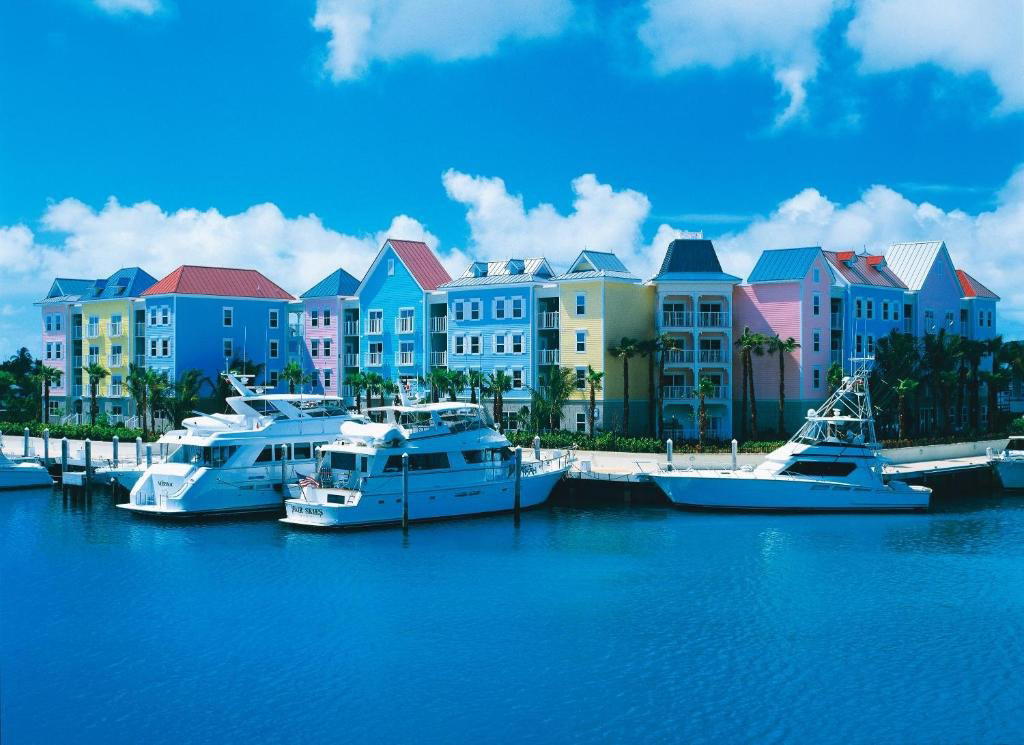
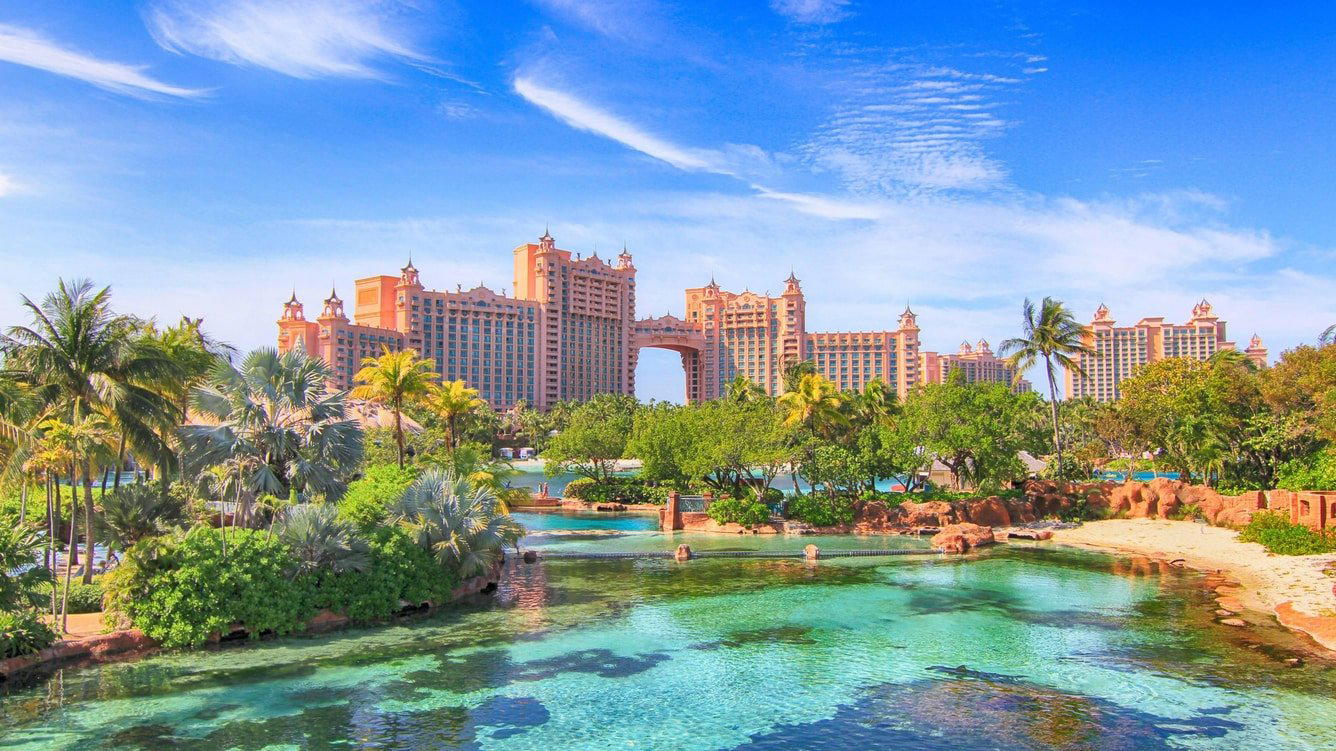
JWB Prime Steak and Seafood
The wine
- Extensive wine list
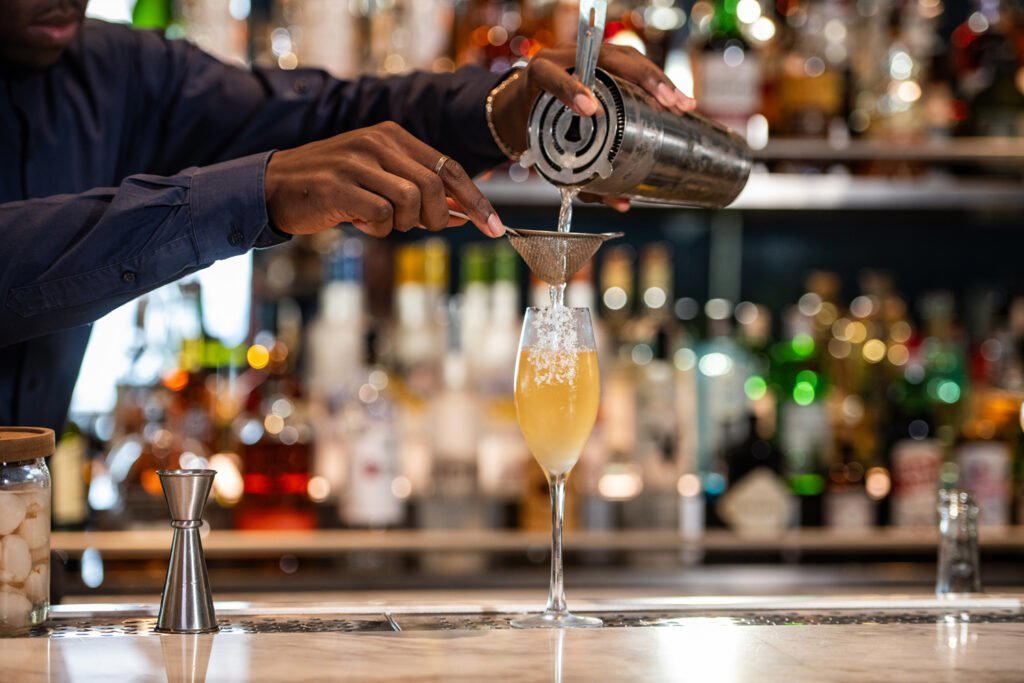
- Craft cocktails
Details
- Elegant
- Sophisticated
- Intimate
- Date Night
- Special Occasion
- Group Dining
- Hotel Restaurant
- Extensive Wine List
- Craft Cocktails
- Local Sourcing
- Waterfront
- A La Carte
Current opening hours
- Monday
- Closed
- Tuesday
- 6–10 PM
- Wednesday
- 6–10 PM
- Thursday
- 6–10 PM
- Friday
- 6–10 PM
- Saturday
- 6–10 PM
- Sunday
- 6–10 PM
Hours can change for holidays and private events. Hours as of .
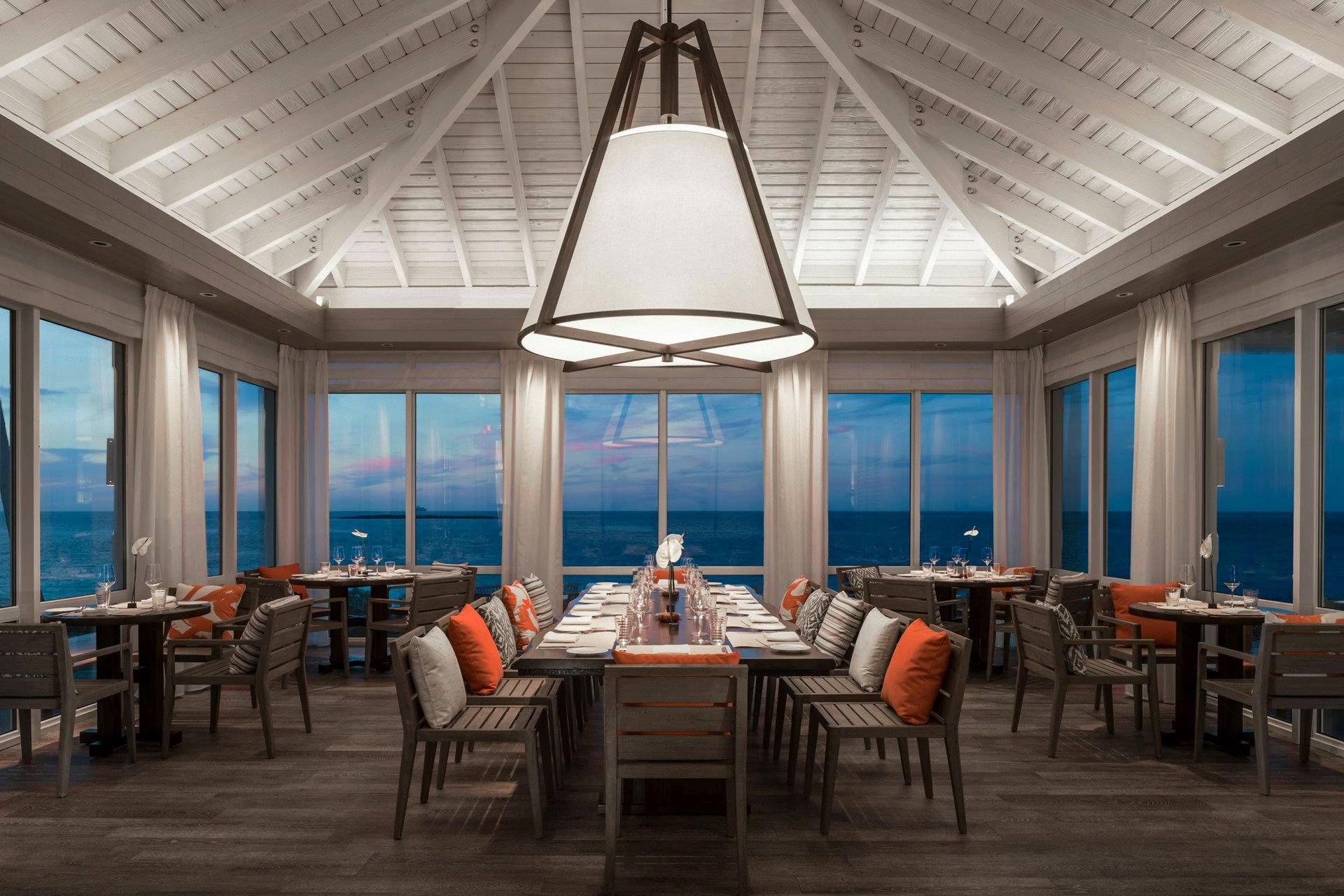
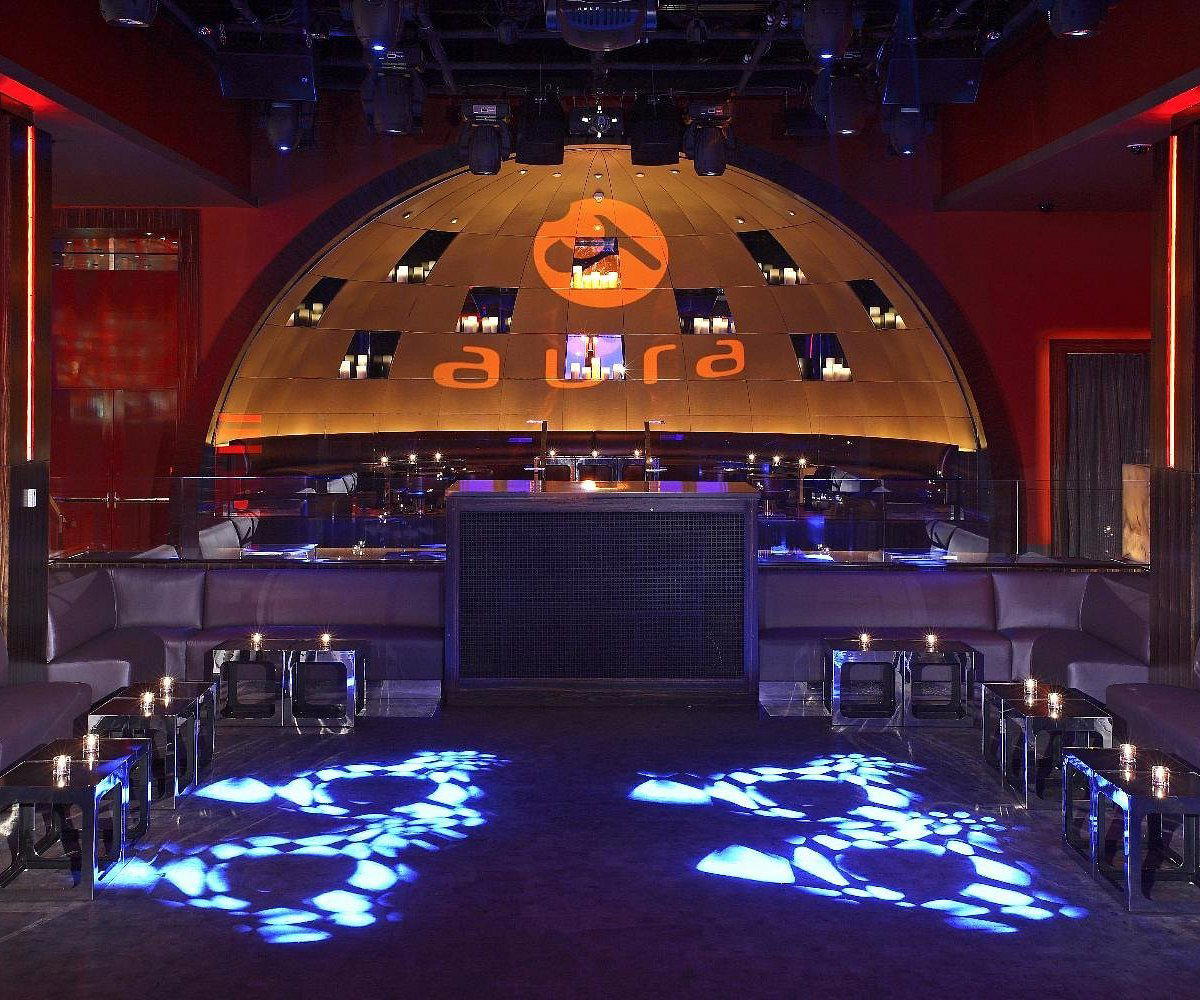
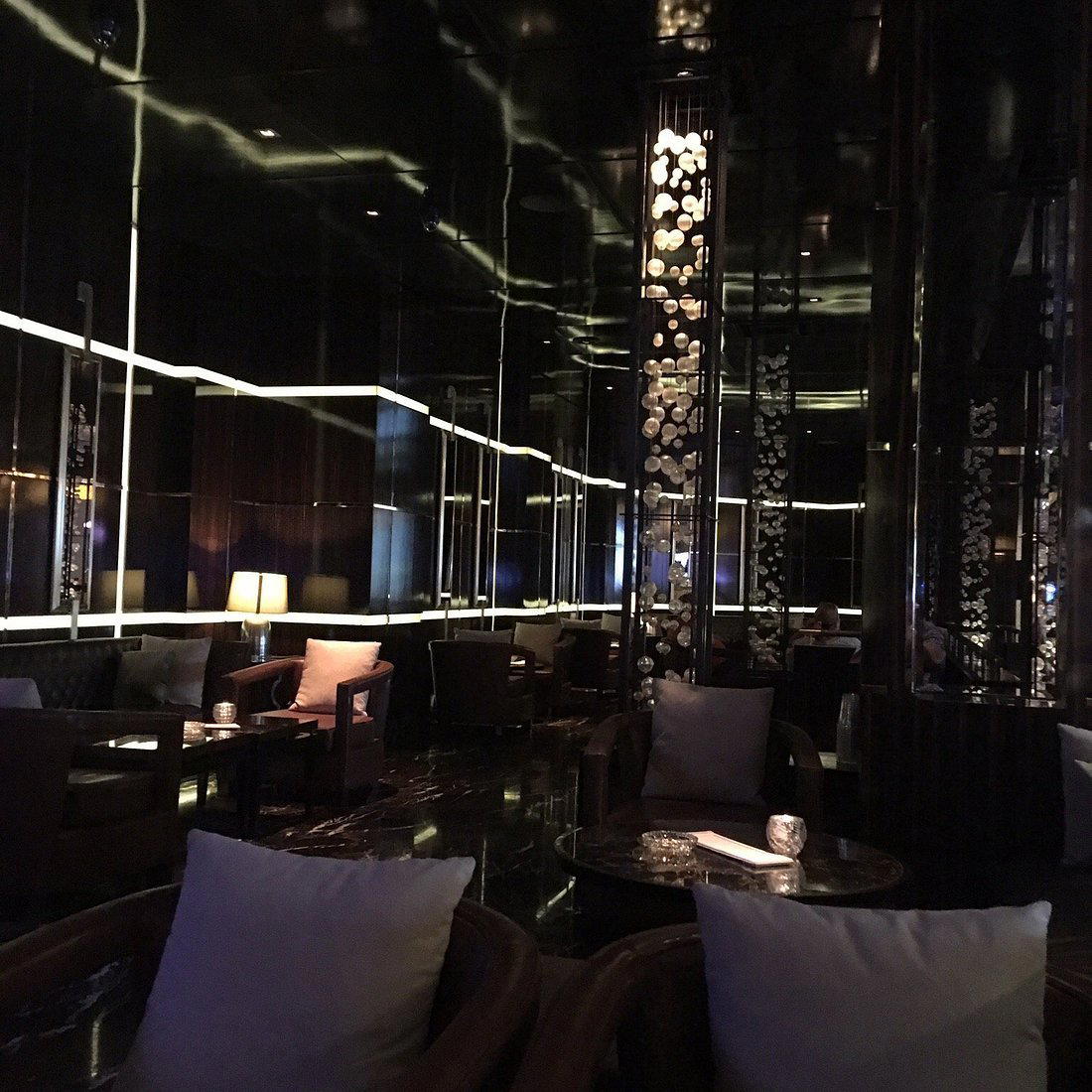
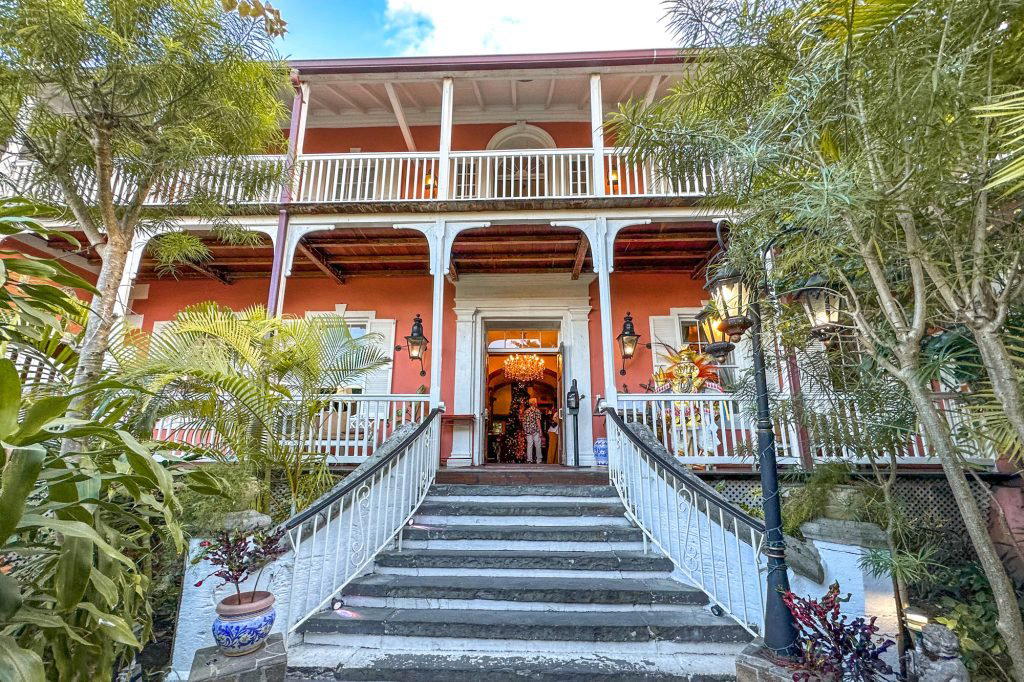
Polished coastal ambiance with refined yet relaxed lighting, intimate spaces, and soulful Bahamian charm.