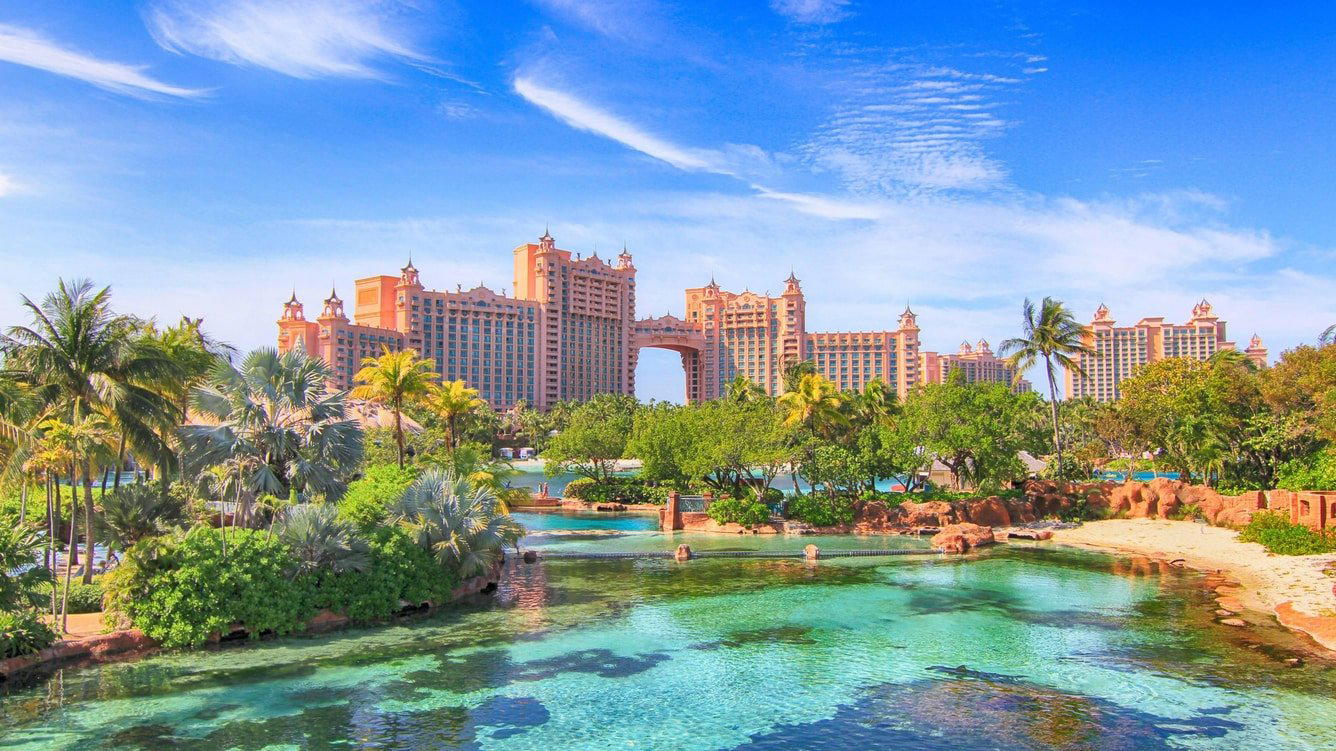
Atlantis Paradise Island sits on Nassau's Paradise Island as one of the Caribbean's largest resort complexes, built around an open-air marine habitat, multiple casino floors, and a dining programme that spans dozens of restaurants and bars. The scale places it in a different competitive tier from the smaller luxury properties across the Bahamian archipelago, trading intimacy for breadth of on-property programming.
Pearl is the En Primeur Club membership app — saves, bookings, and concierge access live there. Same editors, same standards.
- Address
- Paradise Island, Bahamas
- Phone
- +1 888 877 7525
- Website
- atlantisbahamas.com
- Directions
- Get directions
 Saves & bookings on Pearl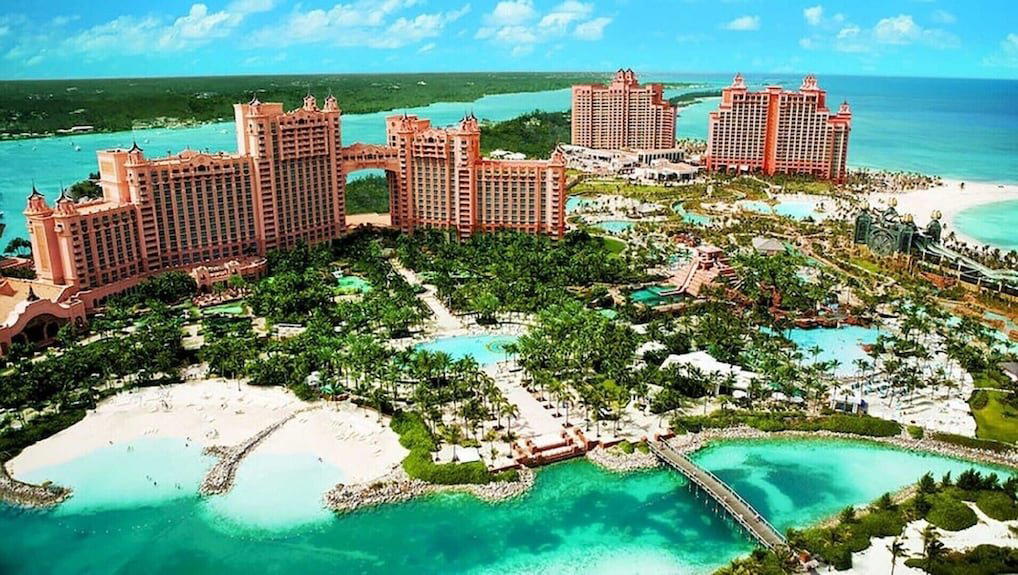
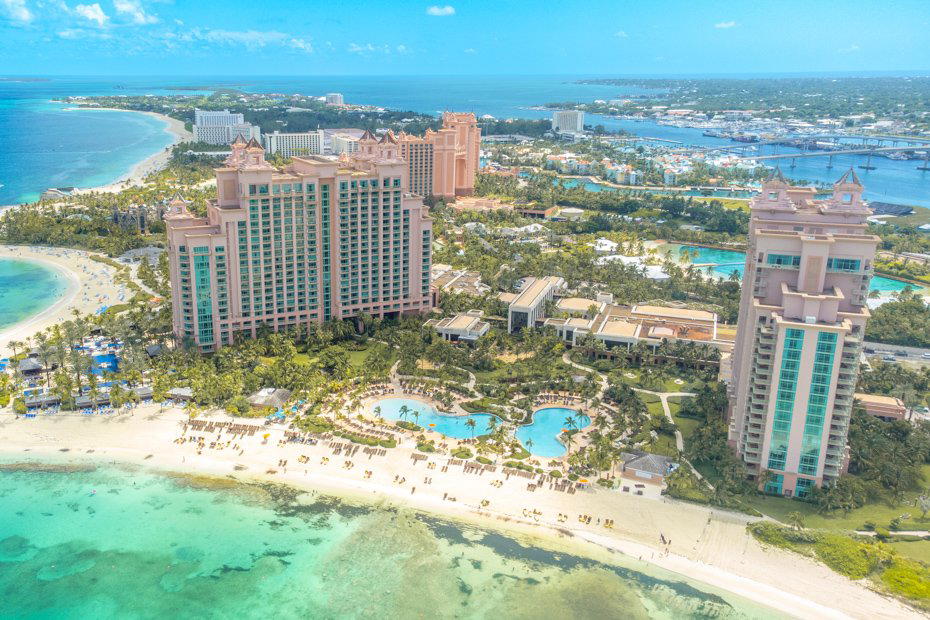
Atlantis Paradise Island is a 5-star hotel on Paradise Island, Bahamas. Atlantis Paradise Island is not simply a resort in the conventional sense: it is a self-contained destination that happens to occupy land connected to Nassau by bridge. Arriving from the Nassau side, the towers resolve against the sky well before the road climbs to meet them, and the scale of the property, the waterpark slides, the open-air aquarium corridors, the casino's neon border visible from the water at dusk, establishes a different category of Caribbean hospitality than anything else in the archipelago.
Where Atlantis Sits in the Bahamian Resort Picture
The Bahamas hotel market has fractured into two distinct groupings. On one side sit the smaller, design-led properties: places like Coral Sands in Harbour Island, Kamalame Cay in Staniard Creek, or Tiamo Resort in South Andros Island, where the value proposition rests on seclusion, limited keys, and proximity to a particular slice of Bahamian nature. On the other side sits Atlantis, whose value proposition is the inverse: more programming, more dining options, more entertainment formats, and a waterpark that draws families from across North America on a repeat-visit basis. The two camps do not compete directly. A guest choosing The Cove Eleuthera in Gregory Town or Caerula Mar Club in Driggs Hill is solving a different travel problem from a guest booking Atlantis.
Within the Nassau-Paradise Island corridor specifically, the comparison set is more direct. Grand Hyatt Baha Mar, Rosewood Baha Mar, and SLS Baha Mar represent a newer generation of large-footprint Nassau resort development, built on Cable Beach rather than Paradise Island. That geographical split matters: Atlantis holds the monopoly on its side of the bridge, while Baha Mar's three-hotel campus dominates Cable Beach. The two zones function almost as separate resort ecosystems, and guests rarely split time between them during a single trip.
The Dining Programme: Scale as a Proposition
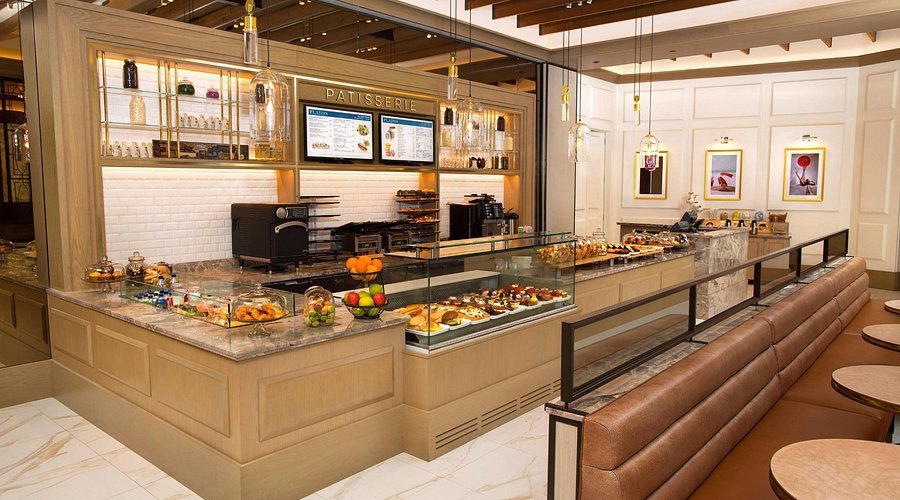
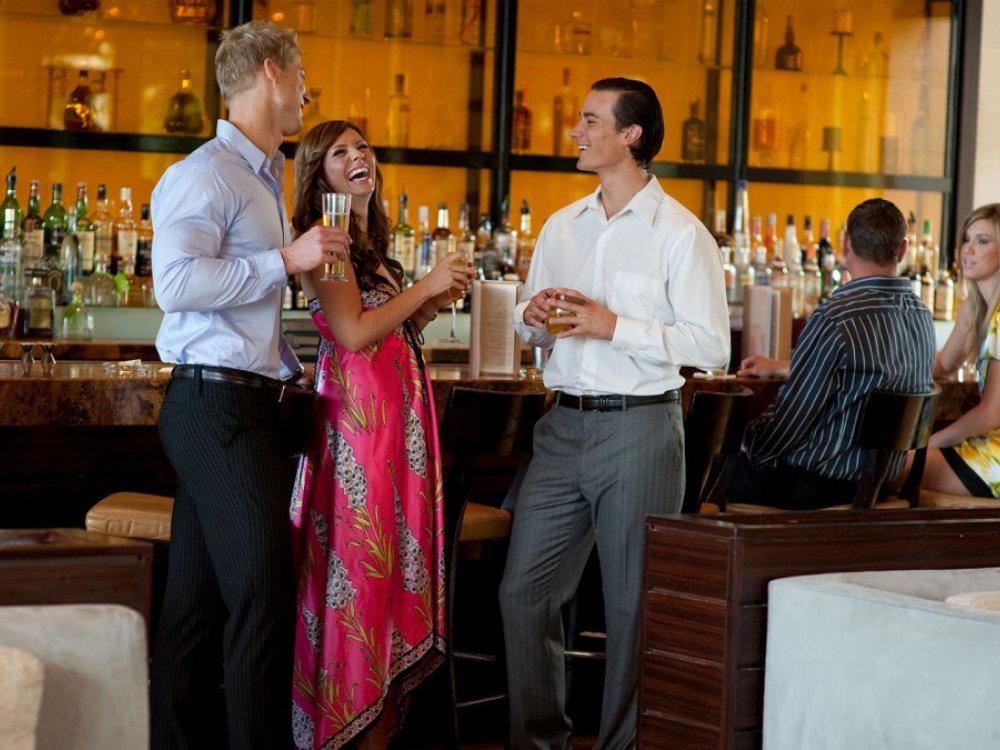
Large Caribbean resorts have generally struggled to build credible food-and-beverage programming. The model historically defaulted to volume: buffet halls and poolside grills designed to absorb thousands of guests per meal period without friction. Atlantis has taken a different structural approach, distributing its dining across multiple distinct restaurant concepts rather than consolidating into a handful of all-purpose outlets. The property houses dozens of food and beverage options across its towers and marina district, spanning casual beachside formats, a significant steakhouse, seafood-focused rooms, and several bars with programming identity rather than simply proximity to the casino floor.
That breadth is the clearest way Atlantis differentiates its food offering from the surrounding market. Graycliff Hotel in Nassau's colonial centre holds a different position: a smaller, wine-serious property where the dining room and its celebrated cellar are the primary reason to visit. Atlantis does not compete in that register. Its restaurants operate at a scale that requires volume throughput, and the guest profile skews toward families and group travellers rather than the wine-focused or tasting-menu-oriented visitor who gravitates to The Ocean Club, A Four Seasons Resort, Bahamas on the quieter end of Paradise Island.
The property's marina district has historically served as the area of the campus where dining formats with more independent identity are concentrated. The separation from the main hotel towers, physically and atmospherically, allows those outlets to function with a slightly different guest mix, drawing marina visitors and Paradise Island day-trippers alongside hotel guests. This internal zoning is a practical design that larger resorts in other markets, from Las Vegas to Dubai, have applied to avoid the dining becoming entirely internal and self-referential.
The Cove and Internal Differentiation
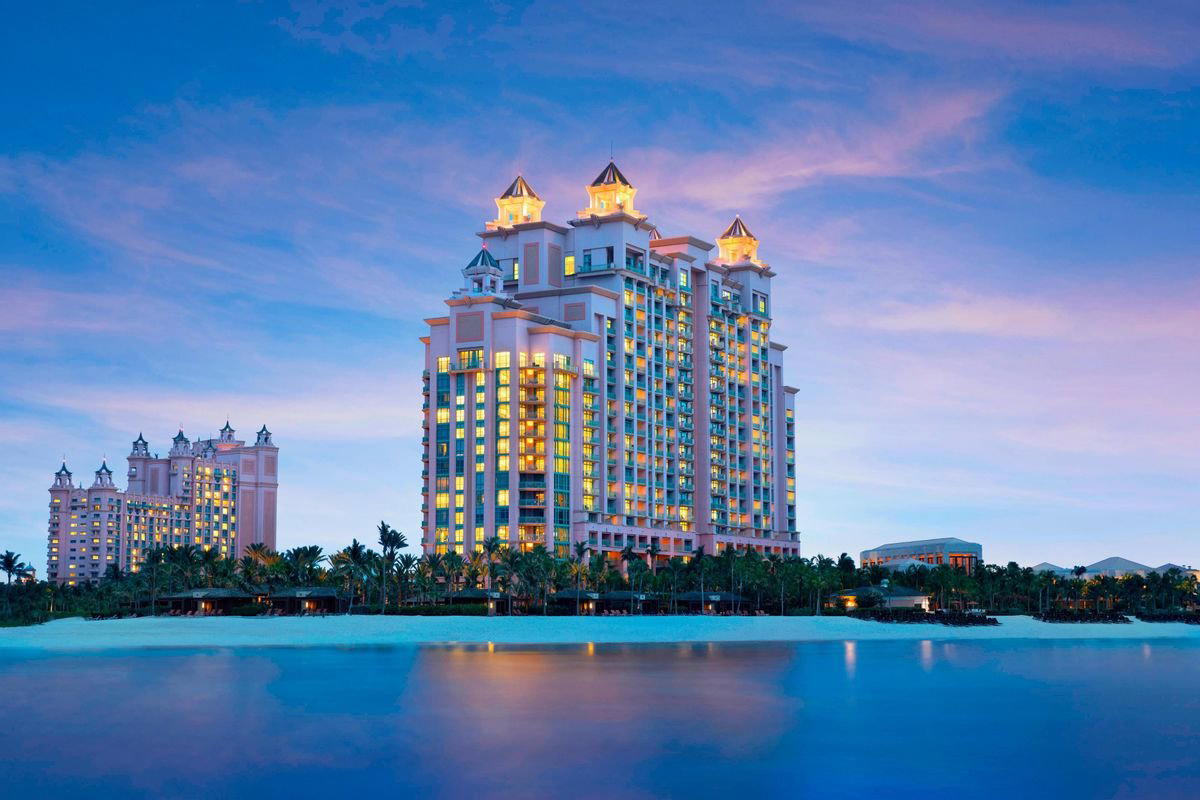
Atlantis long ago recognized that a single resort positioning could not satisfy the full spectrum of its guest base. The Cove at Atlantis operates as a distinct adults-oriented tower within the broader complex, with a separate pool environment and a more formal accommodation tier. This internal segmentation mirrors what integrated resorts elsewhere have done: build a premium layer on top of the main resort infrastructure, sharing amenities while maintaining a separate guest experience. The model allows the property to compete with quieter adult retreats like Goldwynn Resort and Residences for certain guests while retaining the family resort identity at its core. Harborside Resort at Atlantis Paradise Island adds a further accommodation layer with villa-style units, extending the options available to longer-stay guests and families who prioritize kitchen facilities over hotel services.
The Marine Habitat as Differentiating Infrastructure
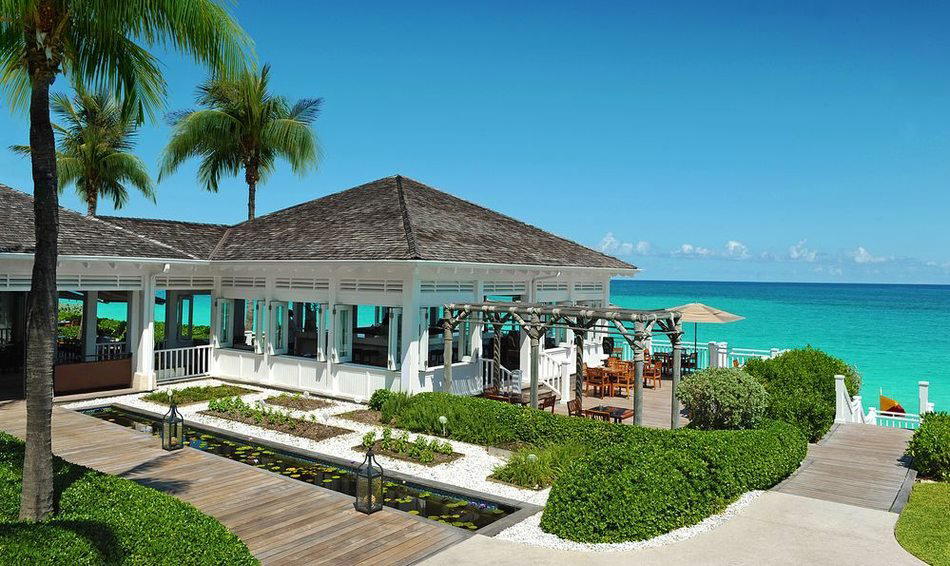
Caribbean resort differentiation has historically leaned on beach quality and water access. Atlantis built a third category: an open-air marine habitat that functions as both an aquarium and a design element woven through the resort's corridors and public spaces. The Dig, set beneath the casino and hotel infrastructure, presents shark, ray, and reef fish populations in lagoon systems visible from underwater viewing tunnels. This is not aquarium-scale programming in the theme park sense. It is an integrated environmental element that shapes how guests move through the resort, and it is the feature that most clearly separates Atlantis from any comparable property in the Bahamas or the wider Caribbean.
Planning Considerations
The Bahamas' peak travel window runs from mid-December through April, when North American winter demand drives both occupancy and pricing to their highest points. Atlantis operates at high capacity during this period, and the scale of the property means that pool and beach environments can feel crowded in ways that the smaller out-island properties in the archipelago simply do not. Guests who want the Atlantis programming but prefer a slightly quieter atmosphere have historically found the shoulder periods of late spring and early fall more manageable, though hurricane season runs from June through November and carries weather risk from August onward. Visitors seeking a different scale of Nassau-area luxury during peak season should also consider Breezes Resort Bahamas All Inclusive for the all-inclusive format, or look at the Cable Beach cluster if staying closer to Nassau's downtown is a priority. For broader context on what Nassau and Paradise Island offer across accommodation categories, our full Nassau restaurants and hotels guide maps the market in detail. Travellers comparing large-footprint luxury resort complexes beyond the Bahamas may find useful points of reference at Amangiri in Canyon Point or Badrutt's Palace Hotel in St. Moritz for how integrated resort destinations operate at comparable scale in different environments. Those drawn to the urban end of the integrated luxury spectrum might look at Aman New York, The Fifth Avenue Hotel in New York City, or Bvlgari Hotel Tokyo to understand how the luxury resort model diverges when density and programming replace beach and marine access as the primary offering. Aman Venice and Albany in New Providence further illustrate how the private-membership and boutique-estate formats set a different register from volume-oriented resorts like Atlantis, for readers calibrating which end of the luxury hospitality spectrum suits their next trip. For those interested in smaller-island Bahamian retreats, Coral Sands Inn and Cottages, Harbour Island in Dunmore Town and Pelican Bay Hotel in Freeport represent the kind of low-key, independent properties that exist entirely outside the Atlantis comparison set and are worth understanding as alternatives rather than competitors. The Potlatch Club Boutique Hotel in Eleuthera belongs to that same quieter niche, oriented around Eleuthera's more stripped-back character.
A Pricing-First Comparison
Comparable venues nearby, for context on price, style, and recognition.
| Venue | Price | Awards | Notes |
|---|---|---|---|
| Atlantis Paradise Island BahamasThis venue — the venue you are viewing | $$$$ | 5-Star | Not listed |
| The Ocean Club, A Four Seasons Resort, Bahamas | $$$$ | 5-Star | Paradise Island, Low-rise beachfront oasis with Versailles-inspired gardens and contemporary Bahamian chic. |
| Goldwynn Resort & Residences | $$$$ | 5-Star | Cable Beach, Luxury oceanfront resort with spacious suites and attentive service evoking grand seaside elegance. |
| The Island House | $$$$ | 4-Star | West Nassau, Boutique resort merging contemporary luxury with island tranquility on a private estate. |
| Tiamo Resort | $$$$ | 5-Star | Driggs Hill, Sustainable eco-luxury resort with traditional Caribbean cottages polished on stilts amid tropical vegetation. |
| The Royal at Atlantis | $$$$ | 5-Star | Paradise Island, Luxury oceanfront resort with ornate details and contemporary design; recently renovated with Bahamian-inspired aesthetics and modern amenities. |
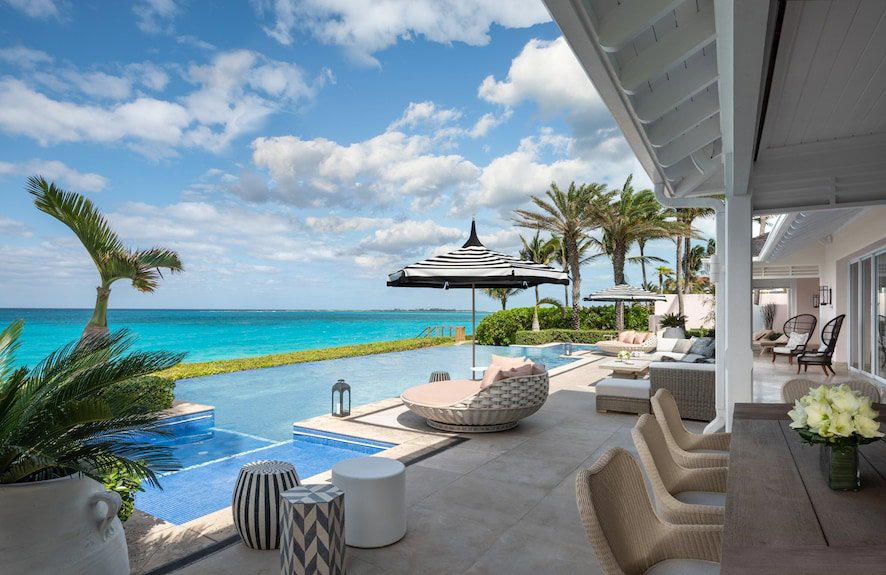
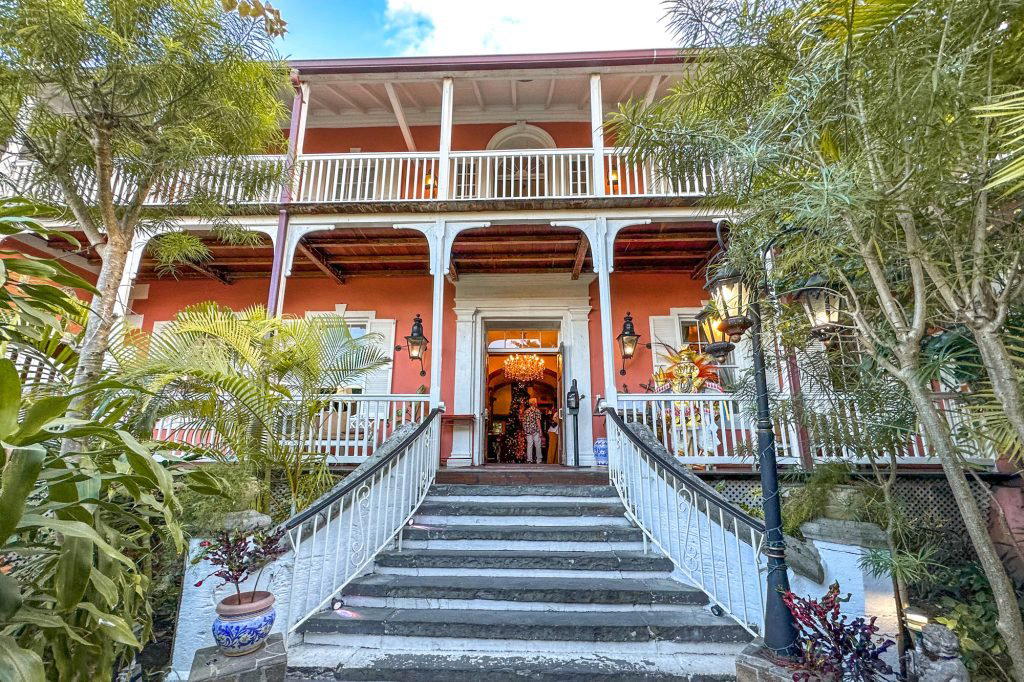
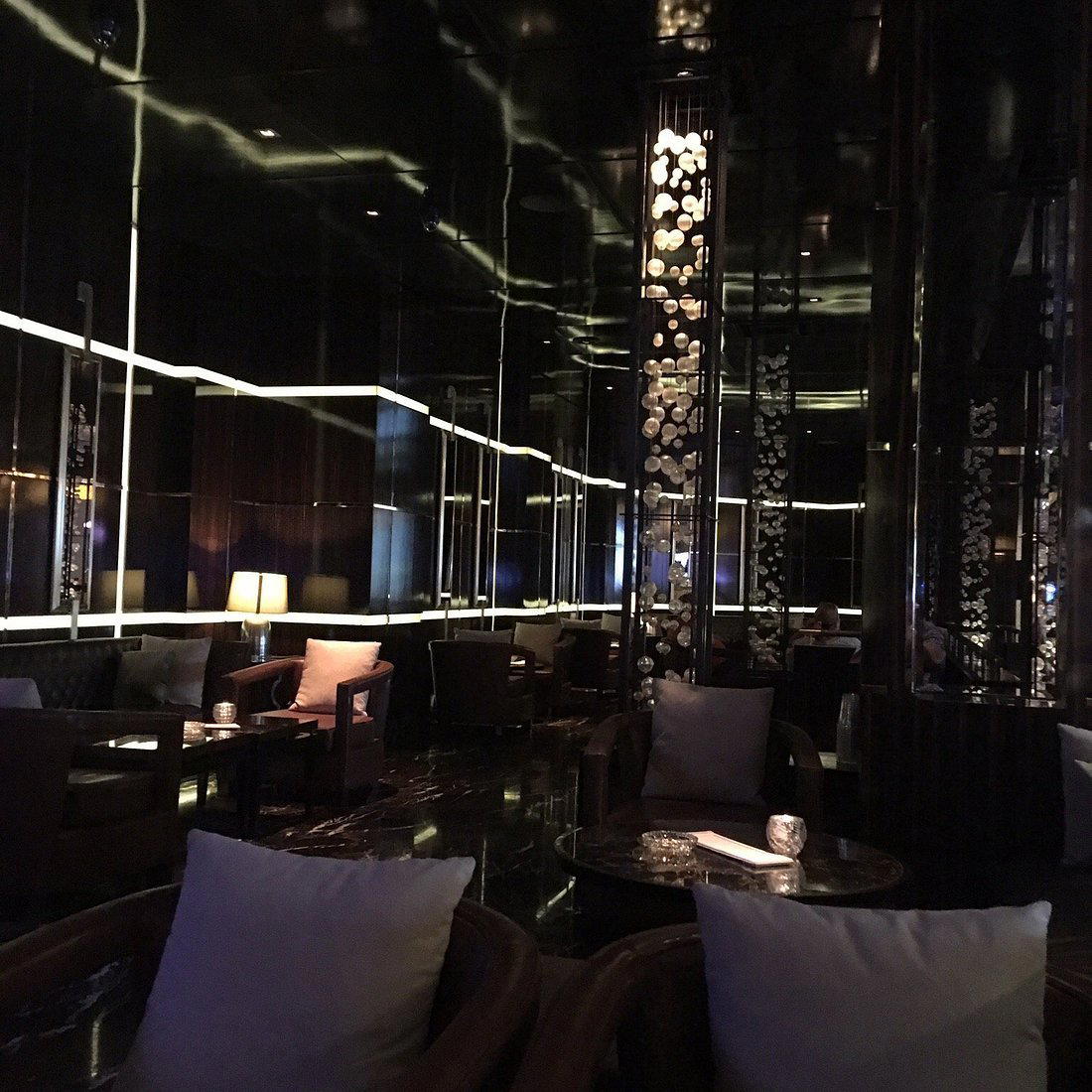
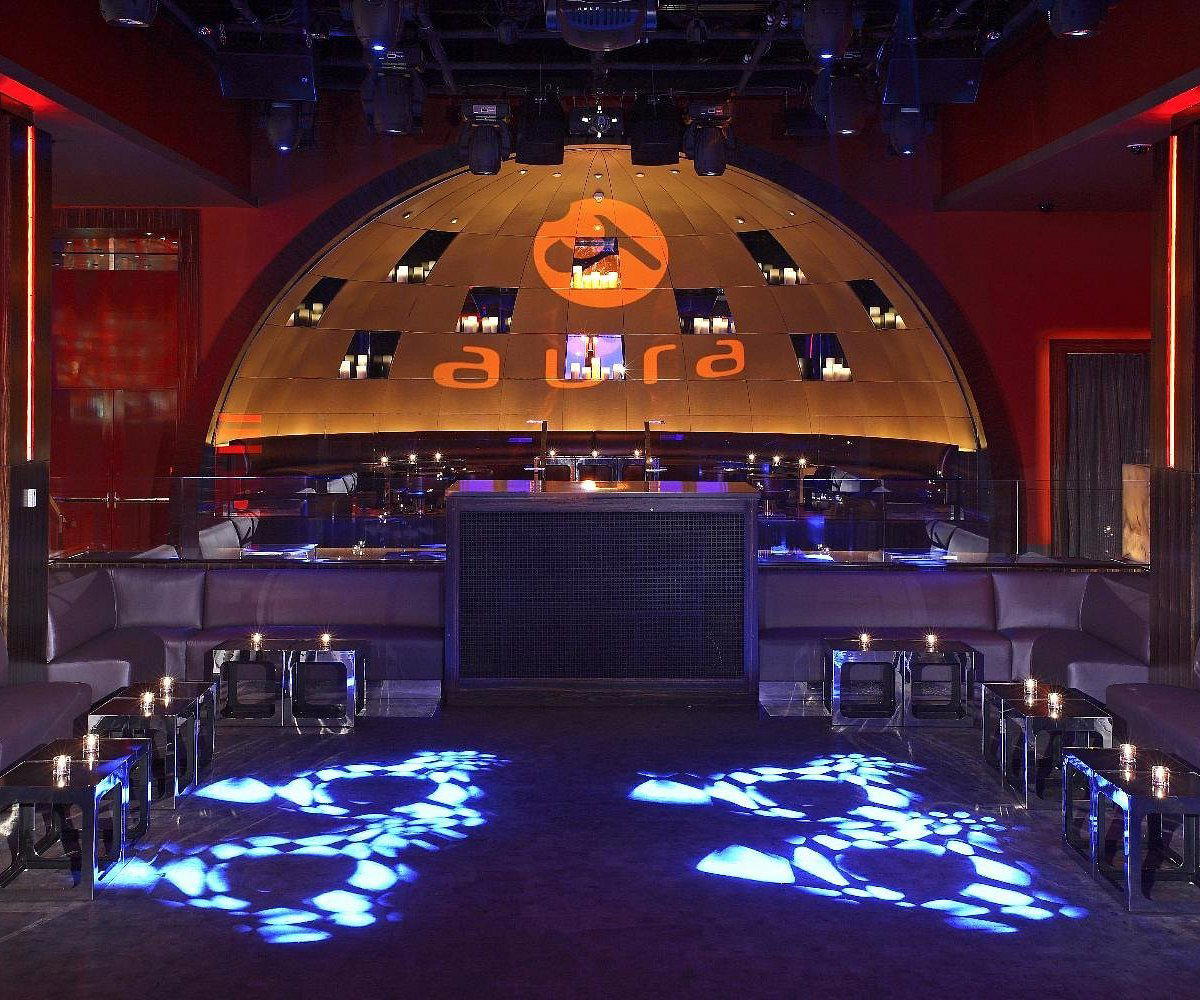
At a Glance
- Lively
- Well Known
- Ornate
- Energetic
- Family Vacation
- Honeymoon
- Celebration
- Beachfront
- Infinity Pool
- Rooftop Pool
- Destination Spa
- Golf Course
- Pool
- Spa
- Kids Club
- Beach Access
- Golf Course
- Concierge
- Room Service
- Waterfront
- Pool
- Spa
- Kids Club
- Beach Access
- Golf Course
- Concierge
- Room Service
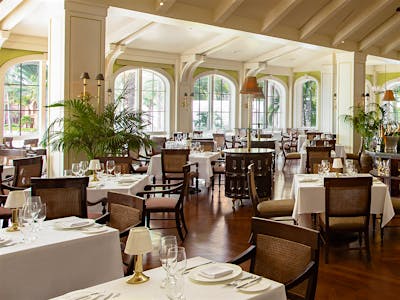
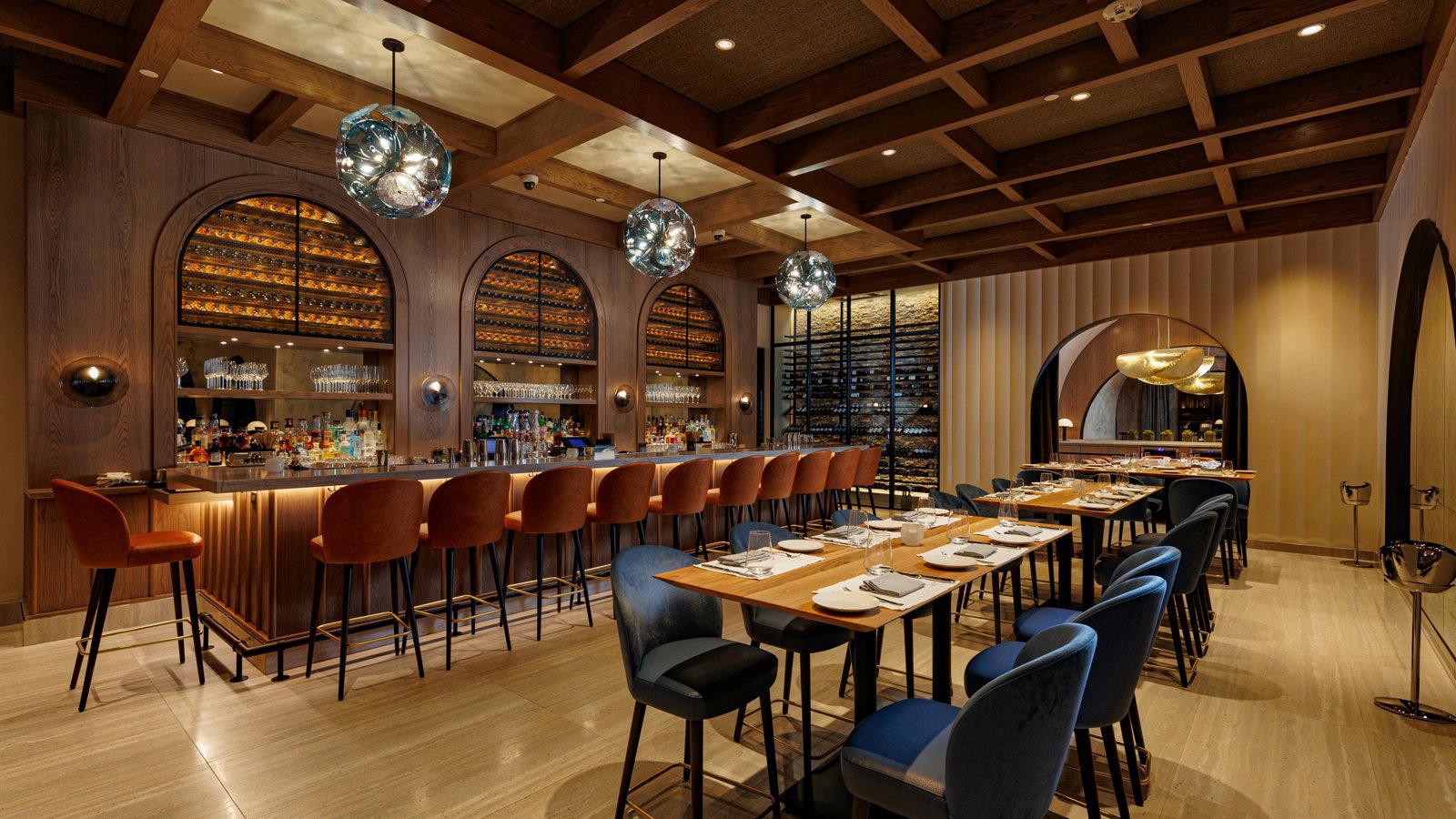
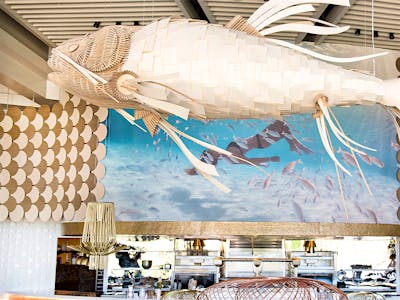
Grand and ornate with twelve-foot ceilings, gold gilt, glass sculptures, hand-painted details, and lively casino energy.