Jujube
Our verdict
Jujube sits on Raleigh Road in Chapel Hill, occupying a position in the town's dining scene that rewards attention to sourcing and seasonal kitchen discipline. In a university town where the dining tier can feel compressed, Jujube represents a kitchen with evident ambition. It belongs on the shortlist when Chapel Hill's more considered cooking is the goal.

Pearl is the En Primeur Club membership app — saves, bookings, and concierge access live there. Same editors, same standards.
- Address
- 1201 Raleigh Rd L, Chapel Hill, NC 27517
- Phone
- (919) 960-0555
- Hours
- Mon–Thu 11 AM–2 PM, 4:30–9 PMFri 11 AM–2 PM, 4–9 PMSat 4–9 PMSun Closed
- Website
- jujuberestaurant.com
- Directions
- Get directions
- Booking
- Book on OpenTable
The menu
What to order
- Crab & Shrimp Cakes over Green Curry
- Jujube Bolognese
- Beef Shortrib Wontons
- Calamari
- Wontons
Where Chapel Hill Takes Its Sourcing Seriously
Raleigh Road runs east from the University of North Carolina campus toward the suburban edge of Chapel Hill, and the stretch around 1201 has gradually accumulated the kind of commercial density that draws destination diners rather than casual foot traffic. Arriving at Jujube, the setting is deliberate: this is not a walk-in-on-a-whim address but a room that signals intent before you sit down. Chapel Hill's dining character has long been shaped by its academic population and a recurring tension between the transient student economy and a more rooted local appetite for serious food. Jujube belongs to the latter current.
In smaller American cities with a strong university identity, the restaurants that endure tend to do so by anchoring themselves to regional supply rather than chasing national format trends. The Research Triangle, which connects Chapel Hill, Durham, and Raleigh into one of the American South's most food-literate metro areas, has given rise to a culture of sourcing awareness that predates the farm-to-table framing that later became a marketing cliché elsewhere. North Carolina's agricultural diversity, from its Piedmont vegetable farms to its coastal seafood corridors, gives kitchens in this corridor genuine access to ingredients that reward seasonal discipline. That context shapes what a restaurant like Jujube is positioned to do.
The Sourcing Argument in a Southern College Town
Ingredient sourcing in the Research Triangle has real infrastructure behind it. The Carrboro Farmers Market, one of the most consistently stocked in the region, runs year-round and has shaped local chef culture for decades, creating a supply relationship between producers and kitchens that holds even when commodity prices fluctuate. In that context, a restaurant operating on Raleigh Road with apparent seriousness is drawing on a deep regional bench: sweet potato and allium varieties from the Piedmont plateau, heritage pork from producers who have supplied Triangle kitchens long enough to calibrate breeds to kitchen needs, and coastal catch from the North Carolina coast, which runs from the Outer Banks south to Cape Fear.
The jujube itself, the date-like fruit from which the restaurant takes its name, is a useful signal about register. It is an ingredient with roots across both East and Southeast Asian culinary traditions, used medicinally and culinarily in ways that rarely appear on menus pitched at casual diners. Naming a restaurant after it implies a kitchen literacy that goes beyond the expected American regional menu, suggesting cross-cultural sourcing logic alongside local agricultural ties. How precisely that plays out across Jujube's menu sits outside what can be confirmed here from verified data, but the positioning is legible from the name alone.
For comparison within the broader American fine-dining conversation, the sourcing-led model that defines properties like Blue Hill at Stone Barns in Tarrytown or Single Thread Farm in Healdsburg operates at a capital and land-access scale unavailable to most regional restaurants. What Chapel Hill kitchens can access is something different: a dense network of small producers within a day's drive, seasonal seafood with short supply chains, and a local dining culture educated enough to recognize when that sourcing is done honestly.
Reading the Room: Chapel Hill's Dining Tier
Chapel Hill sits in an unusual position for a city of its size. The presence of UNC and the proximity to the broader Triangle corridor means it draws diners with expectations shaped by exposure to considerably larger food cities. That audience has kept a handful of independent restaurants operating at a level above what the local population alone might sustain. Lantern, the Chinese-inflected restaurant a few miles away, has held that upper tier for years, demonstrating that Chapel Hill can support a kitchen with genuine point of view and regional supply discipline.
Within Chapel Hill's more accessible dining range, Al's Burger Shack and Bombolo represent the casual end, while Bin 54 Steak & Cellar operates at the steakhouse tier where wine program and dry-aging credentials carry the conversation. Coco Bistro and 411 West fill the middle register. Jujube occupies a position that sits above casual without requiring the occasion-dining formality that pushes some diners toward Durham for their higher-spend evenings. That positioning, ambitious without being inaccessible, is exactly where sourcing-led kitchens tend to find their most loyal audiences.
For readers whose frame of reference runs to Le Bernardin in New York City, Alinea in Chicago, or The French Laundry in Napa, Jujube is not competing in that register. It is doing something more locally specific and arguably harder to replicate: serving a university community and its faculty, a commuting professional class from the broader Triangle, and visiting academics with a kitchen that takes its supply chain seriously in a market where it would be commercially easier not to. That kind of regional commitment, found also at places like Lazy Bear in San Francisco, Providence in Los Angeles, Atomix in New York City, Emeril's in New Orleans, Addison in San Diego, The Inn at Little Washington, and 8 1/2 Otto e Mezzo Bombana in Hong Kong in very different ways, is the metric by which to evaluate Jujube.
Planning Your Visit
Jujube is located at 1201 Raleigh Road, in a stretch that is more easily reached by car than on foot from central Chapel Hill. For visitors coming in from Durham or Raleigh along the I-40 corridor, the address is a reasonable first stop before moving into town. Given the restaurant's positioning in the upper-middle of Chapel Hill's dining tier, reservations in advance are the safer approach, particularly for Thursday through Saturday evenings when the Research Triangle's professional and academic crowd fills the better rooms. The full Chapel Hill restaurants guide provides broader context for building a visit around Jujube or comparing it against the town's other options across price points and cuisines.
Frequently asked questions
Can I bring kids to Jujube?
Nothing in Jujube's setup at 1201 Raleigh Road signals an adults-only policy, and Chapel Hill's dining culture, anchored partly by a university community, tends toward inclusivity across age groups. That said, the restaurant's sourcing-driven approach and college-town positioning suggest a mid-tier sit-down format rather than a casual family diner. Calling ahead to confirm seating and timing is the practical move, particularly for younger children.
What should I expect atmosphere-wise at Jujube?
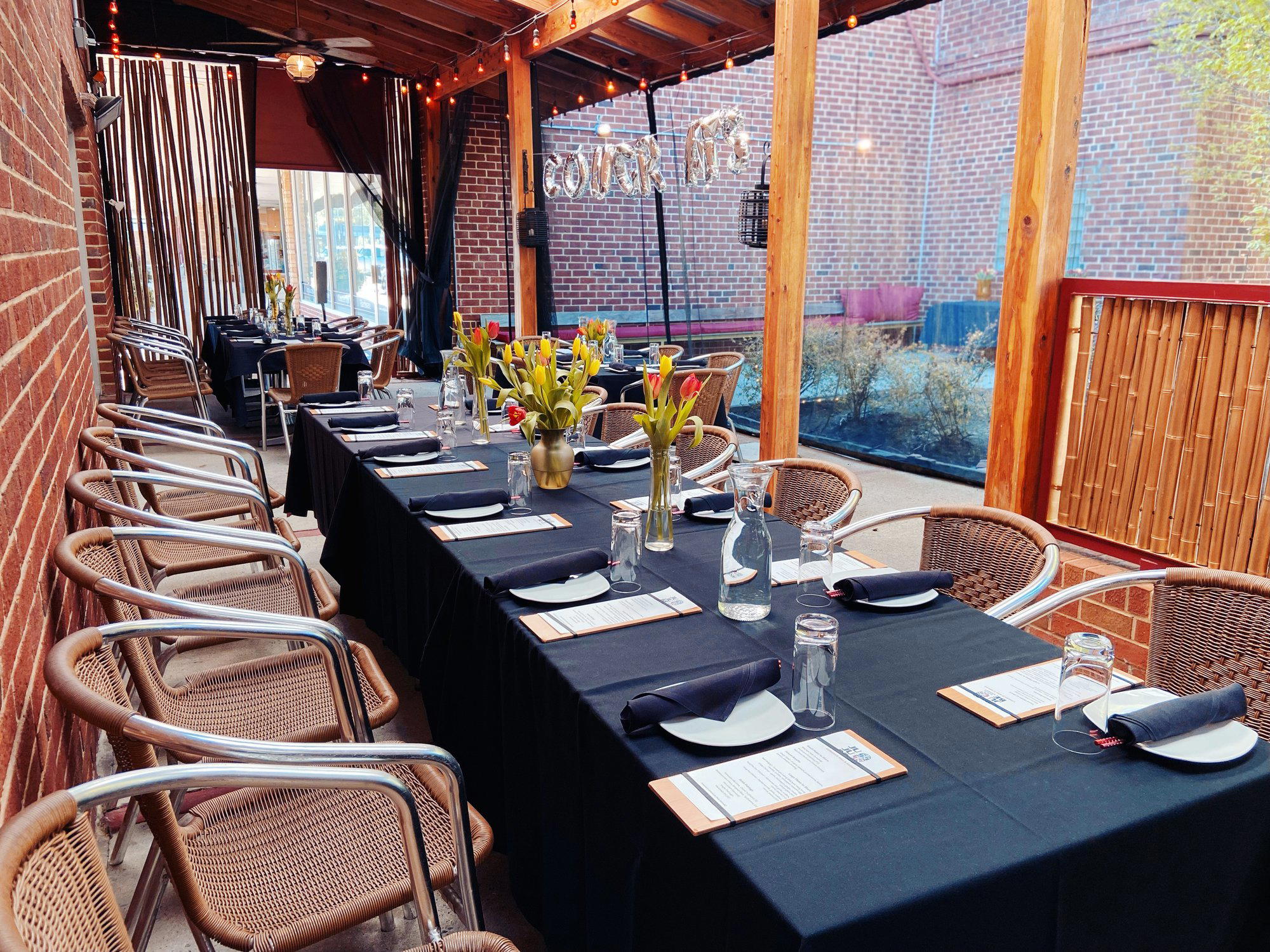
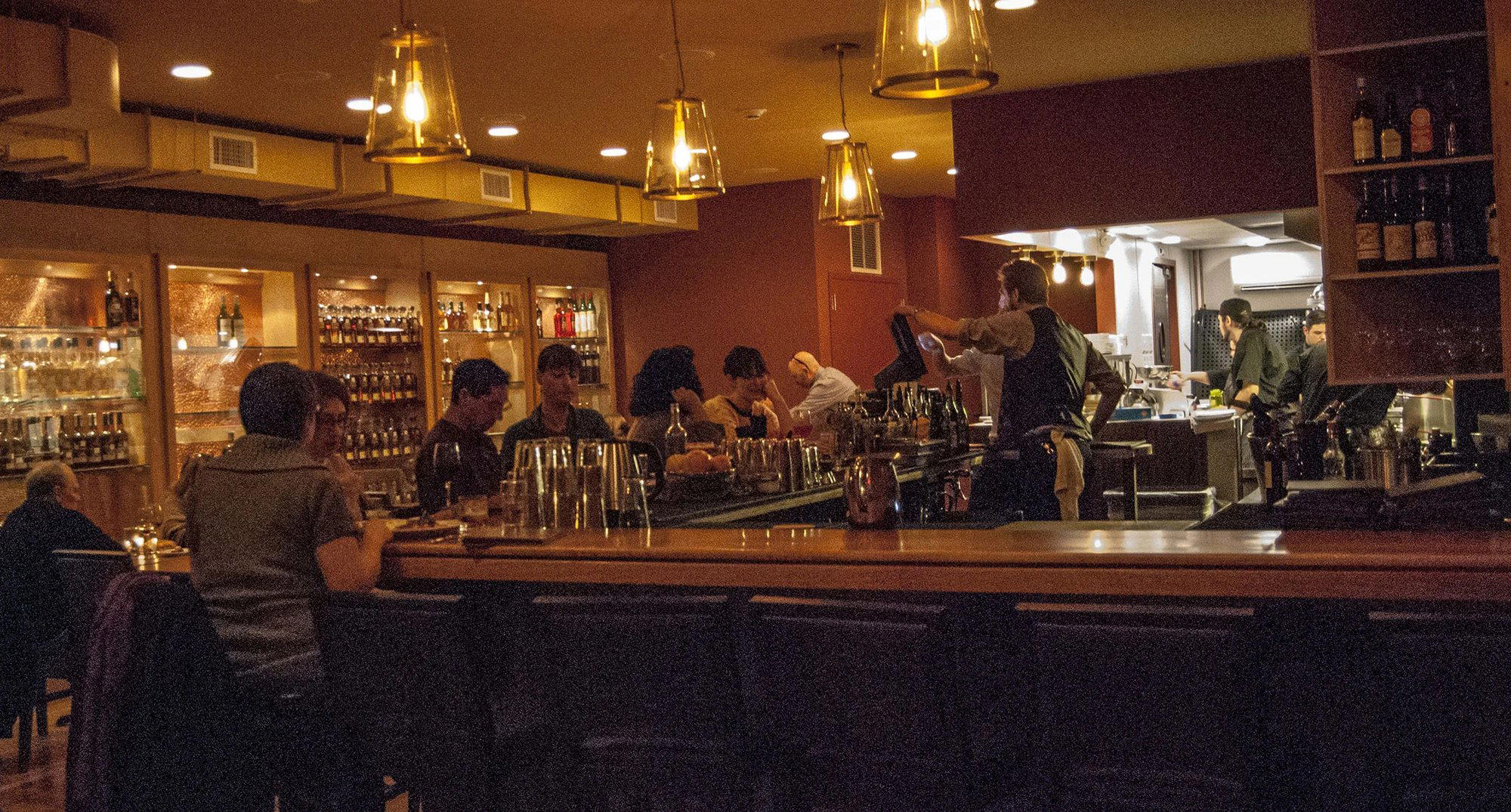
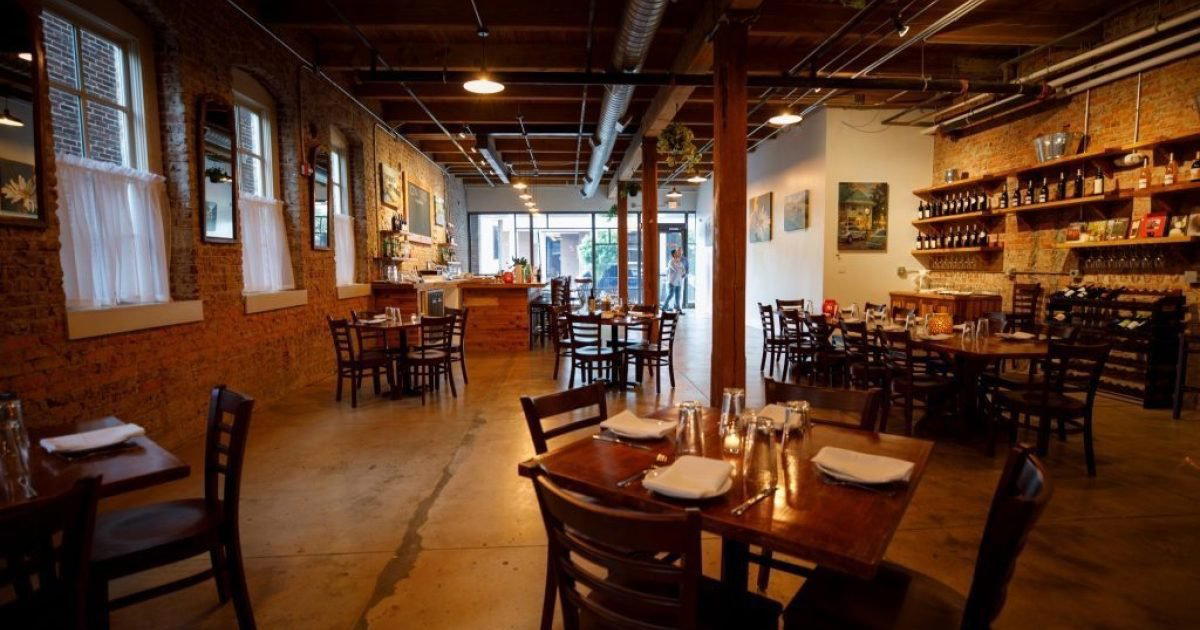
Jujube sits on Raleigh Road in a stretch that reads suburban rather than downtown, which typically means a room designed for comfort over spectacle. Chapel Hill restaurants at this address tier generally run toward relaxed but considered — think deliberate décor without the performative edge of a destination tasting room. The sourcing focus that runs through Jujube's identity tends to translate into spaces that foreground the food rather than the setting.
How does Jujube fit into the Chapel Hill dining scene compared to broader Research Triangle options?
Chapel Hill occupies a distinct niche in the Triangle: smaller than Raleigh or Durham but with a dining public shaped by UNC's faculty, graduate community, and visiting academic circuits. Jujube at 1201 Raleigh Road sits within that ecosystem, where a sourcing-driven kitchen can draw on the same Carrboro-area farm network that supplies some of the Triangle's more recognized restaurants. For visitors based in Durham or Raleigh, the 20-to-30-minute drive puts Jujube in range as a deliberate destination rather than a convenience stop.
What's the signature dish at Jujube?
What is clear from Jujube's positioning in Chapel Hill is that the kitchen leans on the Research Triangle's farm infrastructure, including the Carrboro Farmers Market, which means the strongest plates are likely those built around seasonal, locally sourced ingredients rather than year-round fixed signatures.
Where is Jujube located?
Jujube is located at 1201 Raleigh Rd L, Chapel Hill, NC 27517, Chapel Hill.
Should I book Jujube in advance?
Chapel Hill's dining tier punches above its city-size weight, partly due to UNC's presence and the broader Triangle corridor drawing a well-travelled dining public. Restaurants at this sourcing-focused tier in that market tend to fill mid-week as well as weekends. A reservation before arrival is the sensible approach, particularly for groups or weekend evenings.
What's Jujube best at?
Jujube's clearest identity is ingredient sourcing in a Southern college town that has genuine farm infrastructure to support it. The Carrboro Farmers Market, one of the most consistently stocked producers' markets in North Carolina, sits in the same corridor, and Jujube's positioning along Raleigh Road places it squarely inside that supply network. That grounding in local agriculture is what separates it from the generic Triangle dining middle ground.
At-a-Glance Comparison
Comparable venues nearby, for context on price, style, and recognition.
| Venue | Cuisine | Price | Awards | Notes |
|---|---|---|---|---|
| JujubeThis venue — the venue you are viewing | Elevated Asian Fusion | $50–100 | Not listed | Not listed |
| Lantern | Modern Asian Fusion | $50–100 | James Beard Award Best Chefs | Downtown Chapel Hill |
| Bin 54 Steak & Cellar | Contemporary Steakhouse | $50–100 | Star Wine List · Wine Spectator Best of Award of Excellence | Glen Lennox |
| Squid's | Classic Seafood and Oyster Bar | $20–30 | Not listed | University area |
| Il Palio | Rustic Regional Italian | $50–100 | Not listed | Downtown Chapel Hill |
| Coco Bistro | Plant-Based Bistro | $20–30 | Not listed | Glen Lennox |
Continue exploring
More in Chapel Hill
Restaurants in Chapel Hill
Browse all →
Bars in Chapel Hill
Browse all →

Details
- Modern
- Cozy
- Whimsical
- Sophisticated
- Date Night
- Group Dining
- Casual Hangout
- Private Event
- Terrace
- Private Dining
- Standalone
- Craft Cocktails
- Sake Program
- Beer Program
- Extensive Wine List
- A La Carte
- Wine
- Sake
- Craft Beer
- Creative Cocktails
- Vegetarian Friendly
- Vegan Options
- Gluten Free Options
Current opening hours
- Monday
- 11 AM–2 PM, 4:30–9 PM
- Tuesday
- 11 AM–2 PM, 4:30–9 PM
- Wednesday
- 11 AM–2 PM, 4:30–9 PM
- Thursday
- 11 AM–2 PM, 4:30–9 PM
- Friday
- 11 AM–2 PM, 4–9 PM
- Saturday
- 4–9 PM
- Sunday
- Closed
Hours can change for holidays and private events. Last verified .
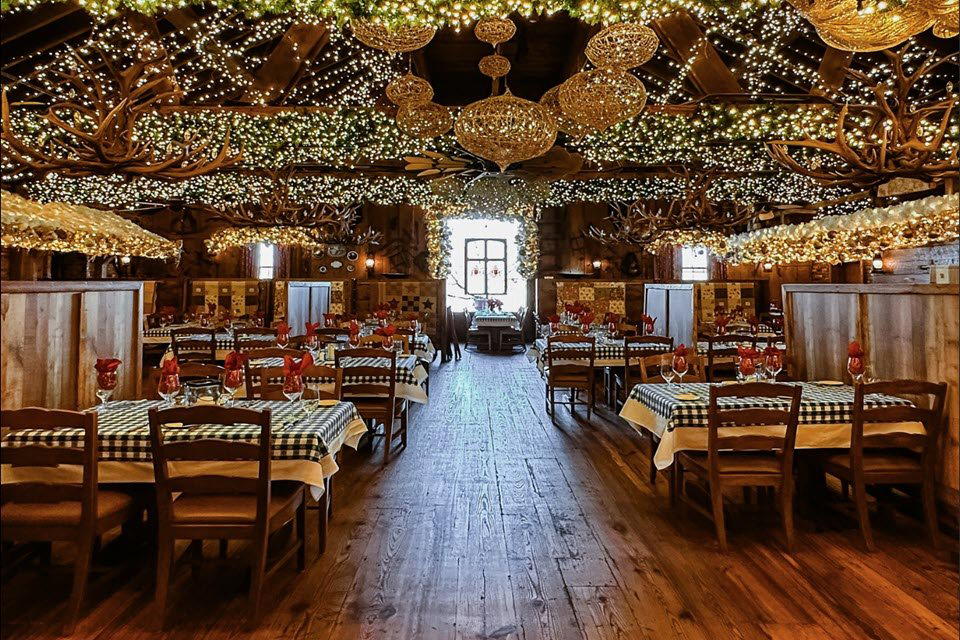
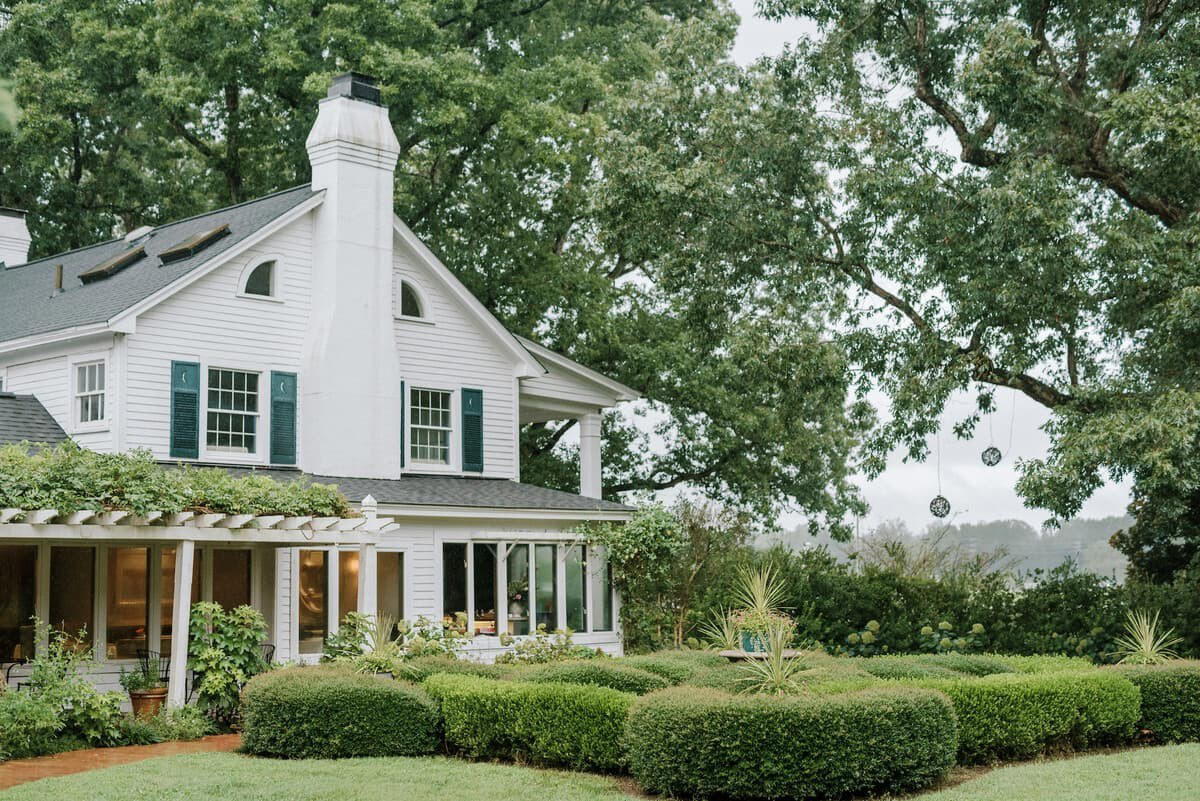
Asian-themed decor with soft lantern lighting creates a warm, social, harmonious atmosphere; the venue also offers al fresco dining on a screened patio in warmer months.