juju



Michelin Bib Gourmand
Our verdict
Among Copenhagen's tightly packed dining options, juju sits apart from the city's New Nordic orthodoxy, applying contemporary Korean technique to a neighbourhood restaurant format on Øster Farimagsgade. A Michelin Bib Gourmand recipient and three-time Opinionated About Dining Casual Europe listee, it offers one of the city's more considered approaches to Korean food at a price point that undercuts nearly every comparable kitchen in the Danish capital.

Pearl is the En Primeur Club membership app, where members save venues, book tables and use the concierge.
The menu
What to order
- Korean Fried Chicken Sandwich
- Fried Chicken Wings
Korean Contemporary in a City Built on Nordic Restraint
Copenhagen's restaurant conversation tends to begin and end with New Nordic. Geranium, Noma, and Alchemist have set the city's international identity so firmly that restaurants working outside that framework sometimes receive less attention than their quality warrants. juju, on a quiet residential stretch of Øster Farimagsgade in the Østerbro district, operates in exactly that space: a Korean contemporary kitchen running on a single-euro-sign price point in a city where the flagship tasting-menu tier routinely starts at four. The substance of what happens in the kitchen makes it worth understanding on its own terms.
Contemporary Korean cooking, the kind practised at Atomix in New York City, has developed a coherent international identity over the past decade, one that treats fermentation, contrast of texture, and layered umami as structural principles rather than flavour accents. juju sits within that tradition while grounding it in Copenhagen's access to Nordic produce and the habits of a neighbourhood dining room rather than a destination tasting-menu counter.
The Room and the Format
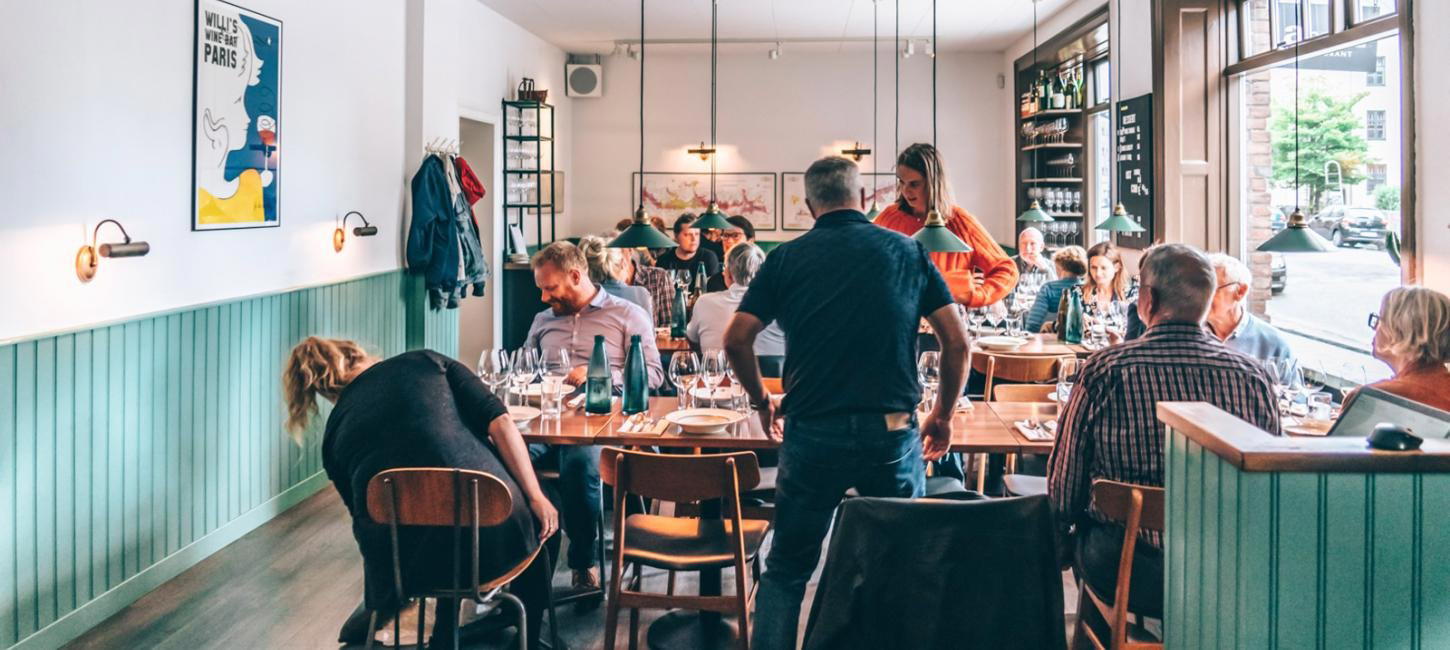
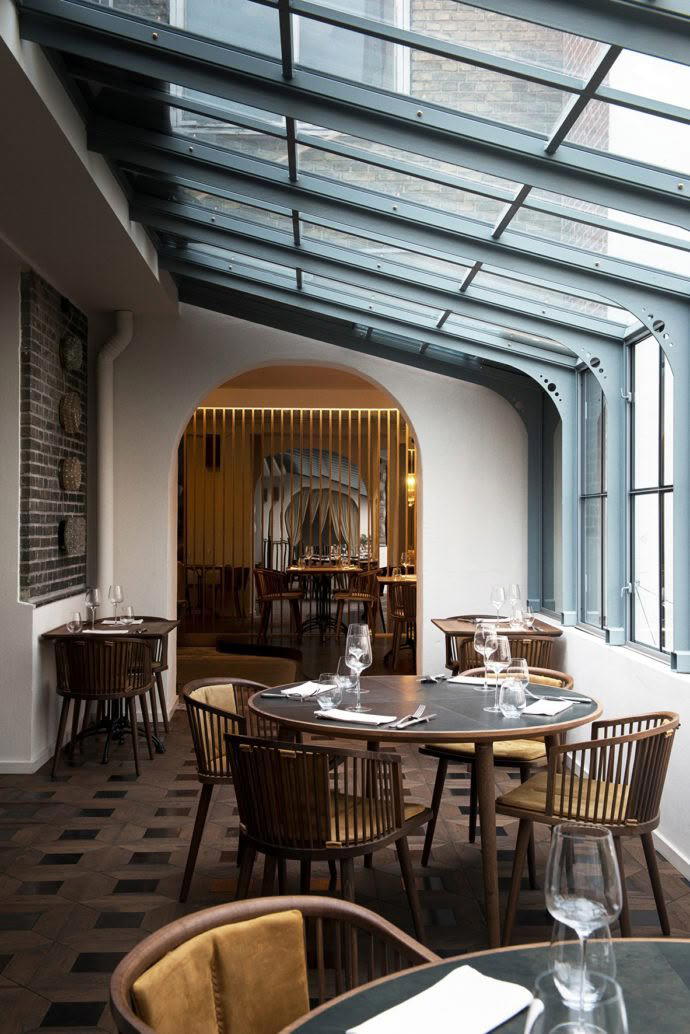
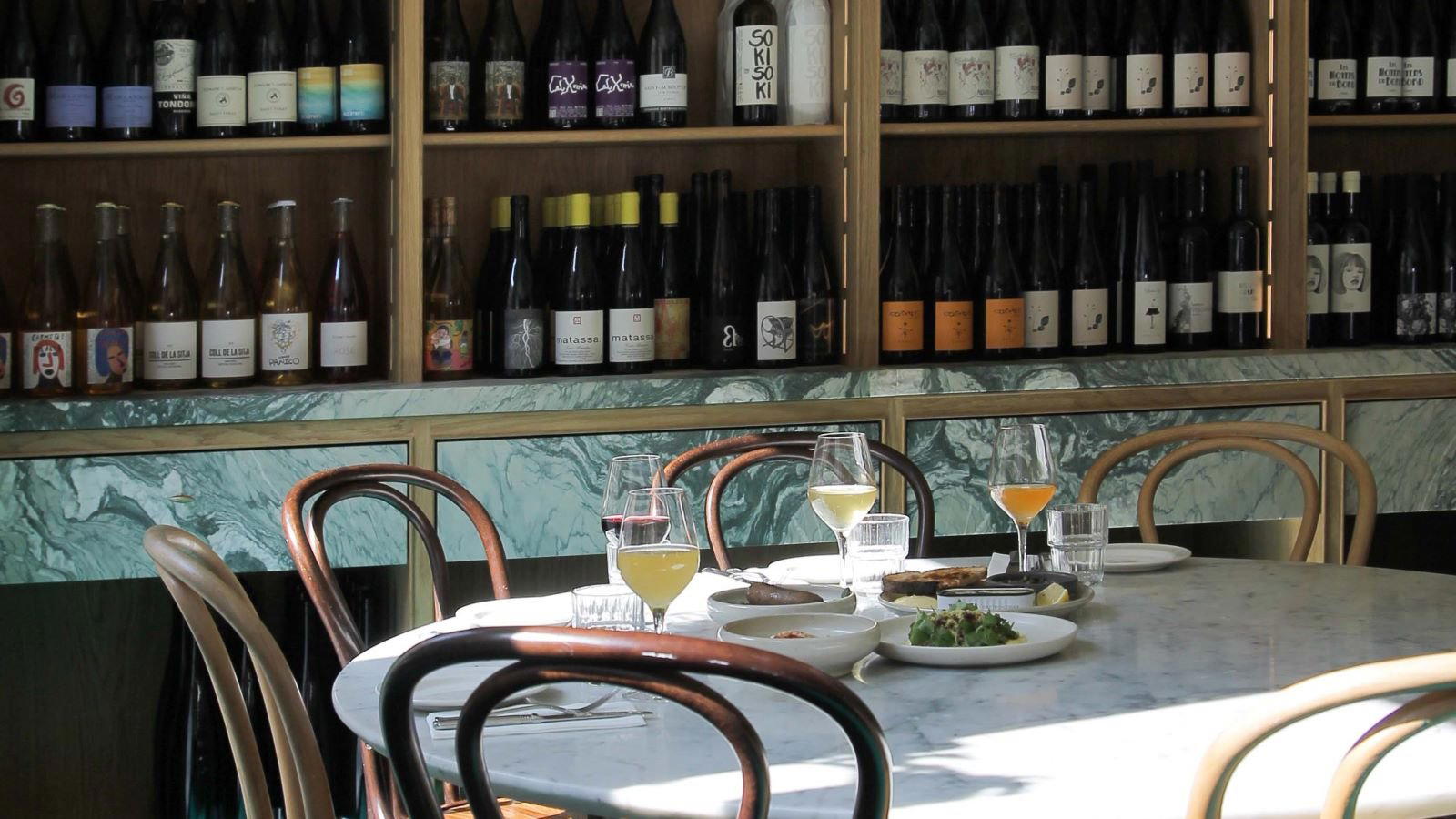
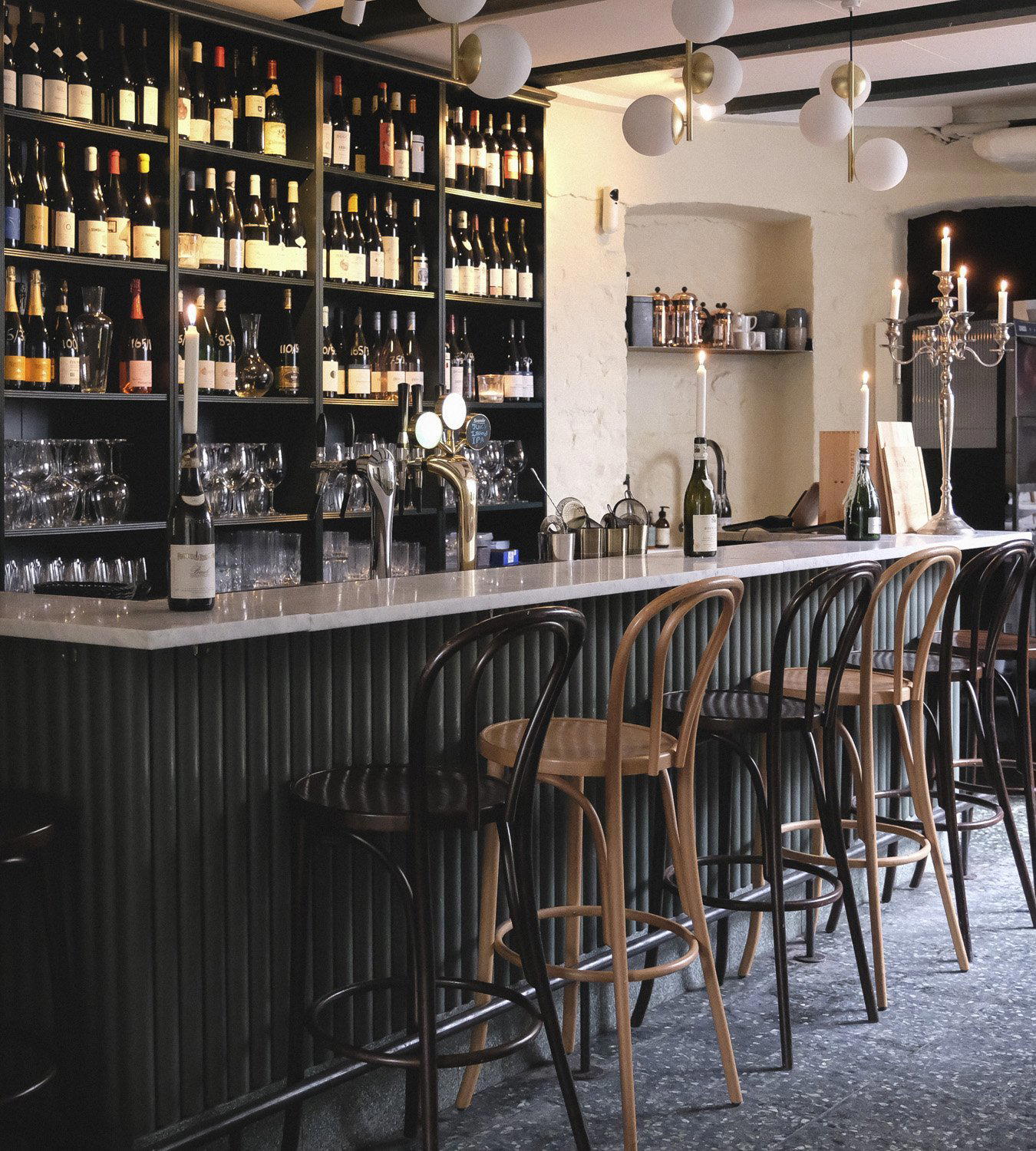
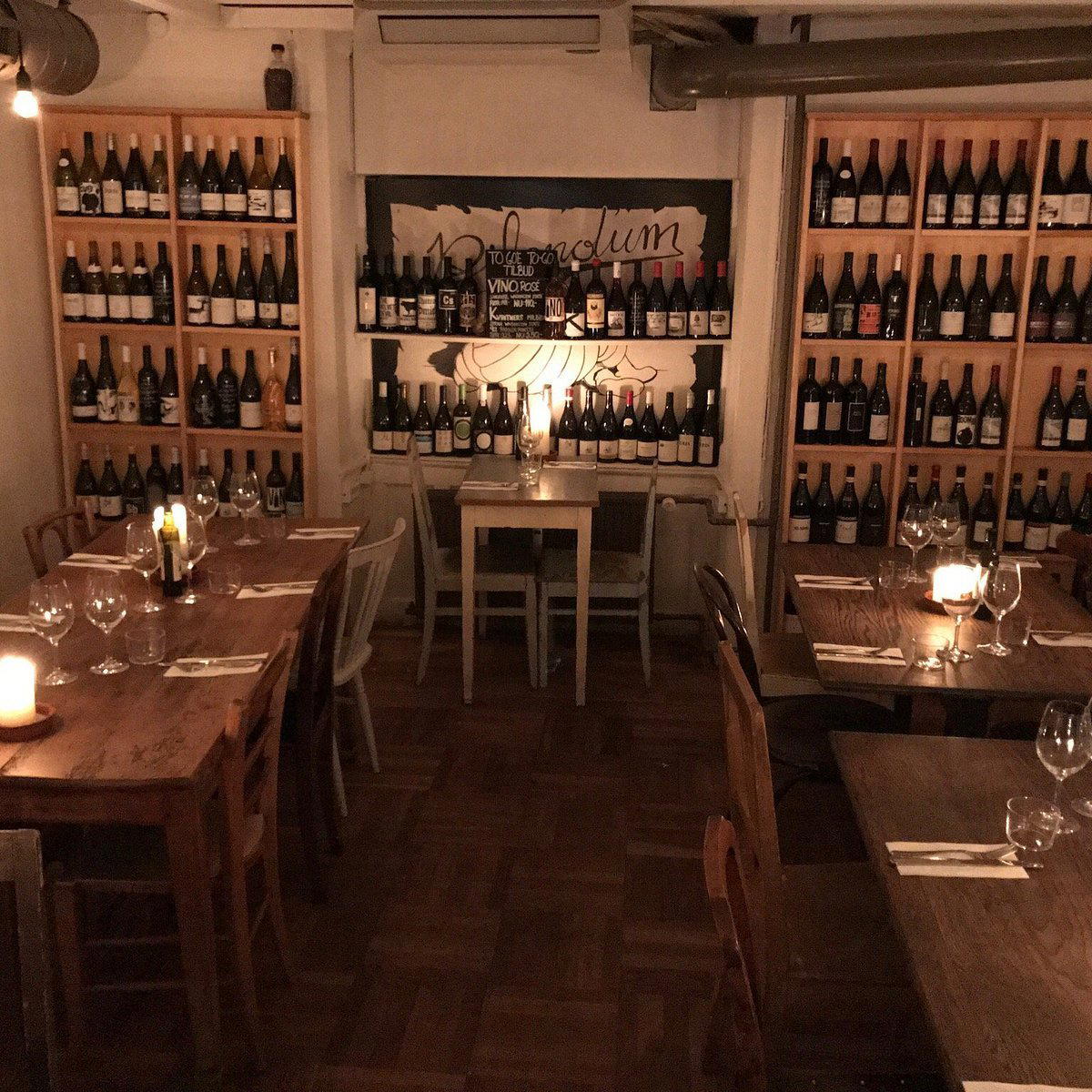
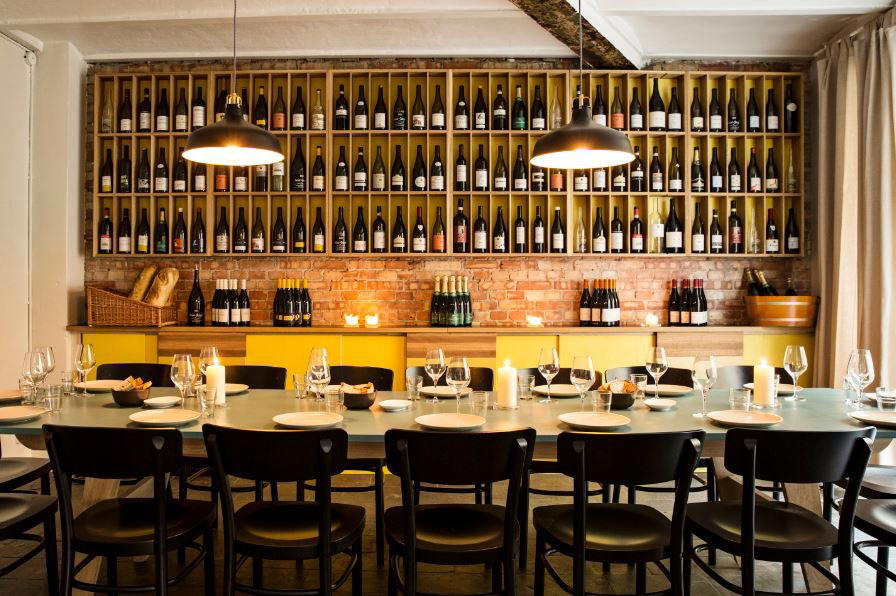
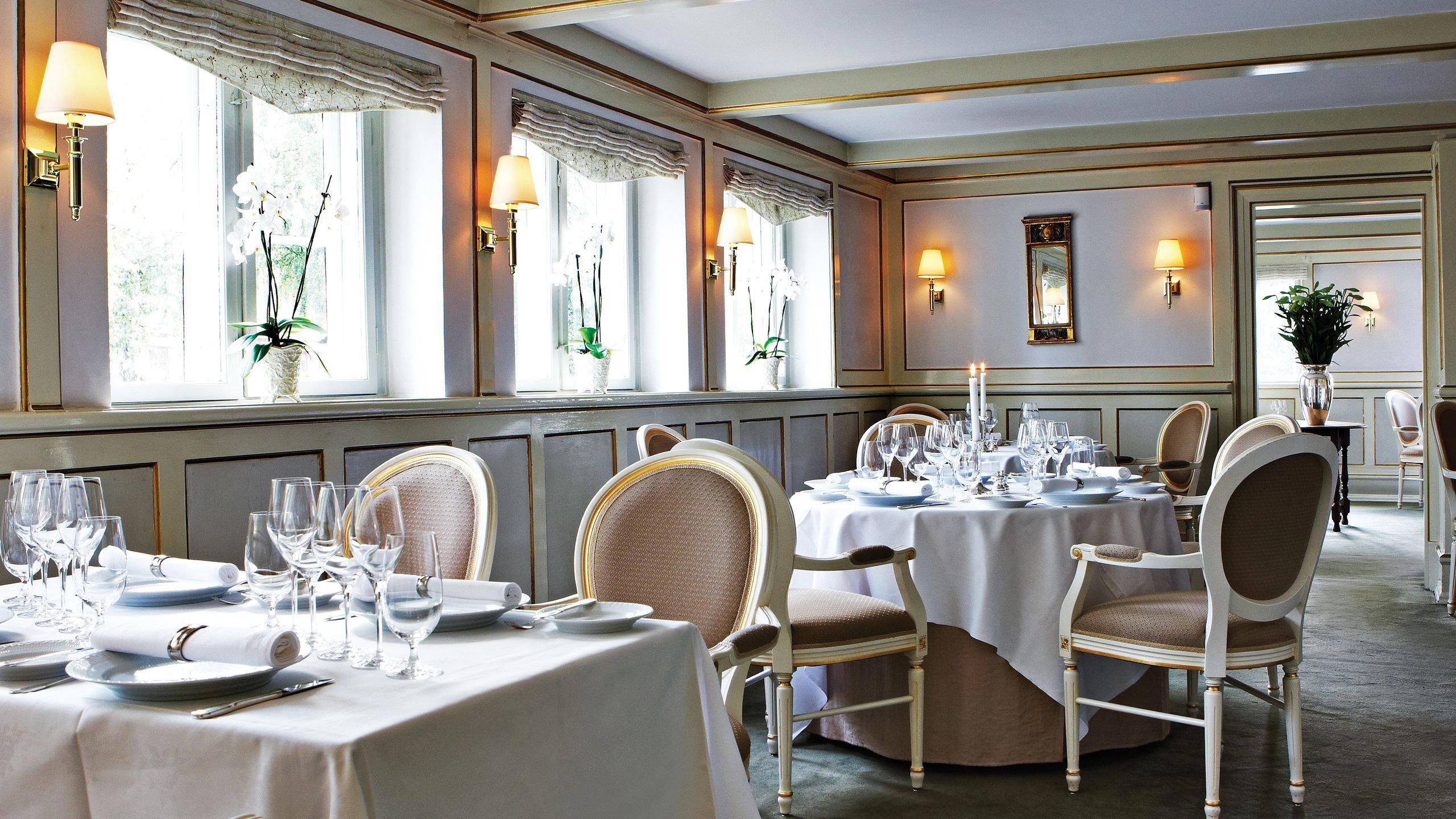
Approaching the address on Øster Farimagsgade, the scale is immediately apparent: this is a neighbourhood restaurant in the direct sense, occupying a modest ground-floor space in a residential block rather than a converted warehouse or a listed building dressed up for hospitality. The format communicates something before you sit down. This is not a performance venue; it is a room built around the mechanics of regular, repeated visits.
The hours reflect a kitchen that sustains two services across most of the week. From Monday through Thursday, juju opens for dinner only, running 5:30 pm until midnight. Friday, Saturday, and Sunday extend to a lunch service from noon to 3:30 pm before the same evening window opens again. That Saturday and Sunday lunch slot is worth noting for visitors working around a fixed itinerary: it offers access to the kitchen at a time when Copenhagen's higher-end options, Kadeau, Koan, tend to be either closed or committed to long tasting formats.
The Korean Contemporary Framework
Modern Korean kitchens in diaspora settings have often faced a version of the same challenge: how much to adapt, how much to preserve, and where the line between translation and dilution sits. The strongest examples, the ones that sustain critical recognition across multiple years, tend to resolve this by treating Korean technique as a grammar rather than a costume. Fermentation, banchan logic, the interplay between heat and cooling, and the structural use of sesame, soy, and gochujang aren't applied as exotic markers but as the underlying architecture of dishes that may incorporate Nordic proteins, local vegetables, or European wine-pairing logic.
Chef Kristian Baumann leads the kitchen at juju. His name is the available public credential here, and the direction the restaurant has taken under that name is visible in the award record rather than in any specific biographical narrative. What the recognition pattern suggests is a kitchen that has maintained its point of view consistently across several years while other parts of the Copenhagen dining scene have shifted around it.
What the Award Record Tells You
juju's recognition history traces a specific arc. Its Opinionated About Dining Casual Europe ranking placed it at number 33 in 2023, a position that reflects serious critical attention for a restaurant at this price tier. By 2024 that position had moved to 203, and in 2025 it sits at 201. A shift of that magnitude in OAD rankings typically reflects either changes in the voter pool, programme adjustments, or competitive pressure from new openings rather than a collapse in quality; the Michelin Bib Gourmand awarded in 2024 runs counter to any reading of decline.
The Bib Gourmand is a meaningful trust signal here because it applies Michelin's quality threshold to restaurants operating below tasting-menu price levels.
Where juju Sits in Copenhagen's Wider Scene
Copenhagen's restaurant spectrum at the leading end is densely competitive for its population size. Geranium and Noma anchor the city's global reputation; Alchemist and Koan extend the creative range. But the city also sustains a tier of critically recognised mid-market restaurants that do not require the logistical commitment of a four-hour tasting menu. juju operates in this tier, alongside a wider national scene that includes Frederikshøj in Aarhus, Henne Kirkeby Kro, Alimentum in Aalborg, ARO in Odense, and Domæne in Herning, evidence that serious cooking at accessible price points extends well beyond the capital.
For a visitor building a Copenhagen itinerary that includes one or two high-end meals, juju functions as a logical pairing rather than a compromise. It offers a cuisine tradition that none of the city's New Nordic flagships address, at a price point that creates space in the overall spend for a second or third meal elsewhere. For a reader planning around our full Copenhagen restaurants guide, that positioning is practically useful.
Planning Your Visit
juju is located at Øster Farimagsgade 8, 2100 Copenhagen, in the Østerbro neighbourhood, accessible by public transport from the city centre. The extended midnight closing time on all evenings means late arrivals are structurally possible, a detail worth noting for visitors with early evening commitments elsewhere. The dress code and seat count are not published, but the neighbourhood restaurant format and price point suggest an informal register.
For broader trip planning, see our guides to Copenhagen hotels, Copenhagen bars, Copenhagen wineries, and Copenhagen experiences. For the Korean contemporary tradition at its highest current expression, Atomix in New York remains the reference point and Le Bernardin shows what long-run critical consistency in a non-Nordic framework looks like at the top of the market.
Frequently asked questions
What style of cooking does juju do?
Which chef is juju associated with?
The chef associated with juju is Kristian Baumann.
What should I eat at juju?
The cuisine framing, Korean contemporary from chef Kristian Baumann, and the Michelin Bib Gourmand recognition suggest a kitchen focused on technique-driven Korean cooking rather than a broad fusion approach. The Bib Gourmand designation specifically flags good cooking at a moderate price point, which in Copenhagen's context makes juju one of the more accessible ways to eat seriously in the city.
Is juju more mid-range or high-end?
Pricing at juju is listed as €.
Is juju open every day?
Hours at juju: Hours: Monday 5:30 pm–12 am Tuesday 5:30 pm–12 am Wednesday 5:30 pm–12 am Thursday 5:30 pm–12 am Friday 12–3:30 pm, 5:30 pm–12 am Saturday 12–3:30 pm, 5:30 pm–12 am Sunday 12–3:30 pm, 5:30 pm–12 am.
Where exactly is juju?
juju is located at Øster Farimagsgade 8, 2100 København, Denmark, Copenhagen.
A Tight Comparison
A quick snapshot of similar venues for side-by-side context.
| Venue | Cuisine | Price | Awards | Notes |
|---|---|---|---|---|
| jujuThis venue (the venue you are viewing) | Modern Korean Comfort Food | $20–30 | Michelin Bib Gourmand | Not listed |
| Geranium | Modern New Nordic Pescatarian | $500+ | 3 Michelin Stars · World's 50 Best #1 | New Nordic, Creative |
| Noma | New Nordic Fine Dining | $300–500 | 3 Michelin Stars · World's 50 Best #1 | Creative |
| Alchemist | Avant-Garde Molecular Gastronomy with Social Commentary | $500+ | 2 Michelin Stars · World's 50 Best #5 | Progressive, Creative |
| Koan | Modern Korean-Nordic Fine Dining | $300–500 | 2 Michelin Stars · World's 50 Best #91 | New Nordic, Kaiseki, Creative |
| a|o|c | Modern Scandinavian Fine Dining | $300–500 | 2 Michelin Stars · La Liste Top Restaurants | New Nordic, Mediterranean Small Plates, Creative |
Recognition history
Dated appearances from independent guides and award organizations, with the underlying list record or original source where available.
Michelin Bib Gourmand
Michelin
Opinionated About Dining Casual in Europe Recommended
Opinionated About Dining
White Guide Denmark Restaurants - Very Fine Level
White Guide
Full recognition history (6 entries)
Opinionated About Dining Casual in Europe Ranked #201
Opinionated About Dining
Opinionated About Dining Casual in Europe Ranked #203
Opinionated About Dining
Opinionated About Dining Casual in Europe Ranked #33
Opinionated About Dining