
A back-to-back Michelin Bib Gourmand recipient in 2024 and 2025, Jouvence sits on the Faubourg Saint-Antoine in the 12th arrondissement, where it draws a loyal neighbourhood crowd to Chef Eric Ang's modern cuisine at a price point that puts the rest of Paris's Bib-tier to work. At €€, it competes on craft rather than ceremony.
Pearl is the En Primeur Club membership app — saves, bookings, and concierge access live there. Same editors, same standards.
- Address
- 172 Bis Rue du Faubourg Saint-Antoine, 75012 Paris, France
- Phone
- +33 1 56 58 04 73
- Website
- jouvence.paris
- Directions
- Get directions
 Saves & bookings on Pearl
The 12th and the Bib Gourmand Tier
The Faubourg Saint-Antoine has always operated on a different register from the 6th or the 8th. Historically a working craftsmen's quarter, it now functions as a proving ground for the kind of cooking Paris does particularly well at the middle price tier: technically assured, ingredient-led, free from the weight of ceremony that slows down rooms in the central arrondissements. Jouvence, at 172 Bis Rue du Faubourg Saint-Antoine, is a Modern French Bistro in Paris's 12th arrondissement, with a price point around €40 per person. It fits that pattern precisely. It has held the Michelin Bib Gourmand in both 2024 and 2025, a consecutive recognition that places it in a narrower cohort than first-time winners: kitchens that can sustain a standard rather than spike for a single season.
The Bib Gourmand category rewards value as much as skill, and in a city where the gap between a €€ plate and a €€€€ tasting menu at addresses like 114, Faubourg, Accents Table Bourse, or the three-starred rooms of Alléno Paris, Kei, L'Ambroisie, Le Cinq, and Pierre Gagnaire can represent a tenfold difference in spend, the Bib tier carries real editorial weight. Jouvence earns its place in that tier under Chef Eric Ang, whose modern cuisine approach reads as considered rather than trend-chasing.
What the Regulars Already Know
Most reliable measure of a neighbourhood restaurant is not its press cycle but its return rate. At Jouvence, the evidence points toward a clientele that has settled into a rhythm.7 across 638 reviews is a data point worth reading carefully: high scores on small review counts can be managed; 638 votes with a 4.7 average suggests a consistency that occasional diners can't manufacture. The 12th arrondissement is not a tourist corridor in the way that Saint-Germain or the Marais function. The people writing those reviews are, in large part, locals, and locals are harder to impress twice.
What regulars return for at this tier is rarely a single dish. It is calibration: the confidence that a kitchen at this price point will not cut corners on sourcing, will not over-season to compensate for inferior product, and will not mistake ambition for execution. Modern cuisine as a category in Paris covers a wide range, from technically rigorous neo-bistro work to more loosely defined contemporary plates. The sustained Bib recognition implies that Jouvence sits toward the rigorous end of that range. The address, tucked into a stretch of street that rewards foot traffic over destination dining, creates the conditions for exactly the kind of room where regulars feel proprietary about their table.
The Faubourg Saint-Antoine Context
Understanding Jouvence requires understanding what the 12th arrondissement offers that more saturated dining districts do not. The neighbourhood lacks the density of press attention that drives reservation pressure in the Palais Royal area or the Canal Saint-Martin, which means kitchens here compete less on buzz and more on repeat business. That structural fact tends to produce more honest cooking. A restaurant in the 12th that thrives does so because the neighbourhood adopts it, not because influencer traffic sustains it through a seasonal press wave.
This is the same dynamic visible in other Parisian arrondissements that have produced sustained mid-range overachievers. The Faubourg itself is long and varied: furniture workshops transition into wine bars and bakeries, and the dining room at the address level often reflects the mixed-income, mixed-generation character of the street.
Chef Eric Ang and the Modern Cuisine Frame
Paris has long absorbed international cooking talent into its kitchen culture, and the city's modern cuisine category is better understood as a set of technical and sourcing standards than as a single national tradition. Chef Eric Ang's modern French bistro cooking in Paris typically signals French technique applied with individual editorial point of view rather than the strict codification of classic houses. For comparison, addresses like Amâlia and Anona operate in adjacent terrain in Paris.
The Bib Gourmand signal matters here because it narrows the interpretation. This is not aspirational fine dining operating at a loss leader price. It is a kitchen that has built an economically coherent model around accessible pricing, and Michelin's inspectors have validated that model twice in succession. That is a different achievement from the three-star rooms in Paris's upper tier, and a harder one to sustain.
Placing Jouvence in the Broader French Table
France's dining tradition has always supported a dual hierarchy: the grand maison at the apex and the intelligent neighbourhood table as its necessary counterpart. The country's most celebrated addresses, from Flocons de Sel in Megève and Mirazur in Menton to historic houses like Auberge de l'Ill in Illhaeusern, Bras in Laguiole, Troisgros in Ouches, and Paul Bocuse in Collonges-au-Mont-d'Or, occupy the institutional tier. Jouvence operates in a different but not lesser category. The French table at the neighbourhood level is where most people actually eat, and where the cooking either justifies daily life or fails to. Addresses like Auberge de Montfleury serve a parallel function in different contexts.
A back-to-back Bib is, within this system, a declaration of stability. The Michelin guide does not give that recognition carelessly to kitchens that have merely had a good year.
Planning Your Visit
Address: 172 Bis Rue du Faubourg Saint-Antoine, 75012 Paris. Cuisine: Modern Cuisine. Price: €€, consistent with Michelin Bib Gourmand category positioning. Awards: Michelin Bib Gourmand 2024 and 2025.
A Lean Comparison
Comparable venues nearby, for context on price, style, and recognition.
| Venue | Cuisine | Price | Notes |
|---|---|---|---|
| JouvenceThis venue — the venue you are viewing | Modern Cuisine | $$ | Not listed |
| Le Quincy | Not listed | $$ | 12th arrondissement, Traditional French Bistro |
| Le Baratin | Not listed | $$ | Belleville (20th arrondissement), Classic French Bistro |
| Caillebotte | Not listed | $$ | 9th Arrondissement (Opéra), Modern French Bistro |
| 20 Eiffel | Gros-Caillou, Classic French Bistro | $$ | Not listed |
| Le Grand Bain | Belleville, Modern French Small Plates | $$ | Not listed |
Recognition history
Dated appearances from independent guides and award organizations, with the underlying list record or original source where available.
Michelin Bib Gourmand
Michelin
Michelin Bib Gourmand
Michelin
Michelin Bib Gourmand
Michelin
Continue exploring
More in Paris
Restaurants in Paris
Browse all →
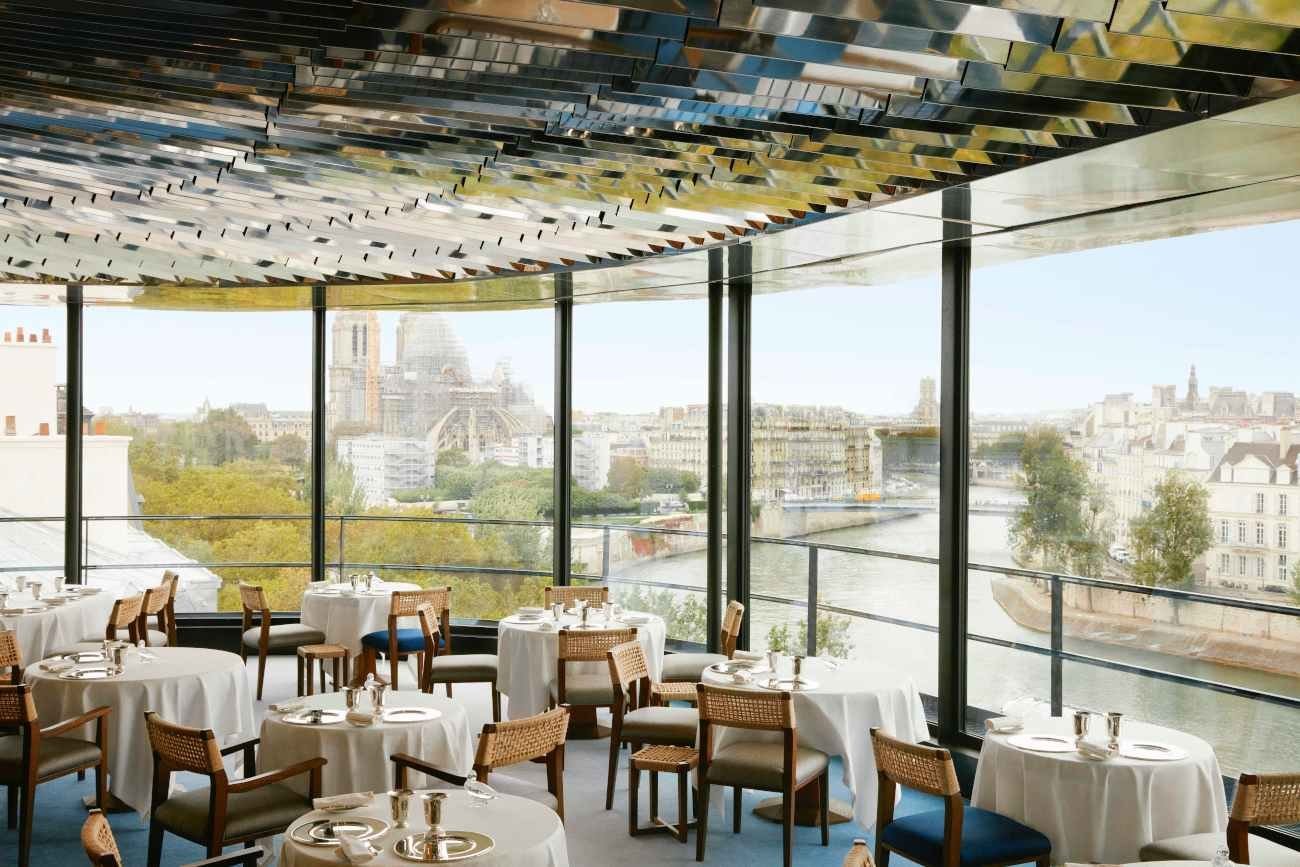
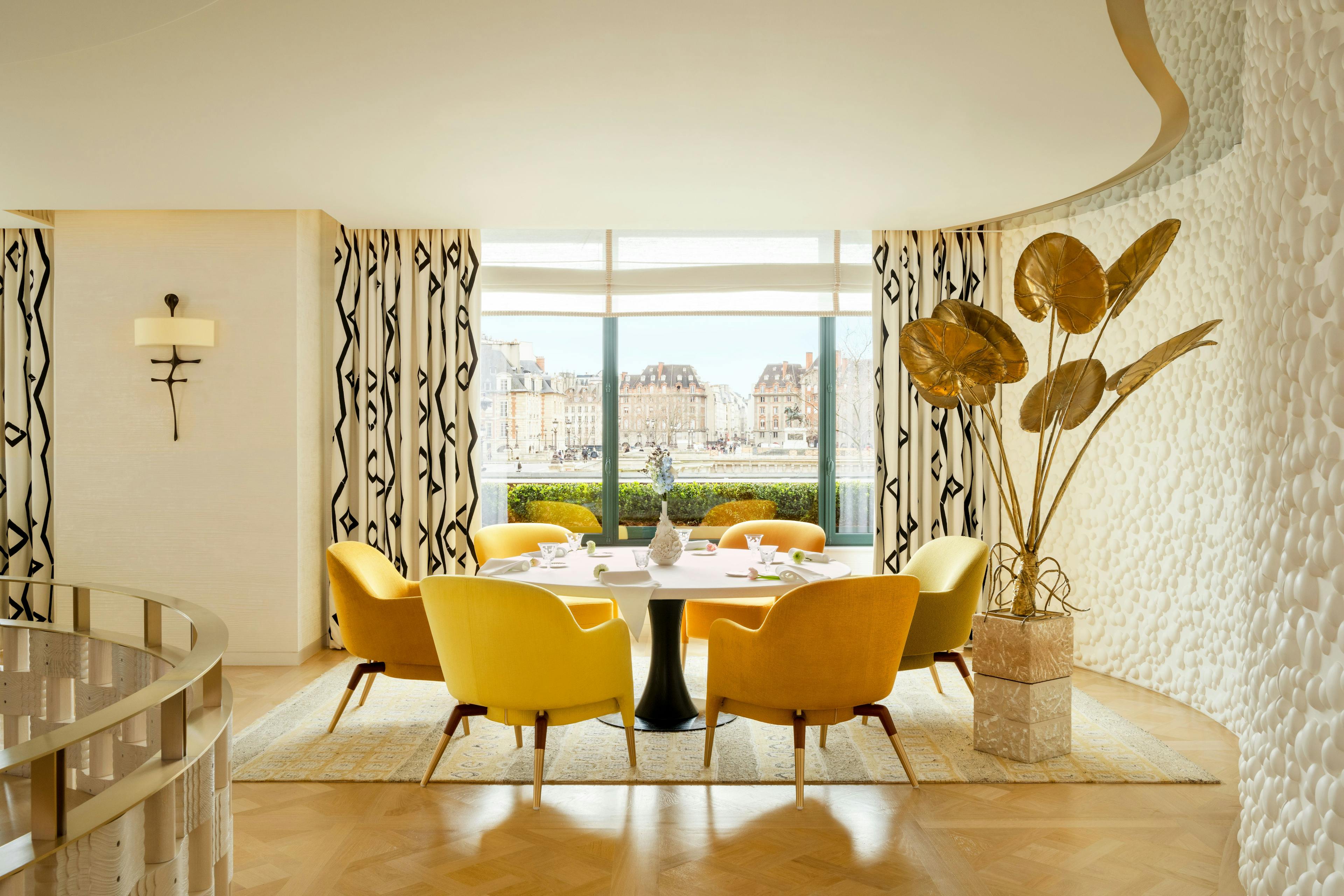
Bars in Paris
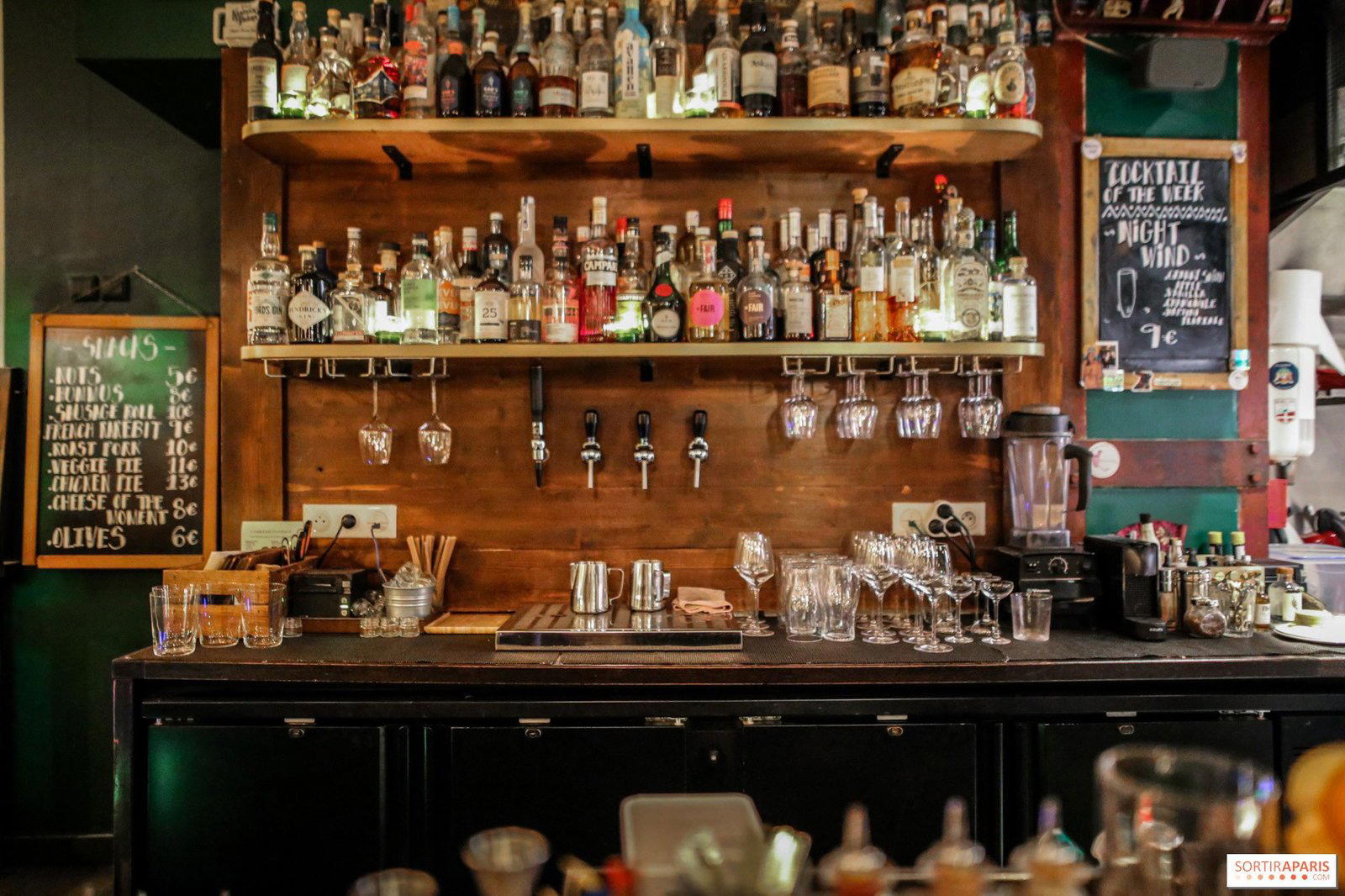
Browse all →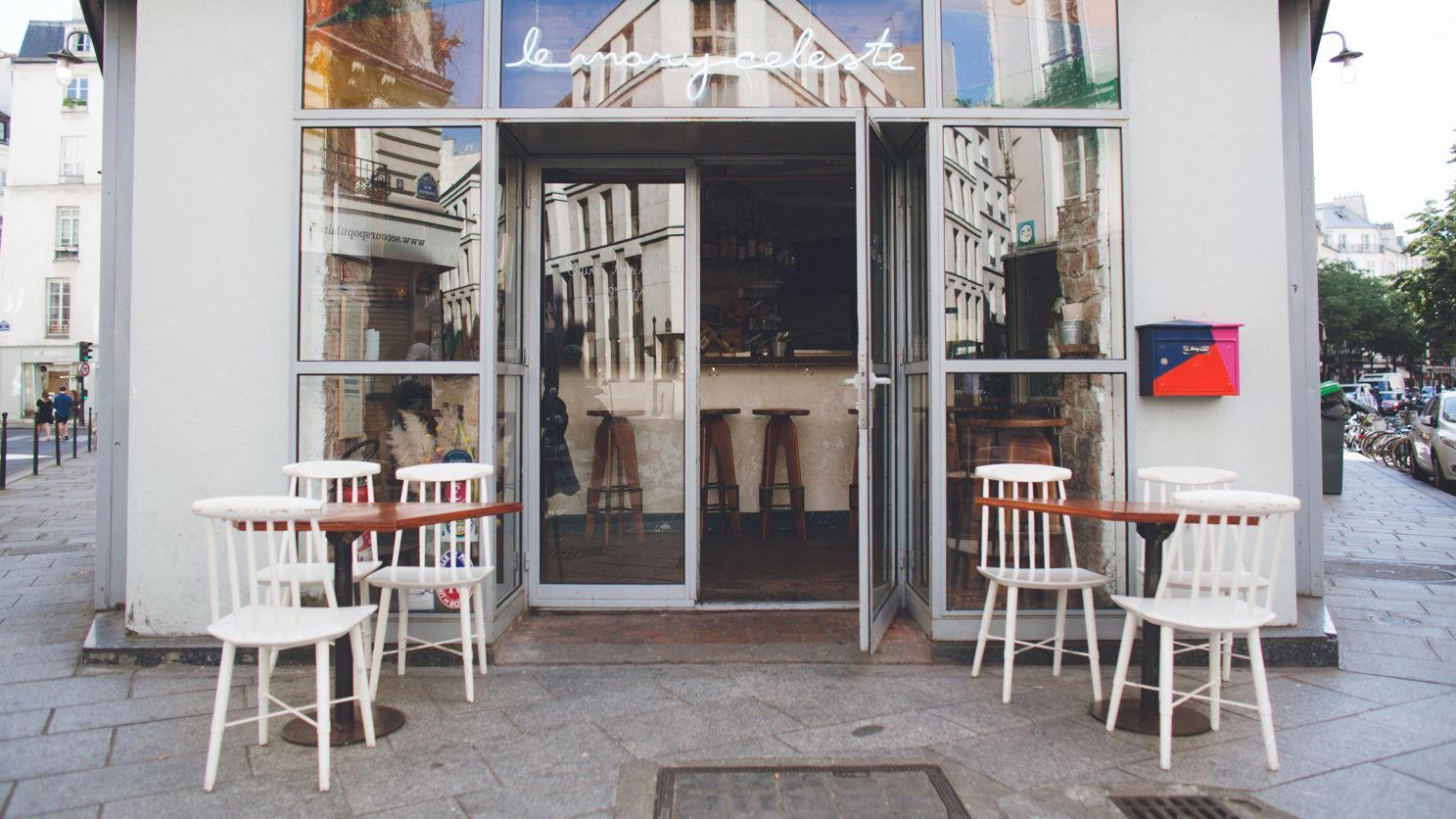
Hotels in Paris
Browse all →

At a Glance
- Cozy
- Elegant
- Intimate
- Classic
- Date Night
- Business Dinner
- Casual Hangout
- Historic Building
- Extensive Wine List
- Local Sourcing
Current opening hours
- Monday
- Closed
- Tuesday
- 12–2 PM, 7–9:30 PM
- Wednesday
- 12–2 PM, 7–9:30 PM
- Thursday
- 12–2 PM, 7–9:30 PM
- Friday
- 12–2 PM, 7–9:30 PM
- Saturday
- 12–2 PM, 7–9:30 PM
- Sunday
- Closed
Hours can change for holidays and private events. Last verified .
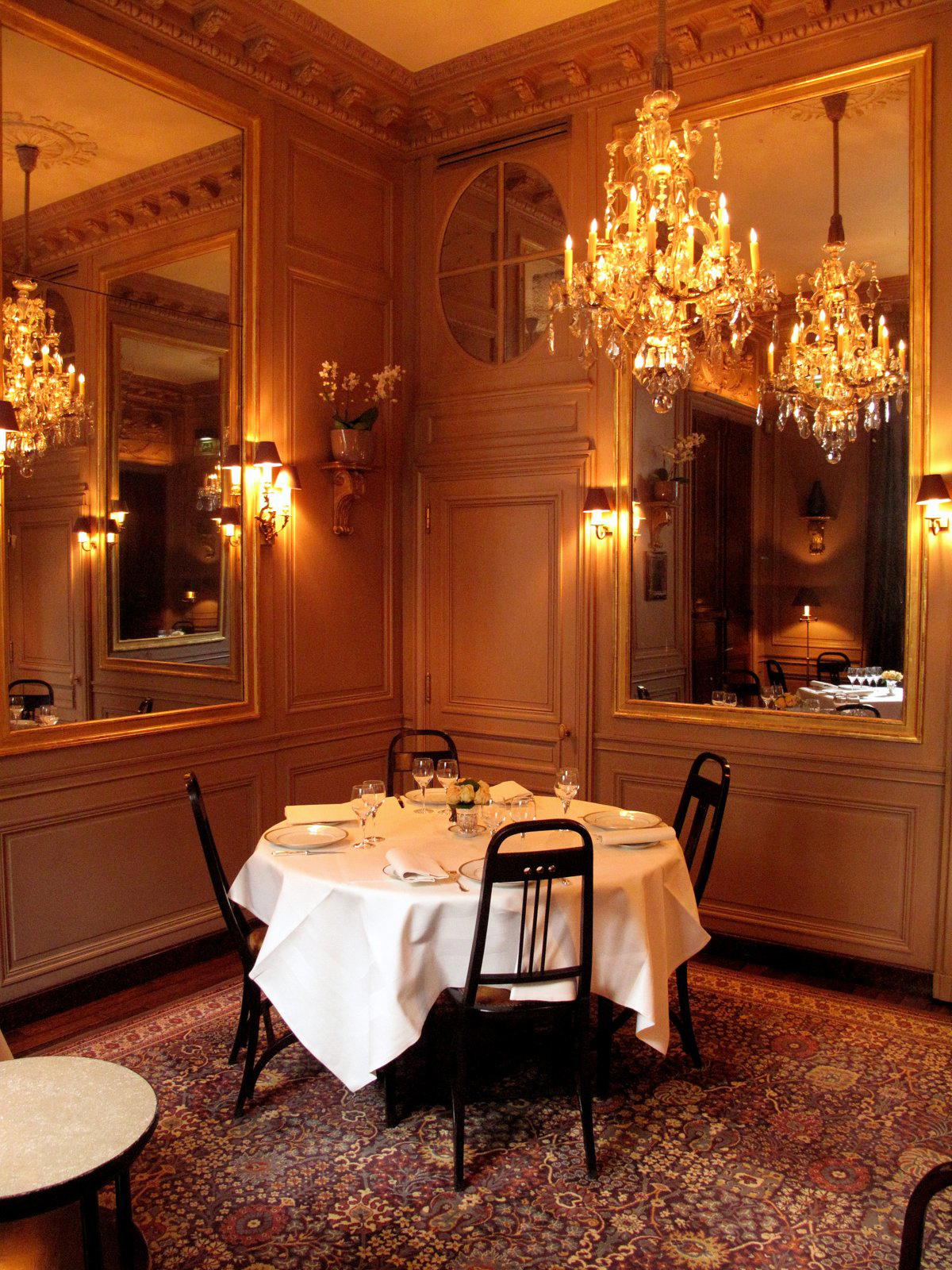
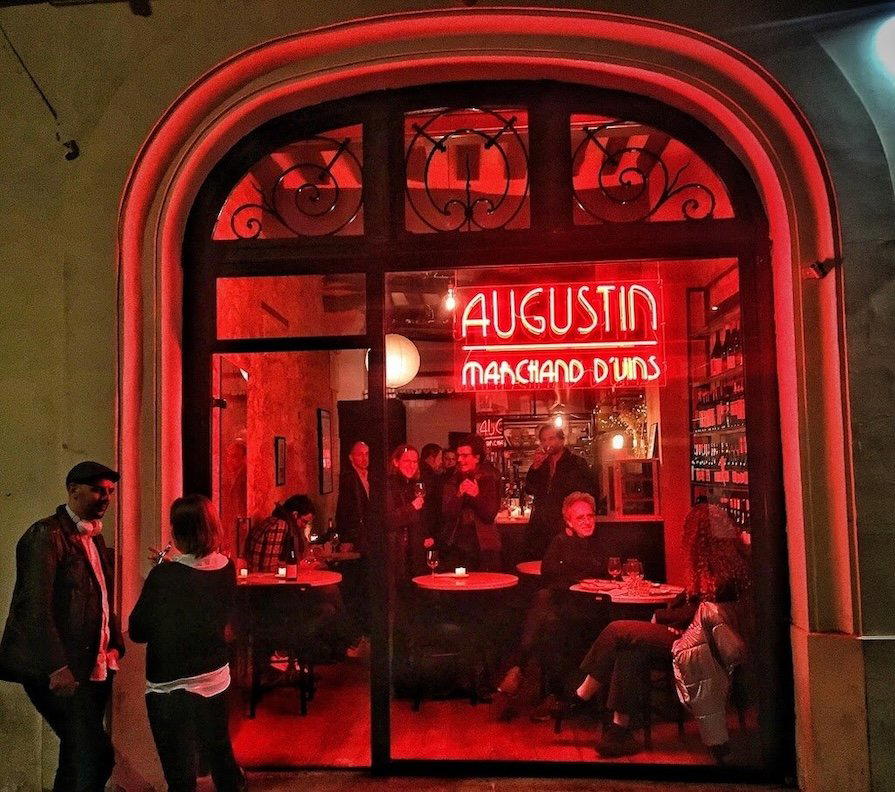
Cozy and charming atmosphere in a former pharmacy with warm lighting, traditional decor blended with modern elements, and a spirited, welcoming vibe.