Jolly Pumpkin Pizzeria & Brewery
Jolly Pumpkin Pizzeria & Brewery anchors Detroit's Midtown dining corridor with house-brewed craft beer and wood-fired pizza that draws on the rustic fermentation traditions defining its Ann Arbor parent brand. The Canfield Street address puts it within walking distance of Wayne State University and the Detroit Institute of Arts, making it a reliable stop in a neighborhood increasingly defined by independent operators rather than chains.
Pearl is the En Primeur Club membership app — saves, bookings, and concierge access live there. Same editors, same standards.
- Address
- 441 W Canfield St, Detroit, MI 48201
- Phone
- +13132626115
- Website
- detroit.jollypumpkin.com
- Directions
- Get directions
 Saves & bookings on Pearl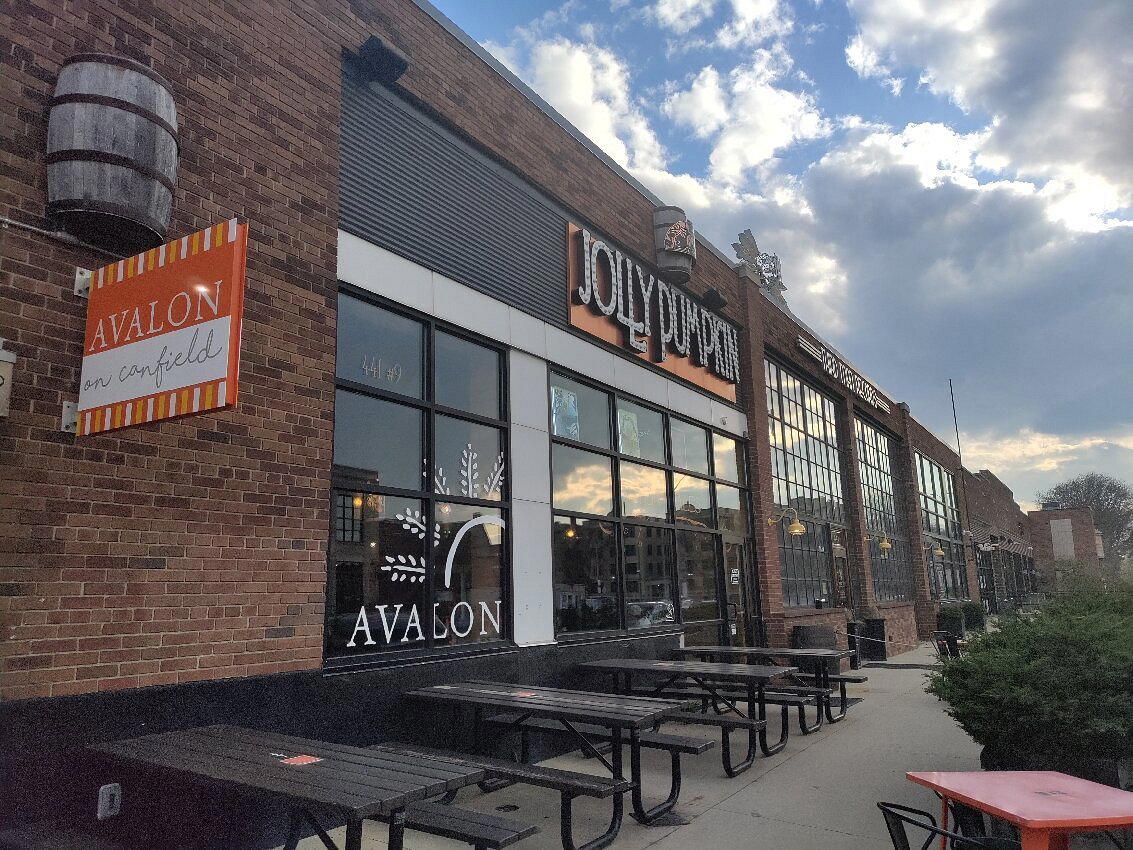
Midtown Detroit and the Case for Fermentation-Forward Brewing
The stretch of West Canfield Street in Detroit's Midtown corridor has become one of the more reliable indicators of how far the city's independent dining scene has matured. Where national chains once occupied ground-floor retail, neighborhood brewpubs and chef-driven spots now anchor blocks that back onto Wayne State University and the Detroit Institute of Arts. Jolly Pumpkin Pizzeria & Brewery at 441 W Canfield sits within that pattern — a Detroit outpost of a Michigan craft brewing operation that built its reputation in Ann Arbor on open-fermentation Belgian-style ales before the segment became crowded.
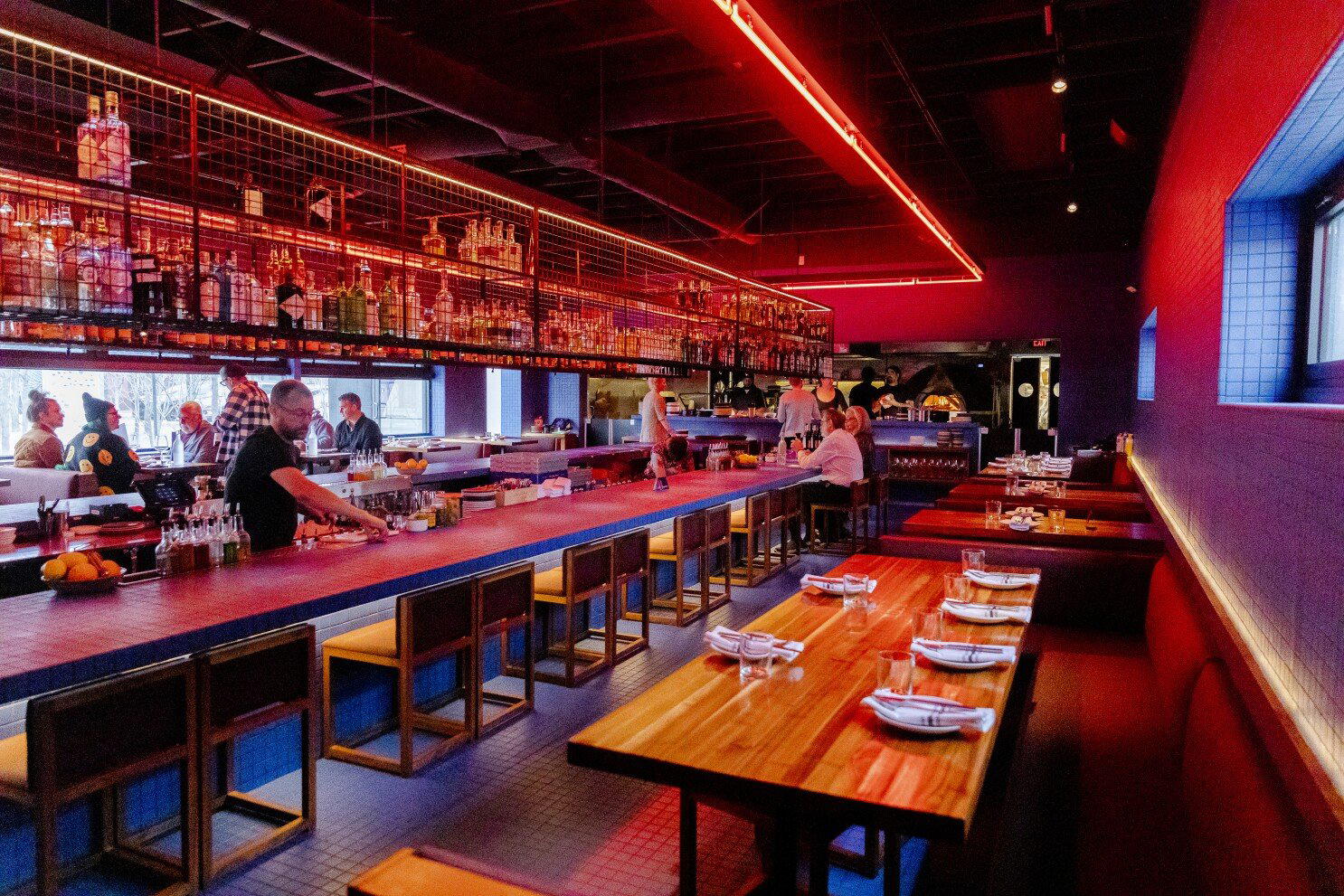
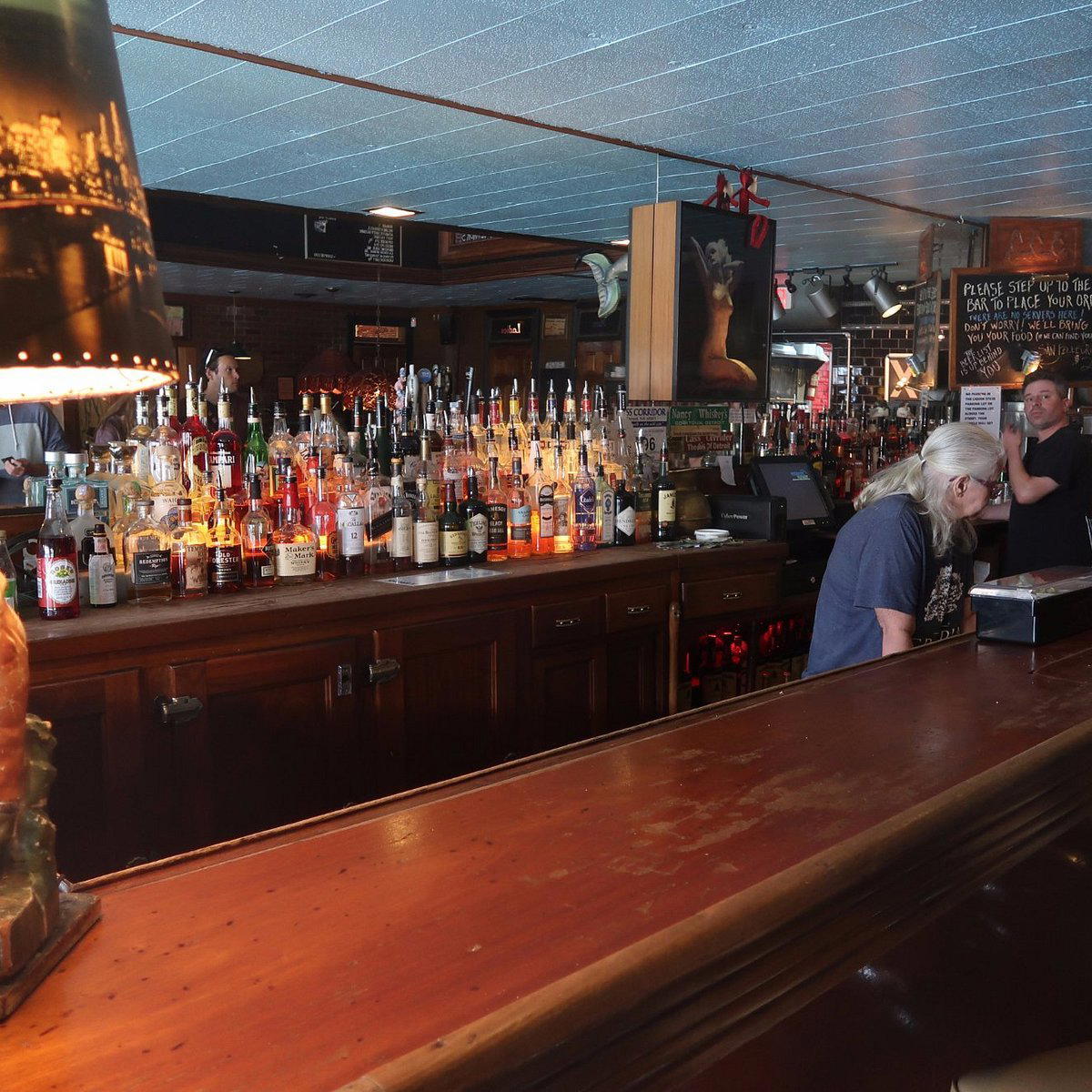
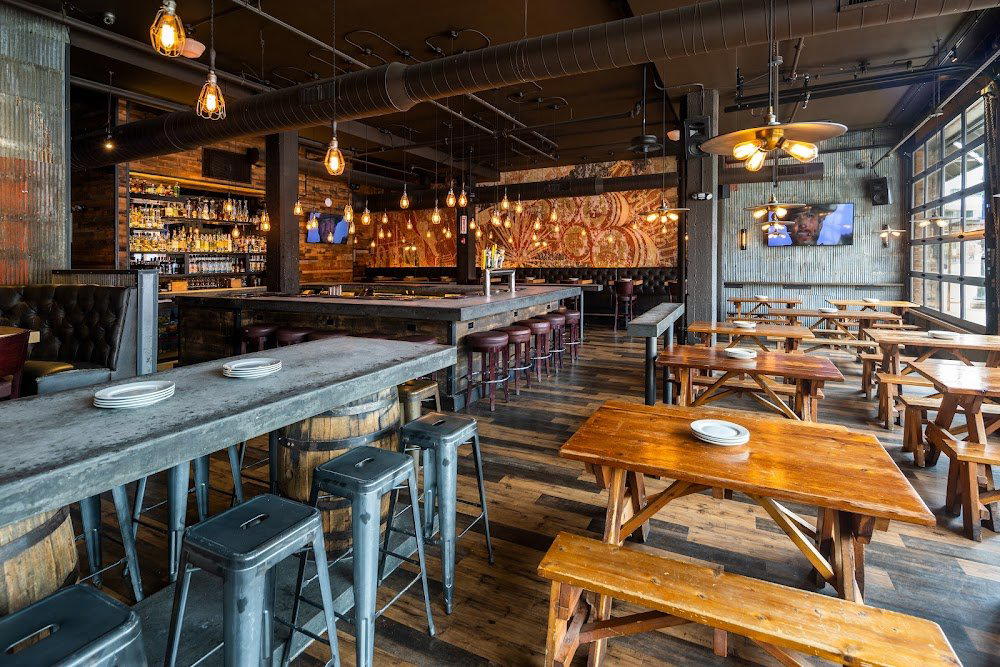
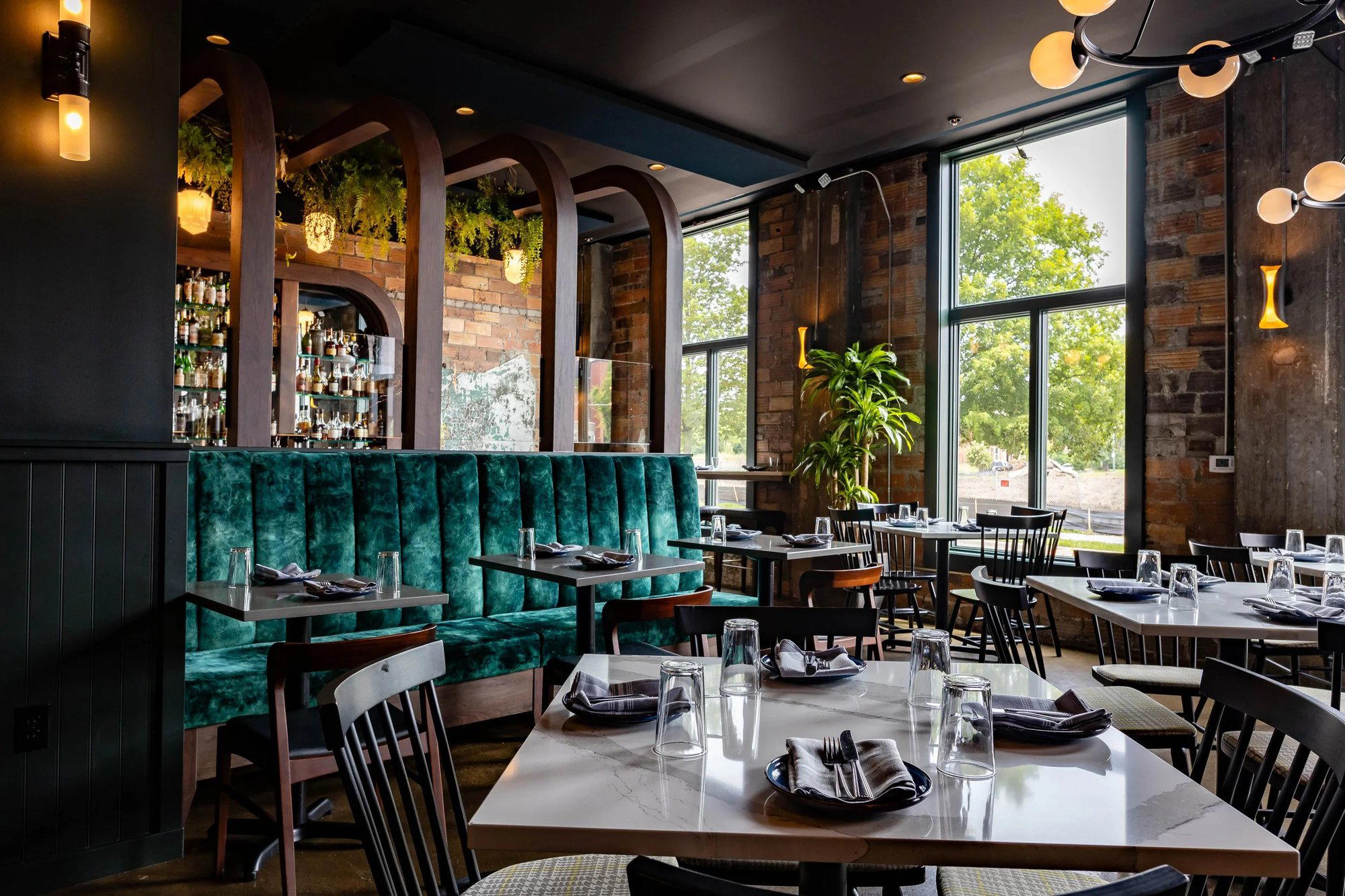
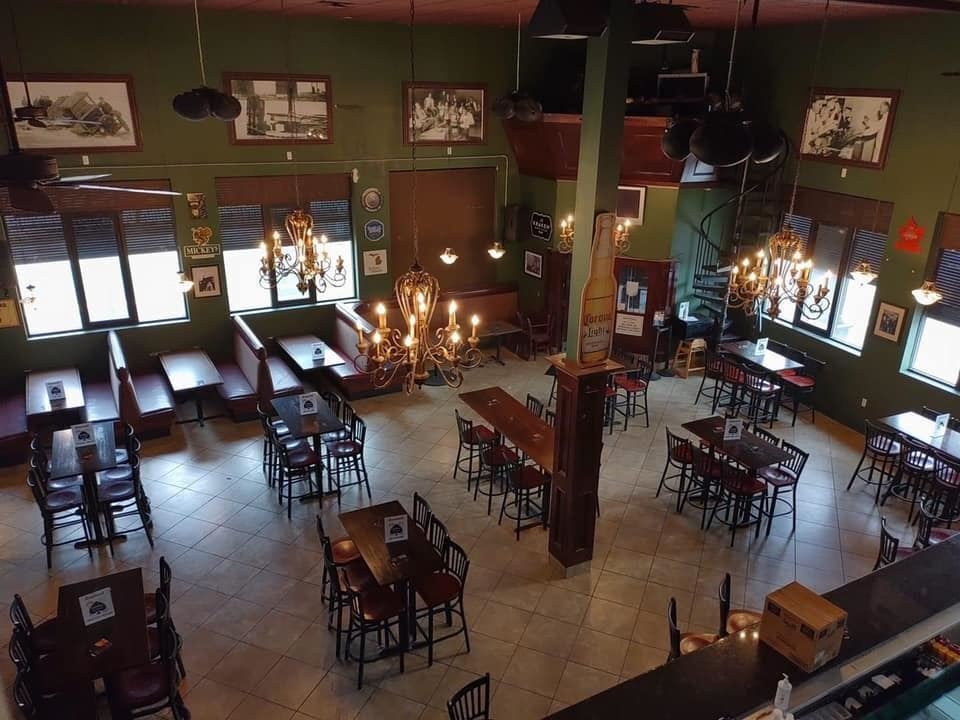
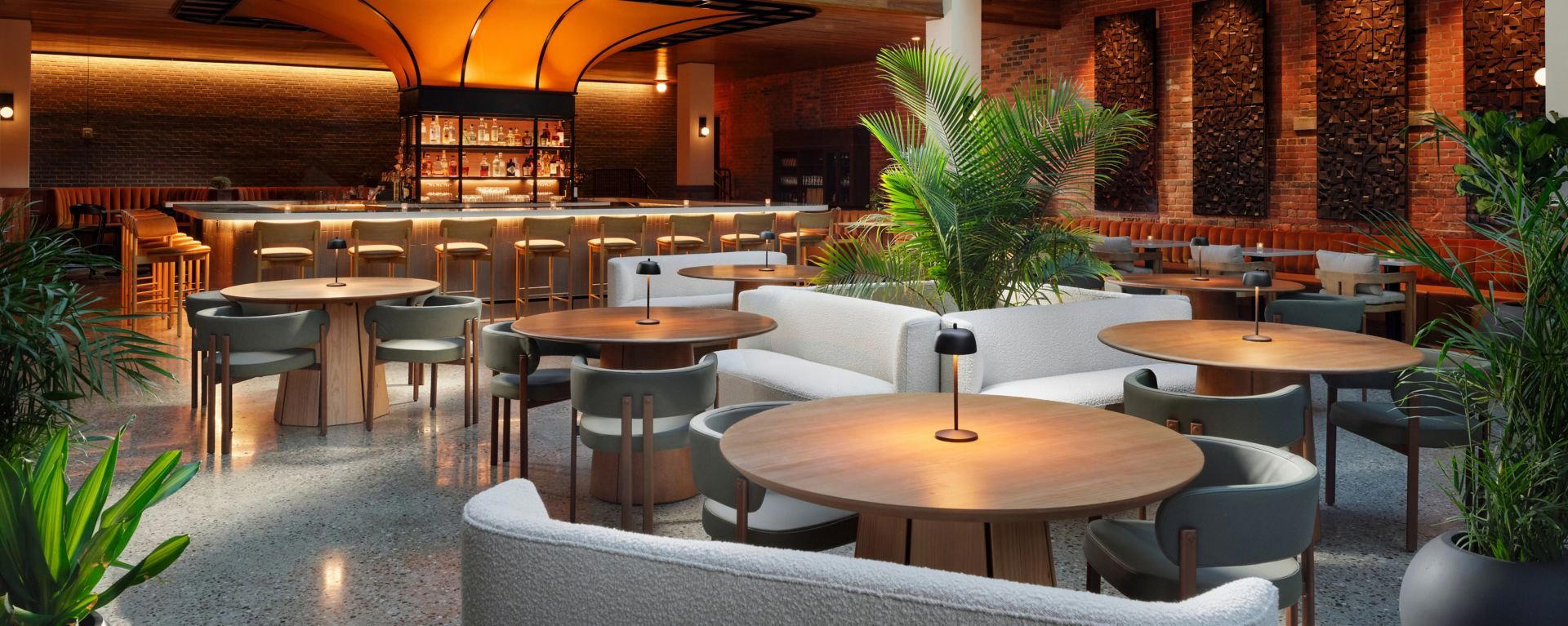
Inside, the room reads like the better end of the American brewpub format: exposed brick, wood surfaces, a working bar that keeps house beer central rather than decorative. The brewery identity is not subtext here. It is the organizing principle of the space, and that discipline separates it from the category of restaurant-that-also-has-beer. Coming in from Canfield on a weeknight, the room operates at the kind of volume where conversation is easy but the bar remains active — not the quiet of a destination tasting room, not the roar of a sports bar.
Where the Ingredients Come From, and Why That Question Matters Here
Michigan's agricultural calendar gives brewpubs in this state a sourcing argument that operators in coastal cities often have to manufacture. The Great Lakes region produces a meaningful share of the country's hops, and Michigan's fruit belt, running along the western side of the Lower Peninsula, supplies cherries, peaches, and other fruit adjuncts that Jolly Pumpkin's parent brand has historically folded into its farmhouse and sour ale program. For a brewery built around open fermentation and wild yeast, proximity to those raw materials is not incidental. The character of the beer is partly a function of local microflora and regional produce, which puts it in a different category from craft operations that source ingredients through national distributors and use controlled fermentation to produce consistent, predictable results.
The pizzeria component extends the same logic toward local flour, seasonal produce, and regional dairy where the supply chain allows. Wood-fired pizza in the American craft-dining context has moved well beyond novelty, from high-volume Neapolitan chains to farm-to-hearth independent operators, the format is now a spectrum. What anchors the Jolly Pumpkin version at the more serious end of that spectrum is the integration with the beer program: the food menu is calibrated to function as a pairing vehicle, not a standalone offering that happens to share a room with the taps. That approach is more common in European birrerie than in American brewpubs, and it gives the Canfield Street operation a coherence that places like Alpino achieve through a different route, wine and alpine food, while ADELINA pursues it through Italian-leaning precision.
Detroit's Brewpub Context and Where Jolly Pumpkin Sits Within It
Detroit's craft beer scene has undergone the same consolidation pressure as other American cities: a mid-2010s expansion of taprooms and brewpubs followed by selective contraction, leaving the stronger operations in place. Jolly Pumpkin arrived in this market with an established production identity rather than as a startup, which gave the Midtown location a foundation most new entrants lack. The Ann Arbor flagship had already built credibility in the sour and wild ale category, a subcategory that rewards patience and technical knowledge over scale, before the Detroit location opened.
That positioning is relevant when considering the competitive set on Detroit's independent dining corridor. Baobab Fare draws on East African sourcing traditions with a specificity that earned it national attention. Selden Standard operates as the neighborhood's New American benchmark. American Coney Island holds its position as a Detroit institution of a different order entirely. Jolly Pumpkin occupies the tier defined by house-production credibility and ingredient specificity, a narrower competitive set than casual dining but wider than fine dining, which is where much of the city's independent dining action currently concentrates.
For context on what sourcing-driven dining looks like at the fine-dining end of the American spectrum, operations like Blue Hill at Stone Barns in Tarrytown and Single Thread Farm in Healdsburg represent the most research-intensive versions of farm-to-table integration. Jolly Pumpkin is not competing in that register, its interest is in making the sourcing argument accessible and pairing-focused rather than tasting-menu ceremonial. That is a legitimate editorial position in a city where the dining public is price-sensitive and portion expectations remain generous.
Planning a Visit: Logistics Along Canfield
The West Canfield address places the brewery within a ten-minute walk of the Detroit Institute of Arts and the main Wayne State University campus, making it a natural stop for pre- or post-museum visits. Midtown's parking situation has improved relative to downtown, with surface lots along Cass Avenue and metered street parking available on weekdays outside peak evening hours. The neighborhood operates on foot more comfortably than most Detroit districts, which becomes relevant if you are pairing dinner with a visit to nearby venues like Amore da Roma or planning a longer Midtown evening that includes stops at the independent operators along the corridor.
For visitors building a broader Detroit itinerary, our full Detroit restaurants guide maps the dining scene by neighborhood and category. Those planning to contrast the Jolly Pumpkin brewpub format against higher-formality American dining elsewhere in the country might find it useful to benchmark against operations like Lazy Bear in San Francisco, Emeril's in New Orleans, or Providence in Los Angeles, all of which represent the more ceremony-heavy end of the American dining spectrum, against which a well-run brewpub often provides the more enjoyable evening. Among pizzerias in the Detroit orbit, Vecino offers a modern Mexican counterpoint in the same neighborhood register. Those with more of a sweet tooth before or after the meal will find 313 Cinnamon Rolls a short detour worth noting.
How Jolly Pumpkin Pizzeria & Brewery Detroit compares with similar nearby venues.
| Venue | Cuisine |
|---|---|
| Warda Pâtisserie | pastries / French-influenced |

At a Glance
- Lively
- Industrial
- Rustic
- Casual Hangout
- Group Dining
- Open Kitchen
- Beer Program
- Local Sourcing
Current opening hours
- Monday
- Closed
- Tuesday
- Closed
- Wednesday
- Closed
- Thursday
- 11 AM–9 PM
- Friday
- 11 AM–10 PM
- Saturday
- 11 AM–10 PM
- Sunday
- 11 AM–8 PM
Hours can change for holidays and private events. Last verified .
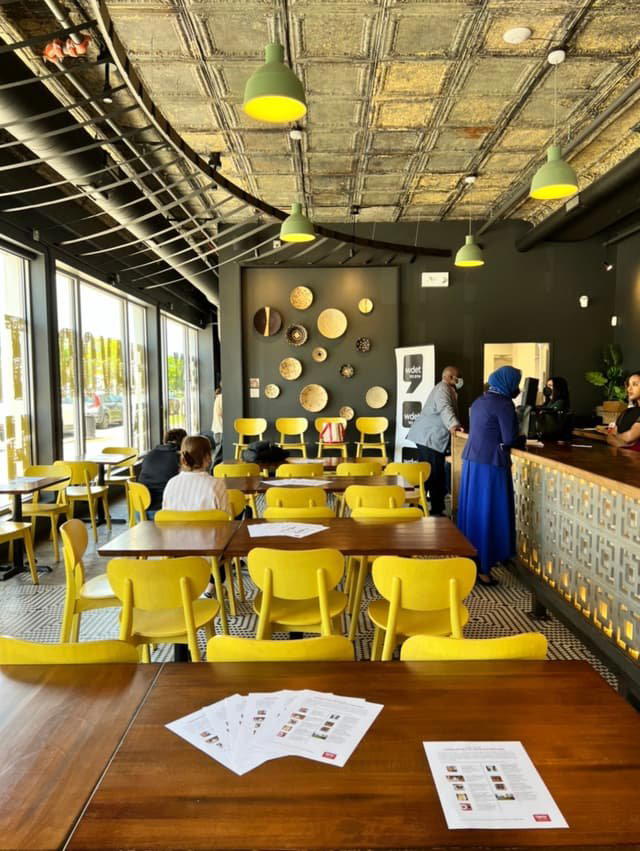
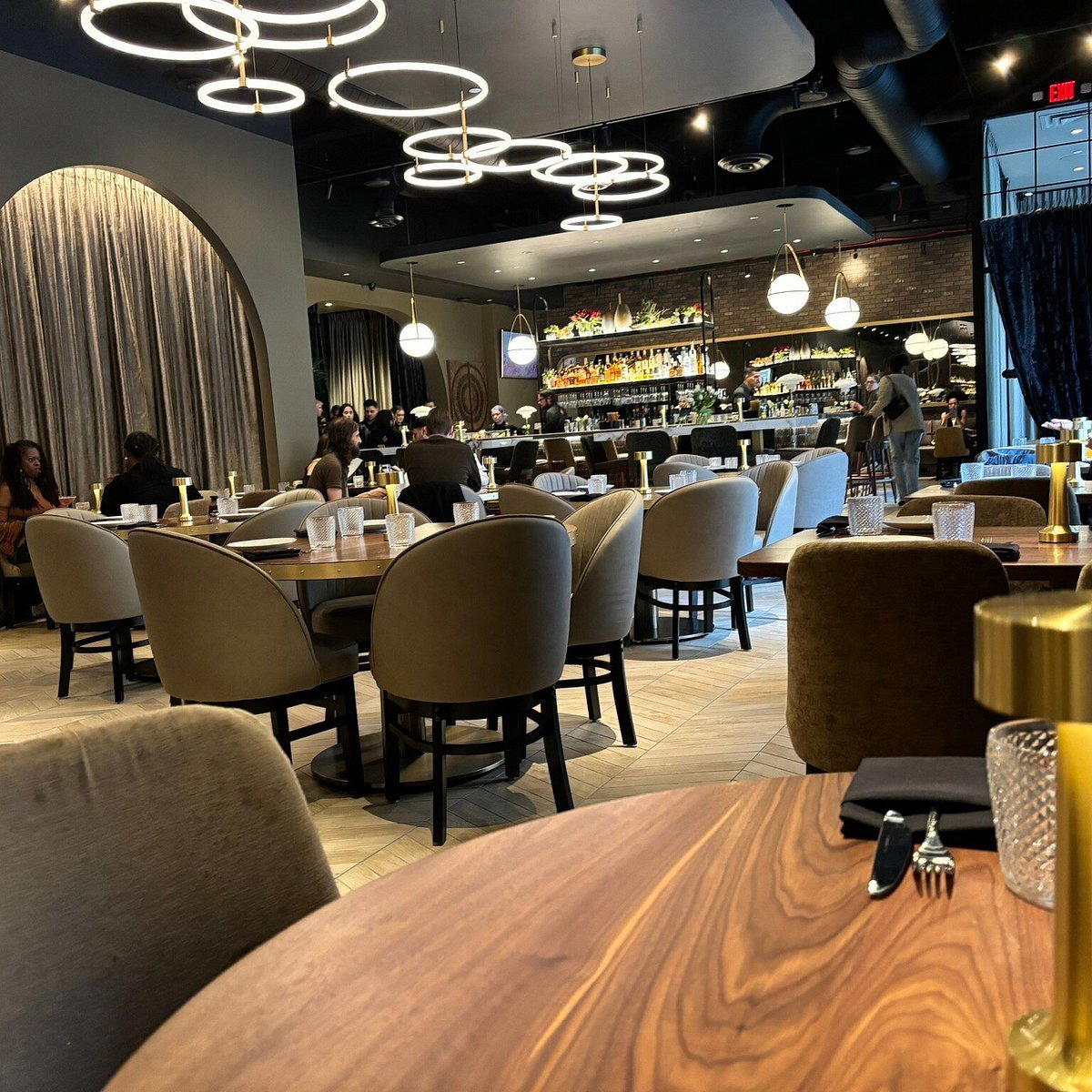
Open, airy industrial space with high ceilings, hardwood, exposed pipes, and communal tables creating a relaxed, casual vibe.
Know Before You Go
- Getting there
- 441 W Canfield St, Detroit, MI 48201