Joia Beach
Our verdict
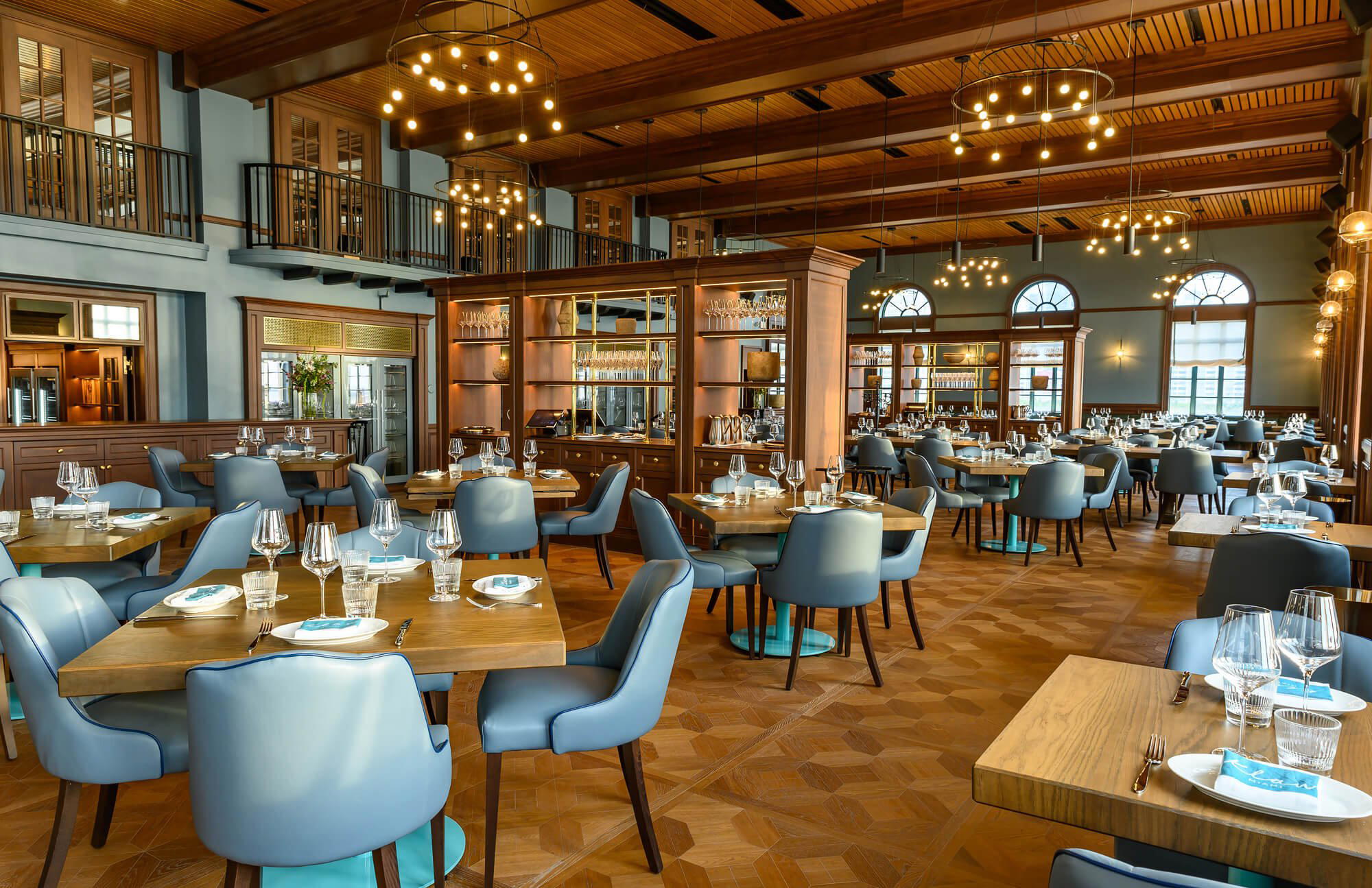
Joia Beach sits on Parrot Jungle Trail along Biscayne Bay, positioning itself within Miami's competitive waterfront dining and drinking circuit. Where many bayside venues lean into volume and spectacle, Joia Beach operates at the intersection of beach club and restaurant — a format that rewards afternoon visitors as much as dinner crowds. It belongs to the same outdoor-forward category that defines Miami's most-discussed warm-weather venues.

Pearl is the En Primeur Club membership app — saves, bookings, and concierge access live there. Same editors, same standards.
- Address
- 1111 Parrot Jungle Trail, Miami, FL 33132
- Phone
- (305) 400-7280
- Hours
- Mon 11:30 AM–9 PMTue ClosedWed–Thu 11:30 AM–9 PMFri–Sun 11:30 AM–10 PM
- Website
- joiabeachmiami.com
- Directions
- Get directions
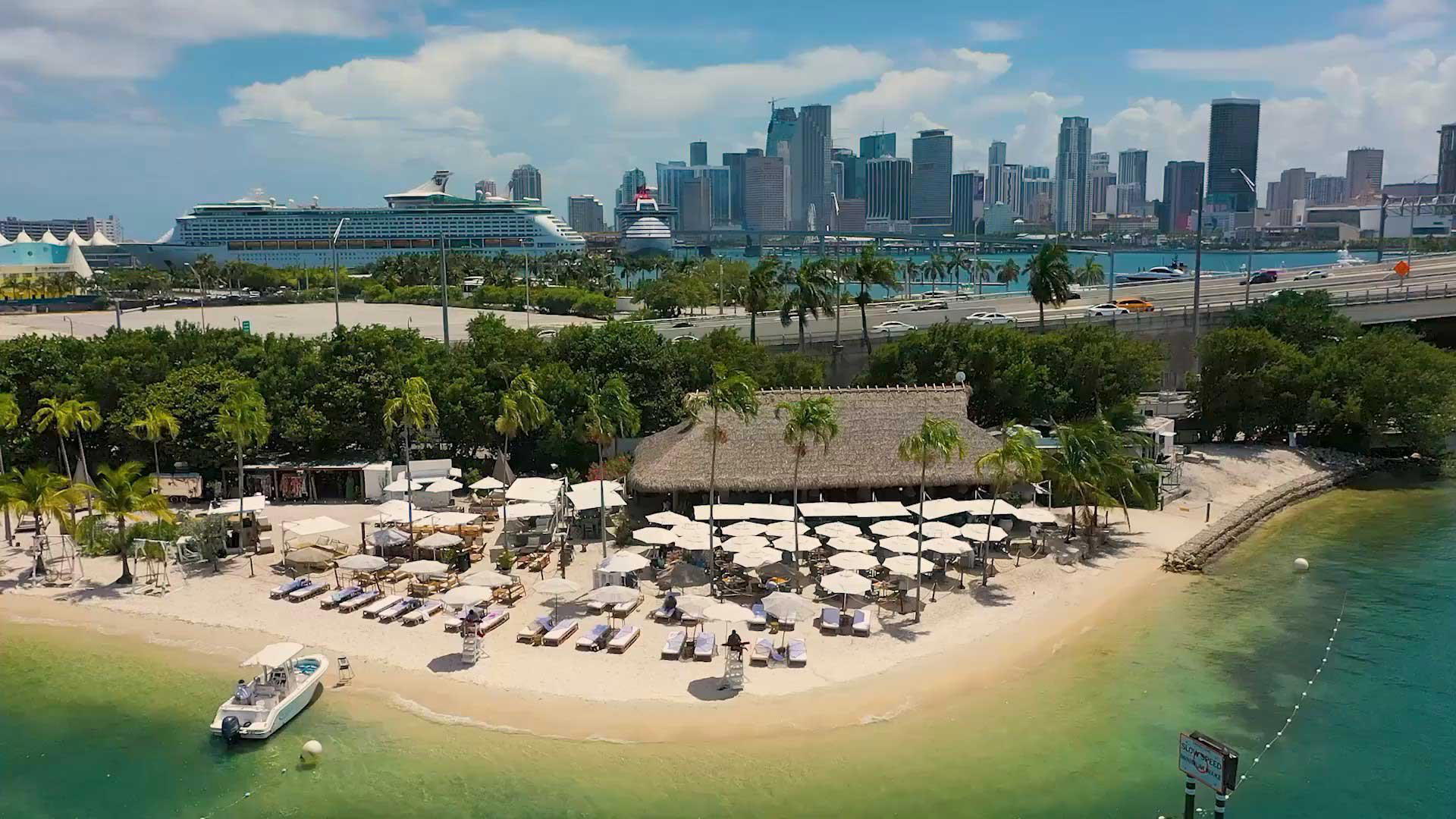
Where Biscayne Bay Sets the Table
Miami's waterfront dining scene has always operated on a different axis from its interior restaurant circuit. The calculus changes when water is involved: the view becomes part of the offering, the pace slows, and the menu architecture shifts to accommodate guests who arrive by boat, by foot, and by hour rather than by reservation slot. Joia Beach, at 1111 Parrot Jungle Trail on the causeway connecting downtown Miami to Watson Island, occupies exactly this category — a venue where the physical setting is not decoration but structural logic.
Approaching from the mainland, the causeway frames Biscayne Bay on both sides, with the Miami skyline banking behind you and the open water ahead. That orientation is not incidental. It means that from mid-afternoon onward, Joia Beach catches the western light as it drops toward the city, a quality of illumination that makes the outdoor areas feel like a different city from the one you left twenty minutes earlier. Miami has no shortage of venues that promise a view; fewer deliver one that shifts with the hour.
The Menu's Structural Logic
The format that defines beach club dining in South Florida — and in comparable warm-climate markets from the Caribbean to the Mediterranean, tends to organize itself around a dual register: casual daytime fare built for shared plates and post-swim recovery, and a more deliberate evening program that asks something different of the kitchen. Joia Beach operates within this tradition, and reading the menu through that lens reveals what the kitchen is actually trying to do.
Across Miami's waterfront category, the menus that hold up over time are those that resist the temptation to over-complicate. The beach club format punishes ambition poorly calibrated to environment: a dish that requires architectural precision tends to arrive compromised by salt air, communal seating, and the rhythm of guests who are simultaneously watching the water. The stronger play, one that venues across the Florida coastline have arrived at independently, is to anchor the menu in ingredients that carry their own authority: fresh seafood, citrus-forward preparations, and proteins that can take heat without losing character.
How a menu is sectioned tells you about the audience a kitchen is building for. A venue that leads with raw bar signals confidence in sourcing and a guest who is paying attention to provenance. One that opens with shareable flatbreads and fried items is optimizing for group dynamics and alcohol adjacency. Miami's beach club circuit includes both orientations, and the better venues find ways to serve both within the same menu without the seams showing.
Where Joia Beach Sits in Miami's Outdoor Dining Circuit
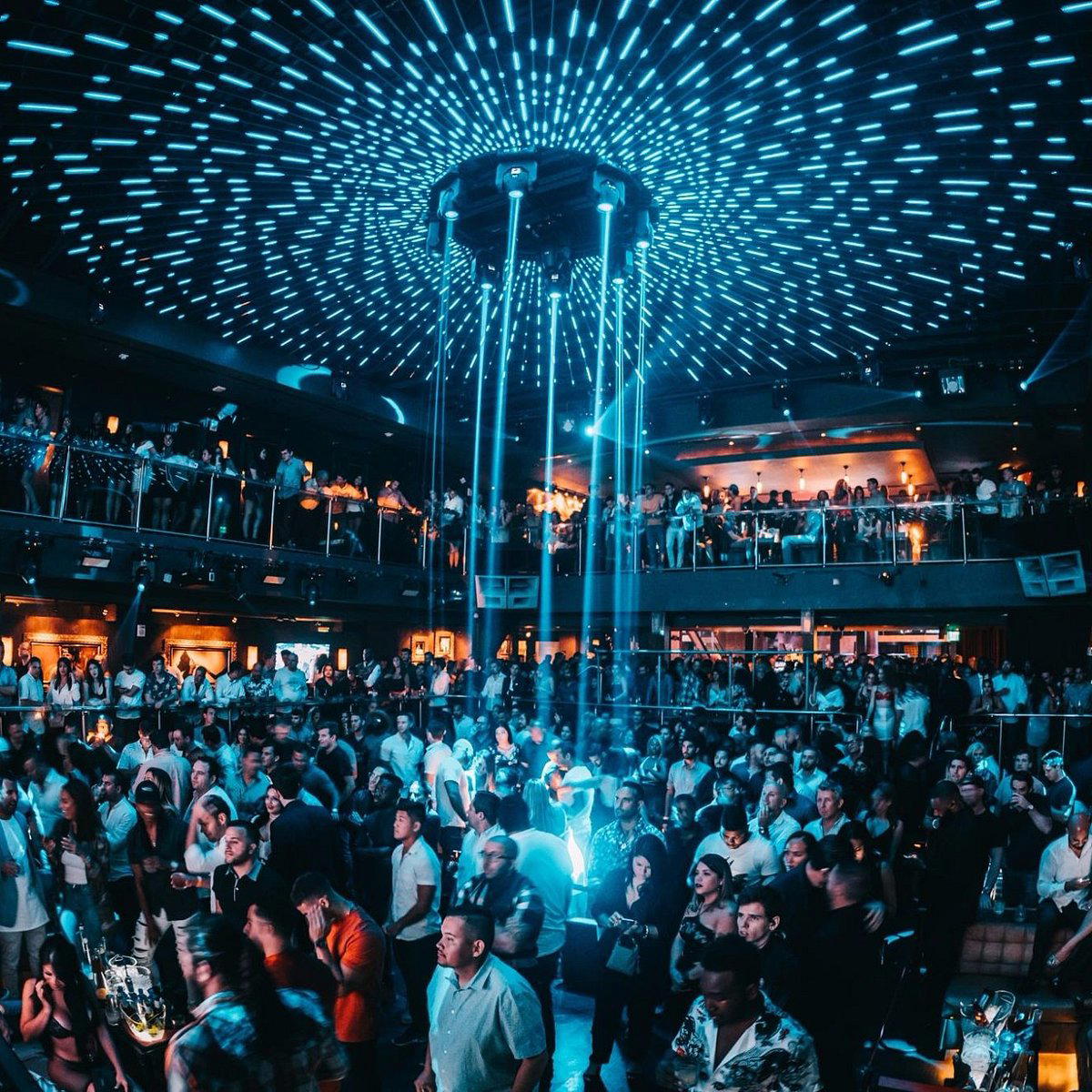
Miami's outdoor dining and drinking circuit breaks into a few distinct tiers. At one end, large-format entertainment venues prioritize throughput and spectacle, Mango's on Ocean Drive represents that register, with a programming model built around volume and performance. At the other, more considered cocktail programs like Broken Shaker at Freehand Miami have earned sustained recognition by treating the bar as a serious production environment, even in an outdoor-forward setting. Broken Shaker's approach, herb-forward, technique-driven, with menus that rotate by season, has become a reference point for what a Miami bar can aspire to beyond the beach bar baseline.
Joia Beach occupies a different position from both. It is not a bar program that happens to have food, nor a performance venue that happens to serve cocktails. The waterfront location on Parrot Jungle Trail places it closer to the destination-dining-with-outdoor-access model: guests arrive for the combination of food, water proximity, and atmosphere rather than for any single element in isolation. That positioning is its own competitive statement in a city where most venues are built around one axis.
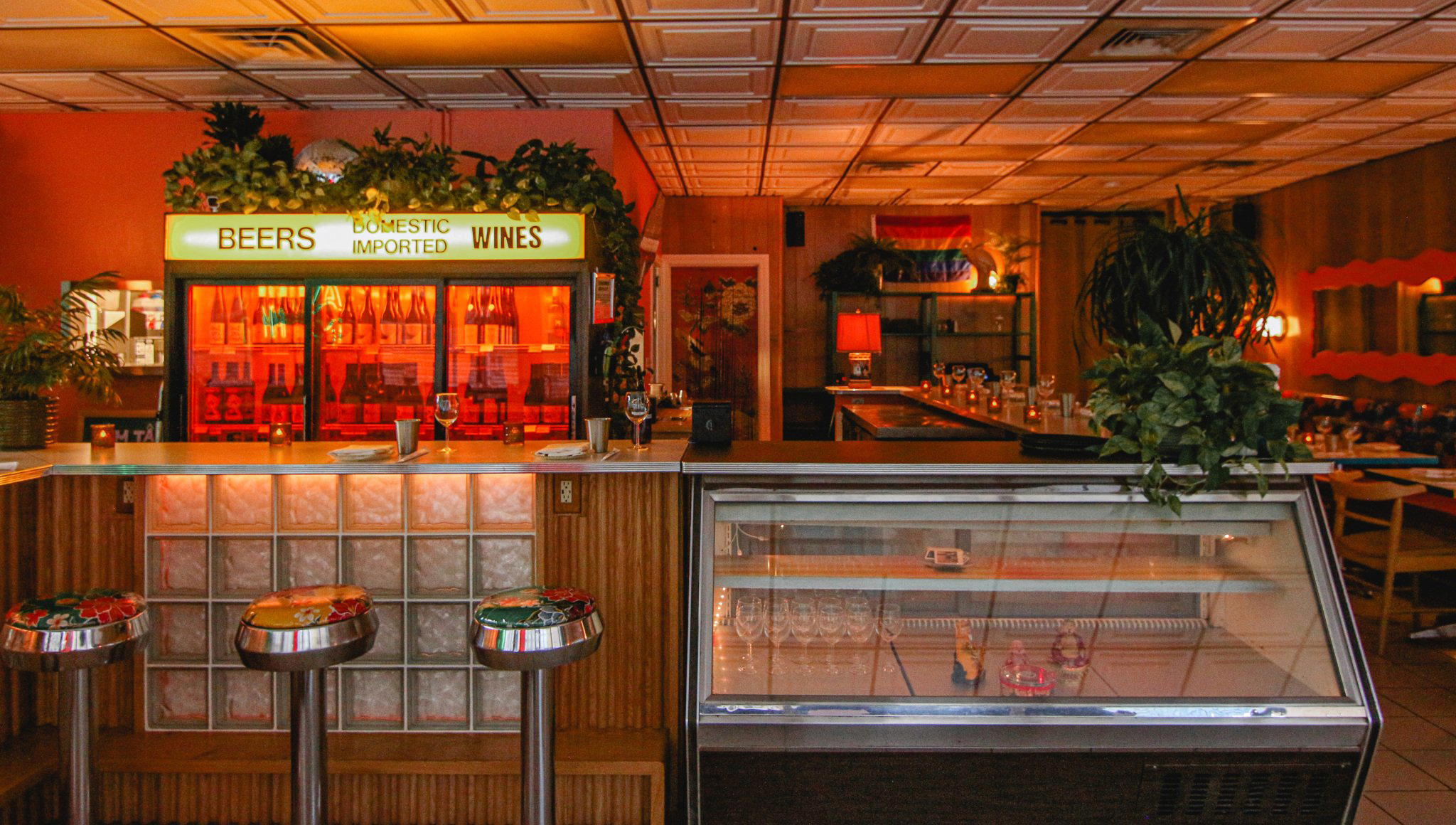
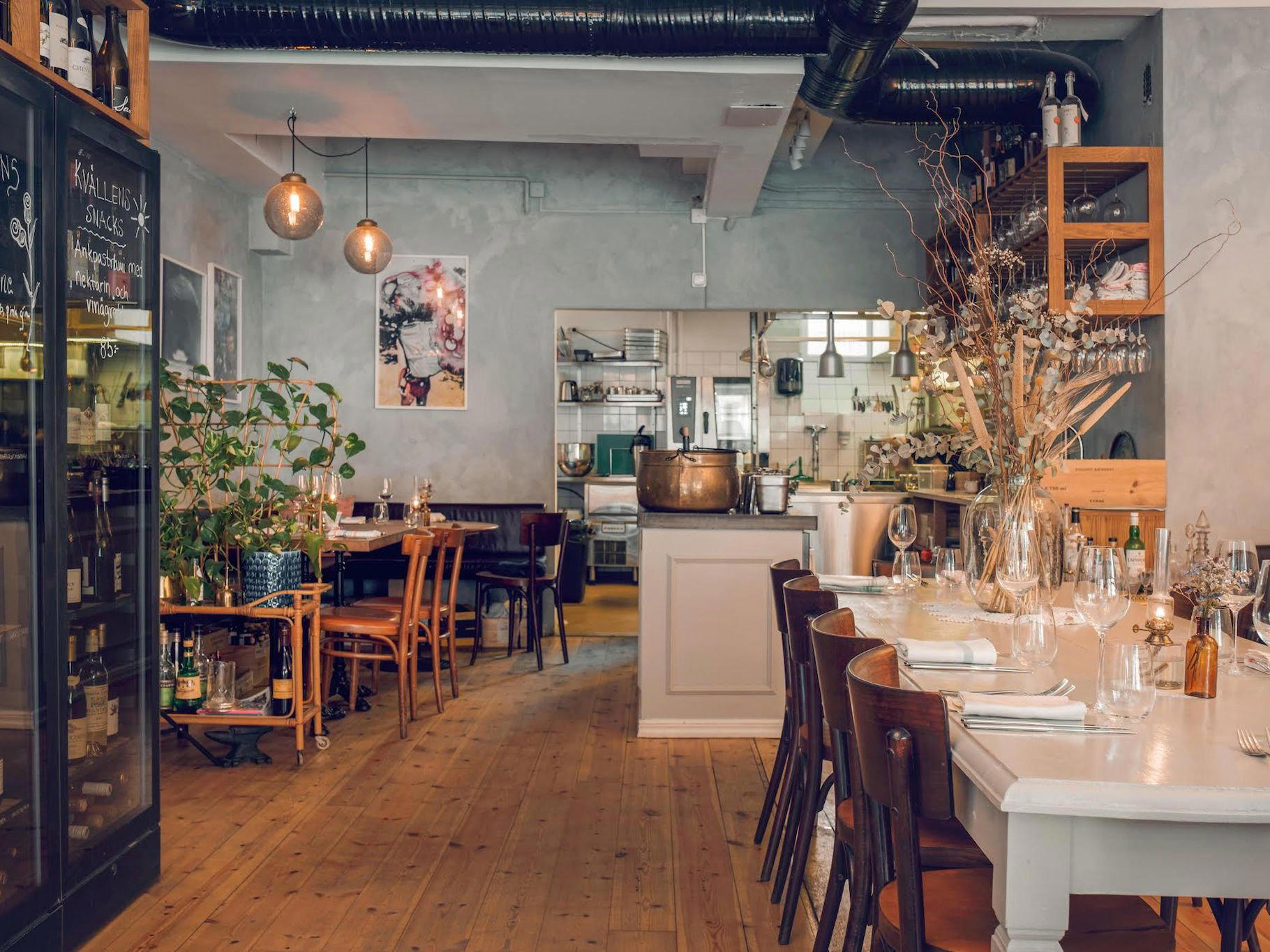
For comparison, venues like Bar Kaiju and Café La Trova represent Miami's more interior-focused bar culture, programs built around craft and heritage respectively, where the room itself is the environment. Joia Beach belongs to a category where the environment is borrowed from geography rather than constructed from design decisions. That is a harder thing to sustain across seasons, and it is why waterfront venues in Miami cycle through identities more quickly than their inland counterparts.
Planning a Visit: What to Know
The Watson Island address, reached via the MacArthur Causeway from downtown Miami, means Joia Beach is technically close to the urban core but feels removed from it in a way that matters for how you plan the visit. Factor in the causeway traffic on weekend afternoons, which can add fifteen to twenty minutes from South Beach or Brickell. The venue's position on the bay means that mid-week visits in the late afternoon carry a different character from weekend peak hours; the tradeoff between crowd energy and ease of access is worth weighing depending on what you are after.
For those building a broader Miami drinking itinerary, the contrast between Joia Beach's outdoor-waterfront format and the interior craft programs elsewhere in the city is worth planning around. Broken Shaker and Café La Trova offer the most distinct counterpoints, the former for its technical cocktail program, the latter for its Cuban heritage and live music integration. If your reference points extend beyond Miami, the outdoor-meets-craft tension that defines the better end of the beach bar format appears in different forms at Bar Leather Apron in Honolulu, Jewel of the South in New Orleans, and ABV in San Francisco, each resolving the indoor/outdoor, craft/casual tension differently depending on climate and local drinking culture.
For a full picture of where Joia Beach fits within Miami's broader restaurant and bar circuit, see our full Miami restaurants guide.
Miami Beach Club Drinking: The Broader Context
The cocktail programs at Miami's beach club venues have historically lagged behind the city's dedicated bar scene. That gap has narrowed over the past several years, partly driven by venues like Broken Shaker demonstrating that serious drink-making and outdoor, high-volume environments are not mutually exclusive. The wider US bar scene reflects the same evolution: Kumiko in Chicago, Superbueno in New York City, Julep in Houston, and The Parlour in Frankfurt on the Main all represent venues where environment and program are in close conversation rather than operating independently. That is increasingly the standard against which waterfront venues everywhere are being measured.
Frequently asked questions
Where is Joia Beach located?
Joia Beach is located at 1111 Parrot Jungle Trail, Miami, FL 33132, Miami.
Is Joia Beach a good spot for a waterfront lunch on Watson Island?
Watson Island's Joia Beach at 1111 Parrot Jungle Trail is one of the few Miami venues where Biscayne Bay water views come with a dedicated beach club format rather than a rooftop or enclosed dining room. The MacArthur Causeway approach keeps it within ten minutes of downtown Miami and South Beach, making a midday visit logistically straightforward. Miami's outdoor dining circuit rates waterfront access as a primary differentiator, and the Watson Island position delivers that without requiring a trip to the barrier islands.
What drink is Joia Beach famous for?
Miami's beach club venues have built their cocktail reputations around tropical-forward formats — rum, citrus, and fresh fruit combinations that suit the Biscayne Bay setting. Joia Beach, positioned on Watson Island with direct water views, fits squarely within that tradition. Specific signature cocktails are not formally documented, but the broader South Florida beach club circuit trends toward frozen and blended drinks alongside spritzes during peak daytime hours.
What is Joia Beach known for?
Joia Beach is known as a waterfront beach club on Watson Island at 1111 Parrot Jungle Trail, accessible from downtown Miami via the MacArthur Causeway. It occupies a position in Miami's outdoor dining circuit that sits between large-format entertainment venues and more intimate waterfront restaurants, offering Biscayne Bay views as the primary draw alongside food and drink service. The Watson Island location gives it proximity to the urban core while maintaining the feel of a destination removed from the city grid.
Compact Comparison
Comparable venues nearby, for context on price, style, and recognition.
| Venue | Cuisine | Price | Notes |
|---|---|---|---|
| Joia BeachThis venue — the venue you are viewing | Watson Island, Dining | $50–100 | Not listed |
| Calle Dragones | Cuban-Asian Fusion | $30–50 | Little Havana, Cuban-Asian Fusion |
| Osteria | Authentic Italian Osteria | Not listed | Shorecrest, Authentic Italian Osteria |
| Ristorante Fratelli Milano | Traditional Italian Pasta House | $30–50 | Miami Jewelry District, Traditional Italian Pasta House |
| Bargean Miami | LatinAegeo (Latin-Mediterranean Fusion) | $50–100 | Little Havana, LatinAegeo (Latin-Mediterranean Fusion) |
| Hutong Miami | Modern Northern Chinese | $100–150 | Miami Riverwalk, Modern Northern Chinese |