Jinjee

Jinjee brings Korean barbecue to Boston at a moment when the city's dining scene is actively broadening its Asian dining vocabulary beyond sushi and izakaya formats. The restaurant sits within a city increasingly curious about tabletop fire and the communal rituals that define Korean grill culture, placing it in a small but growing comparable set of Korean-focused venues on the East Coast.
Pearl is the En Primeur Club membership app — saves, bookings, and concierge access live there. Same editors, same standards.
- Address
- Boston, United States
- Directions
- Get directions
 Saves & bookings on Pearl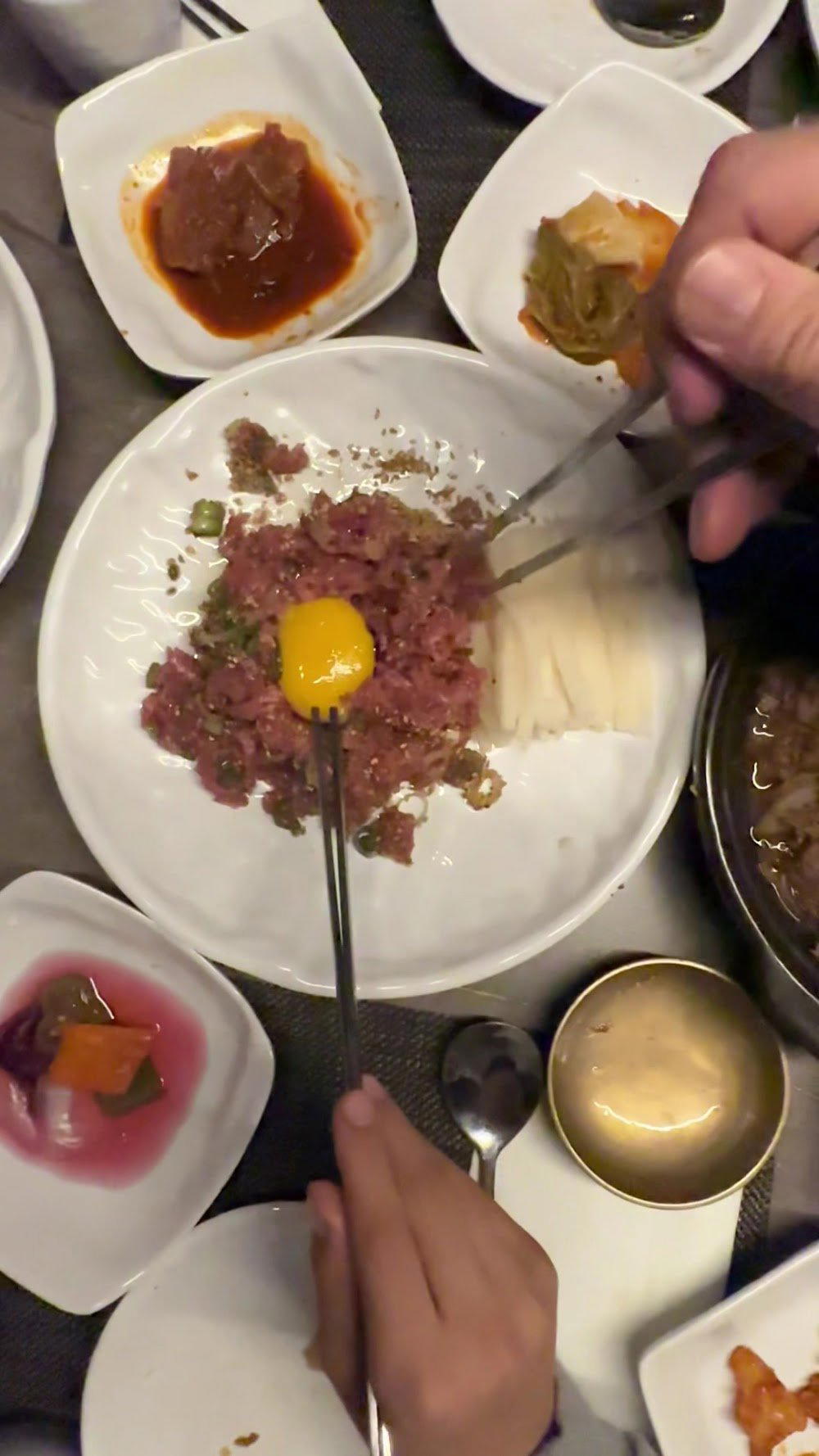
Boston at the Grill: Korean Barbecue and the City's Evolving Asian Dining Scene
Walk into a Korean barbecue restaurant and the atmosphere announces itself immediately: the low hiss of charcoal or gas grates set into each table, smoke rising in thin ribbons toward overhead vents, plates of marinated meat arriving raw and unfinished, demanding participation. It is one of the few dining formats in which the cooking never fully leaves the table. That interactive quality is not incidental to Korean barbecue culture, it is the culture. Jinjee operates within this tradition in Boston, a city whose Asian dining vocabulary has historically leaned toward Japanese formats. The arrival and persistence of Korean barbecue here reflects a broader shift in how East and West Coast food cities are absorbing Korean culinary tradition beyond bibimbap and bulgogi bowls.
Boston's restaurant scene has spent the past decade deepening in several directions at once. The high-end tasting-menu circuit, represented by venues like Agosto and 311 Omakase, occupies one end of the spectrum. Seafood-anchored mid-market dining, the city's long-standing comfort zone, holds its ground. What has arrived more recently is a broader willingness to engage with Asian dining formats that involve communal eating, tabletop cooking, and the kind of meal that extends over two hours not because of a tasting menu but because the ritual demands it. Korean barbecue belongs firmly in that third category.
The Cultural Architecture of Korean Barbecue
To understand what Jinjee is doing in Boston, it helps to understand what Korean barbecue actually represents within Korean food culture. The grill-it-yourself format, known in Korea as gogi-gui, is less a restaurant style than a social institution. Families and friend groups gather around the grill for extended meals that move through multiple proteins, banchan (small shared side dishes), wraps assembled tableside with perilla leaf and fermented paste, and rounds of soju or makgeolli. The restaurant is the setting; the group is the cook.
This communal architecture makes Korean barbecue an unusual proposition in a city like Boston, where dining culture has historically been more individualistic, each diner with their own plate, their own progression through a meal. The city's most celebrated dining rooms, from Abe & Louie's on the steakhouse side to Alcove on the neighborhood restaurant side, follow that individualist template. Korean barbecue proposes something different: a meal in which the social dynamic is baked into the physical format of the table itself.
On the US coasts where Korean barbecue has taken firmest hold, this communal quality has proven to be a draw rather than a barrier. In Los Angeles, venues like Genwa Korean BBQ have built sustained followings by committing fully to the format, extensive banchan spreads, quality marinated meats, and table service that guides guests through the progression without over-managing it. In Seoul, institutions like Maple Tree House demonstrate how the format scales into premium territory without losing its essentially social character. Boston's Korean barbecue options are fewer and the scene younger, which means the format retains a novelty premium that more saturated markets have long since shed.
Where Jinjee Sits in the Conversation
Within Boston's current dining map, Jinjee occupies a position that the city's more established Asian dining formats have not traditionally filled. Japanese cuisine is well-represented across multiple price tiers, from the omakase counter at 311 Omakase to the sushi program at Oishii Boston. The Japanese izakaya format, with its small-plates-and-drinks logic, has influenced how the city thinks about casual Asian dining more broadly. Korean barbecue operates on a different axis: the spend is typically driven by protein quantity and group size rather than by a fixed tasting format, which gives it a flexibility that appeals to groups with varying appetites and budgets.
Comparing across city formats, Korean barbecue restaurants in this tier generally price proteins by the portion rather than by the person, creating a shared-spend dynamic that differs from both the per-head tasting menu model and the à la carte individual-plate model. Groups of four tend to be the format's natural unit. Smaller groups can manage it; larger parties can work with it given sufficient table space. Solo dining at a Korean barbecue restaurant is technically possible but somewhat defeats the social purpose the format is built around.
For visitors to Boston who have experienced the format in Los Angeles, New York, or Seoul, the local scene will feel less saturated, which cuts both ways. Fewer venues means less competition for quality, but also less accumulated local expertise in the diner base, which means the experience depends more heavily on the restaurant guiding guests through what to order and how to sequence the meal. This is worth keeping in mind when booking: a knowledgeable server makes a material difference in a Korean barbecue meal in a market where the format is still relatively new.
Venues like Ama at the Atlas point toward the city's growing appetite for globally influenced formats that don't slot neatly into existing categories. Korean barbecue, with its insistence on process and participation, is part of that same broader drift.
Planning Your Visit
Korean barbecue is a format that rewards groups willing to linger. Budget at least ninety minutes, and preferably two hours, for a full meal progression through multiple proteins and the accompanying banchan. For those new to the format, the guiding principle is to treat the meal as a set of courses you construct yourself rather than a single main event. Start with lighter, less marinated cuts before moving to richer, fattier options. The wraps, perilla or lettuce leaf, a smear of fermented paste, a piece of just-grilled meat, are not a side element; they are the meal's recurring rhythm.
Boston's broader hospitality infrastructure supports a Korean barbecue dinner well. The city has a strong cocktail bar scene (see our full Boston bars guide) for those looking to continue the evening, and hotel options across multiple tiers are covered in our full Boston hotels guide.
Compared to the tasting-menu commitment required at venues like Agosto or the refined seafood focus of Ostra, Korean barbecue offers a different kind of evening: socially driven, paced by the group, and dependent on participation rather than passivity. In a city still building its fluency with the format, that distinction is worth stating plainly.
Peers You’d Cross-Shop
Comparable venues nearby, for context on price, style, and recognition.
| Venue | Cuisine | Price | Notes |
|---|---|---|---|
| JinjeeThis venue — the venue you are viewing | Korean BBQ | $$ | Not listed |
| Daily Provisions | New York-Style All-Day Bakery Cafe | $$ | South Boston Waterfront |
| Nowon Seaport | Korean-American Gastropub | $$ | South Boston Waterfront |
| Somaek | Traditional Korean | $$$ | Downtown Crossing |
| Kingfish | Dining | Not listed | Boston |
| Myers+Chang | Pan-Asian (Chinese, Taiwanese, Thai, Vietnamese) | $$ | South End |
Recognition history
Dated appearances from independent guides and award organizations, with the underlying list record or original source where available.
Star Wine List
Star Wine List
Continue exploring
More in Boston
Restaurants in Boston
Browse all →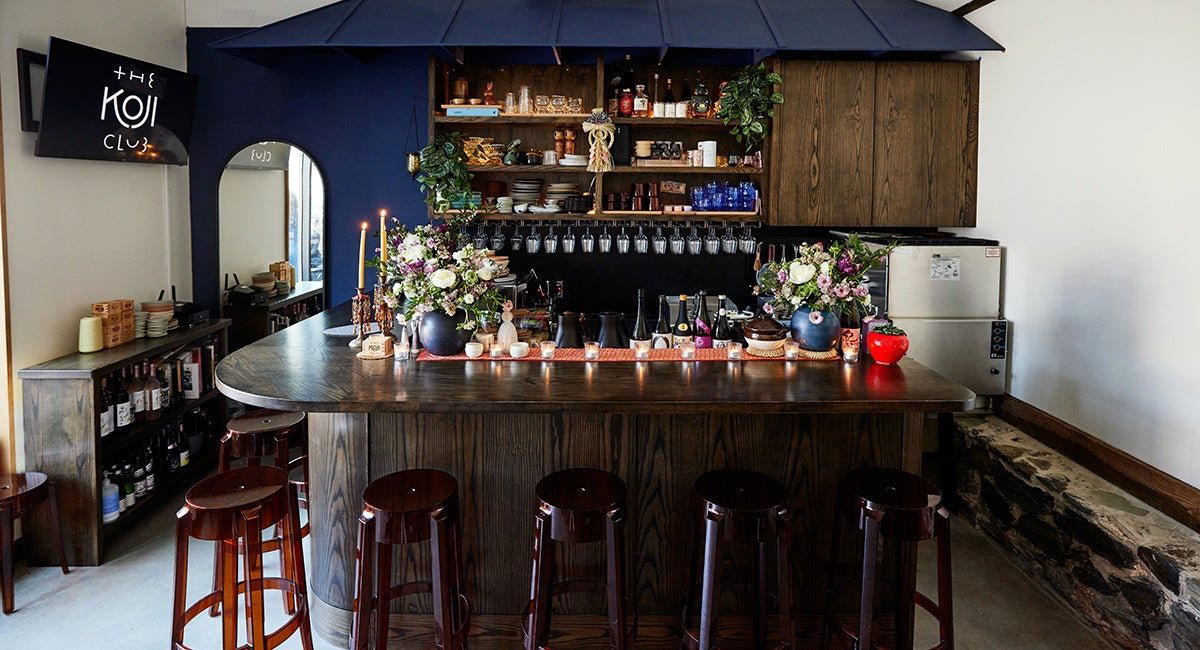
Bars in Boston
Browse all →
Hotels in Boston
Browse all →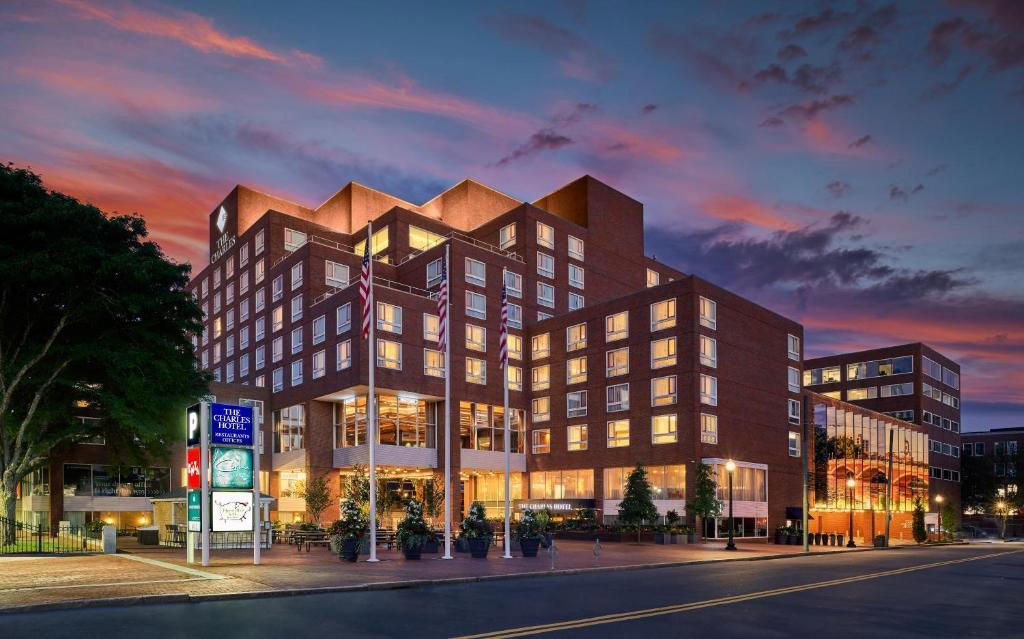
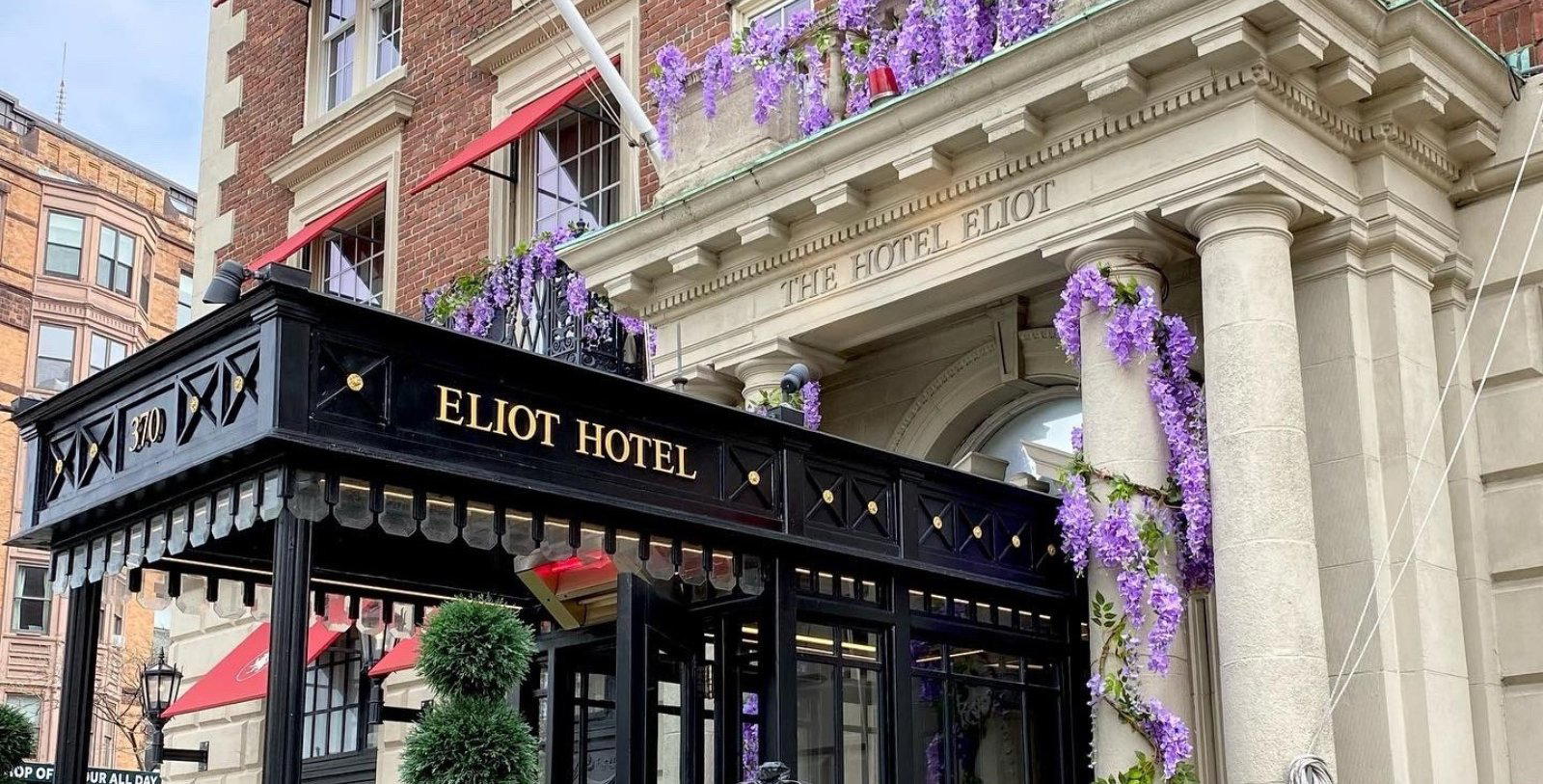

Wineries in Boston
Browse all →
At a Glance
- Group Dining
- Casual Hangout
- Open Kitchen
- Craft Cocktails
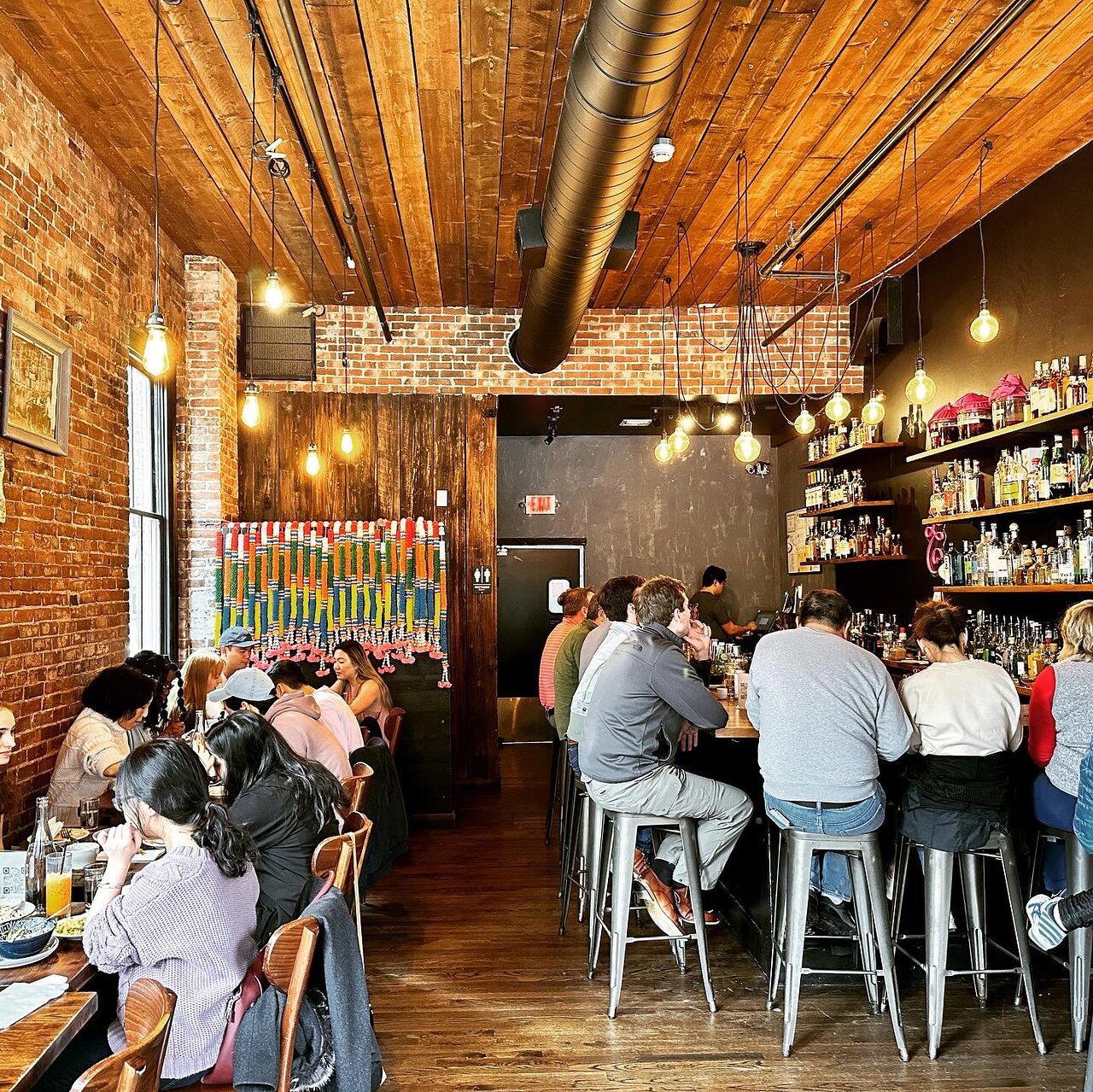
Casual dining and bar atmosphere in a former Tavern in the Square location with multiple seating areas.