Jägerkrug Herford sits on Laarer Strasse in the eastern reaches of Herford, a mid-sized Westphalian town whose dining scene skews toward honest regional cooking over fine-dining ambition. The address places it squarely in the category of neighbourhood Gasthäuser that anchor German provincial life, where the sourcing story is often more interesting than the setting suggests.
Pearl is the En Primeur Club membership app — saves, bookings, and concierge access live there. Same editors, same standards.
- Address
- Laarer Str. 208, 32051 Herford, Germany
- Phone
- +494952213733
- Website
- jaegerkrug-herford.de
- Directions
- Get directions
 Saves & bookings on Pearl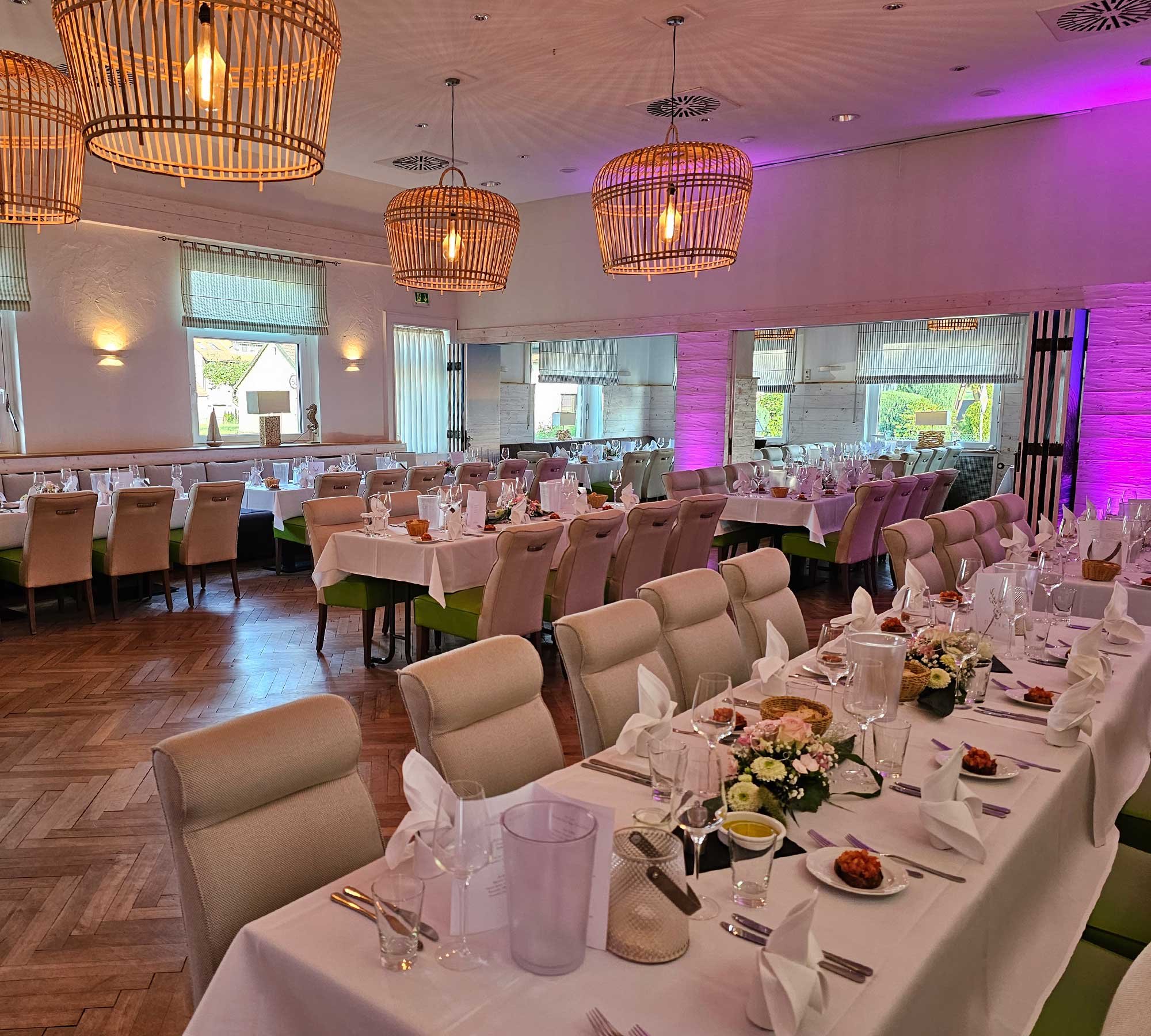
Westphalian Roots: What a Neighbourhood Gasthaus Signals About Where It Eats
In Westphalia, the Gasthof or Krug has always operated as something closer to a regional food institution than a simple restaurant. The word Krug, an old Germanic term for tavern or inn, signals a specific contract with its neighbourhood: food that draws from the surrounding land, portions sized for people who work outdoors, and a menu that changes with what the farms and forests nearby can supply. Jägerkrug Herford is a restaurant at Laarer Str. 208, 32051 Herford, Germany, serving traditional German grill and regional home-style cooking. The Jäger prefix, meaning hunter, points toward the game-forward sourcing tradition that has defined this style of house for generations across the Teutoburg Forest belt and the Ravensberger Land beyond it.
Herford itself sits in the Ravensberger Hügelland, a gently hilled agricultural corridor between Bielefeld and Bad Oeynhausen where pork, poultry, and seasonal game have historically formed the backbone of the local diet. That geography matters when assessing what a restaurant in this category is actually selling. Unlike the €€€€ contemporary German programmes at places such as Aqua in Wolfsburg or the classical French architecture of Schwarzwaldstube in Baiersbronn, the Westphalian Krug format is not built around tasting menus or luxury sourcing signals. It is built around proximity: the butcher two villages over, the forester who supplies venison through autumn, the kitchen garden that determines what appears as a daily special in October versus March.
The Sourcing Logic Behind the Jäger Tradition
Germany's hunter-cook tradition runs deepest in forested mid-regions, and the area around Herford sits within reasonable proximity to the Teutoburg Forest, a landscape that has supplied game to regional tables for centuries. The practical consequence for restaurants operating under the Jäger identity is that autumn and early winter become the defining season: wild boar, roe deer, and pheasant move from forest to kitchen in a rhythm that industrial supply chains cannot replicate. This seasonal dependency is not a marketing posture; it reflects how procurement actually works in this category, where relationships with licensed hunters and regional Jagdpächter (lease-holders of hunting grounds) determine what goes on the menu week to week rather than quarter to quarter.
This ingredient logic separates the traditional Jägerkrug format from the kind of farm-to-table rhetoric common in upmarket urban dining. At JAN in Munich or Vendôme in Bergisch Gladbach, sourcing credentials are articulated through press material and tasting menu notation. In the Westphalian Krug tradition, sourcing is simply structural: the menu is shorter, it changes more often, and the kitchen does not pretend to consistency it cannot deliver when the hunter comes back empty-handed. That operational honesty is itself an editorial point worth noting for any reader comparing this category against the premium fine-dining tier.
Herford as a Dining Town: Placing the Address in Context
Herford is not a destination-dining city on the scale of Hamburg, where Restaurant Haerlin anchors a serious fine-dining scene, or Berlin, where conceptual programmes like CODA Dessert Dining attract international attention. It is a regional Westphalian town of roughly 65,000 residents, and its restaurant culture reflects that scale: a handful of locally oriented neighbourhood restaurants, some international options, and a broader dining fabric that prioritises reliability and regionality over ambition or novelty.
Within that framework, the address on Laarer Strasse places Jägerkrug Herford in a residential-commercial zone outside the historic core, the kind of location that tends to build its clientele from repeat local custom rather than tourist footfall. That is a meaningful distinction. Restaurants in this position either sustain themselves through consistent neighbourhood loyalty or they do not sustain themselves at all. The Herford dining community includes comparable regional operators such as Am Osterfeuer, which focuses on regional cuisine, and Die Alte Schule, which takes an international approach. Jägerkrug occupies a different lane entirely, rooted in the older vernacular tradition rather than either of those contemporary postures.
How to Approach the Visit
The practical framing for a place like this is direct in concept: arrive with seasonal expectations rather than fixed assumptions. The Jägerkrug format rewards guests who ask what came in this week rather than those who arrive with a specific dish in mind. In Germany's awarded fine-dining tier, from Victor's Fine Dining by Christian Bau in Perl to ES:SENZ in Grassau, the kitchen controls the narrative through fixed menus. Here, the dynamic is reversed: the seasonal supply chain sets the terms, and the kitchen responds. That responsiveness is part of what this category of restaurant is actually for.
For reference points outside Germany, the sensibility sits closer to a rural French auberge than to anything in New York's formal dining tier, though the culinary language is entirely distinct from high-technique programmes like Le Bernardin or Atomix. The comparison is temperamental rather than technical: an orientation toward the land behind the plate, served without ceremony.
The restaurant is recommended for reservations and is open Wednesday through Saturday from 6 to 10 PM and Sunday from 5 to 9 PM; it is closed Monday and Tuesday. Further afield in Germany's Michelin-recognised tier, advance planning extends to months at places like Schanz in Piesport or Waldhotel Sonnora in Dreis. At this level of the market, the window is shorter but the discipline of checking ahead remains the same.
In Context: Similar Options
Comparable venues nearby, for context on price, style, and recognition.
| Venue | Cuisine | Price | Awards | Notes |
|---|---|---|---|---|
| Jägerkrug HerfordThis venue — the venue you are viewing | Traditional German Grill & Regional Home-Style | $$$ | Not listed | Not listed |
| Die Alte Schule | Modern German with International Influences | $$$$ | Michelin Plate | Herford center |
| Am Osterfeuer | Modern German with Westphalian influences | $$ | Bib Gourmand | Herford |
| Restaurant Ackermann | Upscale Regional German | $$$ | Not listed | Roxel |
| Zum Alten Lotsenhaus | Classic Hamburg Fish Restaurant | $$$ | Not listed | Neumuehlen |
At a Glance
- Rustic
- Cozy
- Classic
- Lively
- Group Dining
- Family
- Celebration
- Casual Hangout
- Private Event
- Beer Garden
- Private Dining
- Standalone
- Beer Program
Current opening hours
- Monday
- Closed
- Tuesday
- Closed
- Wednesday
- 6–10 PM
- Thursday
- 6–10 PM
- Friday
- 6–10 PM
- Saturday
- 6–10 PM
- Sunday
- 5–9 PM
Hours can change for holidays and private events. Last verified .
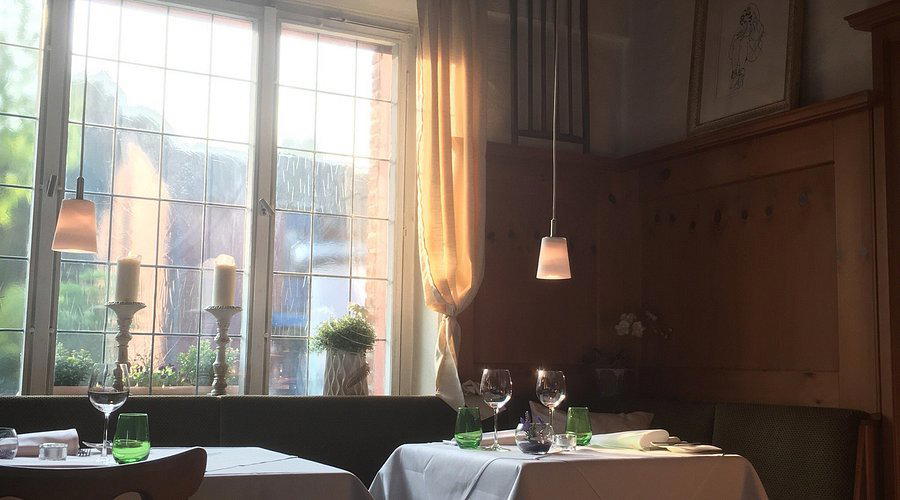
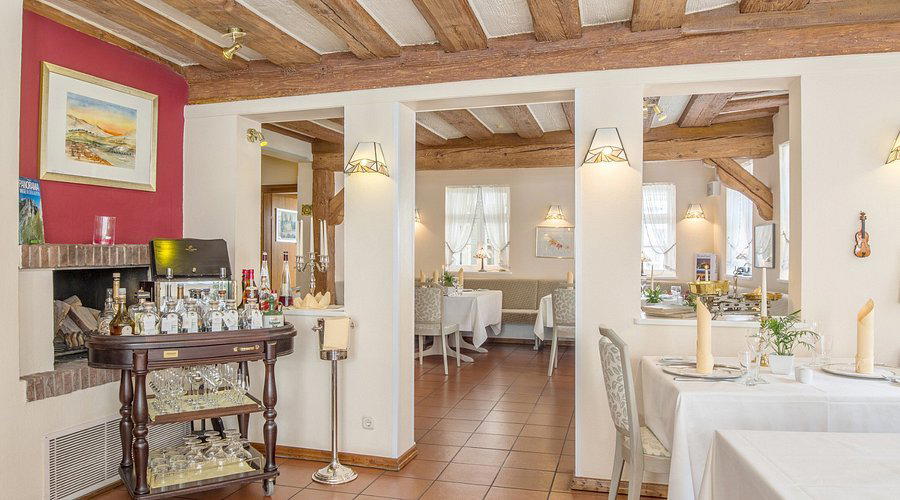
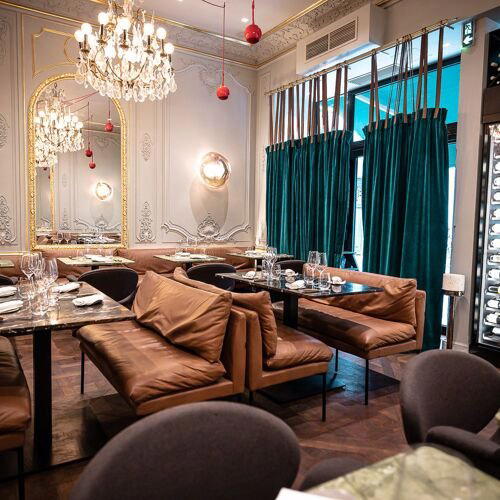
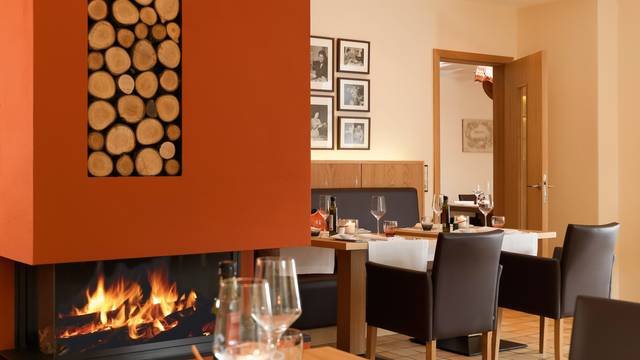
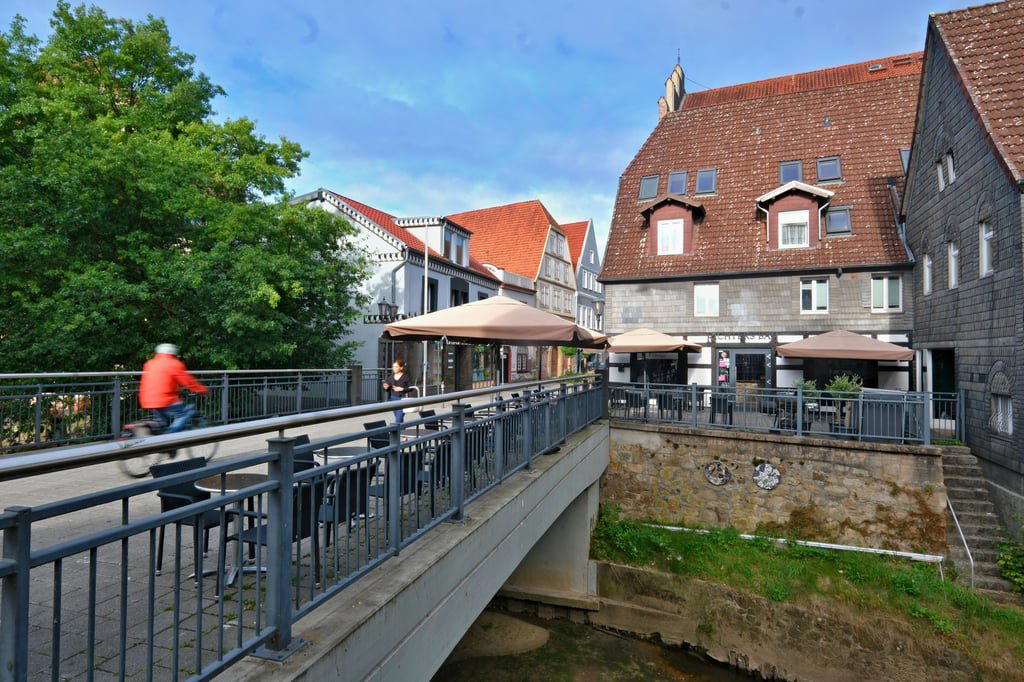
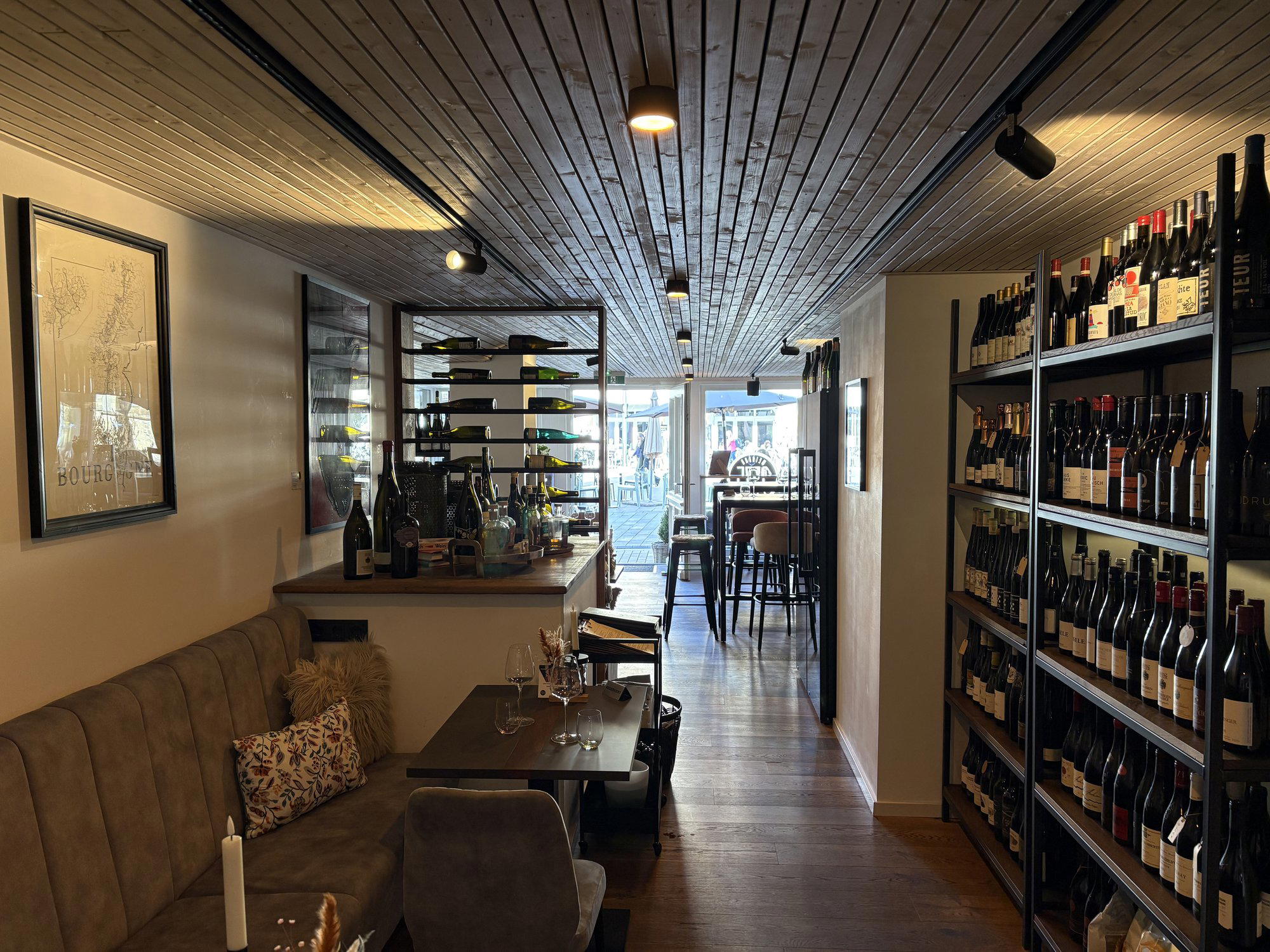
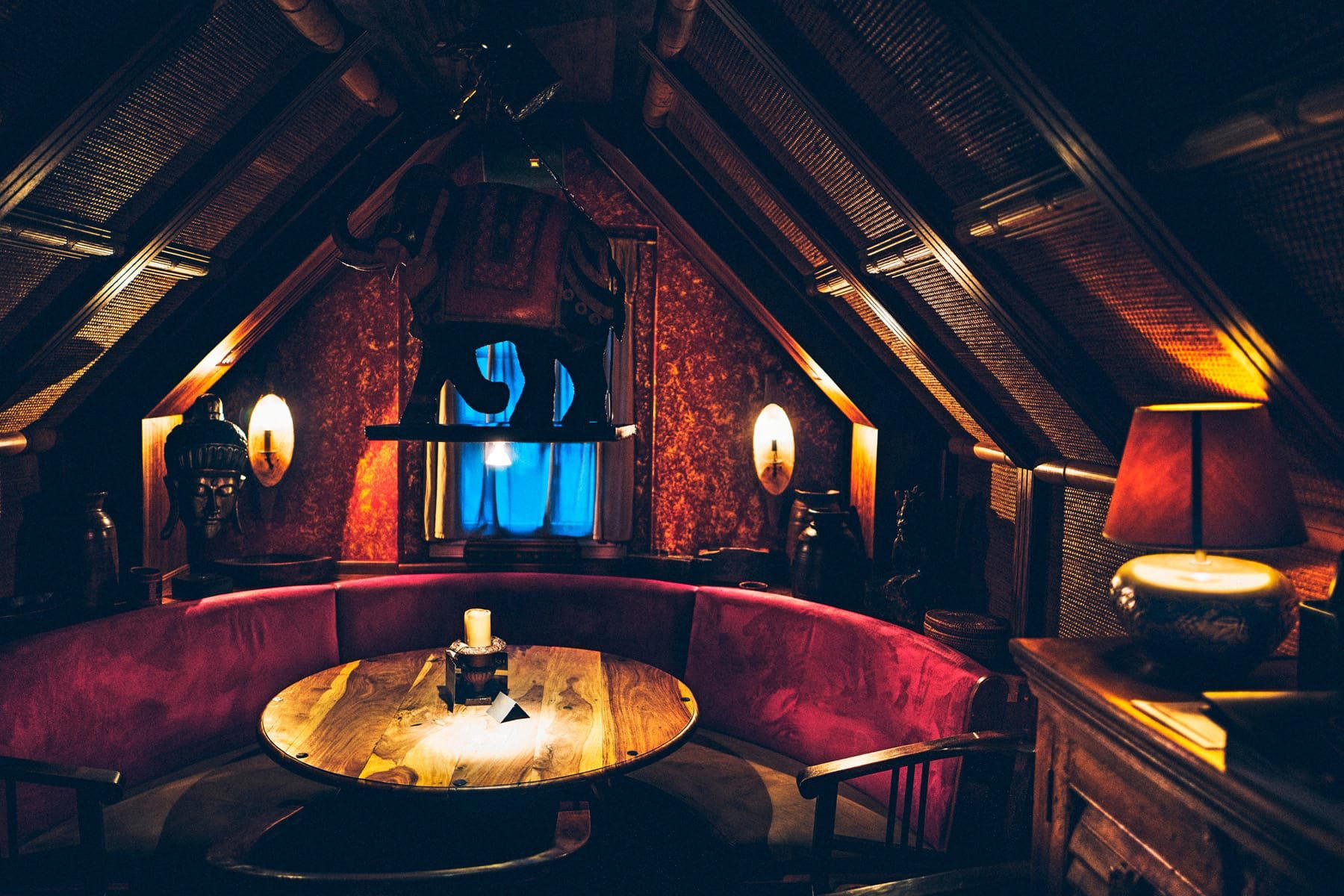
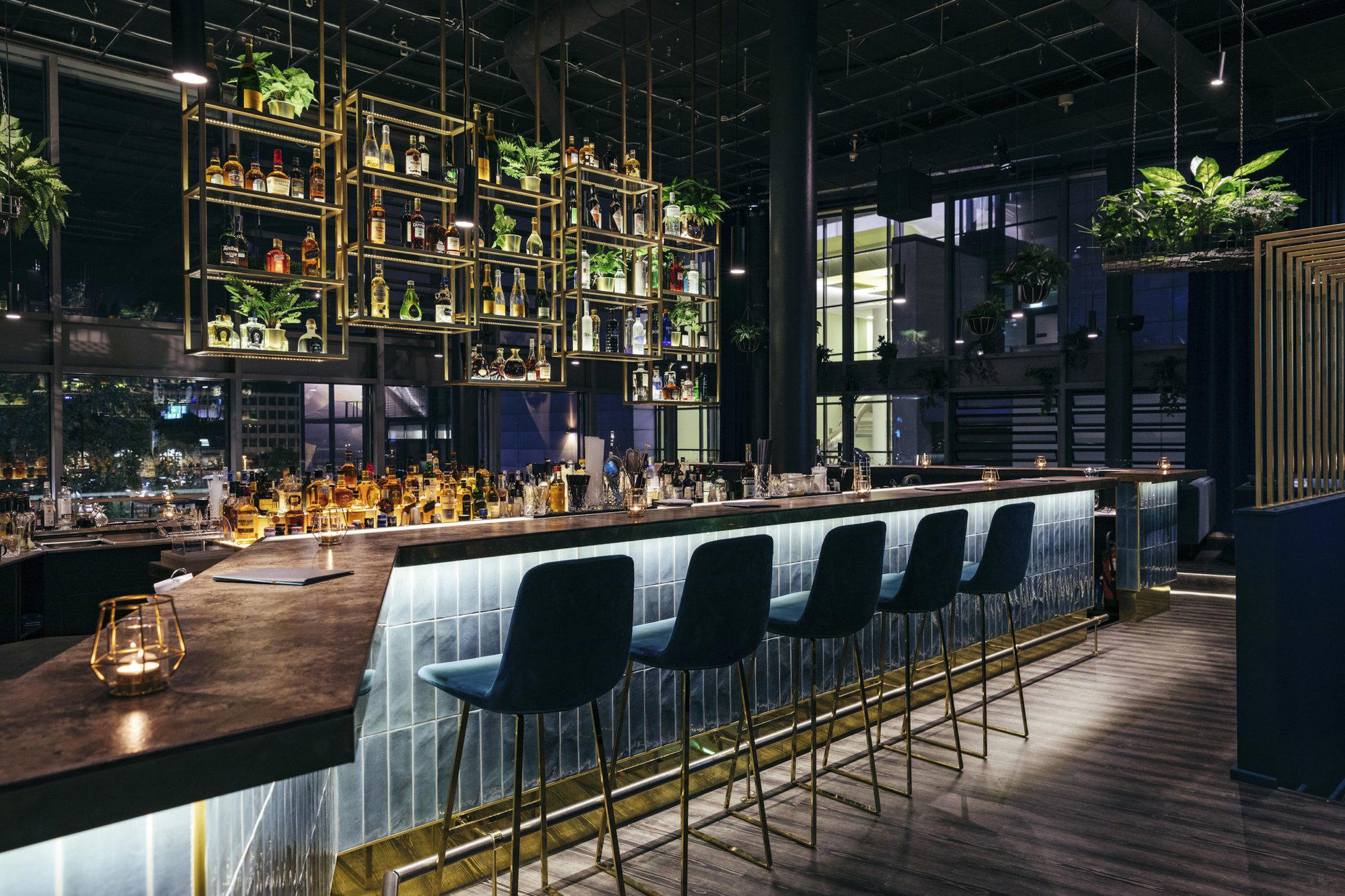
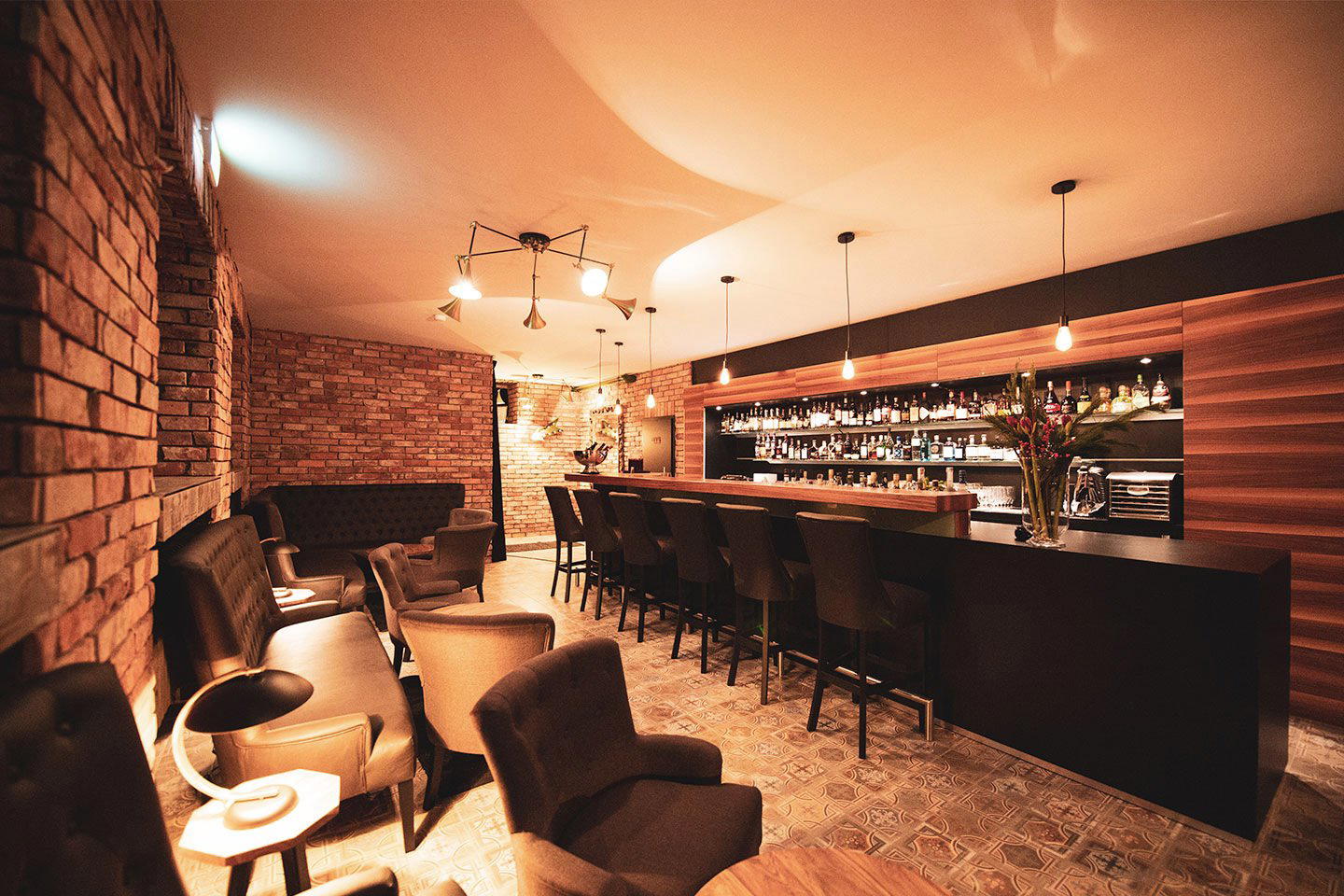
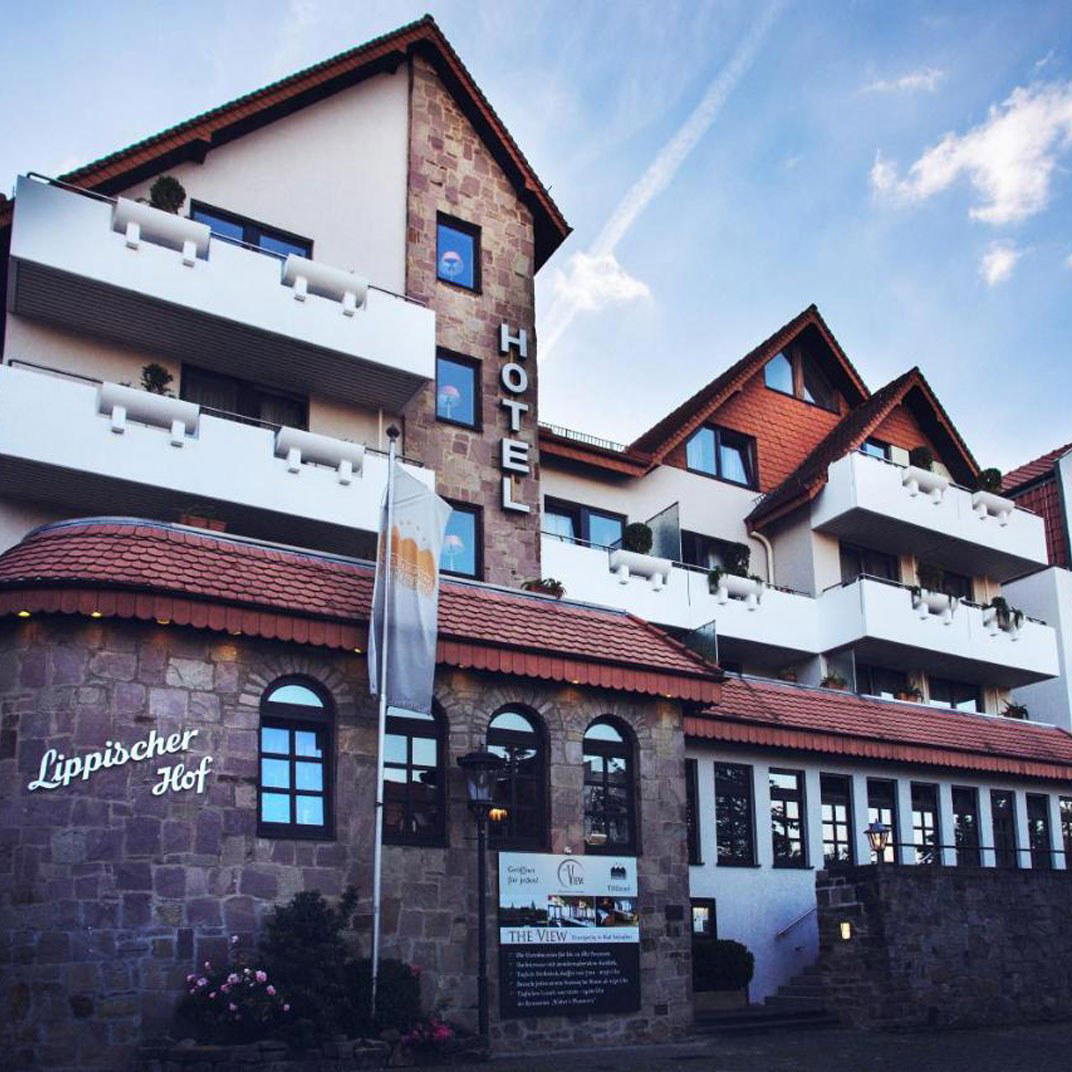
Bright restaurant with modern furnishings, stone walls, plants, and large windows providing natural daylight; warm, familial atmosphere with personal hospitality.