Jess Lemon
Our verdict
Jess Lemon is a Nunawading bakery and workshop space from Jess Liemantara, specialising in tarts, macarons, cakes, and limited pastry drops. Its official channels now list shop and workshop updates at 10 Market Street, so check current opening dates and menus before visiting.

Pearl is the En Primeur Club membership app — saves, bookings, and concierge access live there. Same editors, same standards.
- Address
- Nunawading, Australia
- Directions
- Get directions
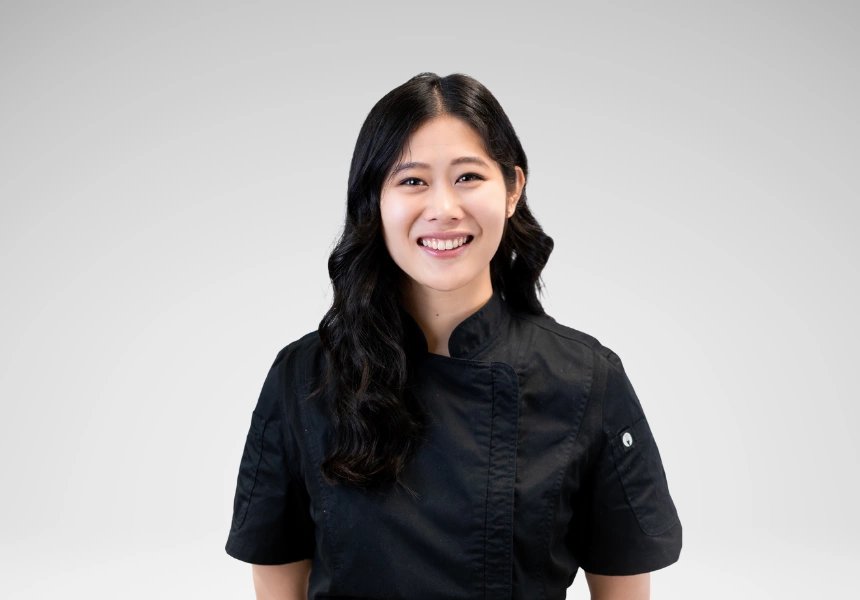
Precision Pastry in Melbourne's Eastern Suburbs
Melbourne's serious pastry culture has long been concentrated within the inner ring: the espresso-and-croissant corridors of Fitzroy, Carlton, and South Yarra. The further east you travel along the suburban grid, the more the offering thins into chain bakeries and supermarket-adjacent cafes. That context makes Nunawading, a mid-ring suburb roughly 18 kilometres from the CBD, an interesting place to find a bakery focused on technically demanding formats: tarts, macarons, chiffon cakes, and a laminated pastry program currently in development. Jess Lemon is not a casual neighbourhood drop-in — it is a signal that precision baking is tracking outward, slowly but with conviction, into precincts where it has historically had little presence.
The suburb itself sits within the Whitehorse local government area, a part of greater Melbourne defined more by light industry, mid-century housing, and arterial roads than by food culture. That ordinariness is, in part, what makes a patisserie-focused operation here editorially interesting. In cities like Melbourne, where venues like Attica in Melbourne and Amaru in Armadale anchor the fine dining end, smaller specialist operators in outer suburbs often go unnoticed by the broader food press — yet they frequently represent where a city's food culture is quietly expanding. Jess Lemon fits that pattern.
The Products and What They Signal
Tarts, macarons, and chiffon cakes occupy different technical registers. Macarons demand precise humidity control, exact meringue ratios, and reliable resting periods, the kind of process discipline that separates operations with genuine patisserie training from those attempting the format by feel. Chiffon cakes require a specific structural balance between aerated egg white and a fat-enriched batter, and they read, across Southeast Asian and East Asian bakery traditions, as a mark of restrained refinement rather than dense indulgence. Tarts, depending on the style, can be the most technique-revealing format of the three: the shell speaks to pastry handling, the filling to flavour calibration, and the finish to aesthetic intention.
That Jess Lemon is building toward laminated pastry as a next category is worth noting. Lamination, the layering of butter into dough through repeated folds, is among the most technically demanding formats in European patisserie, and bakeries that expand into it from an already multi-format base tend to be operating with some degree of deliberate program thinking rather than casual opportunism. Whether that expansion is imminent or a longer-term development is not confirmed, but its presence in the bakery's stated direction suggests a forward-looking approach to what the offering can become.
For a broader read on what precision pastry programs look like at the high end in Australia, Brae in Birregurra offers a reference point for how serious ingredient thinking connects to plate discipline, a different context, but the underlying logic of sourcing and technique informing outcome applies across formats.
Ingredient Sourcing and the Eastern Suburbs Context
French patisserie tradition, from which tarts and macarons directly descend, is deeply preoccupied with ingredient provenance. The quality of butter determines the character of lamination. The provenance of eggs affects the colour and set of a chiffon. The origin and freshness of fruit or nut components in a macaron filling changes the flavour ceiling. These are not abstract principles, they are the variables that separate technically competent pastry from genuinely good pastry.
Greater Melbourne has, over the past decade, developed increasingly dense networks of quality suppliers: Victorian dairy with traceable provenance, small-scale egg producers, and specialty importers of patisserie-grade ingredients. Bakeries operating in the outer suburbs have the same access to these networks as inner-city operations, which matters when assessing whether a non-central location is a constraint on quality. For Jess Lemon, Nunawading's positioning on Melbourne's eastern fringe does not necessarily imply any sourcing disadvantage, it is primarily a footfall and visibility question, not a supply chain one.
The broader Melbourne food network offers comparators worth understanding. 400 Gradi in Brunswick East built a reputation on ingredient fidelity within a highly competitive category. Carlton Wine Rooms in Carlton anchors its credibility on producer relationships. The logic applies equally to a pastry-focused bakery: sourcing discipline is a foundation, not a differentiator in isolation, but it determines the quality ceiling of everything else.
Where Jess Lemon Sits in the Nunawading Scene
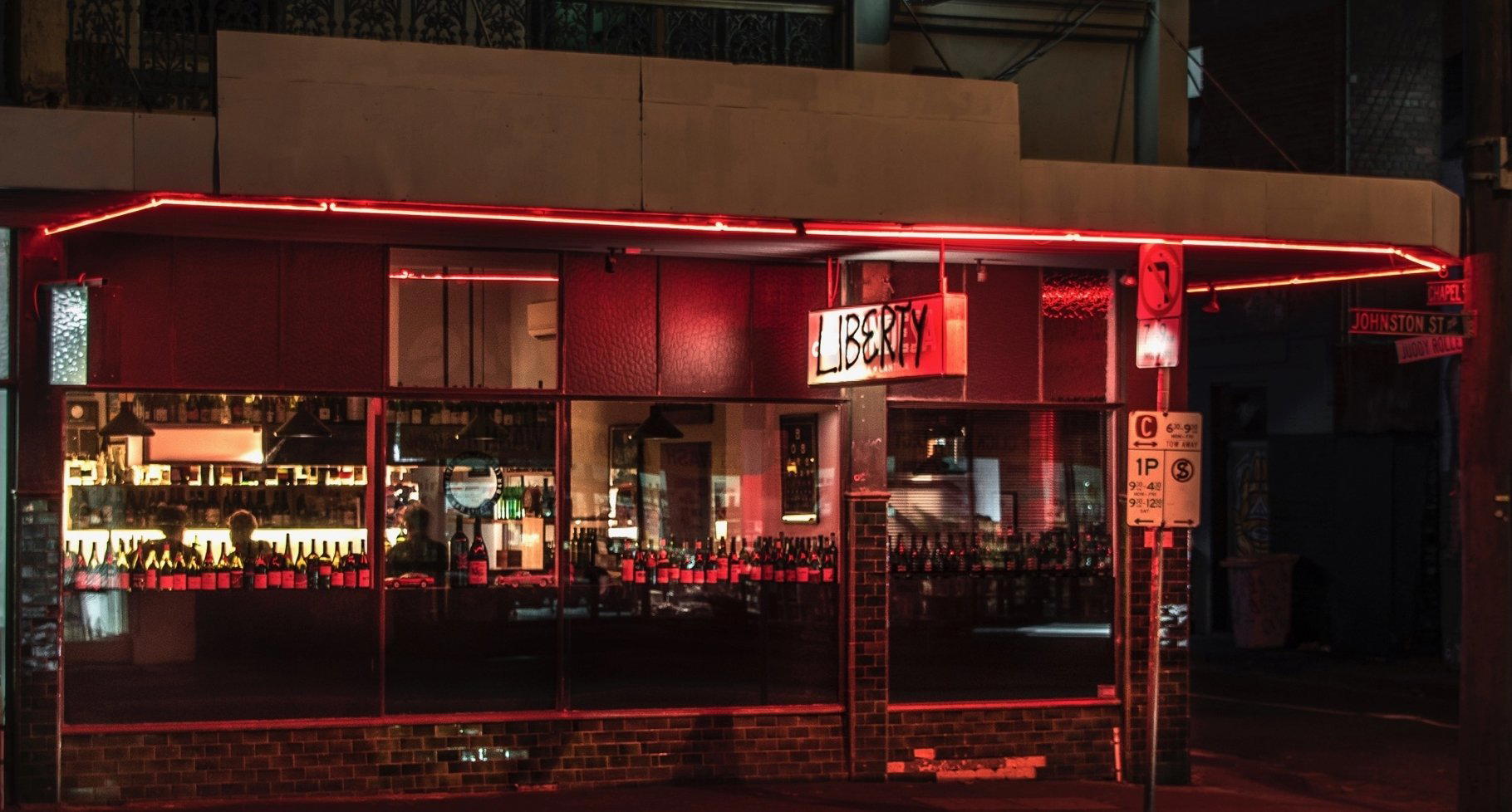
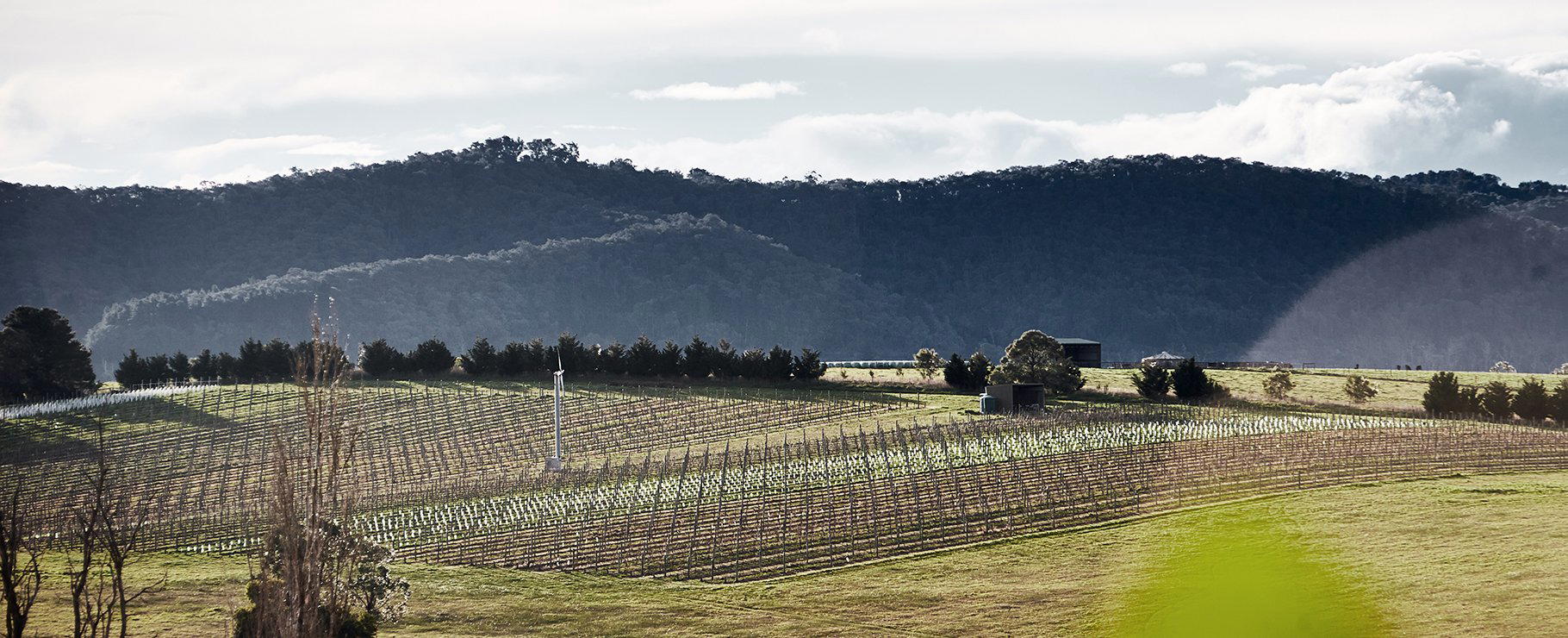
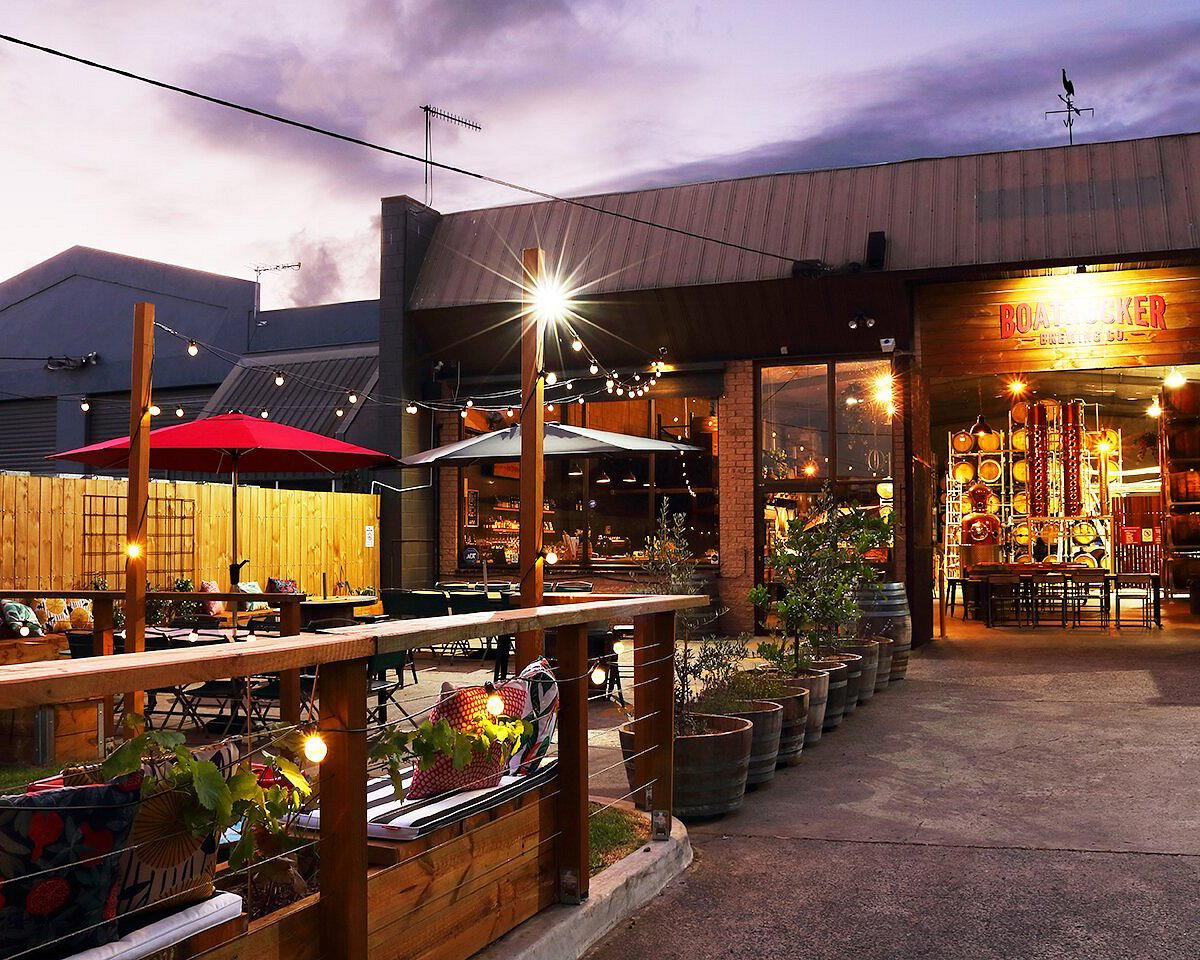
Nunawading does not have an established dining or food precinct in the way that Fitzroy or Carlton does. For those exploring the area more broadly, our full Nunawading restaurants guide maps the current offering, and for overnight context, the Nunawading hotels guide covers accommodation options in the area. The bars guide, wineries guide, and experiences guide round out the wider picture for visitors.
As a specialist bakery in a suburb without a strong hospitality identity, Jess Lemon operates outside the competitive pressure that shapes patisseries in denser food precincts. That can work in either direction: there is less noise to cut through, but also less of the ambient food culture that tends to sharpen operators through proximity to peers. The international reference points for serious patisserie formats have never been more accessible, operations like Le Bernardin in New York City and Atomix in New York City demonstrate what happens when technique is applied with rigour and purpose, and Melbourne's own inner-city patisserie community provides a local benchmark that operators anywhere in the metro area can measure against.
Planning a Visit
Nunawading is accessible via the Belgrave and Lilydale train lines on the Ringwood corridor from Flinders Street, and also by car via the Eastern Freeway and Canterbury Road. Given the suburb's car-oriented layout, driving is the more practical option for most visitors coming from the CBD or inner-ring suburbs. For those combining a visit with broader exploration, the Cutler and Co. in Fitzroy corridor and the broader eastern suburbs trail offer context on how Melbourne's food culture distributes across the metro grid.
Frequently asked questions
Would Jess Lemon be comfortable with kids?
As a specialist bakery in Nunawading focused on tarts, macarons, and chiffon cakes, the format suits families well in practical terms. Pastry counters tend toward casual, drop-in visits rather than extended seated service, which works in favour of shorter attention spans. Confirm the current setup directly before visiting, as hours and service details are not yet on record.
Is Jess Lemon better for a quiet night or a lively one?
Jess Lemon is a bakery, not a dining room, so the framing of quiet versus lively night out does not apply here. The draw is the product range: tarts, macarons, and chiffon cakes, with laminated pastries in the pipeline. Think daytime stop or afternoon visit rather than evening occasion.
Is Jess Lemon planning to expand its pastry range beyond tarts and macarons?
Yes — laminated pastries are listed as planned additions to the current menu of tarts, macarons, and chiffon cakes. Laminated doughs, which include croissants and related formats, require a different skill set and equipment investment than the existing range, making the expansion a meaningful step up in technical scope. For a specialist bakery operating in Nunawading's eastern suburbs, that addition would broaden its appeal to a morning pastry audience alongside its existing customer base.
What's the signature dish at Jess Lemon?
Macarons in particular are an exacting benchmark for any patisserie, requiring precise meringue ratios and humidity control to land consistently. The planned addition of laminated pastries will add another technically demanding category to the lineup.
Do I need a reservation for Jess Lemon?
Jess Lemon is a bakery in Nunawading, so walk-in is the expected format rather than advance booking. That said, small specialist operations often sell out of high-demand items like macarons and tarts earlier in the day. Checking ahead via their contact channels before a specific visit is sensible, particularly if you have a particular product in mind.
How It Stacks Up
Comparable venues nearby, for context on price, style, and recognition.
| Venue | Cuisine | Price | Notes |
|---|---|---|---|
| Jess LemonThis venue — the venue you are viewing | Dessert Cafe | Not listed | Not listed |
| Daybaker | Modern Australian Bakery | Not listed | Abbotsford |
| Poor Toms Oltra | Pizza Bar with Gin Distillery Cocktails | $20–30 | Marrickville |
| The Tasmanian Juice Press | Healthy Cold-Pressed Juices & Light Eats | $10–20 | Hobart |
| Passion Tree | Modern Australian Cafe & Desserts | Not listed | Castle Hill |
| Greenfield Station Bistro | Modern Australian Bistro with International Fusion | $20–30 | Bankstown |
Continue exploring
More in Nunawading
Restaurants in Nunawading
Browse all →

Bars in Nunawading
Browse all →
Hotels in Nunawading
Browse all →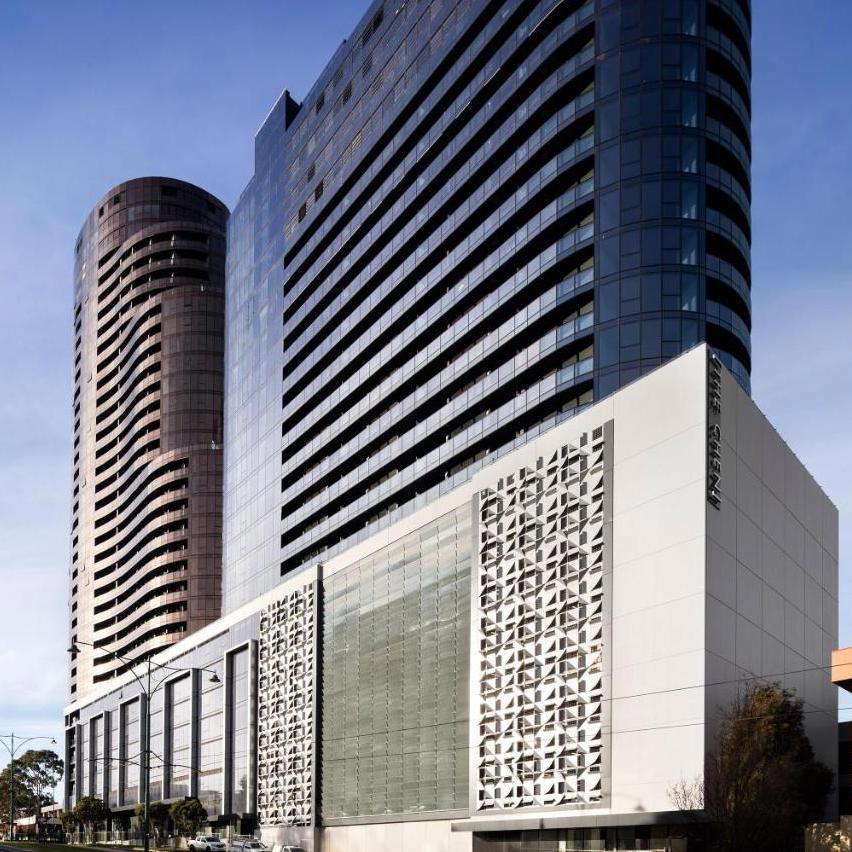





Details
- Casual Hangout
- A La Carte
Sweet-focused atmosphere centered on homemade confections.