
On Via Duomo, steps from the cathedral that holds San Gennaro's relics, Januarius anchors itself in Campanian tradition with dishes like octopus alla Luciana, zito pasta in ragù, and salted cod with Neapolitan-style endives. A Michelin Plate holder in both 2024 and 2025, the restaurant pairs its two dining rooms with a boutique entrance stocked with premium local charcuterie and cheeses. Mid-range pricing makes it one of the more accessible serious addresses in the historic centre.
Pearl is the En Primeur Club membership app — saves, bookings, and concierge access live there. Same editors, same standards.
- Address
- Via Duomo, 146/148, 80138 Napoli NA, Italy
- Phone
- +39 081 014 5980
- Directions
- Get directions
 Saves & bookings on Pearl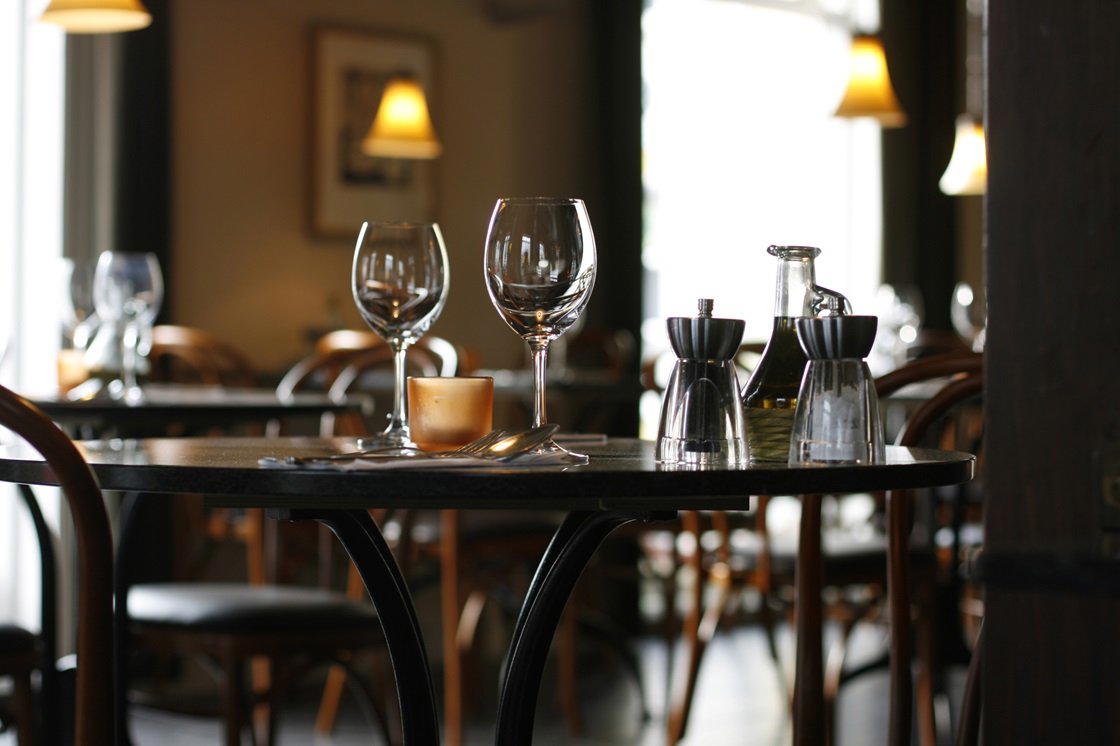
Where the Street and the Table Share a History
Via Duomo is not a quiet street. It cuts through one of Naples' most densely layered neighbourhoods, running past churches, street shrines, and the cathedral complex that has defined the civic and spiritual identity of this city for centuries. Walking its length, you pass vendors selling religious objects alongside alimentari with hanging hams and wheels of aged provolone. The entrance to Januarius opens directly onto this atmosphere, and it does so literally: before you reach either of the two dining rooms, you pass through a boutique selling high-quality local charcuterie and cheeses. The transition from street to table is gradual, deliberate, and entirely in keeping with how Neapolitans have always understood the relationship between food and place.
The restaurant takes its name from San Gennaro, the patron saint of Naples, whose relics are housed in the Duomo just steps away. Januarius is a restaurant in Naples serving Traditional Neapolitan with Modern Refinement, at a price point of about $50 per person. That choice of name is not incidental. It signals a particular stance: that the cooking here is in dialogue with a specific place and a specific community, not with the international fine-dining conversation happening at addresses like George Restaurant or Veritas. Januarius sits in the €€ price bracket, which in Naples means a serious mid-range meal rather than a casual one, and its Michelin Plate recognition in 2024 and 2025 confirms that the kitchen is operating with consistent technical discipline.
The Campanian Table: What It Actually Means
Campanian cuisine occupies an unusual position in the Italian regional canon. It is simultaneously globally recognised Italian food tradition (Naples exported pizza and tomato-based pasta sauces to the world) and the frequently reduced to caricature. The cooking that has sustained families in this city for generations is considerably more complex than the tourist-facing version suggests. It draws heavily on preserved and cured ingredients, on the sea, on dried pasta forms that predate the fresh pasta enthusiasm of the north, and on a relationship with offal and cheaper cuts that reflects the economic realities of a historically poor city.
The dishes associated with Januarius sit precisely in this tradition. Octopus alla Luciana is a Neapolitan preparation rooted in the fishing quarter of Santa Lucia, where the mollusc is braised slowly with tomatoes, capers, olives, and garlic in a sealed terracotta vessel. It is a method that demands patience and good sourcing; the octopus must be fresh enough to take the long cook without turning rubbery, and the supporting ingredients must be substantive rather than decorative. Zito pasta in a traditional ragù represents something equally specific: ziti is a long tubular format typically broken by hand before cooking, and the Neapolitan ragù that accompanies it is a meat-based sauce cooked for hours, bearing little resemblance to what most of the world calls bolognese. Then there is salted cod with Neapolitan-style endives, a pairing that speaks directly to the city's history with preserved fish and its use of bitter greens to balance rich, salt-forward protein.
For a broader view of how Campanian cooking is being interpreted across the region, including more formal tasting-menu formats, Le Trabe in Paestum and Oasis - Sapori Antichi in Vallesaccarda offer useful reference points from outside the city.
The Format: Shop, Then Sit
The structural logic of Januarius is worth noting as a format in its own right. Restaurants that open through a retail space are more common in northern Italy and in certain French regional traditions, but they are less standard in Naples, where the alimentari and the trattoria have historically occupied separate roles in the food ecosystem. Here, the boutique entrance serves both a commercial and a curatorial function: it communicates immediately what the kitchen values (quality preserved and cured ingredients, local provenance) and gives the diner something to look at, smell, and consider before sitting down. Two original dining rooms open off either side of this entrance, which suggests a building with some architectural age and character rather than a generic commercial fit-out.
The mid-range €€ pricing aligns Januarius with addresses like La Locanda Gesù Vecchio and Ostaria Pignatelli in the serious-but-accessible tier of the Naples dining scene, rather than with the city's upper bracket, where Palazzo Petrucci and Caruso Roof Garden operate at considerably higher price points.6 across 1,994 reviews indicates sustained performance with a substantial volume of diners.
Naples in Its Wider Italian Context
Italy's most decorated kitchens are concentrated in the north and centre: Osteria Francescana in Modena, Enoteca Pinchiorri in Florence, Le Calandre in Rubano, Enrico Bartolini in Milan, and Atelier Moessmer Norbert Niederkofler in Brunico represent the tier that absorbs most international fine-dining attention. Southern Italy's recognition has historically lagged, which makes the Michelin Plate at Januarius a meaningful signal. The Plate is awarded for cooking quality, not for formal service standards or room design, and holding it in consecutive years confirms that the kitchen is doing something consistently right with technically demanding dishes. Similarly, Dal Pescatore in Runate illustrates how a generational commitment to regional tradition can produce sustained international recognition. Januarius is operating on a different scale, but the underlying argument is the same: a precise, geographically grounded menu will outlast trend-driven formats.
Planning Your Visit
The restaurant sits at Via Duomo 146/148 in the historic centre, close to the cathedral, which places it within walking distance of much of Naples' central sightseeing. The area is dense and lively, particularly during the day; evenings on Via Duomo are quieter. Booking in advance is advisable, particularly on weekends, given the review volume that suggests consistent demand. The price tier makes this a realistic lunch or dinner choice for travellers watching costs without wanting to compromise on authenticity. The boutique at the entrance also makes the space worth a stop even if a full meal isn't planned, since it stocks the kind of local charcuterie and cheeses that are worth taking back.
Cuisine Context
Comparable venues nearby, for context on price, style, and recognition.
| Venue | Cuisine | Price | Awards | Notes |
|---|---|---|---|---|
| JanuariusThis venue — the venue you are viewing | Traditional Neapolitan with Modern Refinement | $$$ | Michelin Plate | Not listed |
| Palazzo Petrucci Pizzeria | Neapolitan Pizza | $$$ | Michelin Plate | Vomero |
| Joca | Modern Neapolitan Fine Dining with Tapas | $$$$ | Michelin Plate | Acquario |
| 177 toledo | Modern Neapolitan Fine Dining | $$$$ | Michelin Plate | San Ferdinando |
| Bidder Terrace | Traditional Neapolitan Italian | $$$ | Not listed | Chiaia |
| 50 Kalò | Modern Neapolitan Pizza | $$ | Michelin Plate | Piedigrotta |
Recognition history
Dated appearances from independent guides and award organizations, with the underlying list record or original source where available.
Michelin Plate
Michelin
Michelin Plate
Michelin
Michelin Plate
Michelin
Continue exploring
More in Naples
Restaurants in Naples
Browse all →
Bars in Naples
Browse all →
Hotels in Naples
Browse all →


At a Glance
- Cozy
- Elegant
- Sophisticated
- Intimate
- Date Night
- Celebration
- Special Occasion
- Family
- Group Dining
- Historic Building
- Standalone
- Extensive Wine List
- Sommelier Led
- Local Sourcing
- Street Scene
Current opening hours
- Monday
- 1–3 PM, 7:30–11 PM
- Tuesday
- Closed
- Wednesday
- 1–3 PM, 7:30–11 PM
- Thursday
- 1–3 PM, 7:30–11 PM
- Friday
- 1–3 PM, 7:30–11 PM
- Saturday
- 1–3 PM, 7:30–11 PM
- Sunday
- 1–3:30 PM
Hours can change for holidays and private events. Last verified .
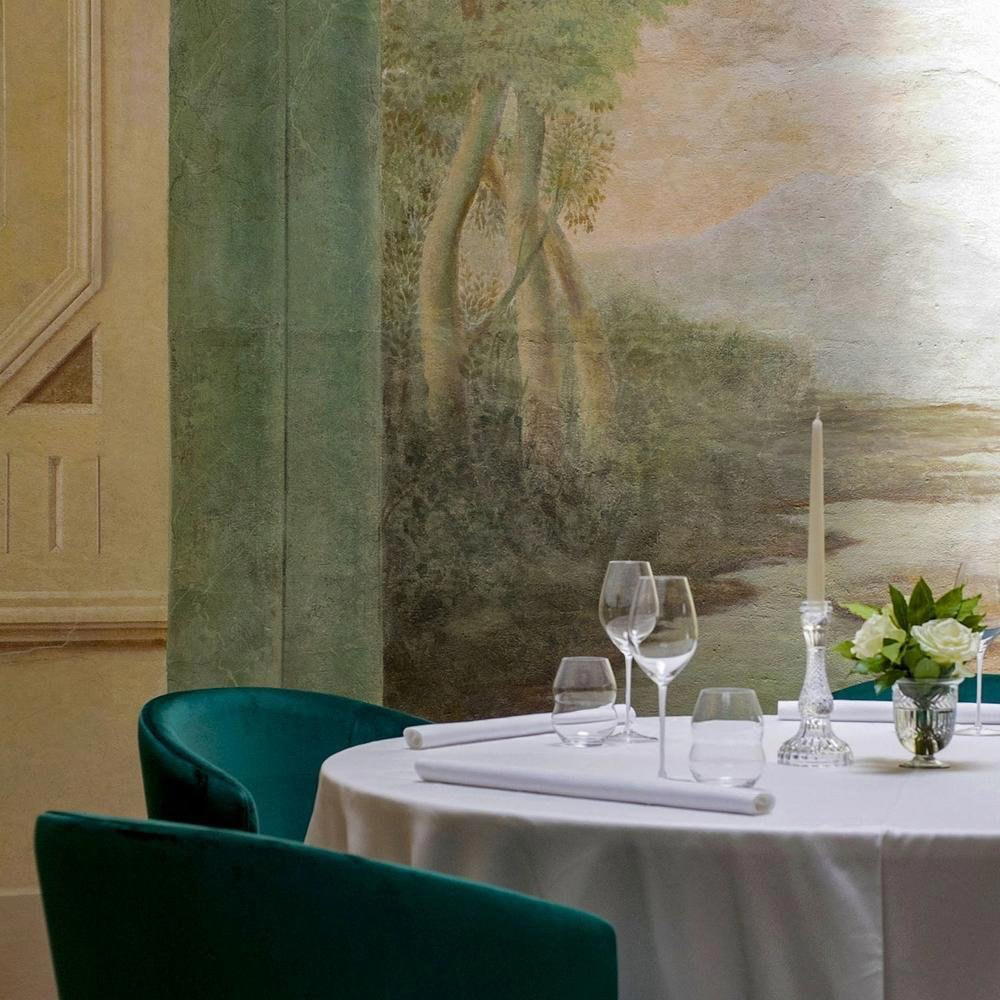
Cozy, intimate atmosphere with attention to detail and refined decor; recently renovated with a sophisticated yet unpretentious vibe that feels welcoming and comfortable despite its fine dining quality.