
Jan Van den Bon in Ghent occupies a distinct position in Belgium's serious dining tier, shaped by a family lineage in which vegetables, herbs, and aromatic seasonings are central to how food is conceived. The kitchen integrates a broad range of ingredients into cohesive, layered preparations. Situated at Floraliënlaan 22, it represents Ghent's quieter, ingredient-led fine dining tradition alongside neighbours like Boon and Ferri.
Pearl is the En Primeur Club membership app — saves, bookings, and concierge access live there. Same editors, same standards.
- Address
- Floraliënlaan 22, 9000 Gent, Belgium
- Phone
- +32 9 221 90 85
- Website
- janvandenbon.be
- Directions
- Get directions
 Saves & bookings on Pearl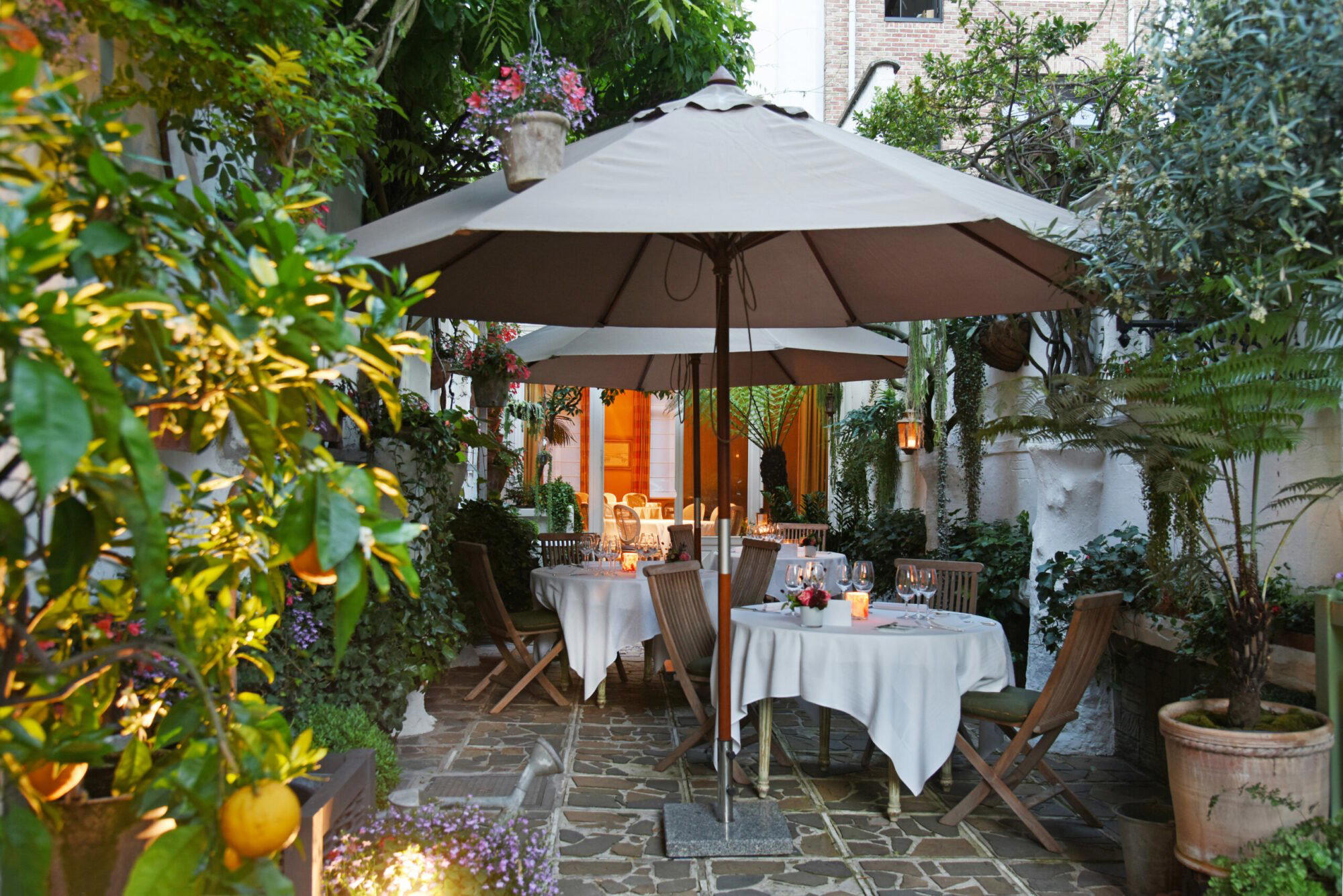
Where Ghent's Ingredient Tradition Comes Into Focus
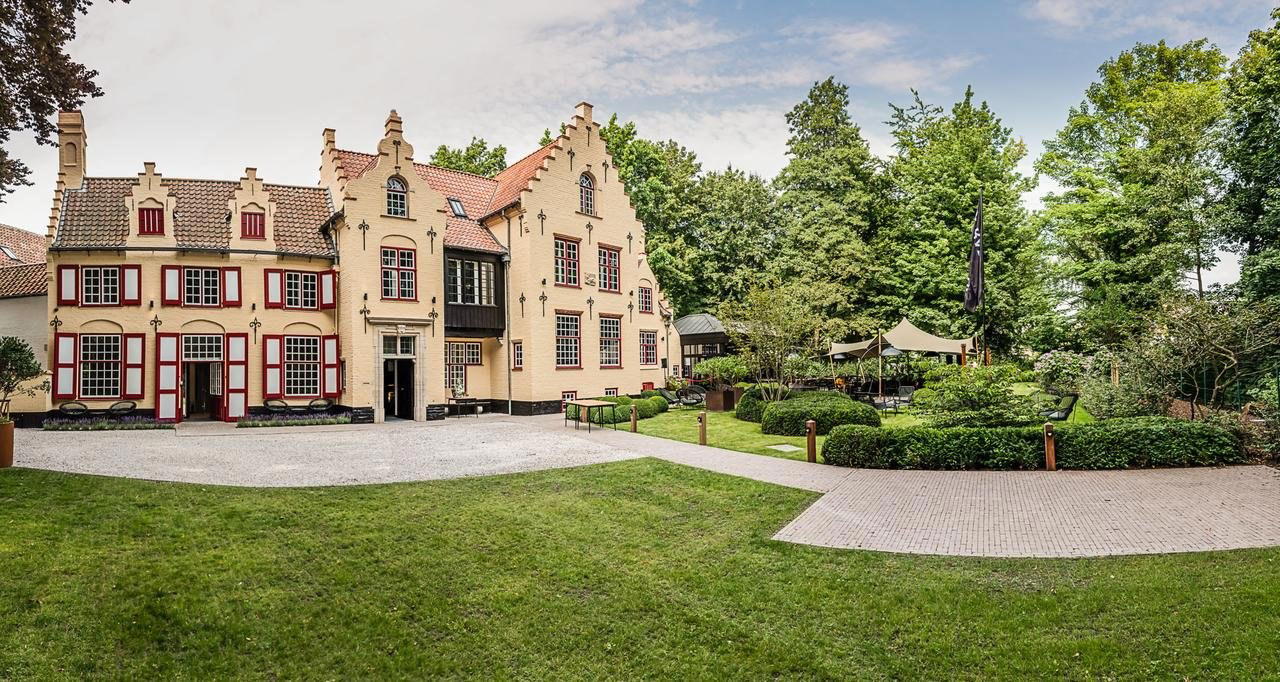
Floraliënlaan sits in one of Ghent's calmer residential stretches, removed from the tourist-dense medieval centre around Graslei and Korenlei. Approaching the address at number 22, the shift from the city's more theatrical dining corridors is immediate. This part of Ghent has historically attracted a specific type of table: one where the room doesn't compete with the plate for attention, and where regulars return for consistency rather than novelty. In a city that houses everything from casual waterfront brasseries to increasingly ambitious contemporary kitchens like Ce's Arts and Debra, Jan Van den Bon occupies a particular niche defined not by spectacle but by accumulated knowledge of produce.
The Sensory Logic of an Ingredient-Driven Kitchen
Belgium's fine dining conversation has long been shaped by the country's relationship to the land — its vegetable gardens, herb plots, and seasonal produce cycles are embedded in the national culinary identity in a way that even French-influenced technique does not fully displace. What distinguishes certain Belgian kitchens from their French counterparts is not the sophistication of their sauces but the density of botanical reference in a single preparation. Jan Van den Bon's kitchen operates within this tradition: the documented approach draws on a family background in which vegetables, herbs, and aromatic seasonings are not garnish or accent but structural ingredients, carrying equal weight to protein in shaping a dish's character.
That kind of cooking has a particular sensory signature. A plate from a kitchen working this way tends to read as layered rather than linear, with mid-palate complexity built from multiple aromatic inputs rather than a single dominant flavour. Colour is typically more varied than in classically French-oriented cooking; the visual effect of a plate composed around multiple botanicals is one of density and precision rather than minimalist elegance. For diners accustomed to the spare white-plate aesthetic that has defined much Nordic-influenced European fine dining over the past decade, the register here is different — closer to a Flemish still-life tradition than to a Scandinavian sketch.
This connects Jan Van den Bon to a broader lineage of Belgian kitchens that treat complexity as a virtue rather than a problem to be edited out. Restaurants like Hof van Cleve in Kruishoutem and Boury in Roeselare operate within the same national conversation about what Belgian haute cuisine means when it departs from French shadow. At Zilte in Antwerp, the emphasis falls more heavily on coastal ingredients; at Willem Hiele in Oudenburg, it is terroir in the agricultural sense. Jan Van den Bon's version centres on the garden and the spice cabinet.
Ghent as a Setting for Serious Dining
Ghent has spent the past decade building a dining reputation that is genuinely independent of Brussels, rather than defined against it. The city's size (roughly 260,000 residents) supports a dining public with both the appetite for serious cooking and the expectation of regularity, meaning kitchens here serve a repeat audience rather than a tourism-driven churn. This shapes the kind of restaurant that survives and earns recognition. Places like Boon, Ferri, and Epiphany's Kitchen share a common characteristic: they are not trying to be Brussels. They serve a Ghent audience, and that audience's preferences have shaped their identities over time.
Jan Van den Bon fits this pattern. A restaurant built around a family's generational relationship to aromatic ingredients is not making a bid for a global stage; it is making a commitment to a specific local culinary argument. That kind of positioning tends to produce more consistent cooking than a kitchen chasing trend cycles, and it also means the experience changes with the seasons in ways that feel organic rather than programmatic. Spring herb profiles, summer garden produce, autumn aromatics, the rhythm of the menu should, in principle, mirror the rhythm of a kitchen garden rather than a procurement spreadsheet.
For comparison with European kitchens that operate at a comparable level of ingredient seriousness, the parallel is not necessarily to the Michelin-decorated marquee names. It is closer in spirit to what certain ingredient-obsessed kitchens in France or Catalonia produce, a cooking style where the depth of raw material knowledge is the primary credential. Internationally, kitchens like Le Bernardin in New York City demonstrate what it looks like when a single ingredient category becomes a kitchen's complete vocabulary; Emeril's in New Orleans shows how regional ingredient tradition can anchor a restaurant's identity across decades. Jan Van den Bon's premise is structurally similar, rooted in botanical abundance rather than oceanic or Southern American produce traditions.
Planning a Visit
Jan Van den Bon is located at Floraliënlaan 22, 9000 Gent. The address places it outside the central tourist corridors, meaning the approach is typically by taxi or tram from the historic centre, which sits roughly 2 to 3 kilometres to the northeast. Visitors arriving in Ghent by train from Brussels (the journey takes approximately 30 minutes on frequent intercity services) should factor in the additional transfer. Given that the kitchen's identity is built around seasonal and aromatic produce, the experience is likely to vary meaningfully between seasons; autumn and early winter, when Belgian kitchen gardens yield their final aromatic harvests before the root-vegetable months, tend to be a strong period for this style of cooking across the region. Reservations should be made directly through the venue. For context on the wider Ghent dining scene, see our full Ghent restaurants guide. Those planning broader stays in the city can also reference our Ghent hotels guide, our Ghent bars guide, our Ghent wineries guide, and our Ghent experiences guide. For comparable serious dining elsewhere in Belgium, Bozar Restaurant in Brussels and Bartholomeus in Heist sit in adjacent tiers of the country's fine dining structure.
How Jan Van den Bon Ghent compares with similar nearby venues.
| Venue | Cuisine | Price | Awards |
|---|---|---|---|
| Jan Van den Bon | Not listed | Not listed | We're Smart World 2025, 2 Radishes |
| Lys d'Or | French | €€€ | Not listed |
Recognition history
Dated appearances from independent guides and award organizations, with the underlying list record or original source where available.
We're Smart World 2 Radishes
We're Smart World

At a Glance
- Elegant
- Romantic
- Classic
- Sophisticated
- Intimate
- Date Night
- Business Dinner
- Special Occasion
- Celebration
- Garden
- Private Dining
- Standalone
- Extensive Wine List
- Sommelier Led
- Farm To Table
- Local Sourcing
- Organic
- Garden
Current opening hours
- Monday
- Closed
- Tuesday
- 12–2 PM, 7–9 PM
- Wednesday
- 12–2 PM, 7–9 PM
- Thursday
- 12–2 PM, 7–9 PM
- Friday
- 12–2 PM, 7–9 PM
- Saturday
- 7–9 PM
- Sunday
- Closed
Hours can change for holidays and private events. Last verified .
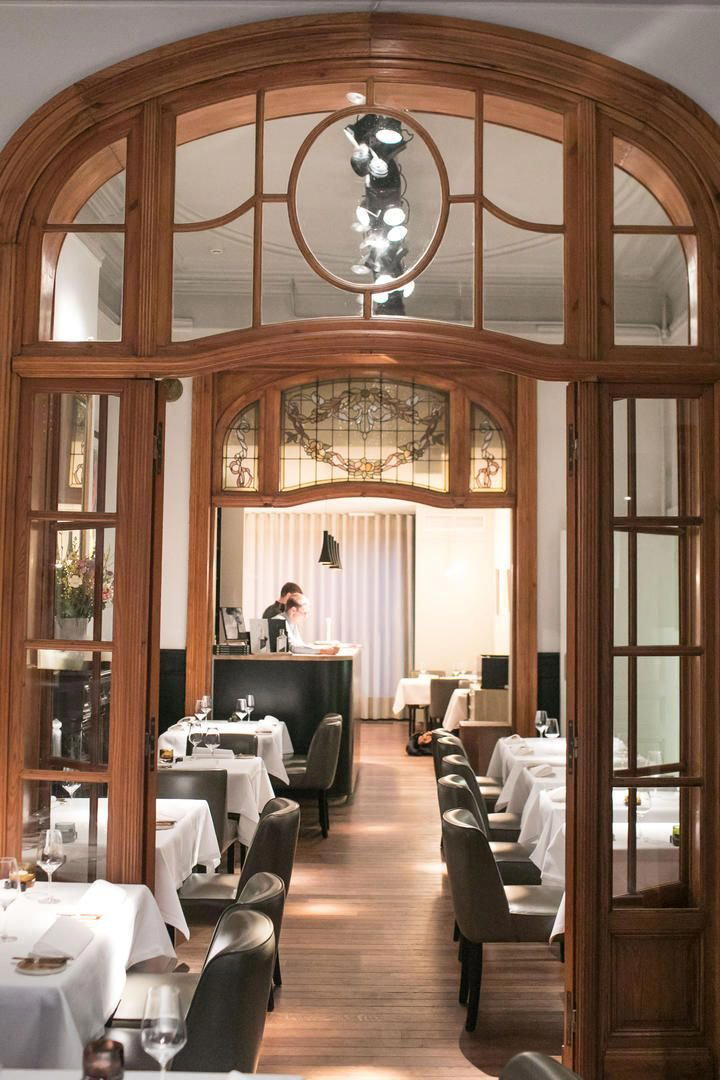
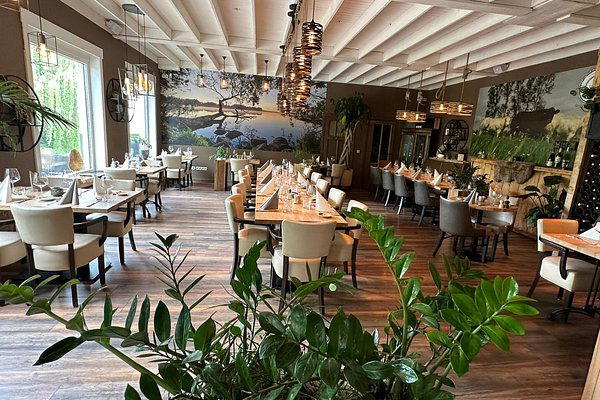
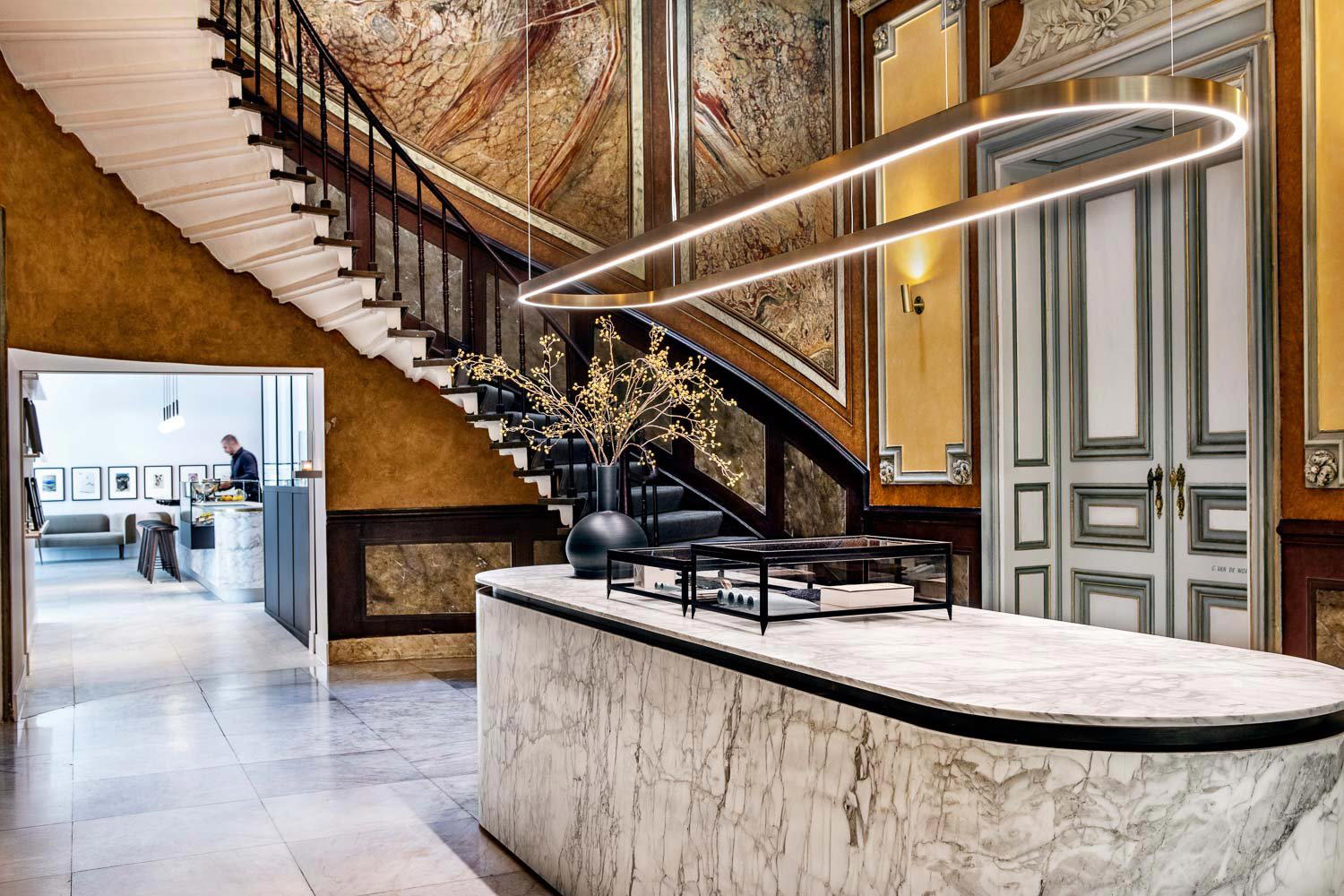
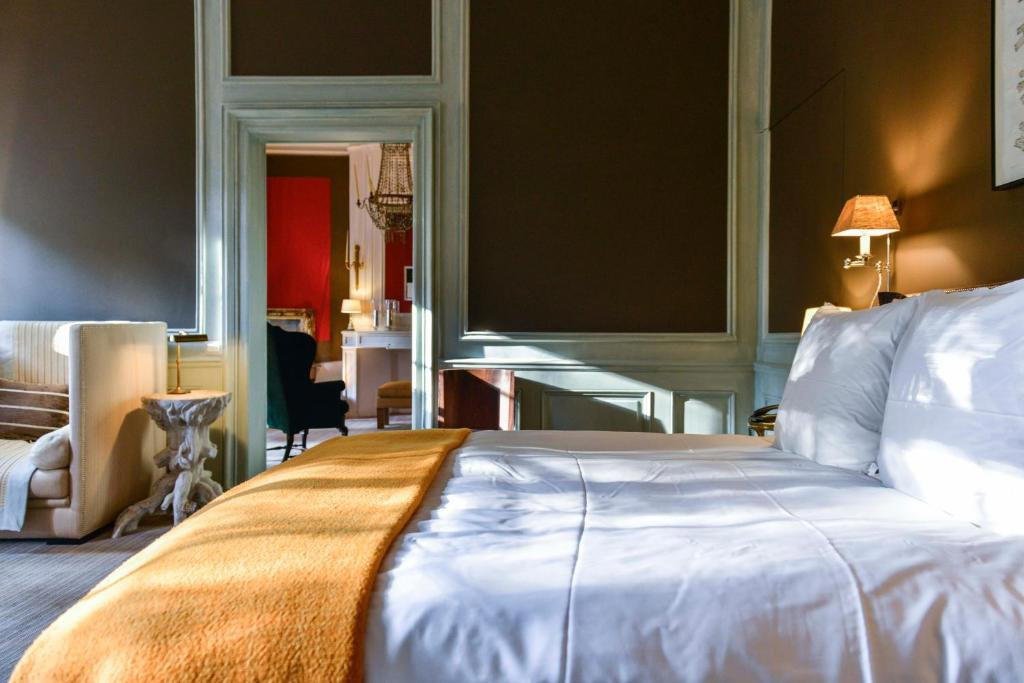
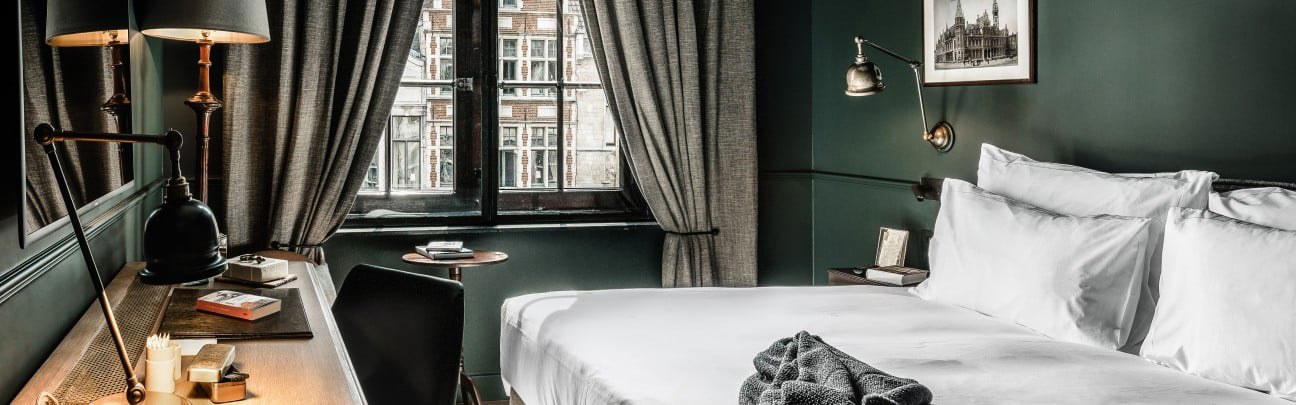
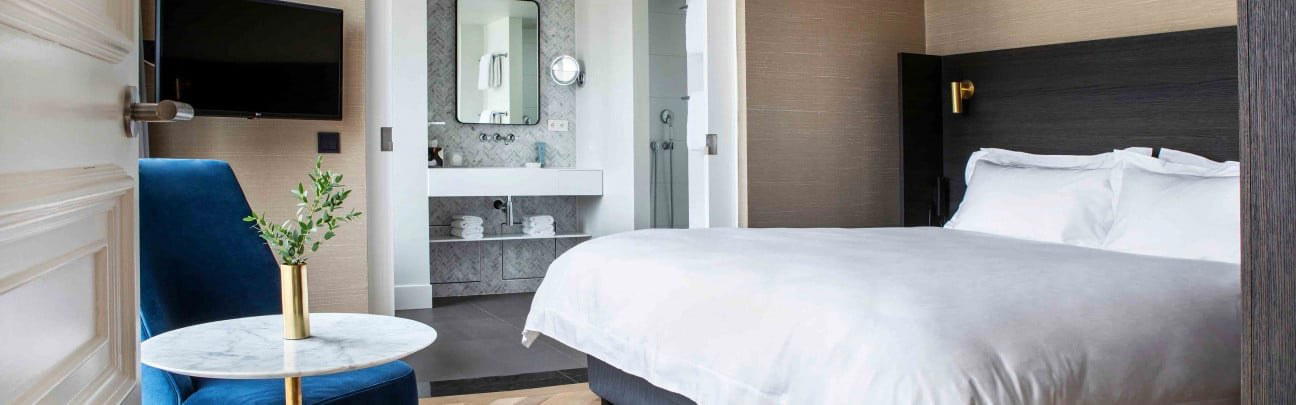
Warm, refined atmosphere with deep blue and orange interior tones complementing abundant garden greenery; decorated with lively floral paintings; intimate and convivial setting designed to make guests feel personally welcomed.
Know Before You Go
- Getting there
- Floraliënlaan 22, 9000 Gent, Belgium