J-Bar-M Barbecue

J-Bar-M Barbecue on Leeland Street holds a 2025 Michelin Plate, placing it among a small cohort of Houston pits that have crossed from neighborhood institution into formal critical recognition. The address puts it squarely in the Third Ward, one of the city's historically significant Black neighborhoods, where the tradition of slow-smoked meat runs decades deep. For visitors building a Houston food itinerary, it sits at the intersection of cultural heritage and current critical credibility.
Pearl is the En Primeur Club membership app — saves, bookings, and concierge access live there. Same editors, same standards.
- Address
- 2201 Leeland St, Houston, TX 77003
- Phone
- (713) 534-1024
- Website
- jbarmbbq.com
- Directions
- Get directions
 Saves & bookings on Pearl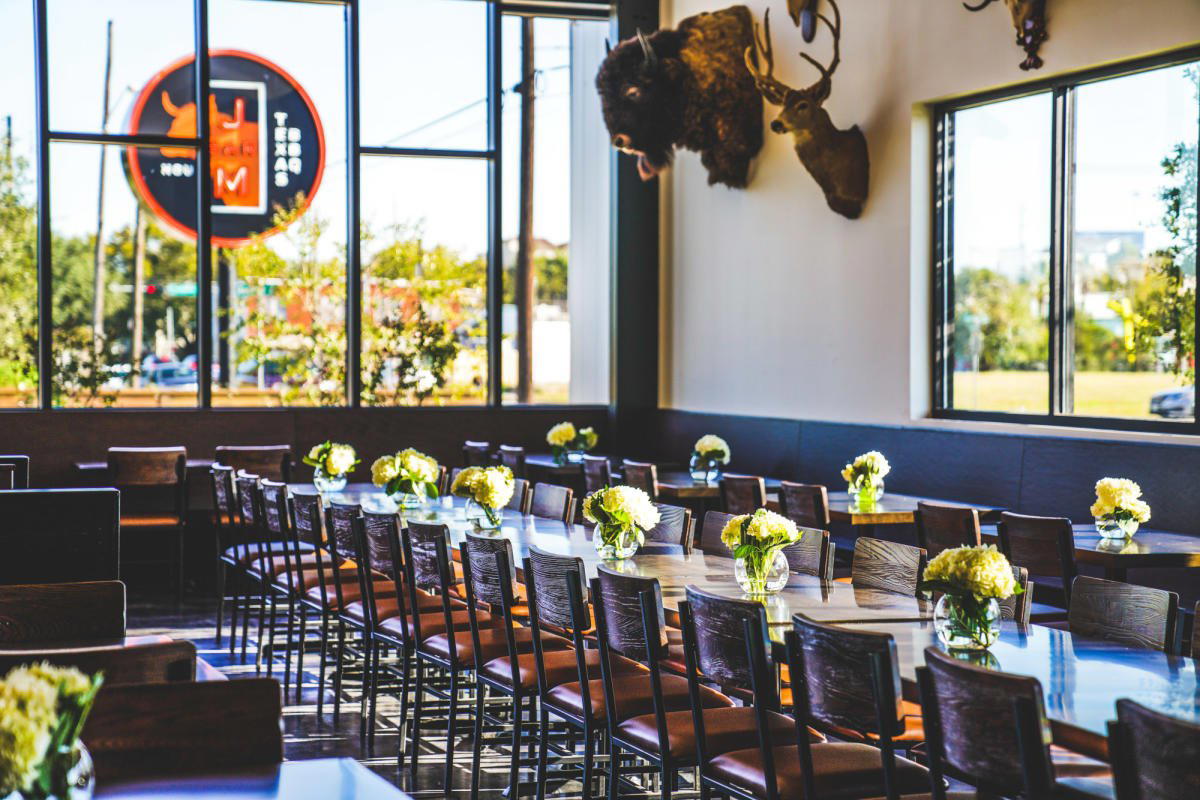
Smoke, Heritage, and the Third Ward
Houston's barbecue conversation is often pulled toward the Hill Country corridor — Lockhart, Luling, the Czech-German smokehouse lineage of Central Texas — but the city's own pits carry a different inheritance. The Third Ward, where J-Bar-M Barbecue operates at 2201 Leeland Street, has its own relationship with slow-smoked meat that owes less to post oak and sausage rings and more to the African American pit traditions that shaped the Gulf Coast's approach to smoke, seasoning, and patience. The Michelin Plate awarded to J-Bar-M in 2025 is notable precisely because it applies the language of fine-dining recognition to a register of cooking that formal guides have historically overlooked.
That recognition lands in a city with no shortage of critical attention directed at its high-end dining tier. Houston holds several Michelin-starred addresses: March, the multi-room Venetian tasting menu operation, sits at the top of that bracket with a star, as does Musaafer, the Indian fine-dining address that has drawn sustained critical interest since it opened. J-Bar-M's Plate, the tier below a star, indicating food worth stopping for, places it in a different conversation: not modernist technique or tasting-menu architecture, but the kind of cooking that has fed a neighborhood for generations and earned formal acknowledgment on its own terms.
What a Michelin Plate Means in This Context
The Michelin Plate designation, introduced to mark restaurants that fall outside the star tiers but still demonstrate consistent quality, has become an important instrument in cities where the guide covers a wide culinary range. In Houston, where Michelin arrived relatively recently compared to legacy markets like New York and San Francisco, the Plate functions as a signal of credibility without the booking pressure that stars create. Restaurants like Le Jardinier Houston and BCN Taste & Tradition occupy the broader Michelin-recognized field in the city, representing French and Spanish traditions respectively. J-Bar-M's placement in the same framework, for a fundamentally different style of cooking, reflects how the guide has tried to broaden its scope in American cities.
Barbecue's relationship with fine-dining accreditation systems has always been complicated. The cooking requires time measured in hours, fire management that resists standardization, and an intimacy with specific cuts that formal brigade kitchens rarely develop. When Michelin begins awarding Plates to pit-focused operations, it forces a conversation about what quality actually means in a smoke-cooking context: consistency of the bark, moisture retention in the brisket, the calibration between fat rendering and wood flavor. These are technical achievements, just not the kind that appear on tasting menus.
Third Ward as Culinary Geography
The Third Ward's position in Houston's food history deserves a direct statement: this is one of the city's oldest and most culturally defined neighborhoods, with roots in the post-Civil War period when freed Black Houstonians built communities along what is now Emancipation Avenue. The cooking traditions that developed here, including approaches to smoking and seasoning that differ meaningfully from Anglo-Texan barbecue, have rarely received the institutional recognition that Hill Country smokehouses have accumulated through decades of food journalism and tourism infrastructure.
J-Bar-M's address at Leeland Street puts it within the cultural core of that history. The surrounding blocks include some of Houston's most significant African American cultural institutions, and the neighborhood has seen sustained attention in recent years as the city's development patterns have shifted. For a visitor coming from the hotel corridor along Post Oak or the Galleria area, the Third Ward requires deliberate navigation rather than chance encounter, which is partly why its pit traditions have remained distinct rather than absorbed into the broader Houston barbecue marketing machine.
For visitors building a broader Houston itinerary, our full Houston restaurants guide maps the city's dining range across neighborhoods and price tiers. Separate guides cover Houston hotels, bars, wineries, and experiences.
How J-Bar-M Sits in the National Barbecue Conversation
American barbecue has undergone a period of significant critical reappraisal over the past decade. The Central Texas model, beef-heavy, minimally seasoned, white-butcher-paper presentation, dominated national food media for years, partly because it photographed well and partly because it mapped onto existing fine-dining values around restraint and single-ingredient focus. What that coverage often missed was the parallel tradition of African American pit cooking across Texas, the Gulf Coast, and the South, which tends toward richer seasoning, different cuts, and a relationship with sides and sauces that the Central Texas model treats as secondary.
Houston, given its demographics and its distance from the Hill Country corridor, is one of the cities where that alternative tradition has the deepest roots. A Michelin Plate for a pit operation in the Third Ward signals that formal critical systems are beginning to engage with the full range of what Texas barbecue actually is, rather than the version that became a media shorthand. That matters for how visitors read the city's food culture and where they direct their attention.
For context on how Michelin-recognized restaurants operate across different American cities and formats, see our coverage of Le Bernardin in New York City, Lazy Bear in San Francisco, Alinea in Chicago, and Atomix in New York City. For the broader range of American fine dining, The French Laundry in Napa, Single Thread Farm in Healdsburg, and Emeril's in New Orleans offer useful reference points for how regional American cooking traditions interact with formal critical frameworks. International context comes from 8 1/2 Otto e Mezzo Bombana in Hong Kong.
Within Houston itself, the city's masa-focused tradition at Tatemó offers another example of how Michelin has engaged with culturally rooted cooking formats in the city, applying formal recognition to techniques and traditions that sit outside the European fine-dining canon.
Planning Your Visit
J-Bar-M Barbecue operates from 2201 Leeland Street in Houston's Third Ward. The 2025 Michelin Plate is a current award and reflects the guide's most recent Texas assessment cycle. The address is accessible by car from central Houston, with parking available in the surrounding streets typical of a residential and light-commercial neighborhood.
How J-Bar-M Barbecue Houston compares with similar nearby venues.
| Venue | Cuisine | Price | Awards |
|---|---|---|---|
| J-Bar-M Barbecue | Not listed | Not listed | Michelin Plate (2025) |
| Nancy's Hustle | New American, Contemporary | $$ | Not listed |
Recognition history
Dated appearances from independent guides and award organizations, with the underlying list record or original source where available.
Michelin Plate
Michelin
Continue exploring
More in Houston
Restaurants in Houston
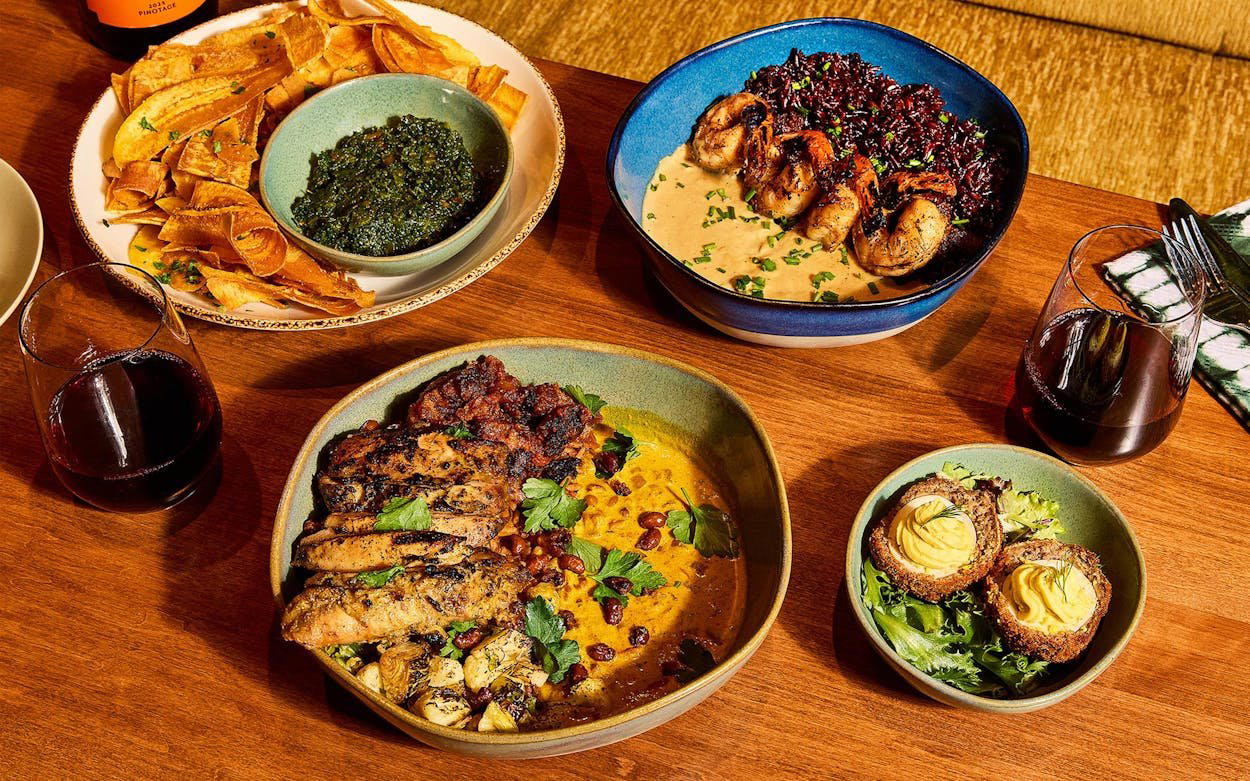
Browse all →
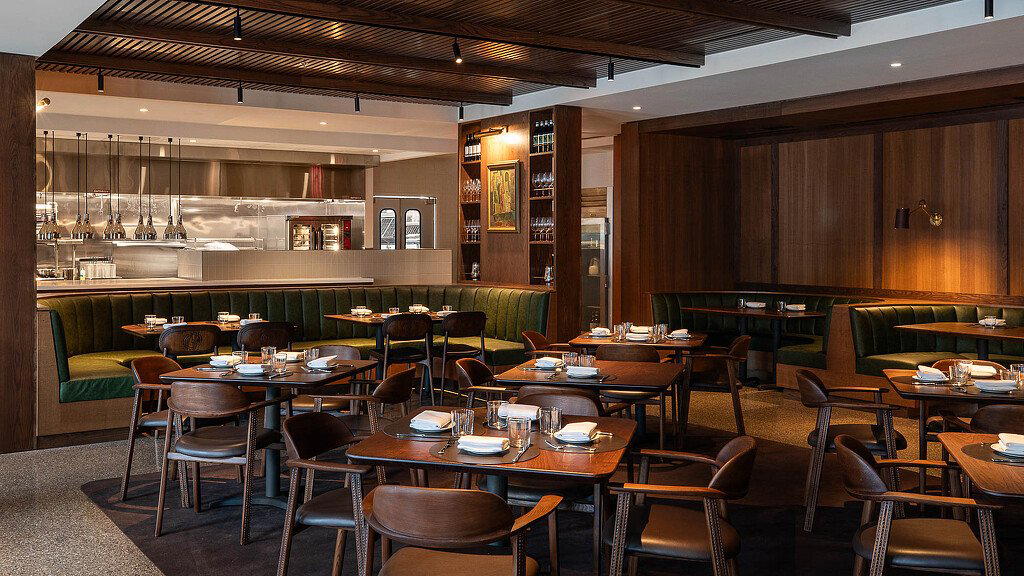
Bars in Houston
Browse all →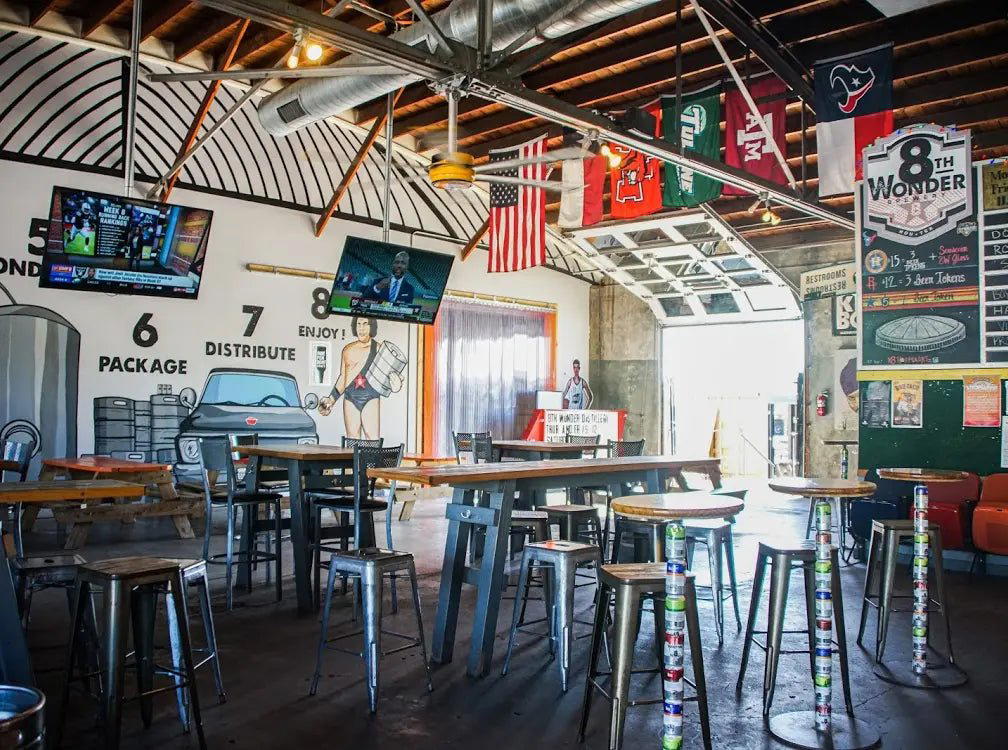
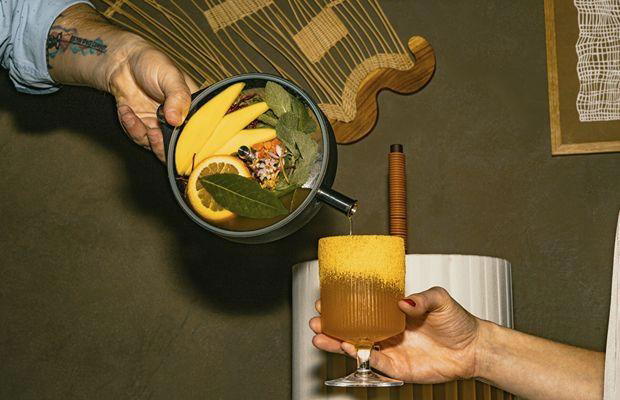
Hotels in Houston
Browse all →
At a Glance
- Lively
- Rustic
- Modern
- Casual Hangout
- Group Dining
- Live Music
- Open Kitchen
- Terrace
- Beer Program
- Skyline
Current opening hours
- Monday
- Closed
- Tuesday
- 11 AM–10 PM
- Wednesday
- 11 AM–10 PM
- Thursday
- 11 AM–10 PM
- Friday
- 11 AM–12 AM
- Saturday
- 11 AM–12 AM
- Sunday
- 11 AM–5 PM
Hours can change for holidays and private events. Last verified .
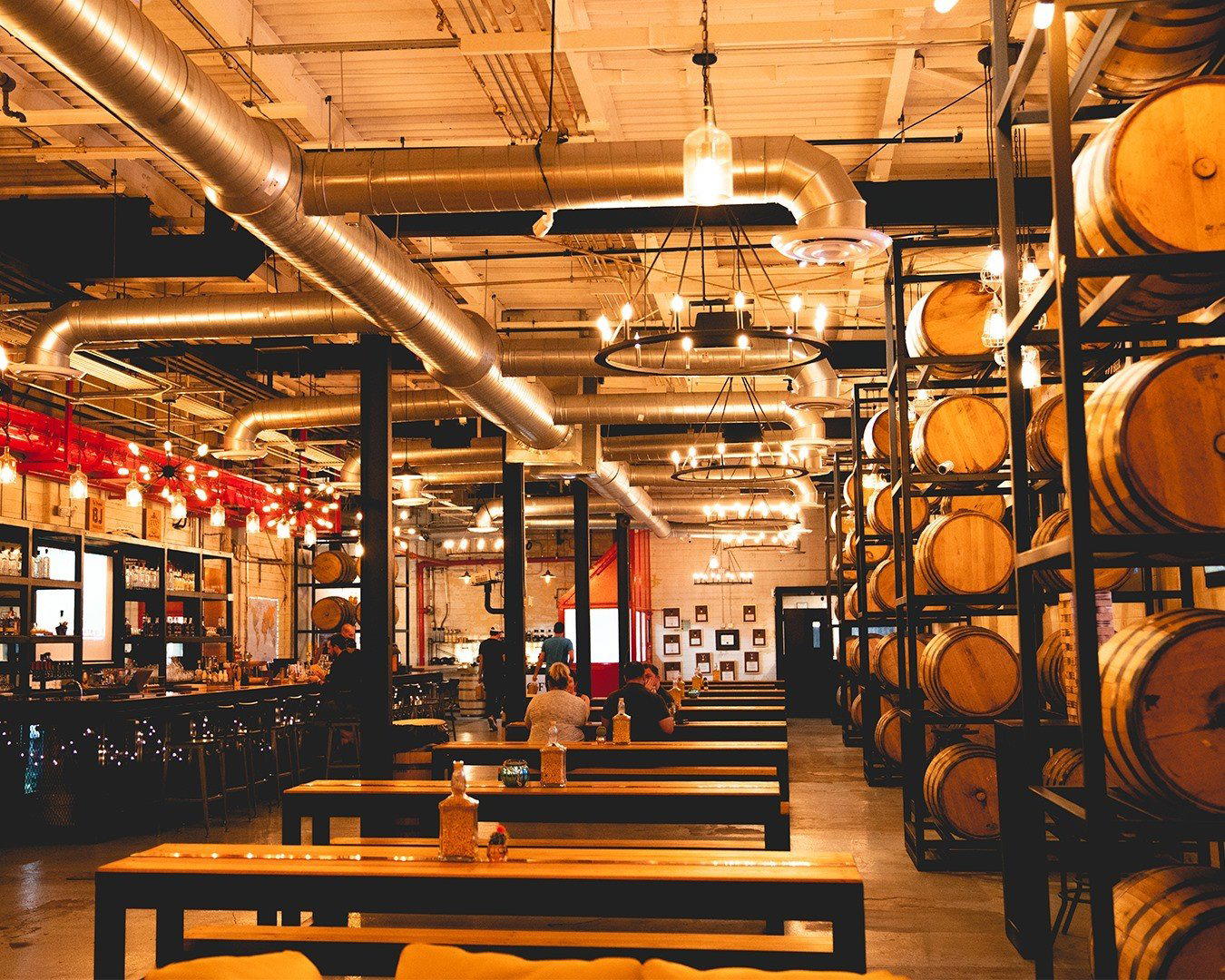
Clean modern aesthetic with fresh flowers on tables, blasting AC indoors, and a lively outdoor patio featuring skyline views and lawn games.
Know Before You Go
- Getting there
- 2201 Leeland St, Houston, TX 77003