Izakaya Ginji
Our verdict
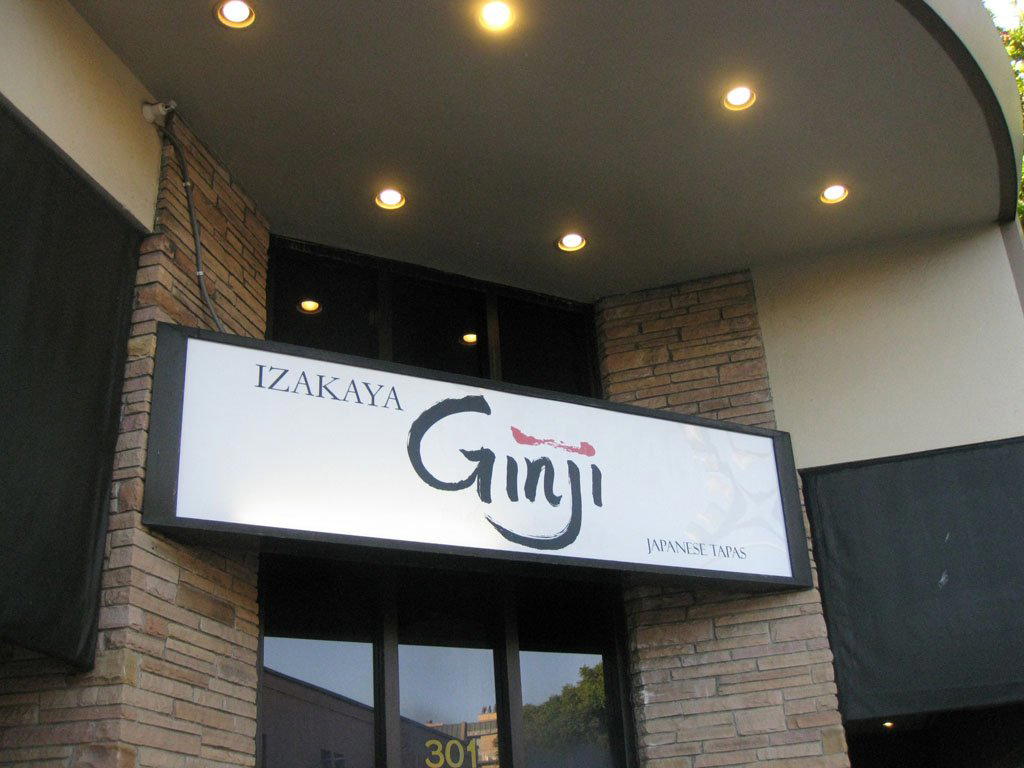
San Mateo's izakaya scene occupies a specific niche between casual Japanese drinking-house tradition and the Bay Area's appetite for precision cooking. Izakaya Ginji, at 301 E 4th Ave, sits within that niche, offering the kind of small-plate, order-as-you-go format that defines the genre. For those mapping the Peninsula's Japanese dining corridor alongside destinations like Wakuriya, it belongs on the itinerary.

Pearl is the En Primeur Club membership app — saves, bookings, and concierge access live there. Same editors, same standards.
- Address
- 301 E 4th Ave E, San Mateo, CA 94401
- Phone
- (650) 348-1110
- Hours
- Mon–Sat 4–9 PMSun Closed
- Website
- izakayaginji.com
- Directions
- Get directions
- Booking
- Book on OpenTable
The menu
What to order
- Yakitori
- Chicken Karaage
- Beef Tongue
- Pork Belly
- Sashimi Platter
- Shima-Aji Sashimi
The Izakaya Format in a Bay Area Context
The izakaya tradition arrived on the American West Coast decades before omakase counters became the dominant frame for Japanese dining prestige. Where cities like Tokyo built izakayas around a particular social contract — standing orders, smoke, ceramic cups refilled without asking — the Bay Area iteration adapted the format to a different pace and a different crowd. The result, in places like San Mateo, is something that sits between the boisterous Japanese original and the quieter precision of the Peninsula's higher-end Japanese rooms.
San Mateo's Japanese dining corridor is one of the more concentrated on the Peninsula. Wakuriya, operating at the $$$$ tier with sushi omakase, anchors the upper end. Below it, the neighbourhood supports a range of formats from noodle counters like Kajiken through to international-leaning rooms at the level of All Spice. Izakaya Ginji occupies its own position in that spread: a drinking-house format built around shared plates, sake, and an unhurried pace that most of the neighbourhood's higher-end rooms don't permit.
What the Izakaya Ritual Actually Requires
The izakaya dining ritual has specific customs that distinguish it from both a restaurant meal and a bar visit. You do not order everything at once. The table accumulates dishes, yakitori, cold tofu, grilled fish, pickled vegetables, across a session that might last two hours or extend well beyond it. Drink orders and food orders overlap. The social grammar is one of accumulation rather than progression: there is no amuse-bouche to entrée to dessert sequence, only a table that gradually fills and is gradually cleared.
For diners arriving from the European or American tasting-menu tradition, formats practiced at different scale by places like Alinea in Chicago or The French Laundry in Napa, this is a meaningful shift in expectation. The izakaya does not build toward a climax; it sustains a mood. That distinction shapes how you should approach an evening at Izakaya Ginji. Come with a group if possible. Order in rounds. Treat the menu as a document to be returned to rather than worked through.
The same ritual logic that governs the leading izakayas in Shinjuku applies here: ordering a single dish and waiting for the bill is a misreading of the format. The room is designed for duration, and the small-plate structure rewards patience and repetition over efficiency.
Placing Izakaya Ginji in the San Mateo Scene
San Mateo's dining character has shifted over the past decade toward a more confident, reference-heavy approach. Restaurants at Avenida and Bahche represent different parts of that shift, international influences applied with specificity rather than generality. Izakaya Ginji's address at 301 E 4th Ave places it within easy reach of the downtown core, a block pattern that has seen consistent foot traffic from both the local Japanese-American community and the broader Peninsula dining public.
The izakaya format positions Izakaya Ginji in a different competitive tier than the city's high-end Japanese rooms. Where a counter like Wakuriya requires advance reservation, a fixed price, and a linear progression, an izakaya invites spontaneity, or at least a lighter version of planning. That accessibility is not a downgrade; it reflects a different function. Izakayas are where Japanese professionals go after work, where the formal evening loosens, where the food is as important as the company without demanding to be the only subject of conversation.
For those building a broader evening in the neighbourhood, B Street and Vine provides a wine-focused alternative for pre- or post-dinner drinks, and the proximity of several other independent operators makes E 4th Ave a workable base for a longer evening out. Our full San Mateo restaurants guide maps the broader picture for anyone planning across multiple stops.
The Small-Plate Canon and What It Signals
Izakaya menus follow a recognizable structure across their leading iterations: yakitori in several configurations, cold dishes, grilled fish, fried items, and a rice or noodle closer. The format allows kitchens to run a wide range of techniques without the pressure of a single through-line dish. That breadth is both the format's strength and its challenge, a kitchen that executes across fifteen small plates reliably is doing something technically demanding, even if individual dishes appear simple.
In the American context, izakaya has proven more durable as a format than many other Japanese imports precisely because it scales. You can run a two-leading or a ten-leading through the same menu without restructuring the kitchen's workflow. The format also accommodates dietary variety more naturally than omakase, which is part of why izakayas tend to function well as group dining destinations in a way that tasting-menu rooms, whether that's Le Bernardin in New York, Lazy Bear in San Francisco, or Single Thread Farm in Healdsburg, simply cannot.
Korean formats have pursued a similar logic at places like Atomix in New York, where the meal's pacing draws on drinking-culture traditions as much as fine-dining sequence. The izakaya sits in a parallel track, with a longer lineage and a more explicit connection to the Japanese pub tradition it borrows from.
Planning Your Visit
Izakaya Ginji is located at 301 E 4th Ave in San Mateo, a central address with direct access from the Caltrain corridor. Groups of three or more tend to get the most from the format, the shared-plate model thins when there are only two people navigating it, and the leading izakaya evenings involve enough people to keep multiple dishes moving simultaneously. Given the izakaya's walk-in and casual booking tradition, flexibility on timing is an advantage over rigid reservation windows.
Frequently asked questions
What's Izakaya Ginji's location?
Izakaya Ginji is located at 301 E 4th Ave E, San Mateo, CA 94401, San Mateo.
Is Izakaya Ginji in San Mateo suitable for groups or solo dining at the bar?
The izakaya format accommodates both: the order-as-you-go structure works well for groups sharing dishes across the table, while the bar or counter position suits solo diners who want to eat and drink at their own pace without committing to a fixed course. Izakaya Ginji is located at 301 E 4th Ave in San Mateo, a central address with access from the Caltrain corridor that makes it a practical stop whether you are arriving from San Francisco or the South Bay. For seating options and current capacity, check the venue's official channels.
What dish is Izakaya Ginji famous for?
Izakaya menus across the format's strongest iterations center on yakitori in multiple configurations, cold starters, grilled fish, and fried items ordered progressively through the meal. Ginji operates within this tradition at 301 E 4th Ave in San Mateo, following the small-plate canon that defines the genre. Specific signature dishes are best confirmed directly with the venue before your visit.
How far ahead should I plan for Izakaya Ginji?
San Mateo's dining scene has grown more competitive over the past decade, and izakayas that commit seriously to the format tend to fill early on weekends. Contacting the venue directly before your intended date is the practical approach here, as walk-in availability varies by day and season. Current booking details are available through the restaurant at its E 4th Ave location in San Mateo.
What makes Izakaya Ginji worth seeking out?
The izakaya format itself is the case: it operates on a different logic from sushi counters or ramen shops, built around ordering across an extended session rather than front-loading a fixed menu. In San Mateo, a city whose dining character has shifted toward more reference-heavy, confident cooking over the past decade, a venue committed to that ritual has a distinct position. The address on E 4th Ave sits within easy reach of the Caltrain corridor, which broadens the practical case for a mid-Peninsula stop.
Cuisine Lens
Comparable venues nearby, for context on price, style, and recognition.
| Venue | Cuisine | Price | Notes |
|---|---|---|---|
| Izakaya GinjiThis venue — the venue you are viewing | Authentic Japanese Yakitori Izakaya | $30–50 | Not listed |
| Poke House | Hawaiian Poké with California Twist | $10–20 | Park Place |
| Sapporo Rock & Roll Sushi | Rock & Roll Sushi | $20–30 | South San Mateo |
| Bahche | Modern Greek & Coastal Mediterranean | $30–50 | Hillsdale |
| Vespucci Ristorante Italiano | Italian | Not listed | Downtown San Mateo |
| Santa Ramen | Authentic Japanese Ramen | $10–20 | San Mateo |
Continue exploring
More in San Mateo
Restaurants in San Mateo
Browse all →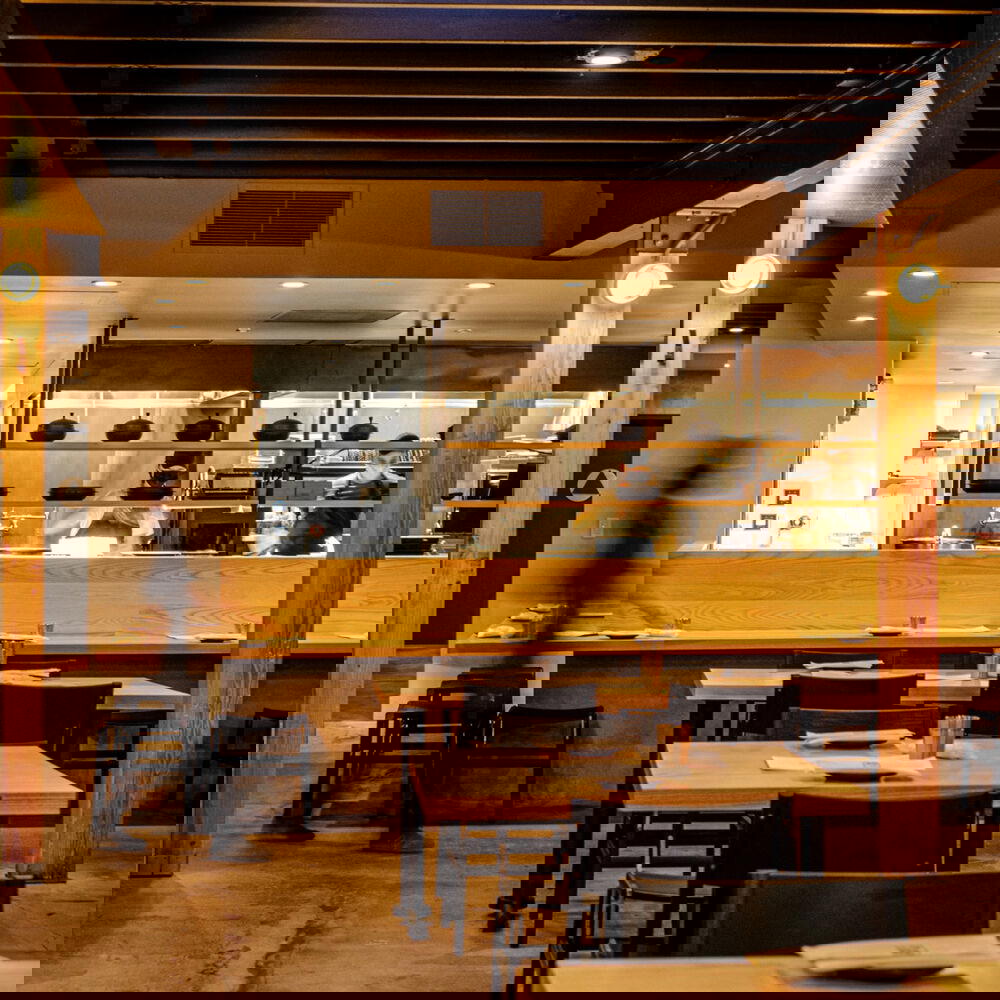
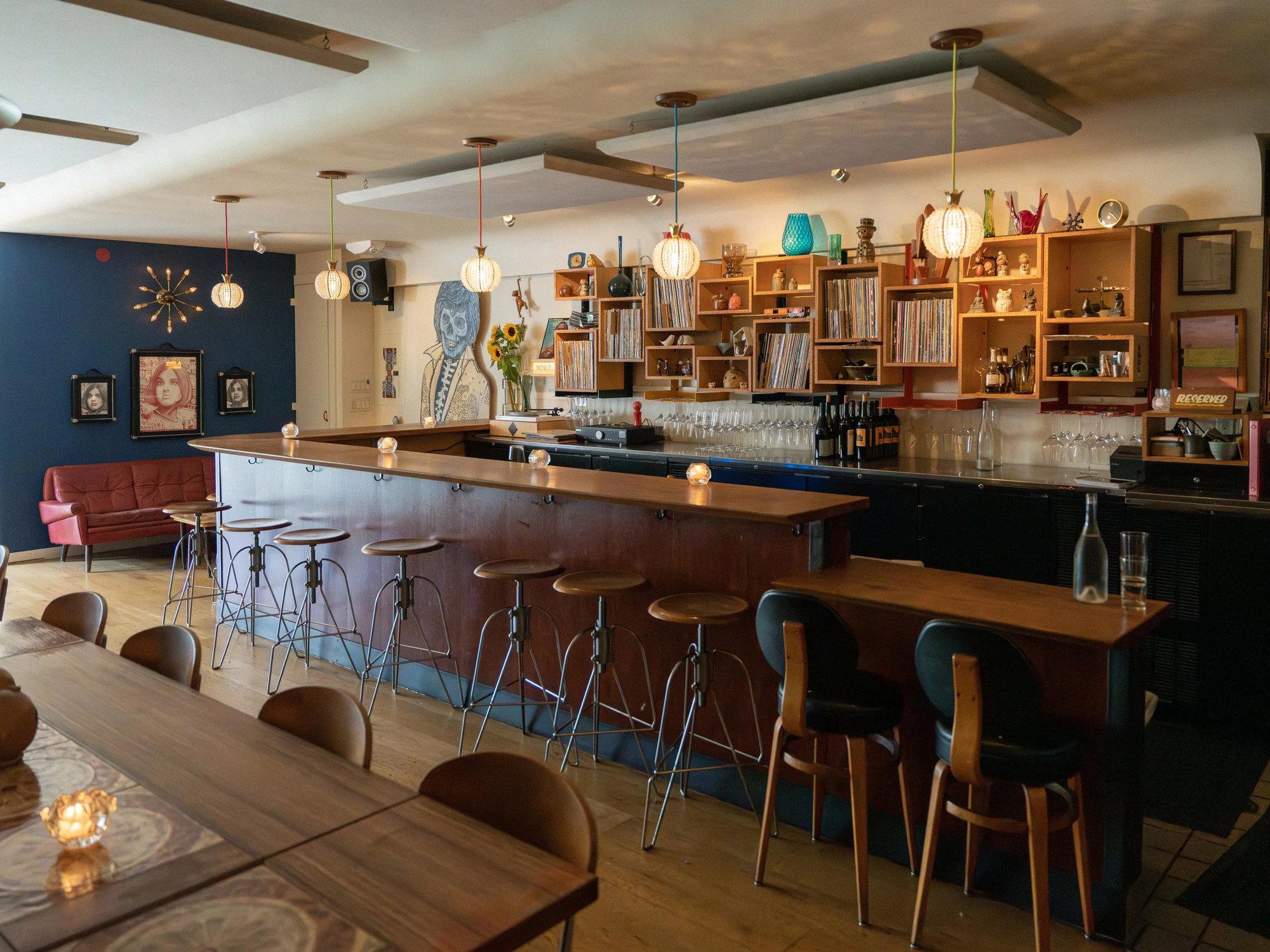
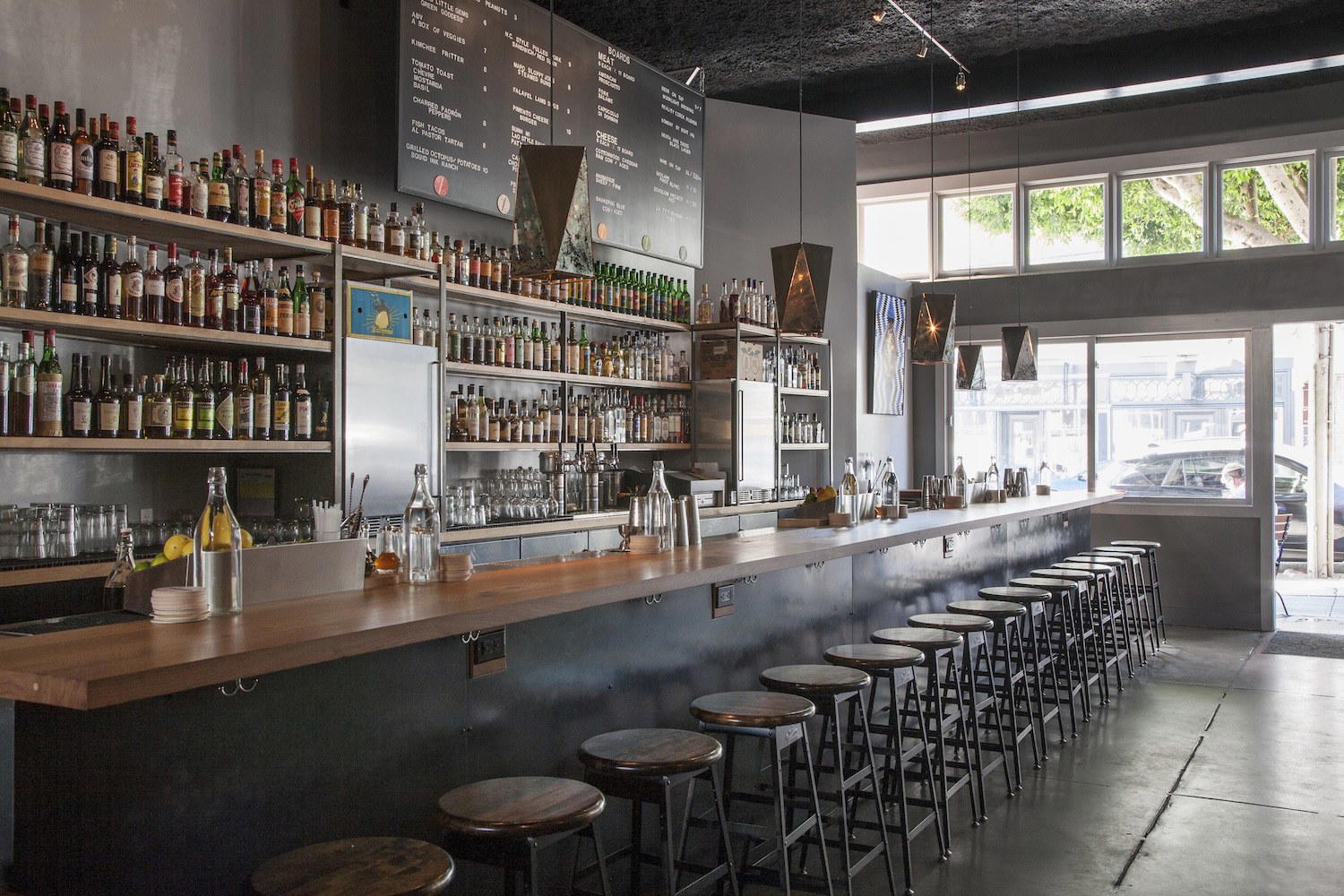
Bars in San Mateo
Browse all →
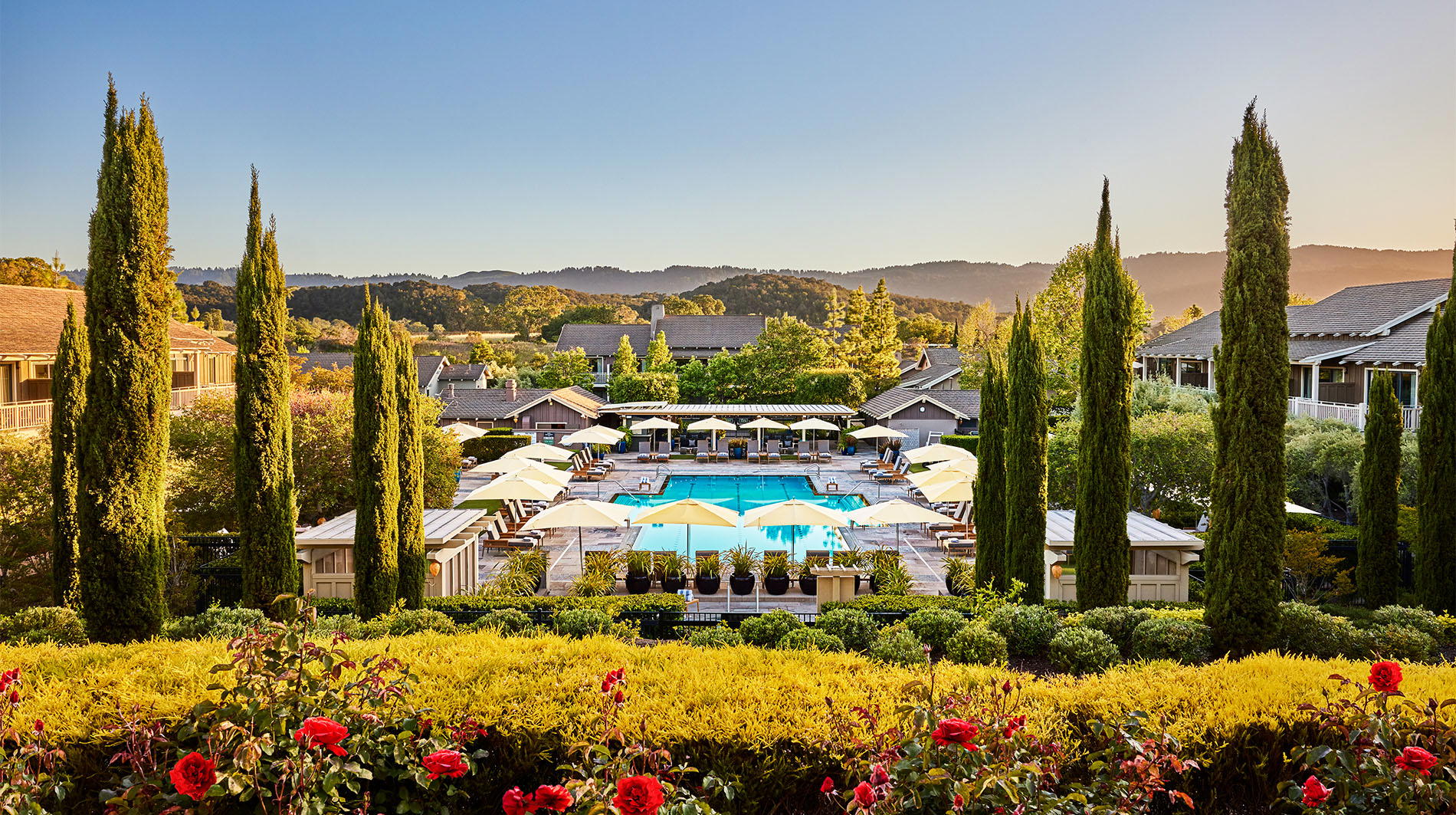
Hotels in San Mateo
Browse all →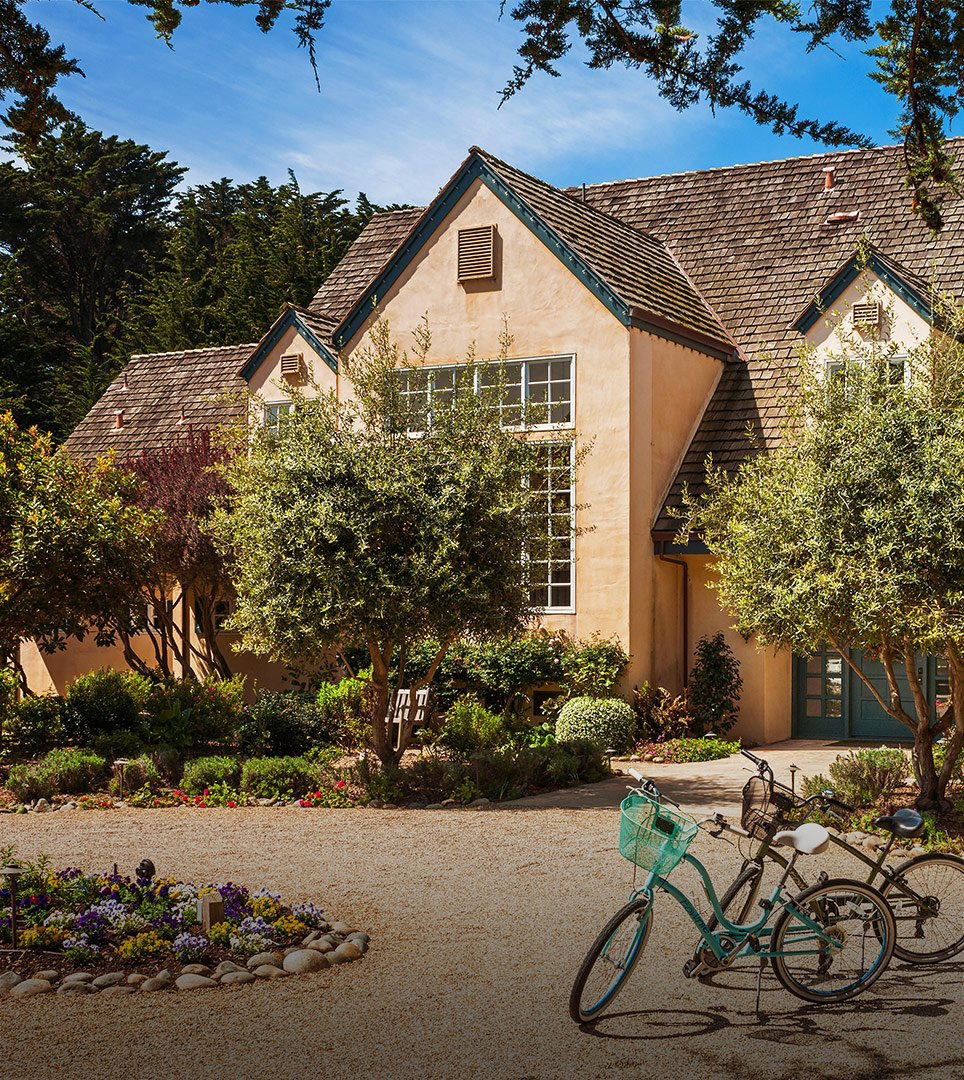

Details
- Lively
- Intimate
- Classic
- Date Night
- Group Dining
- Casual Hangout
- After Work
- Open Kitchen
- Sake Program
- Beer Program
- A La Carte
- Small Plates
- Counter Dining
- Sake
- Japanese Beer
- Vegetarian Friendly
Current opening hours
- Monday
- 4–9 PM
- Tuesday
- 4–9 PM
- Wednesday
- 4–9 PM
- Thursday
- 4–9 PM
- Friday
- 4–9 PM
- Saturday
- 4–9 PM
- Sunday
- Closed
Hours can change for holidays and private events. Last verified .
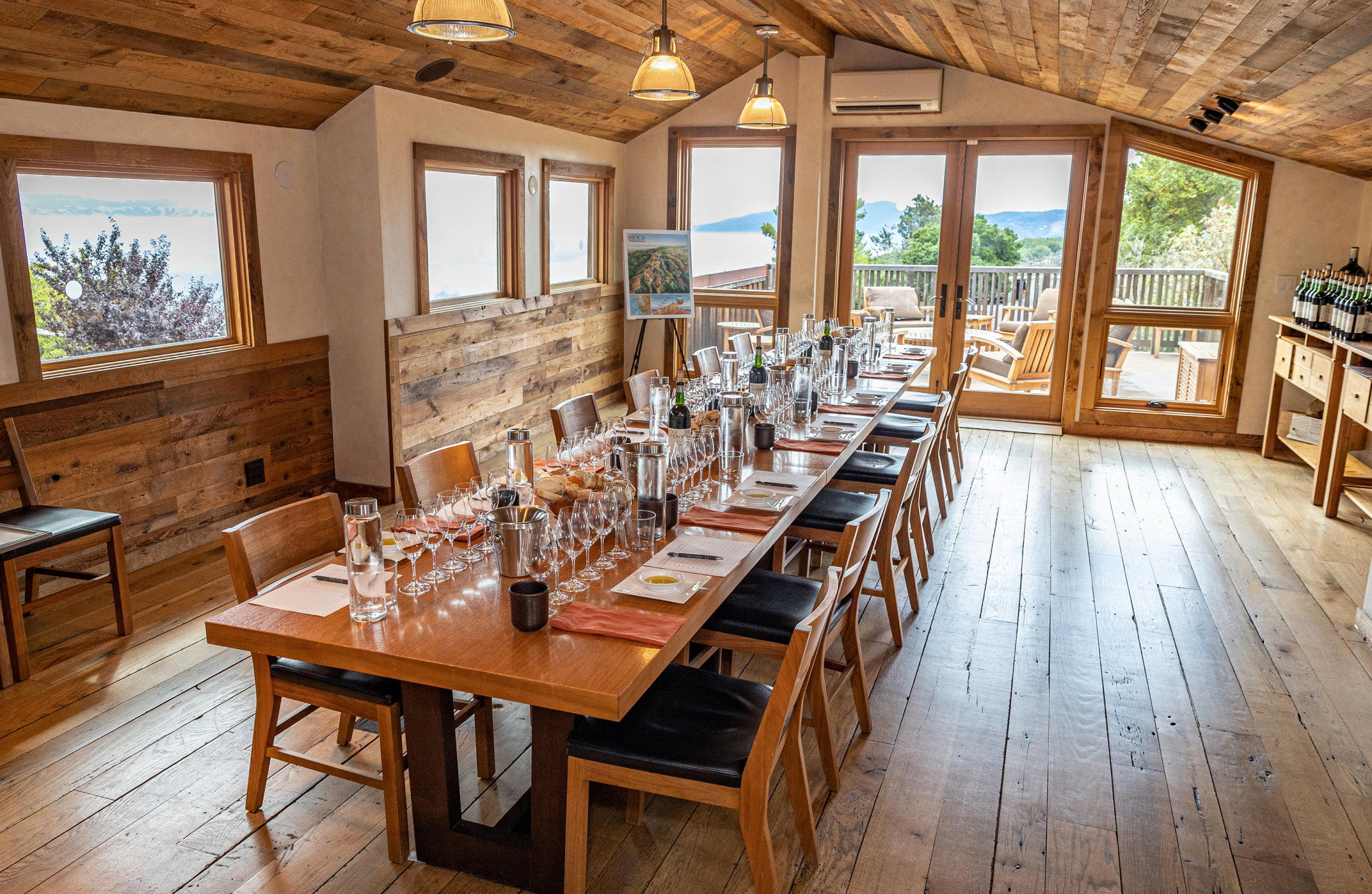
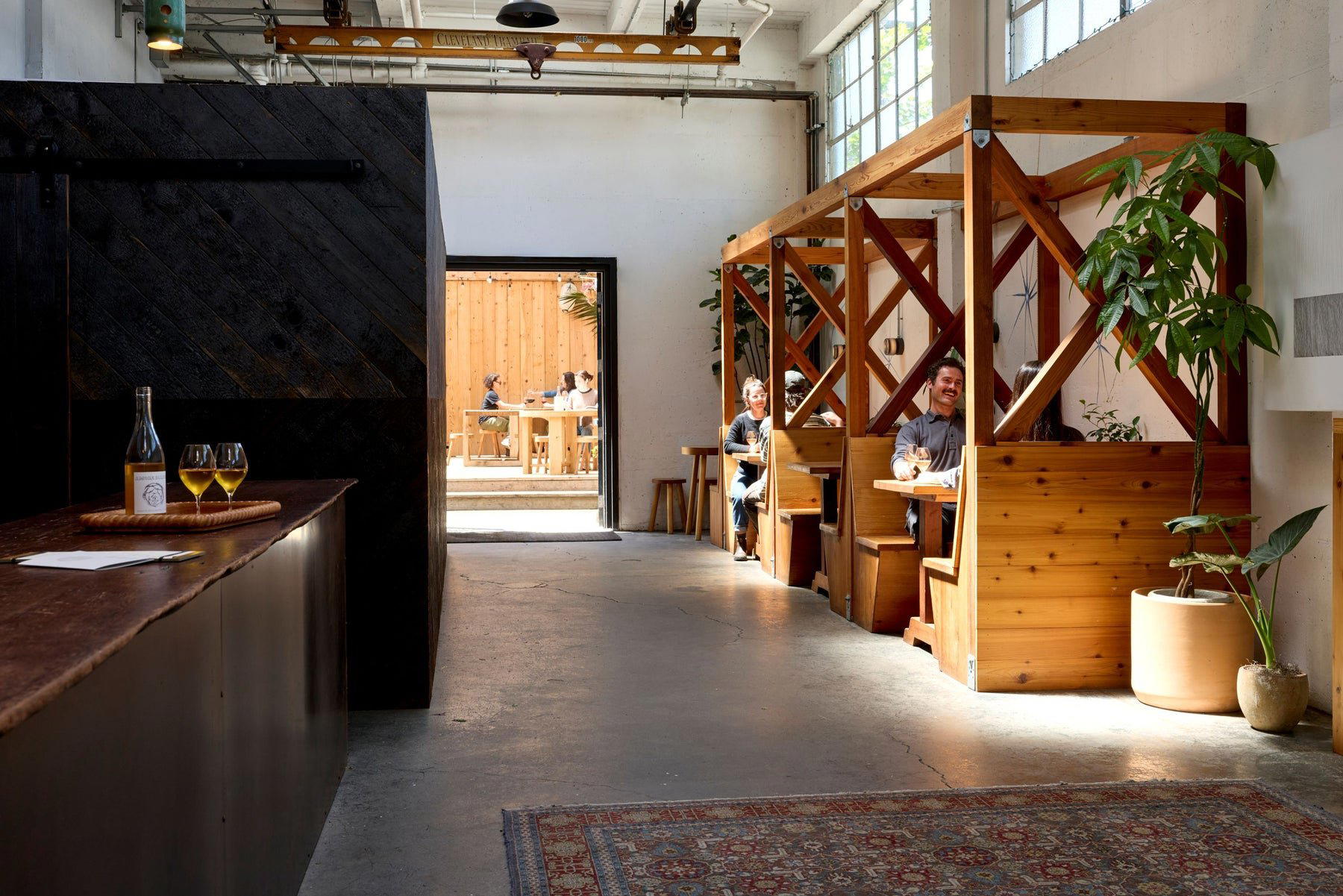
Casual yet sophisticated atmosphere with open kitchen counter showcasing the grill, creating an interactive and energetic dining environment with warm lighting.