Izakaya Ekimae
An izakaya in the heart of St. Gallen, Izakaya Ekimae brings the informal, convivial dining culture of Japanese railway-district drinking dens to eastern Switzerland. The address on Grünbergstrasse places it within reach of the city centre, offering a counterpoint to the canton's dominant Central European dining tradition. For those tracking Japanese casual dining beyond Zurich, this is a notable presence in a city where the format remains rare.
Pearl is the En Primeur Club membership app — saves, bookings, and concierge access live there. Same editors, same standards.
- Address
- Grünbergstrasse 6, 9000 St. Gallen, Switzerland
- Phone
- +41712740978
- Website
- ekimae.ch
- Directions
- Get directions
 Saves & bookings on Pearl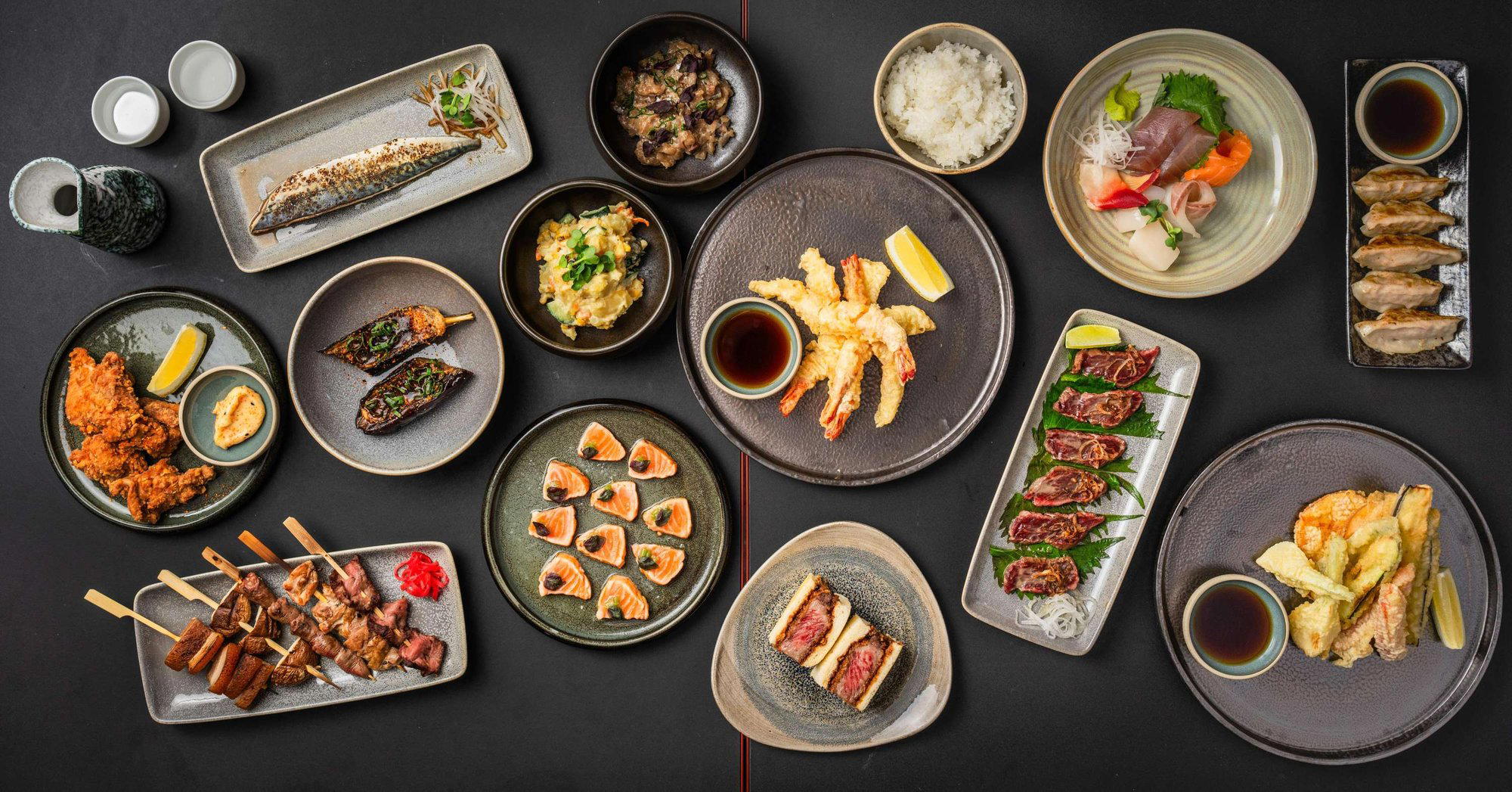
The Izakaya Format in a Swiss Context
Japan's izakaya tradition is built around a specific social contract: small dishes arrive in no particular order, drinks flow between rounds of food, and the meal ends when the table decides rather than when a kitchen imposes a sequence. The format is the opposite of tasting-menu formality, and it travels well precisely because it makes few demands on ceremony. In Swiss German cities, where restaurant culture has long favoured the set lunch and the structured dinner, the izakaya proposition occupies a distinct and genuinely underserved register.
St. Gallen's dining scene is dominated by Central European cooking traditions, from the hearty Appenzell-adjacent fare of houses like Gaststuben zum Schlössli to the Italian-leaning neighbourhood plates at Baratella. Against that backdrop, a venue drawing on Japanese drinking-den conventions is not a minor variation; it represents a different set of assumptions about how an evening should unfold. Izakaya Ekimae, operating from Grünbergstrasse 6, enters that gap.
What the Name Signals
The word "ekimae" in Japanese means "in front of the station" — a geographic descriptor that, in Japan, carries its own cultural weight. Ekimae restaurants and bars occupy the density zones around train stations, places defined by volume, accessibility, and a working assumption that guests are arriving from somewhere and will be leaving again. The category tends toward high turnover and accessible pricing, prioritising reliably good food over refinement. Naming a restaurant in St. Gallen after that concept is a deliberate positioning choice: it signals informality, approachability, and a certain democratic energy that formal dining rooms cannot offer.
That positioning puts Izakaya Ekimae in a different conversation from St. Gallen's more formal rooms. Einstein Gourmet operates at the upper end of the city's restaurant hierarchy; Am Gallusplatz holds a strong middle ground in the market square tradition. The izakaya format targets a different evening entirely: later, louder, built around sharing plates and the logic of the round rather than the course.
Japanese Casual Dining in the Swiss Context
Switzerland's relationship with Japanese cuisine has deepened steadily over the past two decades, but it remains concentrated in Zurich and Geneva. At the formal end, restaurants at the level of those represented by Switzerland's Michelin-recognised dining community — houses like Memories in Bad Ragaz or the internationally recognised rooms of Schloss Schauenstein in Fürstenau, set the benchmark for precision and technique. But Japanese casual dining, and the izakaya format specifically, has been slower to develop outside the major cities.
For context on how Japanese cooking operates at the other end of the formality spectrum, where technique serves conviviality rather than theatre, venues like Atomix in New York City demonstrate how Korean and Japanese culinary traditions can anchor serious dining culture without replicating European fine-dining conventions. The izakaya tradition predates those cross-cultural conversations and operates from a different set of priorities entirely: the quality of a tofu dish or a chicken skewer is judged against what it delivers at the table in the moment, not against any progression or arc.
The Grünbergstrasse Address
St. Gallen's geography matters here. The city centre, anchored by the UNESCO-listed Abbey district and the pedestrianised Multergasse, attracts most of the established restaurant trade. Grünbergstrasse 6 sits at a slight remove from the densest tourist concentration, which tends to produce a different clientele: more local, more repeat, less driven by guidebook logic. That neighbourhood dynamic is consistent with the izakaya model, which functions leading as a local institution rather than a destination venue.
The surrounding dining ecosystem includes addresses like Blumenmarkt and Bistro St. Gallen, both of which serve the everyday dining needs of city residents rather than positioning primarily for visitors. St. Gallen also has a growing international food culture, reflected in addresses like Banh Mi Bros and Baratella, which signals an audience comfortable with non-European references. Izakaya Ekimae enters a city that is, gradually, developing the appetite for them.
What to Order and How to Approach the Menu
Izakaya menus are typically structured around a logic of abundance rather than sequence. The conventional approach is to order several dishes across categories, something fried, something grilled, something cold, and to treat the meal as a series of rounds that follow the drinks rather than precede them. The format itself, rather than any single dish, is the organising principle.
Pairing follows the same logic: Japanese lager, shochu, or sake are the conventional accompaniments, though izakaya culture is not prescriptive about drink choice in the way that wine-pairing menus are. The point is to keep the table moving, not to engineer a defined sequence.
Planning Your Visit
Booking details, hours, and pricing for Izakaya Ekimae are not confirmed in current editorial records, and prospective guests should verify directly before visiting. The address, Grünbergstrasse 6, 9000 St. Gallen, is accessible from the city's main rail hub, consistent with the ekimae spirit the name invokes. St. Gallen Hauptbahnhof is one of the eastern Swiss rail network's central nodes, with direct connections to Zurich, Lucerne, and across the border into Germany and Austria, making the city manageable as part of a wider Swiss itinerary that might include Cheval Blanc by Peter Knogl in Basel, Colonnade in Lucerne, or focus ATELIER in Vitznau.
For those building a broader St. Gallen itinerary, the full St. Gallen restaurants guide covers the city's dining range from formal rooms to neighbourhood staples. Switzerland's most decorated tables, including Hotel de Ville Crissier, 7132 Silver in Vals, Da Vittorio in St. Moritz, and IGNIV Zürich by Andreas Caminada, operate in a different register entirely. Izakaya Ekimae occupies the informal end of the spectrum, which is precisely where the gap in St. Gallen's dining map has been most apparent.
Continue exploring
More in St Gallen
Restaurants in St Gallen
Browse all →
Bars in St Gallen
Browse all →
Hotels in St Gallen
Browse all →

At a Glance
- Modern
- Elegant
- Sophisticated
- Intimate
- Date Night
- Business Dinner
- Group Dining
- Special Occasion
- Hotel Restaurant
- Open Kitchen
- Terrace
- Sake Program
- Beer Program
- Extensive Wine List
- Local Sourcing
Current opening hours
- Monday
- 11:30 AM–1:30 PM, 6–11 PM
- Tuesday
- 11:30 AM–1:30 PM, 6–11 PM
- Wednesday
- 11:30 AM–1:30 PM, 6–11 PM
- Thursday
- 11:30 AM–1:30 PM, 6–11 PM
- Friday
- 11:30 AM–1:30 PM, 6–11 PM
- Saturday
- 6–11 PM
- Sunday
- Closed
Hours can change for holidays and private events. Last verified .
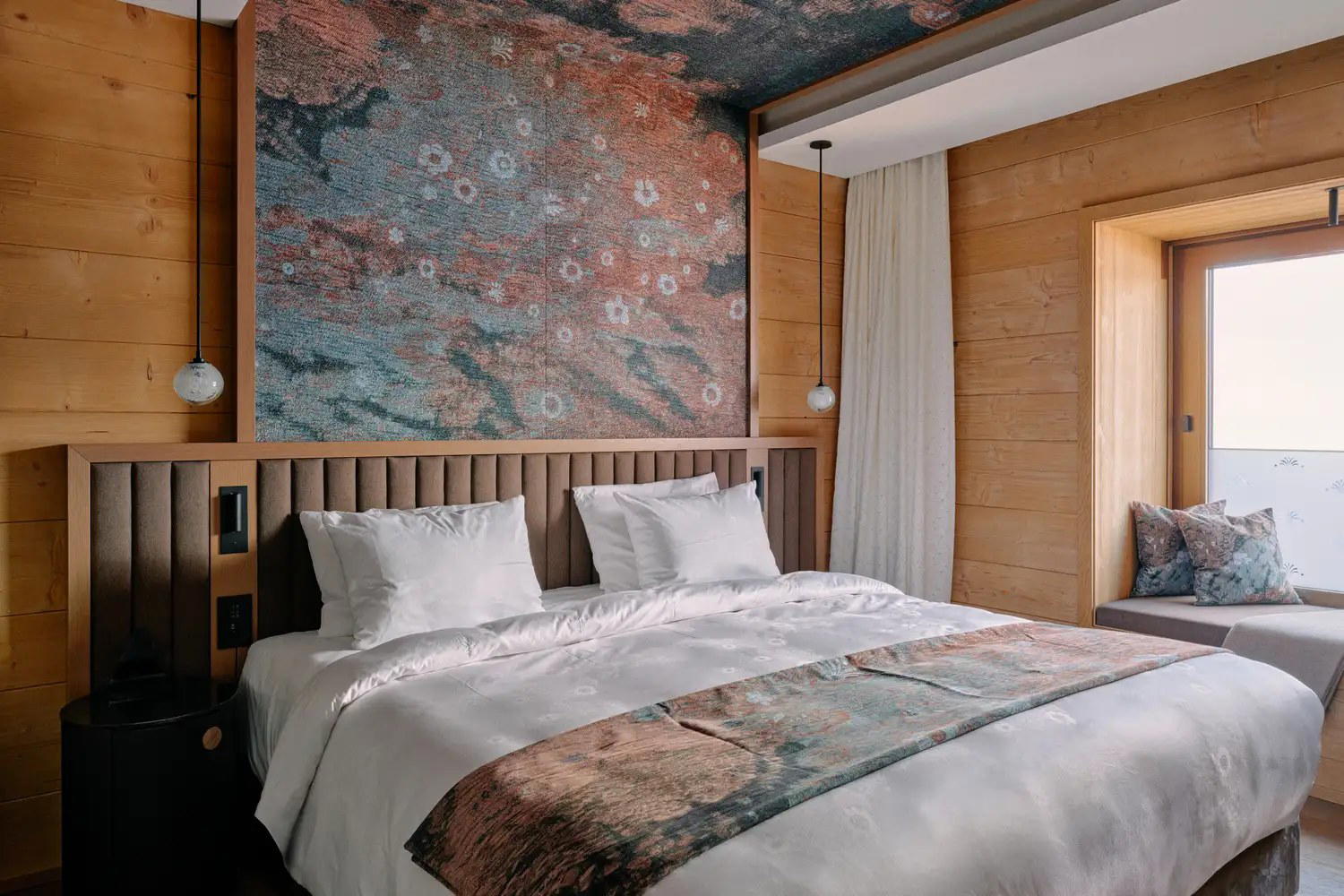
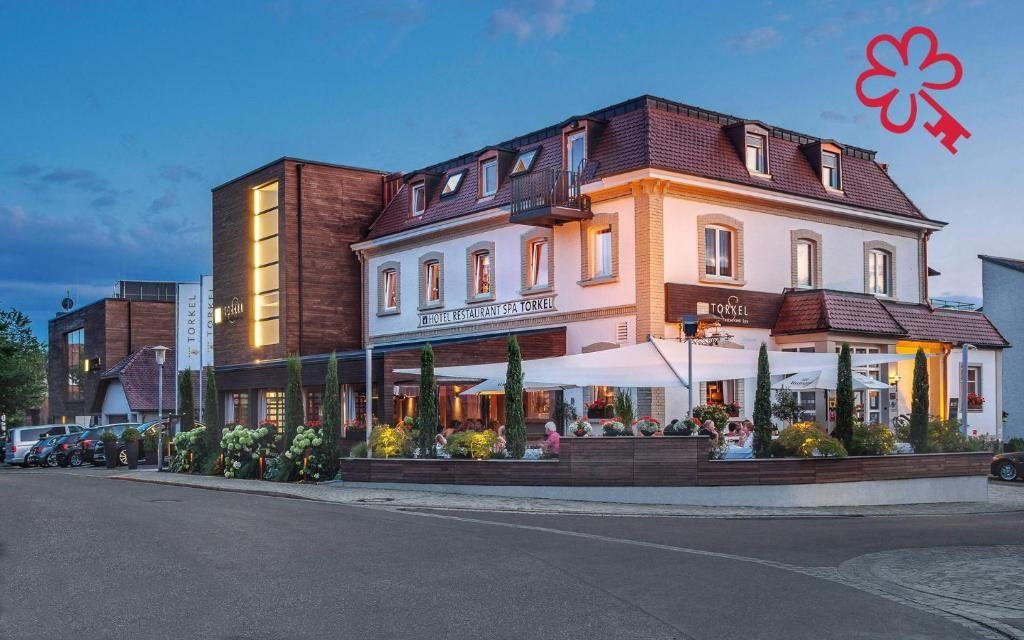
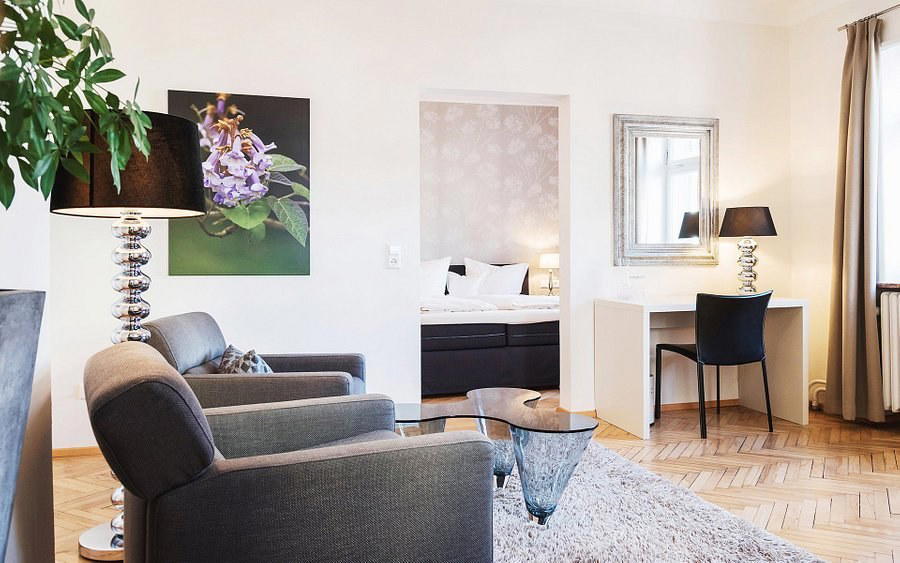
Modern, minimalist Japanese aesthetic with industrial elements, natural materials, high ceilings, and carefully curated Japanese art and furnishings creating an authentic yet contemporary atmosphere.
Know Before You Go
- Getting there
- Grünbergstrasse 6, 9000 St. Gallen, Switzerland