
Iru Den brings Taiwanese contemporary cooking to Singapore's Scotts Road corridor, earning a Michelin Plate in 2025 and holding. The $$$-tier pricing positions it within reach of the city's recognisable fine-dining tier without demanding the full premium of three-star peers. For a cuisine rarely represented at this level outside Taipei, the address fills a specific gap in Singapore's dining map.
Pearl is the En Primeur Club membership app — saves, bookings, and concierge access live there. Same editors, same standards.
- Address
- 27 Scotts Rd, Singapore 228222
- Phone
- +65 8923 1127
- Website
- iruden.sg
- Directions
- Get directions
 Saves & bookings on Pearl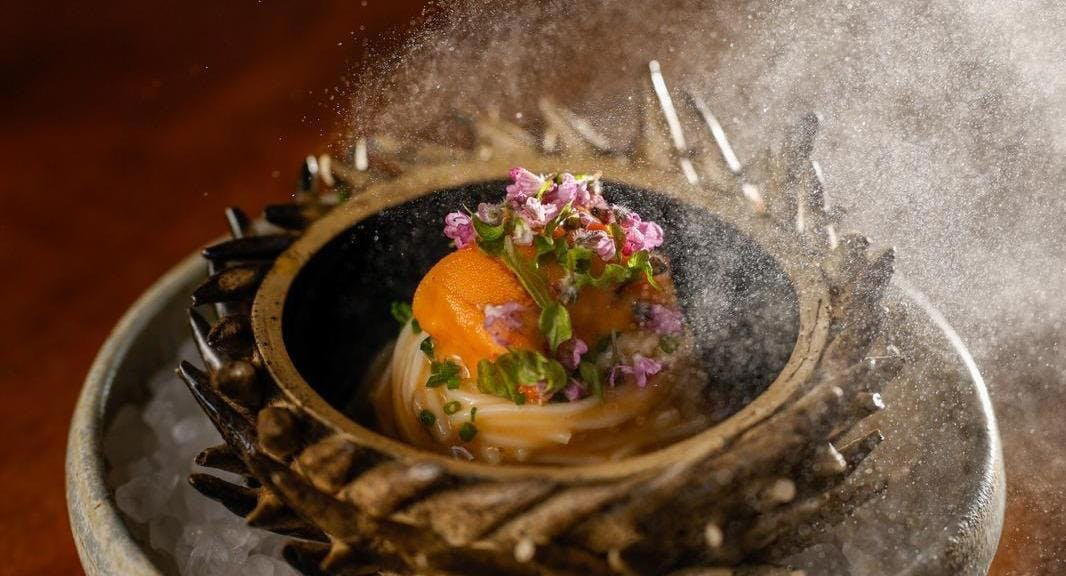
A Cuisine That Rarely Travels This Well
Taiwanese contemporary cooking has developed a confident identity over the past decade, particularly in Taipei, where restaurants like Ban Bo, EMBERS, and Hosu have built reputations on a cooking style that fuses indigenous produce, Japanese technique, and southern Chinese flavour memory into something architecturally modern. What defines the genre at its sharpest is precision without sterility: dishes that carry the weight of culinary history while reading as entirely contemporary on the plate. The difficulty has always been that this tradition rarely exports cleanly. It depends on Taiwanese ingredients, specific cooking knowledge, and a dining culture that understands the references being made. Iru Den is a restaurant at 27 Scotts Road in Singapore serving modern Taiwanese fine dining with Japanese techniques.
Scotts Road, and What It Signals
The Scotts Road corridor sits between Orchard Road's commercial density and the quieter residential margins of Tanglin. It is not Singapore's most theatrically dramatic dining address, but it is one that attracts a particular type of operator: mid-to-high-end independents that rely on a knowing local clientele rather than hotel foot traffic or tourist volume. The neighbourhood context matters here because it shapes expectations. Diners arriving on Scotts Road are generally there with intent. They have booked, they have researched, and they are not stumbling in from a shopping mall. For a cuisine as specific as Taiwanese contemporary, that self-selecting audience is an asset.
Singapore's fine-dining scene at the $$$ tier currently offers considerable range. Jaan by Kirk Westaway, holding two Michelin stars, operates British contemporary at that price bracket. Meta brings innovative Korean-inflected cooking to the same tier. What Iru Den does is occupy a position these peers do not: it is the address where Taiwanese contemporary cooking at a formal level actually exists in Singapore. The comparison set in Taiwan, which includes operations like Sur- and huist in Taichung, suggests how ambitious the genre can be. Iru Den's Michelin Plate signals that it is holding to a credible standard within that tradition.
What You Get at This Price Point
The value proposition at $$$ pricing in Singapore's current fine-dining market deserves a direct assessment. At the summit of the city's restaurant tier, Zén operates at $$$$ with three Michelin stars, and Odette anchors three-star French contemporary at a similar price floor. Les Amis sits at the same refined bracket. These are benchmark addresses, but they require benchmark spending. The $$$ tier, by contrast, is where diners can access Michelin-recognised cooking without committing to the full premium of the city's three-star tier. The restaurant's Plate recognition in 2025, alongside, positions it as an address that has already earned critical acknowledgment while remaining accessible relative to those flagship peers.
That Michelin Plate is a meaningful signal in this context. The Plate designation, introduced to recognise restaurants where inspectors found good cooking that did not yet reach star level, sits just below the one-star threshold. It is not awarded casually. In a city where Burnt Ends holds a star for Australian barbecue and Born holds a star for creative cuisine at $$$$, a Plate for Taiwanese contemporary at $$$ represents real recognition of quality and competence. The question for diners spending at this level is always whether the cooking justifies the price against the city's other options. The restaurant's recognition suggests it does.
The Cuisine in Practice
Taiwanese contemporary at its most sophisticated is not a fusion exercise. It is a distinct culinary identity built from the island's layered history: indigenous Austronesian food culture, the influence of fifty years of Japanese occupation, Fujian and Hakka migration patterns, and a post-war creative energy that synthesised these threads into something original. The cooking at addresses like Ban Bo in Taipei demonstrates what that synthesis looks like at its most refined: classical technique applied to produce and flavour combinations that carry genuine Taiwanese specificity. The style tends toward restraint in presentation, precision in seasoning, and an emphasis on ingredient provenance that mirrors Japanese sensibility without adopting Japanese aesthetics wholesale.
Exporting this cooking to Singapore involves navigating real constraints. Taiwanese ingredients are not uniformly available, and the cultural context that makes certain references legible to a Taipei diner does not automatically transfer. What the restaurant's recognition indicates is that it has found a workable approach to those constraints. Singapore's dining public is sophisticated enough to assess Taiwanese contemporary on its own terms, which matters for a restaurant whose identity depends on that assessment being accurate.
Where Iru Den Sits in Singapore's Broader Picture
Singapore's dining scene in 2025 is one where multiple distinct national culinary traditions operate at formal fine-dining level simultaneously. European contemporary dominates the starred tier, but Asian-led creative cooking has built serious critical mass. Korean, Japanese, and Chinese contemporary formats each have multiple recognised addresses. Taiwanese contemporary, by contrast, has almost no footprint at the formal level. The restaurant's emergence on that map is a category-level development, not just a restaurant opening. For diners who have eaten well in Taipei and found no equivalent in Singapore, this address answers a specific need.
For those building a Singapore itinerary around serious eating, the restaurant fits cleanly into a multi-night program that might also include [Odette] for French contemporary at the highest local standard, Jaan for British-led innovation, or Meta for Korean-inflected creativity. For comparative context with the source cuisine, the Taipei restaurant scene at EMBERS and Hosu, and the Taichung addresses at huist and Sur-, provide useful calibration for what Taiwanese contemporary looks like.
Know Before You Go
- Address: 27 Scotts Road, Singapore 228222
- Cuisine: Taiwanese contemporary
- Price tier: $$$
- Awards: Michelin Plate (2025) 6 from 73 reviews
- Booking: Essential
- Hours: Mon: Closed; Tue: 6–10:30 PM; Wed: 6–10:30 PM; Thu: 6–10:30 PM; Fri: 12–2:30 PM, 6–10:30 PM; Sat: 12–2:30 PM, 6–10:30 PM; Sun: Closed
Recognition, Side-by-Side
Comparable venues nearby, for context on price, style, and recognition.
| Venue | Cuisine | Price | Awards | Notes |
|---|---|---|---|---|
| Iru DenThis venue — the venue you are viewing | Modern Taiwanese Fine Dining with Japanese Techniques | $$$$ | Michelin Plate | Not listed |
| Ibid | Modern Asian Fusion Tasting Menu | $$$$ | Michelin Plate | BOAT QUAY |
| SUSHISAMBA Singapore | Japanese-Peruvian-Brazilian Fusion | $$$$ | Not listed | CECIL |
| Open Farm Community | Farm-to-Table Fusion | $$$ | Michelin Plate | RIDOUT |
| Fleur de Sel | Modern French Fine Dining | $$$$ | Michelin Plate | CHINATOWN |
| Fiamma | Italian Family Dining | $$$$ | Michelin Plate | SENTOSA |
Recognition history
Dated appearances from independent guides and award organizations, with the underlying list record or original source where available.
Michelin Guide Plate
Michelin Guide
Michelin Plate
Michelin
Continue exploring
More in Singapore
Restaurants in Singapore
Browse all →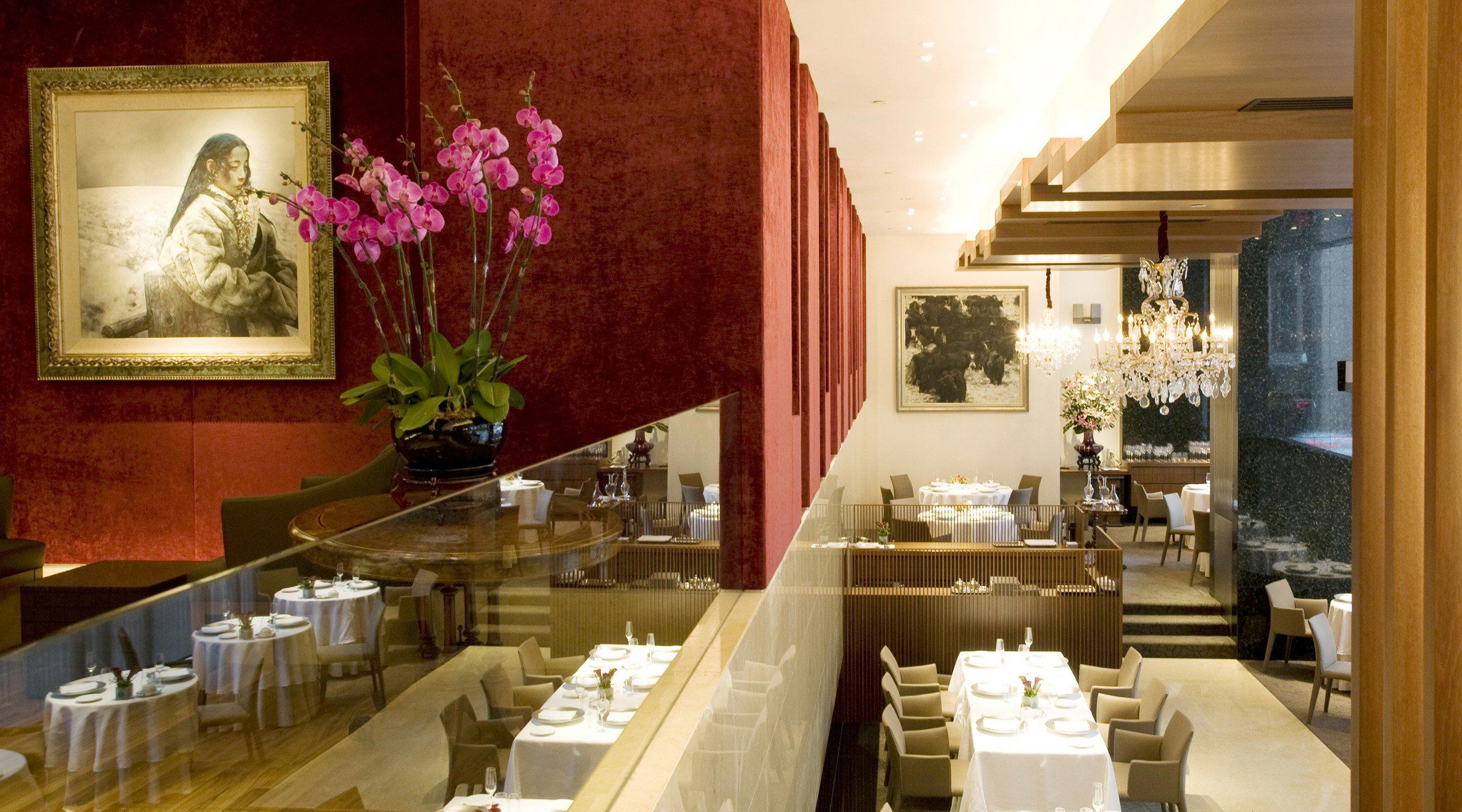
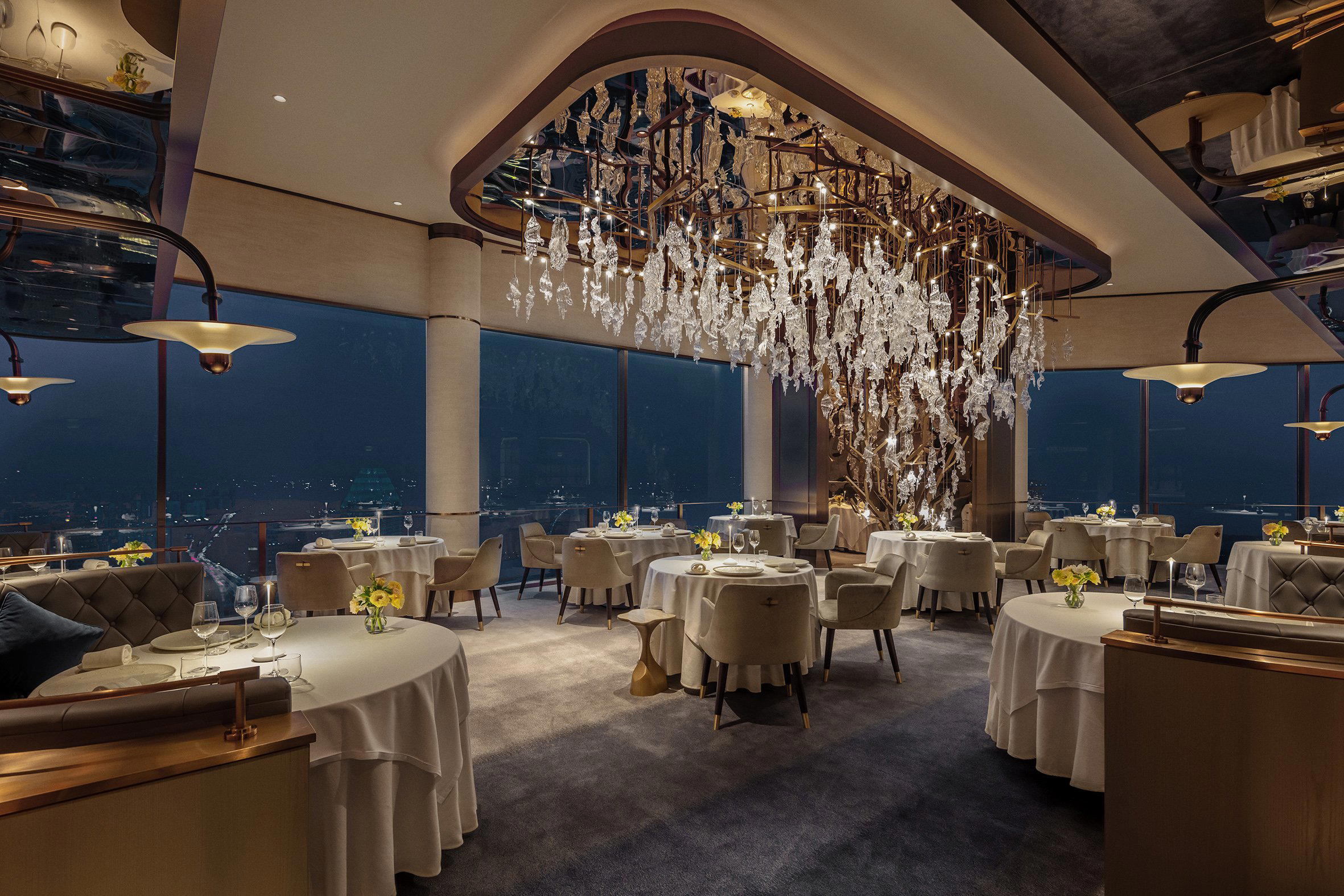
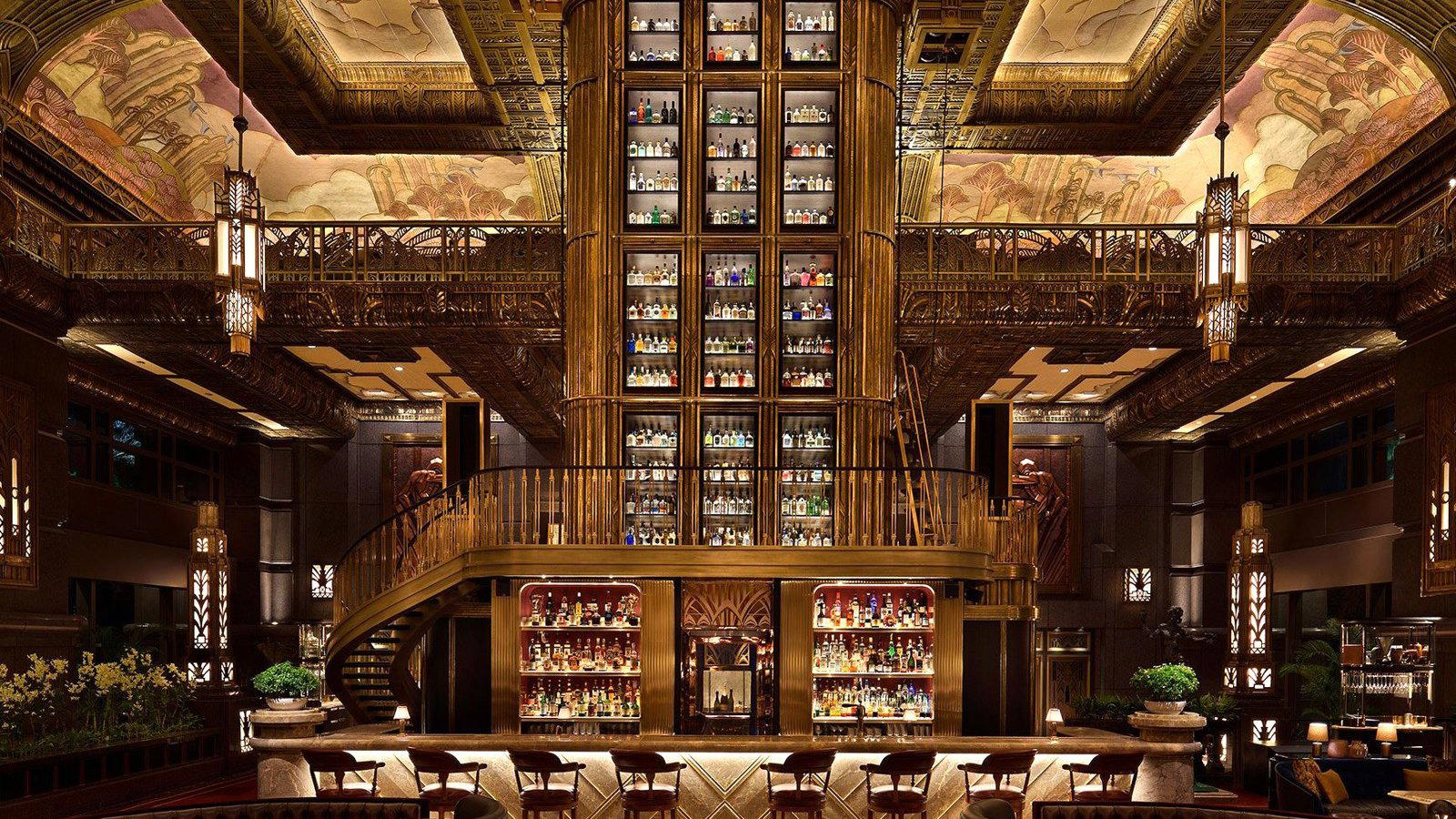
Bars in Singapore
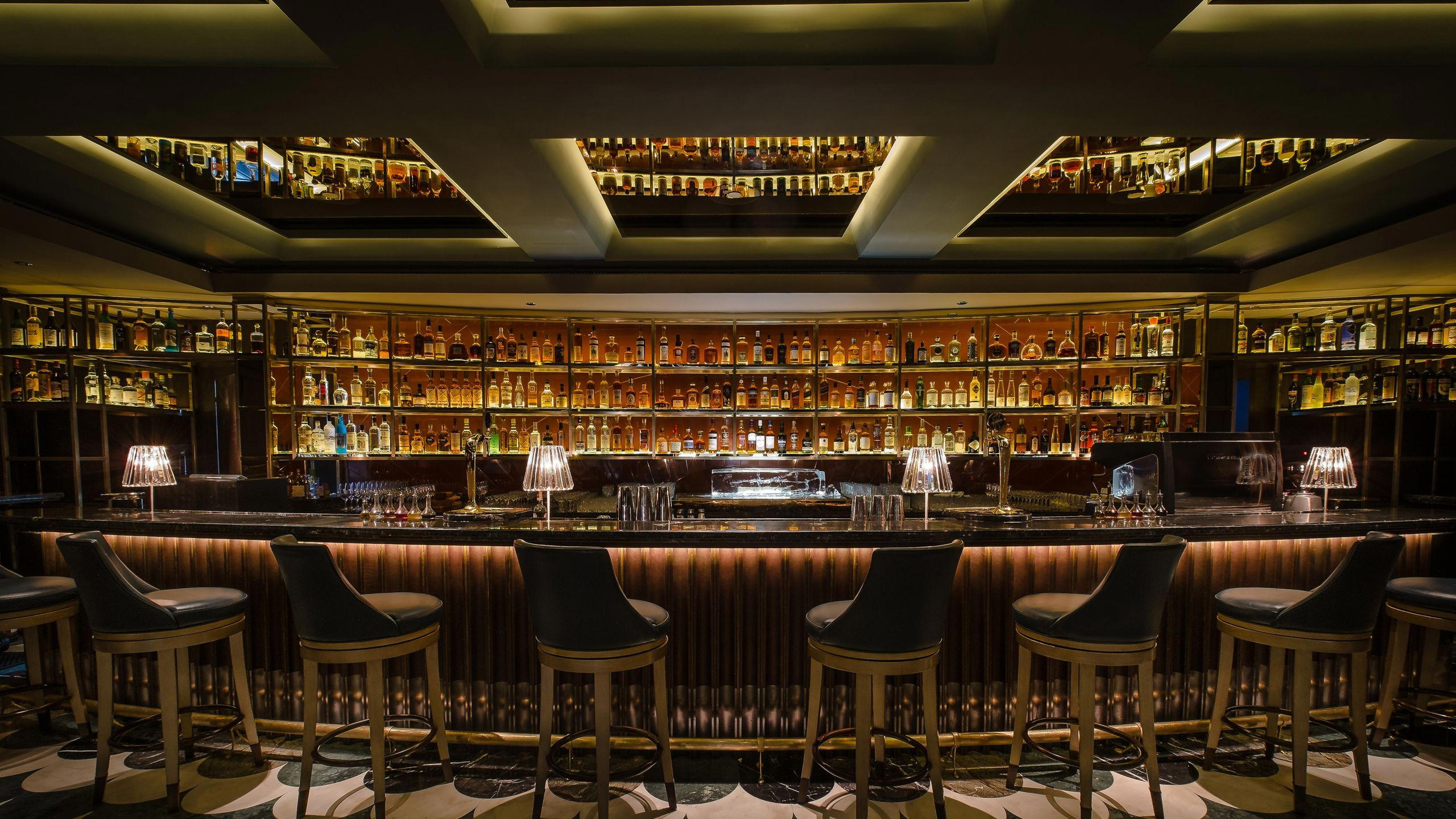
Browse all →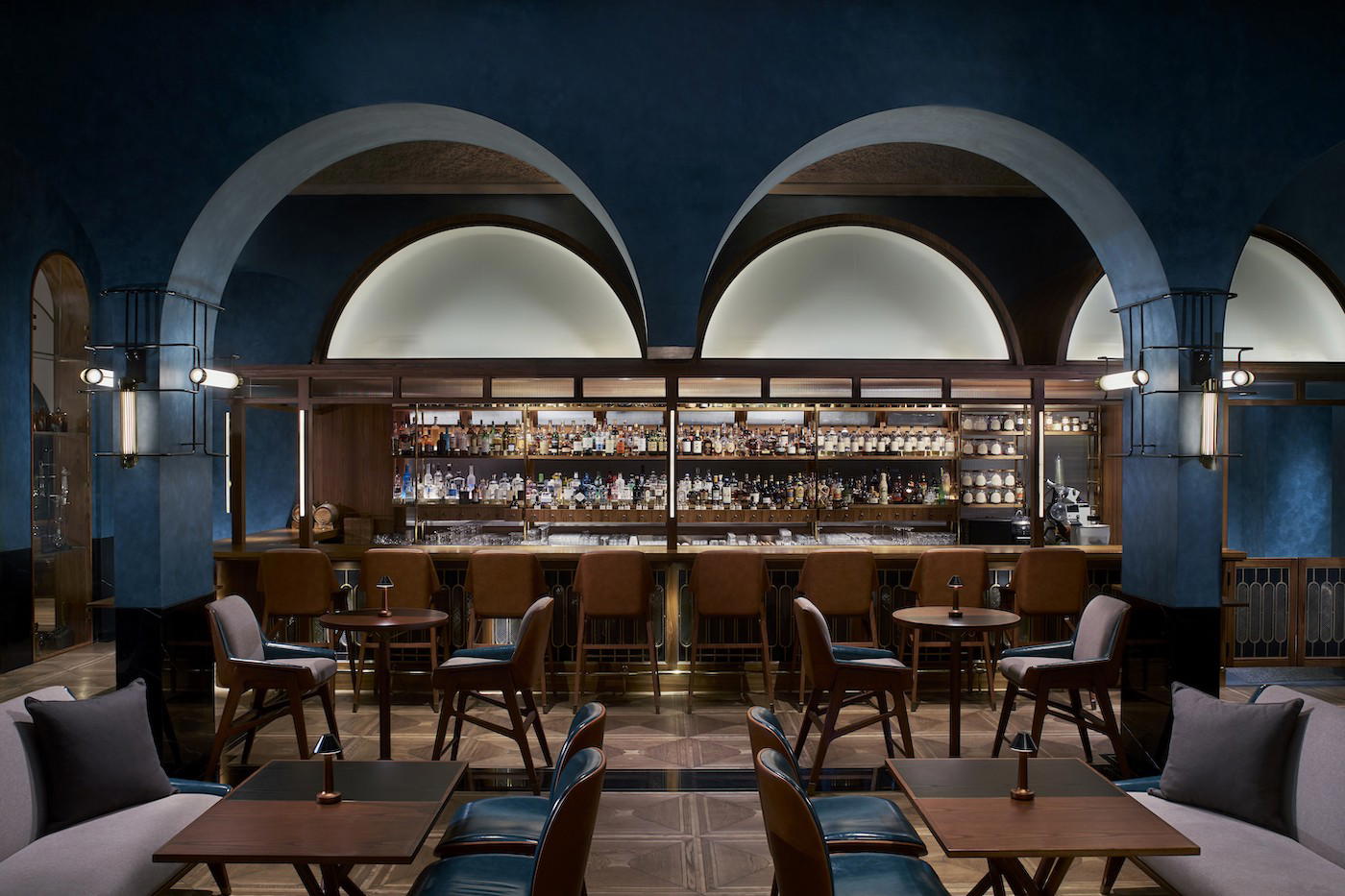
At a Glance
- Intimate
- Elegant
- Sophisticated
- Cozy
- Special Occasion
- Date Night
- Celebration
- Open Kitchen
- Chefs Counter
- Historic Building
- Private Dining
- Sake Program
- Craft Cocktails
- Local Sourcing
- Sustainable Seafood
Current opening hours
- Monday
- Closed
- Tuesday
- 6–10:30 PM
- Wednesday
- 6–10:30 PM
- Thursday
- 6–10:30 PM
- Friday
- 12–2:30 PM, 6–10:30 PM
- Saturday
- 12–2:30 PM, 6–10:30 PM
- Sunday
- Closed
Hours can change for holidays and private events. Last verified .
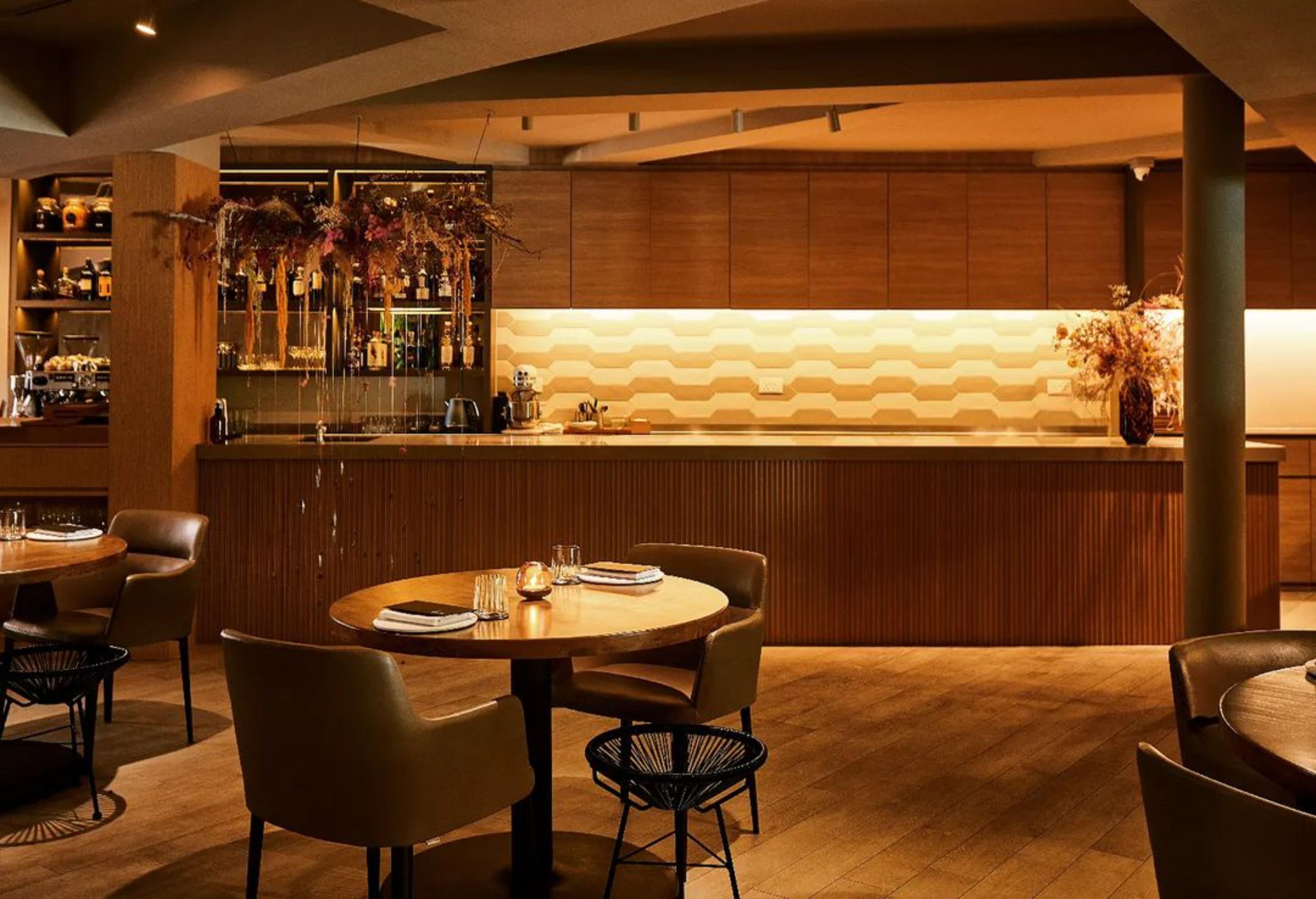
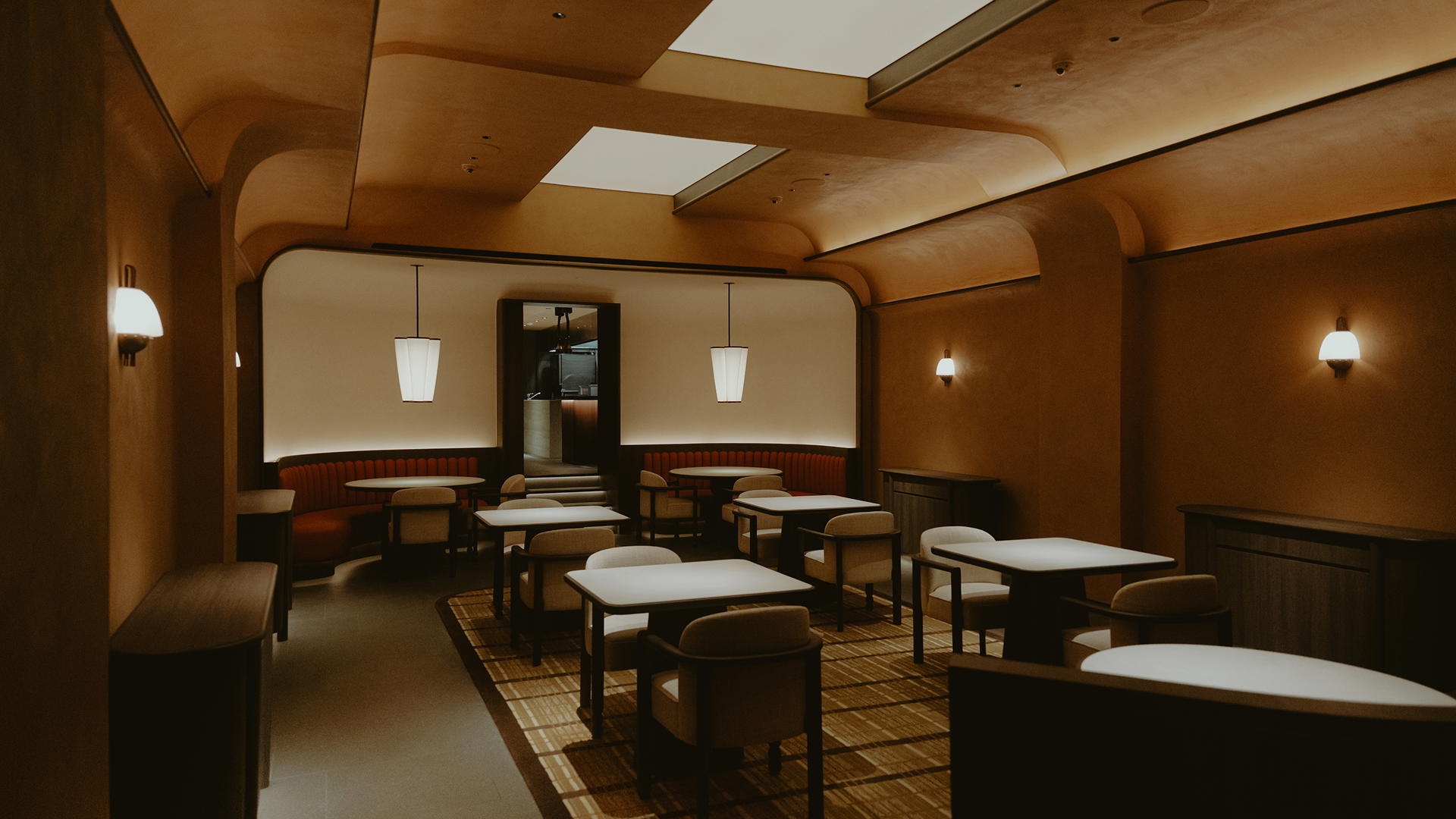
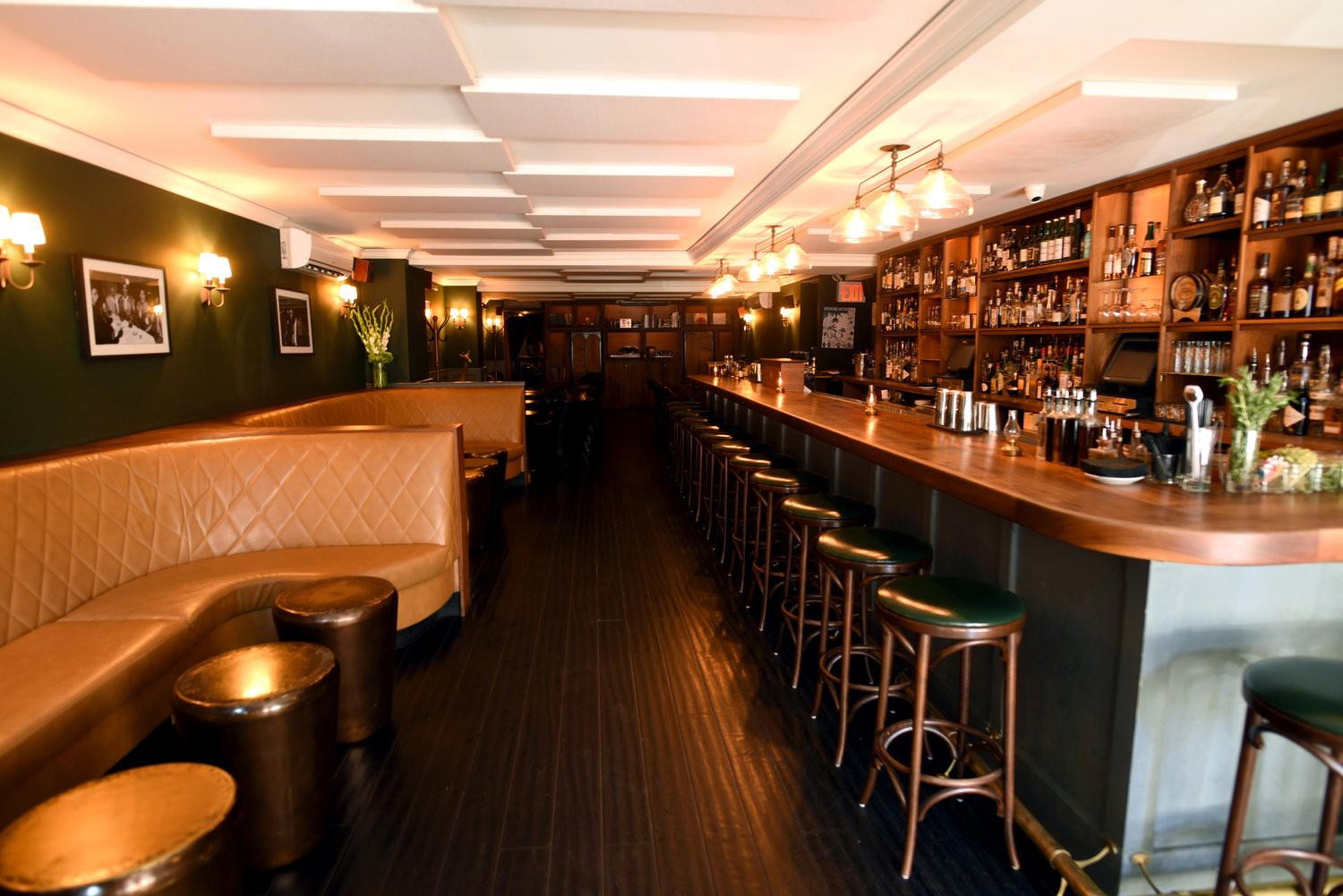
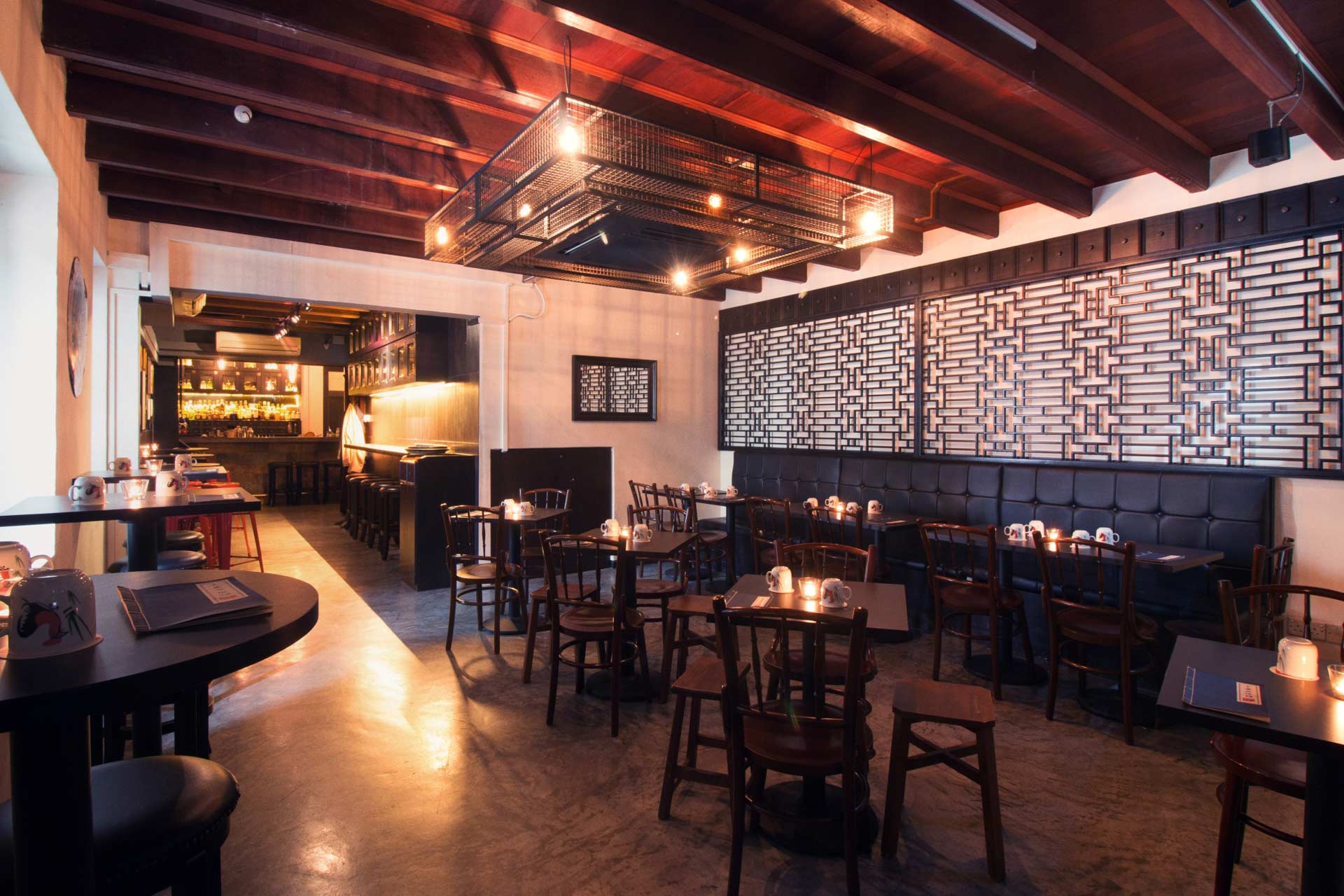
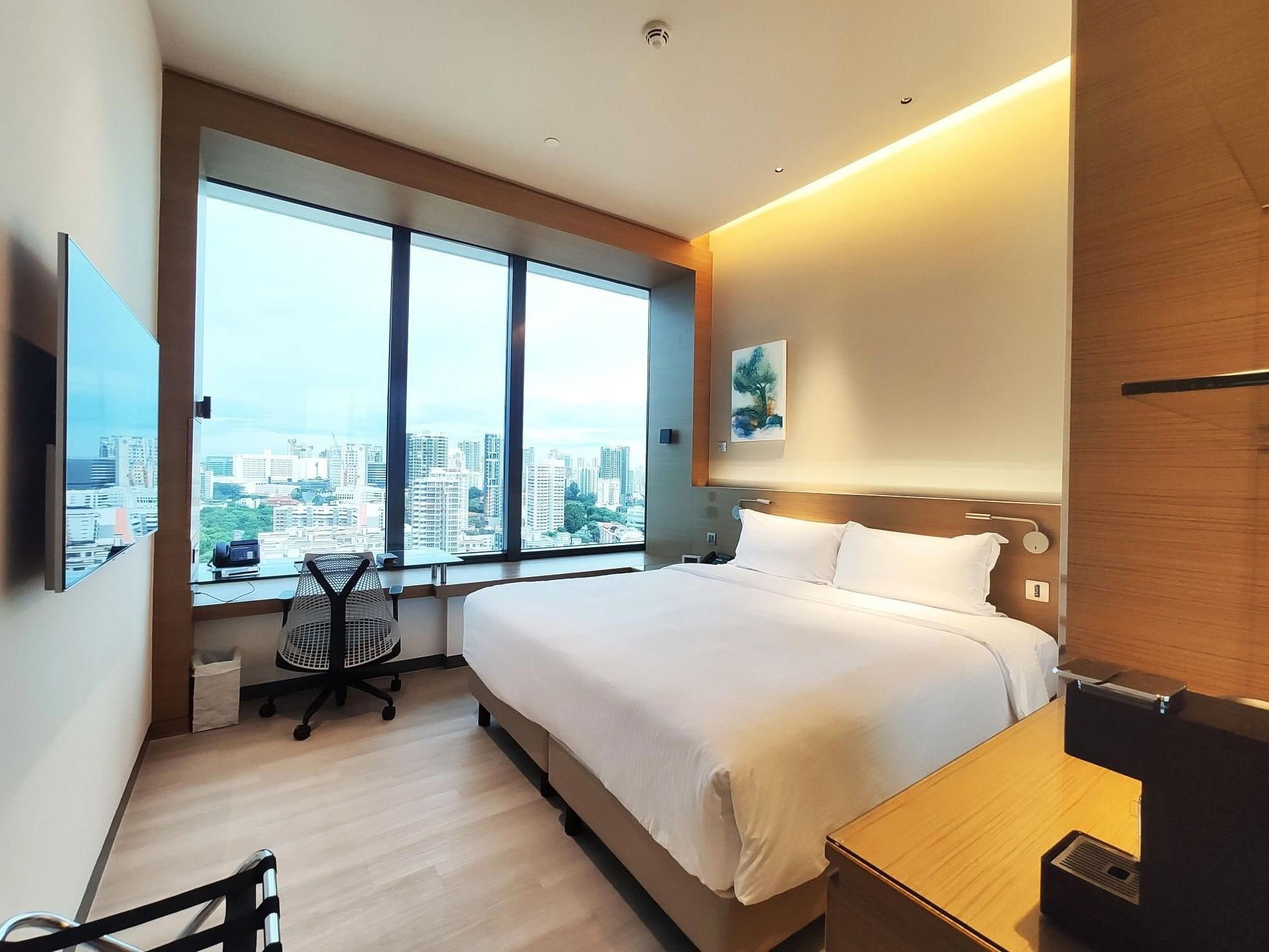
Warm, inviting glow with textured walls and dark wooden furnishings; intimate counter seating with open kitchen views; colonial bungalow setting with rain-cooled air and soft lighting.