
Black Pearl 1 Diamond
Our verdict
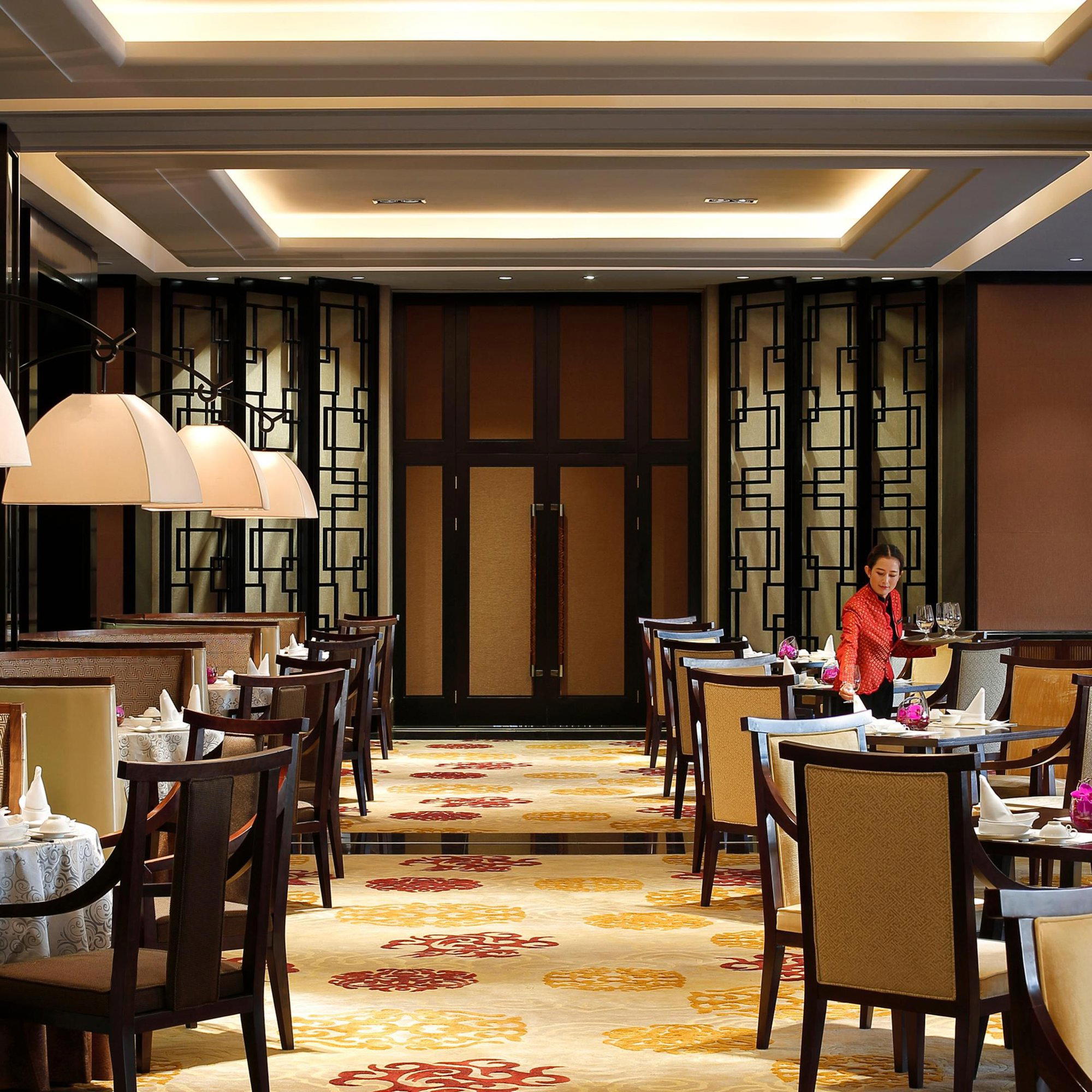
Awarded a Black Pearl Diamond in 2025, Shang Tao Chinese Restaurant at the InterContinental Kunming sits within the Dianchi National Tourism Area, positioning it among the city's more formally recognised Chinese dining addresses. The setting draws on Yunnan's layered culinary heritage, with a hotel format that accommodates both local banquet traditions and visiting guests seeking structured fine dining on the lake's edge.

Pearl is the En Primeur Club membership app, where members save venues, book tables and use the concierge.
Where Yunnan's Table Meets the Dianchi Shore
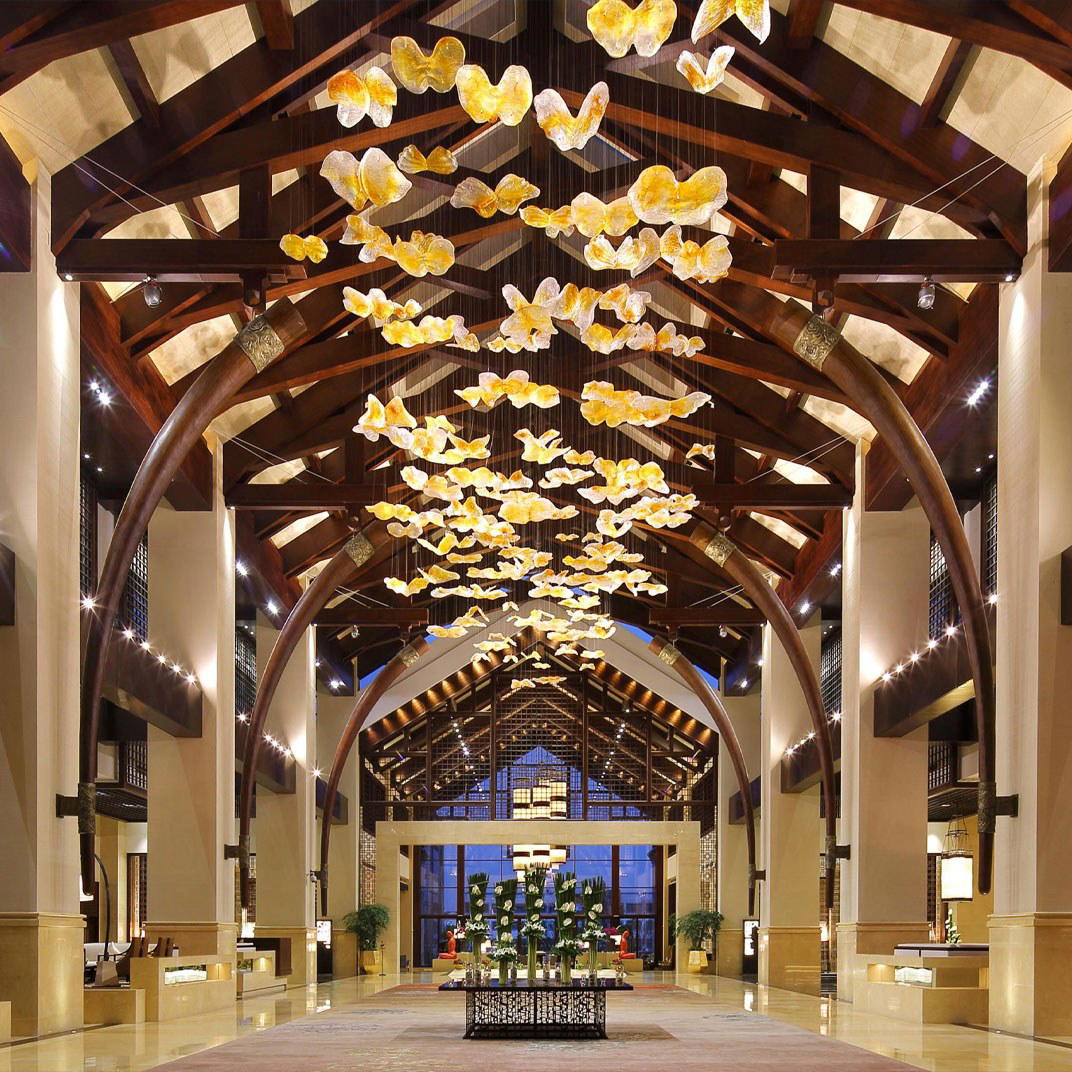
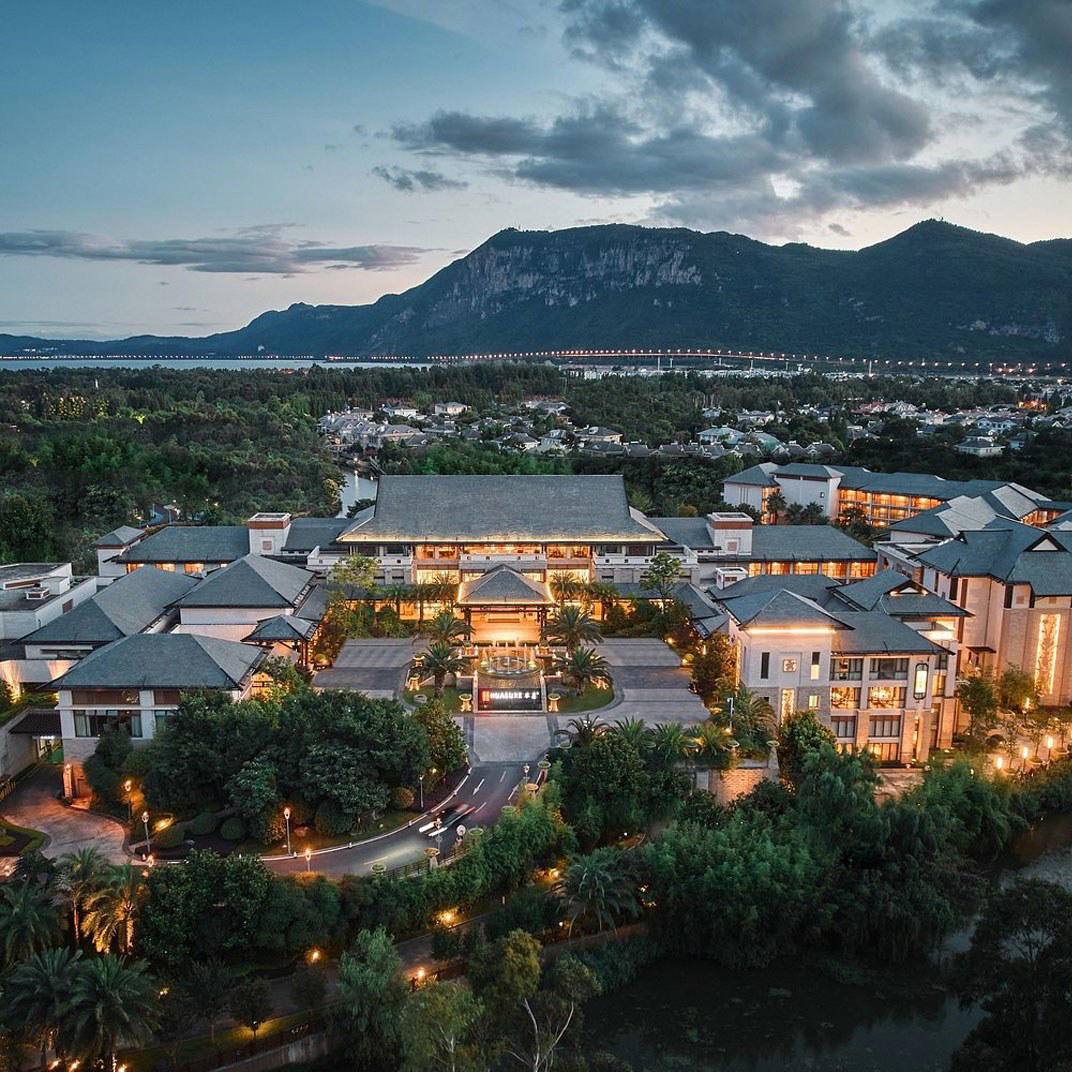
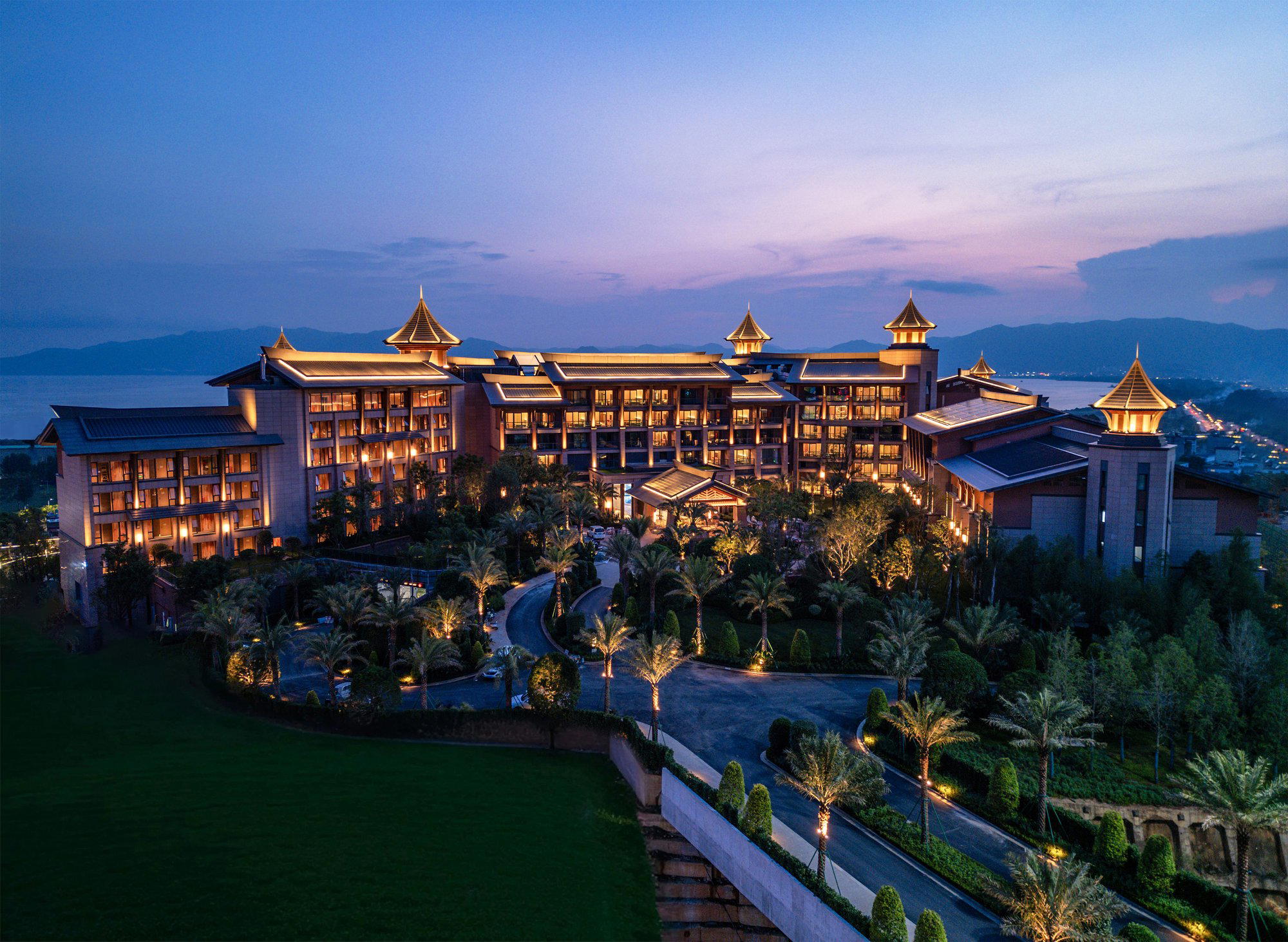
The Dianchi National Tourism Area occupies the western fringe of Kunming, where the city's density gives way to a broader, more deliberate kind of built environment oriented around the lake. Restaurants in this zone tend toward scale and occasion rather than the tighter, neighbourhood-specific formats you find in the old town or around Wenlin Jie. Shang Tao Chinese Restaurant, positioned within the InterContinental on Yijing Road, fits that pattern: it is a dining room designed for the long table, the formal gathering, the meal that marks something. That framing matters, because it shapes everything about how the food arrives, how the space reads, and what the visit asks of you.
The broader context here is Yunnan cuisine itself, one of the more structurally distinct regional traditions in China. The province sits at the intersection of Han Chinese cooking and the culinary habits of more than twenty-five ethnic minority groups, including the Bai, Yi, Naxi, and Dai peoples. That produces a table that is not reducible to a single register. Mushroom culture runs deep, particularly the seasonal wild varieties from the surrounding mountains. Freshwater fish from Dianchi and the broader plateau lake system have historically shaped the protein vocabulary. Cured and fermented ingredients, including Yunnan ham, appear across formats from street food to formal dining. A restaurant operating at the Black Pearl tier in this city is, implicitly, making a claim about how it handles that inheritance.
The Black Pearl Signal and What It Means in 2025
Black Pearl Restaurant Guide, now in its several years of operation, has become the most closely watched Chinese restaurant ranking system operating from within the country. Unlike Michelin, which entered the Chinese market city by city and still lacks coverage across many interior and southwestern cities, the Black Pearl guide has broader domestic reach and is run under the Meituan platform with editorial input that skews toward Chinese culinary standards and regional specificity. A one-Diamond designation in 2025 places Shang Tao in a tier that the guide defines as restaurants delivering consistent quality worth a dedicated visit. For Kunming, where the dining scene has historically been underrepresented in formal recognition systems relative to its culinary depth, that signal carries real weight.
Comparison set for a one-Diamond Chinese restaurant in a second-tier city differs from the same designation in Beijing or Shanghai, where the concentration of recognised venues is higher and the margin between tiers is thinner. In Kunming, the Black Pearl award marks a meaningful separation from the broader hotel dining category. Peer venues in the city's recognised tier, including CUI HOUSE, MOUNTAIN &SEA, and YIJINSTING, form a small cluster of addresses where the question of formal recognition has begun to attach to the city's dining identity. Nationally, one-Diamond venues at this level include addresses like Ru Yuan in Hangzhou and Dai Yuet Heen in Nanjing, which gives a rough sense of the positioning logic.
Yunnan Cuisine at the Formal Register
Across China, the tension in formal Chinese restaurant dining has long been between two modes: the banquet tradition, which prizes abundance, presentation hierarchy, and the theatrical arrival of whole dishes, and the more contemporary tasting-menu approach, which borrows structure from Western fine dining and applies it to Chinese ingredients and techniques. The most interesting restaurants operating at the recognised tier in China have found ways to work within or between those modes without losing the cultural coherence that makes the food legible.
Yunnan at the formal level tends to emphasise ingredient provenance more explicitly than many other Chinese regional cuisines, in part because the ingredients themselves are distinctive enough to carry that weight. The wild mushroom seasons, the specific lake fish, the dry-cured meats aged in mountain conditions: these are not generic luxury signals but specific products tied to place and time. A hotel restaurant operating at the Black Pearl tier in Kunming is working with that material, and the question for any visitor is how directly the menu connects to those regional specificities versus how much it defaults to a pan-Chinese luxury vocabulary.
For comparison, Chinese fine dining restaurants recognised at higher tiers nationally, such as Xin Rong Ji in Beijing, Xin Rong Ji in Chengdu, or Imperial Treasure Fine Chinese Cuisine in Guangzhou, have built their identities around either deep regional specificity or technically refined classical Chinese technique. The Shang Tao format, within an InterContinental property, suggests a kitchen operating with access to strong supply networks and a service structure built for the occasion meal.
The Hotel Dining Format in This Context
Hotel Chinese restaurants occupy a specific and sometimes underestimated position in the hierarchy of Chinese fine dining. In many provincial cities, the best-resourced kitchen in town is attached to an international hotel, because the capital investment, supply chain access, and staffing model that formal Chinese cooking at scale requires are easier to sustain within that framework. This is a different story than the one that plays out in cities like Shanghai, where independent Chinese restaurants have developed strong enough financial models to match or exceed hotel kitchens in ambition and execution. In Kunming, the hotel format at the InterContinental level brings a baseline of operational discipline that supports the kind of consistency the Black Pearl guide is assessing.
The Dianchi location also means the dining room is likely oriented toward a guest mix that includes both hotel residents and local Kunming diners making a specific occasion trip to the lakeside zone. That dual audience shapes the format: banquet rooms for the group meal, a main dining room for smaller parties, a service register pitched at the formal end. Visitors planning a meal here should treat it accordingly, as a full-evening commitment rather than a drop-in.
Planning a Visit
Shang Tao sits at No. 5 Yijing Road within the Dianchi National Tourism Area, which is accessible from central Kunming by taxi or ride-hail in roughly thirty to forty minutes depending on traffic. The InterContinental property provides the landmark reference. For dining reservations at a Black Pearl-recognised hotel restaurant of this format, booking in advance is advisable, particularly for weekend evenings and public holidays when banquet demand in Yunnan is high. Contact details were not available at time of writing; reaching the restaurant through the InterContinental Kunming's main reception is the most direct path. Dress expectations at this tier of hotel dining in China typically run toward smart casual at minimum, with business or occasion dress appropriate for formal group meals.
For further exploration of Kunming's dining, drinking, and hospitality options, the EP Club guides cover the full range: our full Kunming restaurants guide, our full Kunming hotels guide, our full Kunming bars guide, our full Kunming wineries guide, and our full Kunming experiences guide. For broader context on the Black Pearl tier in Chinese fine dining, comparable addresses at recognised levels include 102 House in Shanghai, Chef Tam's Seasons in Macau, and Dingshan·Jiangyan in Suzhou. For readers curious about how Asian fine dining addresses translate into international peer sets, Le Bernardin in New York City and Atomix in New York City offer reference points for the kind of sustained recognition and format discipline that Black Pearl recognition, at its higher tiers, is beginning to parallel.
Frequently asked questions
What awards or recognition does InterContinental Kunming Shang Tao Chinese Restaurant have?
InterContinental Kunming Shang Tao Chinese Restaurant has received recognition including: Black Pearl 1 Diamond (2025).
What's the address for InterContinental Kunming Shang Tao Chinese Restaurant?
InterContinental Kunming Shang Tao Chinese Restaurant is located at No. 5 Yijing Road, National Tourism Area Of Dianchi, Kunming, China, 650228, Kunming.
What's the best thing to order at InterContinental Kunming Shang Tao Chinese Restaurant?
Shang Tao's Black Pearl 1 Diamond recognition in 2025 signals a kitchen operating at the formal register of Yunnan cuisine, where regional ingredients and technique take precedence over generic banquet fare. Yunnan cooking draws on wild mushrooms, cross-bridge noodle traditions, and cured meats specific to the province, and a restaurant at this tier typically foregrounds those local distinctions. Consulting staff on seasonal specialities is the reliable approach here.
Is InterContinental Kunming Shang Tao Chinese Restaurant reservation-only?
Contacting the InterContinental Kunming hotel directly is the most practical step, particularly for larger groups or private room bookings at No. 5 Yijing Road, Dianchi National Tourism Area.
What has InterContinental Kunming Shang Tao Chinese Restaurant built its reputation on?
The restaurant's 2025 Black Pearl 1 Diamond award positions it among the recognized leaders in formal Chinese dining in Yunnan province. The Black Pearl Guide, operated by Meituan, has become China's most closely tracked domestic restaurant ranking, and a Diamond placement reflects consistency in both kitchen output and service at a formal level. For Kunming, a city with a growing profile in regional Chinese gastronomy, that credential carries specific weight.
What if I have allergies at InterContinental Kunming Shang Tao Chinese Restaurant?
No allergen policy is documented for Shang Tao, but the hotel restaurant format at an InterContinental property typically means a trained floor team able to relay dietary requirements to the kitchen. Given that Yunnan cuisine uses regional ingredients some diners may be less familiar with, including foraged mushrooms and fermented preparations, raising specific concerns at the point of booking or on arrival is advisable.
Budget and Context
Comparable venues nearby, for context on price, style, and recognition.
| Venue | Cuisine | Price | Awards | Notes |
|---|---|---|---|---|
| InterContinental Kunming Shang Tao Chinese RestaurantThis venue (the venue you are viewing) | Cantonese and Yunnan Chinese | Not listed | Black Pearl 1 Diamond | Not listed |
| MOUNTAIN &SEA | Chaozhou Cuisine | Not listed | Black Pearl 1 Diamond | South Asia Feature No. 1 City, Chaozhou Cuisine |
| Naxi Jing Cai Fang | Guandu District, Naxi Cuisine | Not listed | Not listed | Not listed |
| Jian Xin Yuan (建新园) | Traditional Yunnan Guoqiao Mixian | $1–10 | Not listed | Kunming (multiple locations), Traditional Yunnan Guoqiao Mixian |
| CUI HOUSE | Modern Cantonese Dim Sum & Fine Dining | $50–100 | Black Pearl 1 Diamond | Cuihu District, Modern Cantonese Dim Sum & Fine Dining |
| Jian Xin Yuan | Not listed | Not listed | Not listed | Xishan District, Traditional Yunnan Cross-Bridge Rice Noodles |
Recognition history
Dated appearances from independent guides and award organizations, with the underlying list record or original source where available.
Black Pearl 1 Diamond
Black Pearl
Continue exploring
More in Kunming
Restaurants in Kunming
All restaurants in Kunming →
Details
- Elegant
- Sophisticated
- Family
- Business Dinner
- Hotel Restaurant
- A La Carte
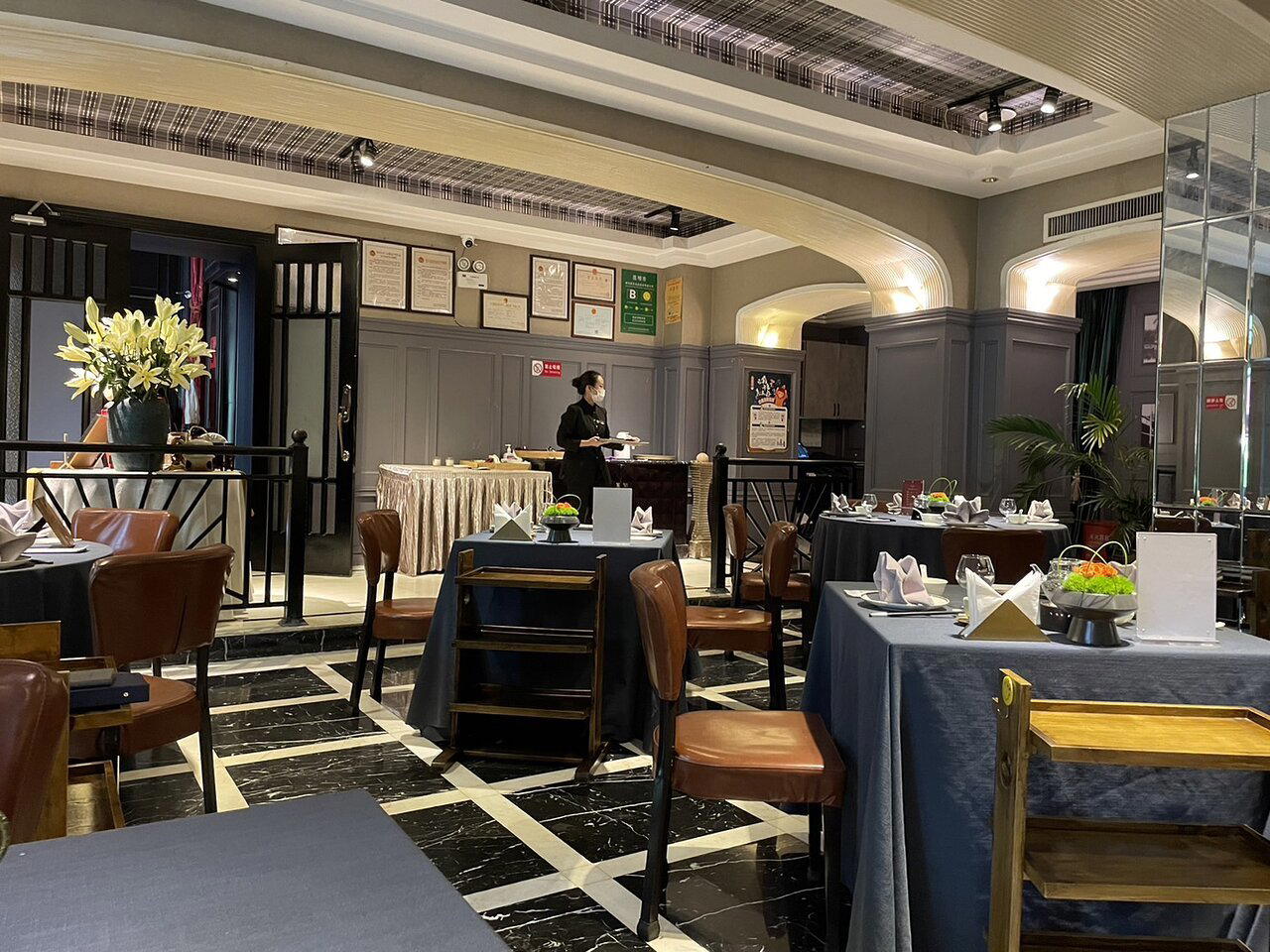
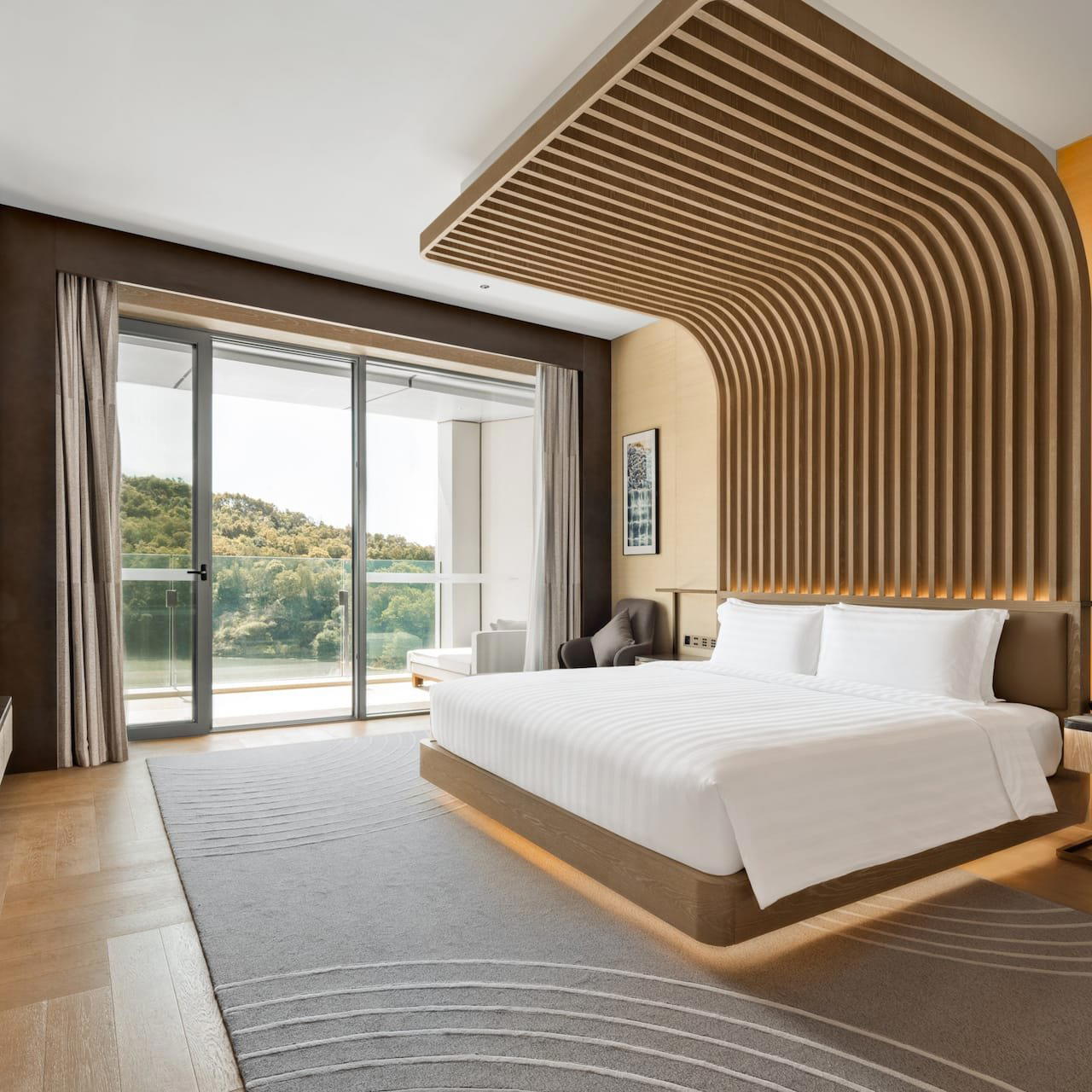
Elegant and cozy modern Chinese atmosphere that is nice and clean.