Inn At Langley
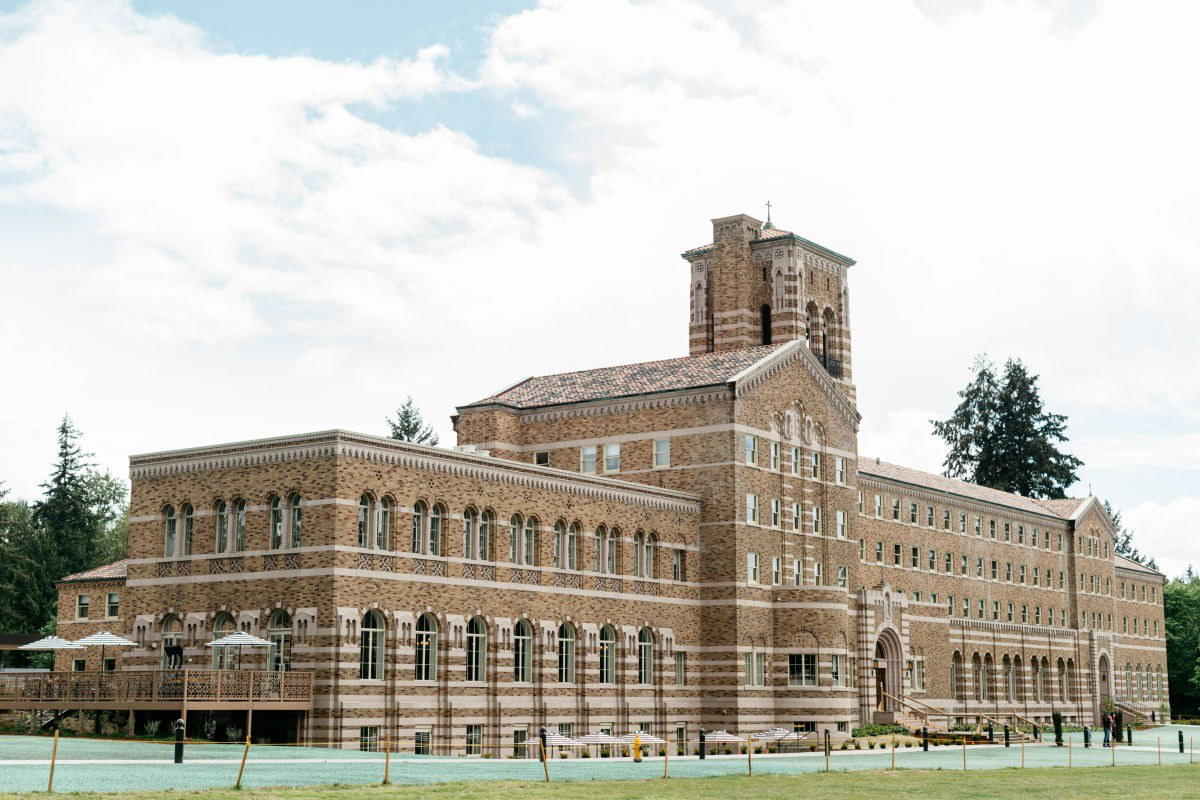
The Inn at Langley sits at the quieter, more considered end of Whidbey Island dining, where the surrounding farmland and Puget Sound waters inform what lands on the plate. The property occupies a modest but deliberate position in the Pacific Northwest's ingredient-forward dining scene, drawing guests who treat the ferry crossing as part of the experience rather than an inconvenience. It belongs to a small tier of destination dining that rewards the effort of getting there.
Pearl is the En Primeur Club membership app — saves, bookings, and concierge access live there. Same editors, same standards.
- Address
- 400 1st St, Langley, WA 98260
- Phone
- +13602213033
- Website
- innatlangley.com
- Directions
- Get directions
 Saves & bookings on Pearl
Where the Island Dictates the Plate
The Pacific Northwest has produced a recognizable dining philosophy over the past two decades: let geography do the heavy lifting. That logic reaches its clearest expression not in Seattle's dense restaurant corridors but on the smaller islands and rural towns that ring Puget Sound. Whidbey Island, and specifically the village of Langley on its southern end, sits at the quieter edge of that tradition. The Inn at Langley, at 400 1st St, operates within a dining culture shaped less by urban competition than by tidal cycles, farm calendars, and ferry schedules.
Arriving in Langley by Washington State Ferry from Mukilteo already reframes expectations. The crossing takes roughly twenty minutes, and by the time you reach Clinton and drive north along the island's spine, the sourcing logic of ingredient-driven restaurants starts to make spatial sense. You are on agricultural land. The Puget Sound is a few hundred metres in either direction. The distance from a working farm or a productive stretch of water to a kitchen here is not a talking point; it is a physical fact.
The Sourcing Tradition That Defines This Tier
Across the American fine dining spectrum, farm-to-table has become so widely claimed as to be nearly meaningless in marketing terms. What separates properties that genuinely operate within a regional ingredient system from those that borrow the language is proximity and specificity. Whidbey Island has both. The island supports a working agricultural community, including farms producing vegetables, heritage meats, and dairy, and the surrounding waters contribute Dungeness crab, Pacific oysters, and various fish species that appear in serious kitchens throughout the region.
This is the sourcing context that places the Inn at Langley in a different conversation from urban restaurants claiming Pacific Northwest credentials from a Seattle postcode. The comparison is useful: Single Thread Farm in Healdsburg and Blue Hill at Stone Barns in Tarrytown have built international reputations specifically because their kitchens operate in genuine proximity to working land. The Inn at Langley occupies a regional equivalent of that positioning, where the ingredient story is grounded in actual geography rather than procurement relationships built across state lines.
That regional grounding places it in a different comparable set than the urban tasting menu circuit. Restaurants like Le Bernardin in New York City, Alinea in Chicago, or Atomix in New York City compete on technique, concept, and urban critical density. The restaurant competes, if that is the right word, on place. The reader choosing between those two modes of dining is making a decision about what they want a meal to be about.
Langley's Position in the Pacific Northwest Dining Scene
Langley itself is a village of fewer than 1,200 permanent residents, and its dining scene reflects that scale. Passage and Katsu Burger represent other points on the local dining map, covering more casual registers. The restaurant anchors the higher-end bracket, which in a village this size means it draws a guest profile willing to treat the meal as a destination rather than a convenience. That guest profile overlaps substantially with the broader category of destination dining that includes properties like The French Laundry in Napa, Lazy Bear in San Francisco, and Providence in Los Angeles, even if the scale and critical recognition differ considerably.
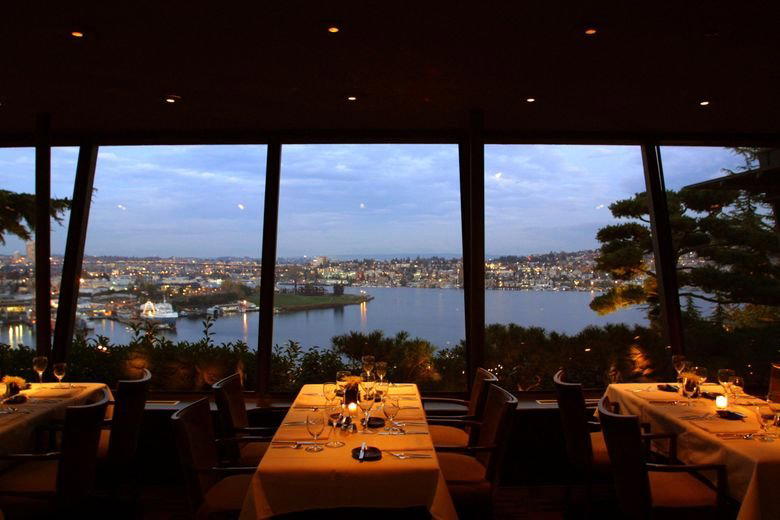
What Langley offers that those urban addresses cannot is a particular kind of quiet. The village sits above a bluff overlooking Saratoga Passage, and the dining experience is inseparable from that physical setting. In the Pacific Northwest's ingredient-forward dining tradition, the physical environment is not backdrop; it is argument. The restaurant makes that argument through its location as much as through anything on the plate.
How It Reads Against National Comparisons
The American fine dining scene has, over the past decade, split more visibly between high-concept urban programs and quieter, place-rooted destination formats. Addison in San Diego, Bacchanalia in Atlanta, The Inn at Little Washington in Washington, and Emeril's in New Orleans each operate within strong regional identities. The restaurant's Pacific Northwest positioning follows similar logic: the region's identity is specific enough, and the island's agricultural and maritime character distinct enough, that the restaurant does not need to import a culinary framework from elsewhere.
That said, destination dining in a small island village carries logistical weight. Guests arriving from Seattle or further afield are building an itinerary around the visit. Brutø in Denver or Causa in Washington, D.C. are urban restaurants a diner can slot into an existing city schedule. The restaurant requires a different kind of commitment, closer to the planning logic of visiting 8 1/2 Otto e Mezzo Bombana in Hong Kong or a regional destination in rural France: you go because that place specifically warrants the journey.
Fast Comparison
Comparable venues nearby, for context on price, style, and recognition.
| Venue | Cuisine | Price | Notes |
|---|---|---|---|
| Inn At LangleyThis venue — the venue you are viewing | Northwest Seasonal Fine Dining | $$$ | Not listed |
| Passage | Northwest Fine Dining | $$$ | Langley |
| Katsu Burger | Japanese Katsu Burgers | $$ | Langley |
| Woodblock | Contemporary Rustic American with Mediterranean Influences | $$$ | Downtown Redmond |
| Off Alley | Seasonal Pacific Northwest Nose-to-Tail | $$$ | Columbia City |
| Toulouse Petit | Cajun-Creole with French Influences | $$$ | Lower Queen Anne |
Continue exploring
More in Langley
Restaurants in Langley
Browse all →
Bars in Langley
Browse all →
Hotels in Langley
Browse all →
At a Glance
- Scenic
- Quiet
- Romantic
- Elegant
- Sophisticated
- Intimate
- Date Night
- Special Occasion
- Celebration
- Waterfront
- Panoramic View
- Hotel Restaurant
- Extensive Wine List
- Farm To Table
- Local Sourcing
- Waterfront
- Mountain
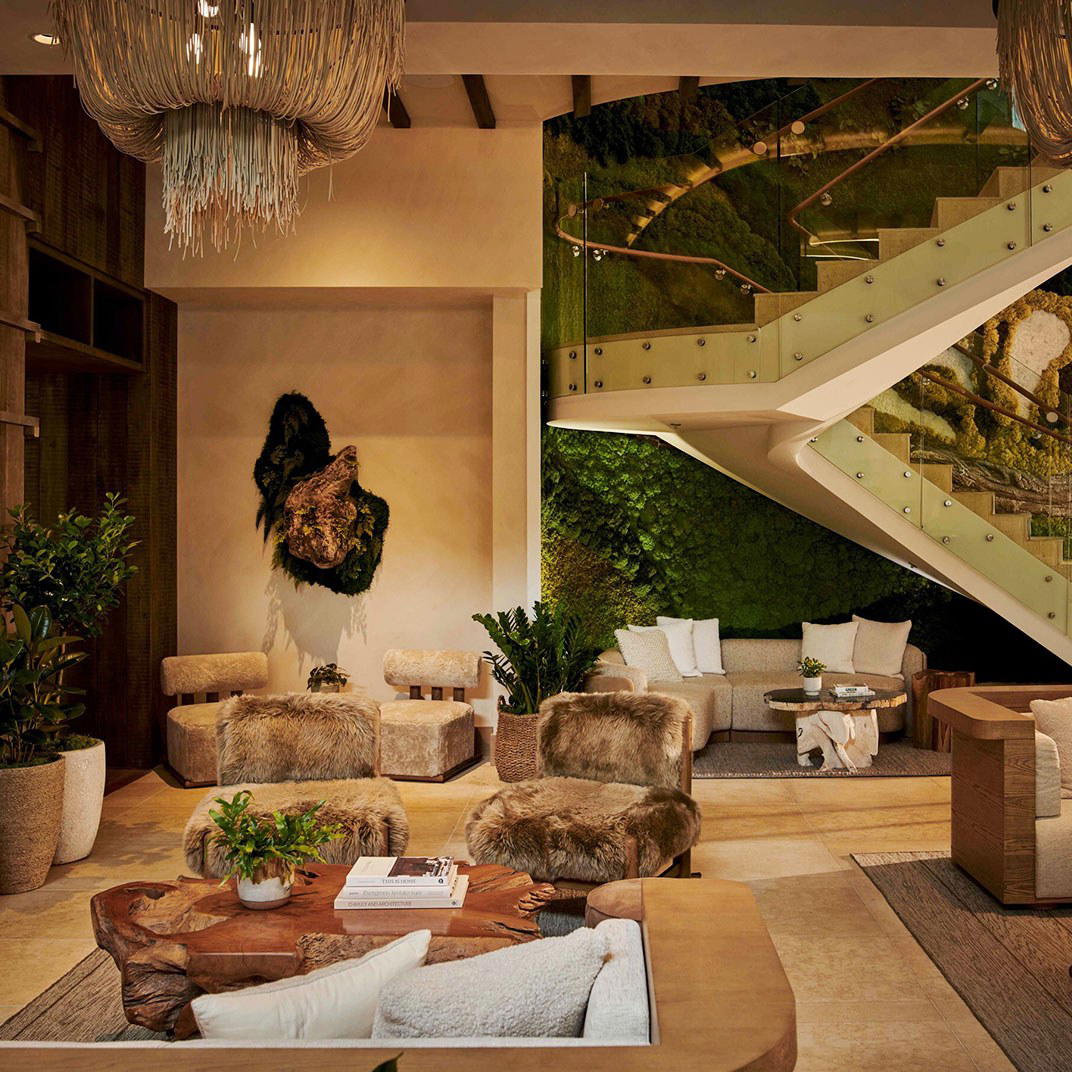
Peaceful, Zen-like, and retreat-focused, with natural materials, a forest-and-sea setting, and a quiet waterfront atmosphere.