Passage
Passage sits within Langley's quietly serious dining scene on Washington's Whidbey Island, where farm proximity and Pacific Northwest sourcing define what ends up on the plate.
Pearl is the En Primeur Club membership app — saves, bookings, and concierge access live there. Same editors, same standards.
- Address
- 400 1st St, Langley, WA 98260
- Phone
- (360) 221-3033
- Website
- innatlangley.com
- Directions
- Get directions
 Saves & bookings on Pearl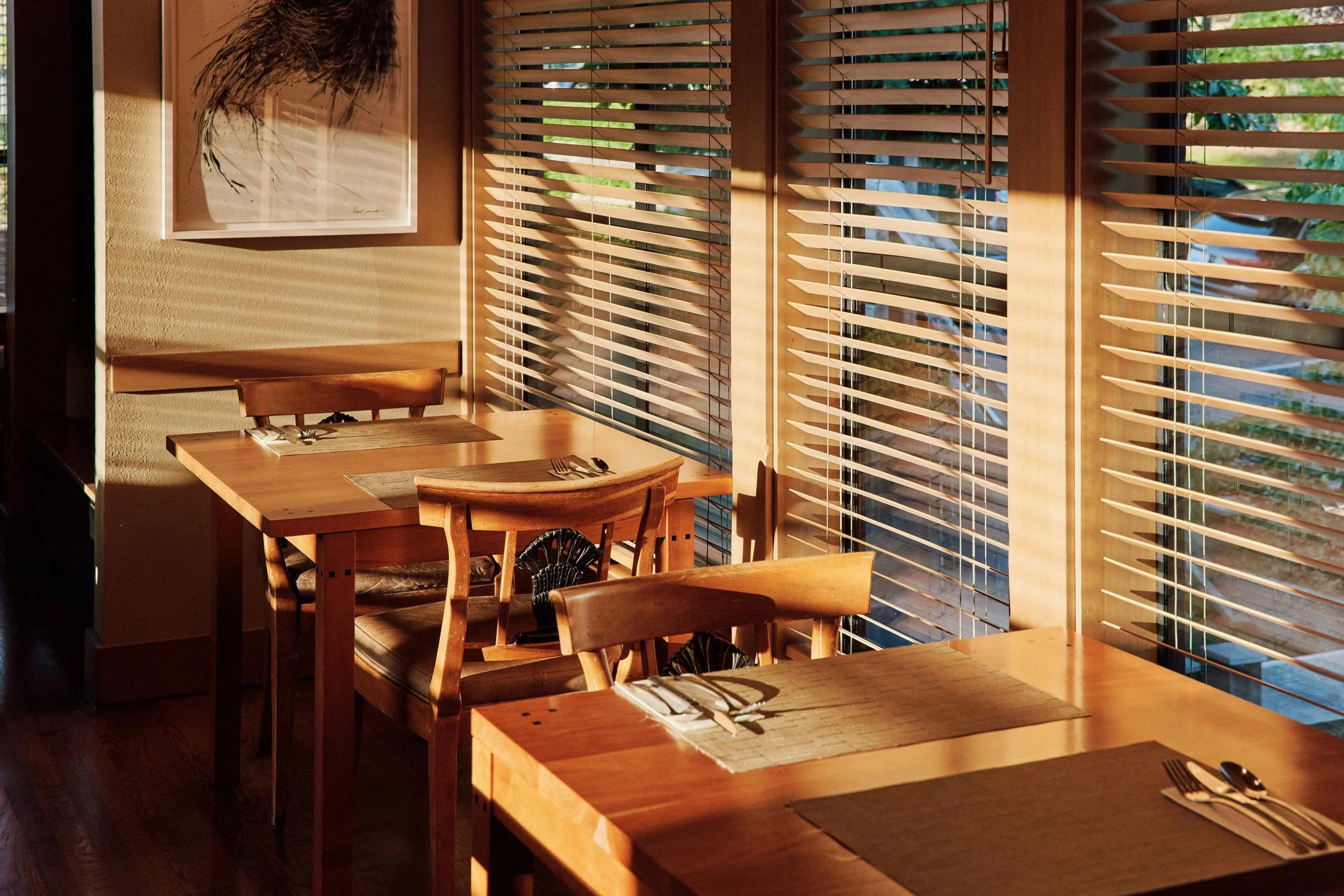
Where the Pacific Northwest Table Begins
Whidbey Island occupies a particular position in Washington State's food geography. Surrounded by Puget Sound, close enough to Skagit Valley farmland to make daily sourcing a logistical reality rather than a talking point, and far enough from Seattle to develop its own culinary identity, the island has long attracted kitchens that build menus around what's available rather than what's fashionable. Langley, its most visited town, sits at the southern end of the island and has, over time, developed a dining culture rooted in this agricultural proximity. Passage operates within that tradition.
The Pacific Northwest farm-to-table model has matured considerably over the past decade. In its earlier form, it was often more aesthetic than operational, local provenance claimed on menus without rigorous supply chain depth. What has emerged in the region's more committed kitchens is something more demanding: relationships with specific growers, fishing vessels, and foragers that shape the menu from the sourcing stage rather than the plating stage. Restaurants like Single Thread Farm in Healdsburg and Blue Hill at Stone Barns in Tarrytown have defined what this looks like at the highest tier nationally, kitchens where the farm is not a supplier but a collaborator. Passage, in Langley, operates in a regional context that makes this kind of sourcing naturally accessible rather than aspirationally constructed.
The Ingredient Logic of Whidbey Island
Whidbey Island's agricultural output is more diverse than most visitors realize. The Skagit Valley, visible across the water on clear days, is among the more productive agricultural regions in the Pacific Northwest, supplying everything from root vegetables to small-grain cereals. The island itself supports dairy operations, orchards, and market gardens. The surrounding waters provide Dungeness crab, Pacific oysters, and salmon runs that cycle through the seasons with enough regularity to anchor a menu around. For a kitchen serious about sourcing, this geography is a working pantry.
This matters because ingredient sourcing at this level is not simply a quality argument, it is a structural one. Menus built on local supply chains must be written differently, timed differently, and presented differently than those built on broadline distribution. Dishes change when the underlying ingredient changes, which means kitchen teams require deeper technical fluency and guests benefit from a dining experience that genuinely shifts with the calendar. The comparison tier for this approach nationally includes The French Laundry in Napa, Lazy Bear in San Francisco, and Providence in Los Angeles, all kitchens where sourcing specificity is architectural, not decorative.
Langley's Dining Position on the Island
Langley is a small town, and its restaurant scene reflects that scale. The dining options are limited in number but have historically skewed toward quality over volume, attracting operators who prioritize the kitchen over the cover count. This is partly a function of the clientele, the island draws visitors with enough resources and curiosity to seek out independent, ingredient-led cooking, and partly a function of the supply environment, which rewards kitchens willing to work directly with producers. For Langley's restaurants, the challenge is less about sourcing quality ingredients and more about building consistent relationships that survive seasonal fluctuation and the logistical friction of island delivery.
Passage sits within this context. What is clear is that the restaurant operates in a town where the dining culture already selects for a certain kind of guest: one who has made a deliberate trip to Whidbey Island and is looking for a meal that justifies the ferry crossing. That context alone sets a threshold.
How It Compares at the Regional and National Level
The broader category of ingredient-driven American fine dining has fragmented significantly. At one end sit destination kitchens with national recognition and multi-year waiting lists, Alinea in Chicago, Atomix in New York City, Addison in San Diego. At the other end, a much larger cohort of regionally serious kitchens operate without that kind of profile but with considerable depth: cooking that is technically accomplished, sourcing-led, and genuinely connected to its geography. The Inn at Little Washington and Emeril's in New Orleans occupy different points on this range. Langley's scale and location place Passage in this regional tier, a kitchen where geographic specificity does real work, even without the amplification of a major urban market.
The sourcing advantage that Whidbey Island provides is not hypothetical. Proximity to producers reduces the time between harvest and plate, which has measurable effects on flavor and texture across a wide range of ingredients. It also enables the kind of direct conversation between kitchen and farmer that allows a chef to request specific varieties, harvest timings, or preparation methods that wouldn't be feasible through a distributor. For guests coming from Seattle, roughly an hour by ferry from the Mukilteo terminal, this represents a meaningfully different eating experience than what the city's own sourcing networks typically deliver. Visitors planning around the ferry schedule will find the Washington State Ferries Mukilteo-Clinton route the standard crossing, with crossings timed throughout the day.
Planning a Visit
Langley is accessible by ferry from the Mukilteo terminal south of Everett, with the Clinton terminal landing roughly twenty minutes south of town by car. The island does not have a regional airport, so the ferry is the primary route for most visitors, and timing a meal around crossing schedules is worth building into any trip. Whidbey Island's dining scene is small enough that reservations at serious kitchens should be treated as logistically important, not optional, arriving on the island without a booking is a different risk calculus than it would be in a city. Beyond restaurants, our full Langley hotels guide, bars guide, wineries guide, and experiences guide cover the rest of what the area offers for a longer stay.
Comparable Venues
Comparable venues nearby, for context on price, style, and recognition.
| Venue | Cuisine | Price | Notes |
|---|---|---|---|
| PassageThis venue — the venue you are viewing | Northwest Fine Dining | $$$ | Not listed |
| Inn At Langley | Northwest Seasonal Fine Dining | $$$ | Langley |
| Katsu Burger | Japanese Katsu Burgers | $$ | Langley |
| JOEY U-Village | Modern American Steakhouse with Sushi | $$$ | University Village |
| The Ballard Cut | Farm-to-Table American Whisk(e)y Bar | $$$ | Adams |
| Russell's Restaurant | American Steakhouse & Seafood | $$$ | Monte Villa |
Continue exploring
More in Langley
Restaurants in Langley
Browse all →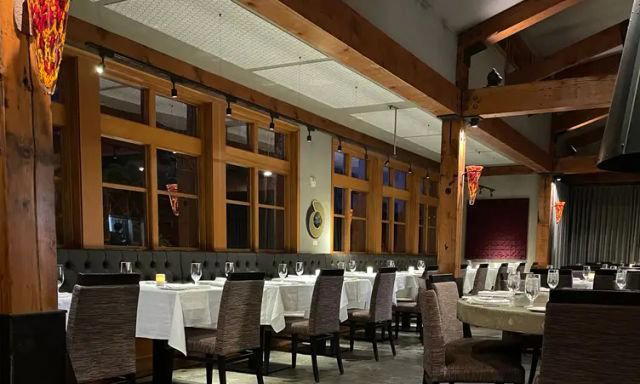
Bars in Langley
Browse all →
Hotels in Langley
Browse all →
At a Glance
- Scenic
- Intimate
- Sophisticated
- Quiet
- Date Night
- Special Occasion
- Waterfront
- Hotel Restaurant
- Craft Cocktails
- Local Sourcing
- Sustainable Seafood
- Waterfront
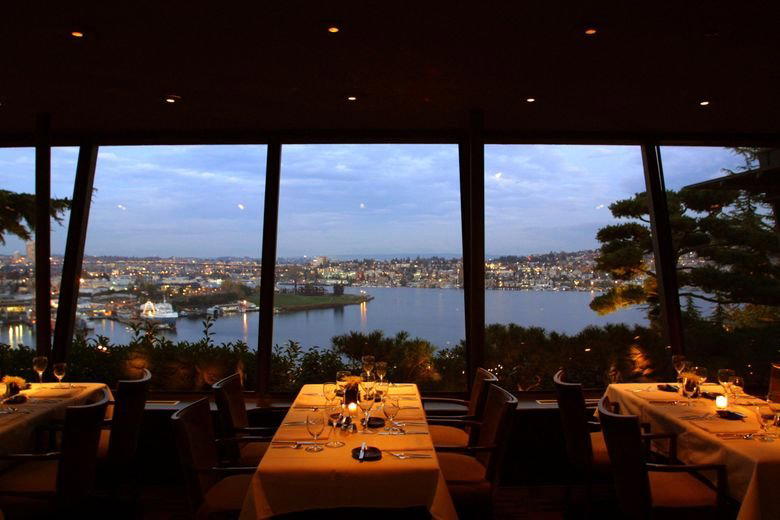
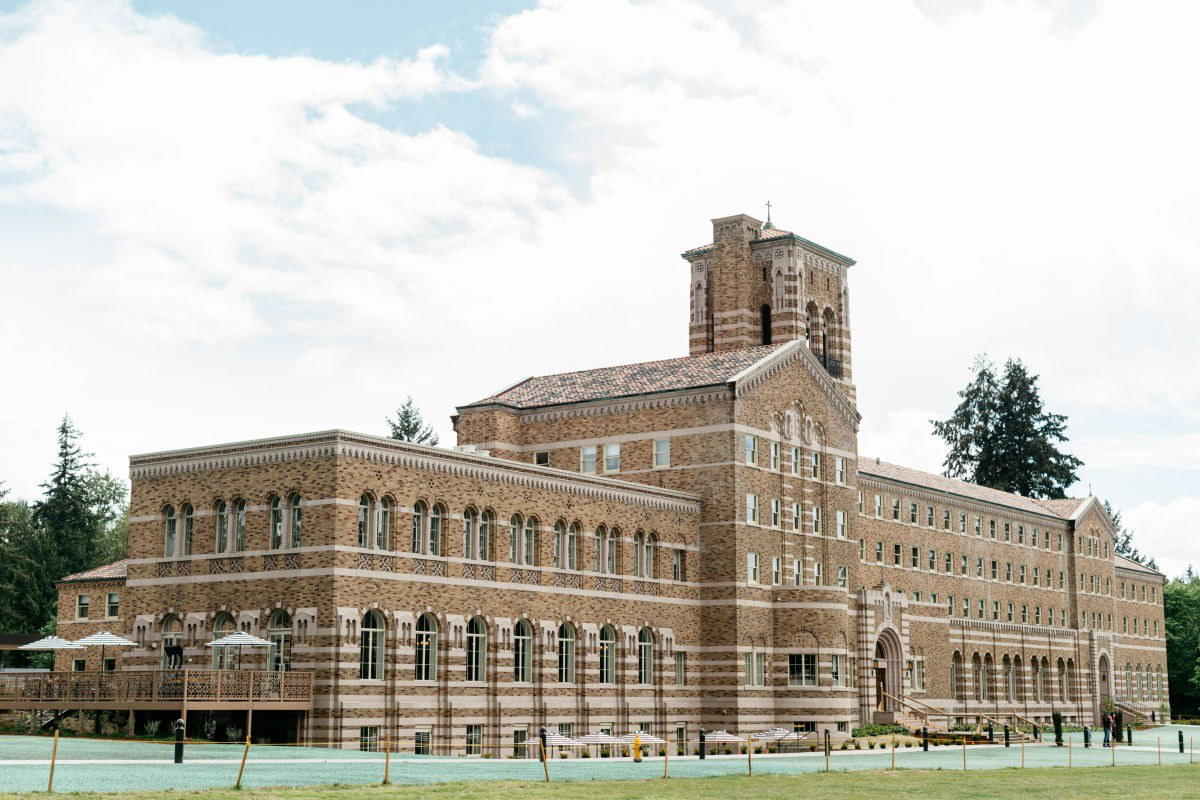
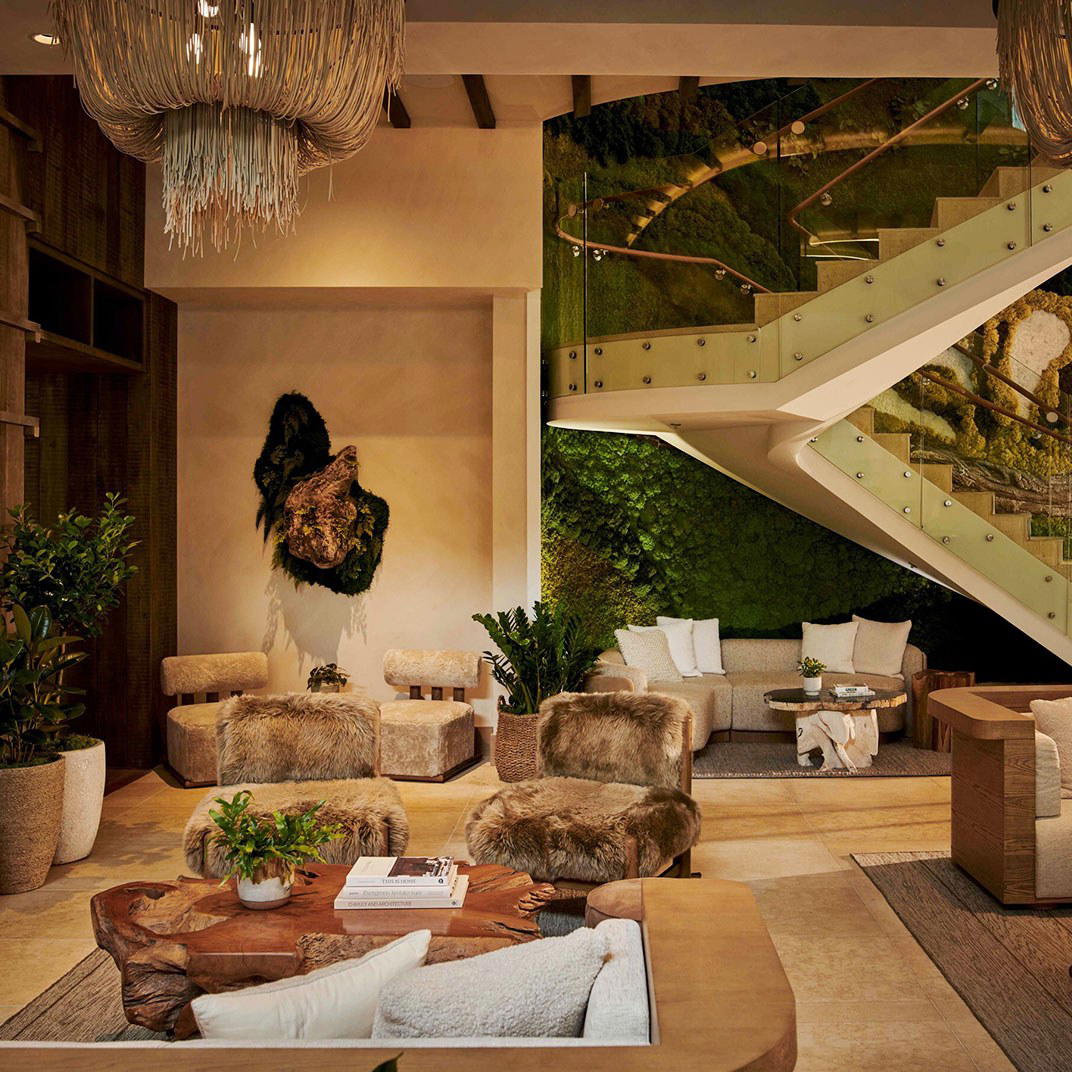
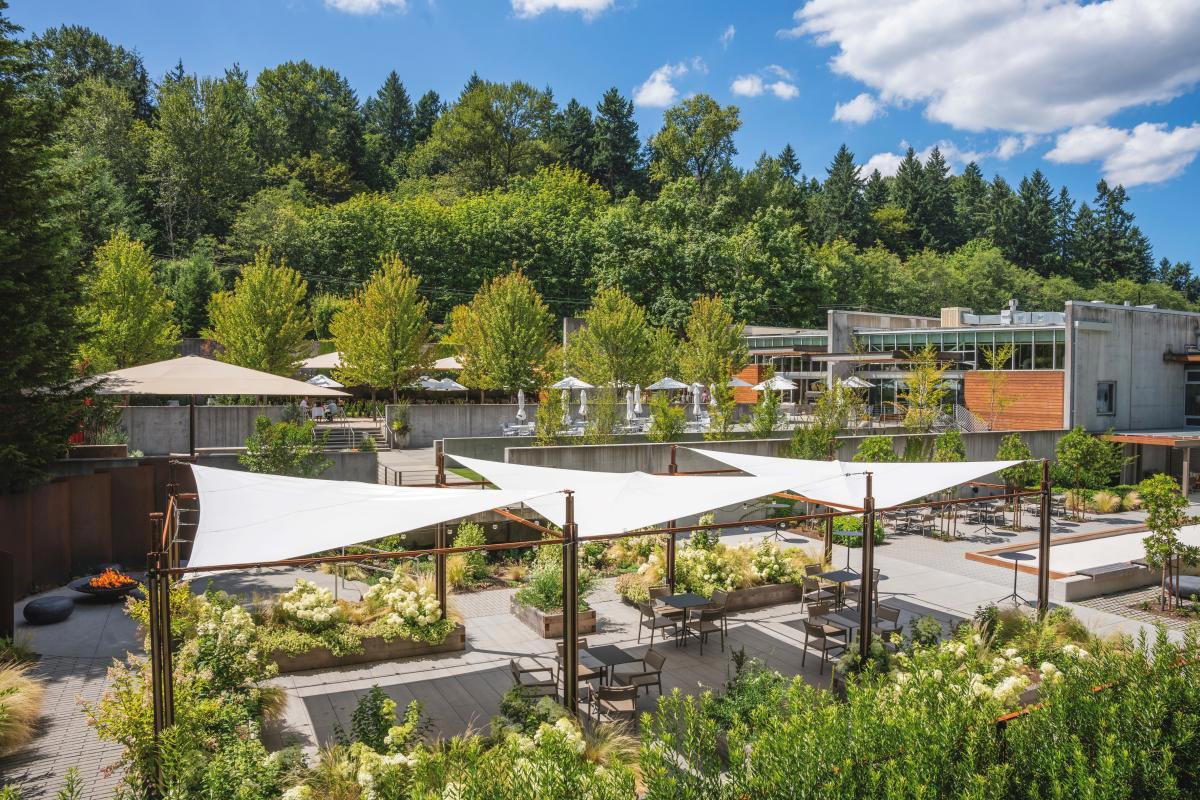
An intimate, quietly intentional dining room overlooking Saratoga Passage, with a sense of arrival and a restrained, place-driven atmosphere.