Indienne
Our verdict
Indienne at Hudson Yards positions itself at the intersection of classical Indian technique and contemporary fine dining, operating in a New York tier where tasting menus and global plating languages have reshaped what Indian cuisine can look like on the plate. It sits in a neighbourhood defined by architectural ambition and high-ticket dining, where the competition includes some of the city's most decorated French and Korean counters.

Pearl is the En Primeur Club membership app, where members save venues, book tables and use the concierge.
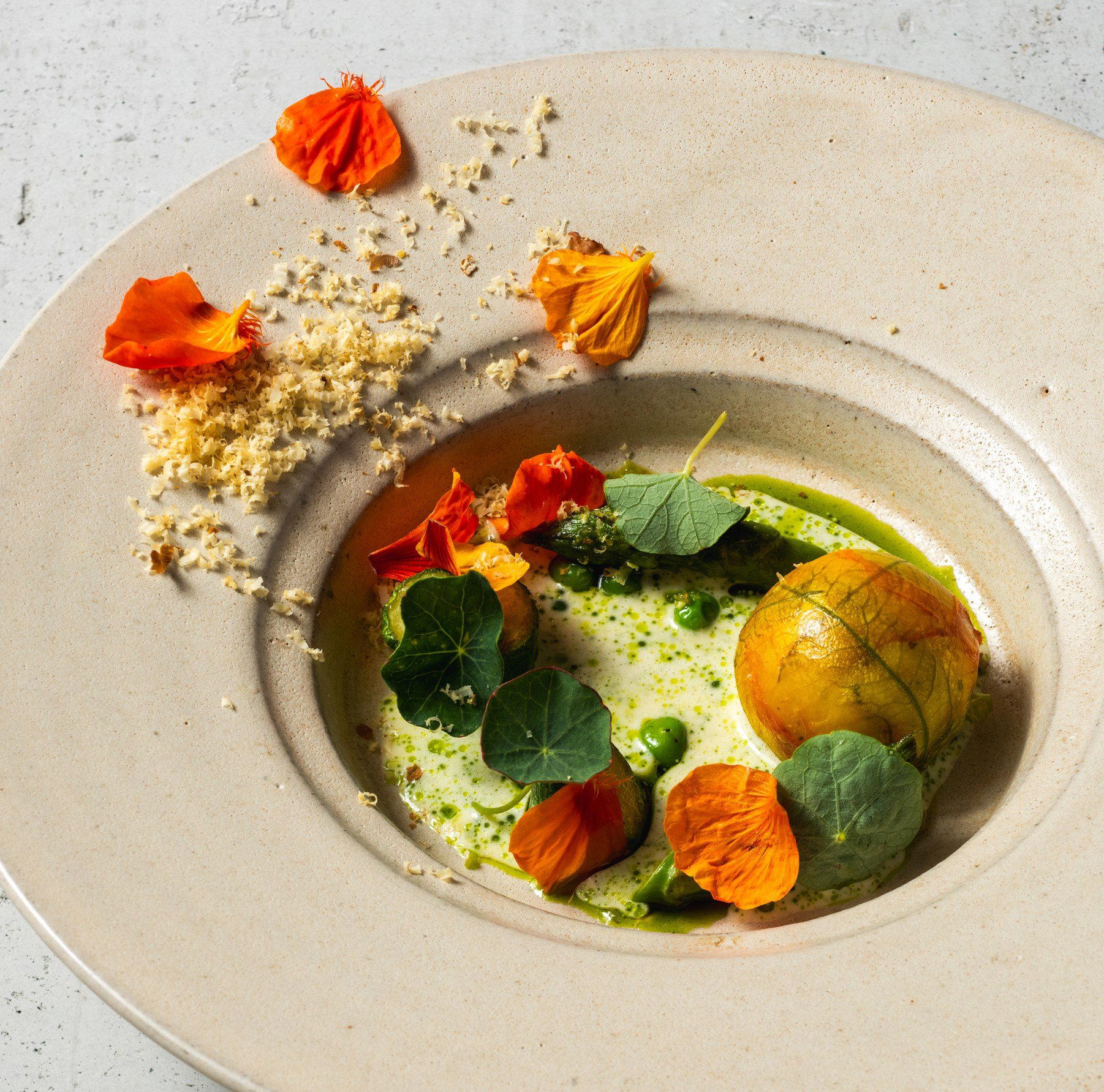
Where Indian Fine Dining Meets the Hudson Yards Tier
Hudson Yards arrived as a neighbourhood with a thesis: that New York could build a district from scratch and have it taken seriously at the top end of the dining market. The restaurants that settled there were largely in agreement with that thesis, and the pressure to perform at a level consistent with the real estate around them has shaped how they present themselves. Indienne operates in that context. Indian cuisine at the fine dining register is a relatively recent development in New York terms, and the Hudson Yards location places Indienne in direct comparison with the kind of French and contemporary tasting-menu rooms that have defined the city's upper tier for decades. That proximity is the most useful frame for understanding what Indienne is trying to do.
The Room and the Register
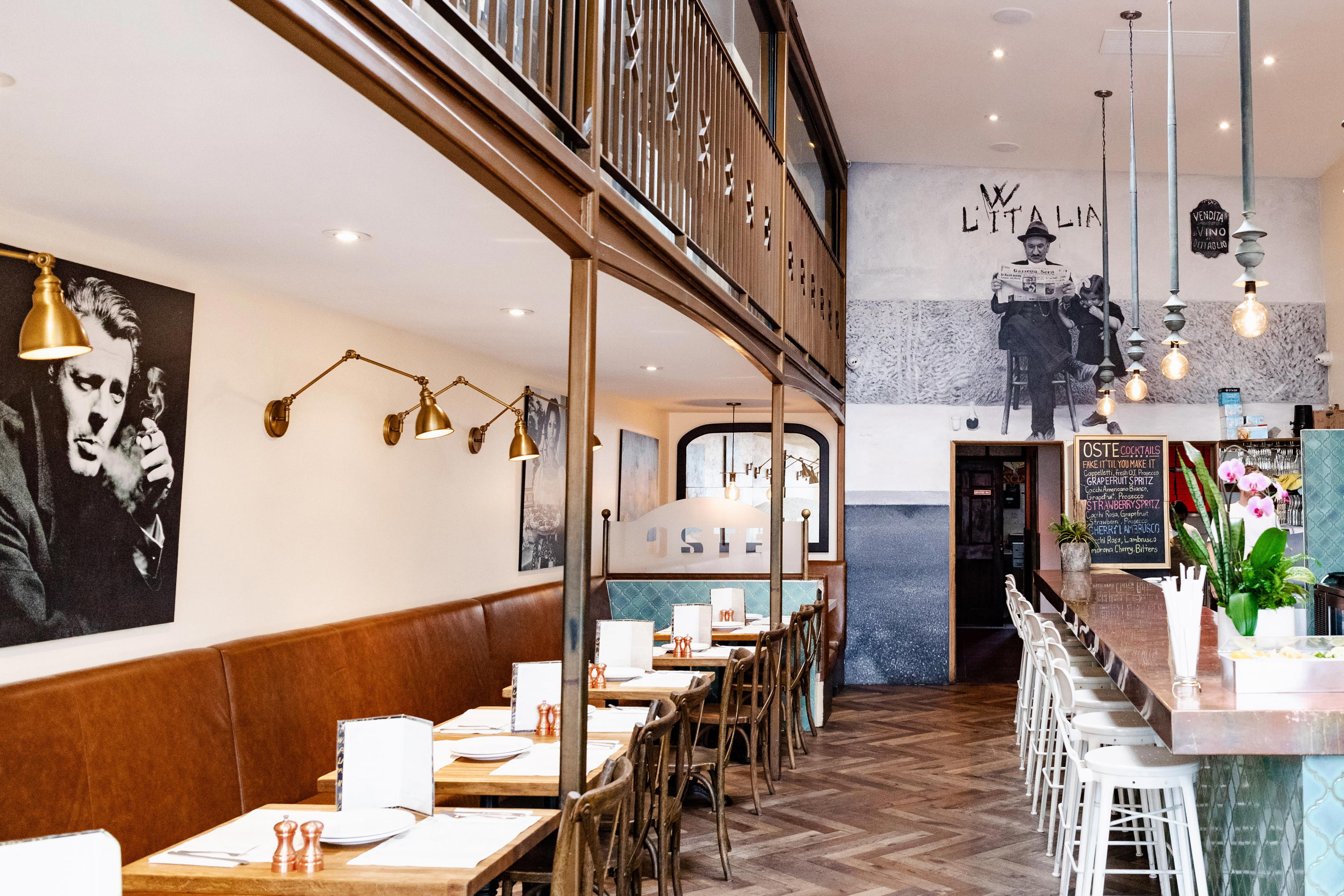
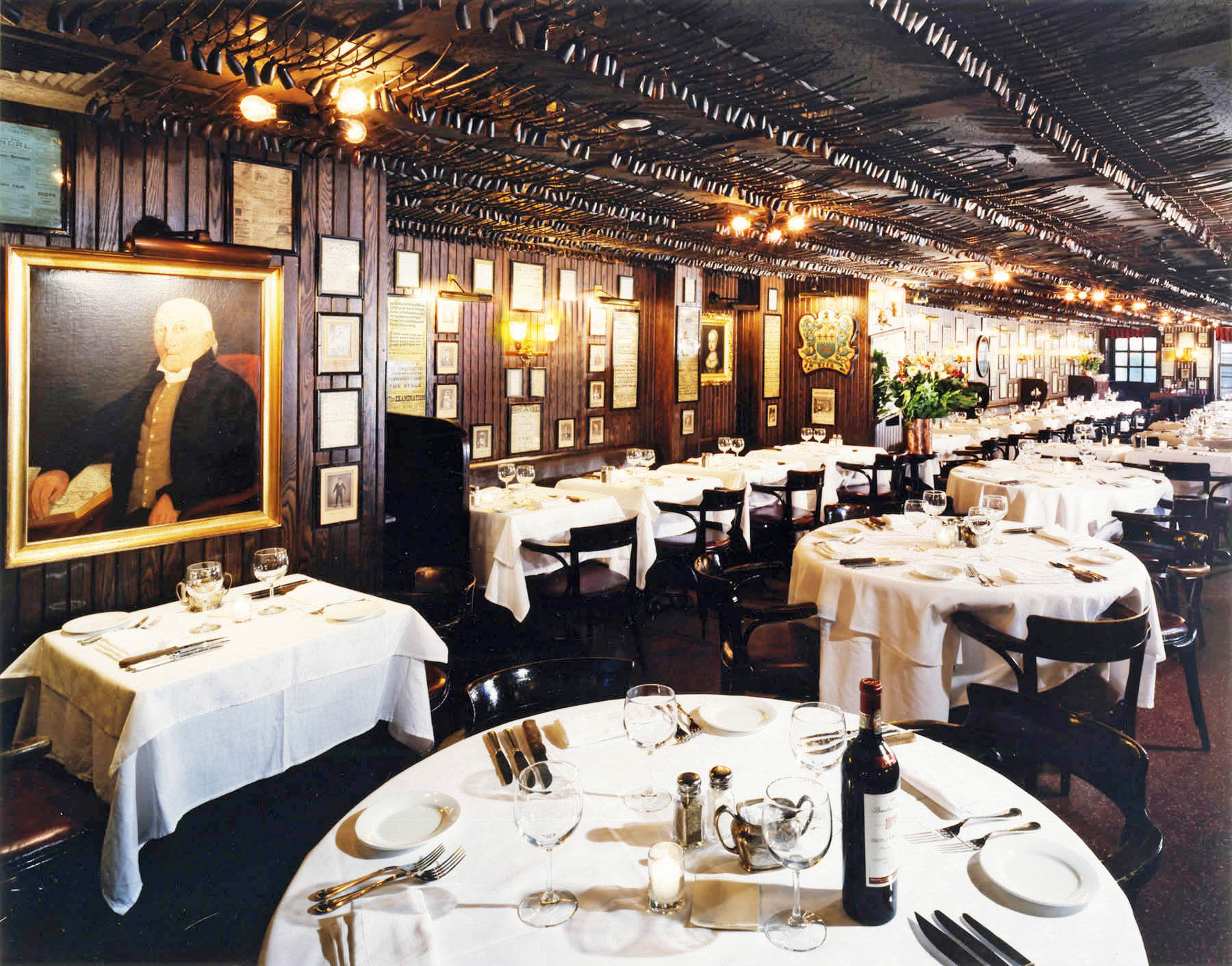
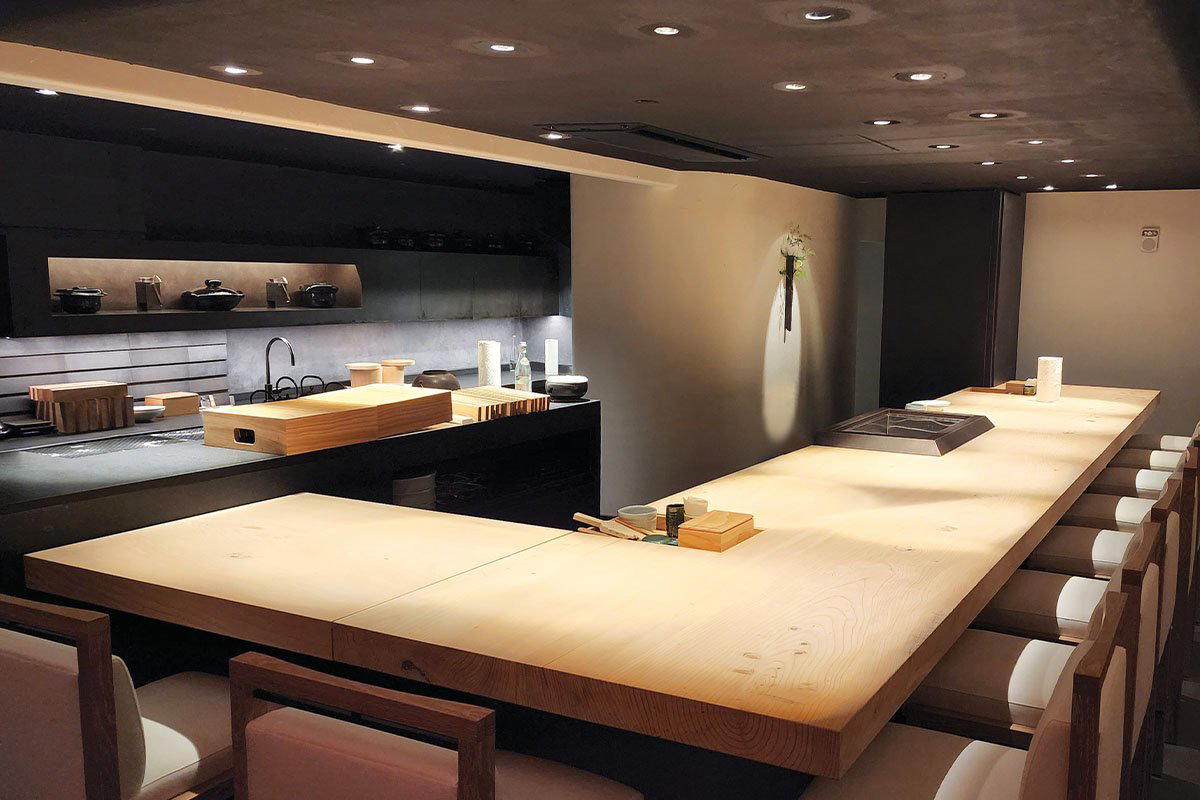
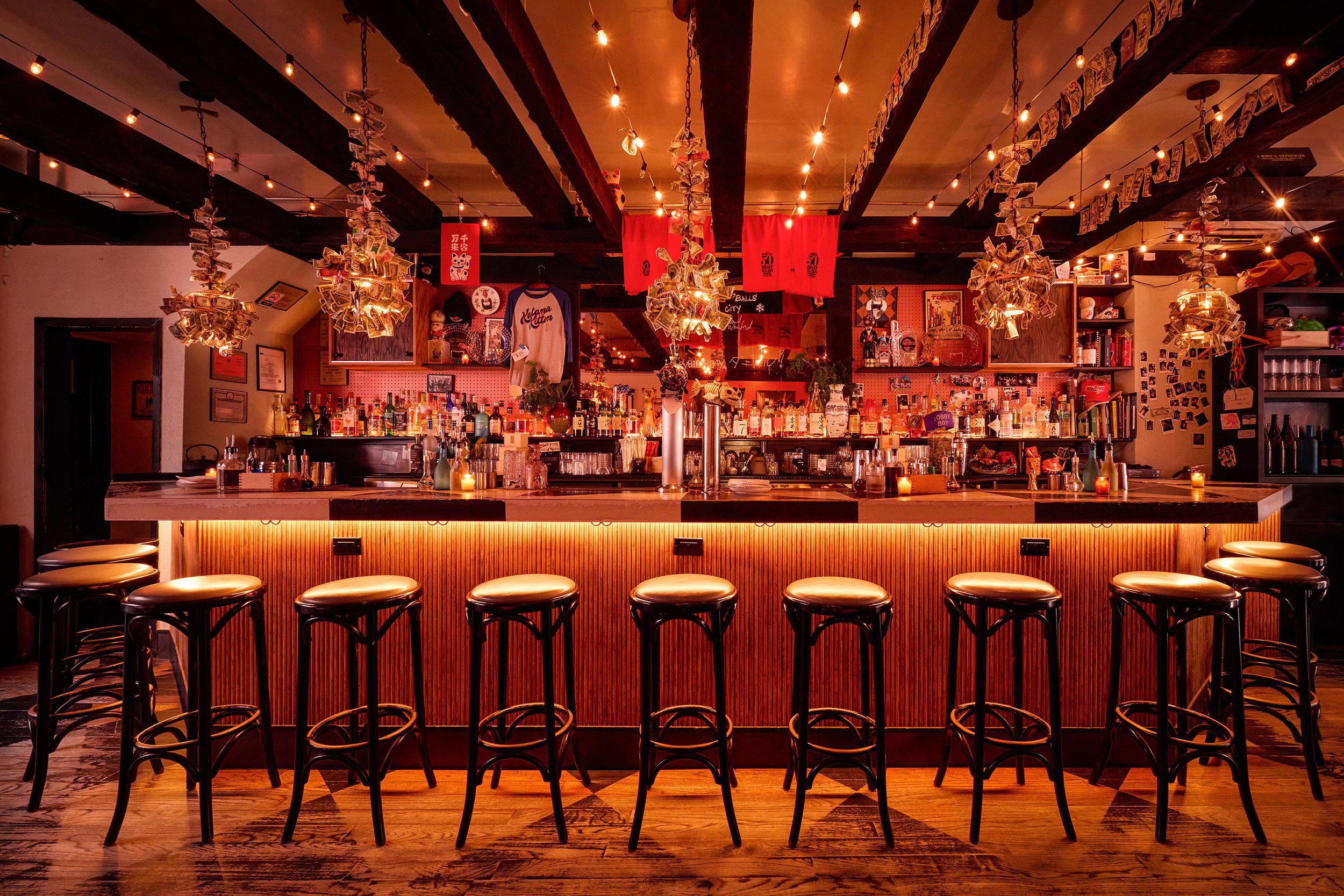
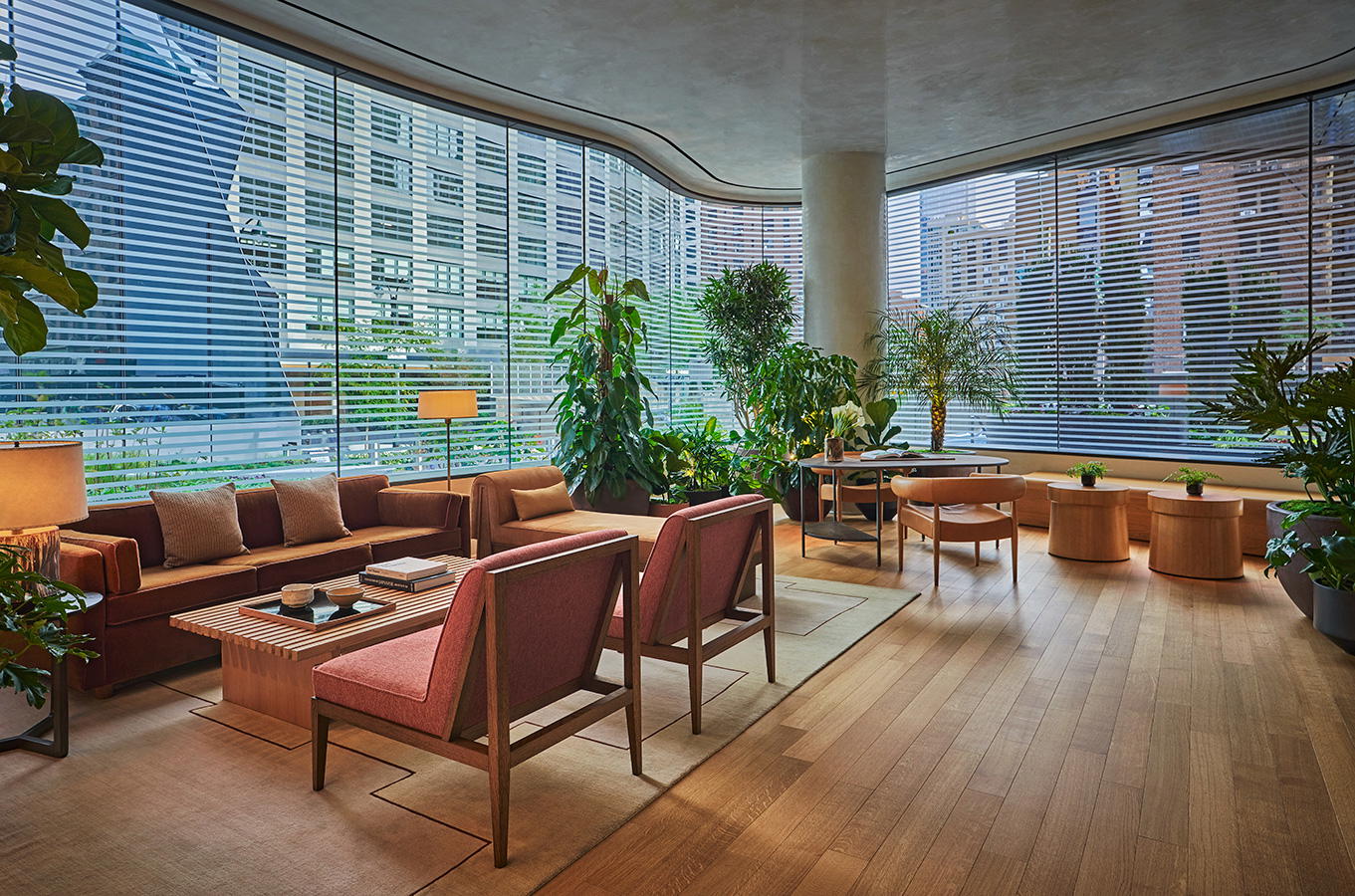
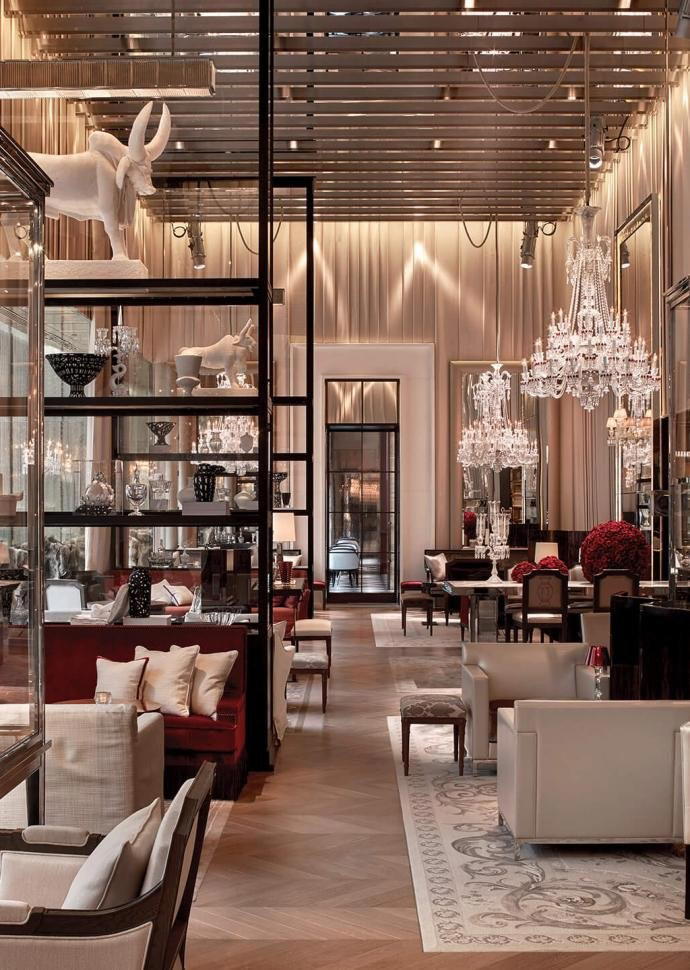
The physical environment at Hudson Yards tends toward the architectural rather than the intimate. The neighbourhood's newer dining spaces reflect the scale of the development itself: high ceilings, considered lighting, and a formality that signals the price point before the menu arrives. Indienne fits within that register. The approach to the room mirrors the approach to the food: contemporary plating language applied to a culinary tradition that, in New York's mainstream dining conversation, had long been associated with neighbourhood restaurants rather than destination ones. That shift is meaningful. It changes not just what arrives on the plate but how the service operates, how the pacing is managed, and what a diner is expected to bring to the table in terms of attention.
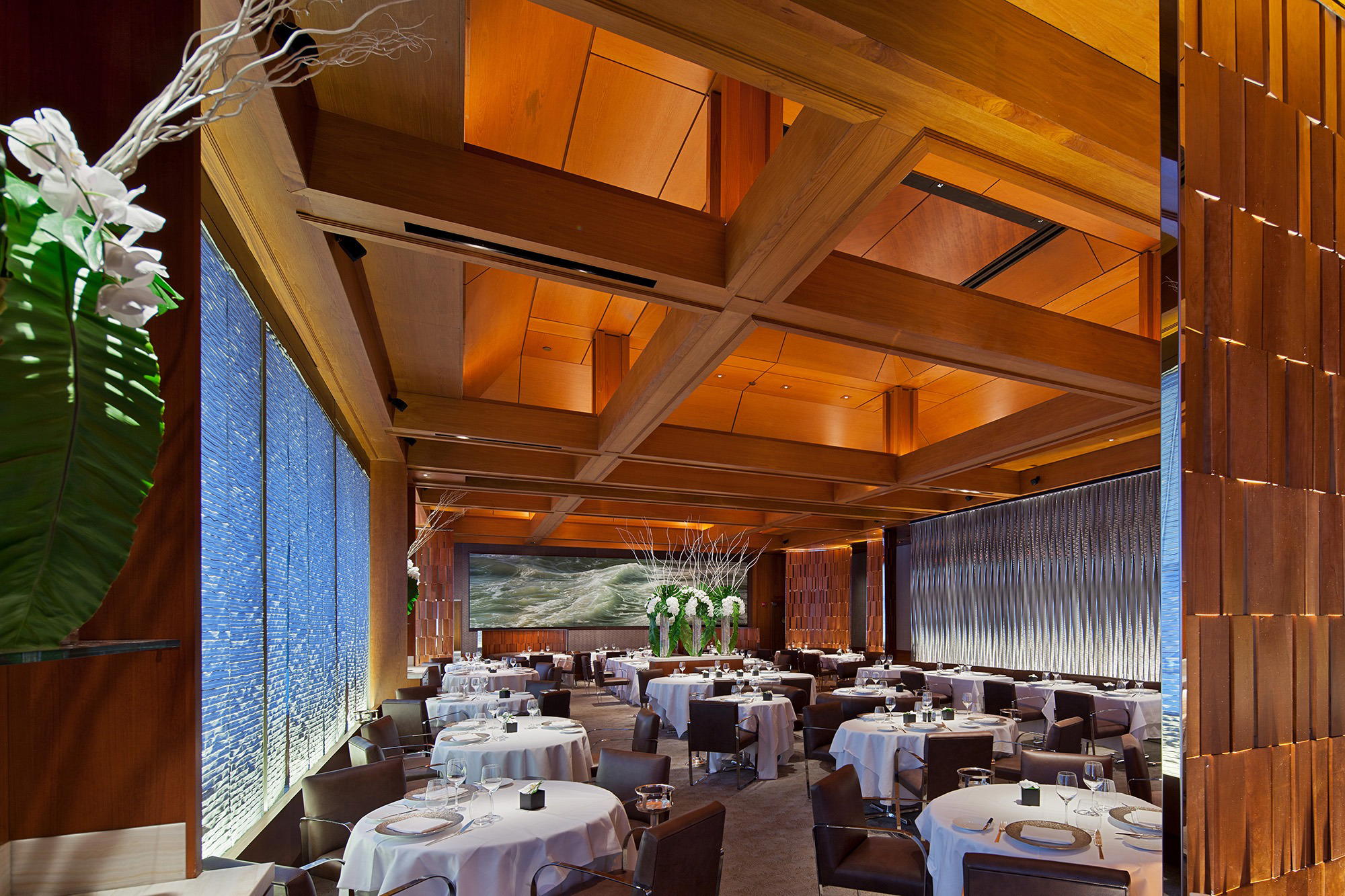
New York's fine dining scene has spent the better part of two decades renegotiating which cuisines qualify for the highest-price-point treatment. The trajectory of modern Korean cooking at rooms like Atomix demonstrated that cuisine origin is no longer the limiting factor in whether a restaurant can compete at the level of Le Bernardin, Eleven Madison Park, or Per Se. Indienne is part of the same argument, made through an Indian lens.
Technique, Reinterpretation, and the Modern Indian Kitchen
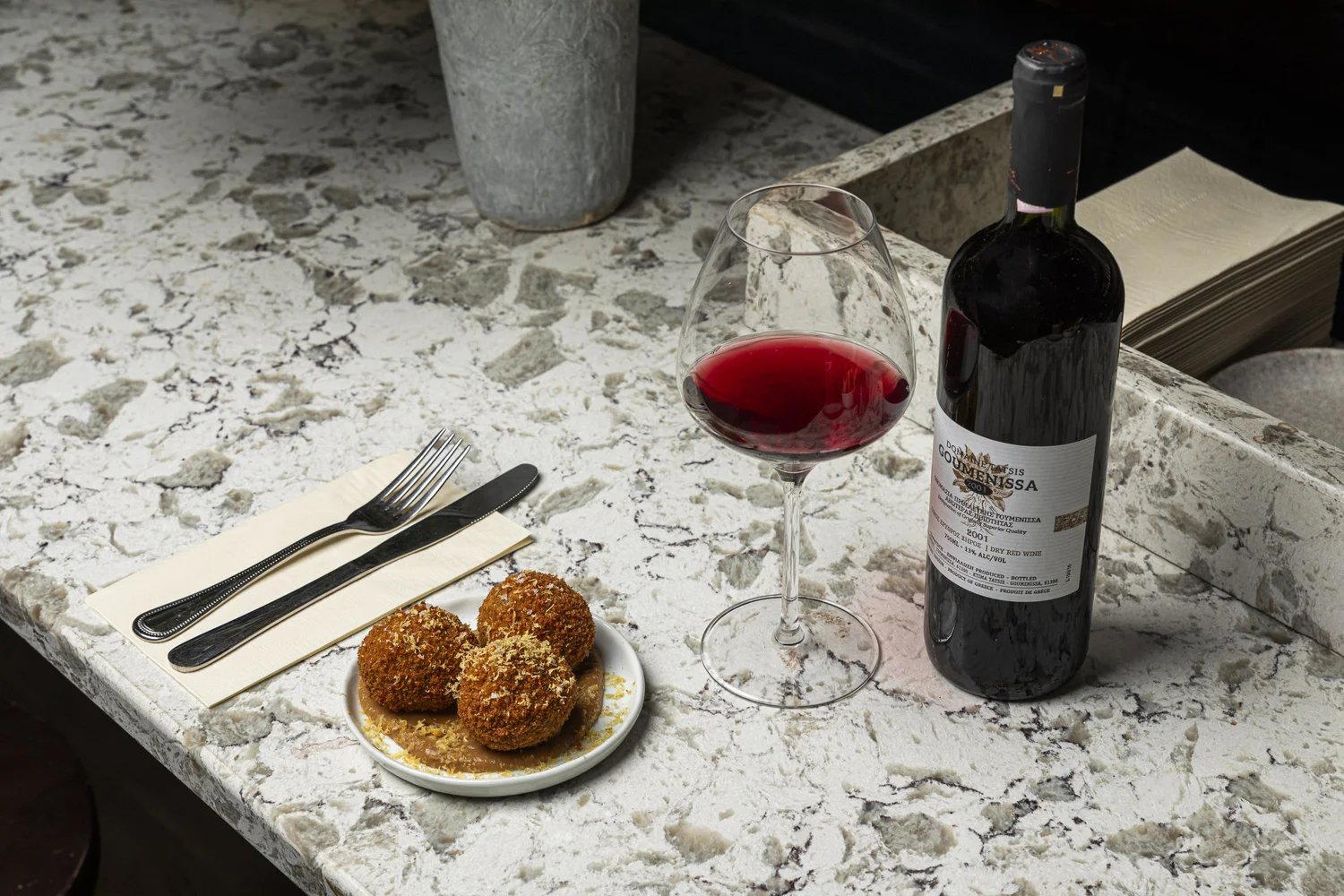
Contemporary Indian fine dining in cities like New York and London has developed a distinct grammar over the past decade. The classical technique base, which draws on spice layering, slow-cooked braising traditions, and regional ingredient logic that varies enormously from Bengal to Kerala to Rajasthan, is increasingly presented through the plating vocabulary of European modernism: precision portions, negative space, temperature contrast, and sauce work applied to the plate rather than served alongside it. This is not fusion in the blunt sense of the word. It is a translation project, and the quality of the translation is where the serious critical conversation happens.
What makes modern Indian cooking interesting at this register is the ingredient tension. The spice canon is both the strongest asset and the most difficult thing to recalibrate when the context shifts to a tasting menu format where each course needs to stand independently. Kitchens working at this level are making decisions about restraint that their predecessors at more traditional Indian restaurants were never required to make. Too much spice saturation across a twelve-course progression becomes exhausting; too little and the food loses the identity that justifies calling it Indian in the first place. The counters that get this balance right are the ones generating serious critical attention.
This conversation extends beyond New York. The broader reinterpretation movement in Indian fine dining has parallels in how other cuisines have been repositioned internationally. The ambition at Indienne sits in that same tradition of technique-driven reinterpretation that has driven recognition at rooms as different as Alinea in Chicago and Single Thread Farm in Healdsburg, each of which solved the problem of how to make a cuisine feel both rooted and genuinely contemporary at the same time.
Placing Indienne in the City's Competitive Map
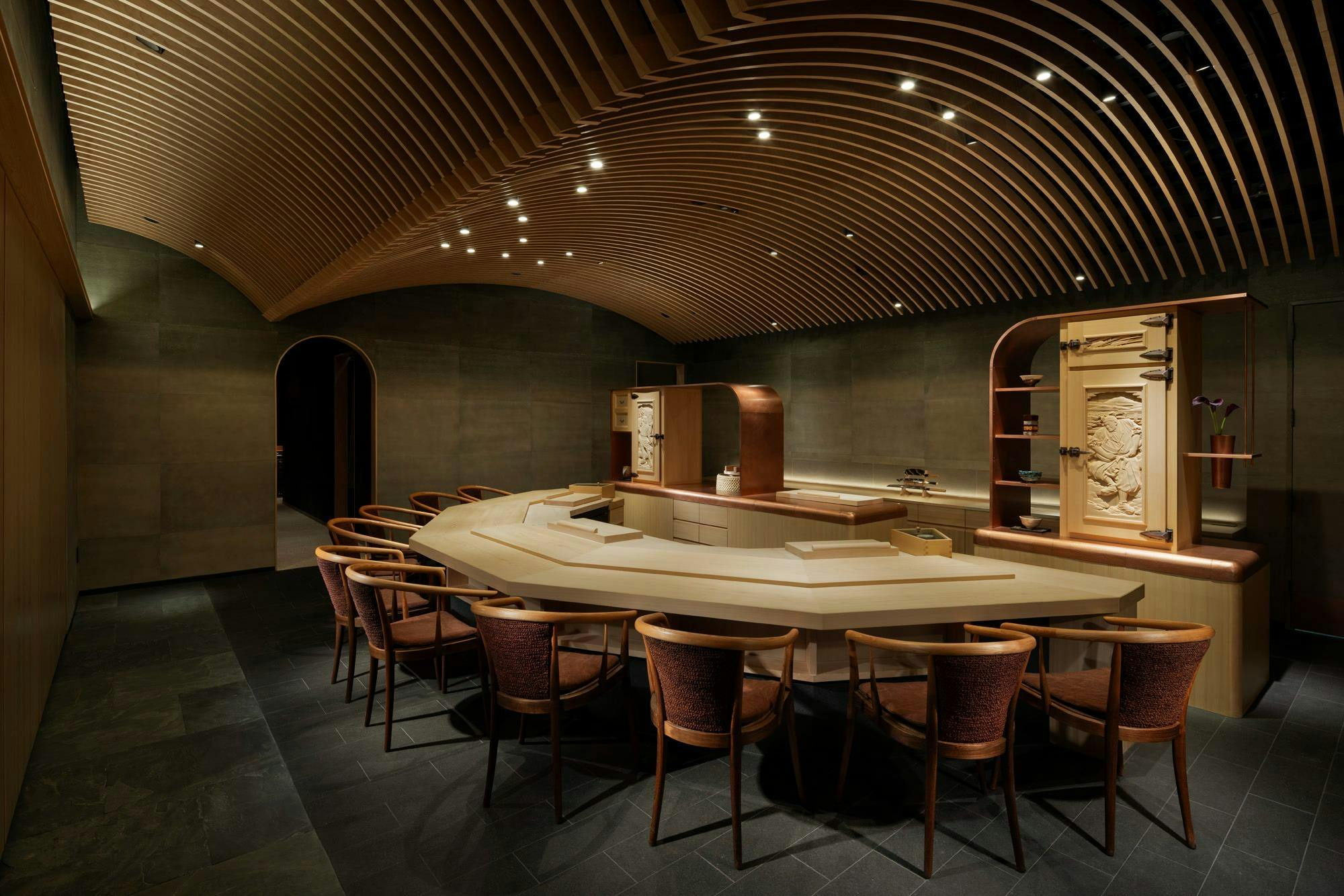
For a useful sense of where Indienne sits in the New York dining hierarchy, the relevant comparisons are the city's other destination restaurants operating at the tasting-menu tier. Masa represents the extreme end of the restrained, ingredient-focused model. Per Se and Le Bernardin represent the established French tradition. Atomix has demonstrated how a non-European culinary tradition can compete for the same critical recognition and diner attention at that price point. Indienne is making a version of that same case for Indian cooking at Hudson Yards.
The neighbourhood context matters more than it might seem. Hudson Yards dining rooms tend to attract a mix of hotel guests, corporate entertaining, and destination diners from across the city and visiting from out of town. That audience profile is different from the regulars who fill downtown tasting-menu rooms repeatedly across the year. It creates a different kind of pressure: each service has to work for first-time diners and for repeat visitors, for people who arrived already knowing what Indienne is and for people who chose it because it was the most interesting option within the development. Rooms that solve that challenge well tend to do so through strong front-of-house storytelling as much as through the food itself.
For comparable ambition applied to different traditions elsewhere in the country, Providence in Los Angeles and Lazy Bear in San Francisco offer useful reference points for how cuisine-driven fine dining rooms move through the tension between identity and technique. Internationally, rooms like Alain Ducasse at Louis XV in Monte Carlo and Alléno Paris au Pavillon Ledoyen represent the benchmark for how a cuisine can be codified at the highest register without losing its regional character.
Planning Your Visit
Indienne at Hudson Yards is a destination booking rather than a walk-in prospect. The Hudson Yards area is accessible via the 7 train at 34th Street-Hudson Yards, making it direct from Midtown. For visitors staying in the city, our full New York City hotels guide covers options across the relevant neighbourhoods. Those building a wider dining itinerary should consult our full New York City restaurants guide, which maps the city's fine dining tier in detail, alongside our guides to bars, wineries, and experiences across the city. For restaurants making the same argument for fine dining ambition in other American cities, Emeril's in New Orleans and The French Laundry in Napa represent different approaches to the same question of regional cuisine at national scale.
Frequently asked questions
Can I bring kids to Indienne (Hudson Yards location)?
Indienne operates at the fine dining tier of New York City's Indian restaurant scene, which typically means a format built around longer, composed meals rather than casual family dining. Children who are comfortable at quiet, multi-course restaurants will fare better here than younger ones accustomed to shorter meals. It is worth contacting the restaurant directly to confirm any specific policies before booking.
What is the atmosphere like at Indienne (Hudson Yards location)?
Hudson Yards dining rooms tend toward clean architectural lines and controlled acoustics rather than warmth-led neighbourhood intimacy, and Indienne fits that register. Expect a formal but engaged service style consistent with New York City's destination Indian fine dining tier. The setting rewards guests arriving with time rather than those looking for a quick dinner.
How does Indienne at Hudson Yards differ from other Indian restaurants in New York City?
Indienne positions itself at the intersection of Indian culinary tradition and New York City fine dining ambition, a tier that remains a short list in Manhattan. Where most of the city's Indian restaurants operate in a mid-market or casual register, Indienne at Hudson Yards targets the destination dining segment alongside the neighbourhood's other high-concept venues. That placement makes it one of the few addresses in New York where Indian cuisine is framed on equal footing with the city's European and Japanese fine dining rooms.
What do people recommend at Indienne (Hudson Yards location)?
Indienne's kitchen works within the contemporary Indian fine dining grammar that has developed across New York and London over the past decade, meaning classical technique applied to modern presentations. Checking recent reviews from named food publications will give the most current dish-specific guidance.
How hard is it to get a table at Indienne (Hudson Yards location)?
Indienne sits in the segment of New York City dining where advance booking is the baseline expectation, not an exception. Hudson Yards destination restaurants of this calibre routinely require reservations made weeks ahead, particularly for weekend sittings. Checking availability via the restaurant's booking platform as soon as dates are confirmed is the practical approach.
What's the signature at Indienne (Hudson Yards location)?
Indienne's defining position in New York City is the application of fine dining technique to Indian cuisine, reinterpreting classical preparations through a contemporary kitchen lens. That approach, rather than any single dish, is what separates the restaurant from both traditional Indian dining rooms and the broader Hudson Yards restaurant tier. Specific signature dishes are best confirmed through current reviews or directly with the restaurant.
Indienne
Featured Guides
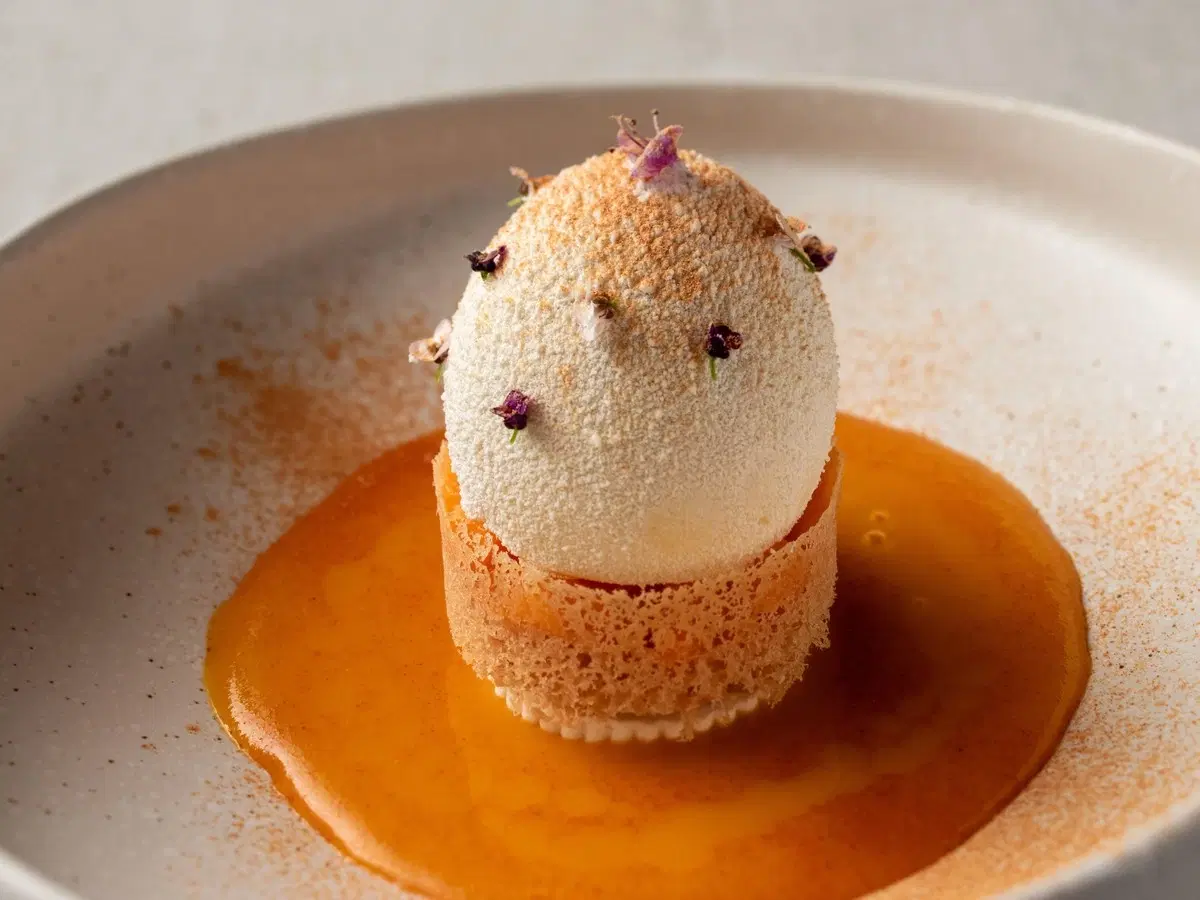
Continue exploring
More in New York City
Restaurants in New York City
All restaurants in New York City →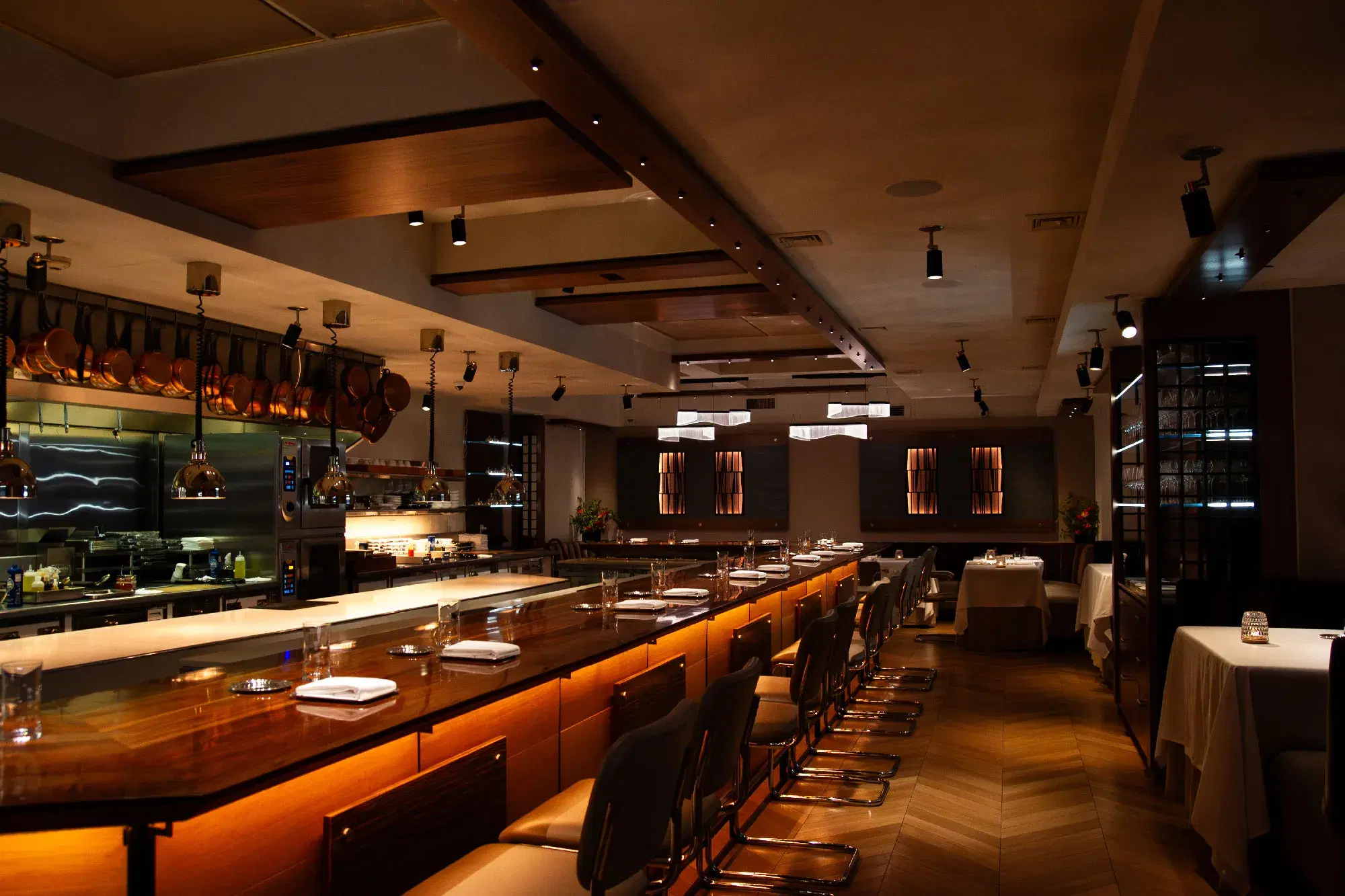
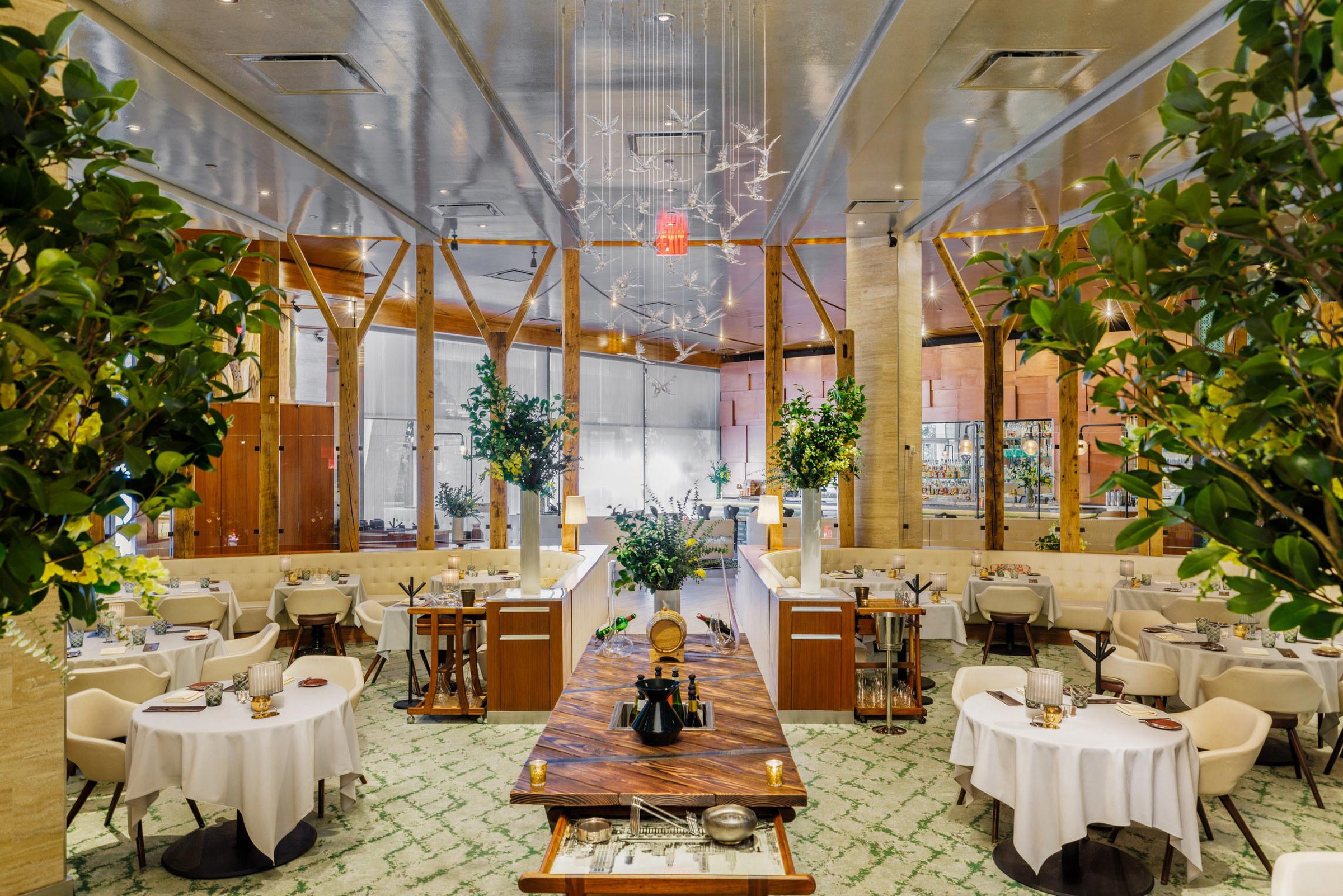
Bars in New York City
All bars in New York City →
Details
- Elegant
- Modern
- Intimate
- Sophisticated
- Trendy
- Date Night
- Business Dinner
- Group Dining
- Special Occasion
- Celebration
- Design Destination
- Standalone
- Extensive Wine List
- Craft Cocktails
- Tasting Menu
- Wine
- Craft Cocktails
- Vegetarian Friendly
- Vegan Options
Current opening hours
- Monday
- Closed
- Tuesday
- 5–8:30 pm
- Wednesday
- 5–8:30 pm
- Thursday
- 5–8:30 pm
- Friday
- 5–9 pm
- Saturday
- 5–9 pm
- Sunday
- Closed
Hours can change for holidays and private events. Hours as of .
Progressive Indian fine dining in a small 36-seat room within the Henry Hall residential tower, with a multi-hour, choreographed tasting-menu experience and attentive, polished service that feels sophisticated yet intimate.