Indická a Nepálská Restaurace Mountain
Indická a Nepálská Restaurace Mountain on Felberova brings the cooking traditions of the Indian subcontinent and the Himalayas to Liberec's Perštýn district. In a city where Asian dining options run toward Vietnamese and Czech-Chinese formats, Mountain positions itself in a smaller niche: the dual Indian-Nepali menu that asks diners to slow down and engage with the ritual of the meal rather than move through it quickly.
Pearl is the En Primeur Club membership app — saves, bookings, and concierge access live there. Same editors, same standards.
- Address
- Felberova 15/13, 460 01 Liberec-Perštýn, Czechia
- Phone
- +420722202624
- Website
- nepalskaaindicka.cz
- Directions
- Get directions
 Saves & bookings on Pearl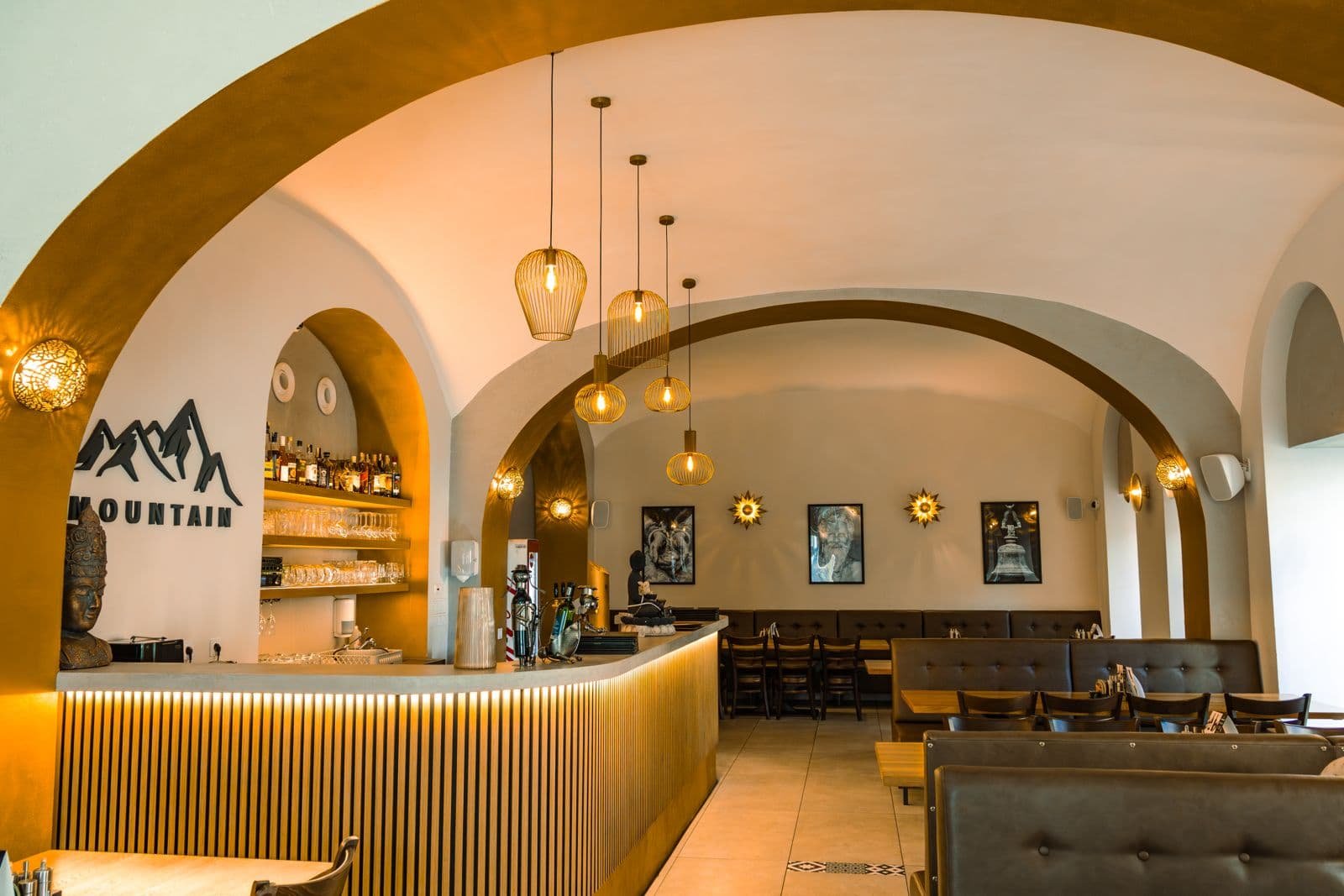
The Spice Counter in a Northern Bohemian City
Liberec is not a city that announces itself as a dining destination. The former textile capital of Bohemia sits close to the Polish and German borders, drawing visitors to the Ještěd tower and the Jizera Mountains rather than its restaurant scene. Yet the city's dining room has broadened considerably over the past decade, with a cluster of Asian kitchens filling gaps that Czech and German-inflected cooking left open. Among these, the Indian and Nepali tradition occupies a distinct corner: slower in pace, more layered in its aromatics, and structured around a set of dining customs that differ markedly from what most visitors in the region expect.
Indická a Nepálská Restaurace Mountain on Felberova 15/13 in the Perštýn district is one of two addresses in Liberec serving this dual Indian-Nepali format. The other is Nepálská a Indická restaurace Sagarmatha, and the existence of both signals something worth noting: demand for this style of cooking in Liberec is real enough to sustain more than one kitchen, which in a city of roughly 100,000 people is a meaningful data point rather than a coincidence.
The Ritual of the Indian-Nepali Meal
Across both Indian and Nepali culinary traditions, the meal is less a sequence of discrete courses and more a simultaneous spread of textures, temperatures, and spice registers. The Nepali dal bhat format, for instance, arrives as a composed plate of lentil soup, steamed rice, vegetable sides, and often a meat curry, designed to be eaten together rather than in succession. The Indian thali follows a similar logic: small bowls arranged around a central grain, each element functioning as a counterpoint to the others. Heat is modulated by yoghurt-based sides; dry spice blends are tempered by ghee or sauce; bread arrives hot and is expected to be consumed while still so.
This pacing and structure ask something of the diner that fast-casual Asian formats in the Czech Republic typically do not. The meal at a restaurant like Mountain is intended to occupy time, and the etiquette of the table, at least in the traditions these kitchens draw from, rewards attention to sequence and combination rather than speed. That context matters when deciding how to approach the menu and how long to allow for the sitting.
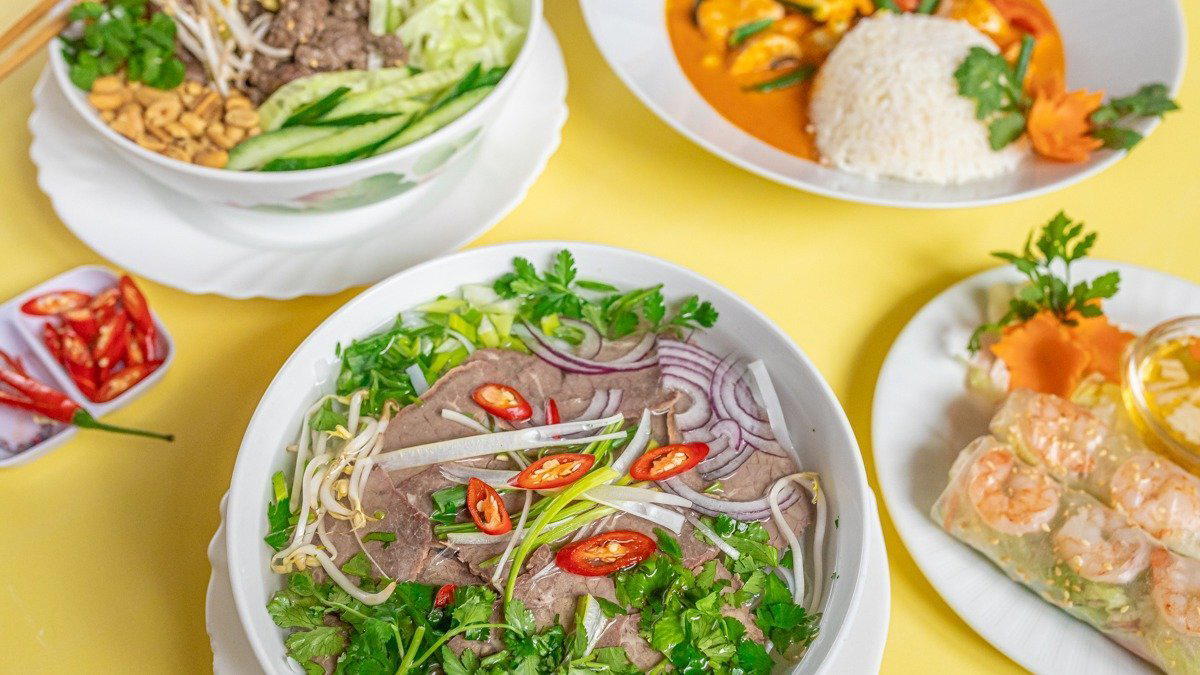
For comparison, the Vietnamese kitchen at Pho Special in Liberec operates on a different rhythm entirely: broth-forward, high-turnover, built for efficient solo or paired dining. The Czech cooking at Bylo, nebylo follows yet another set of customs. Mountain sits in its own category, where the expectation of a longer table and a more deliberate engagement with the food is built into the format itself.
What the Dual Menu Signals
The combination of Indian and Nepali cooking under one roof is common across Central Europe, where the overlap in ingredient sets, spice traditions, and diaspora communities makes the pairing practical. In culinary terms, the two traditions share foundational spices, ghee-based cooking methods, and lentil-heavy preparations, but diverge in regional specificity. Nepali cooking trends toward simpler, earthier preparations, with fermented pickles and mustard oil appearing in ways that Indian restaurant menus in Europe rarely feature. Indian menus, meanwhile, tend toward greater regional range, from the coconut-milk curries of the south to the tandoor-heavy dishes of the north.
For a city like Liberec, which lacks the critical mass of specialist South Asian restaurants that Prague or Brno can support, the dual format makes sense as both a commercial and a culinary strategy. Diners who want to compare the two traditions can do so across a single visit. Those with a preference for one over the other will generally find enough range on either side of the menu to make the choice worthwhile.
In Prague, the Indian subcontinent's cooking traditions reach a different level of specialisation. Emperor Square in Prague 1 operates in a more positioned tier, while the broader Czech dining scene, from La Degustation Bohême Bourgeoise in Prague to BRATRS in Brno, reflects how diverse the country's restaurant formats have become across different cities and price points. Liberec's version of this diversification runs through smaller, community-anchored kitchens rather than high-concept establishments.
Approaching the Address
Felberova sits in the Perštýn neighbourhood, the administrative centre of Liberec, within reasonable walking distance of the city's main square and public transport connections. The address is accessible by foot from the central area, which makes it a practical option for visitors staying in the city centre who want to step outside the Czech pub circuit without going far.
Each of these cities has developed a small but specific set of non-Czech dining options that reflect local demand, proximity to borders, and the presence of diaspora communities. Liberec's Indian-Nepali offering fits that broader pattern of regional diversification in Czech dining outside the capital.
Cuisine Lens
Comparable venues nearby, for context on price, style, and recognition.
| Venue | Cuisine | Price | Notes |
|---|---|---|---|
| Indická a Nepálská Restaurace MountainThis venue — the venue you are viewing | Indian and Nepalese | $$ | Not listed |
| Nepálská a Indická restaurace Sagarmatha | Indian and Nepalese | $$ | Liberec center |
| Bylo, nebylo | International Cocktail Bar | $$ | Jeřáb |
| Pho Special | Vietnamese Pho Noodle Bar | $$ | Liberec III-Jeřáb |
| Dejvická 34 | Modern Italian-Czech Bistro | $$ | Bubenec |
| Kantýna | Traditional Czech Grillhouse | $$ | Praha 2 |
Continue exploring
More in Liberec
Restaurants in Liberec
Browse all →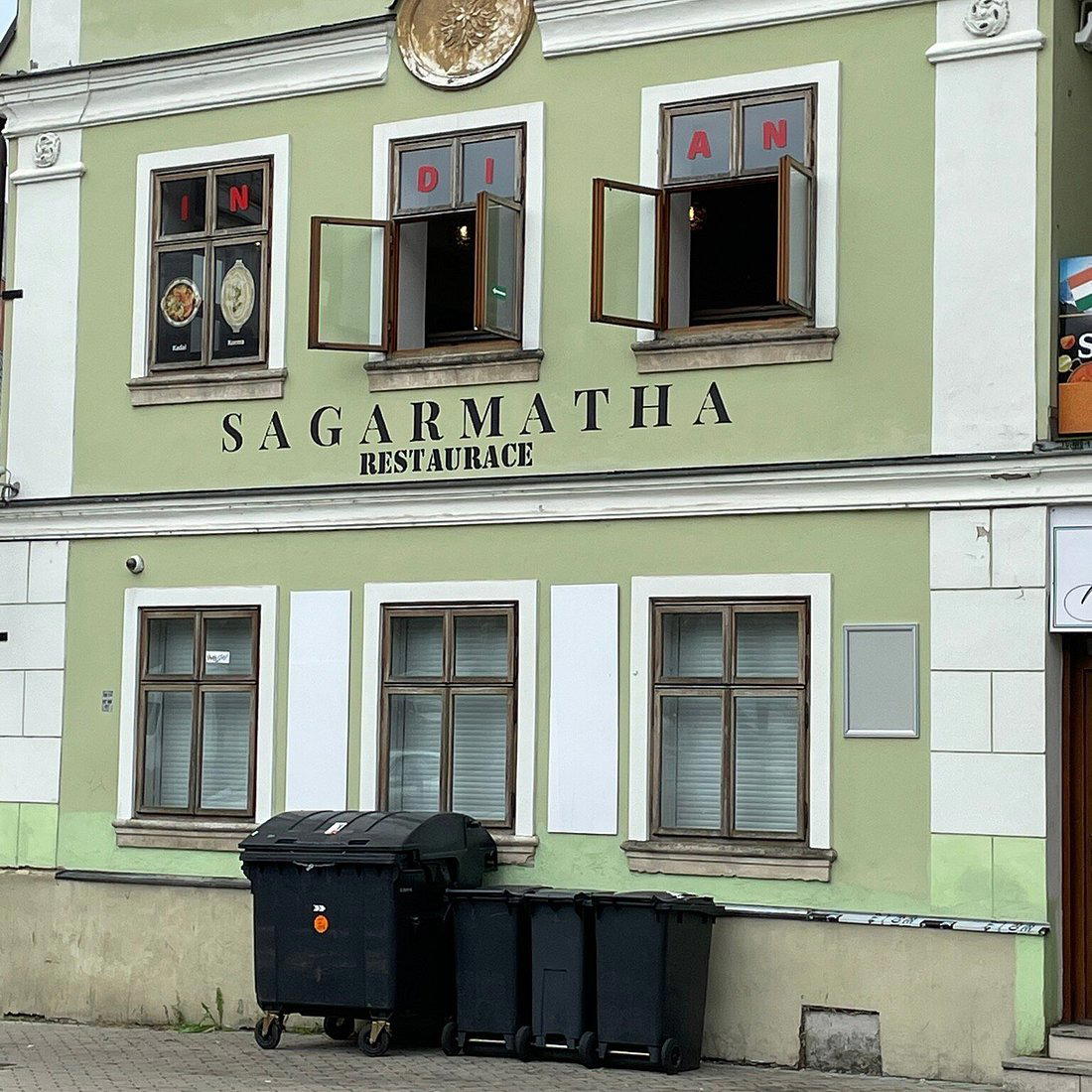
Bars in Liberec
Browse all →
Hotels in Liberec
Browse all →
At a Glance
- Elegant
- Casual Hangout
- Open Kitchen
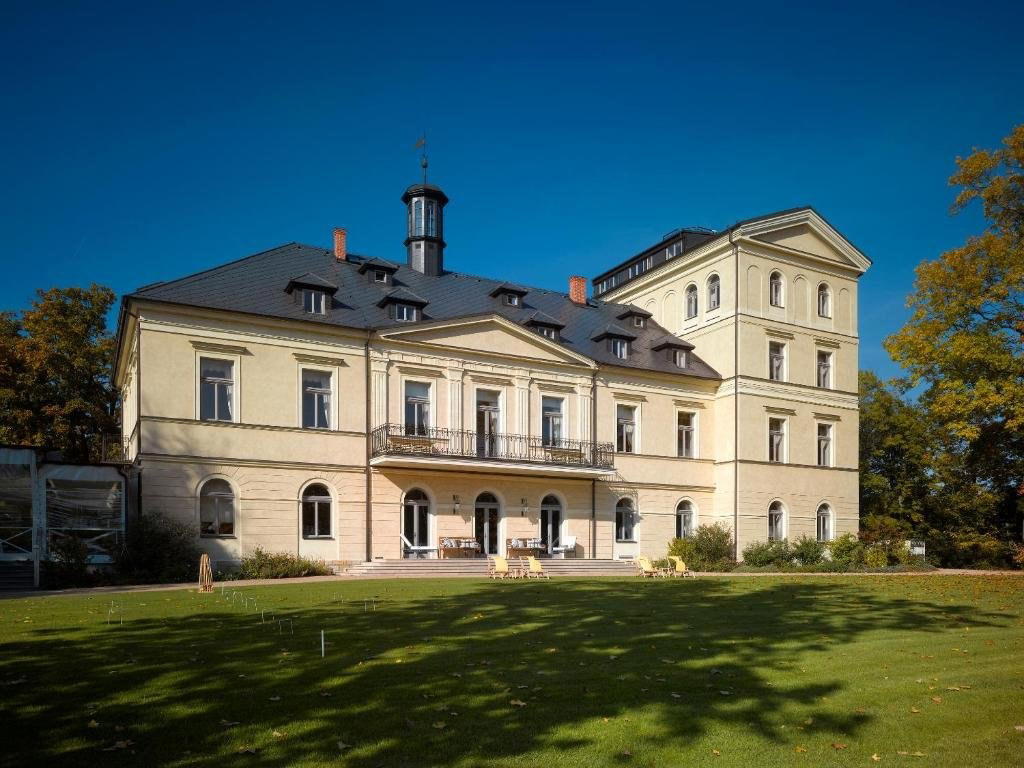
Elegant interiors with pleasant surroundings, though the building exterior could use renovation.