Il Porto
Il Porto occupies a prominent address on South Market Street in Frederick, Maryland, positioning itself within a downtown dining corridor that has matured considerably over the past decade. Italian in orientation, it draws on a tradition of measured, course-driven dining that rewards patience and attention. For visitors approaching Frederick's restaurant scene from outside the city, it represents a useful reference point for understanding how the downtown core handles full-service European formats.
Pearl is the En Primeur Club membership app — saves, bookings, and concierge access live there. Same editors, same standards.
- Address
- 200 S Market St, Frederick, MD 21701
- Phone
- +13016207480
- Website
- ilportorestaurant.com
- Directions
- Get directions
 Saves & bookings on Pearl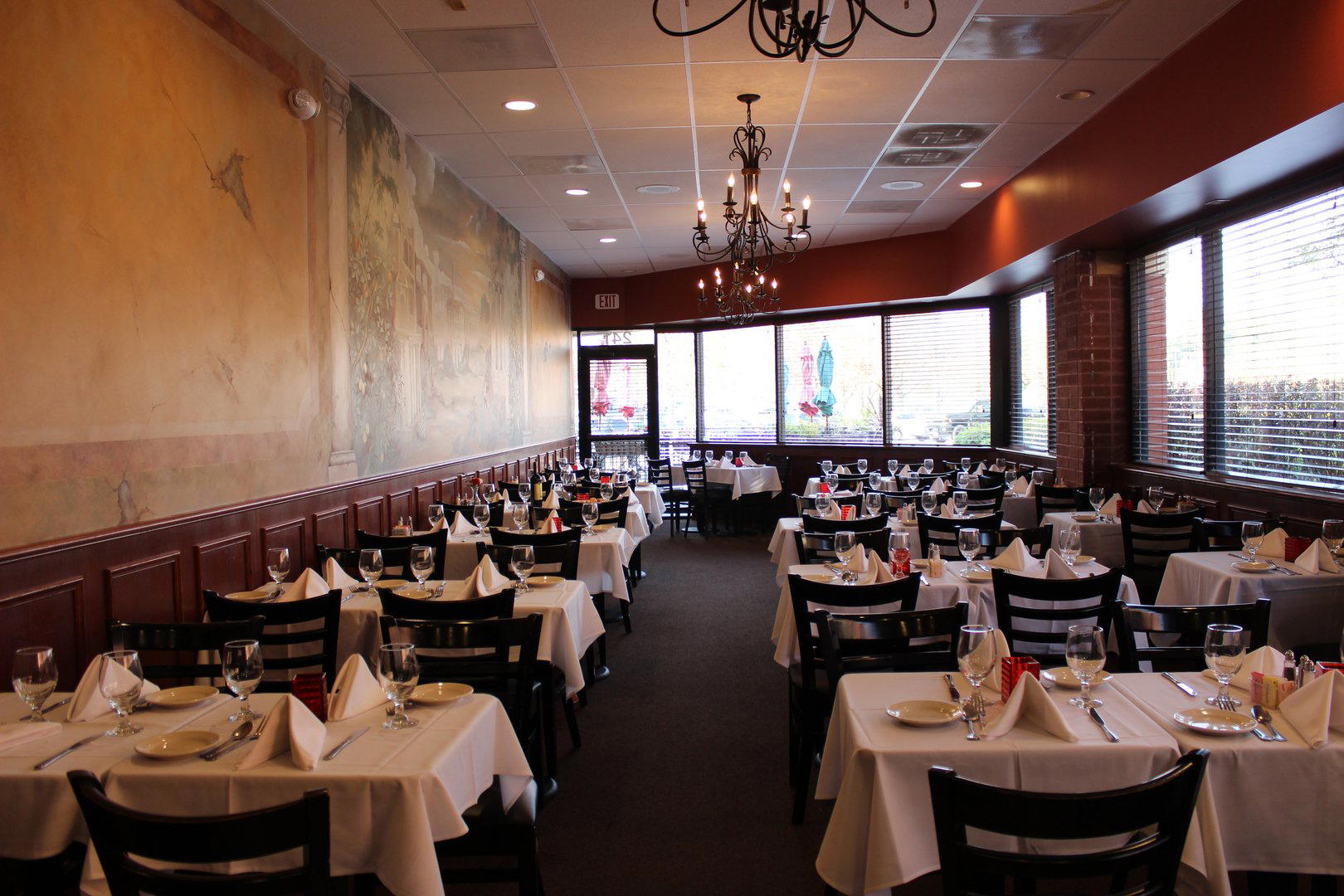
South Market Street and the Italian Dining Tradition in Frederick
Frederick's downtown corridor along Market Street has developed a layered restaurant identity over the past fifteen years, moving from a handful of independent operators into a scene that now supports multiple full-service European formats alongside casual and fast-casual options. Italian restaurants occupy a particular niche in that mix: they tend to attract the longest table turns, the highest per-cover expectations, and the most deliberate pacing of any cuisine category in a mid-sized American city. Il Porto, at 200 S Market St, sits inside that tradition rather than apart from it.
The address places the restaurant within walking distance of Frederick's historic district, where foot traffic from the Carroll Creek linear park and the cluster of galleries and independent retail along Market Street creates a natural diner population that skews toward the unhurried end of the spectrum. That matters for Italian dining specifically, because the format depends on a willingness to let the meal occupy its full time. A two-hour table is not unusual; it is, in a sense, the point.
The Ritual of the Italian Meal
Italian dining in the American context has a complicated relationship with its source tradition. At the casual end, it collapses into pasta and red-checkered tablecloths. At the formal end, it sometimes overcorrects toward French service pacing and Italian labels. The more interesting middle ground, which a number of independent Italian operators in secondary American cities have found, treats the multi-course structure as a genuine cultural artifact rather than a upselling mechanism.
That structure, in its classical form, moves from antipasto through primo and secondo, with the expectation that each stage is distinct in weight, temperature, and purpose. The primo, typically pasta or risotto, is not a starter; it is a course in its own right, with its own register of richness. The secondo, usually protein-led, arrives after that register has been established. Skipping stages, or collapsing them into a single plate, changes the arithmetic of the meal in ways that affect not just fullness but satisfaction. The leading Italian restaurants outside Italy hold that structure with some firmness, which is part of what distinguishes them from places that use Italian vocabulary but American sequencing.
For a point of comparison at the upper end of Italian dining, 8 1/2 Otto e Mezzo Bombana (Hong Kong) in Hong Kong demonstrates how rigorously the multi-course Italian format can be applied in a non-Italian city without losing its internal logic. Closer to home, The Inn at Little Washington in Washington, Virginia, shows what happens when European pacing is taken seriously in a small-town American setting: the result is a different relationship between the diner and the meal, one that requires the room to hold its atmosphere across a longer span of time.
Frederick's Italian Options in Context
Frederick supports more than one Italian-oriented address, which means diners are making comparative decisions rather than default ones. Il Forno Pizzeria occupies the Neapolitan-pizza end of the Italian spectrum, with a format that prioritizes the individual dish over the multi-course arc. That is a legitimate and distinct dining mode, but it operates on different terms: shorter tables, higher turnover, less expectation of sequential eating.
Il Porto occupies a different register by address and format, one that implies a longer commitment and a more deliberate approach to the meal. Whether that distinction is fully realized on any given evening is the question a visitor brings to the table. The Market Street location, the downtown context, and the Italian framing all point toward the full-service, course-driven format as the operating model.
Elsewhere in Frederick's downtown, a.k.a. Friscos, ANDAZ fine indian dining, and Gladchuk Bros Restaurant each occupy distinct cuisine positions, giving the corridor genuine variety. CAVA represents the fast-casual end of the Mediterranean spectrum, a useful data point for understanding how the market segments across price and format. Il Porto, by contrast, is not a fast-casual proposition, and visitors who approach it with that expectation will find a different kind of experience.
How Italian Pacing Works for the Diner
One of the practical implications of the Italian multi-course format is that it rewards a certain kind of restraint in ordering. Arriving hungry and ordering across all courses without understanding the cumulative weight of the meal is a common error. The antipasto stage alone, if treated generously, can shift the balance of what follows. Italian restaurants that serve their tradition well tend to give servers enough knowledge to guide this conversation, which is itself a service distinction worth noting.
Wine selection follows a similar logic. Italian regional pairings, when the list is built around them, tend to reinforce the course structure rather than cut across it: a lighter, higher-acid white for the primo, something with more grip and structure for the secondo. Restaurants that maintain a regionally organized Italian wine list are making a statement about how seriously they take the meal architecture. That is a detail worth asking about when booking.
For readers interested in how this pacing compares across the national fine-dining spectrum, venues like Le Bernardin in New York City, Lazy Bear in San Francisco, Alinea in Chicago, Providence in Los Angeles, Blue Hill at Stone Barns in Tarrytown, Addison in San Diego, Single Thread Farm in Healdsburg, The French Laundry in Napa, Emeril's in New Orleans, and Atomix in New York City all represent how rigorous course-driven dining functions at different price points and cuisine traditions. Il Porto operates in a different tier and a different city, but the underlying logic of sequential eating applies across all of them.
Planning Your Visit
Il Porto is located at 200 S Market St, Frederick, MD 21701, a central position in the downtown core that makes it accessible on foot from most of the historic district's accommodation options. Frederick is approximately 50 miles northwest of Washington, D.C. and the drive on US-15 or I-270 typically runs under an hour from the capital, making the city a practical choice for a dinner excursion from the region. Given that specific booking details, hours, and price range were not available at time of publication, prospective diners should confirm current reservation policy and hours directly with the restaurant. For a broader picture of what Frederick's restaurant scene offers alongside Il Porto, the Our full Frederick restaurants guide covers the city's dining options across formats and price points.
Continue exploring
More in Frederick
Restaurants in Frederick
Browse all →
Bars in Frederick
Browse all →
Hotels in Frederick
Browse all →

At a Glance
- Romantic
- Elegant
- Intimate
- Classic
- Date Night
- Special Occasion
- Family
- Standalone
- Extensive Wine List
Current opening hours
- Monday
- 11:30 AM–10 PM
- Tuesday
- 11:30 AM–10 PM
- Wednesday
- 11:30 AM–10 PM
- Thursday
- 11:30 AM–10 PM
- Friday
- 11:30 AM–10 PM
- Saturday
- 11:30 AM–10 PM
- Sunday
- 11:30 AM–9 PM
Hours can change for holidays and private events. Last verified .
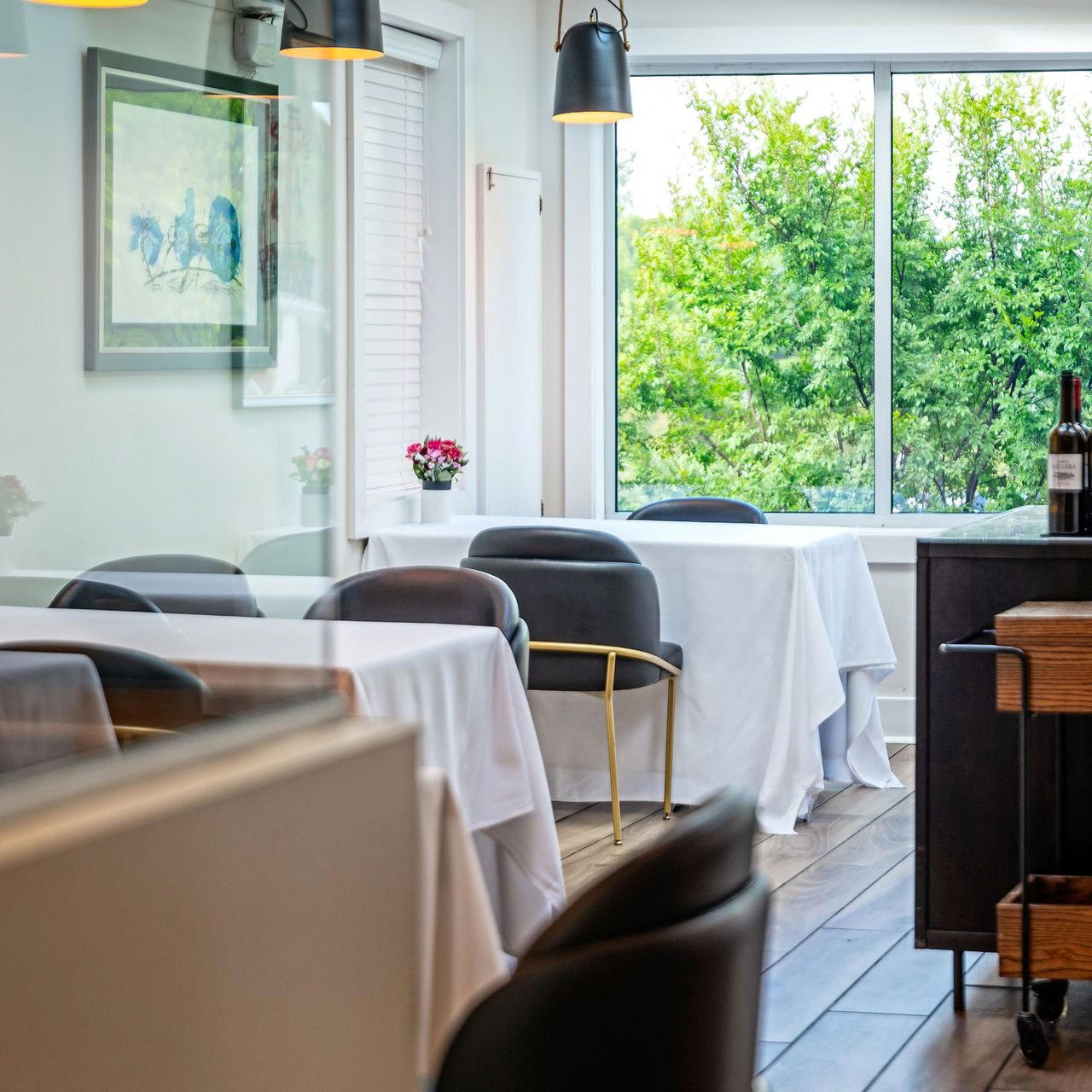
Romantic and welcoming with crisp white tablecloths, comfortable lighting, and a quiet enough setting for conversation even when busy.
Know Before You Go
- Getting there
- 200 S Market St, Frederick, MD 21701