
Ichu brings Peruvian cooking to the third floor of the Queens Building on Hong Kong's Queen's Road Central, earning a 1-Star Accreditation from the World of Fine Wine & Lifestyle Awards. The kitchen works within a Latin American tradition that remains a distinct minority on a dining scene dominated by Cantonese and European formats, positioning Ichu in a small comparable set alongside Central's other internationally-rooted independents.
- Address
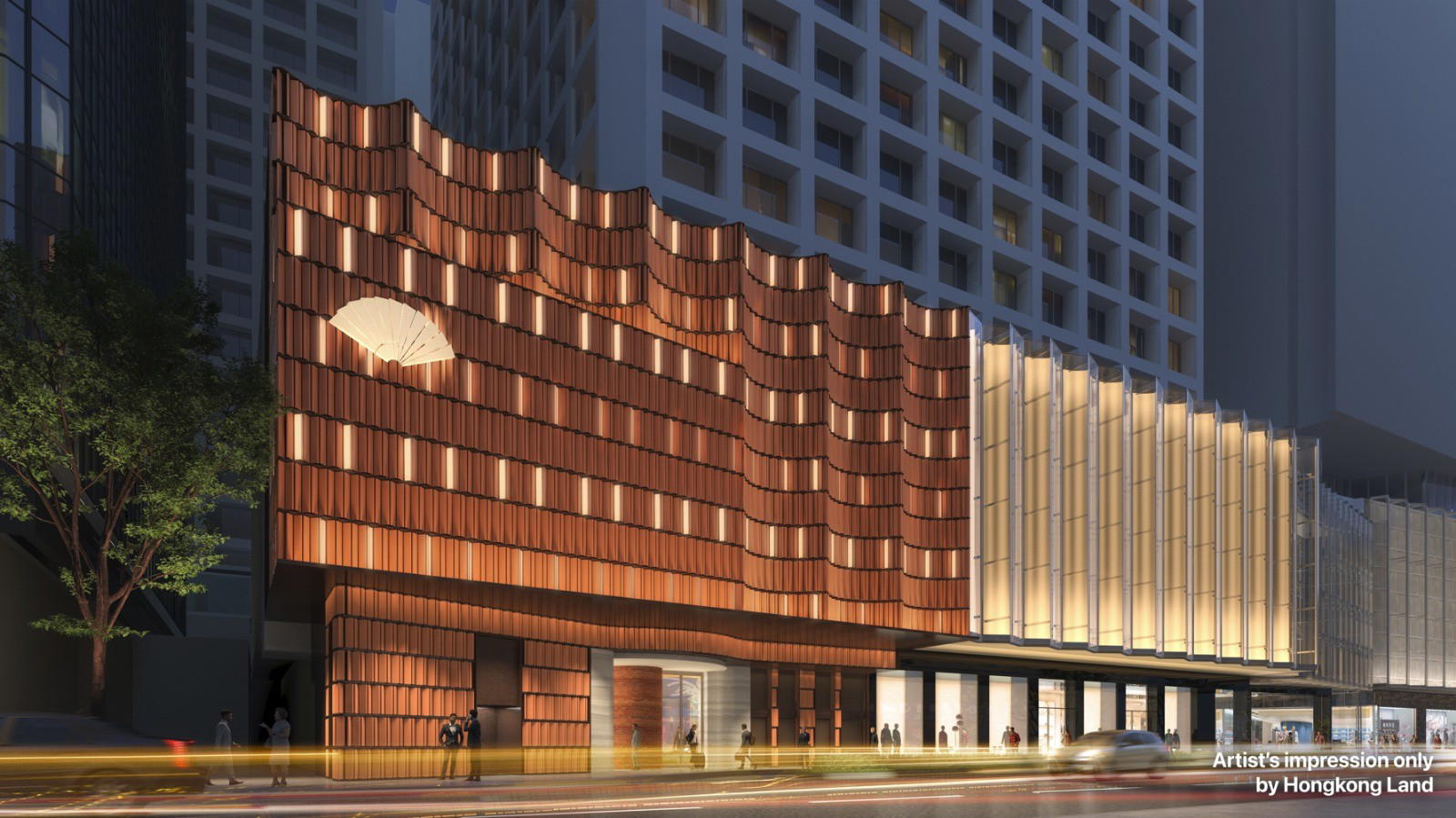
- 80 Queen's Road Central, Central H Queens Building, ICHU PERU, 3/F, Central, Hong Kong
- Phone
- +852 2477 7717
- Website
- ichu.com.hk
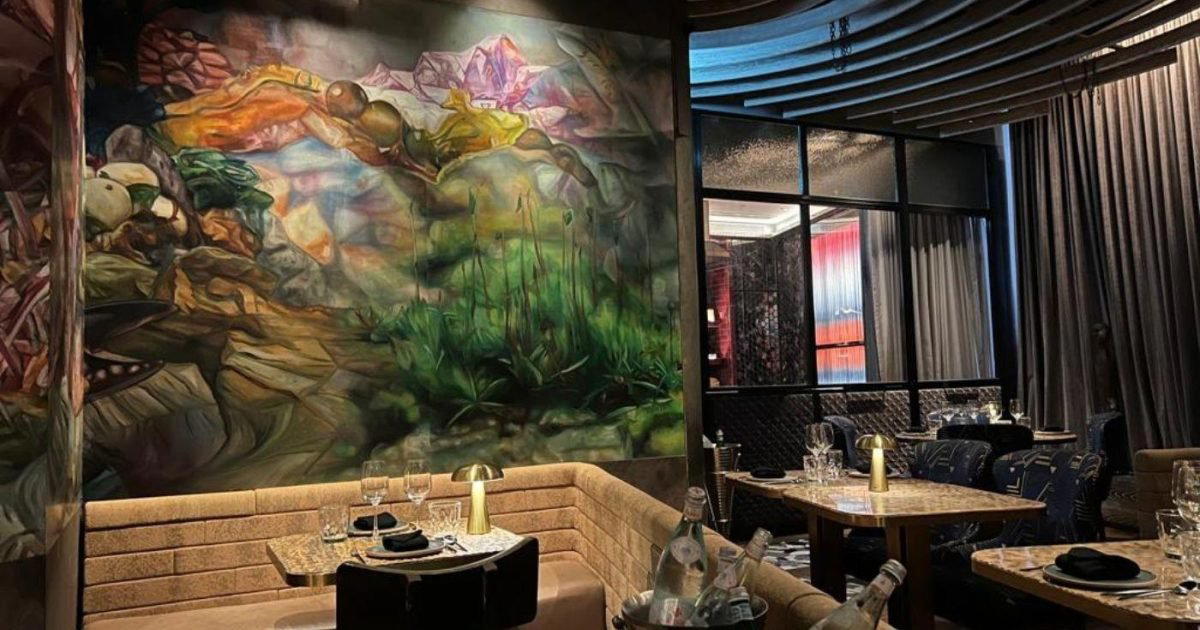
Peruvian Cooking in a City That Rarely Sits Still
Central Hong Kong rewards restaurants that hold a position. The neighbourhood's dining floor has turned over repeatedly across the past decade, with high rents and shifting foot traffic eliminating everything except formats with genuine conviction or institutional backing. The building addresses along Queen's Road Central have hosted everything from classic French rooms to Cantonese banquet halls, and the survivors tend to be those that occupy a niche defined enough to retain a loyal table count rather than chasing the next trend. Ichu, sitting on the third floor of the Queens Building at number 80, occupies precisely that kind of niche: Modern Nikkei Peruvian cuisine in Central, Hong Kong.
That narrowness is actually an asset. Hong Kong's premium dining tier is dense with French technique applied to local ingredients, with Japanese precision applied to tasting menus, and with Cantonese cooking at various price points from street-facing roast shops to the long-established rooms like Forum in Causeway Bay. What it has far less of is the acidic, layered, smoke-and-citrus profile that defines serious Peruvian cooking. Ichu's ability to hold its position in Central across multiple market cycles suggests the format has found a durable audience rather than simply catching a wave.
How Central's Premium Tier Has Shifted Around It
The evolution of Central as a dining district is worth mapping, because it explains why a Peruvian restaurant on the third floor of a mid-rise office and retail building is a different proposition today than it was when the concept first landed in Hong Kong. A decade ago, Central's premium dining conversation was dominated almost entirely by hotel-anchored French rooms and a handful of Italian operations. Caprice at the Four Seasons and Amber at the Landmark Mandarin Oriental defined the best of the market in terms of price and recognition, while 8 1/2 Otto e Mezzo Bombana extended Italian cooking into comparable prestige territory.
The shift since then has been toward smaller, more format-specific independents that do not require hotel infrastructure. Ta Vie, with its Japanese-French synthesis, exemplifies one direction that shift has taken. Ichu represents another: a cuisine tradition with deep technique and a specific flavour register that cannot be easily replicated by adjacent kitchens. Latin American cooking in Hong Kong has a small but defined comparable set, with Mono in Central occupying a similar position from a different national reference point. The competition for a Hong Kong diner who specifically wants the acidity and complexity of Andean-coastal cooking is not large.
The 1-Star Accreditation and What It Places in Context
Ichu is recognised by the World of Fine Wine & Lifestyle Awards, a credential that positions it within a tier of recognised venues rather than the broader mass of unaccredited operations across the city. In a market where Michelin coverage tends to cluster around the formats the guide has historically rewarded most consistently, Cantonese roasting and dim sum at one end, French tasting menus at the other, independent accreditation from a wine-focused body signals something specific: that the kitchen is operating at a level serious enough to be benchmarked against a global comparable set, and that the wine and beverage program is considered part of the experience rather than an afterthought.
That matters for Peruvian cooking in particular, because the cuisine has a strong native drink tradition in pisco-based cocktails and chicha, but pairing it formally with wine requires the same kind of bridging work that Latin American restaurants internationally have been doing with increasing sophistication. Venues like Aponiente in El Puerto de Santa María have pushed the boundaries of what non-obvious pairings can achieve; closer to Ichu's register, Latin American independents at the serious end of major global markets have found that a well-considered beverage program becomes a differentiator when the cuisine itself is already distinctive. The accreditation suggests Ichu is operating within that more considered bracket.
The Room and the Approach to the Meal
Third-floor restaurants in Hong Kong's Central buildings tend to operate in one of two modes: either they ignore the disconnection from street level entirely, building an interior world self-contained enough that the climb becomes irrelevant, or they treat the elevation as an advantage, using it to create a sense of remove from the density below. The Queens Building address at 80 Queen's Road Central is not far from the city's administrative and financial core, and the surrounding streets carry the pace you would expect from that adjacency.
Peruvian restaurant interiors internationally have moved well past the thematic shorthand of the 2000s, and serious kitchens working in this tradition now tend toward a visual language closer to the contemporary Latin American art and design scene: texture, warmth, and material quality without the folkloric signposting. What the accreditation and position in Central's premium tier do confirm is that the format is pitched at a dinner-focused, occasion-appropriate market rather than the casual walk-in end of the spectrum.
Ichu in the Wider World of Serious Peruvian Cooking
Peruvian cuisine has earned serious global attention over the past fifteen years, driven by a generation of chefs who formalised what had always been a technically demanding, ingredient-led tradition. The acidity of leche de tigre, the layering of chilli heat, the Japanese-Peruvian fusion tradition known as Nikkei: these are not simple formats to execute at a high level, and the leading rooms working in this register internationally sit in competitive company with any other premium cuisine. Globally, the restaurants earning the sharpest critical attention, from the experimental precision of Alinea in Chicago to the technique-driven classicism of Le Bernardin in New York City, share a common thread of kitchen discipline applied to a defined culinary tradition. Serious Peruvian cooking at its finest operates in the same register.
For Hong Kong specifically, the relevance is that the city already has a population with deep familiarity with Japanese cuisine, and a growing appetite for Latin American food that goes beyond the accessible end of the market. The Nikkei thread running through so much serious Peruvian cooking has a natural point of entry for Hong Kong diners who know their way around a Japanese menu. Ichu sits at an intersection where those two traditions meet a city increasingly equipped to appreciate both.
Planning a Visit
The Queens Building on Queen's Road Central is well-served by the MTR, with Central station within close walking distance, making Ichu accessible from most parts of the city without depending on a taxi or rideshare during peak evening hours. The third-floor position and the accreditation level both point to this being a reservation-ahead restaurant rather than a walk-in proposition, particularly on Thursday through Saturday evenings when Central's premium dining rooms fill from early. Diners who want the specific flavour register of this cuisine at a quality level supported by independent accreditation have a narrow list of options in the city.
For other Central-area restaurants at a comparable price point and recognition level, Le Salon de Thé de Joël Robuchon at ifc mall represents the French end of the spectrum, and international comparisons for cooking at this level and ambition include Alléno Paris au Pavillon Ledoyen, Alain Ducasse Louis XV in Monte Carlo, Lazy Bear in San Francisco, and Emeril's in New Orleans.
Similar Picks
Comparable venues nearby, for context on price, style, and recognition.
| Venue | Cuisine | Price | Notes |
|---|---|---|---|
| IchuThis venue — the venue you are viewing | Modern Nikkei Peruvian | $$$$ | |
| Thomas & T’s | Japanese-French Omakase | $$$$ | Central |
| Sushi Kami | Premium Edomae Omakase | $$$$ | Central |
| Hutong | Northern Chinese Fine Dining | $$$$ | Yau Tsim Mong South |
| Cipriani Hong Kong | Venetian Italian Fine Dining | $$$$ | Central |
| Sushi Koh | Edomae Omakase Sushi Counter | $$$$ | Central |
Continue exploring
More in Hong Kong
Restaurants in Hong Kong
Browse all →
Bars in Hong Kong
Browse all →
At a Glance
- Trendy
- Whimsical
- Elegant
- Date Night
- Group Dining
- Special Occasion
- Open Kitchen
- Terrace
- Craft Cocktails
- Sake Program
- Street Scene
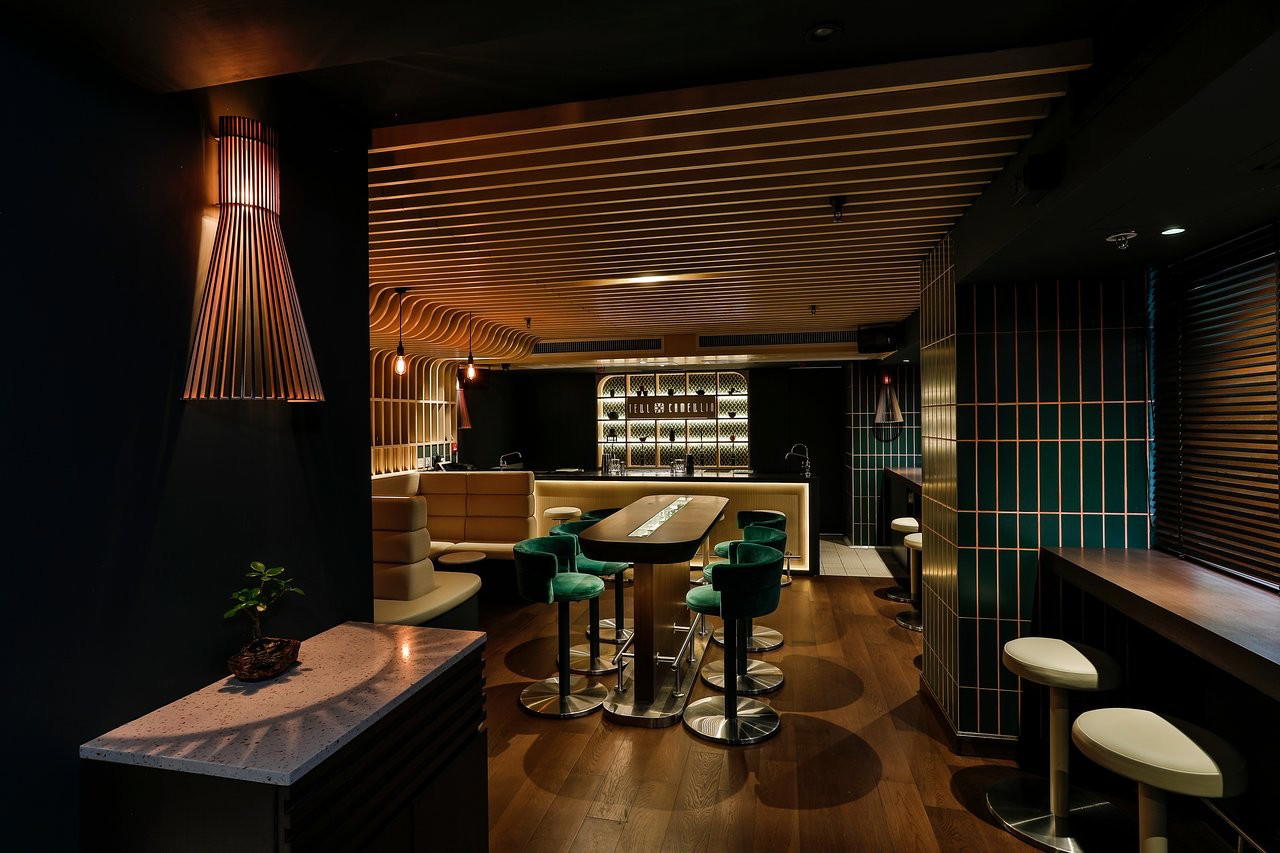
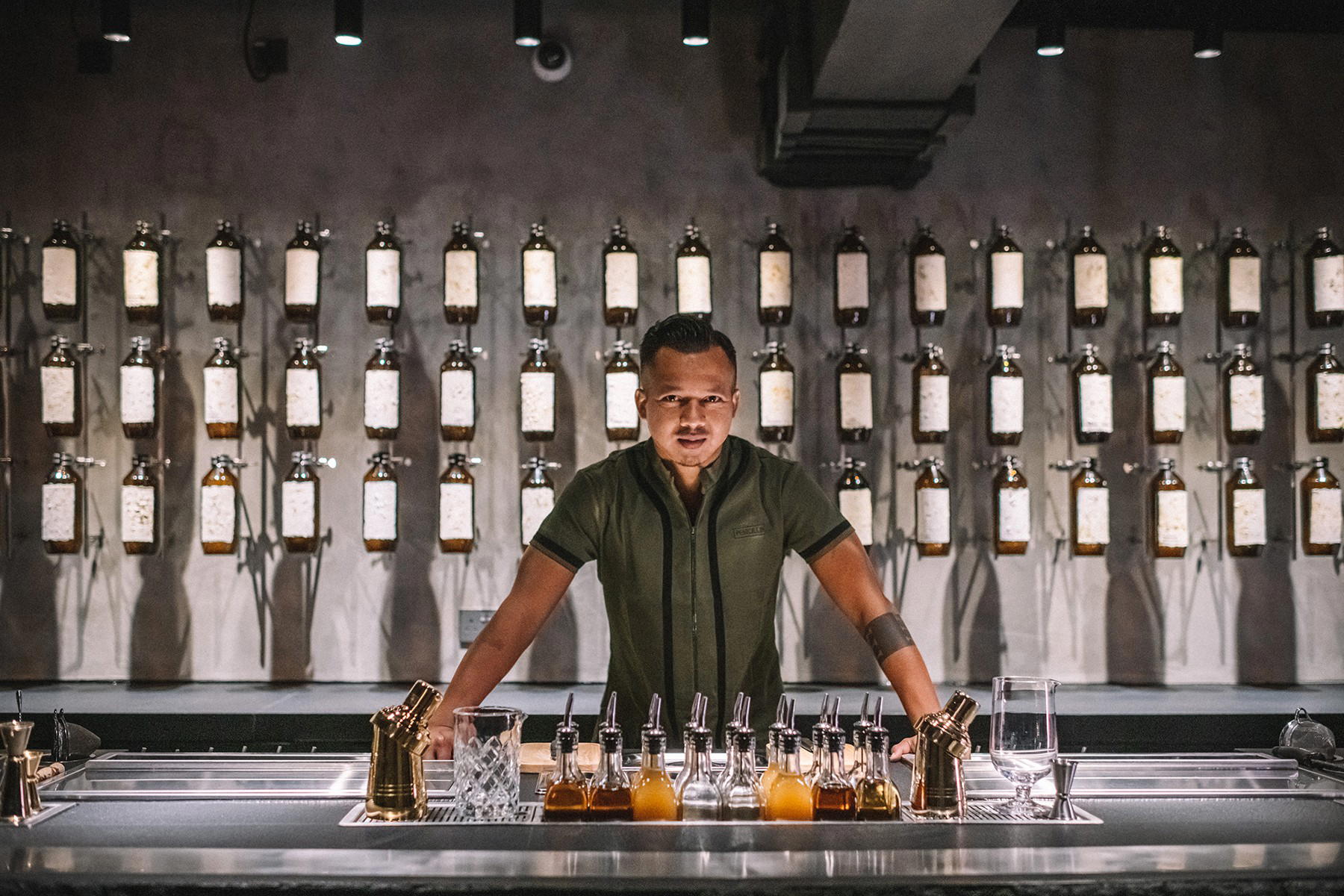
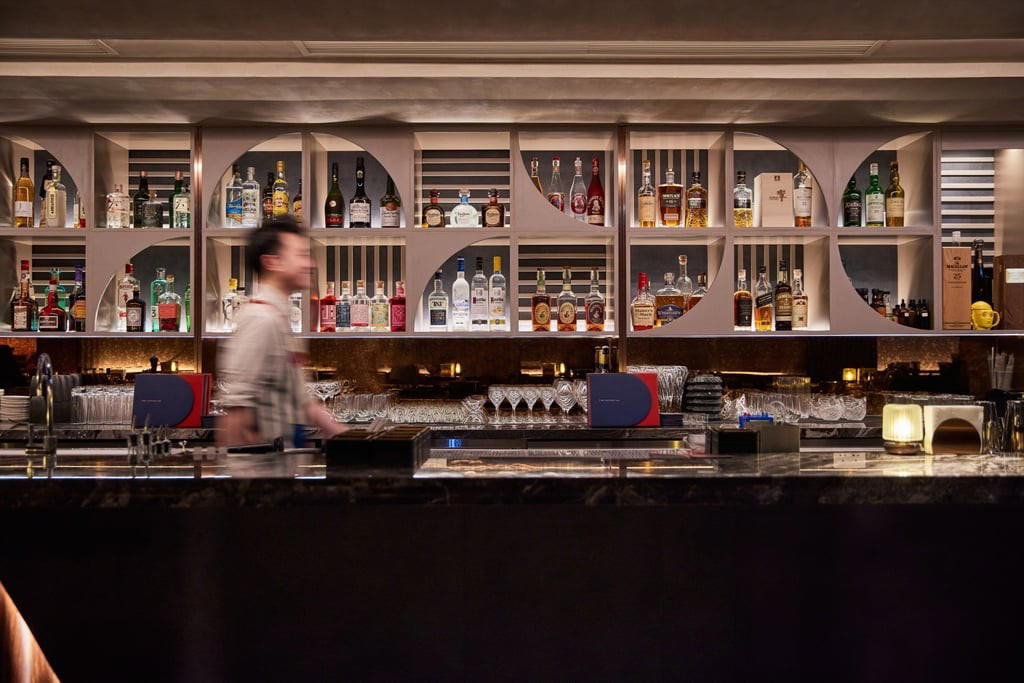
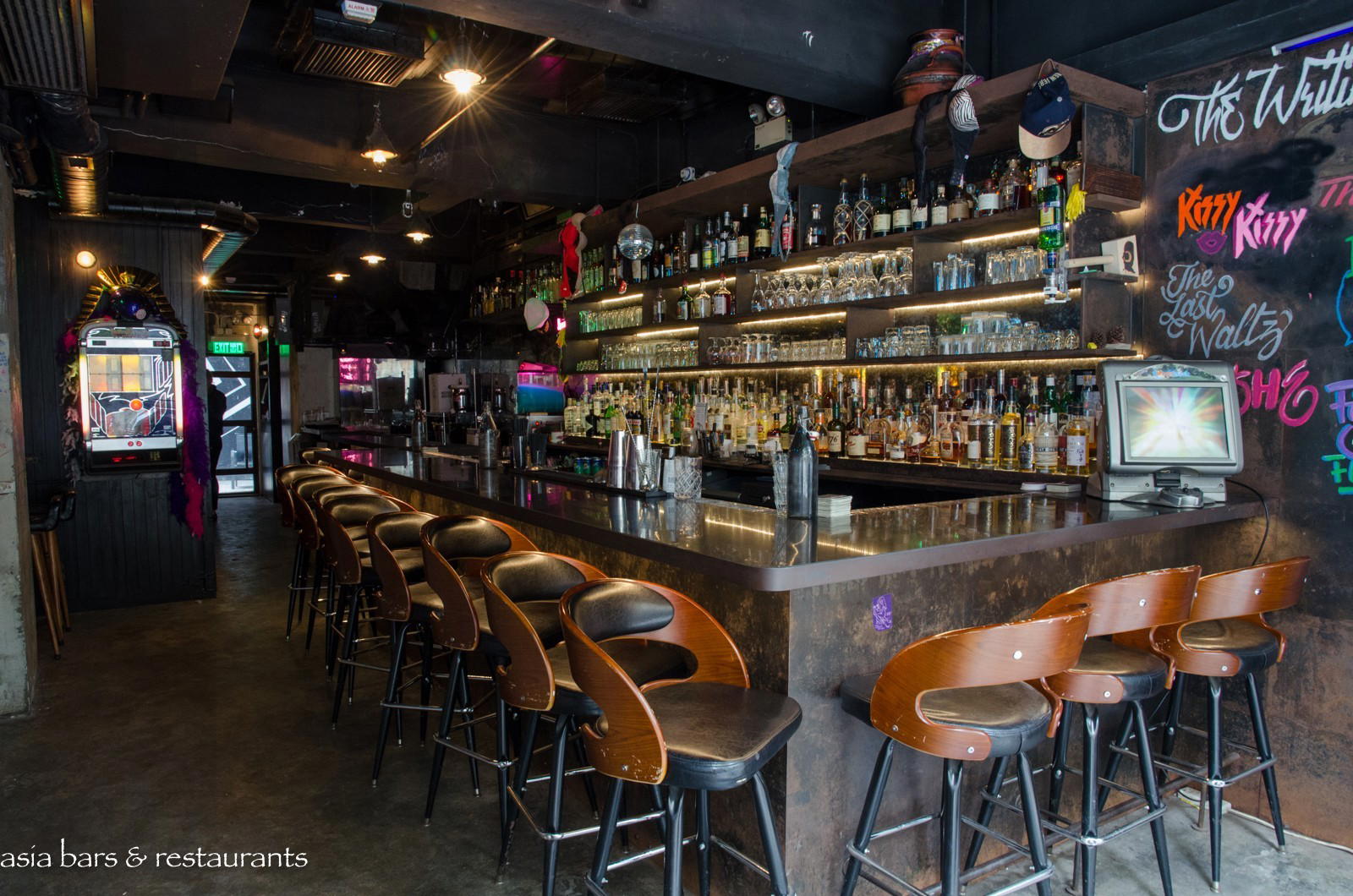
Quirky and artistic indoor space with dimmed lights, cultural artworks, chilled romantic atmosphere, complemented by an artsy outdoor terrace with plants.