Our verdict
Ibrik Kitchen occupies a corner of the 2nd arrondissement where Paris's appetite for ingredient-led cooking intersects with a growing commitment to ethical sourcing and low-waste practice. The kitchen takes its name from the traditional copper brewing vessel, signalling an approach rooted in slow process over spectacle. For diners tracking where conscious cooking is moving in the French capital, this address warrants attention.

Pearl is the En Primeur Club membership app — saves, bookings, and concierge access live there. Same editors, same standards.
The menu
What to order
- Mititei
- Ardei
- Chicken Schnitzel with Mashed Potatoes
- Moussaka
- Mahalagang Cocktail
The 2nd Arrondissement and the Ethics of the Plate
Paris's relationship with sustainability in fine dining has historically been ambivalent. The city that codified classical French technique — with its stocks simmered from every bone, its insistence on whole-animal use, its market-driven daily menus — could reasonably argue it invented low-waste cooking before the term existed. Yet the formal dining circuit, from the grand houses around the 8th to the Michelin-chased rooms of the Left Bank, has been slower than London or Copenhagen to make environmental practice a central, legible part of the offer. That gap is narrowing, and the shift is happening most visibly not in the palaces but in smaller, more flexible rooms in arrondissements like the 2nd.
Ibrik Kitchen at 9 Rue de Mulhouse sits inside that shift. The address places it in a part of central Paris that has accumulated a quiet density of independent restaurants operating outside the brasserie-or-bistrot binary. The name references the ibrik, the long-handled copper vessel used across the Middle East and North Africa to brew coffee slowly and deliberately over heat, a metaphor that signals patience, process, and the extraction of depth from simple ingredients rather than complexity for its own sake.
Sourcing as Editorial Statement
Across the French dining scene, the kitchens that have made the clearest ethical sourcing arguments tend to cluster at two ends of the price spectrum: the destination restaurants willing to build direct producer relationships at considerable operational cost, and the smaller neighbourhood rooms where lower overhead allows for flexible, market-responsive menus. Bras in Laguiole represents the first model, its menu so tightly coupled to the Aubrac plateau that the sourcing is effectively the cuisine. Mirazur in Menton operates a kitchen garden that makes provenance literal. These are high-capital expressions of an idea that can also be pursued with less infrastructure and more agility.
Ibrik Kitchen's position in the 2nd suggests the latter approach. The arrondissement's proximity to Les Halles and the market infrastructure of central Paris means access to daily supply without the scale commitments that larger kitchens require. In that context, ethical sourcing becomes less a marketing position and more a default operational logic: buy what is available and at its finest today, build the menu around that constraint, waste less because the quantities are smaller and the turnover is faster.
This is not a new idea in French cooking. The menu du marché tradition has always implied a form of seasonal discipline. What distinguishes the current generation of kitchens from that tradition is the transparency: producers are named, certifications are cited, and the choice to work with specific suppliers is framed as a deliberate position rather than a practical convenience.
Where Ibrik Sits Relative to the Paris Scene
The dominant Paris dining reference points remain the classical French houses. L'Ambroisie on Place des Vosges and Le Cinq at the Four Seasons George V represent the formal end of the spectrum, where the logic is one of refinement, continuity, and institutional authority. Kei and Alléno Paris au Pavillon Ledoyen occupy a more experimental register, still within a luxury price bracket but more willing to treat the menu as a site of inquiry. Arpège under Alain Passard is the canonical reference for a fine-dining kitchen that reorganised itself around vegetable sourcing from owned gardens, a move that, when it happened, was read as radical and is now recognised as prescient.
Ibrik Kitchen operates in a different register from all of these. It does not compete with the €€€€ tier occupied by those addresses. Its competitive set is the growing group of independent Paris restaurants, most of them below 40 covers, most of them operating without starred recognition, that have repositioned the question of what a meal is for. These rooms are not trying to replicate the classical canon with more ethical ingredients. They are asking whether the menu itself should be structured differently when sourcing is the primary constraint.
For diners who have worked through the conventional Paris itinerary, perhaps the Assiette Champenoise in Reims or Auberge de l'Ill in Alsace on a wider French circuit, Ibrik Kitchen represents a different kind of argument about where French cooking is going, not where it has been.
The Copper Vessel Logic Applied to a Kitchen
The ibrik analogy is worth taking seriously as a description of what the kitchen is attempting. Brewing coffee in a copper ibrik is an exercise in controlled extraction: you cannot rush it, you cannot substitute process for time, and the result depends on the quality of what you start with rather than on technique applied to compensate for ingredient weakness. Applied to a kitchen, this implies a preference for primary ingredients that need relatively little intervention, for techniques that draw out rather than overlay, and for a menu that changes as the supply changes rather than one that imposes a fixed identity regardless of what the season provides.
This is a coherent philosophy, and it maps onto a recognisable set of practices: short menus, supplier credits on the menu, a bias toward vegetables and grains with animal protein as accent rather than anchor, minimal packaging in the kitchen's supply chain, and attention to what happens to food that does not reach a plate. Kitchens operating under this logic tend to have lower average check values than their classical counterparts but higher engagement from a specific diner demographic: those who are tracking the direction of travel in ethical food practice rather than accumulating reference experiences from the established canon.
France's Wider Sustainability Conversation
The sustainability conversation in French fine dining has accelerators beyond individual kitchens. The gaspillage alimentaire laws passed in France in 2016 and strengthened since place legal obligations on food businesses around waste reduction, a regulatory context that does not exist in the same form in most peer markets. Organic certification under the AB (Agriculture Biologique) label has grown substantially among French producers, giving kitchens access to a larger certified supply base than was available a decade ago. And the James Beard Foundation's shift in the United States toward weighting sustainability in its awards criteria, visible in kitchens like Le Bernardin in New York, which has documented environmental programs, has made ethical practice a legible competitive signal internationally, raising the stakes for kitchens that want to be taken seriously beyond their home market.
In France specifically, the reference points from outside Paris, Flocons de Sel in Megève, Troisgros at Le Bois sans Feuilles, Auberge du Vieux Puits in Fontjoncouse, demonstrate that sourcing integrity and formal recognition are not in conflict. The pathway from committed practice to institutional acknowledgement is established. What changes at the smaller-room level is the timeline and the means, not the destination.
For a broader view of where this sits in the Paris dining picture, our full Paris restaurants guide maps the current scene across price points and styles.
Does Ibrik Kitchen's name reflect anything about the style of cooking?
The ibrik is a copper brewing vessel associated with slow, deliberate coffee preparation across the Middle East and North Africa, and the name appears to signal a kitchen philosophy that values process and ingredient quality over elaborate technique. In the context of Paris's 2nd arrondissement, where a cluster of independent rooms has moved toward ethical sourcing and reduced-waste practice, the reference functions as a positioning statement: this is not a kitchen organised around classical French authority, but one drawing on a different tradition of patience and material respect. Diners familiar with Paul Bocuse's Auberge du Pont de Collonges or Au Crocodile in Strasbourg as touchstones of French culinary identity will find Ibrik Kitchen working from a noticeably different set of references.
Frequently asked questions
How do I find Ibrik Kitchen?
Ibrik Kitchen is located at 9 Rue de Mulhouse, 75002 Paris, France, Paris.
Does Ibrik Kitchen's name reflect the style of cooking, and is there a Middle Eastern influence on the menu?
The ibrik is a copper brewing vessel historically associated with slow coffee preparation across the Middle East and North Africa, and the kitchen's name appears to be a deliberate reference to that philosophy of patience and process over convenience. Ibrik Kitchen is located at 9 Rue de Mulhouse in Paris's 2nd arrondissement.
What's the must-try dish at Ibrik Kitchen?
Ibrik Kitchen's menu follows market supply rather than a fixed card, so no single dish holds permanent status on the menu. The kitchen's sourcing-first approach, consistent with its positioning in the 2nd arrondissement's independent restaurant tier, means the most telling order is whichever preparation reflects the day's primary ingredient. Ask the kitchen what drove that week's shopping and order accordingly.
How hard is it to get a table at Ibrik Kitchen?
Smaller kitchens in this tier of Paris dining tend to run tight seat counts, so arriving without a plan during peak evening service carries real risk of a full house.
What's the defining dish or idea at Ibrik Kitchen?
The defining idea is slow extraction over spectacle: the kitchen treats sourcing as the primary creative act, with preparation in service of the ingredient rather than the reverse. The name itself signals this — the ibrik is a copper vessel built for patient, controlled brewing, not speed. In practical terms, that translates to a menu shaped by supplier relationships rather than a chef's signature showpiece.
Side-by-Side Snapshot
Comparable venues nearby, for context on price, style, and recognition.
| Venue | Cuisine | Price | Notes |
|---|---|---|---|
| Ibrik KitchenThis venue — the venue you are viewing | Modern Balkan & Romanian | $30–50 | Not listed |
| Beach Paris | Mediterranean Beach Club | $20–30 | Bois de Vincennes |
| Bombarde | Modern Mediterranean | $20–30 | Montmartre |
| Paillettes - Paris | Festive Mediterranean with French influences | $50–100 | 2nd arrondissement |
| L'Office | Modern French Bistro | $30–50 | 9th Arrondissement |
| Le Beaucé | Traditional French Bistro | $20–30 | Grands Boulevards |
Continue exploring
More in Paris
Restaurants in Paris
All restaurants in Paris →
Bars in Paris
All bars in Paris →




Details
- Rustic
- Whimsical
- Lively
- Cozy
- Group Dining
- Casual Hangout
- Date Night
- Open Kitchen
- Standalone
- Design Destination
- Craft Cocktails
- A La Carte
- Small Plates
- Family Style
- Craft Cocktails
- Balkan Spirits
- Vegetarian Friendly
Current opening hours
- Monday
- 12–3:30 PM, 7 PM–12:30 AM
- Tuesday
- 12–3:30 PM, 7 PM–12:30 AM
- Wednesday
- 12–3:30 PM, 7 PM–12:30 AM
- Thursday
- 12–3:30 PM, 7 PM–12:30 AM
- Friday
- 12–3:30 PM, 7 PM–12:30 AM
- Saturday
- 12–3:30 PM, 7 PM–12:30 AM
- Sunday
- Closed
Hours can change for holidays and private events. Last verified .
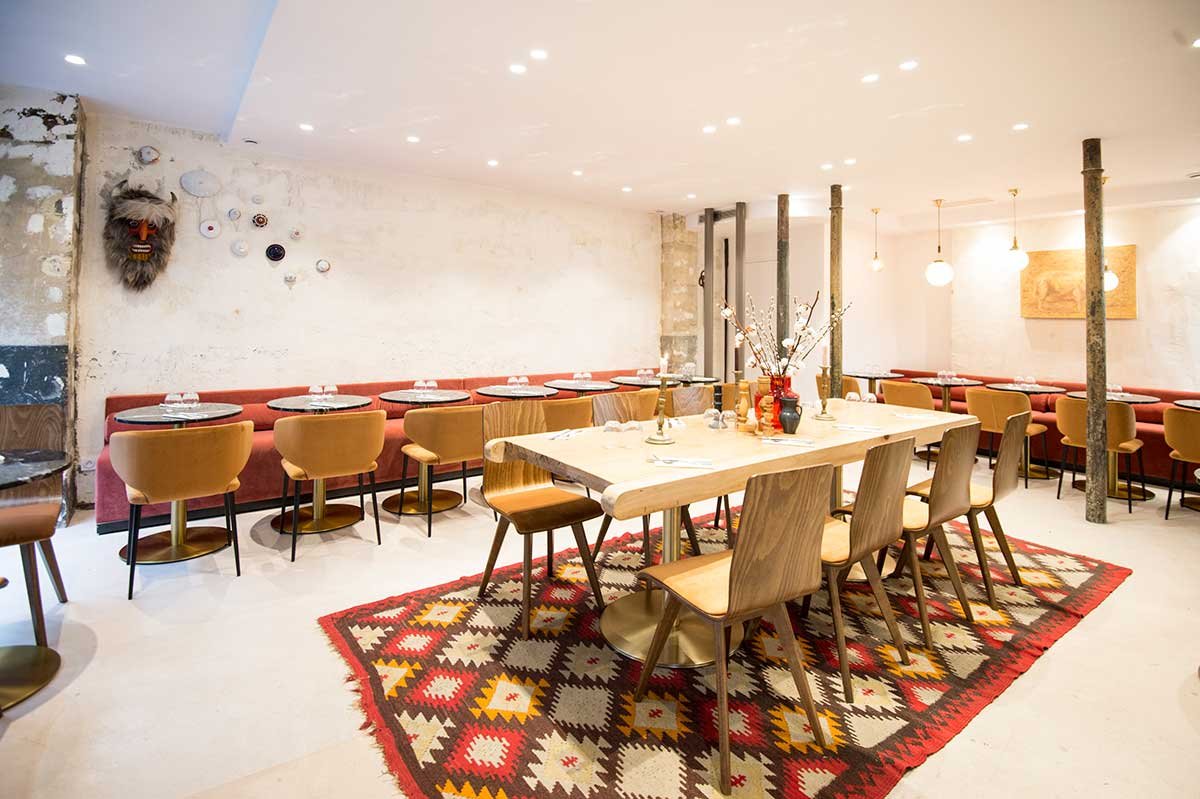
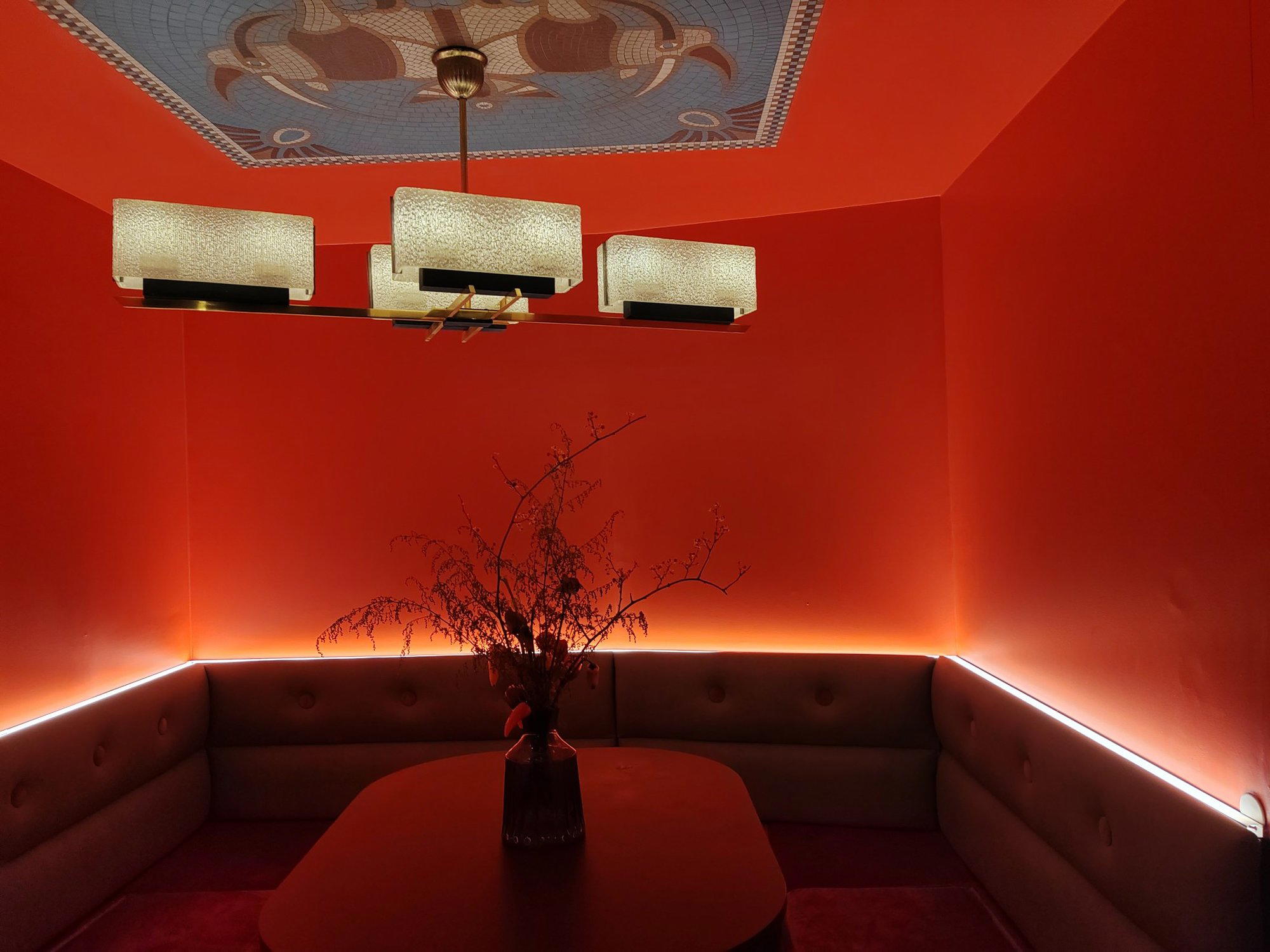
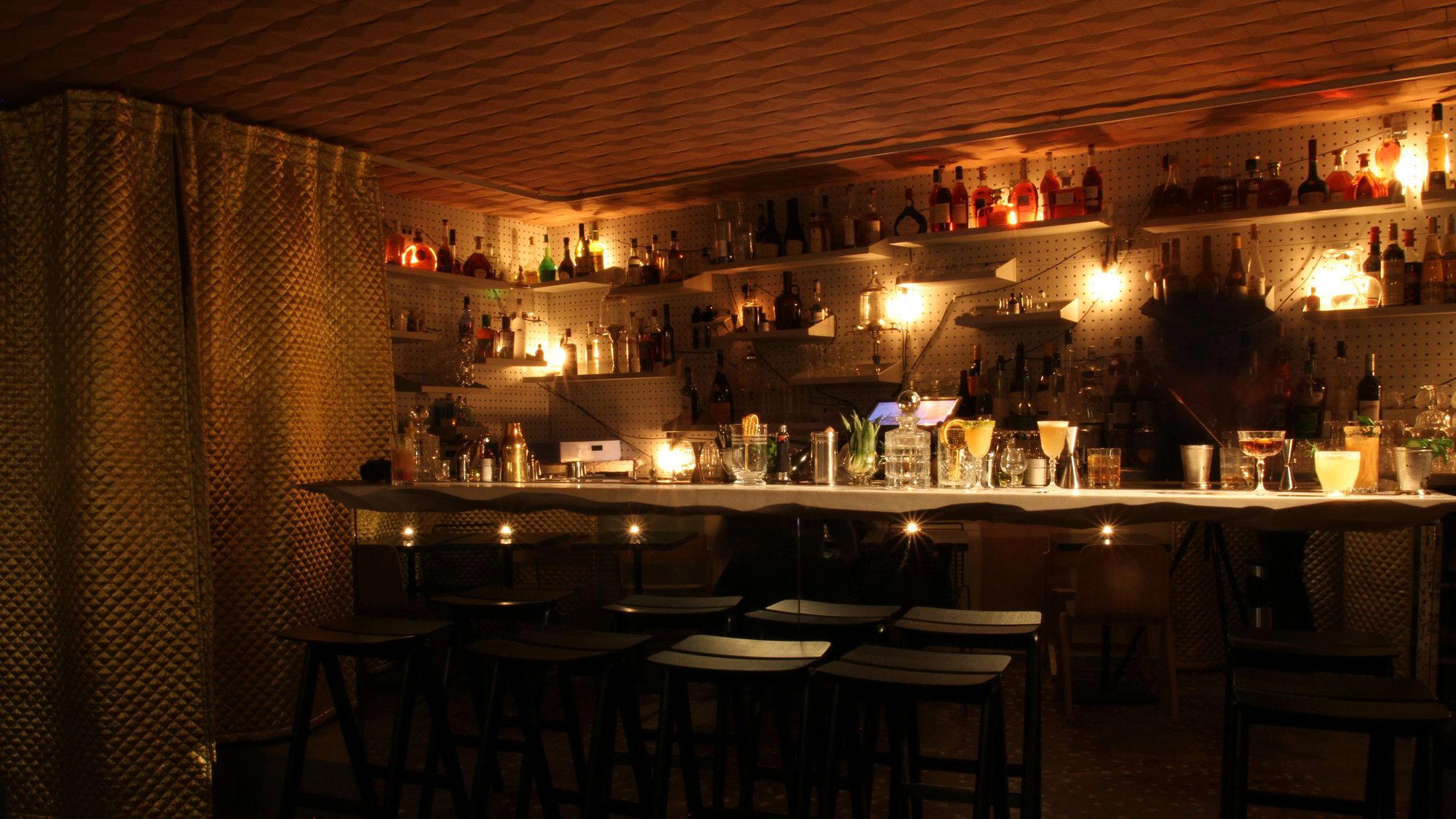
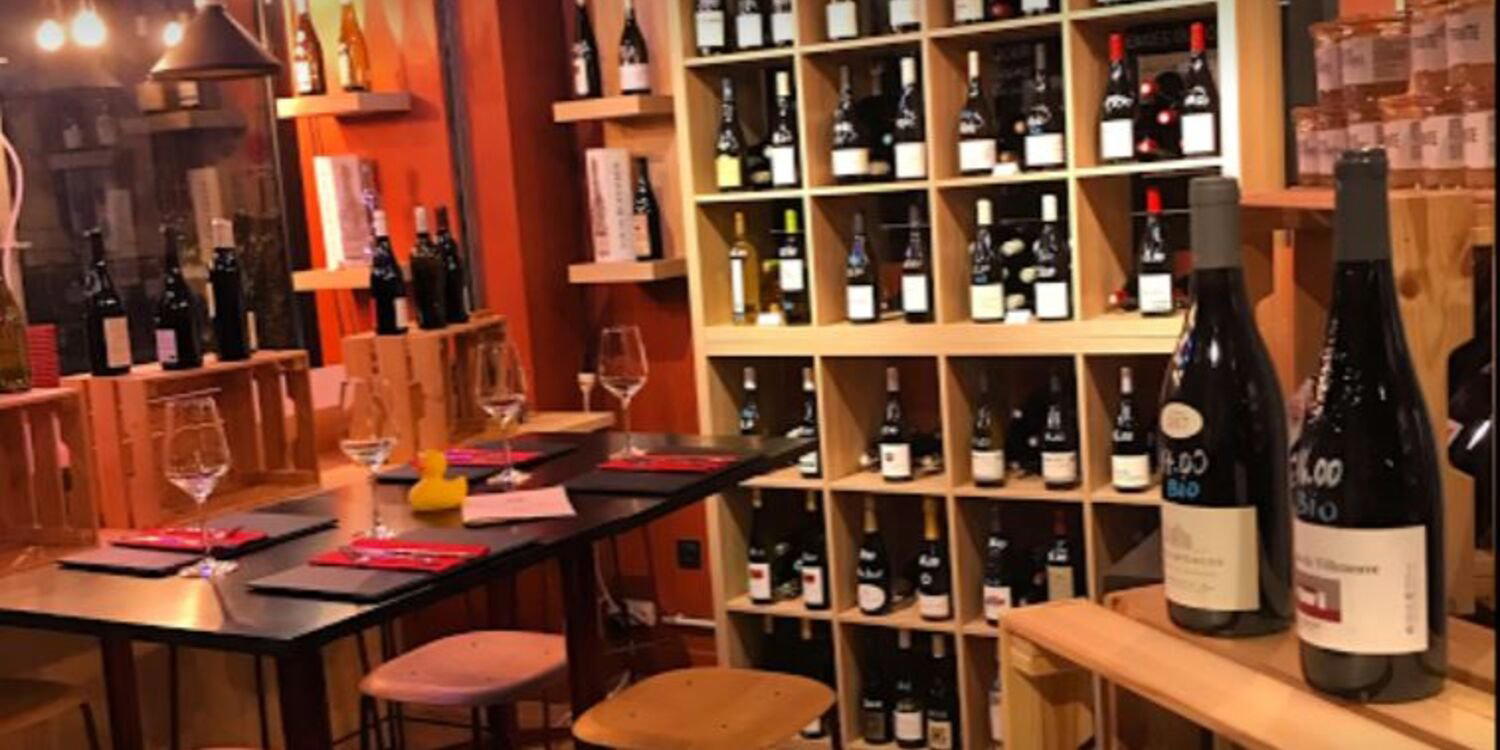
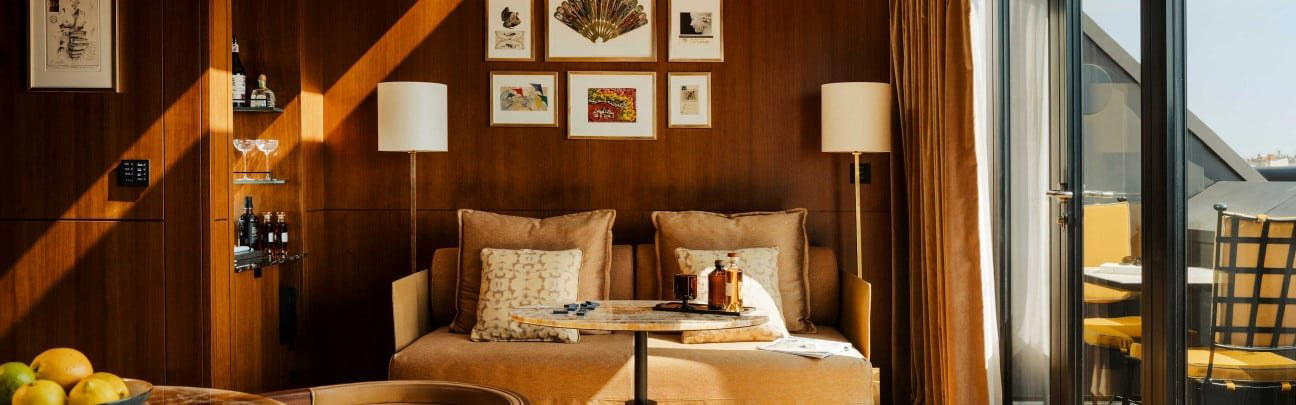
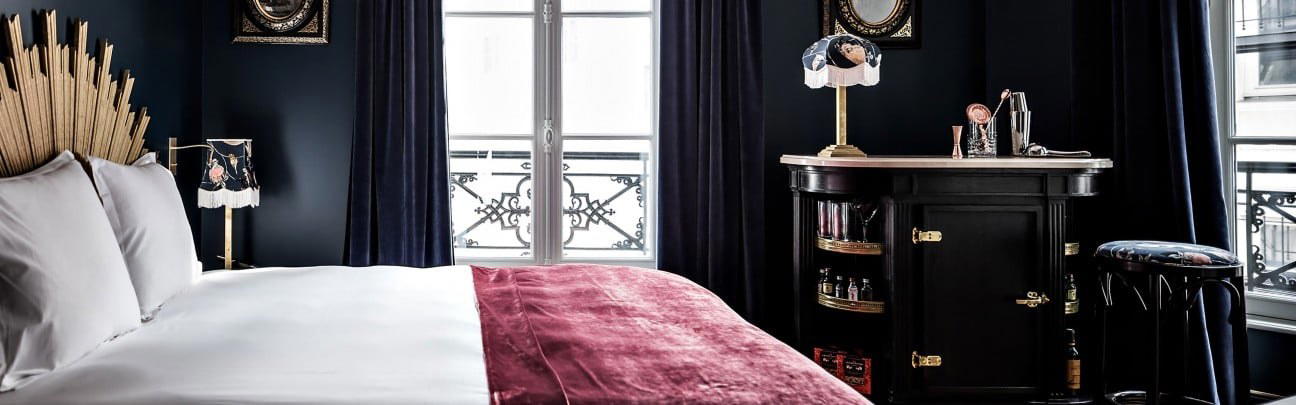
Gallery-like, stylish setting with a refined yet rustic aesthetic; joyful and sharing-oriented atmosphere with whimsical plating.