Hungarian Rhapsody
Our verdict
Hungarian Rhapsody on Northline Road in Southgate, Michigan sits within a broader Midwestern tradition of Central European immigrant kitchens that have outlasted the communities that built them. The restaurant draws on Hungarian culinary tradition in a metro Detroit suburb where such cooking is rarely encountered. For the full picture of dining in the area, see our Southgate restaurants guide.

Pearl is the En Primeur Club membership app — saves, bookings, and concierge access live there. Same editors, same standards.
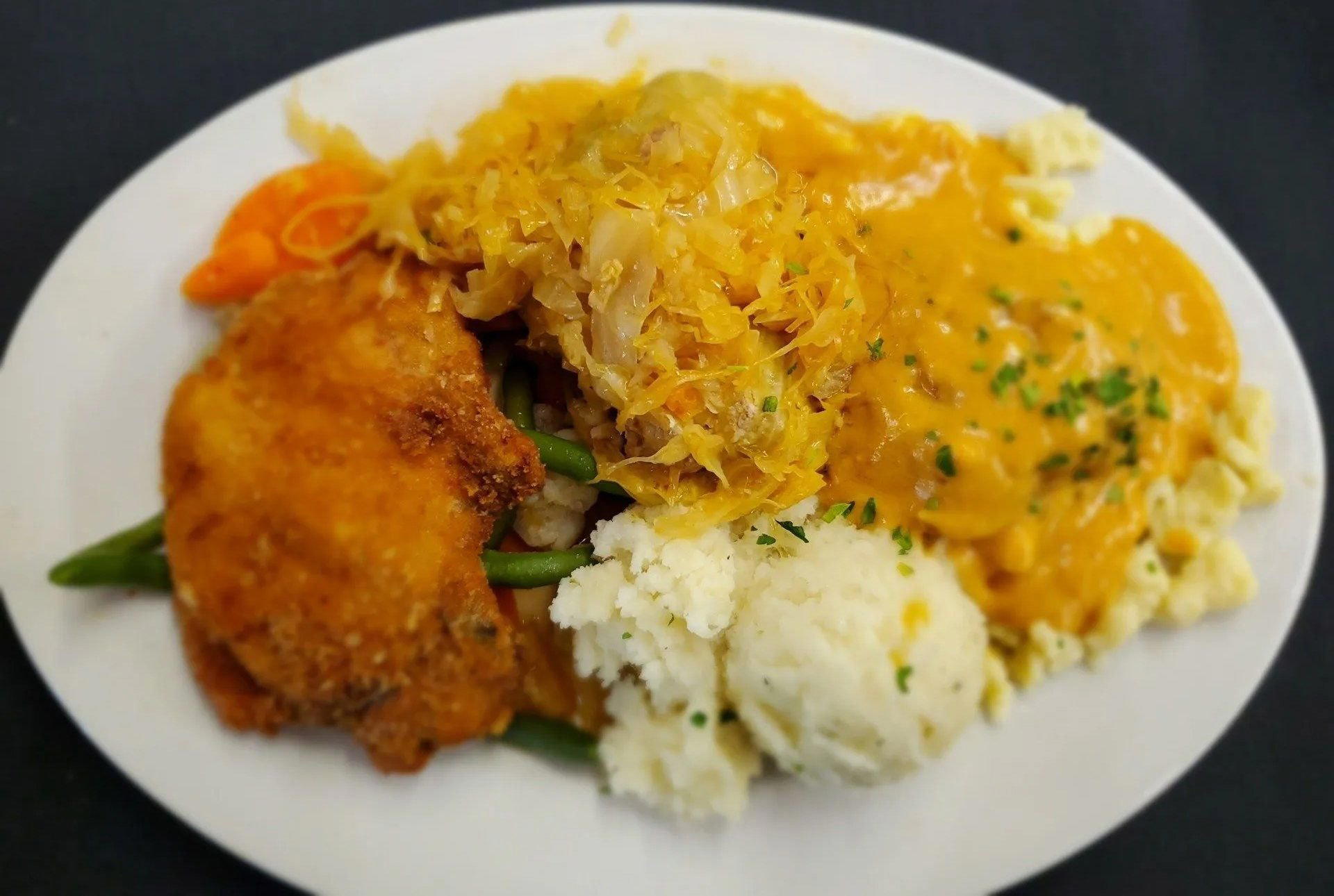
The menu
What to order
- Chicken Paprikas
- Goulash
- Hortobágyi palacsinta
A Corner of Central Europe on Northline Road
Southgate, Michigan is a working-class suburb on Detroit's southern edge, a stretch of Downriver communities where the dining scene tends toward American comfort food, chains, and the occasional holdover from postwar ethnic settlement. It is not a neighbourhood with a pronounced culinary identity, which makes the presence of a Hungarian restaurant on Northline Road something worth pausing over. Across the United States, Central European cooking — the paprika-heavy stews, the stuffed cabbages, the soured cream sauces — has largely retreated from public view as the Hungarian, Polish, and Czech immigrant communities that sustained it dispersed into broader American life. Where such kitchens do survive, they tend to be family-run, embedded in specific zip codes, and patronised by a mix of heritage diners and the genuinely curious. Hungarian Rhapsody occupies that cultural position in the Downriver corridor.
Hungarian Cooking and the Question of Ingredients
The ingredient story behind Hungarian cuisine is more specific than most Central European traditions allow for. At its core, the cuisine is built on a handful of non-negotiable components: sweet and hot Hungarian paprika, lard or goose fat, soured cream, and long-cooked stock. The quality of those foundations determines almost everything about what ends up on the plate. In Hungary itself, paprika from the Kalocsa and Szeged regions carries protected designation of origin status, and Hungarian cooks treat the difference between fresh-season ground paprika and older, faded product the way a serious Italian kitchen treats olive oil: it is not interchangeable. For a restaurant operating outside that supply chain, sourcing becomes a deliberate act. Imported paprika is available through specialty Hungarian and Central European importers in the United States, and the question of whether a kitchen uses it or substitutes domestic alternatives is legible in the dish itself, a goulash made with properly sourced Hungarian paprika has a depth and slight sweetness that domestic paprika cannot replicate.
The broader ingredient calculus in Hungarian cooking also involves cuts and preparations that American supply chains do not naturally optimise for. Goose liver, essential to certain preparations, is produced domestically at small scale but more commonly sourced from French or Hungarian producers. Pork cuts used in traditional dishes like pörkölt require longer cooking times and benefit from heritage breed animals with higher fat content. These are not exotic demands, but they require a kitchen that treats sourcing as part of the cooking discipline rather than an afterthought. At restaurants in this price tier and market position across the Midwest, that sourcing intentionality, when present, is usually what separates a technically competent execution from a dish that reads as authentic rather than approximate.
This is precisely the context that distinguishes Central European kitchens from the kind of sourcing-forward American restaurants that have made ingredient provenance a front-of-house talking point. Places like Blue Hill at Stone Barns in Tarrytown or Single Thread Farm in Healdsburg built their identities around transparent supply chains and named farms. Hungarian Rhapsody operates in a different register entirely, where sourcing is a quiet kitchen decision rather than a menu annotation, but the impact on the plate is no less real.
The Midwestern Context for Ethnic Dining
Metro Detroit has a more layered ethnic dining history than its national reputation suggests. The city's manufacturing economy drew waves of Hungarian, Polish, Romanian, and other Central and Eastern European immigrants through the first half of the twentieth century, and pockets of that culinary heritage remain in specific suburbs and church-hall kitchens. The Downriver area, a loose collection of municipalities south of Detroit proper, retains some of that density. In that context, a restaurant specifically named for and dedicated to Hungarian cooking is less of an anomaly than it would be in, say, a sunbelt city, but it still occupies a narrow niche. The mainstream American appetite for Central European food has not followed the same trajectory as its enthusiasm for Japanese, Korean, or Peruvian cooking. Restaurants like Atomix in New York City or ITAMAE in Miami represent cuisines that have benefited from sustained critical attention and a broadening diner base. Hungarian cooking has not had that moment in the American market, which means the restaurants that carry it forward tend to do so without the support of trend cycles or media amplification.
That absence of trend support has a practical implication: the restaurants that survive in this niche do so on repeat local custom. They are not destinations in the way that Le Bernardin in New York City or Alinea in Chicago function as destinations, drawing diners from considerable distances and sustained by national press. A Downriver Hungarian restaurant draws from its immediate community, from heritage diners with personal or family connections to the cuisine, and from the small number of adventurous eaters who actively seek out underrepresented culinary traditions. That audience tends to be loyal and specific in its expectations, which in turn tends to keep kitchens honest about execution. Other notable regional dining options for comparison include Frasca Food and Wine in Boulder, which similarly draws on Central European wine and food traditions in an American market context, and Bacchanalia in Atlanta, which demonstrates how regional American restaurants can build durable reputations outside major coastal markets.
Planning a Visit
Hungarian Rhapsody is located at 14315 Northline Road in Southgate, Michigan 48195, in a stretch of the Downriver corridor that runs south from Detroit toward the Monroe County line. For visitors coming from central Detroit, Northline Road is accessible via I-75 south; the drive from downtown Detroit typically runs twenty to thirty minutes depending on traffic. Southgate itself has limited public transit connectivity to the city, so arriving by car is the practical default. For a broader picture of where Hungarian Rhapsody sits within the local dining scene, see our full Southgate restaurants guide. Those planning a broader Michigan or Midwest dining itinerary might also consider the regional perspective offered by venues like Brutø in Denver or Causa in Washington, D.C., which represent how ingredient-driven thinking is reshaping mid-tier dining across American cities. For high-end reference points in the national conversation about sourcing and provenance, The French Laundry in Napa, Providence in Los Angeles, Lazy Bear in San Francisco, Addison in San Diego, The Inn at Little Washington, Emeril's in New Orleans, and 8½ Otto e Mezzo Bombana in Hong Kong offer useful context for where the broader fine dining conversation sits relative to neighbourhood specialists like this one.
Frequently asked questions
Is Hungarian Rhapsody suitable for children?
Hungarian Rhapsody sits on Northline Road in Southgate, a working-class Downriver suburb where family dining is a neighborhood norm rather than an afterthought. Hungarian cuisine is generally approachable for younger diners, built on hearty stews, roasted meats, and bread-forward plates rather than challenging flavors. Confirm current seating arrangements directly with the restaurant before visiting with a large family group.
What should I expect atmosphere-wise at Hungarian Rhapsody?
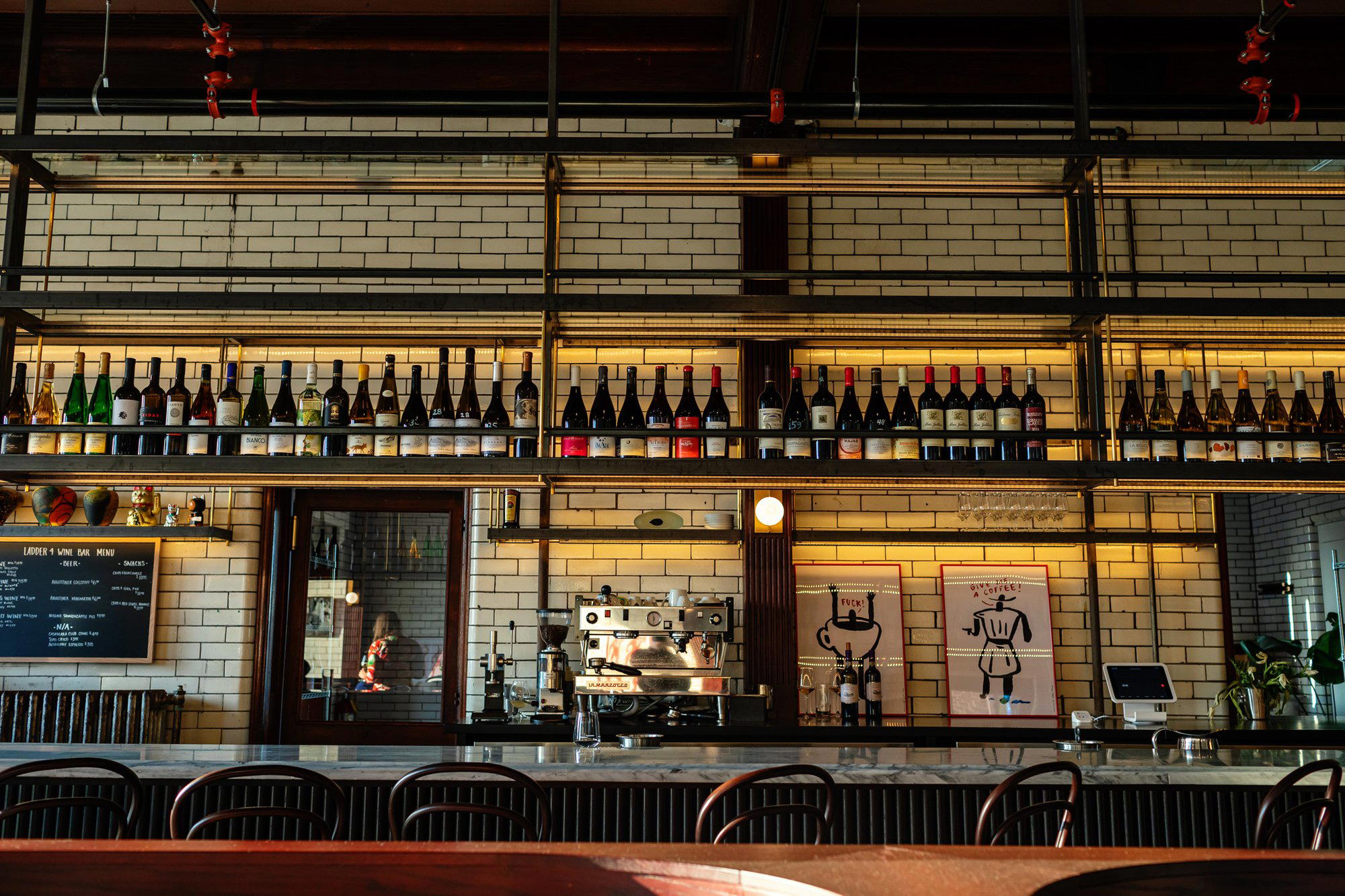
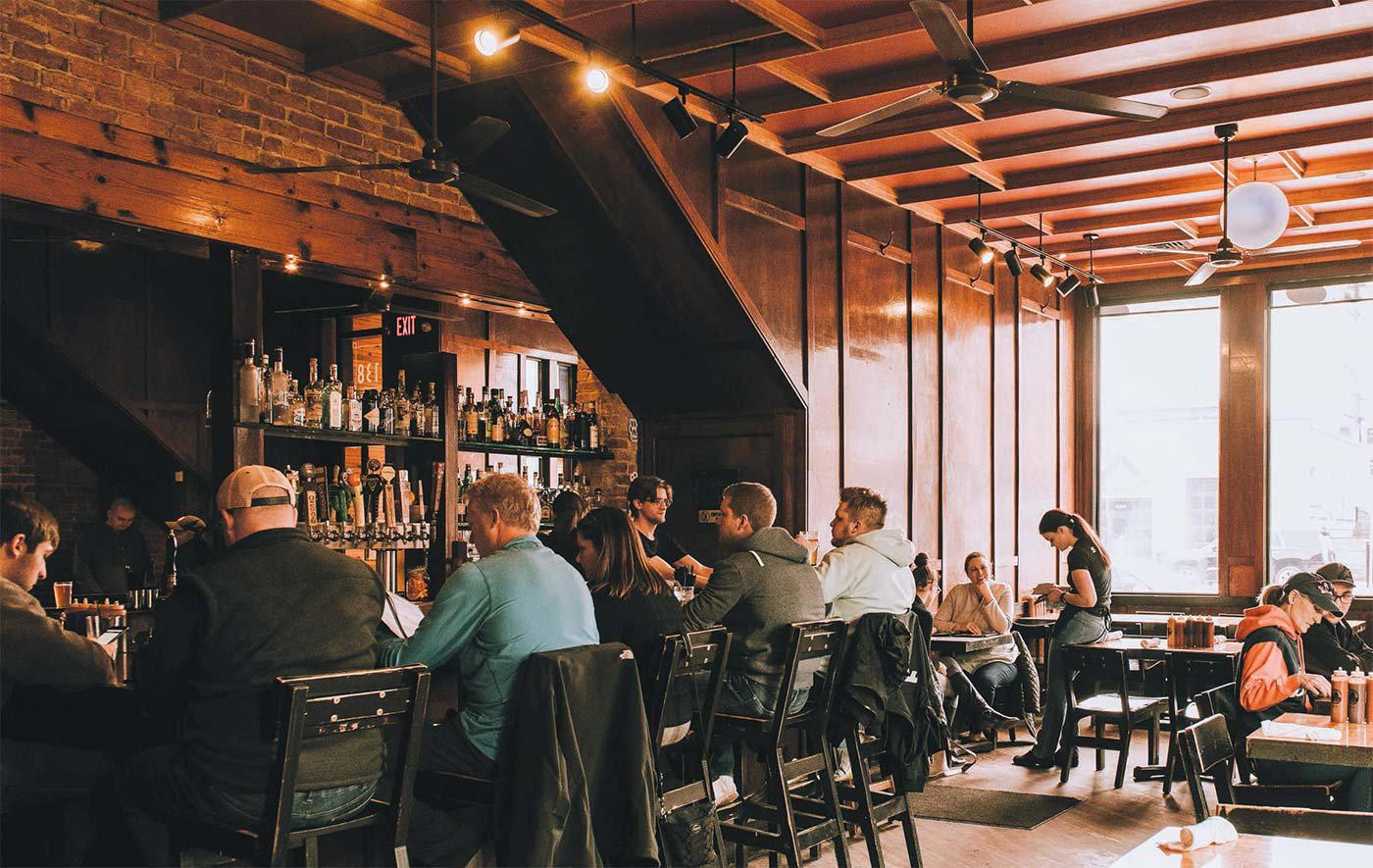
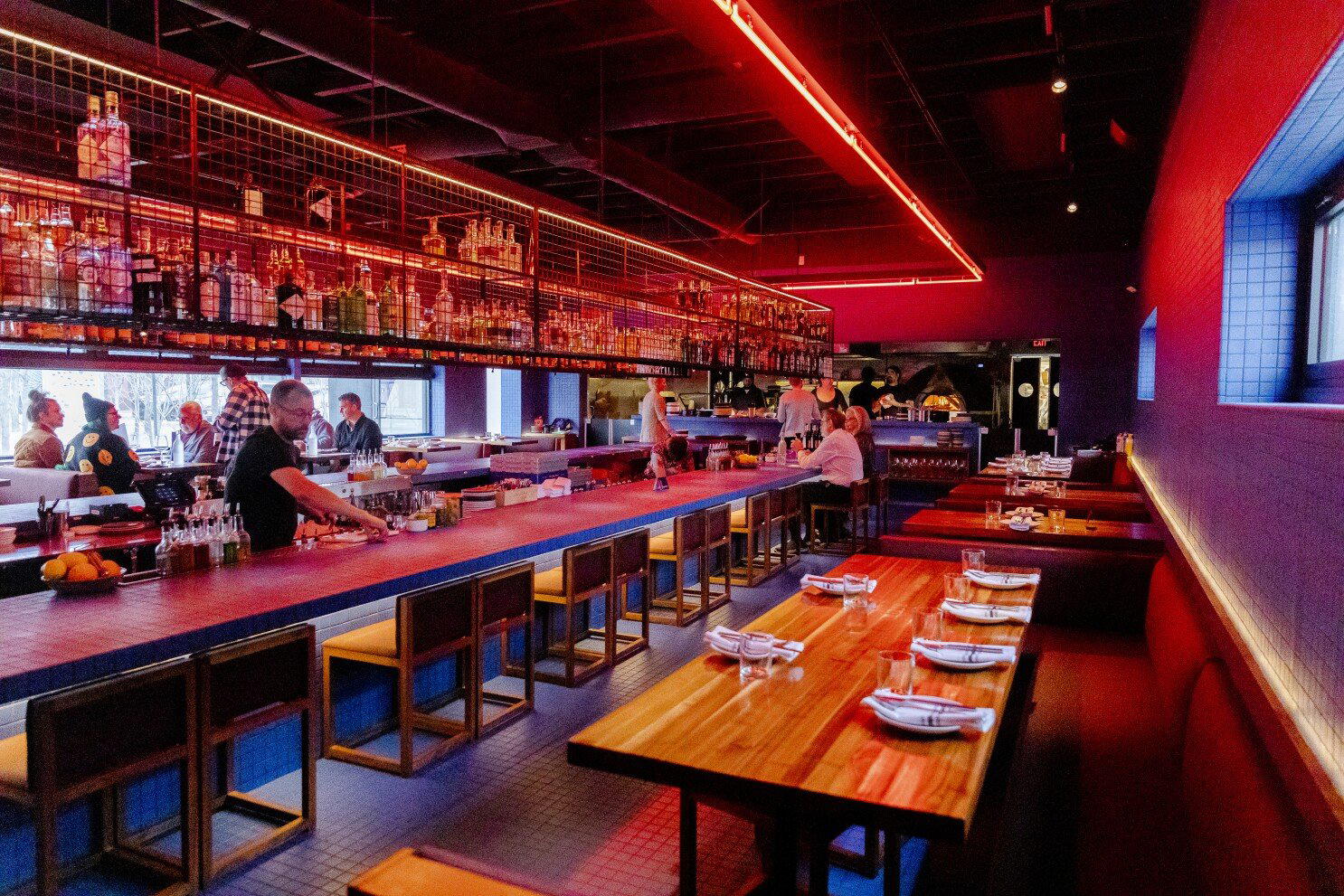
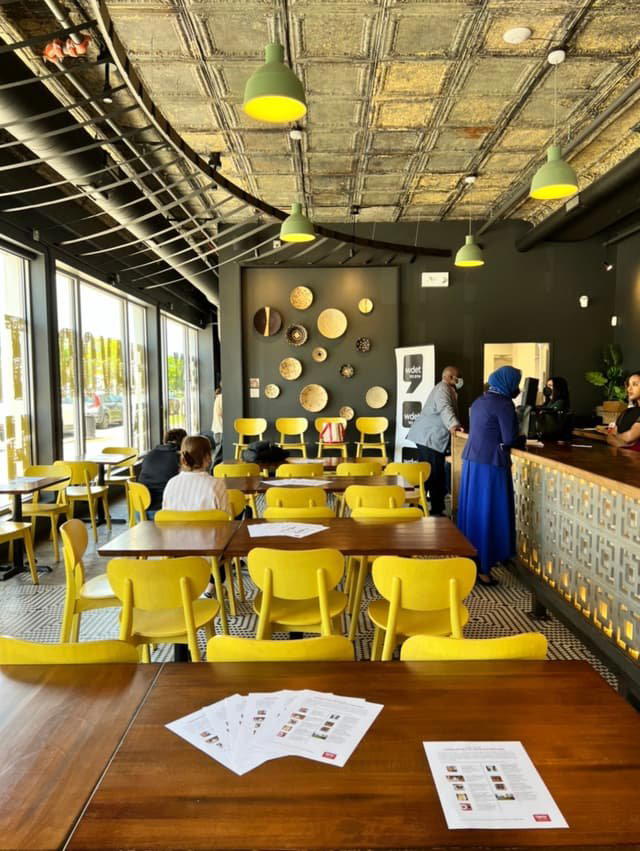
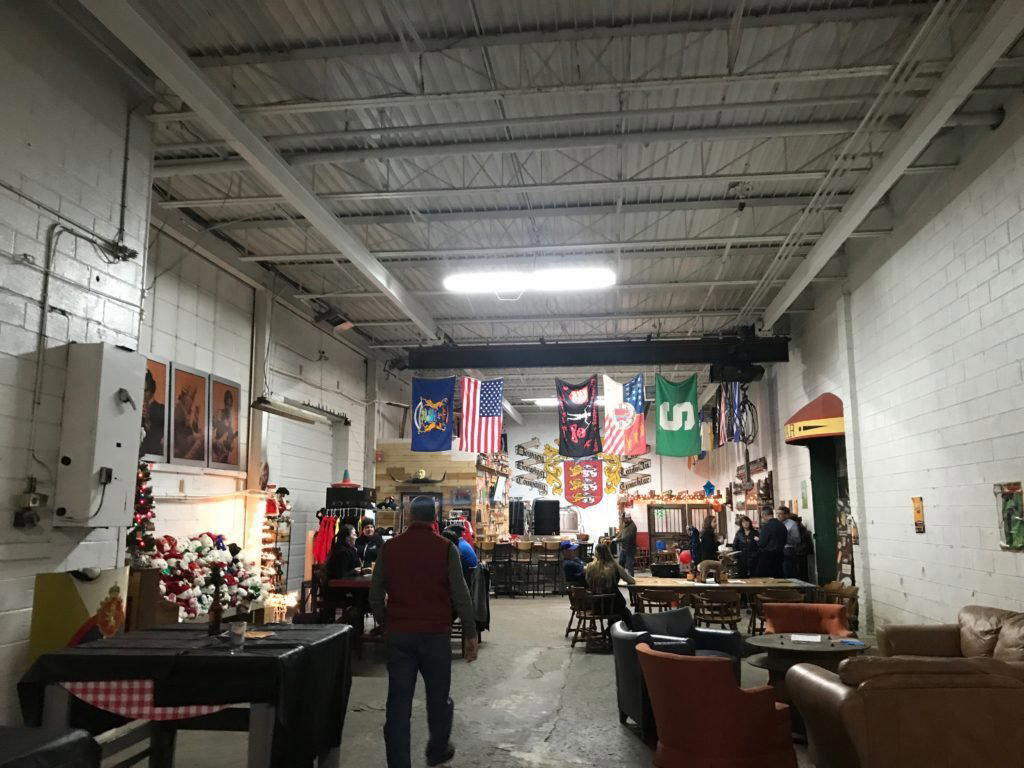
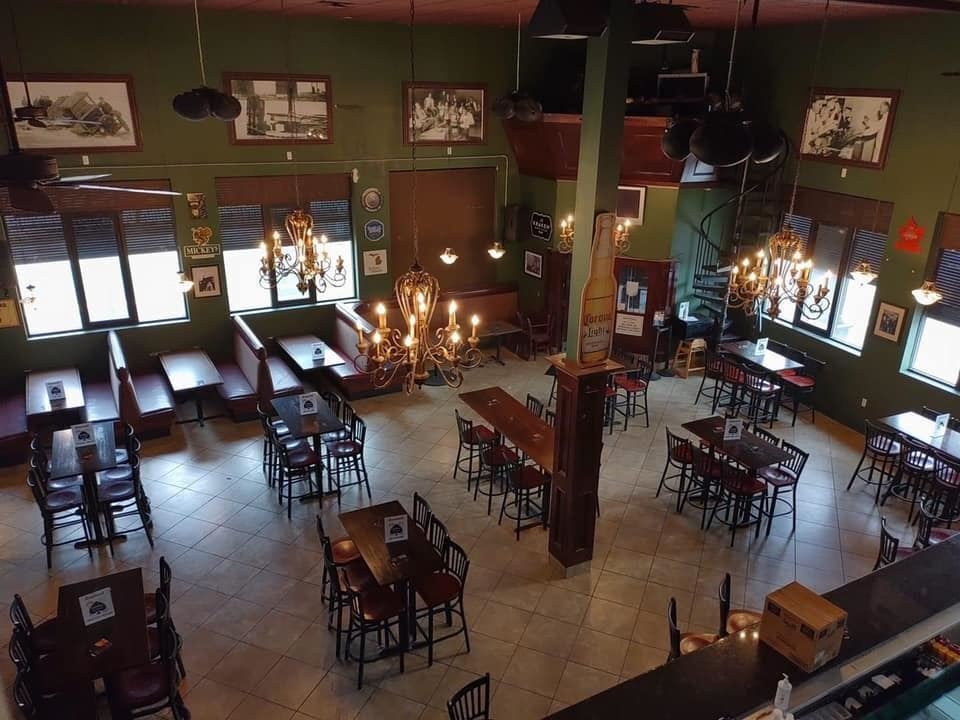
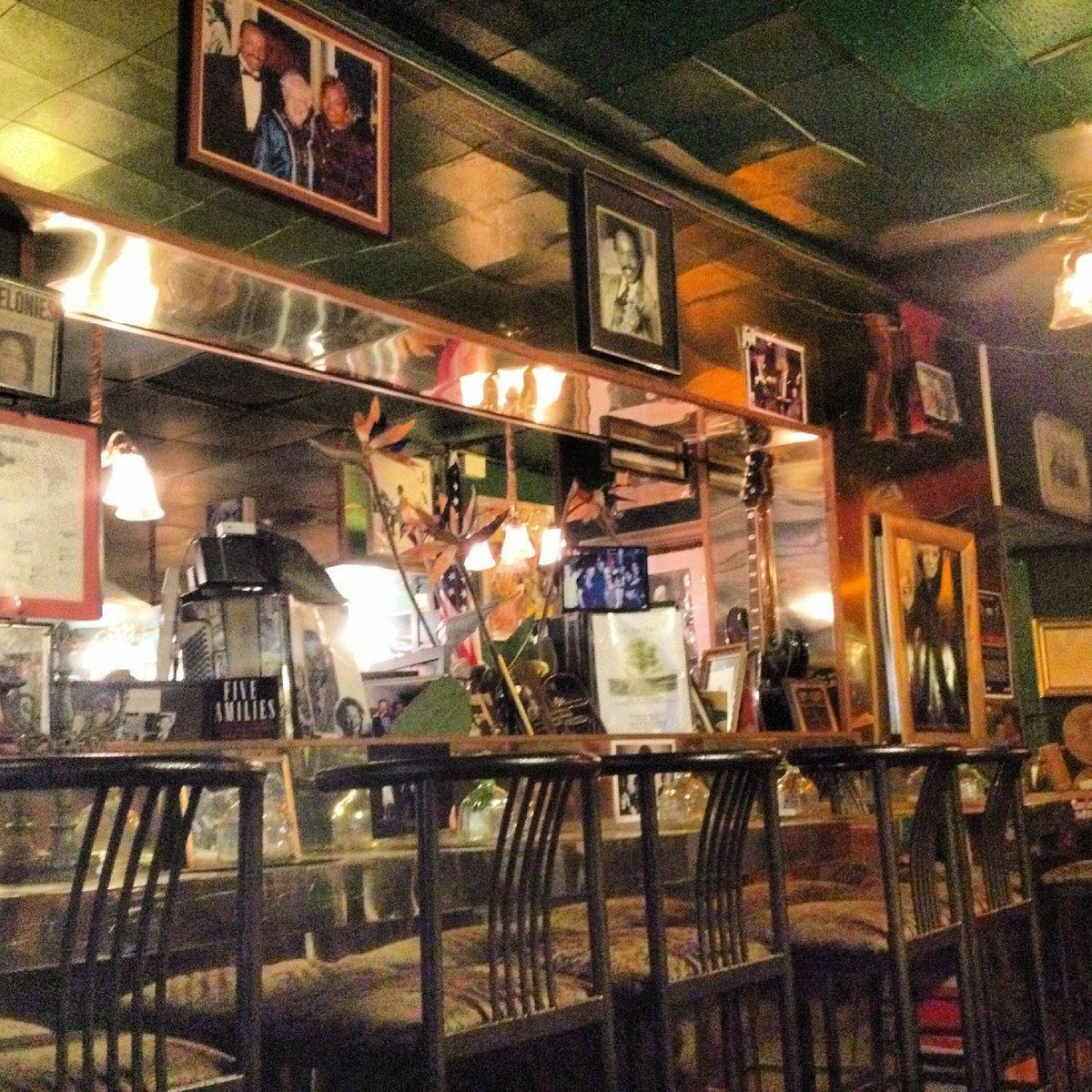
Northline Road in Southgate runs through a stretch of Downriver Detroit that prioritizes function over spectacle, and the dining room at Hungarian Rhapsody reflects that neighborhood register — a community restaurant rather than a destination showroom. Metro Detroit's Hungarian immigrant history gives this kind of venue a social anchor beyond the plate: regulars often treat it as a cultural touchpoint, not just a meal stop. Expect a straightforward dining room where the cooking carries the room, not the décor.
Is Hungarian Rhapsody one of the few dedicated Hungarian restaurants serving metro Detroit's Downriver communities?
Metro Detroit's manufacturing economy drew significant Hungarian immigration through the twentieth century, yet dedicated Hungarian restaurants across the broader city remain sparse relative to that community's historical footprint. Hungarian Rhapsody at 14315 Northline Road in Southgate occupies a specific gap in the Downriver corridor, where the concentration of Central European heritage is higher than in Detroit's core neighborhoods. That scarcity is part of what gives a venue like this its standing among local diners who would otherwise travel considerably farther for this cuisine.
What do regulars order at Hungarian Rhapsody?
Hungarian cuisine's anchor dishes — gulyás (goulash), pörkölt (braised meat stew), and stuffed cabbage — are the reference points that draw repeat visitors to a restaurant like Hungarian Rhapsody in Southgate. The Downriver Detroit Hungarian community has sustained venues like this through institutional loyalty to specific preparations, meaning regulars tend to return for the same dishes rather than rotating through a menu. For the most current lineup, check the venue's official channels, as menus at neighborhood Hungarian spots typically shift with seasonal ingredient availability.
In Context: Similar Options
Comparable venues nearby, for context on price, style, and recognition.
| Venue | Cuisine | Price | Notes |
|---|---|---|---|
| Hungarian RhapsodyThis venue — the venue you are viewing | Authentic Hungarian | $20–30 | Not listed |
| Puma Detroit | Modern Latin Parrilla | $30–50 | Core City |
| Bon Bon Bon Hamtramck Manufactory | Artisanal Chocolate Bonbons | $10–20 | Hamtramck |
| Sushi Lounge | Gluten-Free Sushi | $20–30 | Midtown |
| Flowers of Vietnam | Modern Vietnamese Fusion | $30–50 | Mexicantown |
| Kona Grill - Troy | American Grill with Sushi | $30–50 | Big Beaver |
Continue exploring
More in Southgate
Restaurants in Southgate
All restaurants in Southgate →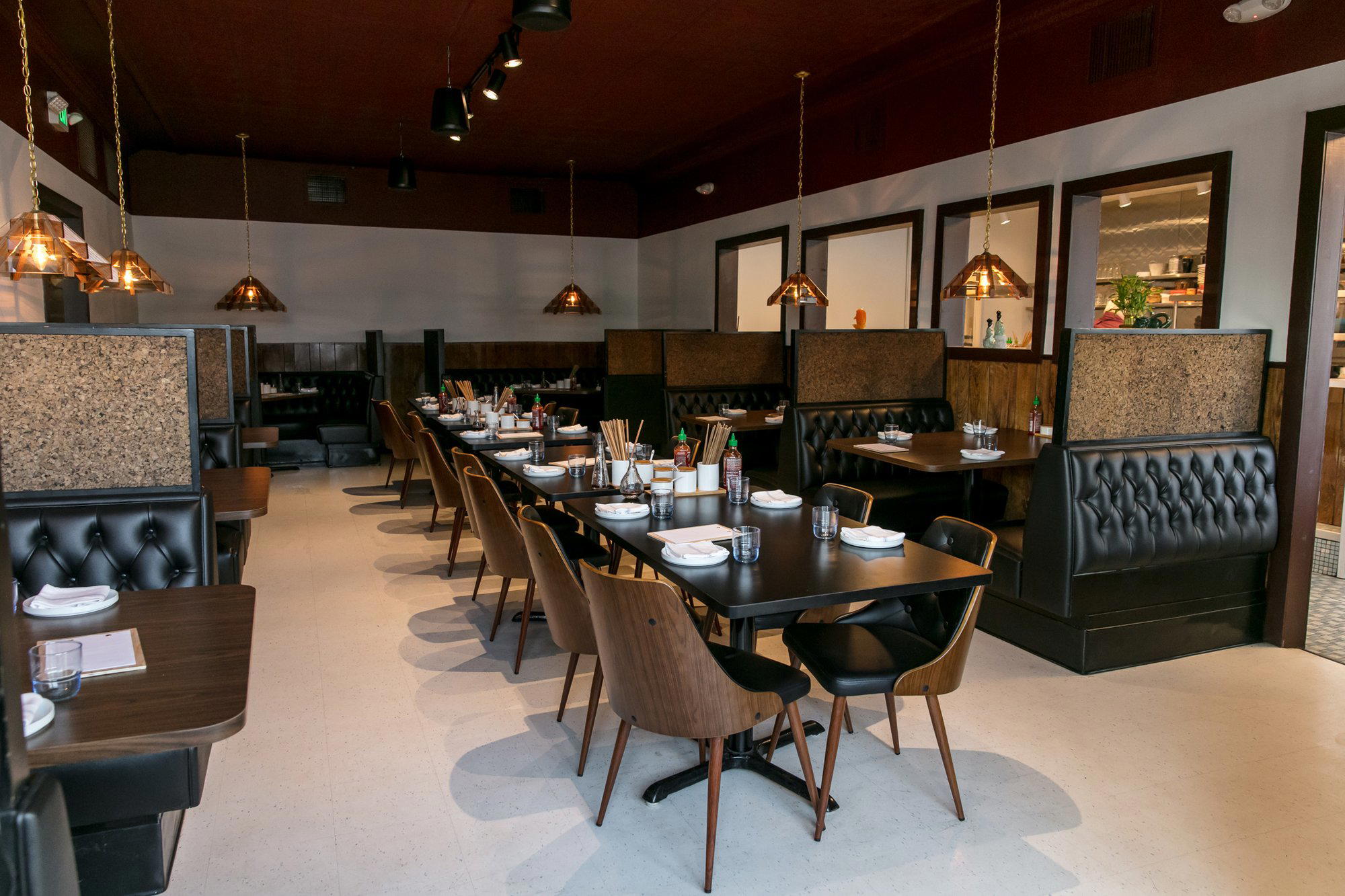
Details
- Classic
- Cozy
- Family
- Group Dining
- Casual Hangout
- Standalone
- A La Carte
- Family Style
- Vegetarian Friendly
Current opening hours
- Monday
- Closed
- Tuesday
- 11 AM–9 PM
- Wednesday
- 11 AM–9 PM
- Thursday
- 11 AM–9 PM
- Friday
- 11 AM–9 PM
- Saturday
- 11 AM–9 PM
- Sunday
- 11:30 AM–7:30 PM
Hours can change for holidays and private events. Last verified .
Charming interior brightened with Hungarian artifacts like red pepper wreaths, embroideries, and porcelain, creating an authentically European atmosphere.