Sushi Lounge
Sushi Lounge operates inside the Detroit Shipping Company, bringing a gluten-free-focused sushi program to one of the city's most active food-and-drink complexes. The format places raw-fish preparation within a social, multi-vendor environment, an arrangement that suits Detroit's emerging appetite for specialist cuisine without the formality of a standalone counter. It represents a category of sushi dining that trades intimacy for accessibility.
 Discover on Pearl
Pearl is the En Primeur Club membership app — saves, bookings, and concierge access live there. Same editors, same standards.
Sushi Inside a Shipping Container: What Detroit's Counter Culture Is Becoming
The conventional sushi counter, eight seats, muted lighting, a chef's hands moving in near-silence, represents one end of a spectrum. At the other end sits a different model: sushi as a vendor within a larger food hall or multi-operator complex, where the same technical ambition operates against a backdrop of crowds, music, and competing smells from neighbouring kitchens. Detroit Shipping Company, the container-based food and beverage complex on Cass Avenue, represents the latter format, and Sushi Lounge is its gluten-free sushi offering. Understanding what that means for the dining experience is the right place to start.
Detroit's restaurant scene has matured considerably over the past decade. The city has produced a generation of operators willing to take risks on format as much as cuisine. From the East African hospitality of Baobab Fare to the polished New American ambitions at venues covered in Cuisine, the through-line is independent thinking rather than franchise safety. Sushi Lounge occupies a specific niche within that environment: specialist Japanese-influenced cuisine delivered through an informal, high-traffic setting.
The Detroit Shipping Company Format and What It Does to Your Meal
Detroit Shipping Company was built from repurposed shipping containers arranged around an outdoor gathering space, and the architecture shapes every dining experience inside it. There is no quiet room. There is no slow build of anticipation as you descend a staircase or pass through a curtained doorway. What the format provides instead is friction-free entry: you arrive, you order, you eat. For sushi, a cuisine that has historically relied on ceremony and controlled environment to amplify the food's subtlety, this is a meaningful trade-off worth naming directly.
What Sushi Lounge does within that context, operating a gluten-free-focused sushi program, is a response to a real gap in Detroit's mid-casual dining market. Gluten-free sushi is not a novelty in major coastal cities, where dedicated programs have existed for years, but in Detroit's food complex environment it represents genuine category differentiation. The standard allergen concern with traditional sushi preparations involves soy sauce (which contains wheat) and certain marinades. A kitchen organised around gluten-free preparation from the ground up, rather than offering substitutions on request, signals a different level of dietary intentionality.
Sushi Counter Tradition, Recalibrated for a Midwest Audience
The counter as theatre has a specific genealogy in Japanese dining. At omakase counters in cities like New York, where Atomix has demonstrated how a tasting format can function as choreographed ritual, or at the most formal end of the American sushi spectrum, the physical proximity between chef and diner is the point. You watch the rice being pressed. You see the knife angle change for different cuts. The chef's pace becomes your pace. That model demands a certain stillness from both sides of the counter.
Sushi Lounge does not operate in that register, and the Detroit Shipping Company setting makes clear that it is not trying to. What it offers is sushi technique applied to accessible formats, in a city where the sushi counter tradition is younger and less codified than in New York, Los Angeles, or San Francisco. That context matters when calibrating expectations. This is sushi as a strong neighbourhood option rather than as a destination dining experience in the way that, say, The French Laundry or Le Bernardin define destination dining on the coasts.
Detroit's broader dining scene demonstrates that the city can support ambition at multiple price points. The focused tasting formats seen at places like Lazy Bear in San Francisco or the precision programming at Alinea in Chicago represent one end of the contemporary American dining spectrum. Sushi Lounge sits at a different coordinate, accessible, casual, and embedded in a communal complex, but within Detroit's specific context, that accessibility carries its own editorial logic.
The Gluten-Free Focus: Programme Commitment vs. Menu Adaptation
There is a meaningful difference between a restaurant that can accommodate gluten-free requests and one that has structured its programme around gluten-free execution from the outset. The latter requires sourcing tamari over standard soy sauce, auditing marinades, and often rethinking textural elements that rely on wheat-based breadings or thickeners. For sushi specifically, the gluten concern is less about the fish and more about the condiments, sauces, and any supplementary preparations that accompany it.
Sushi Lounge's gluten-free focus positions it clearly in the second category. In a city where diners with coeliac disease or gluten sensitivity have historically had to navigate menus designed for others, a sushi programme built around that constraint rather than grafted onto it represents a distinct value proposition. It also aligns with a broader national trend in which specialist dietary programmes have moved from accommodation to identity, from a note at the bottom of a menu to the premise of the entire kitchen.
Detroit Shipping Company in Context: What Surrounds It
The multi-vendor complex model has proliferated across American cities over the past decade, typically in post-industrial spaces being reactivated for commercial use. Detroit Shipping Company fits that pattern. The surrounding Midtown and Cass Corridor neighbourhood has become the city's most consistent area for independent food and beverage, and the complex draws visitors who are browsing as much as they are committing to a single dining experience. That foot traffic model benefits vendors offering speciality items, sushi being a clear example, that might struggle to anchor a standalone restaurant but work well as a deliberate stop within a larger food-and-drink circuit.
Other strong independent options nearby include the vegan-focused 313 Cinnamon Rolls, the Mexican programming at Carajillo, and the deli format at Bev's Bagels, all of which contribute to a dining neighbourhood where independent operators define the character rather than national chains. For a fuller view of what Detroit's food scene currently offers, the EP Club Detroit restaurants guide maps the city's strongest venues across price points and cuisines.
For dining experiences at the formal end of the spectrum, Sushi Lounge is not a destination tasting counter. What it offers is something the Detroit food complex environment actually needs: a technically focused, dietary-conscious sushi option embedded in the city's most socially active food and drink hub. In a city that has spent the better part of a decade building a dining identity worth defending, that kind of programme-specific commitment, even in an informal setting, is worth tracking.
Planning a Visit
Sushi Lounge operates as a vendor within Detroit Shipping Company. As with most multi-vendor complexes, visit timing matters: the complex draws its largest crowds on weekend evenings, when navigating the space and securing a position at or near the counter requires patience. Weekday evenings and early weekend sessions offer a less compressed experience.
Category Peers
Comparable venues nearby, for context on price, style, and recognition.
| Venue | Cuisine | Price | Awards | Notes |
|---|---|---|---|---|
| Sushi LoungeThis venue — the venue you are viewing | Gluten-Free Sushi | $$ | , | |
| Ima Izakaya | Modern Japanese Izakaya | $$ | , | North Corktown |
| Flowers of Vietnam | Modern Vietnamese Fusion | $$ | , | Mexicantown |
| Mudgie's Deli and Wine Shop | Scratch-Made Deli Sandwiches & Wine | $$ | , | Corktown |
| Ottava Via | Rustic Italian | $$ | , | Corktown |
| Slows To Go | Detroit-Style Barbecue | $$ | , | Midtown |

At a Glance
- Trendy
- Modern
- Lively
- Industrial
- Casual Hangout
- Group Dining
- Family
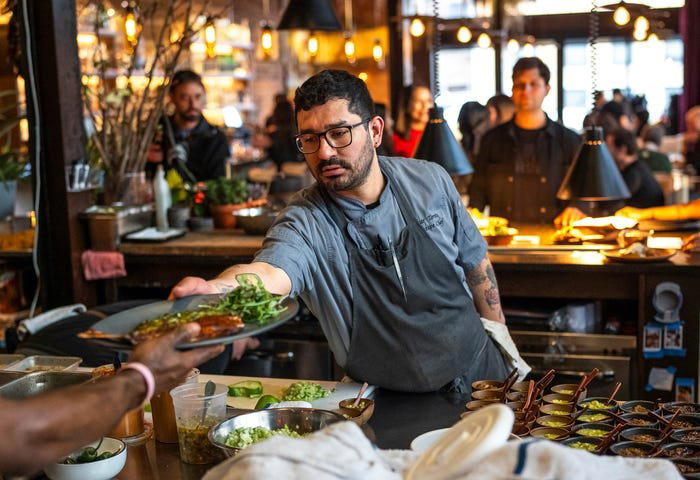
- Open Kitchen
- Sake Program
- Sustainable Seafood
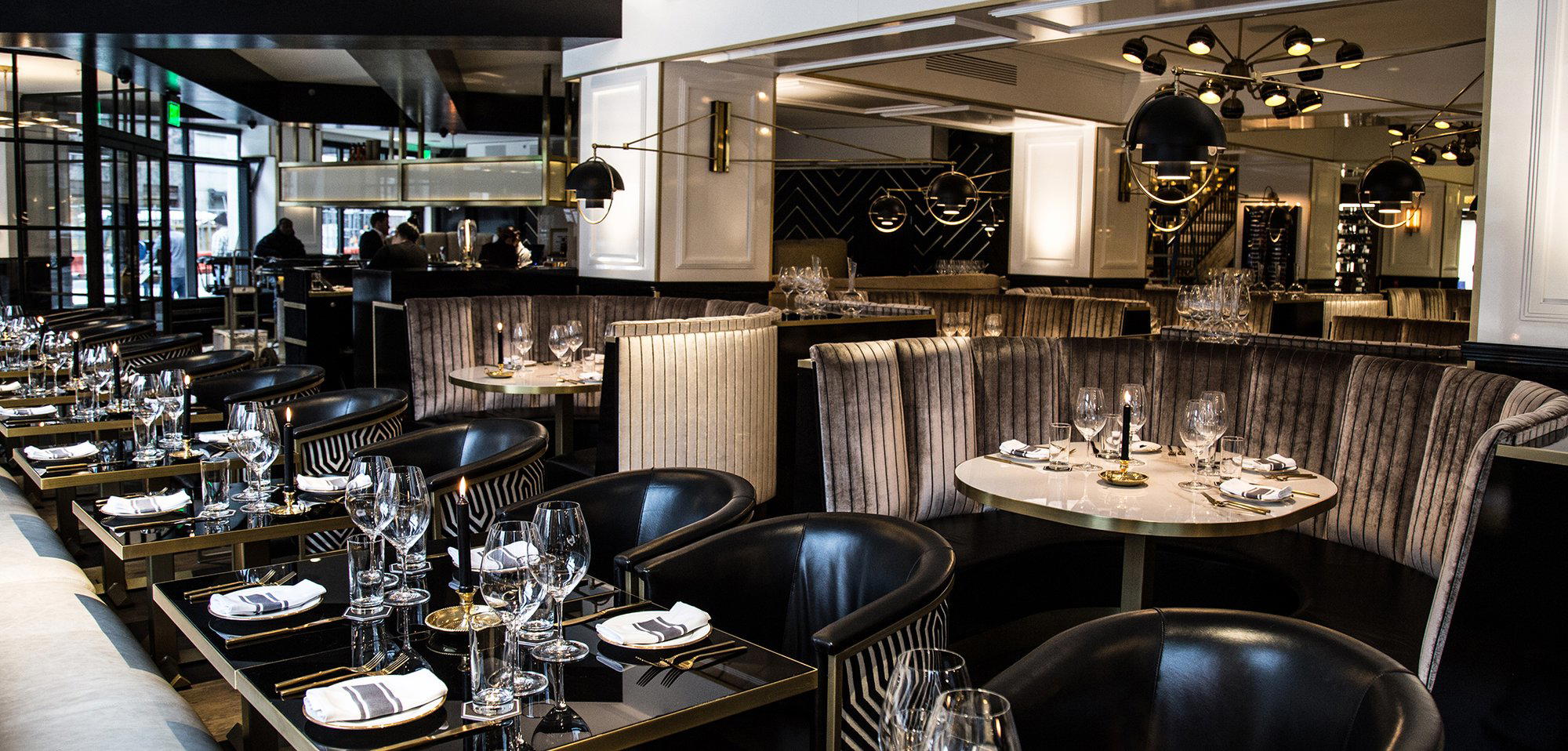
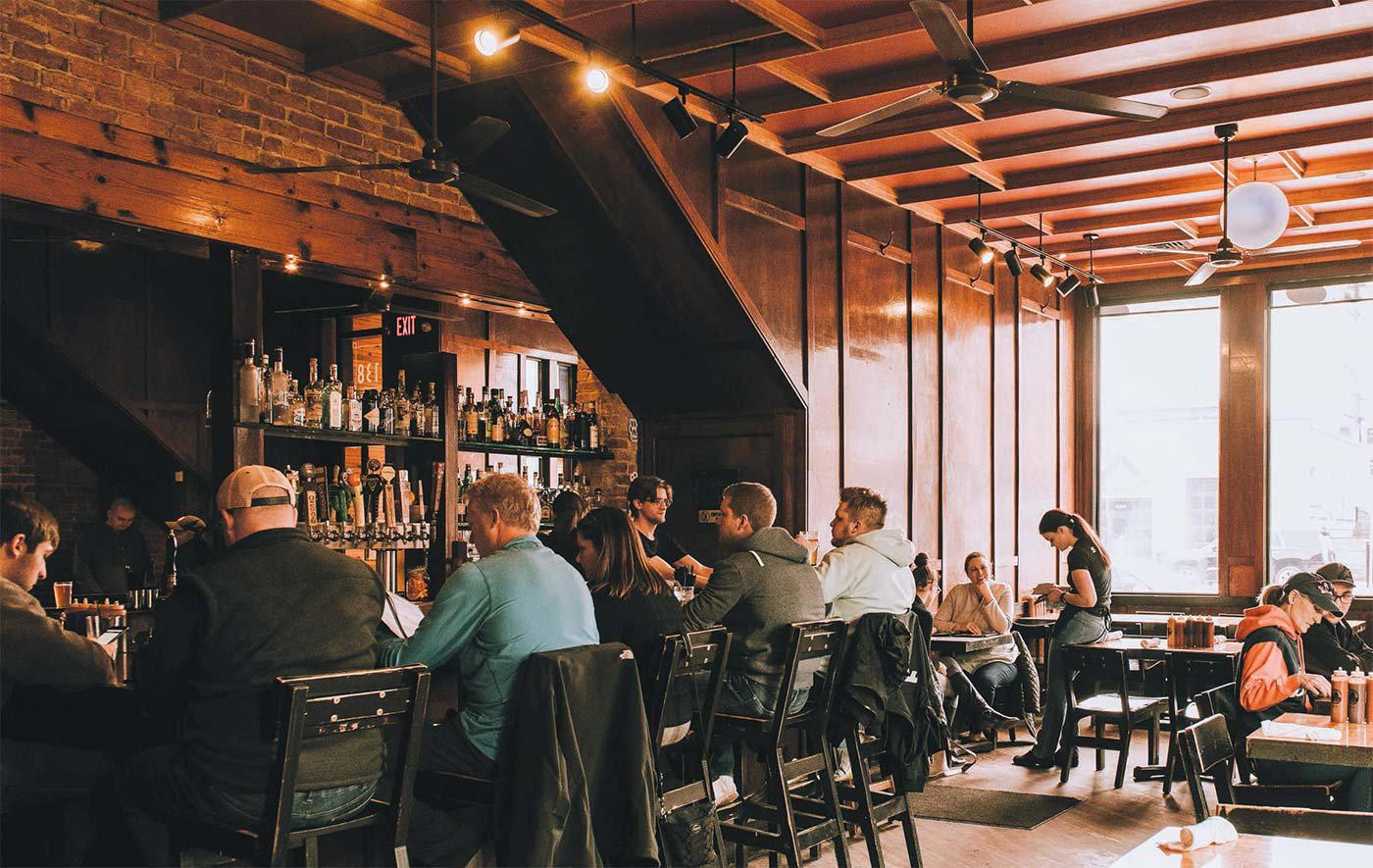
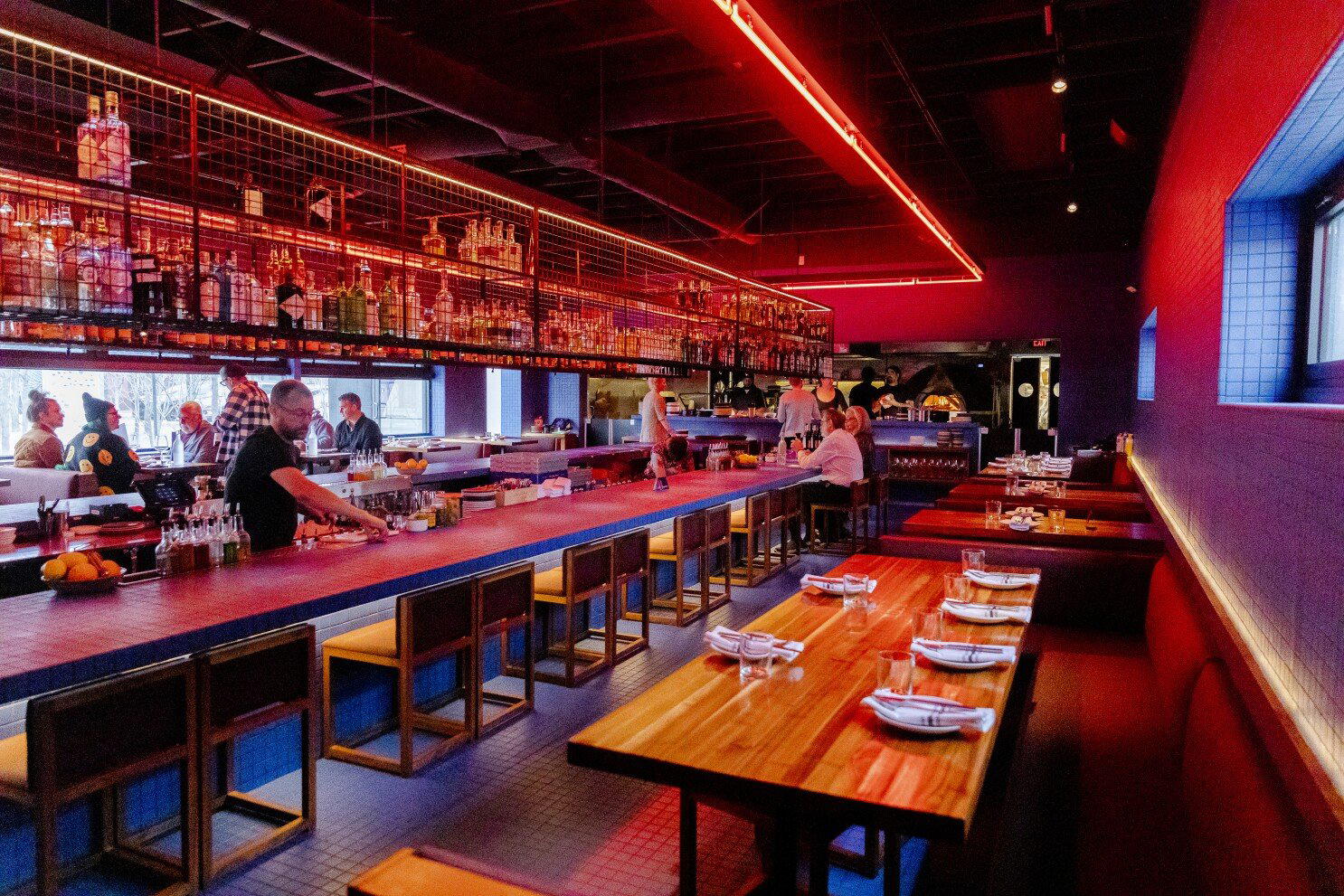
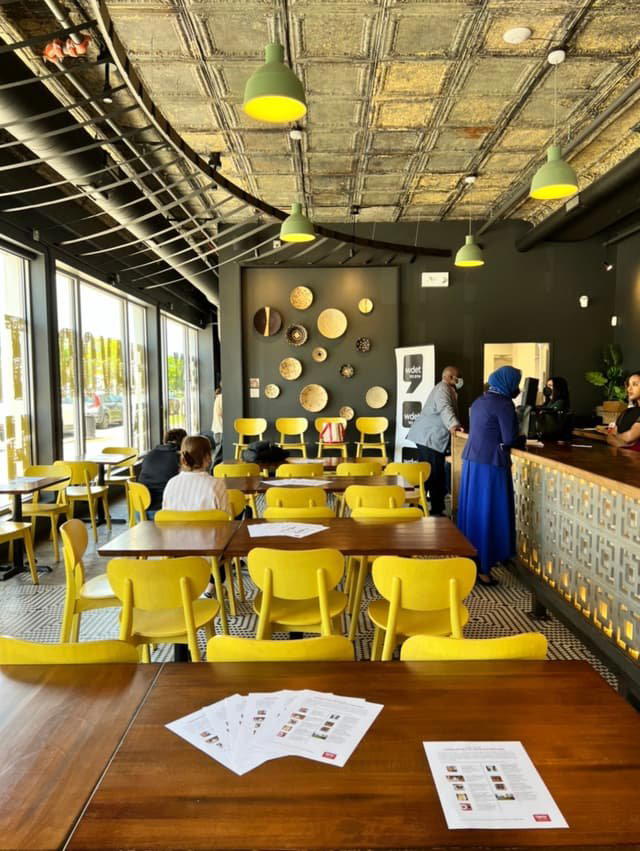
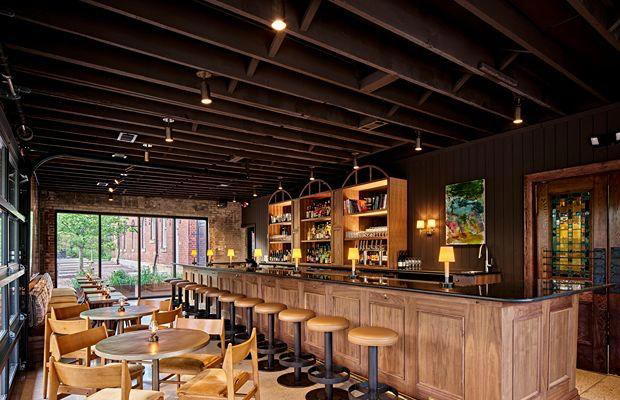
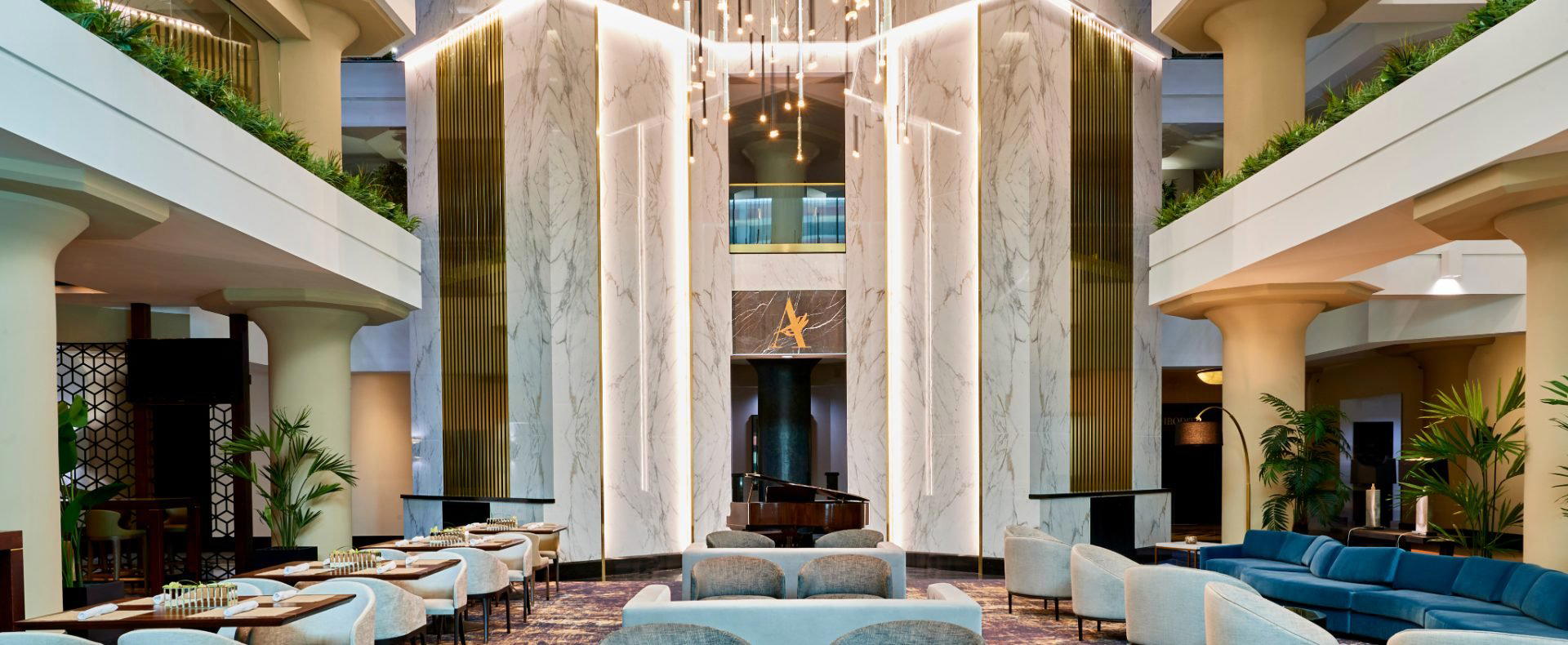
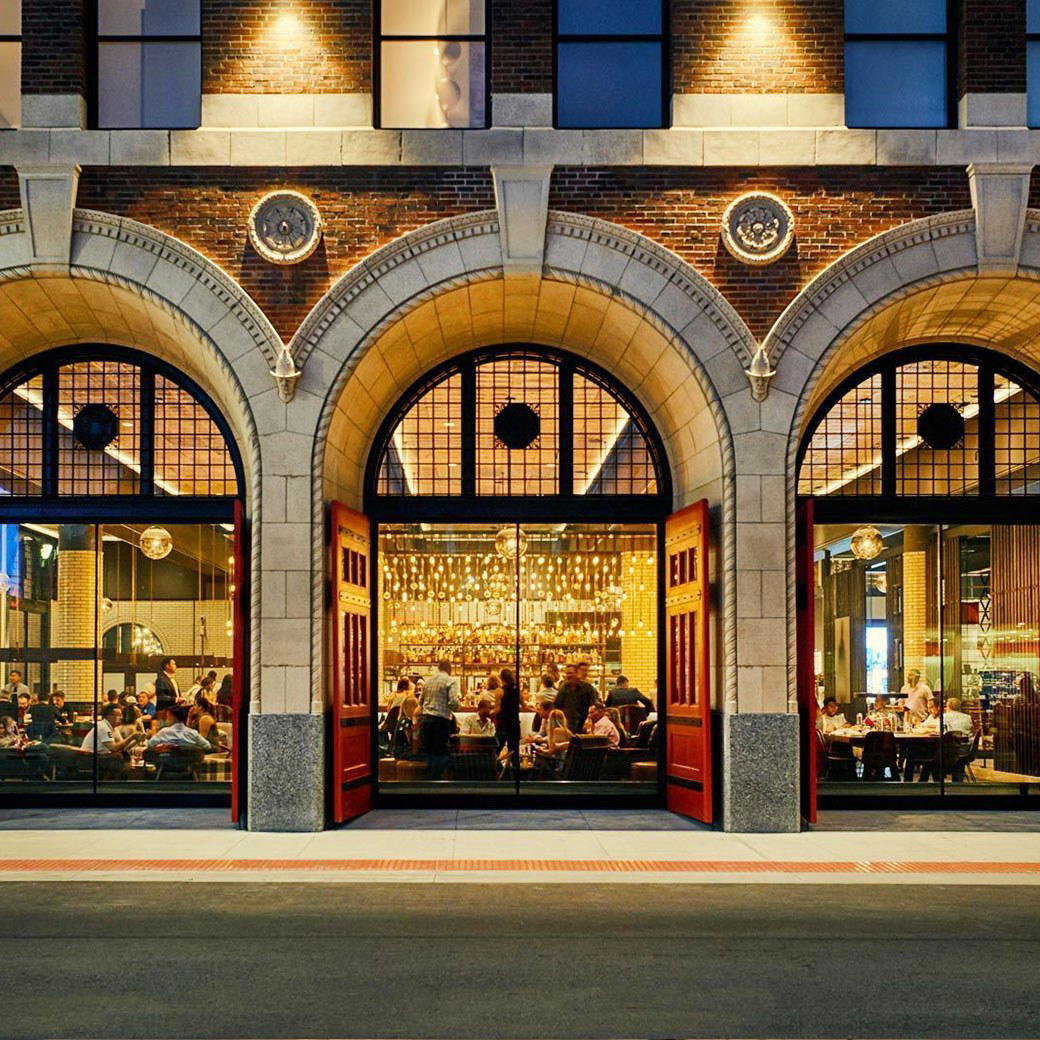
Urban-chic atmosphere in a shipping container food hall with a trendy, energetic vibe.