Cutter's Bar & Grill
Cutter's Bar & Grill occupies a spot in Detroit's Medick-Orleans corridor, a stretch where the city's industrial past and its current bar-and-grill revival overlap. The address on Orleans Street places it within reach of Eastern Market and the broader Rivertown scene, making it a practical stop for those moving between the city's more established dining and drinking nodes. Detroit's bar culture has shifted considerably in recent years, and Cutter's sits inside that evolution.
Pearl is the En Primeur Club membership app — saves, bookings, and concierge access live there. Same editors, same standards.
- Address
- 2638 Orleans St, Detroit, MI 48207
- Phone
- +1 313 393 0960
- Website
- cuttersdetroit.com
- Directions
- Get directions
 Saves & bookings on Pearl
Orleans Street and the Rivertown Corridor
Detroit's Rivertown district occupies a particular position in the city's ongoing reinvention. Stretching along the Detroit River between the Renaissance Center and Belle Isle, the corridor has historically housed a mix of light industry, warehouse conversions, and the kind of neighbourhood bars that predate the city's more recent wave of craft-led openings. Orleans Street, where Cutter's Bar & Grill sits at number 2638, runs through the middle of this zone, giving the area a character distinct from the polished cocktail programs of Midtown or the brewpub density of Corktown.
That neighbourhood context matters for understanding what a bar and grill in this location is doing. Rivertown operates at a different register from, say, the destination-bar tier occupied by venues in the New Center or the Woodward corridor. It's a working stretch of the city, and the bars that function well here tend to read the room correctly: approachable formats, grounded pricing, and a sense that the room exists for regulars as much as for visitors passing through from Eastern Market or the waterfront.
The comparison set in Detroit's current bar scene illustrates the range. On one end, wine-forward spaces like Chenin have built an audience around natural pours and a more self-consciously curated atmosphere. On the other, venues like Roar Brewing Co. and Full Measure Brewing Co. anchor themselves to craft beer production and the community that forms around taproom culture. Dirty Shake and Saksey's sit closer to the classic bar-and-cocktail format. Cutter's Bar & Grill on Orleans Street occupies a position in that broader spread, with the bar-and-grill format itself signalling a particular relationship with its neighbourhood rather than a pitch to a citywide destination audience.
What the Address Signals
In Detroit, as in most American cities with a complicated recent history, location carries weight that goes beyond proximity to transit or landmarks. The Orleans Street address places Cutter's in a part of the city that has seen slower redevelopment than the areas closer to Comerica Park or the Midtown hospital corridor. That slower pace cuts both ways: it has kept rents lower and maintained a demographic mix that the more aggressively developed zones have largely lost, but it also means the street-level experience is less polished and less predictable than what you find closer to the visitor-facing parts of Detroit.
For the bar-and-grill format specifically, that context is something of an advantage. The category works well when it doesn't have to perform or position itself against a competitive set that prizes cocktail innovation above all else. Bars in areas like Rivertown can focus on function, community, and consistency rather than on signalling membership in a particular scene. The neighbourhood provides a kind of institutional pressure that keeps the format honest.
Detroit's bar culture has shifted considerably over the past decade, with the downtown and Midtown areas drawing considerable attention from national publications and building a bar scene that competes seriously with Chicago, where venues like Kumiko have set a high bar for cocktail ambition, or New York, where Superbueno represents the technically sharp, culturally specific end of the spectrum. Detroit's most visible bar projects now sit in conversation with that national tier. What Orleans Street and its bar-and-grill operators represent is a different but equally legitimate part of the picture: the local infrastructure that makes a bar scene functional across an entire city rather than just its most photographed blocks.
The Bar-and-Grill Format in Context
The bar and grill as a category occupies an interesting position in American drinking and eating culture. It predates the craft cocktail movement by decades and, unlike the speakeasy revival or the wine-bar surge, has never gone through a period of critical reinvention that gave it new cultural cachet. What it has done is survive, largely because it solves a genuine problem: the need for a room where you can eat and drink without either function feeling like an afterthought.
Nationally, that format has been rethought in places like Houston, where Julep represents a Southern-inflected approach to the drinks-and-food combination, or in New Orleans, where Jewel of the South has done serious work to bring historical American bar traditions into a contemporary context. Closer to Detroit's geography, the bar-and-grill model tends toward a more unadorned version of itself: draft beer, direct spirits, food that supports drinking rather than competing with it for the diner's attention.
In that sense, the Orleans Street location of Cutter's fits the regional template. Rivertown's bar culture has always been more workmanlike than expressive, and the bar-and-grill format carries that tradition forward without requiring the kind of reinvention that more design-led or cocktail-focused venues demand of their operators.
Planning a Visit
Cutter's Bar & Grill sits at 2638 Orleans Street, Detroit, MI 48207, in the Rivertown corridor east of the Renaissance Center. The location makes it accessible from the riverfront and within reasonable distance of Eastern Market, which draws a significant weekend crowd to the eastern side of the city. For those exploring Detroit's bar scene more broadly, the Orleans Street location pairs naturally with nearby options: Atwater Brewery & Tap House is a Rivertown anchor with a long track record in the neighbourhood, and Andrews on the Corner offers another local-bar register within the same general corridor.
For those looking at the Corktown and downtown drinking circuit, 1459 Bagley St and 3Fifty Terrace represent the more refined and destination-oriented end of the Detroit bar spectrum. The EP Club full Detroit restaurants guide maps the broader scene for those building a multi-day itinerary.
Beyond Detroit, the bar-and-grill category connects to a wider conversation about American drinking culture. Bar Leather Apron in Honolulu and ABV in San Francisco show how the drinks-and-food combination gets handled at the more technically ambitious end of the market, while The Parlour in Frankfurt on the Main offers a European reference point for how bar culture and food service can coexist in a room without either compromising the other.
How Cutter's Bar & Grill Detroit compares with similar nearby venues.
| Venue | Cuisine |
|---|---|
| Full Measure Brewing Co. | brewery / pub food |
At a Glance
- Lively
- Energetic
- Cozy
- Casual Hangout
- Group Outing
- After Work
- Historic Building
- Seated Bar
- Classic Cocktails
- Craft Beer
Current opening hours
- Monday
- 11 AM–8 PM
- Tuesday
- 11 AM–11 PM
- Wednesday
- 11 AM–11 PM
- Thursday
- 11 AM–11 PM
- Friday
- 11 AM–2 AM
- Saturday
- 11 AM–2 AM
- Sunday
- Closed
Hours can change for holidays and private events. Last verified .
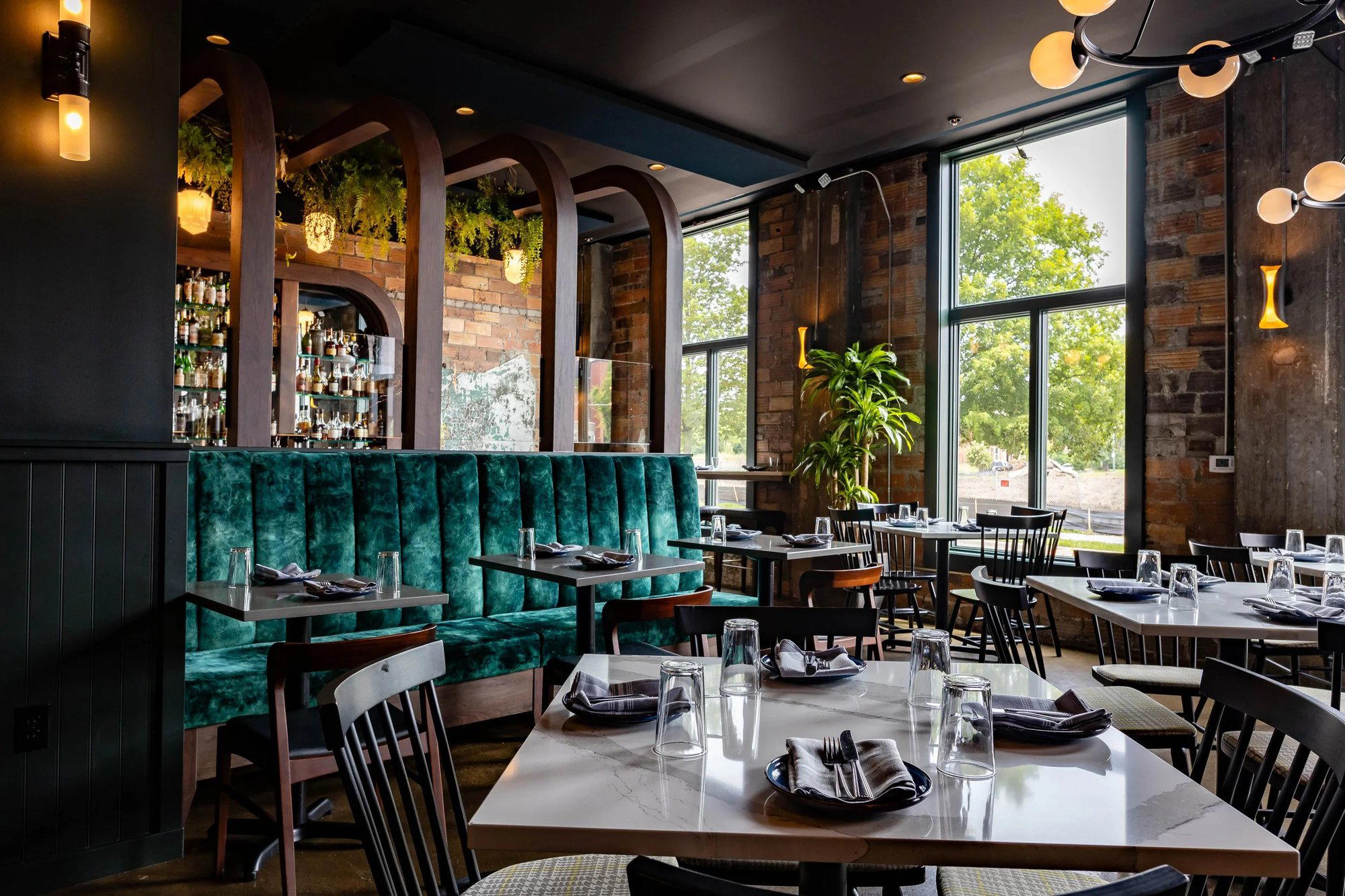
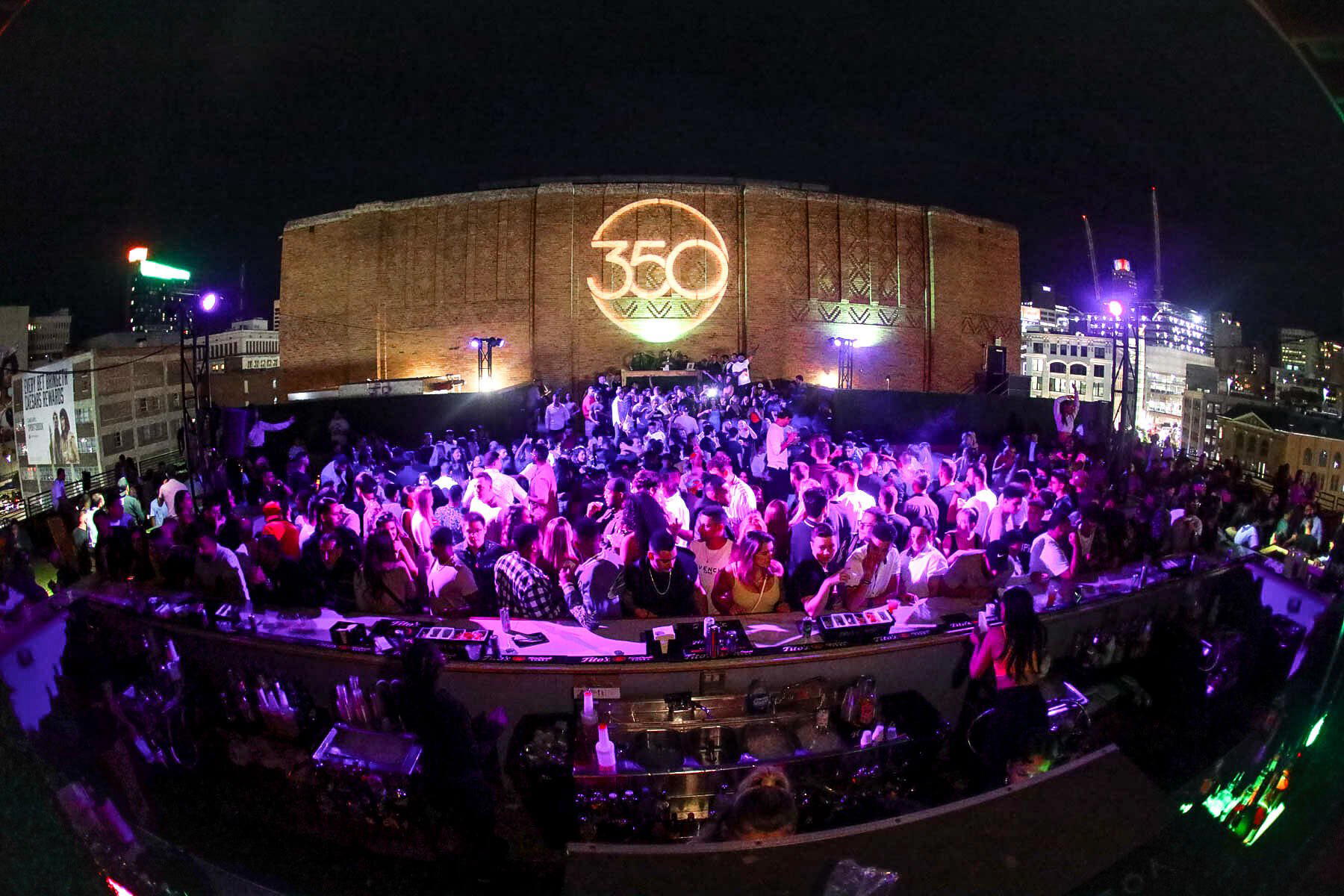
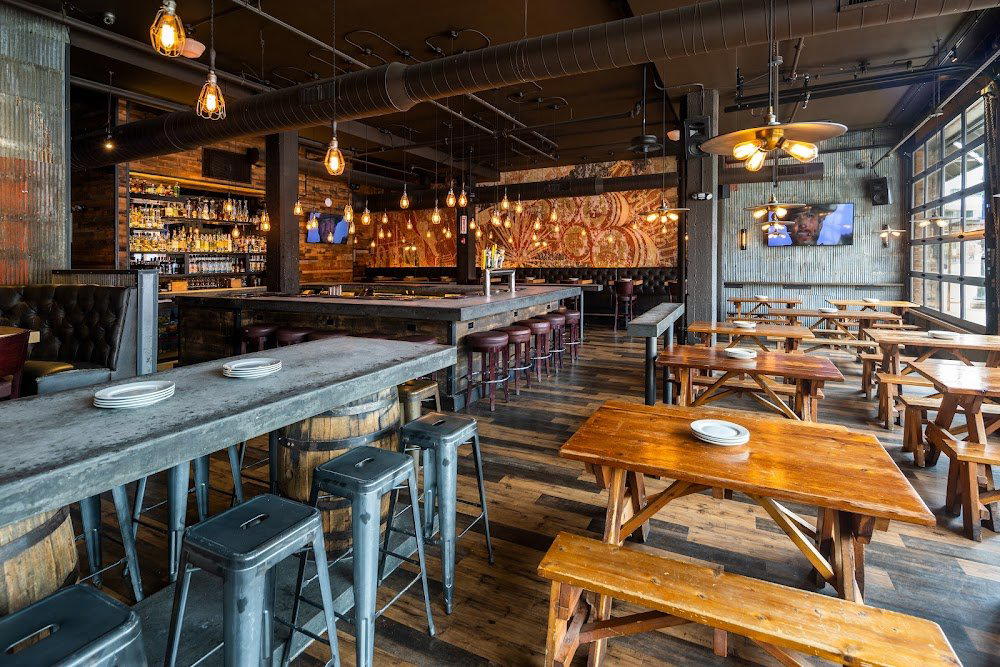
Lively and energetic with house music that gets people dancing, enthusiastic staff, and a fun neighborhood vibe.
Know Before You Go
- Getting there
- 2638 Orleans St, Detroit, MI 48207