Hula Grill Waikiki
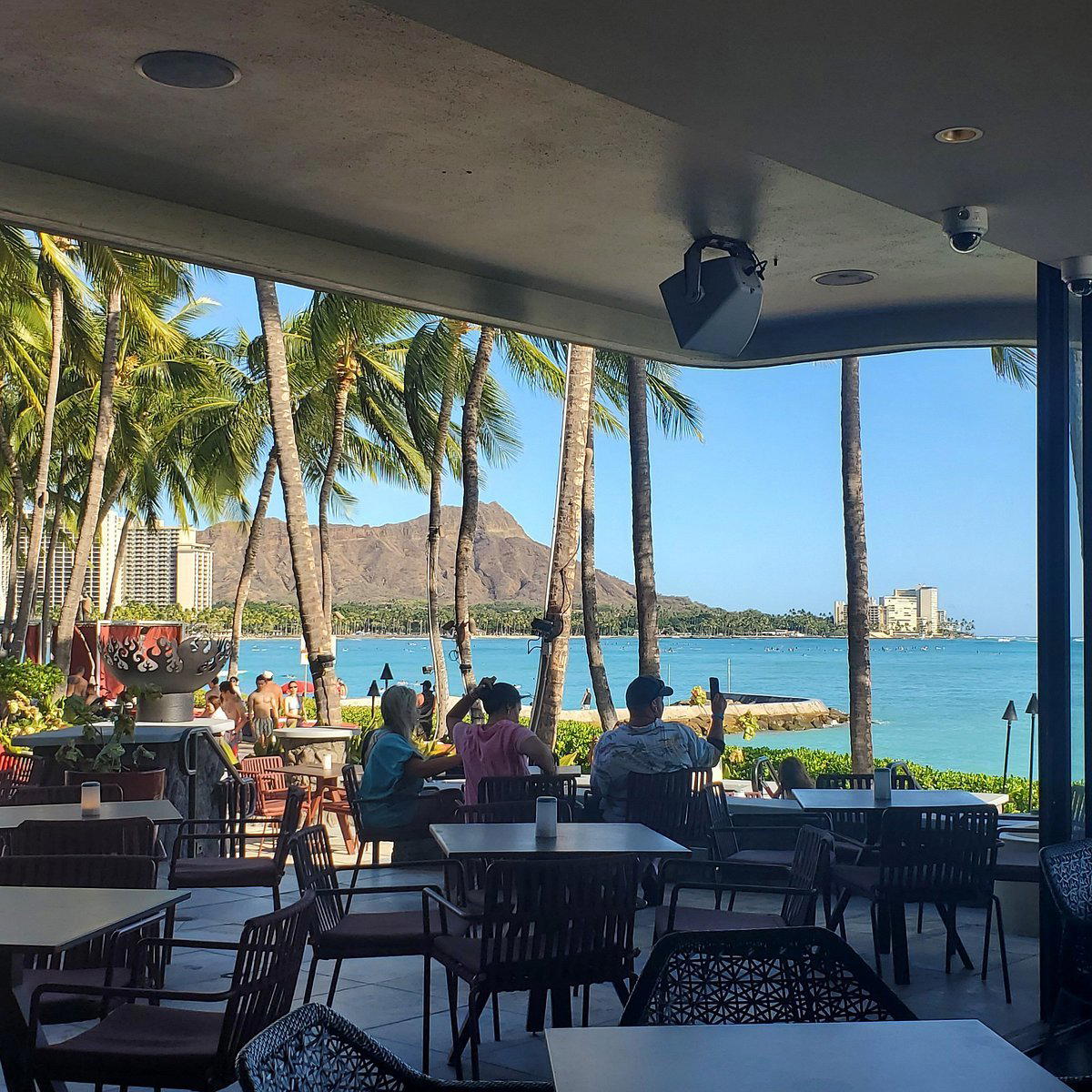
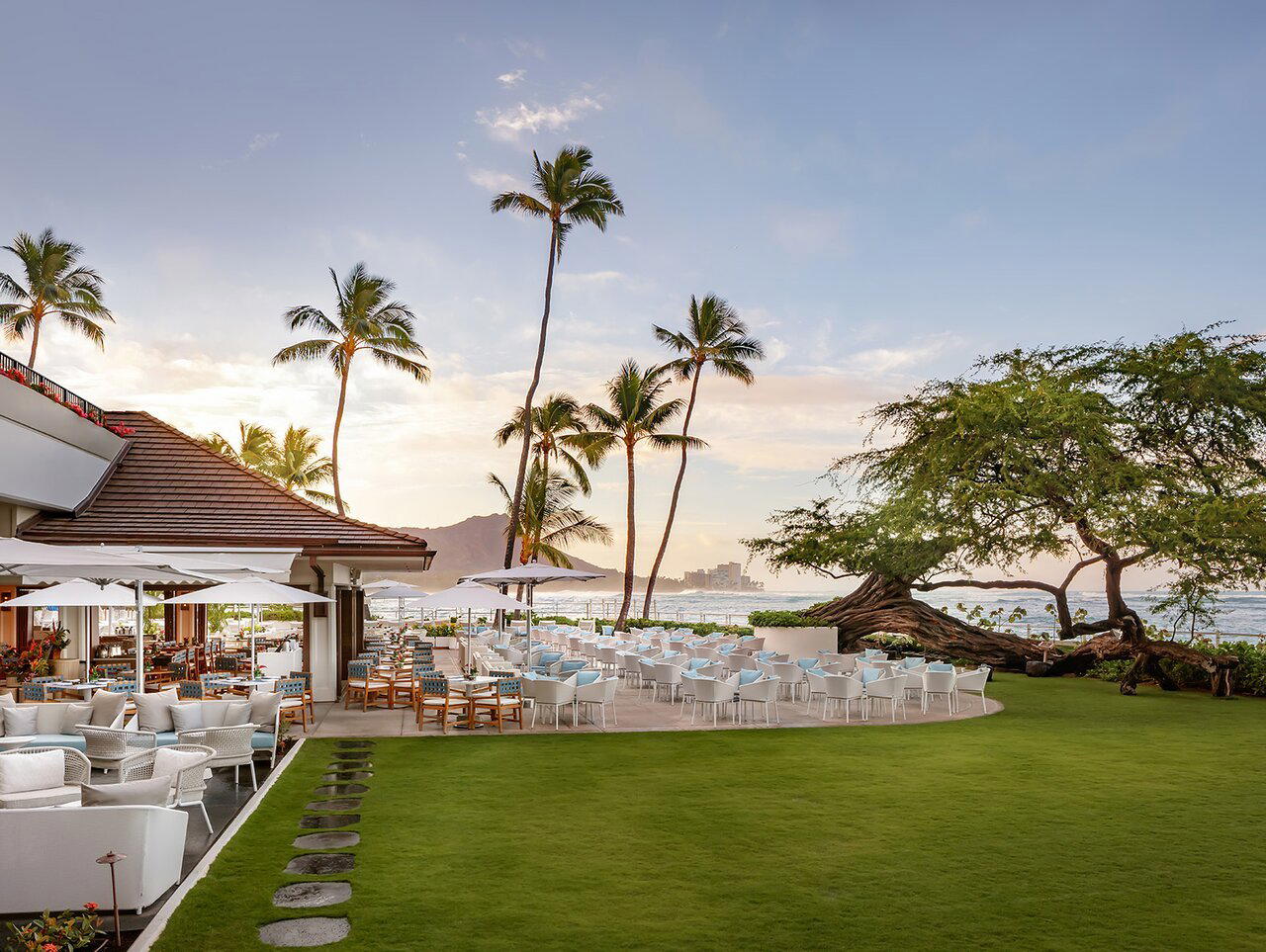
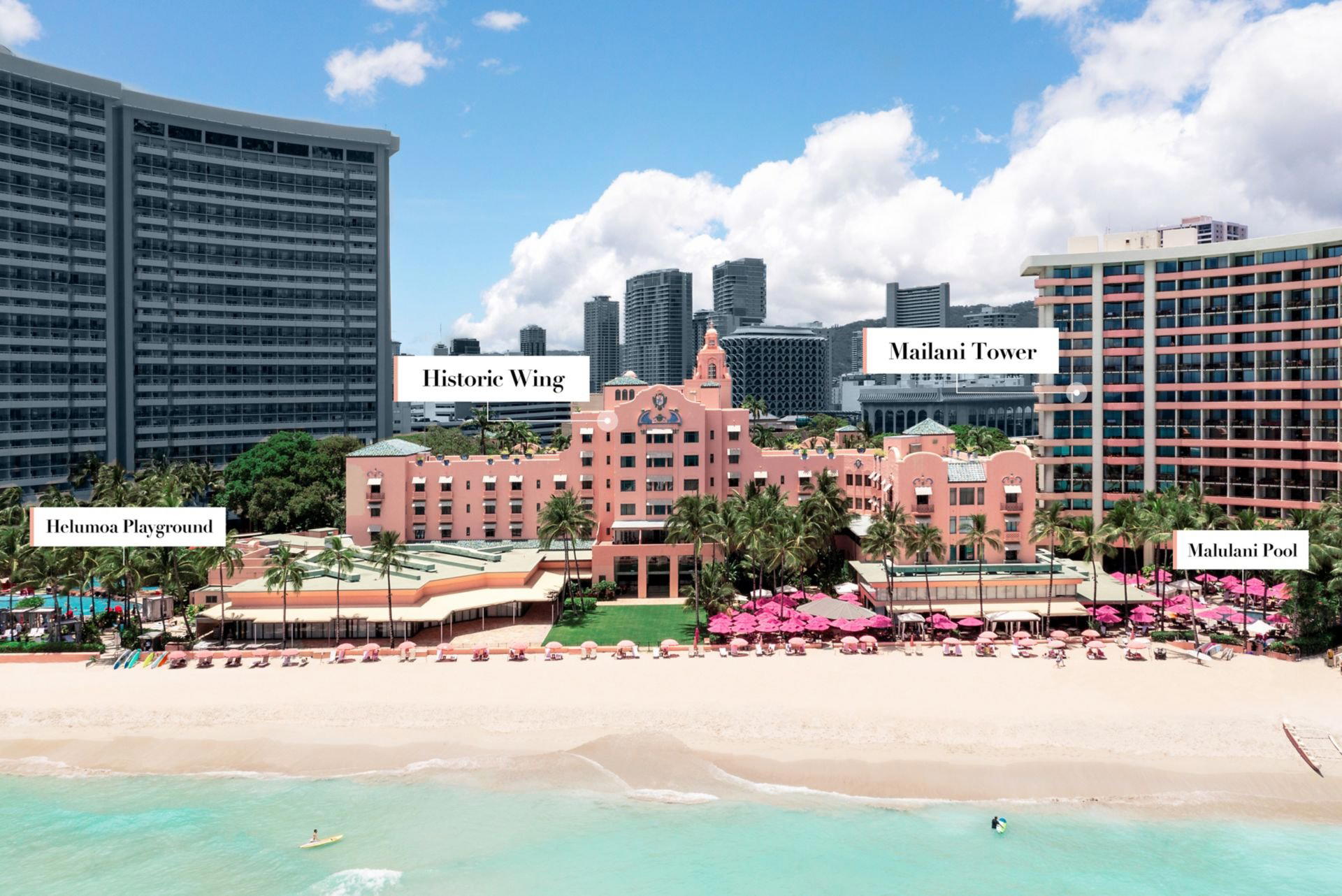
Set directly on Waikiki Beach along Kalākaua Avenue, Hula Grill Waikiki draws from Hawaii's deep tradition of open-air dining where the Pacific sets the pace and local ingredients anchor the menu. The format suits a long, unhurried meal rather than a quick stop, and its beachfront position places it in a specific tier of Honolulu dining where location and atmosphere carry as much weight as the food itself.
Pearl is the En Primeur Club membership app — saves, bookings, and concierge access live there. Same editors, same standards.
- Address
- 2335 Kalākaua Ave, Honolulu, HI 96815
- Phone
- +18089234852
- Website
- hulagrillwaikiki.com
- Directions
- Get directions
 Saves & bookings on Pearl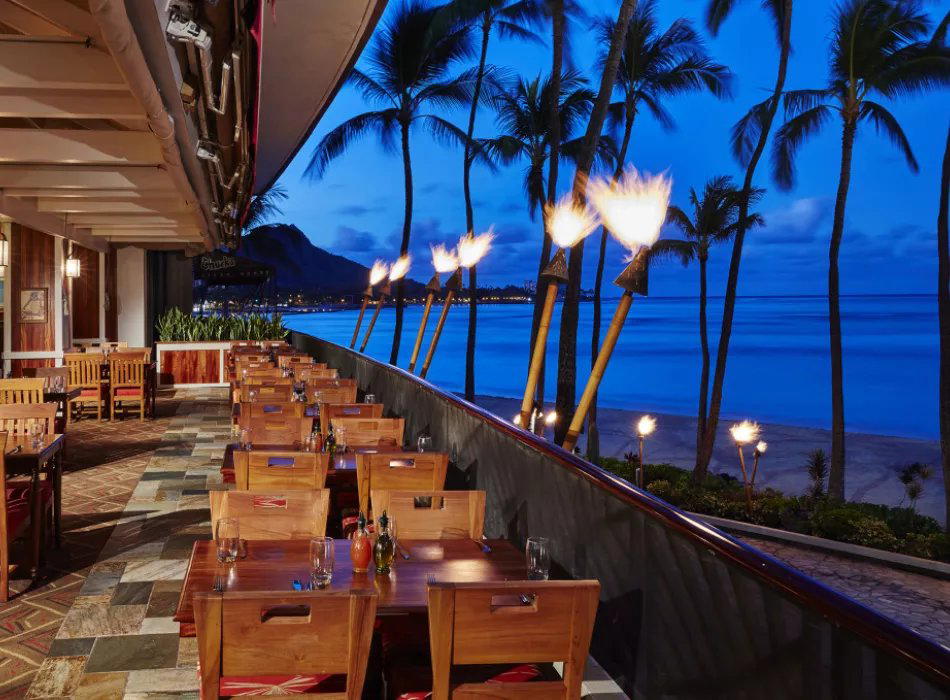
Where the Shoreline Becomes the Setting
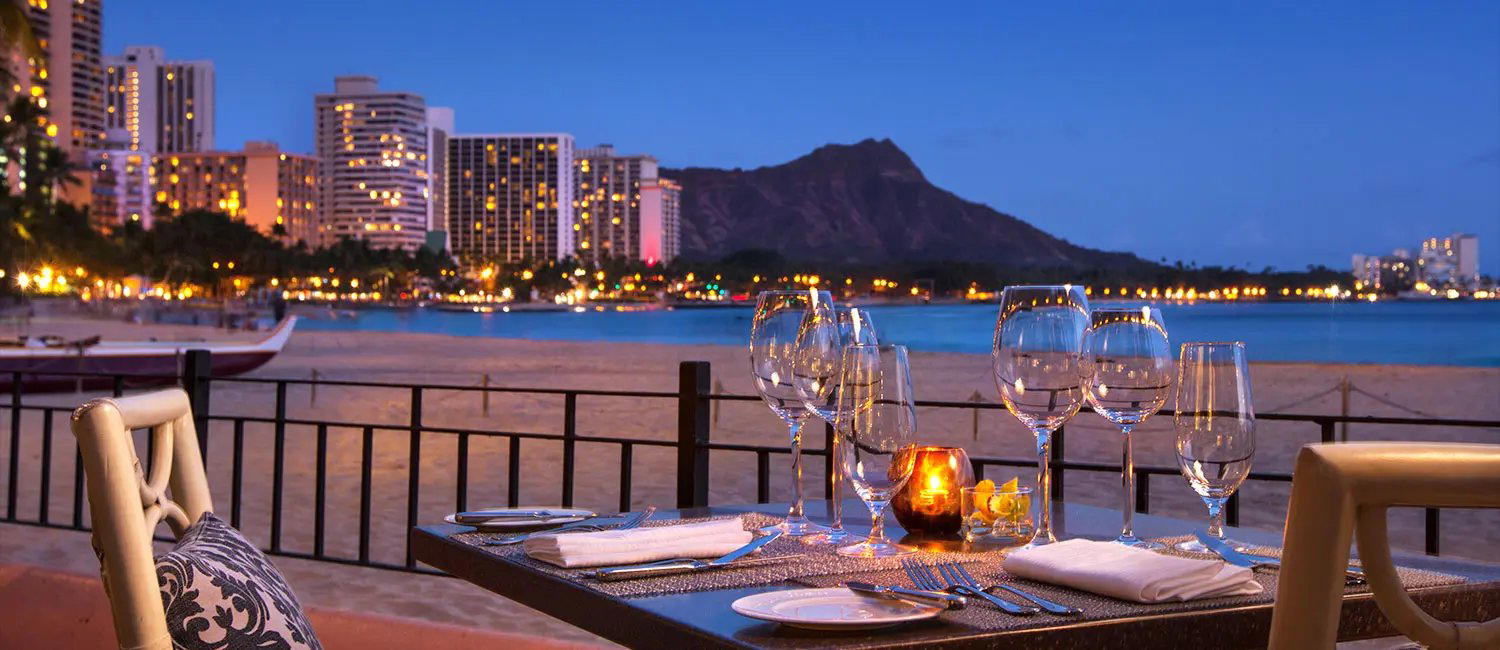
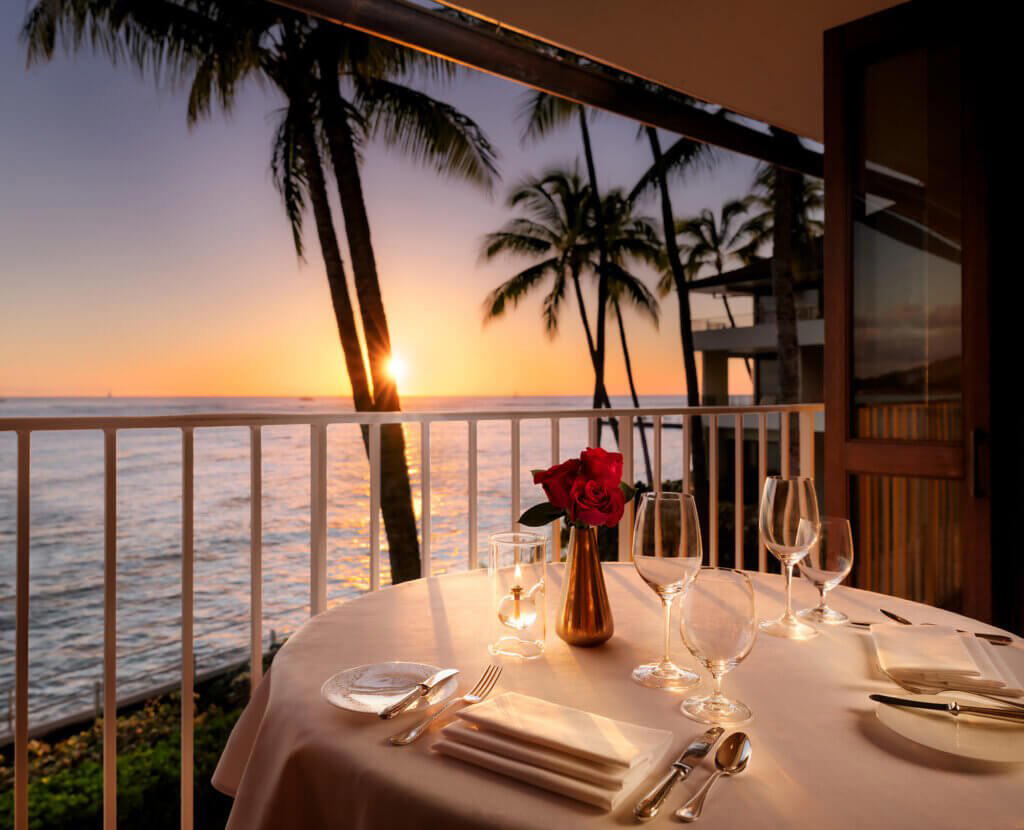
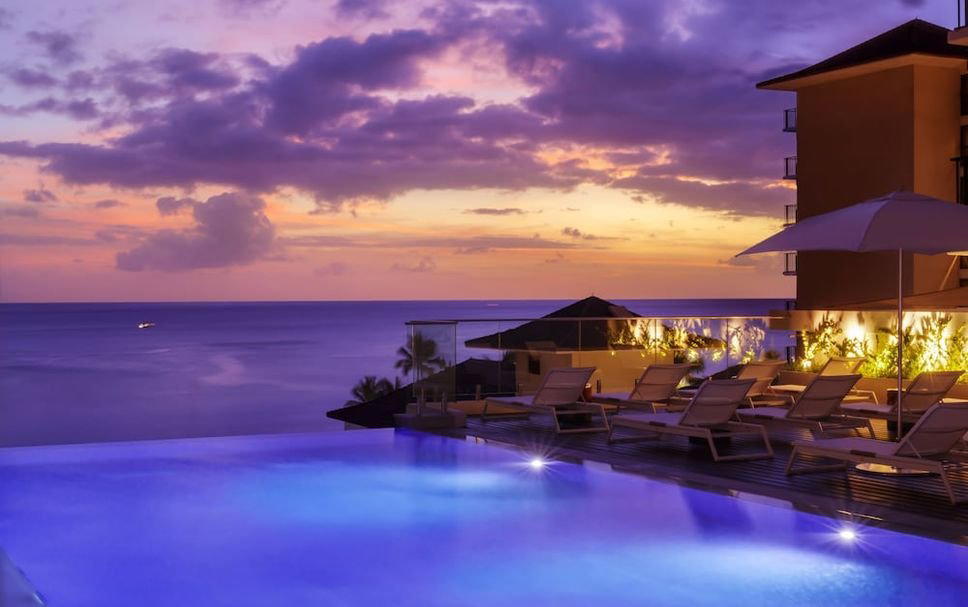
Dining on Waikiki Beach operates under conditions that most restaurant formats cannot replicate: the ambient roar of surf, the salt-heavy air, and a horizon that turns from pale gold to deep copper as an evening meal progresses. Hula Grill Waikiki is a restaurant serving Hawaii Regional Cuisine at 2335 Kalākaua Ave, Honolulu. Before a dish arrives at the table, the physical environment has already established expectations that no interior restaurant can easily match. That positioning shapes everything about how a meal here unfolds, sequentially, unhurriedly, in close conversation with the ocean outside.
This kind of beachfront format has its own logic in Honolulu. It sits apart from the formal dining rooms found further inland or in upper-floor hotel towers, and it sits apart, too, from the high-concept tasting menus that define the competitive set of places like 53 By The Sea or the New American precision of Fête. Hula Grill occupies a different register entirely: the long table, the view, the meal as event rather than exercise.
The Arc of a Meal: How the Progression Works
The editorial angle that makes beachfront dining in Hawaii coherent is the progression, not in the Michelin-counter sense of choreographed courses, but in the geographic and temporal sense. A meal here tends to open with something light and cold, the natural instinct when the temperature holds warm and the breeze off the Pacific keeps things comfortable. Hawaiian cuisine has a vocabulary for this: raw preparations influenced by Japanese fishing traditions that arrived with immigrant labour communities in the 19th century, fresh reef fish, and the clean acidity that comes from local citrus and sea salt.
The middle of the meal is where local ingredient logic tends to assert itself most clearly in Hawaiian cooking. The islands have limited agricultural land relative to their population, but what grows here, hearts of palm, taro, locally caught mahi-mahi and ono, Kona coffee, macadamia, carries distinct character from the volcanic soil and near-well-suited growing conditions. Restaurants at this location tier use those ingredients as markers of authenticity and sourcing commitment. The meal's arc builds through these mid-course elements before reaching the kind of finish that makes sense in this climate: something that acknowledges sweetness without overwhelming, often drawing on tropical fruit that the continental United States can only approximate through shipping.
This progression mirrors a broader pattern across Hawaii's better casual-fine dining options. Compare it with the more formal sequencing you'd find at tasting-menu-led venues like Lazy Bear in San Francisco or the precision architecture of Alinea in Chicago, and the contrast clarifies what Waikiki beachfront dining actually is: a format built on generosity and place, not on scarcity and technique.
Honolulu's Beachfront Dining Tier
Within Honolulu's restaurant spectrum, the beachfront position commands attention but also carries a specific set of trade-offs. Hula Grill Waikiki is recommended for reservations. Venues along Kalākaua Avenue serve a dining public that skews heavily toward visitors staying in the immediate hotel corridor, which means menus tend toward accessibility over provocation, and service models prioritise turnover and volume more than the extended pacing of a destination tasting room. That is neither a criticism nor a compliment, it is simply a structural reality of the format.
What separates the stronger beachfront options from the weaker ones in this neighbourhood is ingredient sourcing and kitchen discipline. Strong examples among them treat Hawaii's local producers seriously, use the location as a frame rather than a crutch, and pace the experience in a way that honours the setting. The worst coast on sunset views and serve food that could have been prepared anywhere. Hula Grill's longevity on Waikiki suggests it has maintained the former discipline across a dining corridor where many venues have cycled in and out.
For comparison within Honolulu, 3660 On the Rise represents a different tier entirely: further from the beach, more focused on technique, and drawing from a local repeat-customer base rather than a hotel-corridor visitor flow. The Ahaaina Luau operates at the cultural-performance end of Hawaiian dining, where the food is secondary to tradition and spectacle. Hula Grill sits between those poles, more casual than a destination chef's room, more serious than a luau, and anchored by the physical fact of the beach itself.
Placing Hula Grill in a Wider American Context
Hawaii's dining scene is sometimes misread as a subset of California cuisine, which undersells its genuine distinctiveness. The Japanese, Korean, Filipino, and Polynesian culinary traditions that have shaped local food culture produce something different from the farm-to-table paradigm that dominates the Bay Area or the luxury-ingredient formalism of venues like The French Laundry in Napa or Providence in Los Angeles. Closer analogues, in terms of the ease and informality of a high-quality beachfront meal, might be found in coastal dining formats rather than in the technique-first rooms of Blue Hill at Stone Barns or the refined precision of Addison in San Diego.
The comparison set that actually helps a reader calibrate Hula Grill is not the tasting-menu circuit, it is the broader category of American restaurants where place and ingredient sourcing do the heavy lifting, and where the meal is designed to feel effortless rather than engineered. Places like Emeril's in New Orleans operate with a similar logic: city identity, local produce, and a format built for guests who want to eat well without a dress code and a sommelier hovering at every pour.
Planning and Practical Considerations
The Kalākaua Avenue address puts the restaurant within walking distance of the main Waikiki hotel corridor. The dress code is smart casual.
Recognition Snapshot
Comparable venues nearby, for context on price, style, and recognition.
| Venue | Cuisine | Price | Notes |
|---|---|---|---|
| Hula Grill WaikikiThis venue — the venue you are viewing | Hawaii Regional Cuisine | $$$ | Not listed |
| Kyung's Seafood | Korean Seafood | $$ | Makiki Ako |
| 53 By The Sea | Hawaii Regional Cuisine | $$$$ | Kakaako |
| Little Joe's Steakhouse | Classic American Steakhouse | $$$ | Chinatown |
| Tamashiro Market | Hawaiian Seafood Market & Poke | $$ | Kalihi-Palama |
| Deck. | Hawaiian-Pacific Grill | $$$ | Diamond Head |
At a Glance
- Scenic
- Romantic
- Elegant
- Lively
- Date Night
- Group Dining
- Celebration
- Special Occasion
- Waterfront
- Live Music
- Open Kitchen
- Panoramic View
- Hotel Restaurant
- Craft Cocktails
- Beer Program
- Farm To Table
- Local Sourcing
- Sustainable Seafood
- Waterfront
Current opening hours
- Monday
- 7 AM–10 PM
- Tuesday
- 7 AM–10 PM
- Wednesday
- 7 AM–10 PM
- Thursday
- 7 AM–10 PM
- Friday
- 7 AM–10 PM
- Saturday
- 7 AM–10 PM
- Sunday
- 7 AM–10 PM
Hours can change for holidays and private events. Last verified .
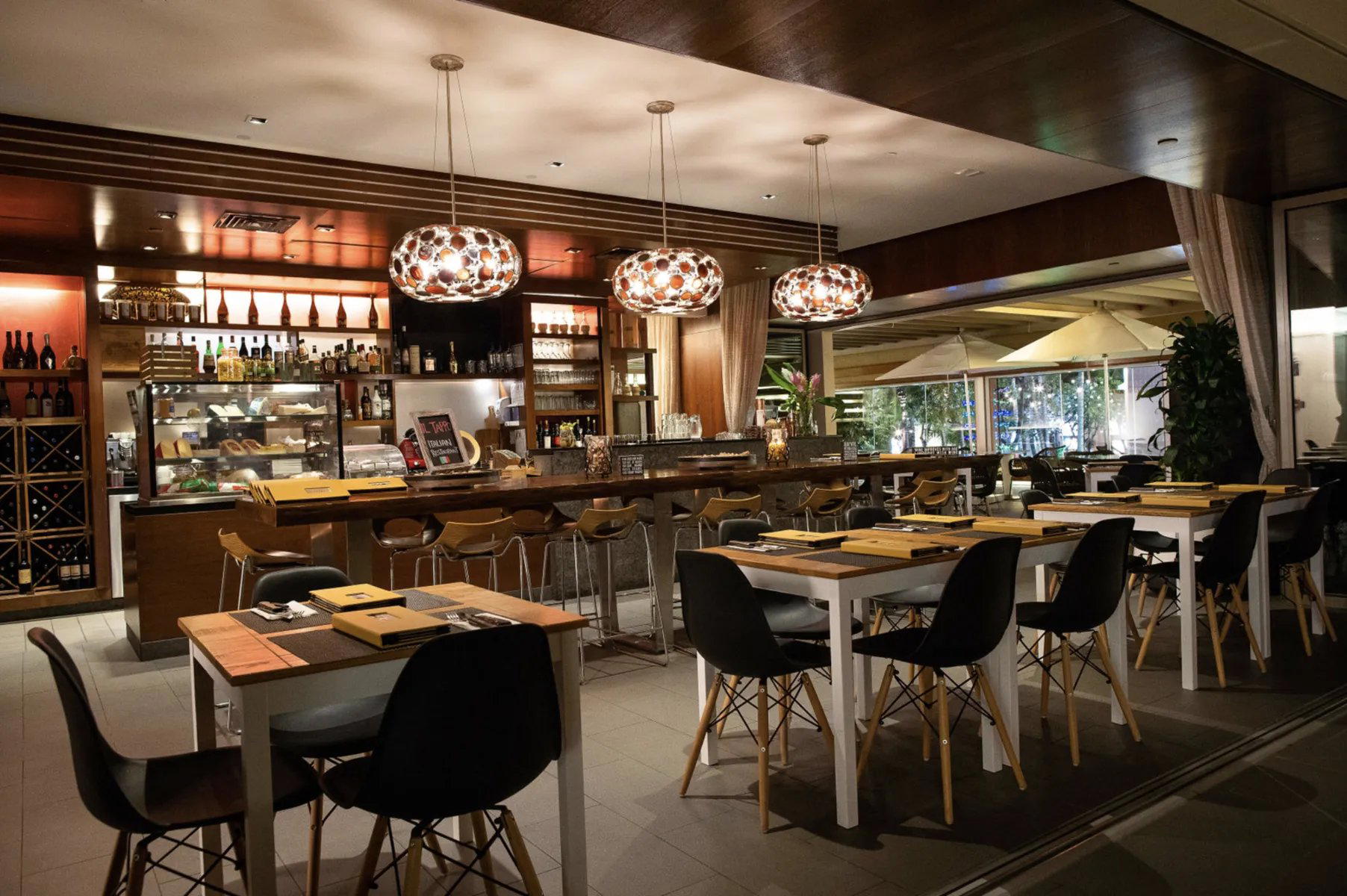
Relaxed, casual island atmosphere with open-air oceanfront dining overlooking the beach, gentle waves, and live Hawaiian entertainment from 7-9 PM daily.