Google: 4.4 · 326 reviews
Hui Tou Xiang
Hui Tou Xiang is a San Gabriel institution serving northern Chinese dumplings and wheat-based dishes rooted in the culinary traditions of China's Hebei and Beijing regions. The restaurant sits within the San Gabriel Valley's dense concentration of regional Chinese cooking, where hand-folded dough and slow-braised fillings define the menu. Walk-in dining is the norm here, with a practical, no-frills format that keeps focus squarely on the food.
 Discover on Pearl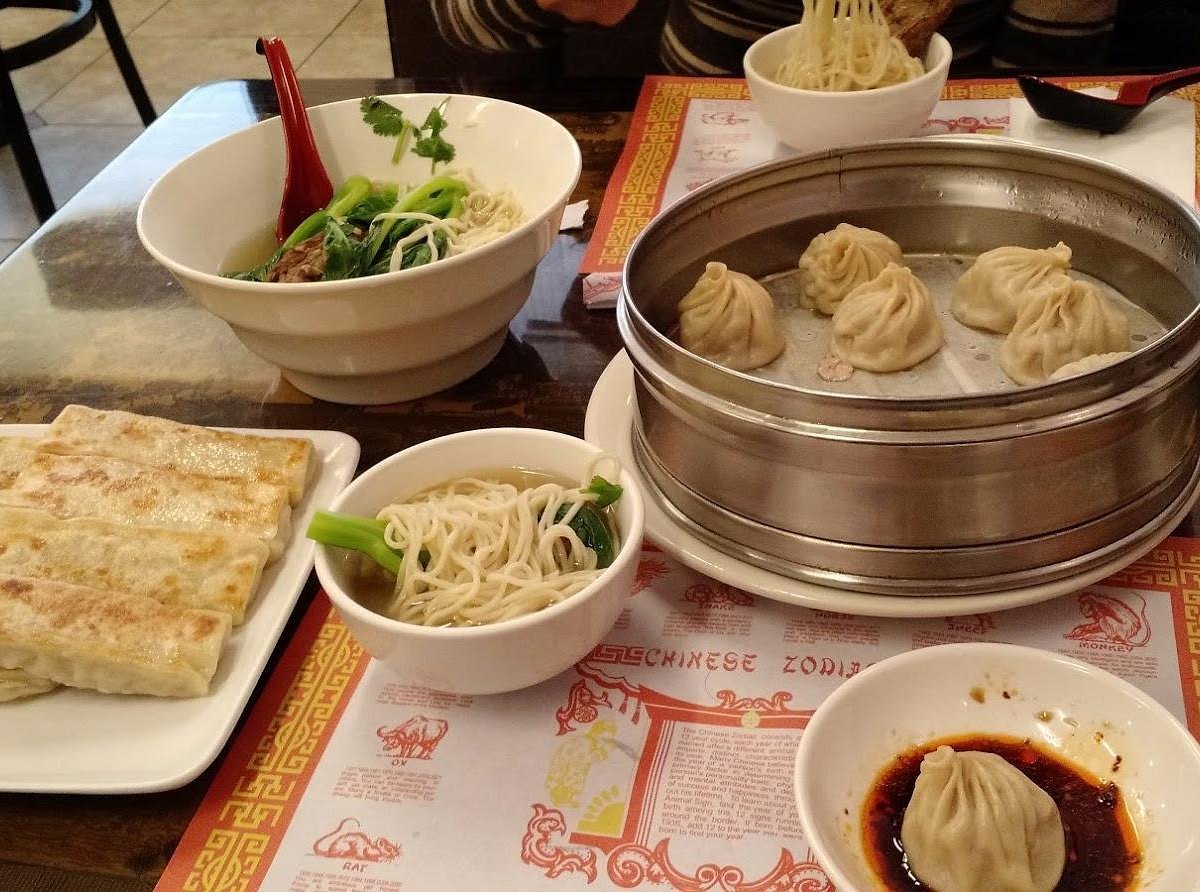
Where Northern Chinese Wheat Culture Meets the San Gabriel Valley
San Gabriel's Garfield Avenue corridor and its surrounding blocks form one of the most concentrated zones of regional Chinese cooking outside mainland China. Within that geography, northern Chinese wheat-based cooking occupies a specific and underrepresented niche. Most of the San Gabriel Valley's reputation rests on Cantonese seafood and Sichuan heat — venues like Newport Tan Cang Seafood Restaurant anchor the Cantonese end of that spectrum — but the northern tradition of hand-folded dumplings, pan-fried buns, and braised wheat dishes tells a different story about Chinese regional identity.
Hui Tou Xiang sits inside that northern tradition. The name itself signals the category: hui tou xiang translates roughly to a style of braised, filled bun associated with Beijing and Hebei cooking, dishes built around seasoned meat and vegetable fillings wrapped in leavened or unleavened dough. This is not the dim sum format of the south, with its bamboo steamers and rolling carts, but a more austere, direct style of eating where the dough-to-filling ratio and the quality of the braise define the experience.
The Cultural Argument for Northern Dumplings
Northern Chinese wheat cooking has deep roots in agricultural necessity. The wheat-growing plains of Hebei, Shanxi, and Shandong provinces sustained populations on noodles, flatbreads, and filled doughs long before rice became a national staple. Dumplings in this tradition are not appetizers or side dishes; they are the meal, and the fillings shift with season and household preference. Pork and cabbage is the canonical combination, but lamb with spring onion, fennel seed with minced pork, and egg with chive all have legitimate regional standing.
The San Gabriel Valley became a landing point for this tradition through successive waves of immigration from northern China and Taiwan, the latter carrying its own interpretation of mainland northern cooking. What makes the valley's northern Chinese restaurants worth attention is that they serve a community with direct memory of the source material, which keeps quality signals honest. A poorly made jiaozi or a tough hui tou bun will not survive in a room where half the diners grew up eating the real thing.
For international comparison, the northern Chinese dumpling tradition occupies a different register than the technically driven tasting menus that define the upper end of Western fine dining. Venues like Le Bernardin in New York City or Alinea in Chicago operate on a logic of elaboration and technique display. Northern dumpling houses operate on the opposite principle: restraint, repetition, and the discipline of a single category executed consistently over years. The two traditions are not in competition, but understanding the difference clarifies what you are evaluating when you sit down at a place like Hui Tou Xiang.
What the San Gabriel Context Tells You
The San Gabriel Valley's restaurant density means that mediocre regional Chinese cooking does not last long. The customer base is sophisticated, linguistically specific, and largely unmoved by presentation flourishes. A restaurant that draws repeat business in this environment is doing something right at the product level, even if it is not accumulating the kind of press coverage that attaches to venues in, say, downtown Los Angeles.
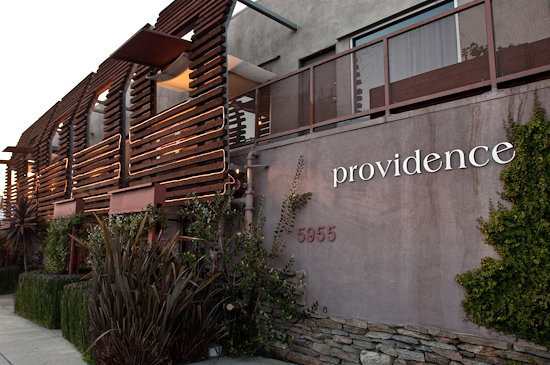
That dynamic is worth placing against the broader California dining conversation. Providence in Los Angeles operates in a different tier and a different genre, but both venues are answering the same underlying question: what does this city's dining culture actually contain? The answer is more varied than any single fine-dining corridor can represent. Golden Deli anchors the Vietnamese side of San Gabriel's identity. Hui Tou Xiang does equivalent work for the northern Chinese side of it.
Visitors arriving from the west side of Los Angeles or from further afield should understand that San Gabriel's dining geography rewards some advance orientation. Our full San Gabriel restaurants guide provides neighbourhood-level context that makes individual restaurant choices more legible. The valley is not a single district but a set of overlapping corridors, each with its own character and concentration of cuisines.
Format, Occasion, and Planning
Northern Chinese dumpling restaurants in this tier operate without the booking infrastructure of formal dining. Walk-in is the standard approach, and peak weekend lunch and dinner periods draw queues. The format is casual and fast-moving: order by the dish or by the portion, expect a utilitarian room where turnover is fast and the dining experience is measured in food quality rather than ambient theatre. This is not the setting for a long evening of wine pairings, but it is exactly the right setting for eating well and cheaply in a tradition that has fed northern China for centuries.
For those building a broader San Gabriel itinerary, the valley's offer extends well beyond restaurants. Our full San Gabriel hotels guide, bars guide, wineries guide, and experiences guide map the valley's full range. For those cross-referencing the California fine-dining circuit more broadly, Lazy Bear in San Francisco, Single Thread Farm in Healdsburg, and The French Laundry in Napa anchor the tasting-menu end of the state's dining spectrum, while places like Hui Tou Xiang represent the other pole: specific, community-rooted, and operating on a logic that has nothing to do with Michelin recognition.
For context on how Korean and other Asian-American fine dining has evolved elsewhere, Atomix in New York City and 8½ Otto e Mezzo Bombana in Hong Kong show what happens when Asian culinary traditions intersect with formal Western dining structures. Hui Tou Xiang makes no such negotiation. It operates entirely within its own tradition, which is its clearest credential.
Price and Recognition
A fast peer set for context, pulled from similar venues in our database.
| Venue | Price | Awards | Notes |
|---|---|---|---|
| Hui Tou Xiang | This venue | ||
| Le Bernardin | $$$$ | Michelin 3 Star | French, Seafood, $$$$ |
| Atomix | $$$$ | Michelin 2 Star | Modern Korean, Korean, $$$$ |
| Lazy Bear | $$$$ | Michelin 2 Star | Progressive American, Contemporary, $$$$ |
| Alinea | $$$$ | Michelin 3 Star | Progressive American, Creative, $$$$ |
| Masa | $$$$ | Michelin 3 Star | Sushi, Japanese, $$$$ |
Continue exploring
More in San Gabriel
Restaurants in San Gabriel
Browse all →
Bars in San Gabriel
Browse all →
Hotels in San Gabriel
Browse all →
Wineries in San Gabriel
Browse all →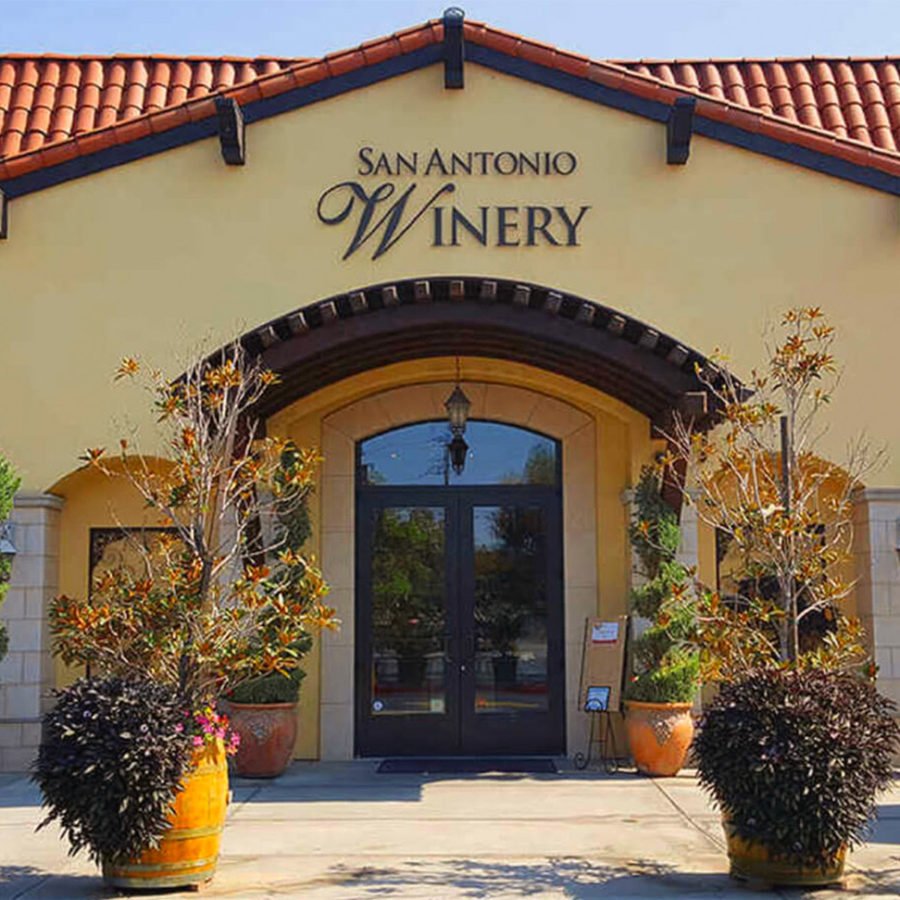
At a Glance
- Hidden Gem
- Cozy
- Casual Hangout
- Family
- Open Kitchen
Casual hole-in-the-wall spot with simple interior, quick service, and complimentary spicy kimchi.