Hugo's



James Beard Award Semi Finalist · Wine Spectator Award of Excellence
Our verdict
Hugo's has anchored Houston's serious Mexican dining scene from its Montrose address on Westheimer Road for long enough that its absence would leave a gap few restaurants could fill. The room draws a crowd that spans longtime regulars and first-time visitors, and the wine program applies the same depth of thought to its list that the kitchen brings to its regional Mexican framework.

Pearl is the En Primeur Club membership app, where members save venues, book tables and use the concierge.
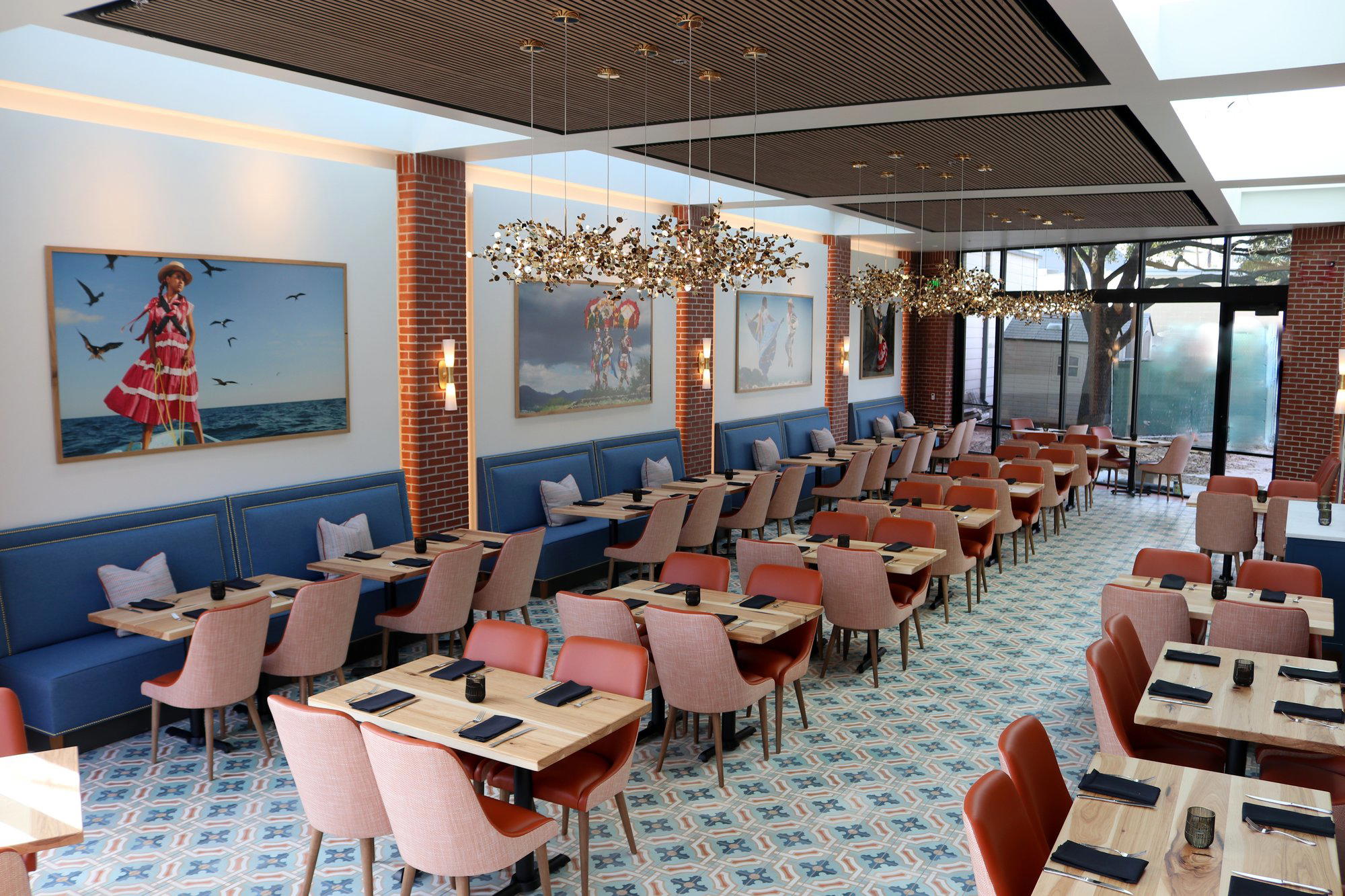
Westheimer, Montrose, and What a Mexican Restaurant Can Carry
Montrose is the neighborhood where Houston's dining ambitions have historically landed before they spread outward. Westheimer Road runs through it with the kind of density that rewards slow walking: independent wine bars, chef-driven kitchens, and a handful of restaurants that have earned standing over years rather than press cycles. Hugo's, at 1600 Westheimer, sits inside that longer tradition. It is not the newest entry on the street, and that is precisely the point. In a city where turnover is fast and novelty commands attention, the restaurants that hold ground across seasons tend to do so because they offer something the market cannot easily replicate.
Houston's Mexican restaurant tier has expanded considerably over the past decade. At the accessible end, taqueria-format operations and fast-casual concepts have multiplied. At the far end of the price spectrum, masa-focused tasting menus like Tatemó have introduced a new register of ambition to the category. Hugo's operates in the middle ground that requires the most discipline: full-service, regionally grounded Mexican cooking with a room large enough to seat a varied clientele and a wine list serious enough to anchor an evening around the bottle rather than the cocktail.
The Wine Argument at Hugo's
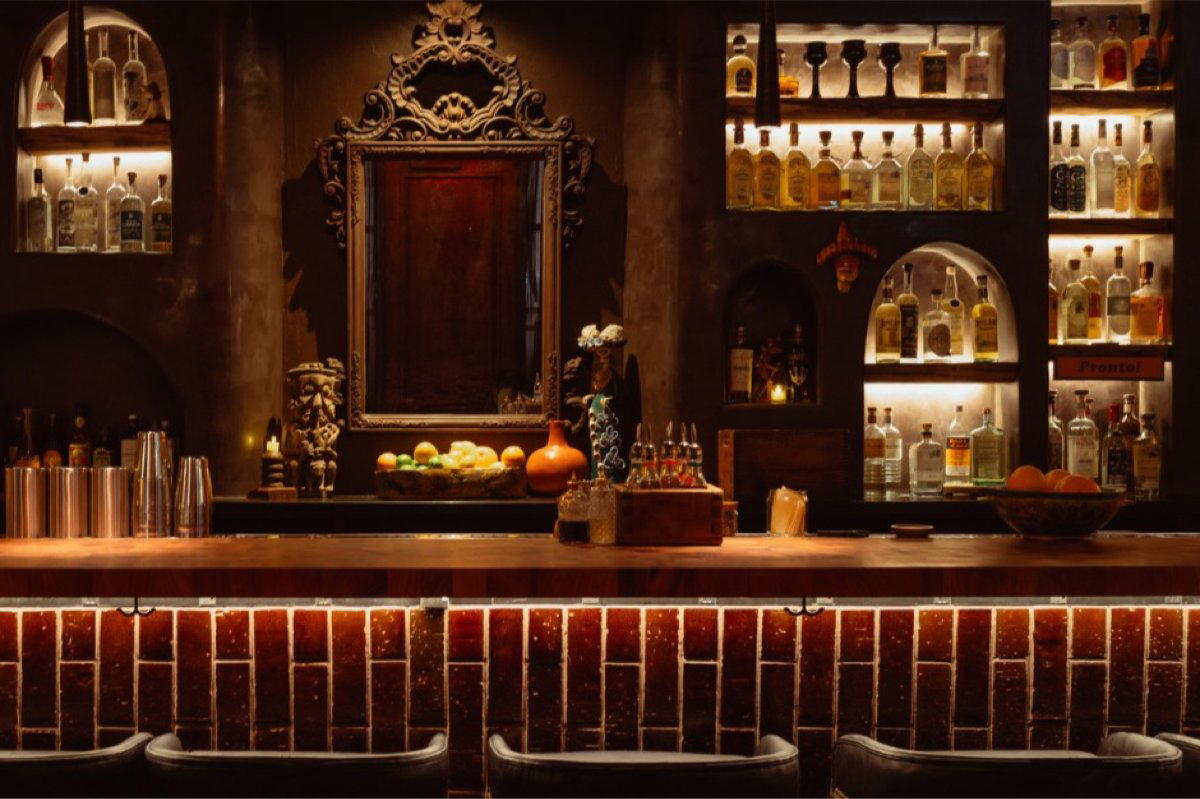
The editorial case for discussing Hugo's through the lens of its wine program is not arbitrary. Regional Mexican cuisine, particularly when it draws on the complexity of mole, slow-braised proteins, and acid-forward preparations built on citrus and chiles, creates a pairing environment that demands more from a list than most Mexican restaurants have historically offered. The conventional move is to default to margaritas and short, imported-beer-heavy drink menus. The harder work is building a cellar that converses with the food.
Houston's better dining rooms have increasingly understood this. March, with its Venetian framework and $$$$ positioning, carries a wine program that treats the list as a co-equal to the kitchen. Le Jardinier Houston applies French technique to both plate and cellar. What Hugo's does within the Mexican register is comparable in intent, if different in expression: it asks the list to meet the cuisine rather than to exist alongside it as an afterthought.
Mexican cuisine's relationship with wine pairing has a logic that rewards attention. Mole negro, for instance, with its layered chile base, chocolate undertones, and deep savory finish, pulls toward medium-bodied reds with enough structure to hold against that weight without overwhelming the dish's subtlety. Acid-driven preparations, ceviches, escabeches, anything built around bright citrus or tomatillo, tend to find their leading companions in high-acid whites, whether that is a dry Riesling, a Grüner Veltliner, or an unoaked Spanish white. A wine program that has thought through those alignments shifts the dining experience from a series of individual decisions to a composed evening.
The Room and How It Reads
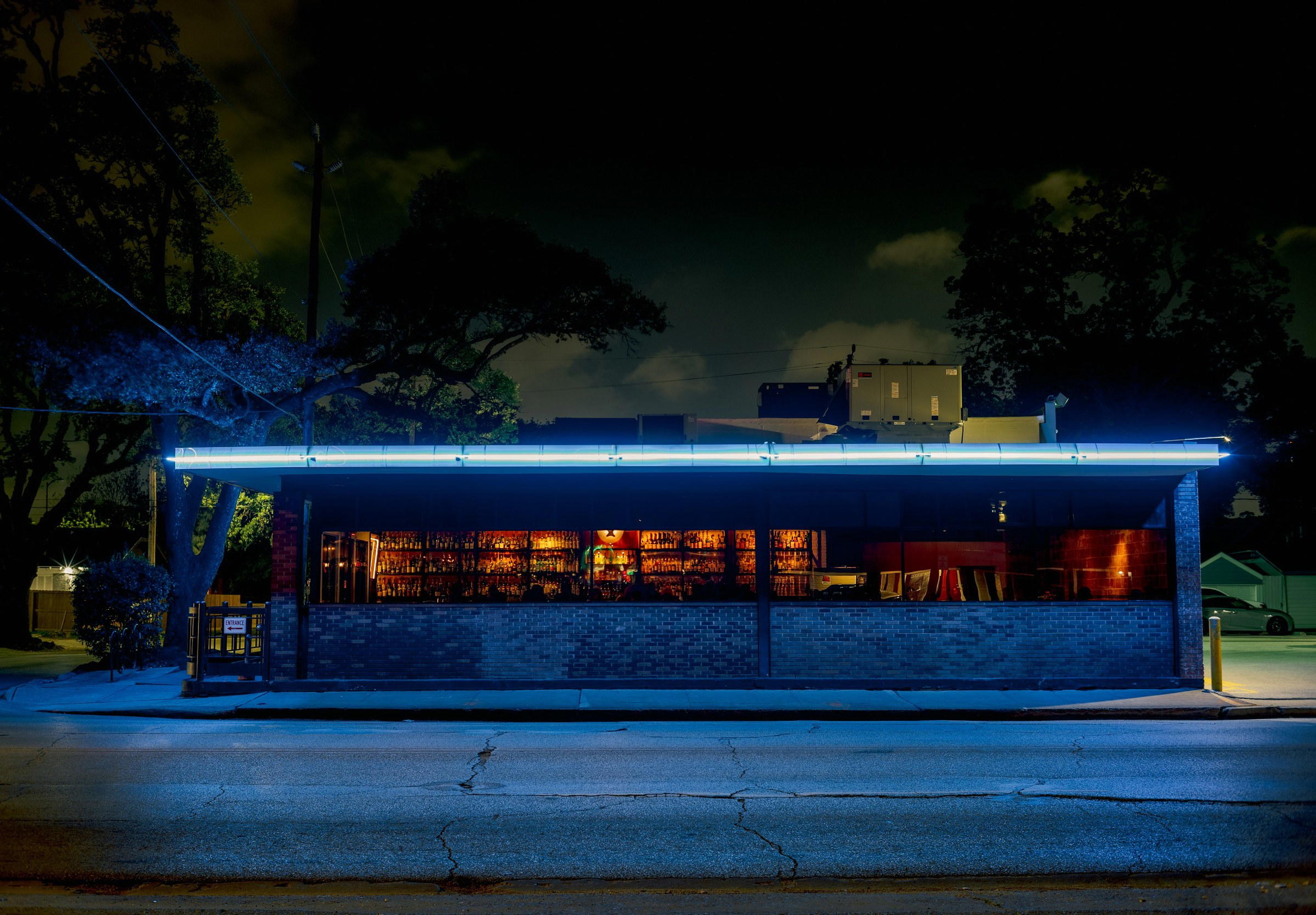
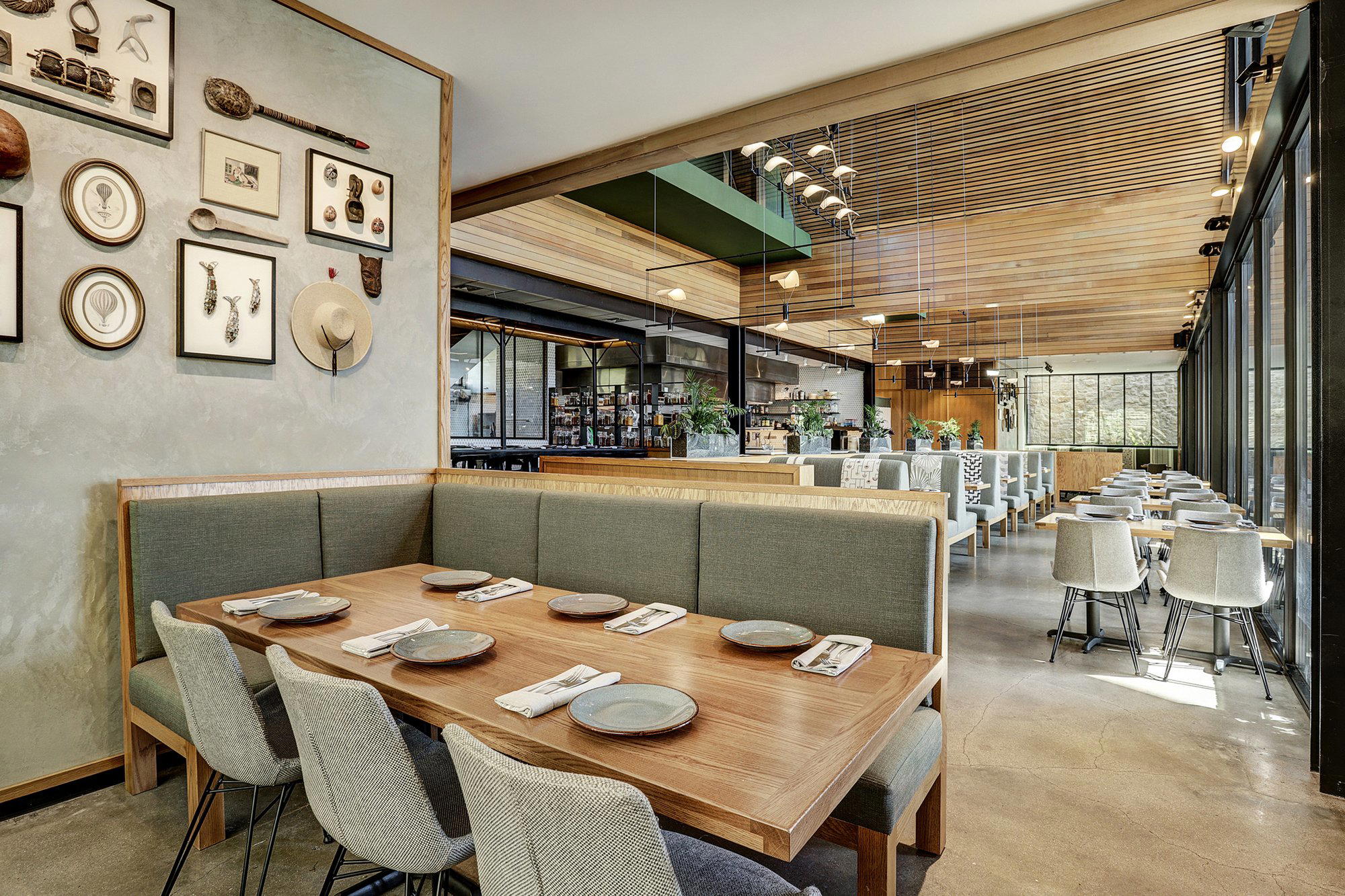
Approaching Hugo's from Westheimer, the physical cues are those of a room that takes itself seriously without performing seriousness. Montrose blocks tend toward the unpretentious, and the exterior here does not announce itself with the theatrical restraint that marks some of Houston's higher-price dining rooms. Inside, the atmosphere is warmer than formal: this is a restaurant where tables are booked for birthdays and for Tuesday nights in more or less equal measure, where the bar section carries its own energy, and where the noise level reflects occupancy rather than acoustical engineering designed for quiet intimacy.
That positioning is worth stating plainly because it matters for how you plan the evening. This is not a counter-seating, chef-table experience of the kind that Musaafer or Houston's omakase tier provides. It is a full-service room with enough scale to absorb a mixed crowd, which is both its accessibility and the source of whatever ambient noise a quieter dinner-seeker might want to account for.
Placing Hugo's in Houston's Broader Table
Houston's serious dining has expanded in range and ambition to a degree that places it in conversations with cities that have longer fine-dining histories. BCN Taste & Tradition holds the Spanish end of the market with considerable depth. The French tradition finds a local interpreter at Le Jardinier Houston. What Houston has been building, across these and other addresses, is a tier of cuisine-specific restaurants that operate with the discipline and sourcing seriousness that once required a trip to New York or San Francisco.
Nationally, the reference points for that level of intent in a regional-American fine-dining context include rooms like Le Bernardin in New York City, Providence in Los Angeles, and Blue Hill at Stone Barns in Tarrytown, each of which has made a case for cuisine-driven ambition within a specific culinary tradition. Hugo's participates in that broader argument from the Mexican end of the table, in a city where the Mexican dining tradition has deep community roots and a growing critical infrastructure to match.
For readers building a Houston itinerary around serious restaurant visits, the full picture is available in our full Houston restaurants guide. Comparisons further afield, for those tracking the state of American fine dining more broadly, run from Alinea in Chicago to The French Laundry in Napa, Addison in San Diego, Lazy Bear in San Francisco, Single Thread Farm in Healdsburg, The Inn at Little Washington, Atomix in New York City, 8½ Otto e Mezzo Bombana in Hong Kong, and Emeril's in New Orleans.
Planning the Visit
Hugo's address at 1600 Westheimer Road puts it in the heart of Montrose, walkable from a cluster of bars and wine shops that make it a natural anchor for a longer evening in the neighborhood. Westheimer parking can be competitive during peak dinner hours, and street options thin out on weekends; arriving with that in mind, or using rideshare, is the practical move. For specific hours, current booking methods, and pricing, checking directly with the restaurant is advisable given the frequency with which operational details shift in the current Houston market.
Frequently asked questions
Does Hugo's work for a family meal?
Hugo's at 1600 Westheimer Road has the space and format to accommodate families, with a room that takes its food seriously without demanding a hushed atmosphere. The regional Mexican menu structure, built around shared traditions rather than tasting-counter formality, suits a table that wants to order across several courses. That said, the wine program and deliberate kitchen approach tilt the experience toward adults who want to engage with what's on the plate.
What kind of setting is Hugo's?
The room reads as a serious dining space without signaling exclusivity at the door, Montrose architecture, measured pace, and a layout that suggests the kitchen has something to say. It sits on Westheimer Road in the heart of Houston's Montrose neighborhood, which provides an anchor cluster of bars and wine shops within walking distance. The overall register is composed rather than casual, and the wine list reinforces that the kitchen expects full-meal visits.
Is Hugo's one of Houston's more serious Mexican wine destinations?
Hugo's makes a credible case for itself in that category: the wine program is positioned as an integral part of the dining experience rather than an afterthought, which is unusual in Houston's Mexican restaurant scene. Regional Mexican cooking, particularly when it draws on mole traditions and complex chili preparations, has legitimate structural affinity with certain European varietals, and the program at Hugo's reflects that thinking. For Houston diners who approach the two together, the address on Westheimer in Montrose is a useful reference point.
What dish is Hugo's famous for?
Hugo's built its reputation in Houston's Montrose on regional Mexican cooking that moves well beyond Tex-Mex conventions, drawing from the distinct culinary traditions of Mexico's interior states. The kitchen's editorial identity is grounded in that regional specificity rather than any single signature plate. Confirming which dishes are currently on the menu is best done directly with the restaurant at 1600 Westheimer Road, as the program shifts with season and sourcing.
What's the address for Hugo's?
Hugo's is located at 1600 Westheimer Rd, Houston, TX 77006, Houston.
How It Stacks Up
Comparable venues nearby, for context on price, style, and recognition.
| Venue | Cuisine | Price | Awards | Notes |
|---|---|---|---|---|
| Hugo'sThis venue (the venue you are viewing) | Authentic Regional Mexican | $50–100 | James Beard Award Semi Finalist · Wine Spectator Award of Excellence | Not listed |
| Little Pappasito's Cantina | Tex-Mex Cantina | $20–30 | Not listed | Upper Kirby |
| Guadalajara Del Centro | Tex-Mex | $20–30 | Not listed | Downtown |
| Caracol | Coastal Mexican Seafood | $50–100 | Wine Spectator Best of Award of Excellence | Galleria |
| Saltillo Mexican Kitchen | Mexican | Not listed | Not listed | Gulfton |
| Fajita Flats | Authentic Mexican | $20–30 | Not listed | Brays Oaks |
Recognition history
Dated appearances from independent guides and award organizations, with the underlying list record or original source where available.
James Beard Award Semi Finalist
James Beard Award
Opinionated About Dining Casual in North America Recommended
Opinionated About Dining
Wine Spectator Award of Excellence
Wine Spectator
Full recognition history (5 entries)
James Beard Award Nominee
James Beard Award
James Beard Award Best Chefs
James Beard Award
Continue exploring
More in Houston
Restaurants in Houston
All restaurants in Houston →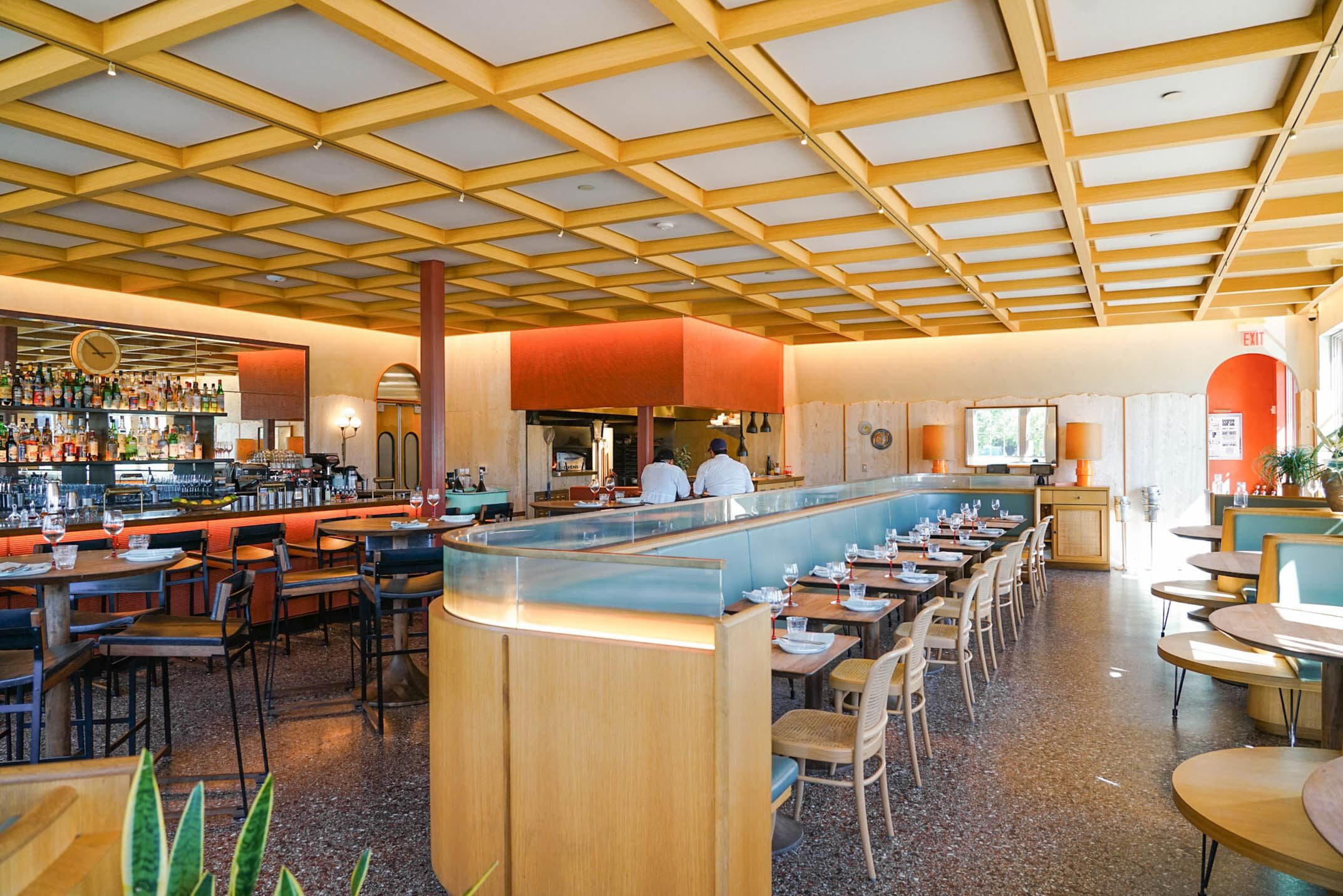
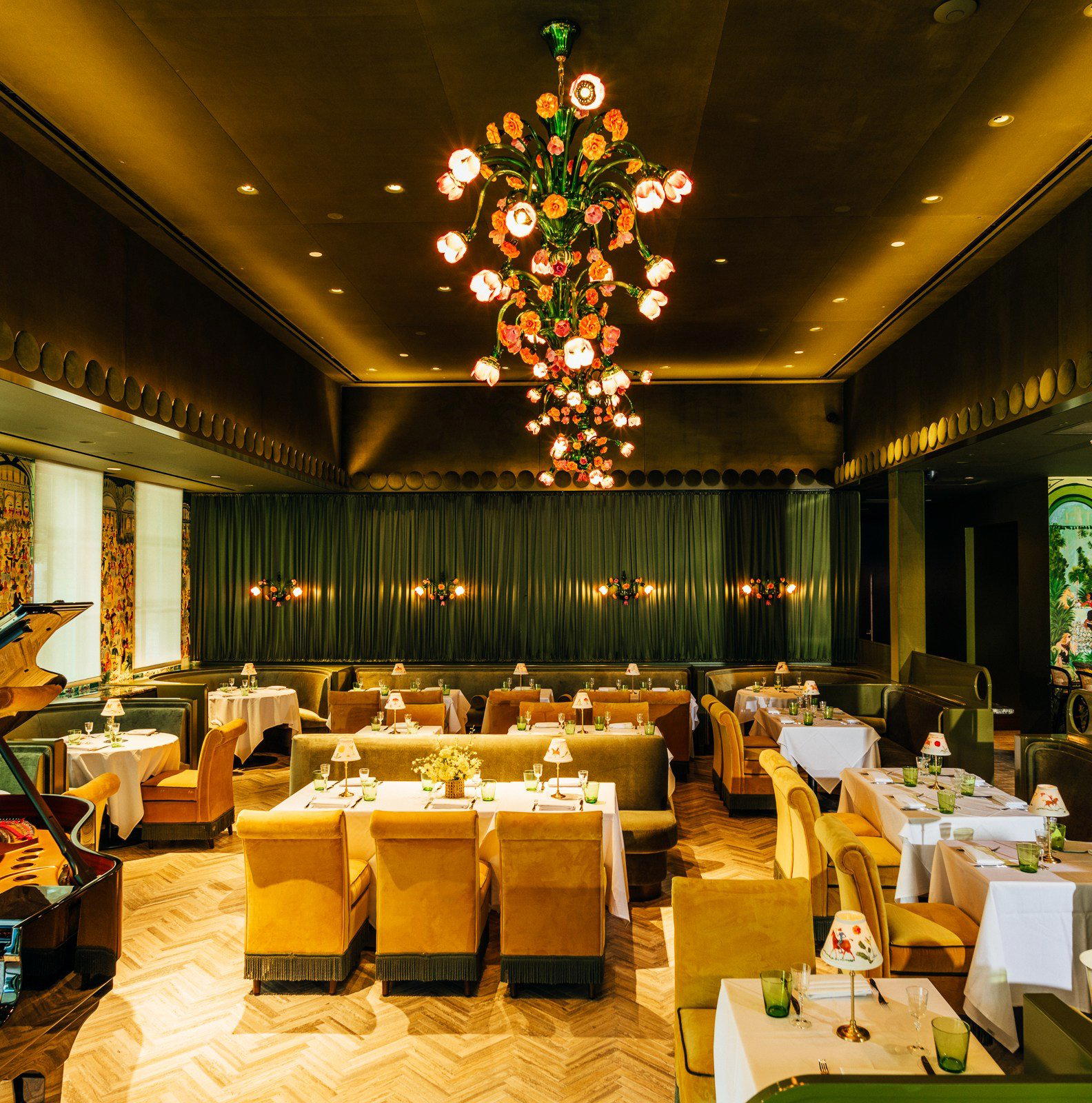
Bars in Houston
All bars in Houston →


Hugo's
The wine
Hugo's holds the Wine Spectator Award of Excellence, which Wine Spectator gives to lists of usually 90 or more selections.
- Wine program
- Deep wine list
- Wine Spectator
- Wine Spectator Award of Excellence
- Extensive wine list
- Craft cocktails
Details
- Elegant
- Sophisticated
- Cozy
- Date Night
- Special Occasion
- Brunch
- Open Kitchen
- Extensive Wine List
- Craft Cocktails
- Local Sourcing
- A La Carte
- Tequila
- Margaritas
- Vegetarian Friendly
- Vegan Options
- Gluten Free Options
Current opening hours
- Monday
- Closed
- Tuesday
- 3–9 PM
- Wednesday
- 3–9 PM
- Thursday
- 11:30 AM–9 PM
- Friday
- 11:30 AM–11 PM
- Saturday
- 11 AM–11 PM
- Sunday
- 10 AM–9 PM
Hours can change for holidays and private events. Hours as of .
Warm and inviting atmosphere celebrating earthy Mexican flavors with a sophisticated touch.