Guadalajara Del Centro
Guadalajara Del Centro occupies a downtown Houston address at 1201 San Jacinto St, placing it inside the city's dense core where Mexican dining traditions compete for attention across a wide price and format spectrum. Houston's Mexican restaurant scene runs deeper and more regionally varied than most American cities acknowledge, and this address puts the kitchen within reach of the legal and civic crowd that shapes the lunch trade in any downtown grid.
Pearl is the En Primeur Club membership app — saves, bookings, and concierge access live there. Same editors, same standards.
- Address
- 1201 San Jacinto St, Houston, TX 77002
- Phone
- +17136500101
- Website
- guad.com
- Directions
- Get directions
 Saves & bookings on Pearl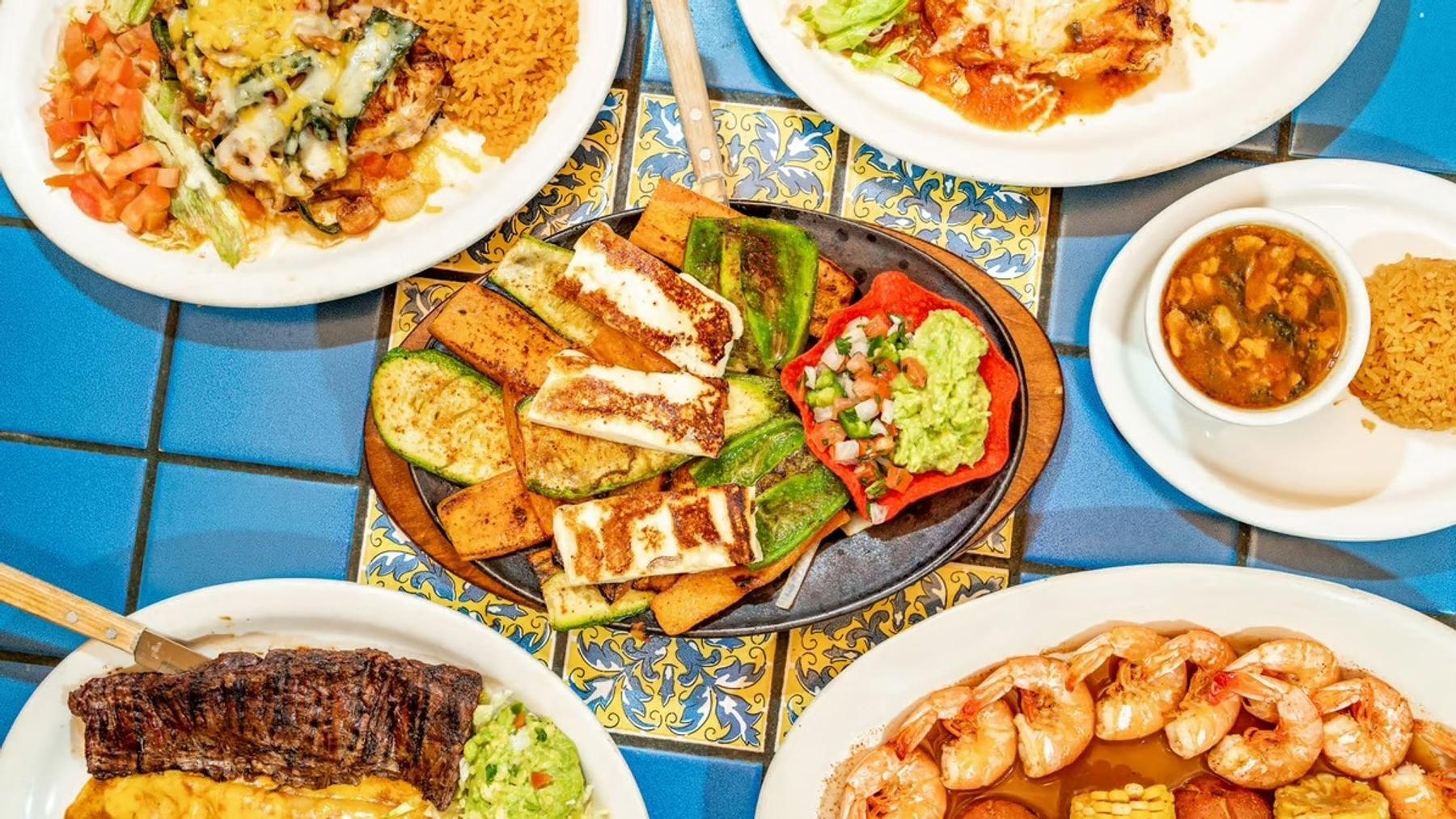
Downtown Houston and the Mexican Dining Equation
Houston's Mexican restaurant offerings are not a monolith. The city's proximity to the border, its large Mexican-American population, and decades of cross-cultural movement have produced a dining scene that spans interior Mexican regional cooking, Tex-Mex traditions with genuine historical roots, and a newer generation of masa-focused tasting formats. Guadalajara Del Centro sits at 1201 San Jacinto St in the heart of downtown, a location that carries its own editorial weight: the downtown grid selects for certain dining behaviors. Lunch crowds drawn from the legal district, government offices, and convention-adjacent hotels want reliability and speed. Dinner in the same corridor skews toward pre-theater and post-event eating. A Mexican restaurant that holds a downtown address is positioning itself against both of those pressures simultaneously.
The Guadalajara reference in the name signals something specific. Mexico's second city has its own culinary identity distinct from Mexico City and from the border-adjacent cooking that tends to dominate American perceptions of Mexican food. Guadalajara is the home of tortas ahogadas, birria in its original slow-cooked form before it became a viral export, and a tequila culture rooted in the neighboring Jalisco highlands. A restaurant invoking that geography, whether as a literal origin story or as a culinary orientation, is making a statement about which tradition it intends to represent.
Where This Fits in Houston's Mexican Restaurant Spectrum
Houston's Mexican dining scene has split across several distinct tiers. At one end, Tatemó operates as a masa-focused destination, drawing on pre-Hispanic grain traditions and tasting-menu formats that position it as a peer of high-concept venues nationally. That end of the market competes on technique, sourcing narrative, and a reservation model that filters for intent. At the other end, neighborhood taquerias and regional Tex-Mex institutions maintain loyal local followings built over decades, where the value proposition is familiarity and consistency rather than novelty.
Downtown's version of this spectrum is compressed. The lunch window is short, the clientele is transient by definition, and the competition includes non-Mexican options across the full price range. For a Mexican restaurant at a downtown San Jacinto address, the editorial question is how it earns repeat visits from a crowd that has many options and limited patience for friction. The answer in most successful downtown Mexican operations comes down to a combination of menu legibility, execution reliability, and something that justifies returning beyond convenience.
Compared to the format diversity visible at venues like Musaafer on the Indian fine-dining side or March on the Venetian tasting-menu end, a downtown Mexican restaurant occupies a different register entirely.
The Team Dynamic in a Downtown Operation
Downtown restaurants operate under a different kind of pressure than destination dining. The front-of-house in a high-volume downtown setting is managing table turns, accommodating walk-ins alongside reservations, and reading a room that shifts completely between lunch and dinner service. The collaboration between kitchen and floor in that environment is less about the choreographed formality of a tasting-menu counter and more about read-and-react logistics. At venues like Le Jardinier Houston or BCN Taste & Tradition, the team dynamic is shaped by prix-fixe rhythm and a sommelier program with real depth. In a downtown Mexican operation, the equivalent dynamic plays out differently: the kitchen needs to execute consistent plates across a compressed lunch rush, and the floor needs to move covers without making the experience feel rushed.
This is not a lesser form of restaurant teamwork. It is a different discipline, one that requires its own kind of precision. The leading downtown operations in any city develop internal systems that are invisible to the guest but essential to survival. The Mexican regional tradition in particular demands consistency in foundational preparations, from slow-cooked proteins to fresh salsas, that require kitchen discipline rather than table-side theater.
Houston's Broader Restaurant Context
Houston has earned a reputation as one of America's most diverse dining cities, and that reputation holds across multiple measures. The city's restaurant scene regularly produces nationally recognized operators: fine-dining venues here compete in peer sets that include Le Bernardin in New York City, Alinea in Chicago, and The French Laundry in Napa. But Houston's strength is not concentrated at the top tier. It runs through a middle layer of cuisine-specific operators, many of them immigrant-owned, that give the city genuine depth across dozens of traditions.
Mexican cooking in particular benefits from Houston's proximity to the interior of Mexico and the size of its Mexican-origin population. That means a Houston diner can move from a Jalisco-style birria operation to a Oaxacan mole-focused kitchen to a Yucatecan cochinita pibil specialist within a short geographic range. Downtown concentrates a different subset of that variety, skewing toward operations that can sustain the economics of premium real estate.
For readers interested in how Houston's fine-dining scene connects to national peers, the EP Club guide covers venues across formats and price points. The city's ambition in that register is visible at operations that have drawn the kind of critical attention associated with destinations like Blue Hill at Stone Barns or Atomix in New York City. Our full Houston restaurants guide maps that full range.
Know Before You Go
- Address: 1201 San Jacinto St, Houston, TX 77002
- Neighborhood: Downtown Houston
- Parking: Downtown Houston relies primarily on paid garages; street parking is limited during business hours
- Nearest Transit: METRORail Main Street Square station serves the downtown core
- Leading for: Downtown lunch, weekday dinner, Mexican regional cooking in a central location
Continue exploring
More in Houston
Restaurants in Houston
Browse all →
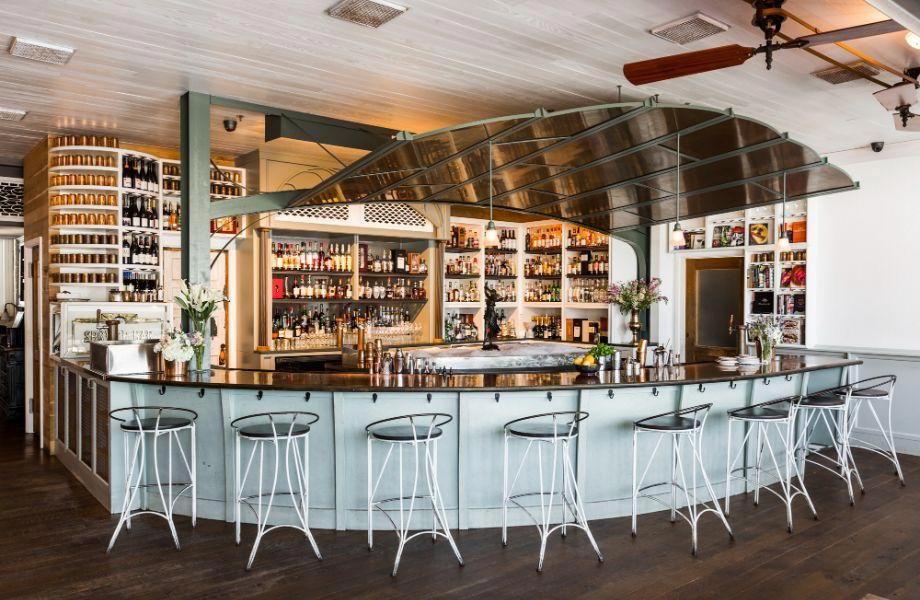
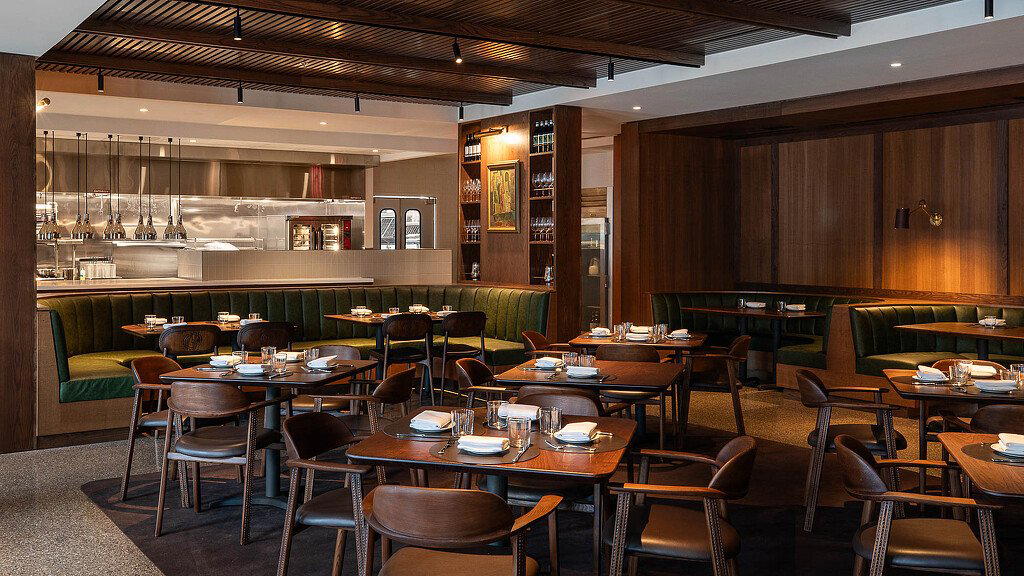
Bars in Houston
Browse all →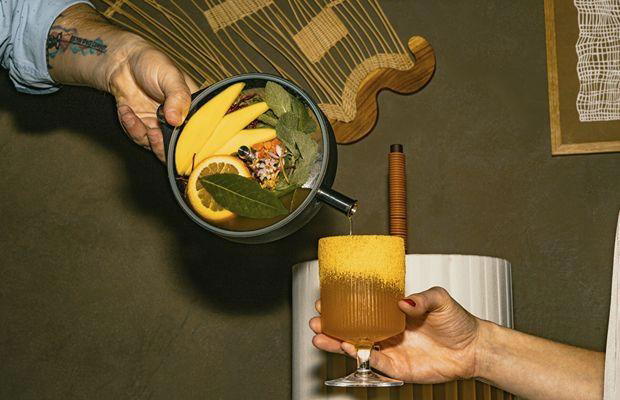
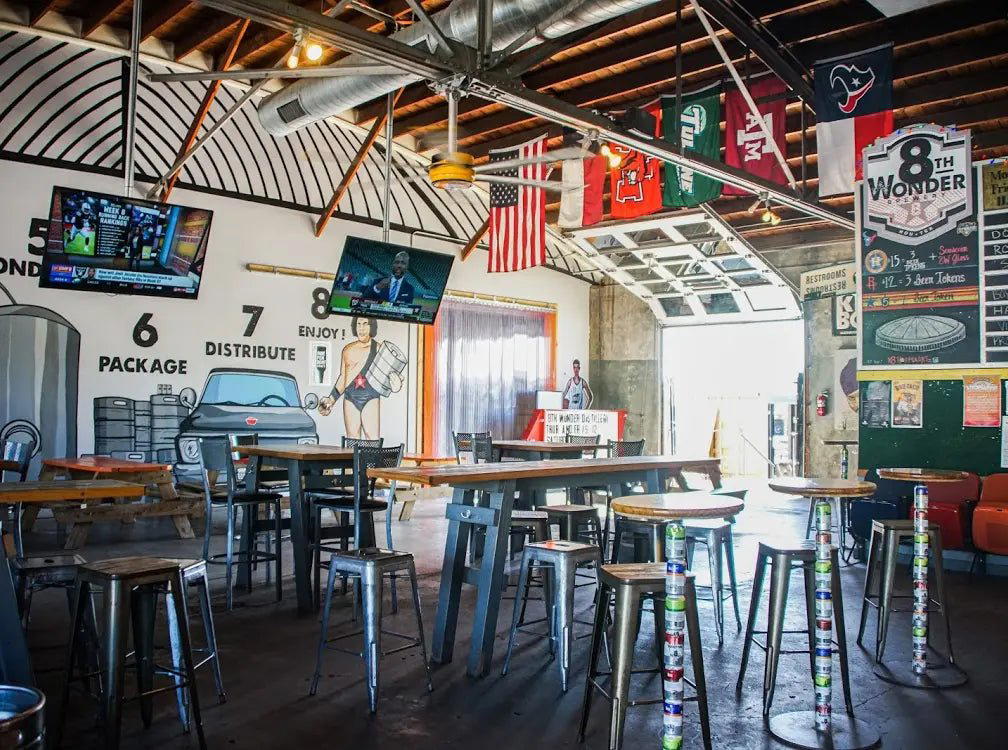
Hotels in Houston
Browse all →
At a Glance
- Lively
- Energetic
- Group Dining
- Casual Hangout
- After Work
- Open Kitchen
- Craft Cocktails
Current opening hours
- Monday
- 11 AM–9 PM
- Tuesday
- 11 AM–9 PM
- Wednesday
- 11 AM–9 PM
- Thursday
- 11 AM–9 PM
- Friday
- 11 AM–10 PM
- Saturday
- 4–10 PM
- Sunday
- Closed
Hours can change for holidays and private events. Last verified .
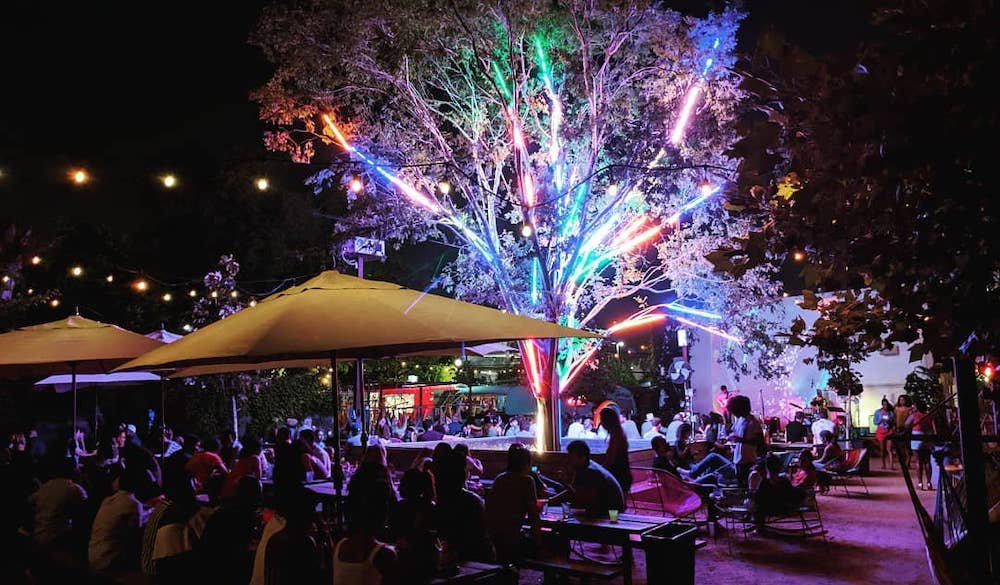
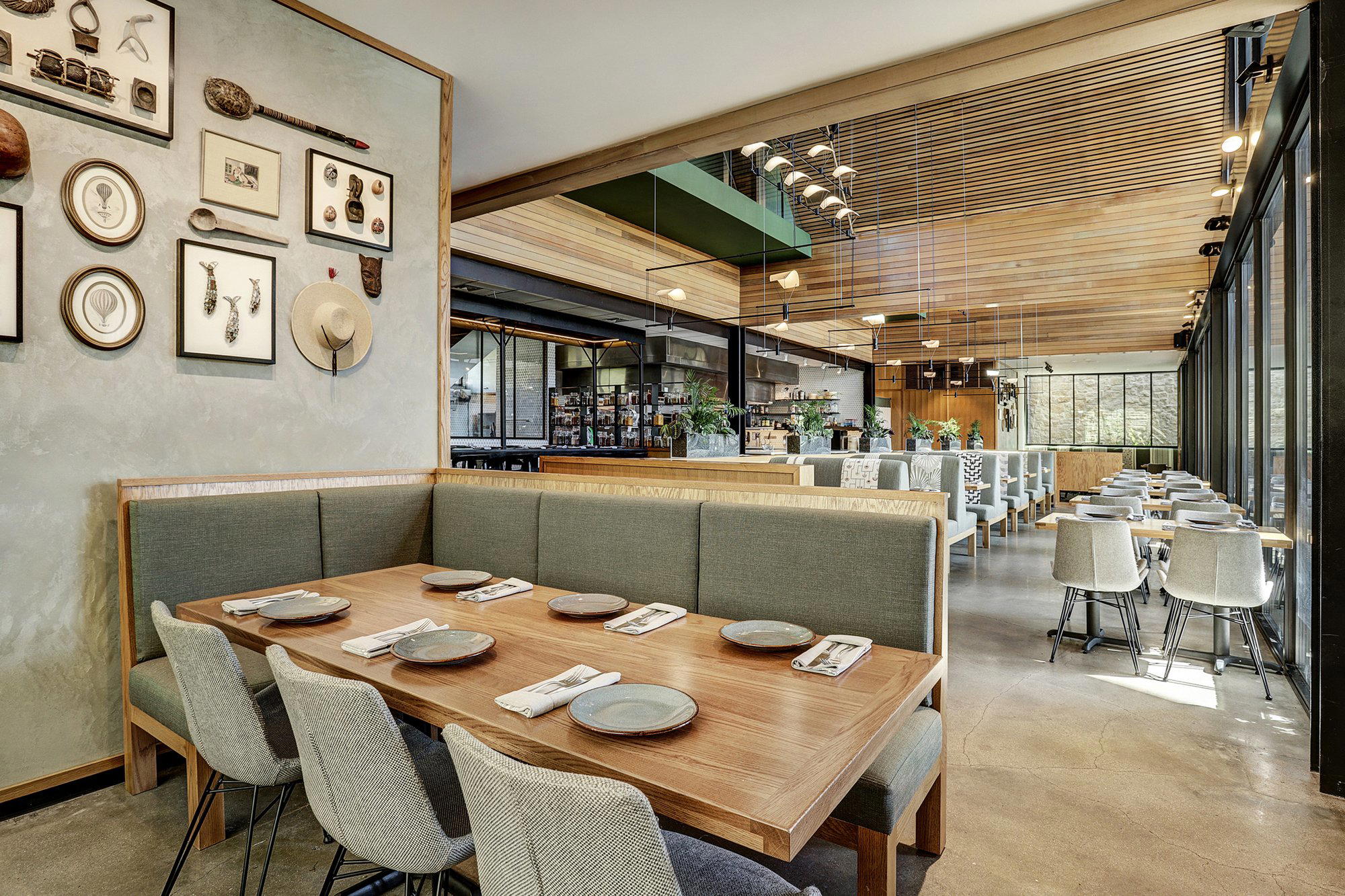
Lively atmosphere with pleasant decor and a festive Tex-Mex vibe.
Know Before You Go
- Getting there
- 1201 San Jacinto St, Houston, TX 77002