Hop Li
Hop Li serves Authentic Cantonese Seafood in Los Angeles with sustainable seafood, private dining, and a lively room that suits lunch or dinner.
Pearl is the En Primeur Club membership app — saves, bookings, and concierge access live there. Same editors, same standards.
- Address
- 10974 W Pico Blvd #310 401 3708, Los Angeles, CA 90064
- Phone
- +13104413708
- Website
- smorefood.com
- Directions
- Get directions
 Saves & bookings on Pearl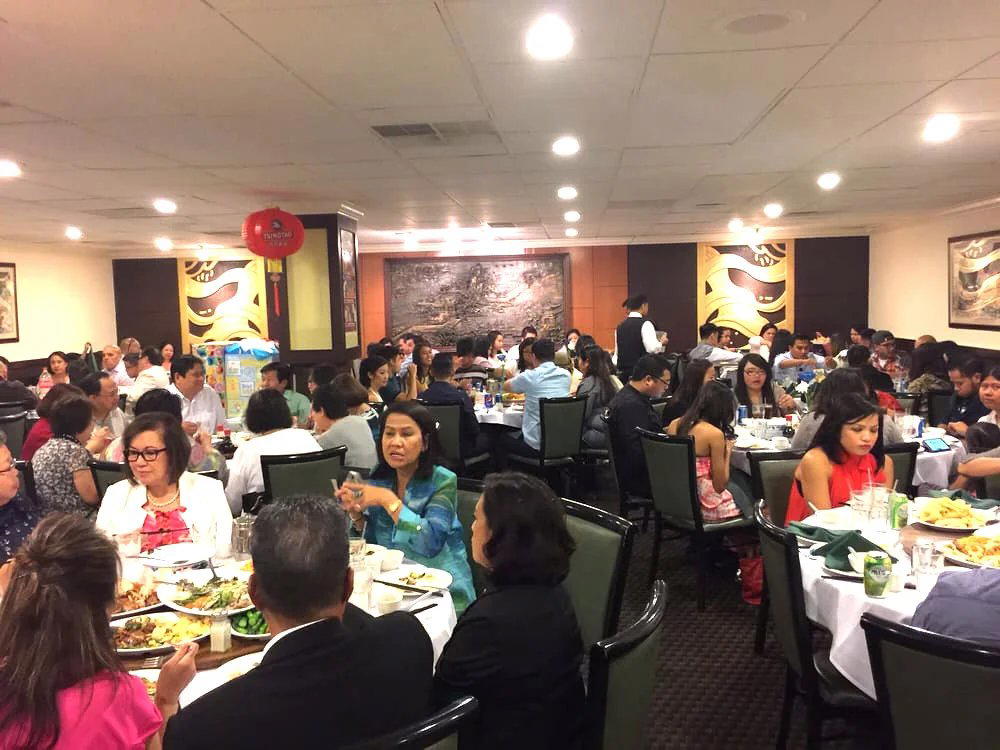
West Pico's Cantonese Anchor
The stretch of West Pico Boulevard between Beverlywood and Rancho Park has long operated as one of Los Angeles's quieter Chinese dining corridors, less trafficked by food press than the San Gabriel Valley but steady in its own right. Hop Li sits within this context, at 10974 W Pico Blvd, occupying a position that regulars have mapped for years without much outside commentary. In a city where Cantonese cooking often gets sorted into either dim sum palaces or quick-service roast-meat counters, a sit-down Cantonese restaurant on the Westside fills a specific gap in the neighbourhood's dining geography.
Los Angeles's Chinese restaurant scene is genuinely bifurcated. The San Gabriel Valley concentrates the density, the regional variation, and most of the critical attention. The Westside runs thinner, which means that any Cantonese option with consistent cooking pulls a cross-neighbourhood crowd that has fewer local alternatives. Hop Li has occupied that role in this part of the city for long enough to develop a regular clientele that returns on rhythms most restaurants would envy. That kind of sustained loyalty is, in a market as competitive and transient as Los Angeles dining, its own form of credibility.
How a Cantonese Meal Sequences Here
Cantonese cooking has one of the most clearly defined meal structures in Chinese regional cuisine, and understanding that structure changes how you read a menu like Hop Li's. A well-ordered Cantonese dinner moves through cold appetisers, soup, whole-fish preparations, braised or roasted proteins, stir-fried vegetables, and a starch course, with each stage calibrated to contrast texture and temperature rather than simply accumulate flavour. This is not the same sequencing logic as, say, a French tasting menu at Le Bernardin in New York City or the elaborate progression at Alinea in Chicago, but the intent is structurally similar: each course is positioned to create contrast against what preceded it.
At the entry stage of a Cantonese dinner, the cold plate sets the table for everything that follows. Jellyfish, roasted pork, or cold chicken with ginger oil are common openers, each offering a textural reset before the kitchen's hot work begins. Soup arrives as a transitional register, often a long-simmered broth that requires hours of preparation and serves as the thermal and flavour bridge between the cooler opening and the warmer mains. This is where Cantonese cooking often diverges most sharply from popular expectation: the quiet centre of the meal matters as much as its loudest courses.
The mid-meal proteins, whether whole steamed fish with ginger and scallion, Peking duck, or a roasted suckling pig, carry the meal's structural weight. This is where kitchen skill is most visible, because Cantonese technique at this register asks for precision over aggression. A whole fish that has been oversteamed by ninety seconds loses the translucency that defines the dish. A roast bird that has not been properly air-dried will not produce the lacquered skin the preparation demands. These are not failures that sauce or seasoning can conceal. The final stretch of a Cantonese dinner typically includes a vegetable stir-fry and a rice or noodle course, neither of which is incidental: the vegetable course serves as a palate cleaner, and the starch closes the meal with deliberate plainness.
For Westside diners less familiar with this sequencing, ordering in the Cantonese format rather than selecting individual dishes at random produces a substantially different experience. The kitchen is designed around this progression, and the meal reads better when followed in order.
Where Hop Li Sits in the Los Angeles Conversation
Los Angeles has developed a cohort of restaurants that define its current critical reputation: Kato, with its New Taiwanese framework; Hayato, operating at the precision end of Japanese kaiseki; and Somni, working in a progressive-molecular register. These are the restaurants that attract awards attention and require advance planning. Providence and Osteria Mozza occupy different but similarly prominent positions in the city's dining hierarchy. Hop Li does not compete in that bracket.
What Hop Li represents is a different tier of value within the same city: a neighbourhood Cantonese restaurant that has remained operational and relevant on the Westside through the kind of sustained, repeat custom that does not generate press cycles but does sustain a restaurant over the long term. The comparison set for Hop Li is not the tasting-menu restaurants listed above, nor is it the $$$$ bracket occupied by Kato or Hayato. Its peer group is the category of reliable, mid-range Cantonese restaurants that anchor residential areas and serve a constituency that wants a full-format Chinese dinner without travelling to the SGV.
Nationally, this kind of neighbourhood anchor occupies a clear role. Emeril's in New Orleans and Bacchanalia in Atlanta each serve as anchors in their respective city contexts, though in different cuisine categories. The structural parallel is the consistency of purpose: restaurants that serve a defined community rather than chasing a broader national profile. For the full picture of where Hop Li fits within Los Angeles's wider dining geography, see our full Los Angeles restaurants guide.
Internationally, the standard for high-end Cantonese dining is set in Hong Kong. 8 1/2 Otto e Mezzo Bombana in Hong Kong represents one end of that city's premium dining tier, and the distance between that register and a neighbourhood Cantonese restaurant on the Westside is real. Hop Li is not competing at that level, and understanding that helps frame what the restaurant actually offers: accessible Cantonese cooking in a part of Los Angeles where that option is genuinely sparse.
Planning Your Visit
Know Before You Go
- Address: 10974 W Pico Blvd #310, Los Angeles, CA 90064
- Cuisine: Cantonese (neighbourhood format)
- Price tier: Mid-range; specific pricing not confirmed — verify directly
- Booking: Call-ahead recommended for groups; walk-in feasible for smaller parties on weeknights
- Parking: Strip-mall location with on-site parking available at the Pico Blvd address
- Context: Westside alternative to San Gabriel Valley Cantonese; neighbourhood rather than destination dining
- Honey Walnut Shrimp
- Wonton Soup
- Sizzling Rice Soup
- Famous Slippery Shrimp
- Walnut Shrimp
- Steamed Flounder
How Hop Li Los Angeles compares with similar nearby venues.
| Venue | Cuisine |
|---|---|
| The Apple Pan | American Diner |
Continue exploring
More in Los Angeles
Restaurants in Los Angeles
Browse all →
Bars in Los Angeles
Browse all →
Hotels in Los Angeles
Browse all →
Wineries in Los Angeles
Browse all →
At a Glance
- Classic
- Lively
- Well Known
- Group Dining
- Family
- Celebration
- Casual Hangout
- Private Dining
- Sustainable Seafood
Current opening hours
- Monday
- 11 AM–9 PM
- Tuesday
- 11 AM–9 PM
- Wednesday
- 11 AM–9 PM
- Thursday
- 11 AM–9 PM
- Friday
- 11 AM–9:30 PM
- Saturday
- 11 AM–9 PM
- Sunday
- 11 AM–9 PM
Hours can change for holidays and private events. Last verified .
Bustling, lively atmosphere with a comfortable, family-friendly environment; casual and welcoming with a focus on quality dining rather than upscale aesthetics.
Know Before You Go
- Getting there
- 10974 W Pico Blvd #310 401 3708, Los Angeles, CA 90064