
Homura belongs to Hachinohe’s serious regional Japanese dining tier, where fish sourcing and sake-friendly cooking matter more than spectacle. Its Tabelog Japanese cuisine EAST “Tabelog 100” 2025 selection, compact 13-seat scale, and JPY 8,000 - JPY 9,999 dinner range place it above the city’s casual seafood rooms without pushing into metropolitan luxury pricing.
Pearl is the En Primeur Club membership app — saves, bookings, and concierge access live there. Same editors, same standards.
- Address
- Japan, 〒039-1102 Aomori, Hachinohe, Ichibancho, 1 Chome−1−30
- Phone
- +81 178-27-2632
- Website
- tabelog.com
- Directions
- Get directions
 Saves & bookings on Pearl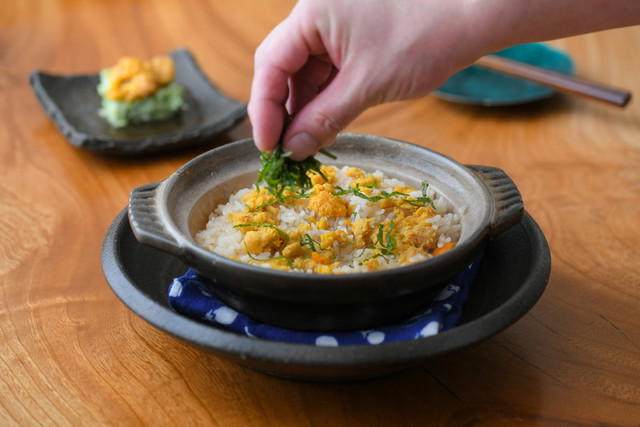
Near Hachinohe Station, the dining mood changes quickly from transit-town practicality to the quieter grammar of regional Japanese cooking: small rooms, fish-led menus, and drinking lists built for sake, shochu, wine, and a long evening rather than a quick feed. Homura sits in that register, not as a theatrical destination restaurant, but as a compact house restaurant where Aomori’s coastal identity is translated into a controlled dinner format. The point is not novelty. The point is how a port city with serious seafood culture handles refinement without losing its local accent.
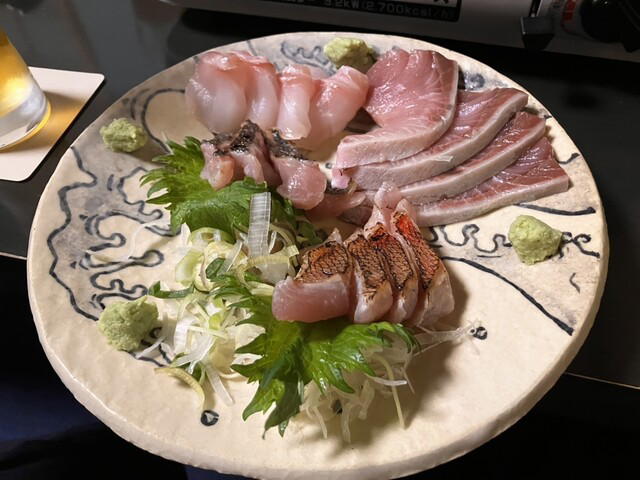
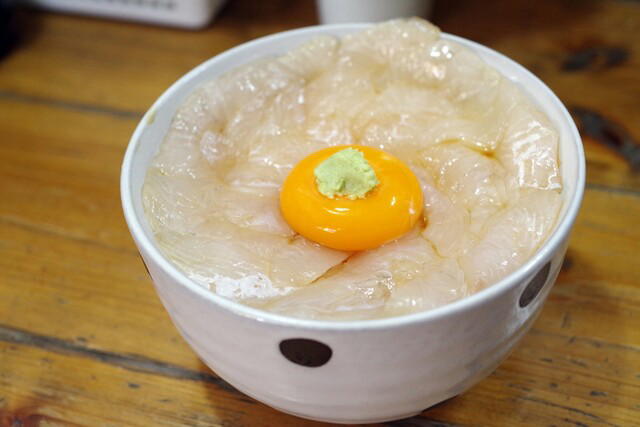
Hachinohe’s food reputation is anchored by the sea: morning markets, squid, mackerel, shellfish, and the broader Sanriku-Hachinohe fishing economy shape how diners read value here. A restaurant described around Japanese cuisine and regional cuisine, with a stated emphasis on fish, has to be judged against that context. At this level, ingredient sourcing is not a decorative claim; it is the argument on the plate. The city gives chefs access to product that Tokyo restaurants often frame as provenance. In Hachinohe, it is the baseline.
Fish-led regional cooking in a city that knows the difference
The useful comparison is not with Ginza kaiseki or Kyoto formality. It is with Hachinohe’s own spectrum, from market-adjacent seafood counters to polished small restaurants that turn local catch into a full evening. Ban'ya operates at a lower JPY 4,000 - JPY 4,999 bracket, while ROSE GARDEN also sits around JPY 4,000 - JPY 4,999; Homura’s JPY 8,000 - JPY 9,999 dinner range signals a more deliberate meal structure and a different expectation of pacing. That price gap matters in a regional city, where diners are less tolerant of polish detached from substance.
The Tabelog Japanese cuisine EAST “Tabelog 100” 2025 selection gives the restaurant a clear trust marker inside eastern Japan’s Japanese-cuisine category. Its recognition history also includes selections in 2023 and 2021, which suggests durability rather than a single-cycle spike. Awards of this kind do not tell a diner what to order, and they do not replace judgment, but they do confirm that the restaurant is being assessed beyond local affection. For travelers building a Hachinohe dining schedule, that makes it a serious candidate for the one formal Japanese dinner in town.
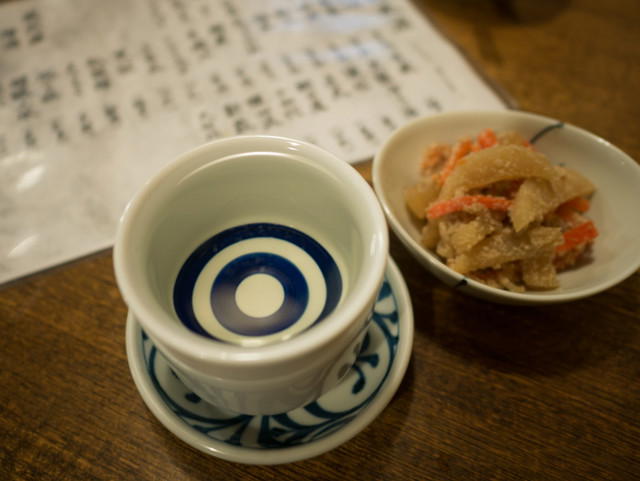
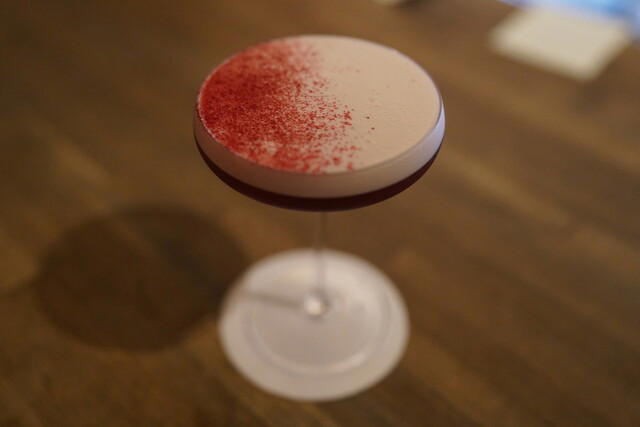
Ingredient angle also explains the drinks. Sake and shochu are not incidental in northern Japanese dining; they shape salt, fat, smoke, and broth into a coherent rhythm. Wine and cocktails are available, but the center of gravity remains Japanese drinking culture. That matters for readers used to Tokyo’s internationalized fine-dining format. Here, the meal makes more sense when read through the region: fish, rice, seasonal cooking, and alcohol choices that support rather than compete with the food.
A compact room changes the tempo
Thirteen seats is a small number in any city, but in Hachinohe it creates a particular kind of evening. The format suits diners who want attention and quiet pacing more than social volume. Counter seating, tatami, sunken seating, and private-room options point to a room built for several styles of meal: business, family, and friends all fit, but the stronger use case is a composed dinner where conversation can follow the courses. This is not the same decision as choosing a casual seafood stop after the market.
The house-restaurant setting also matters. Hachinohe does not have the dense luxury-restaurant geography of Tokyo or Osaka, so restaurants of this scale carry more of the city’s dining identity. They are where local product is made legible to visitors without turning into tourist theatre. That is the reason Homura reads differently from a generic regional Japanese restaurant: its value is tied to place, especially the fish culture of Aomori and the city’s station-side practicality.
For a broader read of the city, place it alongside Ban'ya, ROSE GARDEN, and カーサ・デル・チーボ. Those names sketch the range between local-value dining, Western-leaning rooms, and more curated Japanese meals. The wider planning frame sits in Our full Hachinohe restaurants guide, while overnight decisions belong with Our full Hachinohe hotels guide. Drinking and non-restaurant planning can be cross-checked through Our full Hachinohe bars guide, Our full Hachinohe wineries guide, and Our full Hachinohe experiences guide.
How to place it in a Japan itinerary
Homura works better as a regional anchor than as a trophy detour. Travelers moving through Tohoku often spend too little time outside the obvious seafood stops; a dinner like this gives the city’s ingredients a more formal frame. The restaurant opened in 2005, which adds another practical signal: this is not a recent concept chasing attention, but a long-running room operating in a city where repeat local use matters. A 2025 Tabelog score of 3.78, combined with the Tabelog 100 selection, puts it in a category where expectations should be specific rather than inflated.
The editorial call is simple: choose it when the evening’s purpose is regional Japanese cuisine with fish at the center, not when the goal is a loud izakaya crawl or a low-cost seafood bowl. The price band is meaningful but not metropolitan in scale, and the small seat count makes the room feel more deliberate than casual. In Hachinohe, that combination has force because the city’s seafood culture supplies the raw credibility. The restaurant’s job is to give that credibility shape.
Readers comparing Japanese dining across cities can use other EP Club pages as reference points rather than direct peers: -Grilled beef Sukiyaki- KAMAKURA TANUKIAN 鎌倉 たぬき庵 in Kamakura for beef-led specialization. 鮪と炭火焼き うお炭 秋葉原店 in Tokyo for urban tuna-and-charcoal dining.cafe in Osaka for a different casual register, and.know in Kumamoto for another regional lens. Broader contrasts include (Shoku) Vietnam in Kawasaki, [Curry Senmon Ten] Maruyama Kyoju. in Sapporo, [ki:] in Kyoto, #肉といえば松田 奈良本店 in Kashihara, Jōdo Saké Bar in Los Angeles, and Onigiri Time in Pasadena. The comparison clarifies the point: Hachinohe’s strength is not breadth for its own sake, but a tight relationship between place, fish, and restrained Japanese cooking.
Side-by-Side Snapshot
Comparable venues by cuisine and price in the same metro.
| Venue | Cuisine | Price | Notes |
|---|---|---|---|
| Homura | Seasonal Japanese Kappo / Kaiseki-style Dining | $$$ | Ichibancho |
| カーサ・デル・チーボ | Hachinohe Italian with Local Ingredients | $$ | Minatotakadai |
| ROSE GARDEN | Classic Japanese cocktail bar | $$ | Hon-Hachinohe |
| Ban'ya | Traditional Japanese Izakaya | $$ | Hon Hachinohe Sta. |
| のれん/ Noren Akakura Sushi | Authentic Japanese Sushi with European Flair | $$$ | Akakura |
| うなぎ四代目菊川 | Kansai-style Whole Eel (Unagi) | $$$ | Kanazawa Station |
Recognition history
Dated appearances from independent guides and award organizations, with the underlying list record or original source where available.
Tabelog 100 #47 · No. 47
Tabelog · Tabelog 100 - Japanese cuisine - EAST - 2025
Continue exploring
More in Hachinohe
At a Glance
- Cozy
- Intimate
- Elegant
- Classic
- Special Occasion
- Business Dinner
- Date Night
- Group Dining
- Family
- After Work
- Chefs Counter
- Private Dining
- Standalone
- Sake Program
- Beer Program
- Local Sourcing
Current opening hours
- Monday
- 5–10 PM
- Tuesday
- 5–10 PM
- Wednesday
- 5–10 PM
- Thursday
- 5–10 PM
- Friday
- 5–10 PM
- Saturday
- 5–10 PM
- Sunday
- 5–10 PM
Hours can change for holidays and private events. Last verified .
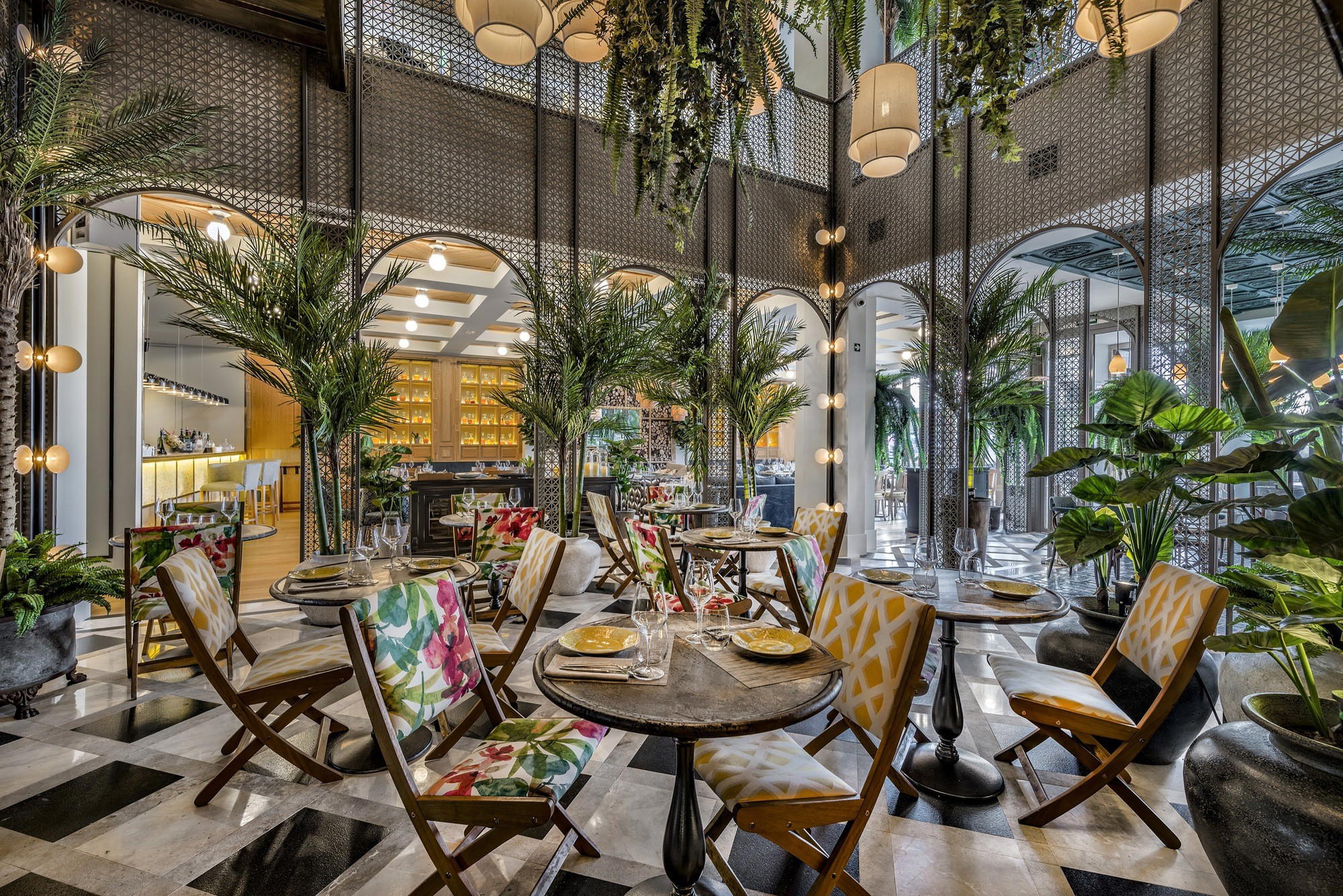
A relaxed, cozy and quietly elegant Japanese dining room with counter, tatami and sunken seating, designed for unhurried appreciation of seasonal courses, charcoal-grilled dishes and clay pot rice.