
Tabelog 100 #76
Our verdict
Minato Shokudo is a Hachinohe seafood-counter address where the logic of Aomori dining is unusually clear: fish, breakfast, and regional cooking carry the meal rather than ceremony. Its Tabelog 100 - Diner selection in 2026 gives it national context, but the appeal is more grounded than glossy, an 11-seat room built around kaisen-don, cafeteria cooking, and port-city appetite.

Pearl is the En Primeur Club membership app, where members save venues, book tables and use the concierge.
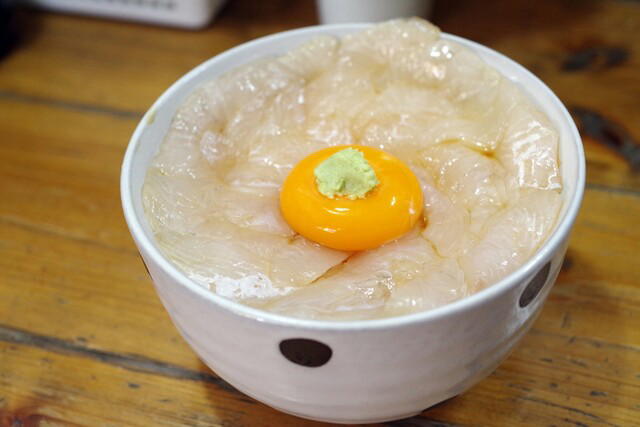
The menu
What to order
- Kaisen-don (seafood bowl)
- Zuke-don style marinated sashimi bowl
- Senbei-jiru (Aomori cracker hot pot, availability varies)
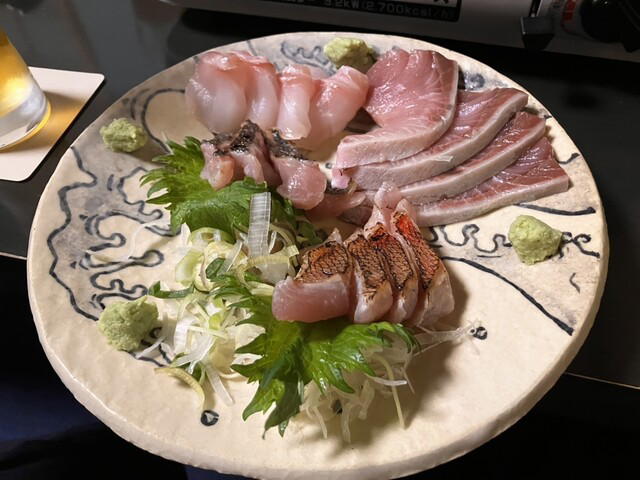
Approaching Minato Shokudo in Aomori, the mood shifts from city dining to an everyday seafood routine: simple meals, direct service, and fish treated as daily habit rather than luxury theatre. This is where Aomori’s food culture becomes legible. The prefecture is often discussed through apples, sake, and winter scenery, but its table is shaped just as much by seafood, practical cooking, and the comfort of rice bowls built around fish.
Minato Shokudo belongs to that tradition. The format is modest in tone and direct in intent: cafeteria, kaisen-don, and regional cooking, with seafood placed at the centre of the experience. Its inclusion in Tabelog 100 - Diner 2026 matters because the list tends to reward everyday Japanese genres that rarely fit the international fine-dining template. A diner selection here says something different from a tasting-menu accolade: it signals consistency, local demand, and a form of cooking that earns attention without changing its grammar for travellers.
Aomori seafood without the luxury costume
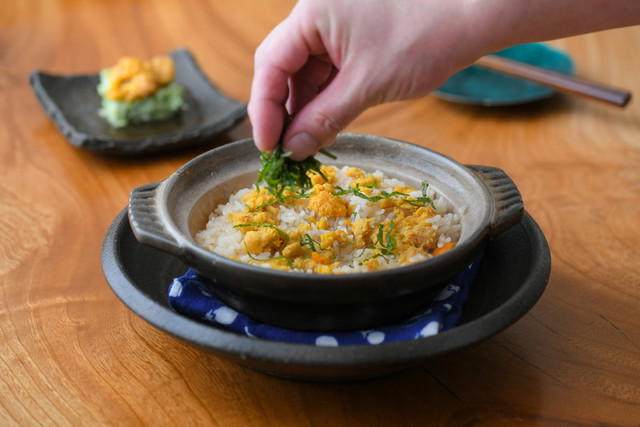
In northern Japan, seafood is not automatically a high-price proposition. Aomori supports a broader spectrum: market-style meals, family-run counters, informal fish plates, and rice bowls where sourcing does more work than presentation. The category matters. A kaisen-don specialist in this setting is judged less by ceremony than by freshness, portion logic, rice handling, and whether the bowl feels tied to the place rather than assembled from generic premium cues.
That is the editorial reason to pay attention here. Aomori’s restaurant scene can split between destination dining and local institutions, with places such as Casa del cibo and Dan Dan, alongside other Aomori dining rooms, covering different registers of the prefecture’s appetite. Minato Shokudo sits in the lower-cost, product-led lane, where the room and menu stay close to the mechanics of daily eating. Compared with higher-spend Aomori meals, this is a different decision: less emphasis on ceremony, more everyday energy, and a sharper focus on seafood rice-bowl culture.
The sourcing angle is not decorative. Aomori’s relationship with the sea shapes what diners expect from a seafood bowl. In this kind of room, the value of the meal comes from proximity to regional food culture and from a kitchen that does not need to translate fish into a luxury idiom. The venue’s listed categories, cafeteria, kaisen-don, and regional cuisine, are plain words, but they carry a lot of meaning in Aomori. They point to a meal that treats fish as staple, not spectacle.
A compact room changes the rhythm of the meal
Modest dining formats in Japan are often associated with counter culture, but here the appeal suggests a more democratic purpose. A straightforward setup creates a meal where timing, patience, and directness matter. The format keeps the experience close to the food without turning it into performance. It also explains why the venue reads naturally for diners who want a direct, unfussy seafood meal rather than a larger restaurant production.
The atmosphere is better understood as disciplined informality. The appeal is not built on elaborate service language or luxury cues; it is anchored in a practical local dining mode. The listed price band is the stronger signal. This is not a bar-led seafood address pretending to be a meal; it is a straightforward, everyday restaurant rhythm that aligns with Aomori’s appetite for fish, rice, and regional cooking.
Recognition gives the place broader relevance, but it should not be mistaken for polish. A Tabelog score of 3.71 and selection for Tabelog 100 - Diner 2026 place it within a national conversation about Japan’s serious everyday restaurants. The point is not that an Aomori cafeteria has become a luxury destination. The point is that Japanese dining culture has room for excellence at a scale and price tier that many international travellers overlook when they focus only on Michelin-style formats.
How to read it within an Aomori itinerary
Aomori rewards travellers who avoid treating the prefecture as a single dining idea. Different parts of Aomori carry different food identities, and the seafood-focused strand is especially useful for practical planning. This address makes the most sense when paired with a day built around regional food culture rather than forced into a late-night restaurant crawl.
For broader planning, Our full Aomori restaurants guide is the stronger companion than a single-venue checklist, especially when balancing regional cooking with cafes, sweets, and higher-spend meals. Travellers building a fuller stay can also use Our full Aomori hotels guide, Our full Aomori bars guide, Our full Aomori wineries guide, and Our full Aomori experiences guide to separate seafood time from sake, onsen, apple-country, and museum-led days.
As a national reference point, Minato Shokudo also sits within a larger Japanese pattern: sharply defined specialists that do not need a broad menu to justify a detour. That pattern stretches well beyond Aomori across unnamed local counters, seafood rooms, cafes, curry shops, sake bars, and casual rice-based dining. The common thread is focus: one format, one clear appetite, and little interest in theatrical over-explanation.
The editorial call is simple. This is a place for travellers who want Aomori through fish, rice, and everyday pragmatism, not through a luxury filter. The reward is cultural clarity: an Aomori room where the region’s seafood identity reaches the table without being dressed up for outside approval.
Frequently asked questions
Would Minato Shokudo be comfortable with kids?
Minato Shokudo is listed in an accessible price band, with lunch noted at JPY 1,000 - JPY 1,999. For family suitability, seating, access, and current service details, check the venue's official channels before visiting.
What's the overall feel of Minato Shokudo?
It reads as a cafeteria-style restaurant in Aomori, not a formal dining room. The listed categories, cafeteria, kaisen-don, and regional cuisine, give it the rhythm of an everyday seafood stop, backed by Tabelog 100 recognition in 2026.
What's the pricing like at Minato Shokudo?
Pricing at Minato Shokudo is listed as JPY 1,000 - JPY 1,999.
What are Minato Shokudo's hours?
Current hours are not provided here. Check the venue's official channels for the latest opening schedule before visiting.
Quick Comparison
Comparable venues by cuisine and price in the same metro.
| Venue | Cuisine | Price | Awards | Notes |
|---|---|---|---|---|
| Minato ShokudoThis venue (the venue you are viewing) | Casual Japanese seafood diner & kaisen-don | $10–20 | Tabelog 100 #76 | Not listed |
| Sumibi Yakiniku Daijun | Traditional Japanese Yakiniku | $20–30 | Tabelog 100 #7 | Tsutsumimachi |
| gelato natura due | Japanese Gelato & Sherbet | $1–10 | Tabelog 100 #74 | Yanakawa |
| Strauss | Viennese pastry & cafe | $10–20 | Tabelog 100 #5 | Shinmachi |
| Nano Hana | Japanese Regional Fine Dining | $100–150 | Tabelog 100 #11 | Honcho |
| Tsugaru Kappou Mirai | Tsugaru kappo / kaiseki using local Aomori ingredients | $100–150 | Tabelog 100 #58 | Aomori City |
Recognition history
Dated appearances from independent guides and award organizations, with the underlying list record or original source where available.
Tabelog 100 #76 · No. 76
Tabelog · Tabelog 100 - Diner - 2026
Continue exploring
More in Aomori
Details
- Well Known
- Lively
- Cozy
- Rustic
- Intimate
- Solo
- Family
- Casual Hangout
- After Work
- Group Dining
- Standalone
- Sake Program
- Beer Program
- Local Sourcing
- Sustainable Seafood
- Street Scene
- A La Carte
- Counter Dining
- Set Menu
- Sake
- Shochu
- Beer
- Pescatarian Friendly
Current opening hours
- Monday
- Closed
- Tuesday
- 6 AM–2 PM
- Wednesday
- 6 AM–2 PM
- Thursday
- 6 AM–2 PM
- Friday
- 6 AM–2 PM
- Saturday
- 6 AM–2 PM
- Sunday
- Closed
Hours can change for holidays and private events. Hours as of .