
Tabelog 100 #66
Our verdict
ROSE GARDEN belongs to Hachinohe’s quieter serious-drinking circuit: a compact cocktail bar in Nagayokocho with counter seating, a Tabelog Bar 100 selection in 2022, and a price tier that matches the city’s grown-up evening rooms rather than casual izakaya hopping. The draw is not spectacle; it is the disciplined cocktail format in a northern port city better known for seafood, sake, and late-night neighborhood drinking.

Pearl is the En Primeur Club membership app, where members save venues, book tables and use the concierge.
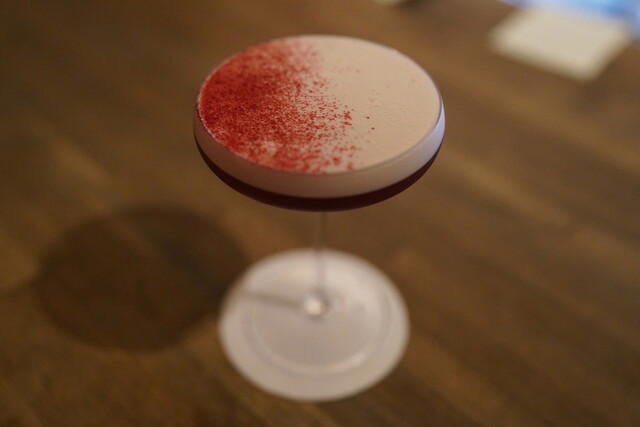
In Hachinohe, the city changes register after dinner. Street-level drinking often means izakaya lights, local dining signs, and groups moving between small rooms; later, a bar can become a narrower proposition. The room matters because the format depends on attention: a short exchange, a measured pace, and drinks for people who have come after the meal rather than instead of it. ROSE GARDEN sits inside that Hachinohe pattern, where the city’s appetite for food and drink gives way, later in the evening, to a more composed bar culture.
Hachinohe is not Tokyo’s hotel-bar circuit, nor Osaka’s high-volume nightlife scene. Its drinking identity is tied to a working city, seasonal eating, and neighborhood bars that serve regulars as much as travelers. That makes a Tabelog Bar 100 selection in 2022 meaningful: not as a trophy line, but as evidence that this small northern city has a bar address recognized beyond local familiarity. The bar’s Tabelog score of 3.67 places it in a serious user-review tier for Japan, where ratings tend to be conservative and where small-format bars rarely compete on visibility alone.
Hachinohe's bar culture after the evening meal
The useful way to read this bar is against Hachinohe’s broader evening economy. A visitor may begin with the city’s dining canon: seafood, local dishes, or a counter meal that reflects the area’s produce and cooking habits. Hachinohe restaurant references such as Ban'ya and カーサ・デル・チーボ, along with other independent Hachinohe dining rooms, show how the city’s dining map splits between local food, small counters, and compact independent rooms. A bar at this level works as the second act, not the headline dinner.
The ingredient-sourcing story here is less about a named farm or a publicised house recipe than about context. Aomori’s produce identity is unusually strong by Japanese standards, and the region’s climate shapes both appetite and drinking habits. Serious bars in regional Japan often translate that context through seasonality, careful drink selection, and a sense of place rather than through long menus or theatrical serves. ROSE GARDEN’s listed category as a bar places it in that drink-led discipline. The point is restraint: the drink is the unit of craft, not the room’s volume or the novelty of the concept.
This also explains why format matters. The bar operates in a context where pacing and attention can shape the night. That is a different proposition from the louder izakaya circuit around it. Solo drinking can be a practical part of the format rather than a compromise, and the room also suits pairs or friends who want conversation without turning the night into a bar crawl.
Why the Bar 100 signal matters outside Tokyo
Japan’s bar reputation is often filtered through major cities, but regional bars have their own logic. They must serve locals repeatedly, not just visitors chasing a list, and they rarely have the hotel infrastructure or international press cycle that supports major-city rooms. A Tabelog Bar 100 selection in that environment suggests consistency and local credibility. ROSE GARDEN’s recognition in the 2022 bar list puts it into a national conversation while keeping it grounded in Hachinohe’s after-dark habits.
Price also frames the decision, even when it should not dominate the evening. The listed dinner spend sits at JPY 4,000 to JPY 4,999, which aligns with other serious local drinking or dining addresses rather than quick-stop drinking. The comparison is useful: Ban'ya appears in the same spend band, while lower-priced casual meals elsewhere in the region occupy a different purpose. For travelers, this is not the economical final drink after a long night; it is the planned bar stop after dinner, with enough structure to justify treating it as part of the itinerary.
There is a broader northern-Japan lesson here. Hachinohe rewards travelers who do not stop at the obvious dining narrative. The city has a clear food-and-drink backbone, but its night culture is layered: convenience near transport, compact bars, specialist counters, and small rooms that make sense only after the city has thinned out. For wider planning, Our full Hachinohe restaurants guide, Our full Hachinohe bars guide, Our full Hachinohe hotels guide, Our full Hachinohe wineries guide, and Our full Hachinohe experiences guide help separate dinner, drinking, lodging, and daytime structure rather than treating the city as a single dining stop.
A compact room for drinkers who value format over noise
The decision point is simple. Choose this bar when the night calls for a controlled drinking setting in Hachinohe, particularly after a meal built around the city’s local dining. The combination of Bar 100 recognition, a listed bar category, and a JPY 4,000 to JPY 4,999 dinner spend band makes it better suited to adults who care about the drinking format than to families, large groups, or travelers looking for a casual snack-and-beer stop.
Travelers building a Japan itinerary around smaller cities should read Hachinohe alongside other specialist addresses rather than only against famous metropolitan dining. The same national map can include regional Japanese rooms, city restaurants, and international Japanese-adjacent counters without needing to force direct comparisons. The value of ROSE GARDEN is that it gives Hachinohe a serious bar marker inside that wider map, without pretending the city is something it is not.
Frequently asked questions
Is ROSE GARDEN good for families?
It suits adults better than family groups. ROSE GARDEN is listed as a bar in Hachinohe, which points to a drink-focused stop rather than a family setup.
What's the overall feel of ROSE GARDEN?
Expect a bar in Hachinohe with a measured after-dinner pace. The Tabelog Bar 100 2022 selection puts it in a recognized bar category.
Is ROSE GARDEN expensive?
Pricing at ROSE GARDEN is listed as JPY 4,000 - JPY 4,999 View spending breakdown.
What is ROSE GARDEN known for?
ROSE GARDEN is known as a Tabelog Bar 100 selection from 2022 in Hachinohe.
Comparable Spots, Quickly
Comparable venues by cuisine and price in the same metro.
| Venue | Cuisine | Price | Awards | Notes |
|---|---|---|---|---|
| ROSE GARDENThis venue (the venue you are viewing) | Classic Japanese cocktail bar | $30–50 | Tabelog 100 #66 | Not listed |
| Ban'ya | Traditional Japanese Izakaya | Not listed | Tabelog 100 #60 | Hon Hachinohe Sta. |
| カーサ・デル・チーボ | Italian with Aomori Local Ingredients | $100–150 | Tabelog Bronze #42 | Minatotakadai |
| Homura | Seasonal Japanese Kappo / Kaiseki-style Dining | $50–100 | Tabelog 100 #47 | Ichibancho |
| St. Anton (レストラン サンアントン) | Grill Cuisine | Not listed | Not listed | Myoko City |
| Ult Coffee Roasters | Specialty Coffee Roasters | Not listed | Not listed | Kyomachibori |
Recognition history
Dated appearances from independent guides and award organizations, with the underlying list record or original source where available.
Tabelog 100 #66 · No. 66
Tabelog · Tabelog 100 - Bar - 2022
Continue exploring
More in Hachinohe
Details
- Cozy
- Quiet
- Intimate
- Classic
- Sophisticated
- After Work
- Late Night
- Date Night
- Solo
- Casual Hangout
- Standalone
- Design Destination
- Craft Cocktails
- A La Carte
- Counter Dining
- Small Plates
- Cocktails
- Spirits
A small, relaxing bar with counter-focused seating, low-key lighting, and a calm, quietly sophisticated atmosphere suited to solo drinkers or small groups of friends.